Thermal power plants
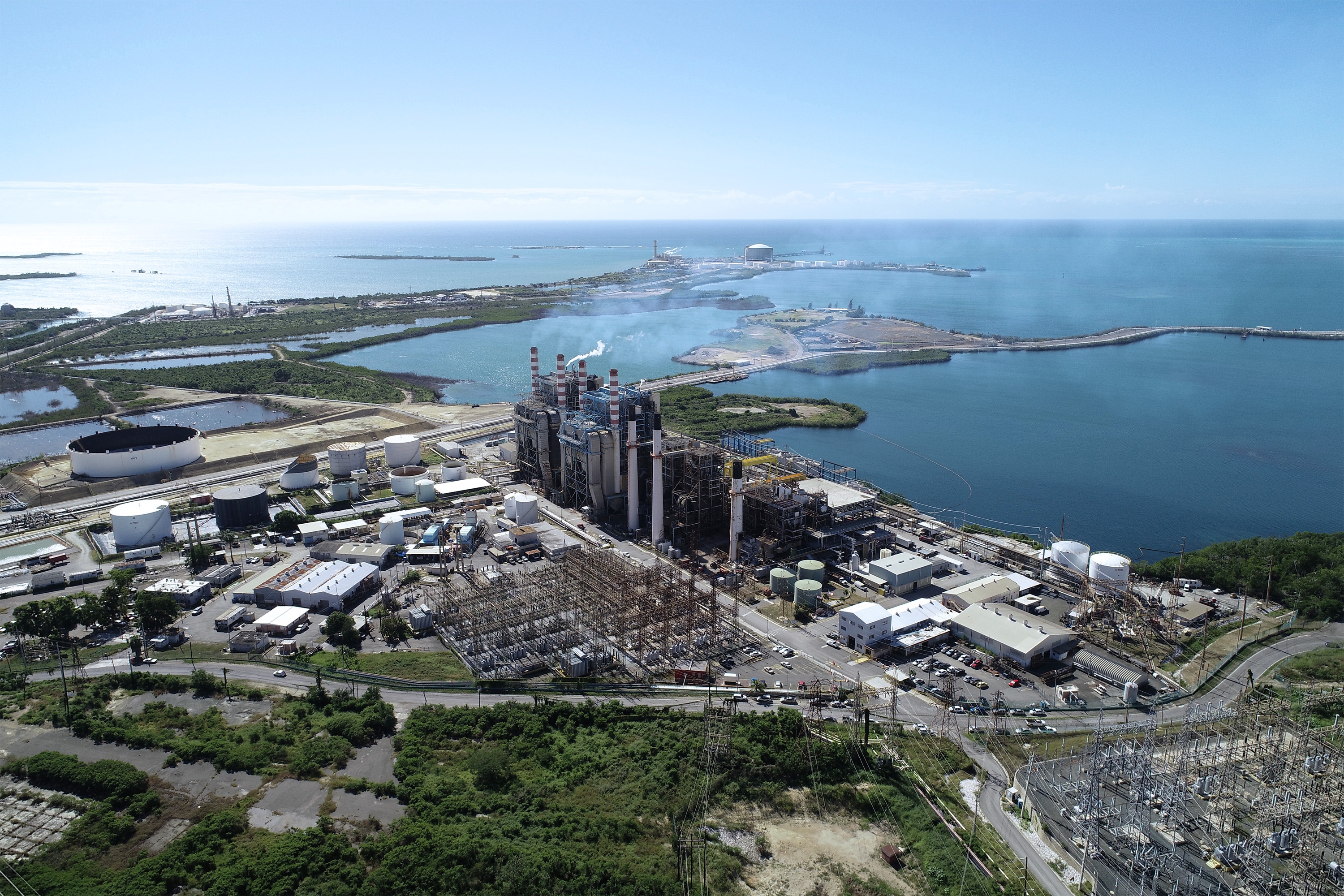
Thermal power plants remain essential components of modern energy systems, even as the share of renewable generation increases. Due to the inherent variability of solar and wind output, thermal plants provide the reliable, dispatchable capacity required to maintain grid stability and secure power supply. Omterra offers a wide range of solutions, products, and services for thermal power generation.
Types of thermal power plants
Thermal power plants generate electricity by converting heat from burning fuels such as natural gas, oil, biomass, waste, or coal, or from nuclear reactions.
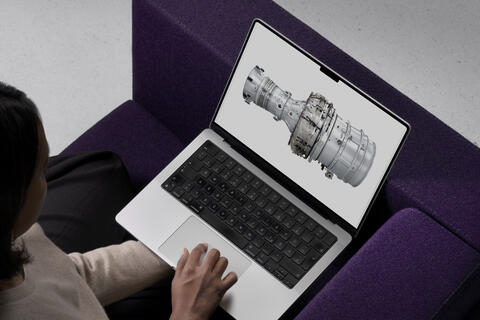
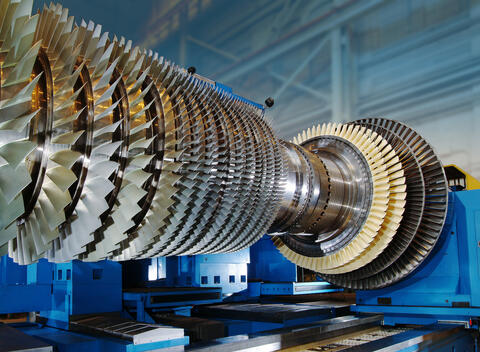
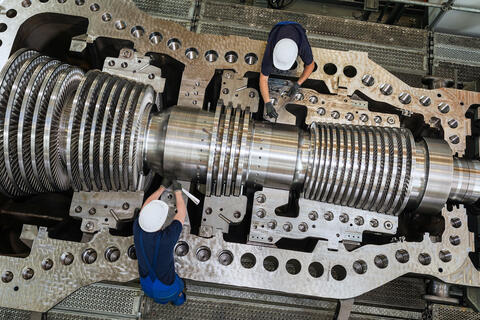
The portfolio includes gas‑fired power plant solutions for simple‑cycle, combined‑cycle, cogeneration, and district‑heating applications, along with steam turbines for nuclear and biomass facilities. They are deployed in both industrial and utility‑scale installations and operate across base‑load, load‑following, and peaking modes.
Gas-fired power generation
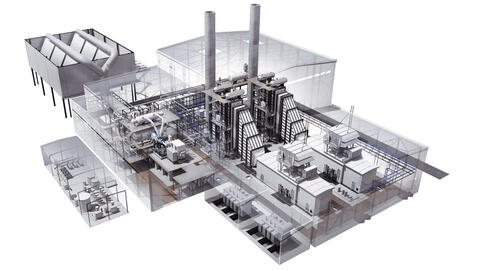
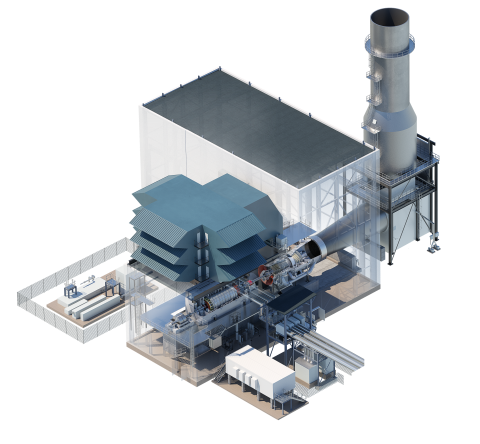
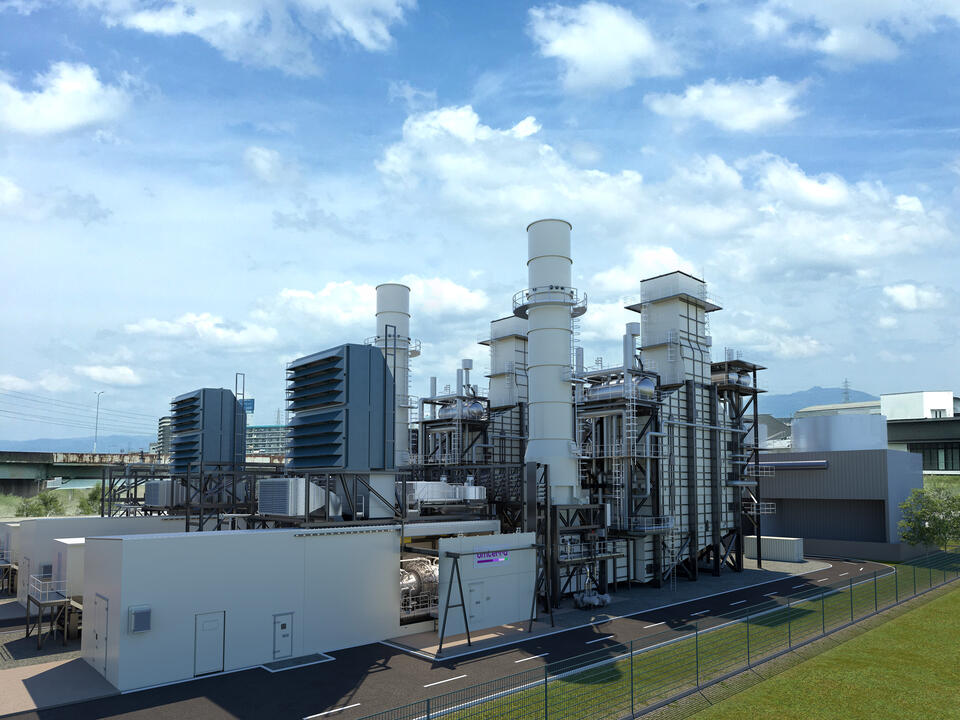
Gas fired power plants can be either simple or open cycle plants, or combined cycle power plants (CCPP) which integrate both gas and steam turbines, for high efficiency. Combined heat and power plants (CHP) efficiently produce both electricity and thermal energy.
Gas-fired power plants help to reduce CO2 emissions and support renewable energy integration. Omterra offers the full scope of supply from different gas turbine and steam turbine types to full power plants like open cycle for peak power or combined cycle for base load as well as I&C and service and maintenance offerings.
Combined cycle power plants (CCPP)
Open cycle peaker plants
Combined heat and power plants (CHP plants)
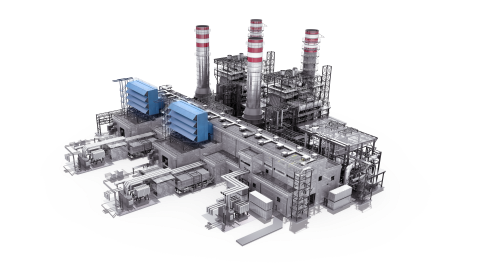
Hydrogen-fired & H2 co-fired planst
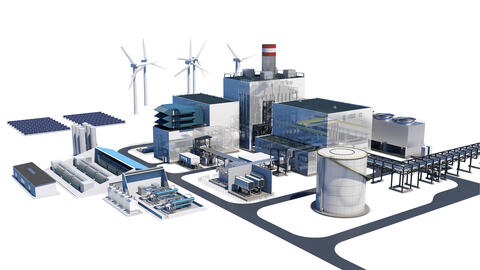
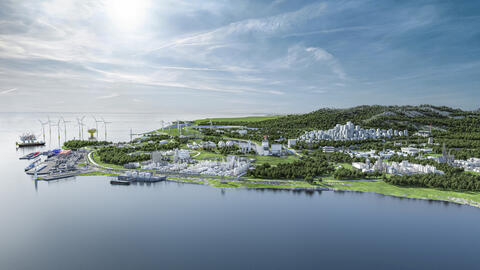
Floating power plants
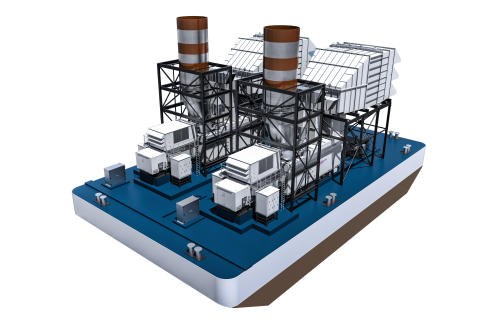
Nuclear power plant solutions
Nuclear power plants provide a dependable source of low-carbon electricity that complements the variability of renewable energy sources like wind and solar. Omterra offers steam turbine island solutions, I&C and digital solutions, service and maintenance for nuclear power plants and small modular reactors (SMR).
Biomass, waste-to-energy, concentrated solar power
Omterra is at the forefront of integrating biomass and concentrated solar power (CSP) into energy generation, providing comprehensive steam cycle solutions that encompass steam turbines, instrumentation and control systems, as well as service and maintenance options.
Explore Omterra products and services


Get answers: FAQs on power generation
A thermal power plant generates electricity by converting heat energy – typically from the combustion of fuels such as natural gas, oil, biomass, waste or coal, or from nuclear reactions – into mechanical energy using gas turbines, steam turbines or reciprocating engines. This mechanical energy is then transformed into electrical energy by a generator.
The environmental impact of thermal power plants varies depending on plant type, age, fuel source, and operating conditions. Modern gas fired, biomass, and waste to energy plants achieve low greenhouse gas emissions and minimal harmful pollutants due to advanced combustion and emissions control technologies. Nuclear plants emit no greenhouse gases or combustion related air pollutants.
Key advantages include high reliability, the ability to supply stable baseload or fast‑responding peak power on demand, strong grid‑stabilizing capabilities, proven and mature technology, operational flexibility, and compatibility with a wide range of fuels and combined heat‑and‑power configurations for higher overall efficiency.
Thermal power plants can use natural gas, oil, biomass, coal, waste or waste-derived fuels, or nuclear fuel, depending on plant type.
Gas-fired power plants offer lower CO₂ emissions compared to coal-based plants, provide flexible operation to balance variable wind and solar generation, and can be adapted for hydrogen co-firing to further decarbonize power generation.
Yes, thermal power plants can operate on renewable fuels such as biomass. They also complement variable renewable energy sources by providing flexible backup capacity and essential grid stabilizing services, such as inertia and frequency support, to maintain stability and reliability when wind or solar output fluctuate.
Omterra delivers the full scope from equipment supply like gas and steam turbines to complete power plants, including I&C, modernization, lifecycle service, maintenance, and remote operational support to enhance reliability and reduce downtime.