Qstor™ battery energy storage systems
The global transition towards a decentralized and decarbonized energy landscape necessitates unparalleled flexibility and resilience. This calls for robust solutions that ensure stability and unlock new value.
Qstor™ battery energy storage systems (BESS) from Omterra, formerly known as Siemens Energy, are engineered to meet these challenges head-on, offering a versatile, scalable, and reliable solution to energize society.
The benefits of Qstor™ battery energy storage systems
Advanced cell-to-grid controls and analytics
- Redundant controls proven in different power plant applications including hybrids
- Meeting and exceeding standard cybersecurity requirements
- In-house analytics and insights to increase battery lifetime and efficiency
Flexible and reliable design
- Plant-wide expertise to optimize your system throughout its full lifecycle – including HV equipment, synchronous condensers, wind and gas turbines
- Safety and reliability-centered product and solution design
- Configurable plant footprint, including medium voltage (MV) and high voltage (HV) equipment
Unrivaled lifetime support
- Omterra quality – with 150+ years of engineering experience in electrifying the world
- Robust supply chain focused on sustainability
- Localized plant-wide services network with proven response times
Advanced Qstor™ BESS solutions are designed to cater to the distinct needs of a diverse range of customers, from IPPs to data centers. Deploy your energy storage systems that not only address today's operational challenges but also lay the foundation for sustainable and profitable energy systems of the future together with Omterra.
Hybrid BESS is integrated with a specific power plant or facility, creating a combined asset. If you want to include a battery to a wind farm, a solar-plus-storage plant, a gas turbine paired with a battery, or a battery connected with grid devices like synchronous condensers or Flexible AC Transmission Systems (FACTS) units.
The Qstor™ solution:
Leveraging advanced controls and exceptional design flexibility, hybridizing assets with Qstor™ BESS creates highly flexible, fast-responding power plants. Our sophisticated control systems seamlessly orchestrate the BESS with thermal assets, while the modular design allows for optimized integration with a wide range of new and existing power generation technologies to enhance performance and profitability.
Enhanced gas turbine flexibility
Enables faster startups and improved part-load efficiency, as the BESS handles rapid grid demands, allowing the turbine to operate at its optimal point.
Renewable capacity firming
Smooth the intermittent output of wind and solar farms to create a predictable, dispatchable power profile.
Synchronous condenser enhancement
Pairs a synchronous condenser's ability to provide inertia and short-circuit power with the BESS's fast active power injection, creating a single asset for comprehensive grid stability.
Black start capability
Provides the necessary power to restart a power plant or a section of the grid without assistance from an external power source.
Additional value-add solutions
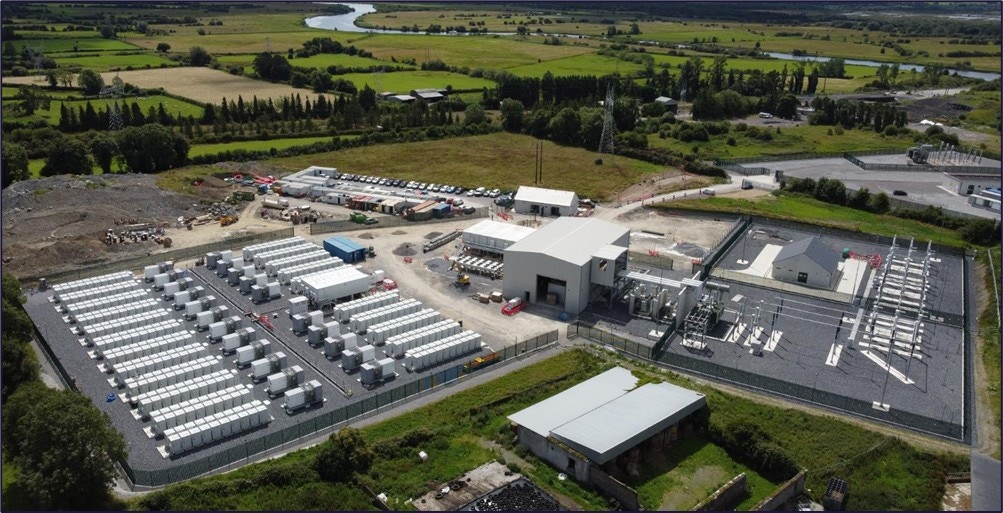
The hybrid grid stabilization plant at Shannonbridge is a pioneering example of a BESS combined with a synchronous condenser.
IPPs and utilities face the dual pressure of integrating large volumes of renewable energy while maintaining grid stability and maximizing revenue. Volatile energy prices and the need for dependable capacity require solutions that can react instantly to market signals and grid conditions.
The Qstor™ battery energy storage systems solution:
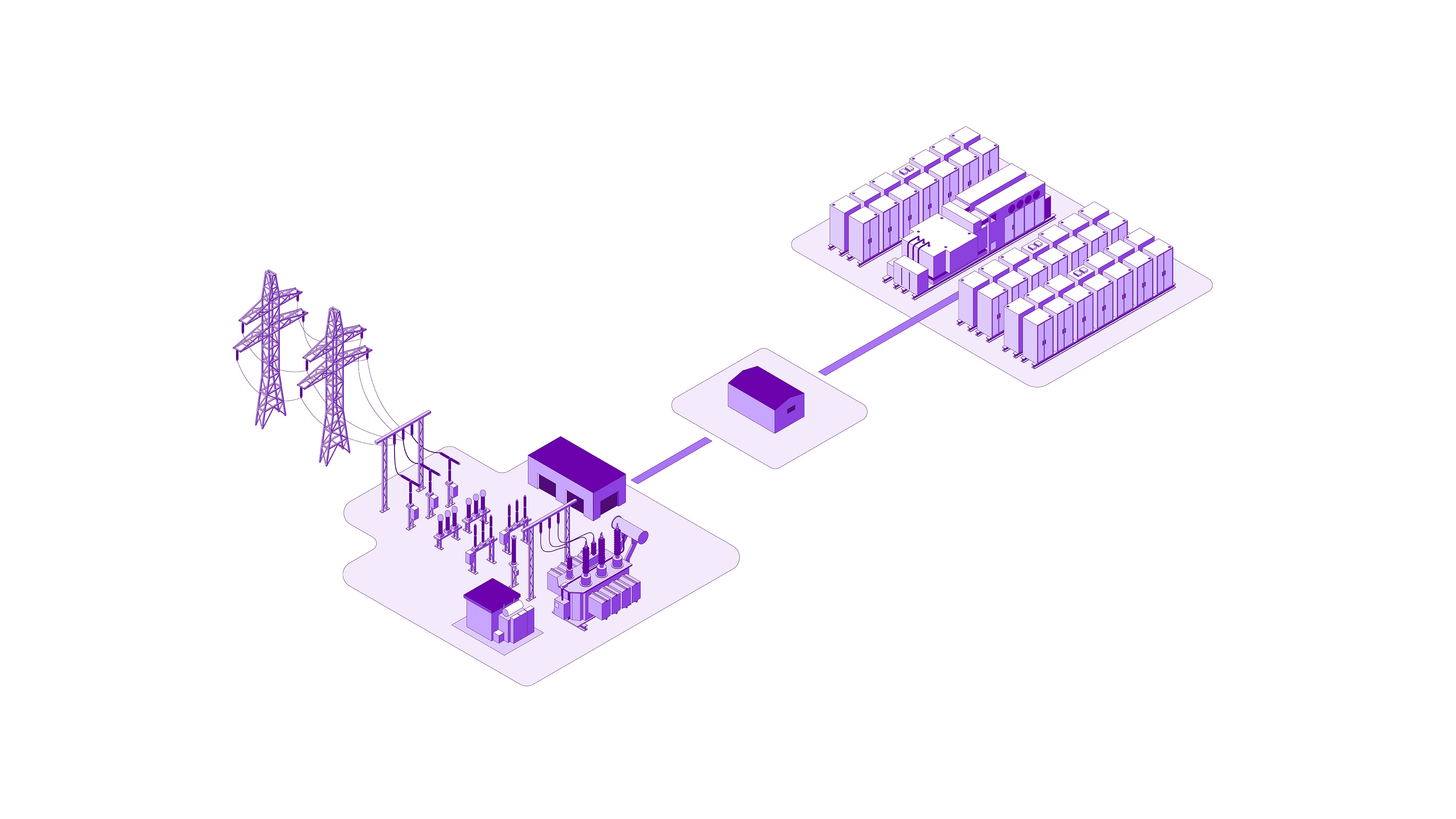
For IPPs and utilities, Qstor™ BESS is a powerful asset for enhancing grid services and unlocking new revenue streams. The solution encompasses not just the core technology, but proven expertise in delivering full turnkey solutions with seamless HV/MV integration capabilities. This ensures a reliable, optimized connection to the grid, providing the fast-ramping power needed to participate in ancillary service markets, perform energy arbitrage, and ensure reliable power delivery.
Ancillary services

Deliver high-value frequency regulation, spinning reserve, and voltage support with ultra fast response times.
Energy arbitrage

Capture revenue by storing low-cost energy and dispatching it during peak price periods.
Capacity markets

Secure predictable revenue streams by reliably delivering capacity commitments and supporting long-term grid reliability.
Peaking capacity

Provide reliable power during periods of high demand, deferring or replacing investment in traditional peaker plants.
Additional value-add solutions
Omterra's offering extends beyond the battery storage system itself. The company provides full, turnkey high-voltage grid integration, leveraging a world-class portfolio of substations and substation digitalization with Noedra Node, transformers, and Blue HV products including switchgear.
For data centers uptime is non-negotiable. The need for uninterruptible, high-quality power is paramount, while growing pressure to improve sustainability and reduce carbon footprints demands cleaner energy solutions. Traditional backup systems can be slow to respond and carry a significant environmental and operational cost.
The Qstor™ Solution:
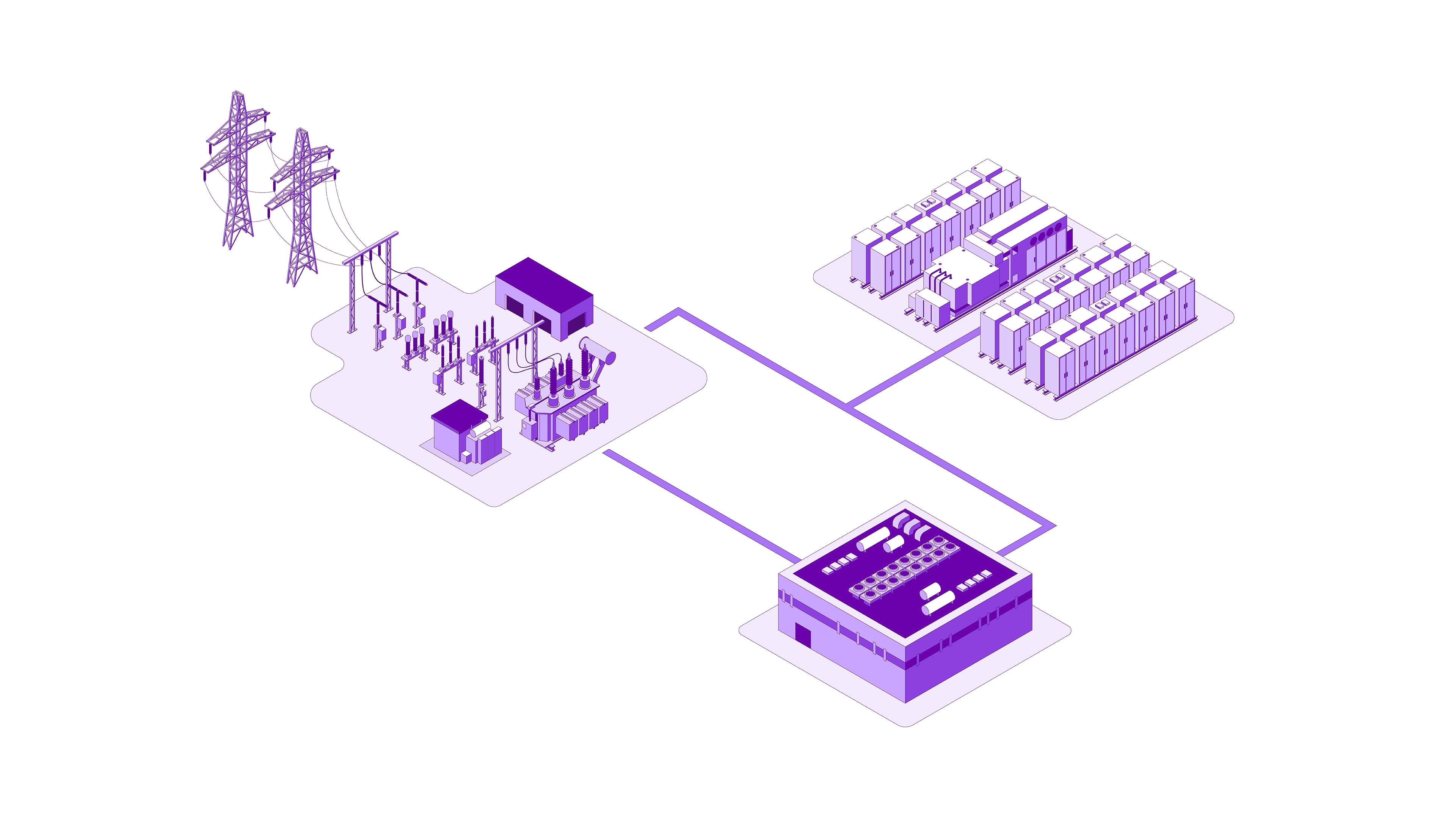
Leveraging advanced controls and grid-forming capabilities, Qstor™ BESS provides mission-critical power resilience and enhances sustainability for data centers. It can operate independently to create a stable, high-quality power island, acting as a seamless, instantaneous bridge during grid disturbances and ensuring your operations are always on.
Load smoothing

The system can respond rapidly to sudden shifts in demand, smoothing out sudden ramp up and down variations.
Lower maintenance

Load smoothing reduces the number of start-stop cycles in turbines and minimizes the strain on machinery, leading to less wear and lower maintenance costs.
Increased renewable integration
Maximize the use of on-site solar or other renewable sources to meet sustainability targets as well as eliminate the need for a diesel backup for a cleaner operation.
Grid support

Generate new revenue by allowing the BESS to provide services to the local grid when not required for backup.
Additional value-add solutions
Omterra Qstor™ BESS and simple cycle power plant (SCPP) together, provide high quality electricity during power outages or grid instability, enhancing efficiency and reliability in energy management.
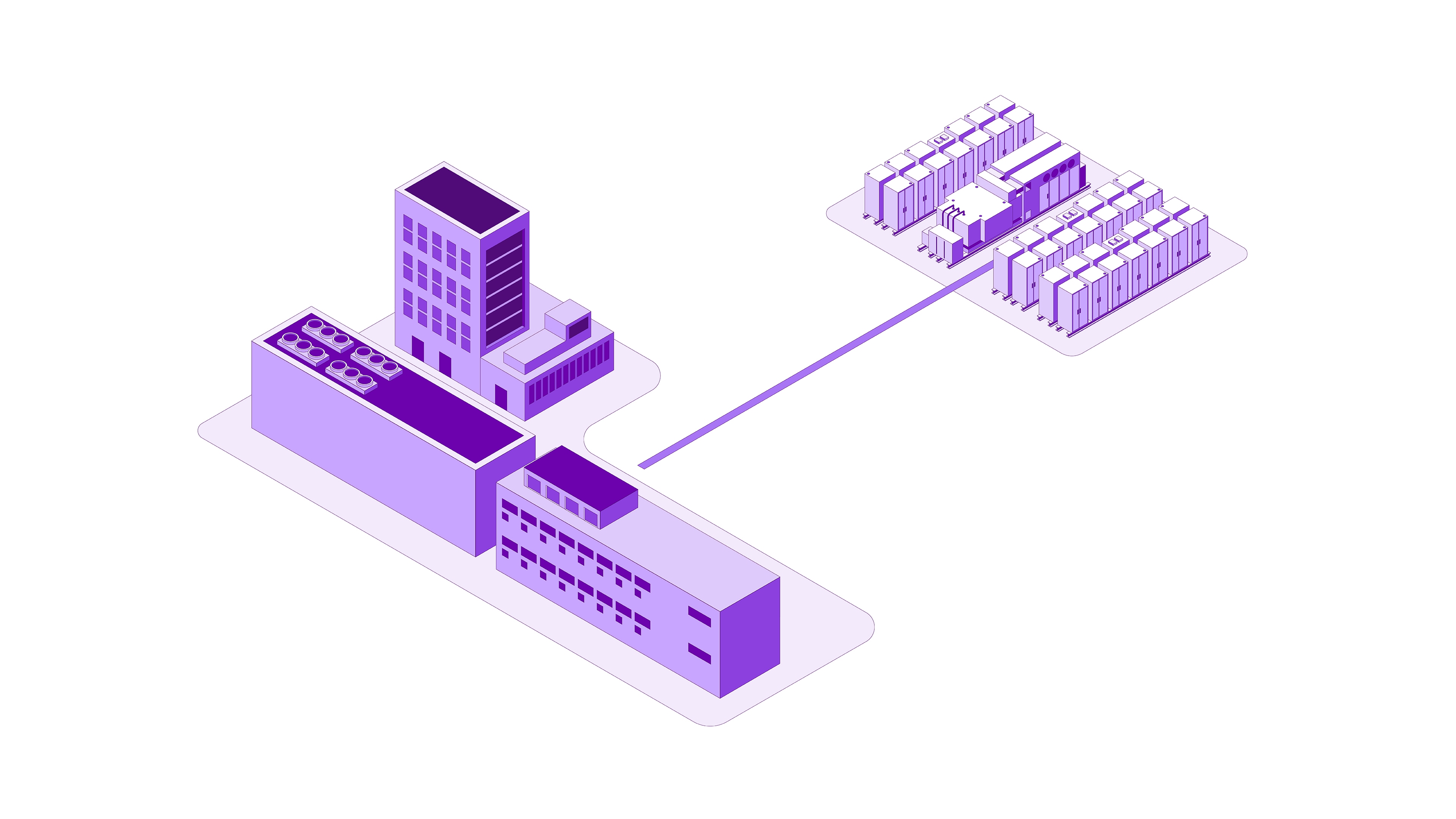
Industrial operators require stable, high-quality power to protect sensitive equipment and ensure continuous production. They are also exposed to volatile energy costs and increasing demands for decarbonization. Unexpected power outages can lead to significant financial losses from damaged equipment and lost output.
The Qstor™ Solution:
Thanks to its inherent reliability and design flexibility, Qstor™ BESS empowers industrial facilities with greater energy independence and operational efficiency. Our modular approach allows the system to be precisely tailored to your specific power requirements and physical footprint, while its robust engineering protects critical processes from grid instability and advances your sustainability goals.
Demand charge management

Lower electricity bills by deploying stored energy to shave consumption peaks.
Maximizing self-consumption

Store excess energy from on-site generation (e.g., solar, CHP – combined heat & power) for later use, reducing reliance on the grid.
Power quality & reliability

Safeguard manufacturing processes and sensitive machinery from grid voltage sags and interruptions.
Resilient microgrids

Form the core of a facility-wide microgrid, ensuring continued operation during extended grid outages.
Additional value-add solutions
Pair Qstor™ BESS with Omterra gas and steam turbines or waste heat recovery systems to create a highly efficient and resilient on-site energy ecosystem.
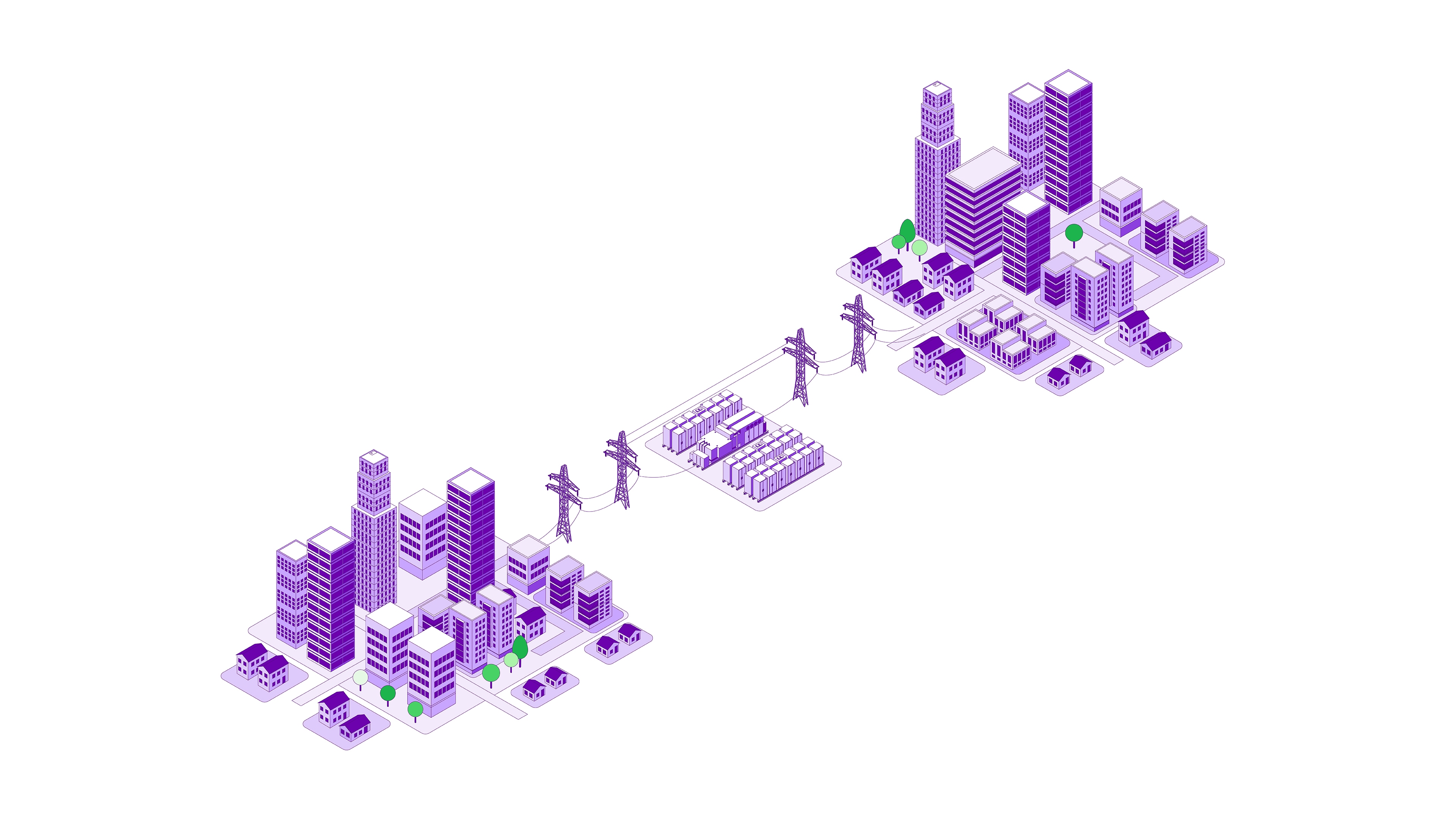
TSOs are tasked with maintaining the stability of a grid undergoing a radical transformation. The phase-out of conventional power plants with rotating mass reduces system inertia, while the growth of renewables creates new congestion points. This requires innovative solutions to enhance grid resilience and transmission capacity without building new lines.
The Qstor™ Solution:
Deployed as a Grid Booster, our Qstor™ technology is a powerful and flexible solution to enhance grid stability. These systems are built with the strictest cybersecurity standards, ensuring maximum availability and secure operation. Omterra's deep expertise in HV interconnection guarantees that these critical assets are integrated into the transmission network safely and efficiently to keep the grid in balance.
Congestion management
Mitigate bottlenecks on transmission lines, allowing for greater integration of renewable energy from remote locations.
Security & redispatch
Provide immediate power to ensure grid stability following a contingency event, reducing the need for costly measures to redispatch.
Synthetic inertia & short-circuit power
Enhance system strength and stability in grids with grid forming technology.
Voltage & frequency control
Deliver fast, dynamic reactive and active power support to maintain grid integrity.
Additional value-add solutions
Omterra grid booster solutions are part of a comprehensive portfolio, including HVDC systems, FACTS, and high-voltage substations, designed to create the resilient grid of the future.
Overall, Qstor™ by Omterra provides a comprehensive, end-to-end BESS solution tailored to meet diverse energy needs.
Omterra Qstor™ portfolio: scalable and sustainable BESS solutions
Omterra Qstor™ portfolio offers fully integrated, scalable BESS solutions, complemented by battery passport and supplier quality management processes to ensure transparency, reliability, and sustainability. With rigorous testing, validation, and seamless control integration, we deliver energy solutions designed for the future.
Omterra fully integrated BESS combines advanced components like battery systems, inverters, transformers, and medium voltage switchgear with seamless electrical and instrumentation and control (I&C) integration for precise control and management. Providing certainty on product quality and sourcing transparency, the solutions follow the latest standards and plant-level compliance. From cell-to-grid, Omterra handles definition, testing, and implementation to deliver a risk-limited, reliable solution. With flexible connectivity for diverse applications and comprehensive services like installation and commissioning, BESS is built to meet your energy needs.
Omterra system design and integration capabilities enable the most efficient solutions, increasing operational efficiency at the highest availability. The company meets your needs across the product lifecycle, from design to development into operations accompanied by long-term service. To best support each project, Omterra selects the most suitable hardware, whether it’s our own or sourced from trusted partners. This flexible approach allows Omterra to tailor solutions that align with your goals and ensure long-term satisfaction. Power your transition to sustainable energy with battery storage solutions conceived and engineered in Europe.
Omterra BESS are seamlessly integratable at any necessary voltage level of your application. Through tremendous experience at electric system design, Omterra comprises its offering, through known quality and expertise from substations, HV- and MV-transformers ensuring plannable development and execution of your project.
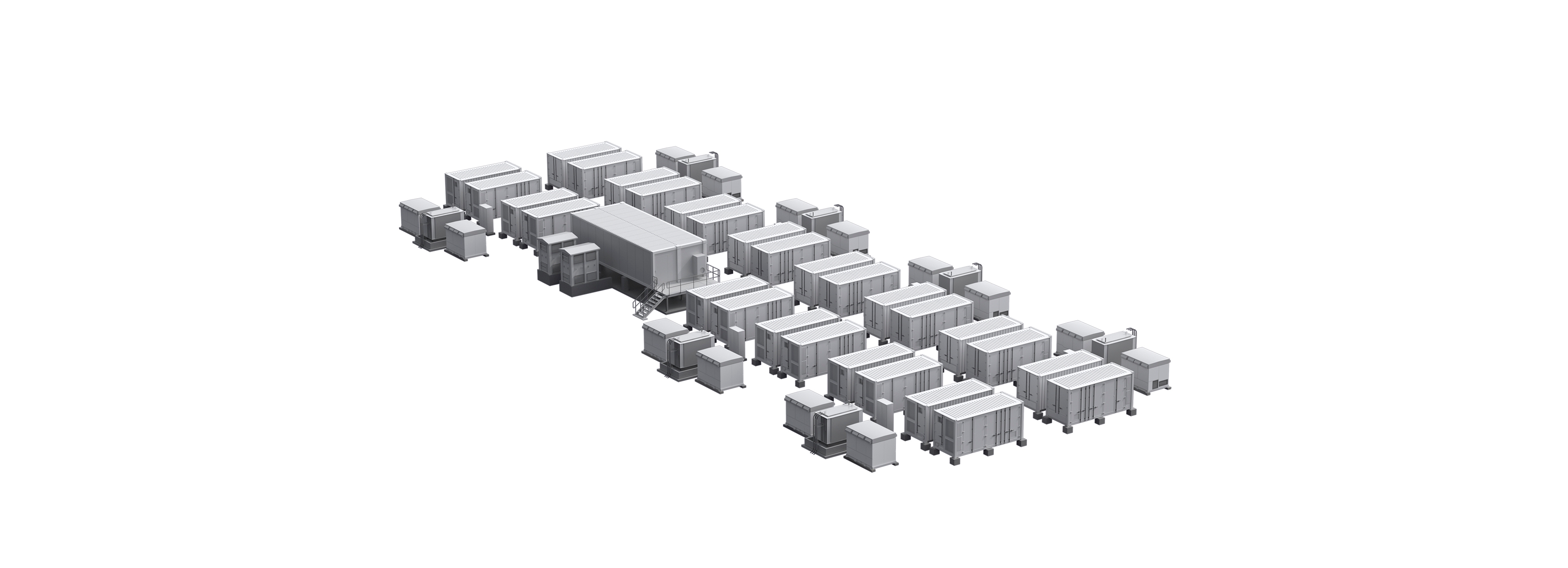
Omterra delivers end-to-end systems design, integration, and lifetime service, all under one trusted roof, guaranteeing on-time, on-budget execution.
Discover the Qstor™ portfolio inclusive the modular DC-block that simplifies project design while elevating safety through continuous, real-time monitoring.
Pre-assembled for rapid installation, Qstor™ DC-blocks cuts site work, lowers total cost of ownership, and provides durable performance customers can count on.
Performance
- Customization for different market applications and customer requirements
- Embedded in plant controller remotely accessible
Efficiency
- Central chiller with intelligent controls
- Integrated temperature and humidity control
- Low noise
- Reduction of power consumption
Handling
- Direct transport
- Pre-tested and pre-programmed solution for risk mitigation on site
- Embedded components for direct connection
- Fast installation on-site
Environment
- Long service life up to 20 years
- IP 55 rating / up to C5-M coating
Safety
- Direct fast stop to the battery strings
- Hard wired safety chain
- Integrated fire detection and suppression system
- Hazard prevention according to NFPA 855
- Explosion protection / prevention according to NFPA68 / 69
- Door contacts
Power your projects with the converter expertise that keeps modern grids resilient, efficient, and ready for tomorrow.
- Precise converter selection: Omterra specialists analyze your load profile, generation mix, and regulatory landscape to recommend the optimal converter topology and rating—ensuring seamless integration and maximum ROI.
- Comprehensive stability services: From short-circuit contribution to voltage and frequency stabilization, Omterra solutions reinforce network strength and maintain power quality under every operating condition.
- Advanced grid-forming intelligence: Built-in virtual inertia, grid-forming control, and black-start capability allow your assets to anchor weak or islanded grids, accelerate system restoration, and support renewable penetration without sacrificing reliability.
- Full suite of ancillary services: Enable fast frequency response, reactive power support, and additional ancillary services that monetize flexibility while meeting stringent compliance requirements.
Whether you’re modernizing legacy infrastructure or deploying next-generation renewables, Omterra delivers converter strategies that transform technical challenges into competitive advantage.
Introducing the battery passport: A new era of transparency and sustainability
Omterra is complying with the EU Battery Passport Regulation, to encourage a more sustainable and transparent battery industry. The Battery Passport is a digital record that enhances supply chain transparency and facilitates reuse and recycling throughout a battery's lifecycle. By incorporating this into Qstor™ solutions, regulatory compliance and support customers' sustainability objectives are ensured.
August 2025
The declaration of the carbon footprint for batteries with a capacity over 2 kWh will become mandatory.
February 2027
For batteries larger than 2 kWh sold in the European Union, a Full Battery Passport will be required.
After 2027
Further Digital Product Passports are required based on EU regulations
Key features of the EU battery passport regulation:
Sustainability and safety requirements
Labeling and information requirements
End-of-life management
Due diligence obligations
Benefits of the battery passport for Qstor™ users:
- The battery passport provides users with a comprehensive digital profile of their batteries, offering key details such as the carbon footprint, responsible sourcing of raw materials, and recyclability metrics.
- This transparency empowers users to make informed decisions, optimize their energy systems, and demonstrate their commitment to sustainable practices.
- By tracing the lifecycle of batteries, users can identify potential inefficiencies and areas for improvement in their supply chains.
- The battery passport promotes a circular economy by enabling the reuse, refurbishment, and recycling of batteries at the end of their lifecycle.
- It simplifies the process of identifying recyclable components and ensures that critical raw materials can be recovered and reintegrated into production.
- This reduces waste and dependency on virgin materials, contributing to a more sustainable energy ecosystem.
- With stricter EU regulations on battery sustainability, safety, and end-of-life management, the battery passport ensures that Qstor™ users remain compliant with evolving requirements.
- The passport also helps users prepare for upcoming mandates, such as the inclusion of QR codes on batteries starting in 2027, containing crucial information like manufacturer details and capacity.
- Staying ahead of compliance requirements minimizes risks and ensures uninterrupted operations.
- By adopting the battery passport, Qstor™ users align with Omterra’s vision for sustainable energy solutions and contribute to the global transition toward a circular economy.
- The passport fosters innovation by providing data-driven insights into battery performance.
- This commitment to sustainability not only enhances a company’s reputation but also opens new opportunities for collaboration and market growth in the green energy sector.
Omterra leverages expertise and innovative technologies to address these challenges, ensuring a seamless transition to compliance with the EU battery regulation.
The success of a BESS project depends on more than high-quality components. It requires a resilient supply chain, trusted partners, and proven system performance.
Omterra combines strategic supplier management, independent validation, and system-level testing to verify performance, ensure supply readiness, and reduce lifecycle risks. Supported by Omterra Integration Center in Mülheim, the company translates supplier capabilities into reliable, scalable, and bankable energy storage solutions.
Cell and modul testing
Omterra battery testing program delivers independent verification of module quality, safety, and operational performance through:
- Supplier specification validation
Comprehensive electrical and quality diagnostics - Safety and BMS behavior assessment, including fault and shutdown responses
- Performance characterization across operational states
- Capacity, round-trip efficiency (RTE), and SOC calibration validation
Controls testing
Purposes:
- Hardware and software testing for plant level controls
- Simulation of signal exchanges from various sources and controls reactions
- Hardware-in-loop testing capabilities to simulate complete controls setup
Integration and communications testing
Purposes:
- Plant level integration of all components on 6kV level, including controls, PCS and batteries to allow real-life integration and communication testing as well as optimization
Explore the future of energy storage with Omterra's Qstor™ controls
The Qstor™ control system by Omterra represents an holistic approach to BESS controls and management, consistently outperforming in highly complex applications. It facilitates real-time monitoring, accurate temperature regulation, and ongoing battery health maintenance. With a focus on functionality, this system incorporates automated cell balancing and fault detection among its suite of features, aimed at optimizing the performance and longevity of energy storage systems.
General services enabled by Qstor™
In addition to advanced battery management, Qstor™ enables seamless integration with grid operations by offering a comprehensive set of general services available across all markets.
These services are designed to work in harmony with the intelligent control architecture of Qstor™, delivering reliable performance and operational flexibility for modern energy systems. They are also included in the specialized regional variations:
- Automatic control: Qstor™ provides interoperable interfaces to enable real and reactive power dispatch commands and their corresponding ramp rates.
- Manual control: Allows operators to intervene directly for system optimization and contingency management.
- Reactive and voltage control: Ensures voltage stability and reactive power support across transmission and distribution networks.
- State of charge (SOC) management: Maintains optimal battery charge levels to extend system life and support ancillary services.
- Power oscillation damping: Actively mitigates low-frequency oscillations to enhance system resilience and prevent cascading failures.
- Emergency active power control: Qstor™ provides configurable interfaces and fault tolerant digital triggers to ensure rapid injection or absorption of real power to stabilize the grid in emergency situations or grid fault events.
Market-ready for Europe’s grid services Qstor™
Controls by Omterra are designed to meet the evolving demands of European energy markets, supporting a wide range of grid services and regulatory frameworks.
- Frequency containment reserve (FCR): FCR intervenes automatically when frequency deviations occur to help restore balance between supply and demand in seconds.
- Automatic frequency rstoration reserve (aFRR): Also known as the secondary reserve, this service helps keeping the grid frequency stable. Qstor provides interoperable interface enabling the transmission system operators to activate this service
- Manual frequency restoration reserve (mFRR): This service facilitates operator-initiated adjustments to restore the system balance. Qstor provides interoperable interface to activate this service.
- Reactive power and voltage control: Maintains voltage stability and supports reactive power requirements across transmission and distribution networks.
- Replacement reserve: Provides backup capacity to restore grid stability following major disturbances or outages.
- Capacity markets participation: Qstor™ is designed to integrate with capacity market mechanisms, ensuring long-term resource adequacy and revenue opportunities.
These services are fully compatible with Qstor™’s modular architecture and can be configured to meet national grid codes and market-specific requirements across Europe.
Tailored for the UK Grid Services Landscape
Qstor™ Controls by Omterra are fully equipped to support the unique requirements of the UK electricity market, enabling participation in key National Grid services and enhancing system stability.
- Quick reserve: Qstor™ controls manage rapid response headroom that can be dispatched at short notice to stabilise the system.
- Dynamic containment: Qstor™ provides ultrafast response that arrests sudden deviations in the grid frequency post grid fault. Qstor™ dispatches or absorbs power to keep the grid stable.
- Dynamic moderation: Fast pre-fault service that damps short-term frequency volatility. Qstor™ holds headroom and responds swiftly to larger deviations before they escalate.
- Dynamic regulation: Continuous, fine-tuning frequency control that tracks small deviations around 50 Hz. Qstor™ delivers a steady, accurate response to keep frequency tightly within limits.
- Reactive power: Offers reactive power support to ensure voltage control and compliance with grid codes.
- Stability services: Contributes to system inertia and damping, helping to maintain grid stability during disturbances.
- Balancing reserve support: Facilitates participation in balancing mechanisms to ensure supply-demand equilibrium.
- Congestion management: Actively manages grid constraints by optimising power flows and supporting network flexibility.
Tailored for the U.S. grid: CAISO & ERCOT support
Qstor™ controls by Omterra are built to meet the technical and regulatory demands of U.S. energy markets. With deep expertise in grid interconnection and market participation, we support a wide range of services across key regions.
As grid connection experts, Omterra can provide support to ensure IEEE P2800.2 conformance through validated dynamic/EMT model for the interconnection and plant level commissioning tests.
Qstor™ enables participation in CAISO’s energy and ancillary services markets, including:
- Flexible Ramping Product (FRP) Enabling this ensures upward and downward ramp capability are reserved, so CAISO can regularly request this reserve to cover net-load uncertainty via the interoperable interface. Qstor™ holds headroom and ramps quickly to smooth transitions between dispatch intervals.
- Regulation Up/Down Qstor™ charges or discharges every few seconds with high accuracy to keep system conditions on target following CAISO’s AGC signal via the interoperable interface, to correct small, rapid imbalances in real time.
- Regulation Energy Management (REM) Qstor™ interoperable interface allows energy offsets scheduled by CAISO to maintain a centred state of charge while providing regulation. This ensures sustained high-quality Reg Up/Down for longer without drifting empty or full.
Omterra also supports full IEEE P2800.2 compliance for ERCOT, with validated models and commissioning support tailored to Texas grid requirements.
Qstor™ enables participation in ERCOT’s energy and ancillary services markets, including:
- Reg Up/Down Qstor™ tracks ERCOT’s AGC signal to fine-tune system balance. Rapid, bidirectional power keeps ACE steady and earns regulation payments.
- PFR — Primary Frequency Response Qstor™ delivers autonomous, droop-based response within seconds when frequency departs 60 Hz. It injects or absorbs power immediately to help arrest the initial frequency change.
- Fast Frequency Response (FFR) Qstor™ response triggers almost instantaneously (sub-second) on under-frequency to deliver full output. This fast burst bridges the critical first moments of a contingency until slower reserves arrive.
- ERCOT Contingency Reserve Service (ECRS) A configurable contingency reserve can be held that ERCOT can deploy after a disturbance to restore system balance. Qstor™ sustains output as instructed and then recharges when recalled being ready for the next event.
Qstor™ stands out with its advanced grid forming capabilities, offering essential services that strengthen system stability and resilience while ensuring seamless integration into grid operations.
- Black start / system restoration: Qstor can energize a dead network, establishing stable voltage and frequency without external supply. It forms islands, picks up priority loads, and then resynchronizes safely with the wider grid on command.
- Inertia: As a grid-forming resource, Qstor delivers synthetic inertia, instant active-power response that resists rapid frequency changes reducing the rate of change of frequency of the connected network.
- Short-circuit current / system strength: Qstor Grid-forming controls provide controlled fault current and strong voltage support in grids. This boosts effective system strength, improves protection performance and ride-through, and enables more renewable connections.
- Load fluctuation damping: Qstor stiffens the local grid and damps oscillations from large motors, electrified loads, or variable generation. By modulating real and reactive power in milliseconds, it smooths flicker and stabilizes voltage and frequency.
With its focus on grid forming technologies, Qstor™ brings a future-ready solution for the challenges of modern energy systems, enabling greater grid reliability and adaptability.
Ensure optimal profitability of your battery storage system throughout the lifetime of the plant
As the global energy landscape rapidly evolves, BESS play an increasingly crucial role in stabilizing grids, integrating renewables, and optimizing energy performance. To fully unlock this potential, a comprehensive and forward‑looking service approach is essential.
BESS require consistent and expert servicing to ensure safe, reliable, and profitable operation throughout the entire facility lifecycle. At Omterra, service excellence is at the core of energy storage solutions. The portfolio ensures continuous improvement to keep your system running reliably, providing expert maintenance and support tailored to your needs.
BESS as a service spans advanced engineering, installation, commissioning, monitoring and diagnostics with Omterra solution BESS diagnostics service (BDS), preventive and corrective maintenance, upgrades, spare parts management, dedicated training programs, 24/7 customer support, and long-term service agreements with availability and performance guarantees.

Real-world success stories: Qstor™ BESS in action
Discover how Qstor™ BESS from Omterra are driving innovation and sustainability across the globe. From hybrid grid stabilization plants to renewable microgrids, our cutting-edge solutions are enabling reliable, efficient, and clean energy for diverse applications.
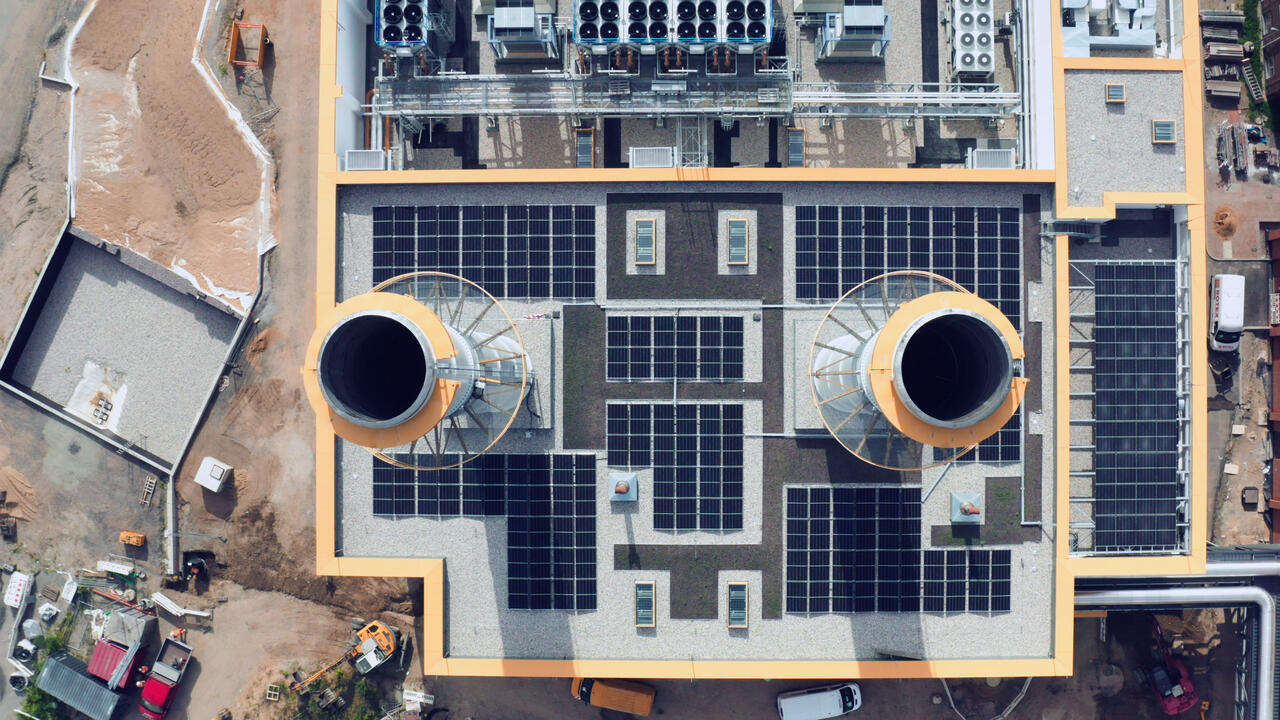
BESS enabling black start capabilities: Leipzig Süd
At the Leipzig Süd hydrogen-ready combined heat and power (CHP) plant, Omterra has installed a BESS to provide essential black-start capability, enabling the facility to restart independently during a complete grid outage. Paired with two SGT-800 gas turbines, the BESS guarantees immediate, reliable power for critical plant systems during startup, eliminating the need for external supply. Additionally, the BESS participates in providing ancillary services, enabling an additional revenue stream. And finally, it supports the site’s future transition from natural gas to hydrogen.
Qstor™ BESS downloads
Access detailed insights and technical information about Omterra Qstor™ BESS. From hybrid BESS to power plant storage, our downloadable resources give you clear, practical guidance to help you choose and apply the right energy solutions.



Get answers: FAQs on battery energy storage systems
A Battery Energy Storage System (BESS) is a technology-based solution that stores electrical energy using rechargeable batteries for later use. These systems are used in various applications, including stabilizing the electrical grid, supporting renewable energy sources like solar or wind, and providing backup power during outages.
A BESS stores energy by converting electricity into chemical energy within batteries. When energy is needed, the system converts the stored chemical energy back into usable electricity. Components such as batteries, inverters, and a battery management system work together to ensure efficient energy storage and delivery.
- Supports renewable energy: BESS help manage the variability of solar and wind energy.
- Grid stability: Balancing energy supply and demand.
- Cost savings: reduction of electricity costs by shifting energy use to off-peak times.
- Backup power: BESS provide reliable power during outages.
- Environmental benefits: BESS reduce reliance on fossil fuels when paired with renewables.
The largest Battery Energy Storage System (BESS) project in the world is the Edwards & Sanborn solar-plus-storage project in California. It has a storage capacity of 3,287MWh and is paired with 875MWdc of solar PV. Located on 4,600 acres in Kern County, the project uses battery units from LG Chem, Samsung, and BYD. It surpasses the previous largest BESS at Moss Landing, also in California, and is designed to enhance grid resilience while supporting renewable energy integration.
Energy is stored in a battery during the charging process. Electricity is converted into chemical energy, which is held within the battery until it is needed. When discharged, this chemical energy is converted back into electrical energy for use.
The cost of a BESS depends on factors such as size, battery type, and application. Larger systems and advanced battery technologies tend to cost more, but prices are declining as the industry grows and technology improves.
Energy storage duration: Batteries typically store energy for a few hours, though some technologies are designed for longer durations.
Lifespan: The typical lifespan of a BESS depends on the battery type, maintenance, and usage patterns, but it generally lasts several years.
- Frequency regulation: Keeps the grid stable by quickly responding to fluctuations in supply and demand.
- Energy shifting: Stores excess energy during low-demand times and releases it during high-demand periods.
- Renewable energy support: Helps integrate solar and wind energy by smoothing out their variability.
- Black start capability: Restores power to the grid after a blackout.
Batteries: The core component where energy is stored in chemical form and converted back into electricity when needed. Common battery types include lithium-ion, lead-acid, and flow batteries.
Battery management system (BMS): Ensures safe and efficient operation by monitoring and controlling factors such as temperature, voltage, and state of charge.
Power conversion system (PCS): Includes inverters and converters to transform direct current (DC) stored in batteries into alternating current (AC) for grid use, and vice versa during charging.
Energy management system (EMS): Manages the overall operation of the BESS, including energy dispatch, grid interaction, and optimization of performance.
Thermal management system: Regulates the temperature of the batteries to prevent overheating and ensure optimal performance and safety.
Protection and safety systems: Includes fire suppression, fault detection, and isolation mechanisms to prevent hazards like thermal runaway or electrical faults.
Communication and control systems: Enable remote monitoring, diagnostics, and integration with the power grid or renewable energy sources.
Renewable energy integration: BESS store excess energy generated by intermittent renewable sources like solar and wind during periods of low demand. This stored energy can be discharged when renewable generation is low or demand is high, ensuring a consistent energy supply.
Grid connection: BESS are connected to the power grid to provide services such as energy dispatch, frequency regulation, and load balancing. They can absorb surplus energy from the grid or release stored energy to meet demand.
Peak shaving: BESS help reduce the strain on the grid by supplying energy during peak demand periods, minimizing the need for fossil-fuel-based peaker plants.
Microgrid and off-grid applications: BESS can operate in conjunction with renewable energy sources in microgrids or off-grid systems, providing reliable power in remote areas.
Frequency regulation: BESS respond rapidly to fluctuations in grid frequency caused by imbalances between supply and demand. By either absorbing or supplying energy, they help maintain the grid's target frequency (e.g., 50Hz or 60Hz).
Voltage support: BESS can provide reactive power to stabilize grid voltage levels, especially during sudden changes in load or renewable energy output.
Fast response time: Unlike traditional power plants, BESS can respond almost instantaneously to grid disturbances, making them ideal for grid stability services.
Black start capability: BESS can assist in restoring power to the grid after a blackout by providing the initial energy needed to restart other generators.
Renewable energy support: BESS enable the large-scale adoption of renewable energy by storing excess energy and ensuring its availability during periods of low generation, reducing reliance on fossil fuels.
Peaker plant replacement: Utility-scale BESS can replace fossil fuel-based peaker plants, which are typically used to meet demand during peak times. This transition reduces greenhouse gas emissions.
Grid resilience: BESS improve grid reliability by mitigating the intermittency of renewables and providing backup power during outages, supporting a more sustainable energy system.
Demand response: By storing energy during low-demand periods and releasing it during high-demand periods, BESS reduce the need for coal or gas plants that would otherwise supply the additional energy.
Electrification of infrastructure: Utility-scale BESS support the growth of electric vehicles (EVs) and other electrified infrastructure by stabilizing the grid and providing energy when needed.