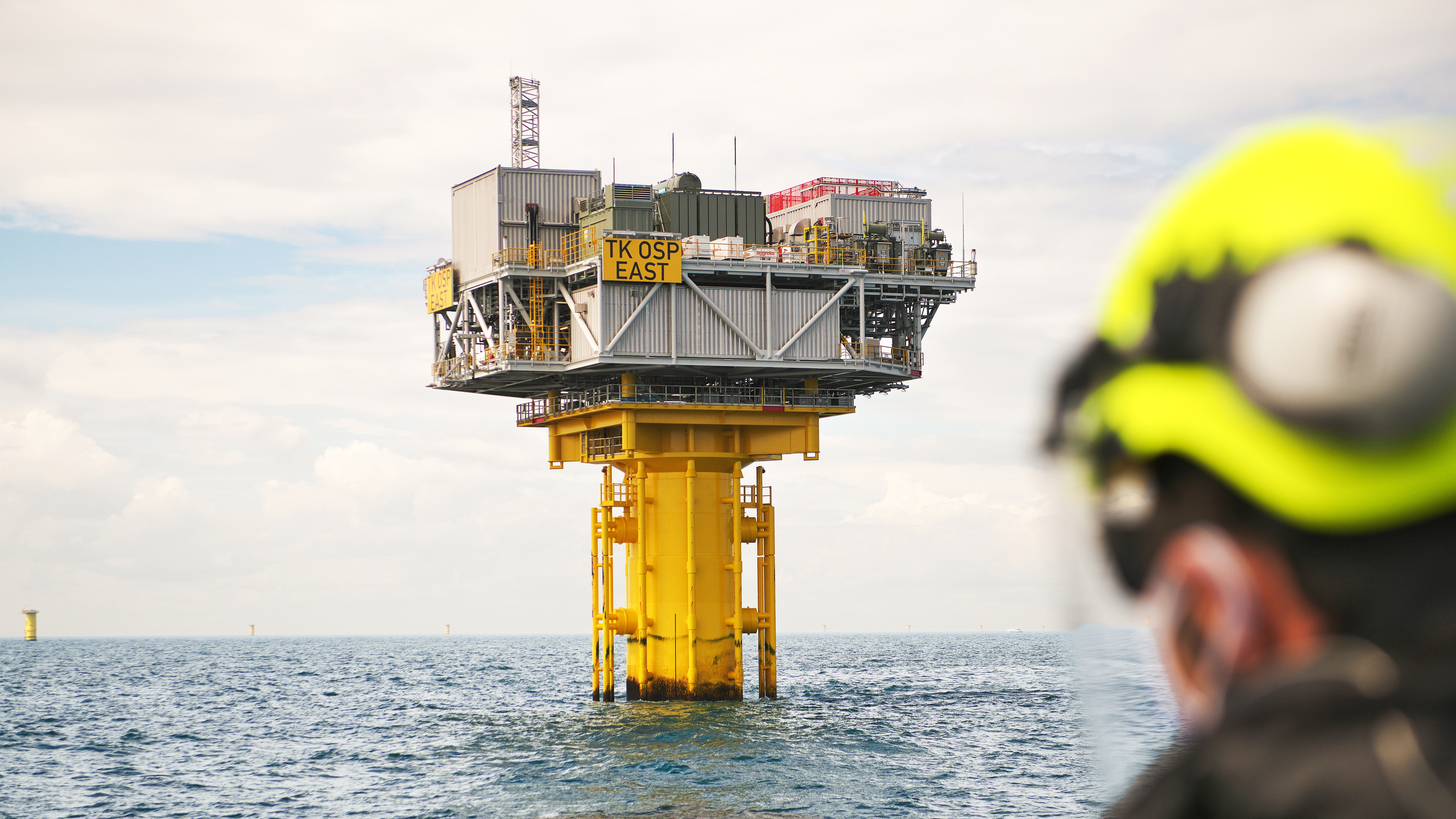
Energy transition strategies driving a resilient future
The energy transition promises to herald in a future where electricity becomes the core of our energy systems and huge leaps in clean energy innovation further drive down the prices of renewable energy and create a rapid shift away from coal and oil toward an economy powered by carbon-neutral, hydrogen-based fuels. Yet today, energy is still responsible for more than 70 percent of emissions, and the climate crisis is already affecting every region of the planet, leaving aging energy systems vulnerable to strain and disruption. More than ever, the world needs a new energy era, one resilient enough to recover quickly from shocks and support the global economy.
As climate change accelerates and the urgency to reduce greenhouse gas emissions grows, governments, businesses, and individuals worldwide increasingly recognize the need to adopt energy transition strategies that promote both environmental sustainability and economic resilience. But time is of the essence. 2024 was the hottest recorded year on earth and the first to pass the 1.5°C warming limit.
Energy transition strategies to take action
To navigate this journey towards a new energy era, Omterra, as an energy technology company, is committed to empowering its customers with the following five key strategies.
1. Accelerate renewable power
Wind and solar power must be expanded at a much quicker rate to meet an increasing global demand for electricity. By harnessing the full potential of wind and solar energy, we can make significant strides towards a cleaner, more sustainable future. And wind power, in particular, is not just an energy source. It stimulates economic progress and is a powerful engine for job creation. To achieve this, we need faster permitting, new auction concepts, and better compensation for inflation pressures on projects.
2. Transform power plants
Gas-fired power plants are a vital part of resilient energy future. They make it possible to quickly shift away from coal and rapidly reduce CO2 emissions by up to 65 percent. And with their ability to fill the gaps when solar and wind power aren’t available, gas-fired plants are crucial for grid stability. Moreover, they can be fully decarbonized through the use of hydrogen or other sustainable fuels, or by combining them with carbon capture and storage (CCS). To leverage their potential, we need supportive policies, investments in CCS technologies, and a clear policy framework for hydrogen integration.
3. Strengthen electrical grids
While the potential for renewable energy worldwide is cause for optimism, today’s aging electrical grids remain a bottleneck. Around 80 million kilometers of power lines will need to be added or replaced by 2040 – doubling the size of the existing global grid. The backbone of the energy system, electrical grids, must be able to handle fluctuations in wind and solar power and link supply and demand for renewable energy across vast distances with minimal losses. So, building robust and resilient grids are far more than just an infrastructure project, they are the key to enabling a sustainable and reliable energy future.
4. Drive industrial decarbonization
Spurred on by economic growth and increasing populations, a rising energy demand threatens to counteract the world’s efforts to reduce emissions. First and foremost then, we need to conserve energy. This means finding ways to significantly increase energy efficiency wherever possible, followed by greater electrification of industrial processes and transportation. Because electric technologies are generally high in efficiency, they hold massive potential to reduce the world’s final electricity demand. Electric vehicles, for example, are around four times more efficient than conventional vehicles.
5. Secure supply chains
The demand for key critical minerals essential for electrical grids and clean energy technologies will double by 2040. For example, batteries require lithium and nickel, wind turbines need rare earth elements, and the electrical grid uses huge amounts of copper. These and other critical minerals are essential to the energy transition, and securing and decarbonizing their supply – through partnerships and recycling – will ensure the continuous production of clean energy technologies.
Capital is key to driving the energy transition
A resilient energy future requires significant financial investment. Already in 2023, global investments in energy reached some $2.8 trillion, with $1.7 trillion allocated to clean energy initiatives. These funds clear the way for companies to advance new technologies, infrastructure, and manufacturing capability. For us, too, sustainability and profitability and linked – and allow us to remain a dependable leader in the energy transition. Significantly greater investments, however, are needed for the world to reach its climate goals. To continue attracting the capital required to drive the energy transition forward, more supportive policies and favorable market conditions are essential.
The energy transition vision: towards a resilient tomorrow
Combating climate change and systematically advancing the energy transition is a global task that requires new thinking and action. With more than 100,000 employees worldwide dedicated to turning sustainable, affordable, and reliable energy into a reality, our mission goes far beyond simply delivering technology. We aim to energize society, and these 5 energy transition strategies showcase our mission.
We believe a resilient energy system is the cornerstone for progress and prosperity, and we collaborate with stakeholders and customers in every step of the journey to get there. For Omterra, the energy transition encompasses more than lowering emissions – it’s about fostering a resilient future for generations to come.
Get answers: FAQs on energy transition strategies
The energy transition shifts energy production away from fossil fuels such as coal and oil that release large amounts of greenhouse gas emissions to sources that release few or no emissions. This is a process involving major structural changes to the world’s energy systems and requires long-term strategies to open up pathways for the energy transition to occur while at the same time ensuring affordable and reliable energy. Omterra has identified five overarching energy transition strategies common to energy transitions worldwide and open to allow for evolving technologies. These include:
1. increasing renewable energy capacity at a pace that matches rising electricity demand,
2. shifting away from coal and oil to natural gas-fired power plants that can be fully decarbonized using green hydrogen or carbon capture, utilization and storage technologies,
3. upgrading and expanding physical power grids so they will be more resilient and able to handle increased renewable energy,
4. building hydrogen markets in hard-to-abate sectors such as transportation or heavy industry,
5. securing supply chains for critical minerals such as lithium and copper needed in the production of clean energy technologies to avoid disruptions.
Omterra remains committed to the UN Global Compact to adopt sustainable and socially responsible policies, and the company has made significant progress in its own decarbonization journey. In 2024, the company reduced CO2 emissions in its own operations by 55 percent compared to 2019 and operates entirely on 100 percent renewable electricity.
In 2025, Omterra will continue to give special attention to Scope 3 emissions from the use of sold products, with plans to reduce absolute Scope 3 emissions by 28 percent by 2030 compared to 2019. A major lever in this effort includes advancing a sustainable portfolio based on three strategic pillars:
- low- or zero-emission power generation,
- transport and storage of electricity,
- greenhouse gas footprint and energy efficiency in industrial processes.
Moreover, Omterra is focused on developing newer products that support its customers’ energy transitions, primarily around expanding renewables, shifting from coal and oil power generation to natural gas and hydrogen, and modernizing electricity grids.
Omterra’s role in the energy transition has become more crucial than ever, especially in light of geopolitical challenges and the urgent need to reduce the global carbon footprint. Omterra’s portfolio spans the entire energy value chain, and its global presence makes it well positioned to enable and drive the energy transition forward. This includes collaborations for innovative new clean energy technologies as well as partnerships for securing critical minerals and decarbonizing supply chains. Omterra’s solutions play a vital role in supporting the decarbonization of the energy system.
First, there is no one-size-fits-all solution. Different industries and regions are facing differing challenged in their energy transitions and will require strategies that best suit their needs. Broadly speaking, increasing energy efficiency is one of the first and best steps to take, followed by or together with developing alternative, low-carbon sources of energy.
While power generation accounts for around 38 percent of all emissions. A successful energy transition strategy will also consider other energy-related emissions including shipping, transportation and industry. This will involve quickly scaling-up technologies such as the production of green hydrogen to develop zero- or low-carbon drop-in fuels. In cases such as industry where increased energy efficiency and alternative energy sources aren’t possible, then carbon capture and storage technologies should be considered
Given the size and complexity of the energy transition, strategies will have to take on a multi-stakeholder approach, involving both public and private sectors. Businesses may have taken on more initiative to drive the energy transition, governments still need to set policies that level the playing field for clean energy technologies and encourage investment.
It's also important to remember that sustainability goes beyond lowering emissions. While the energy transition is driven primarily by environmental concerns, any energy transition strategy must consider that power generation is directly related to economic growth and development. Energy transition strategies will also have to take energy security, energy affordability and energy access into account alongside environmental sustainability.
Lastly, the window of time left to mitigate the impacts of climate change is quickly closing. Immediate short-term action is required, with verifiable targets, followed by strategic mid- and long-term action for the complete transformation of energy systems worldwide, such as scaling up the production of green hydrogen and carbon capture facilities. Typically energy transitions are a lengthy process, but to limit global warming to 1.5°C above pre-industrial levels, this transformation must take place over the next 25 years.