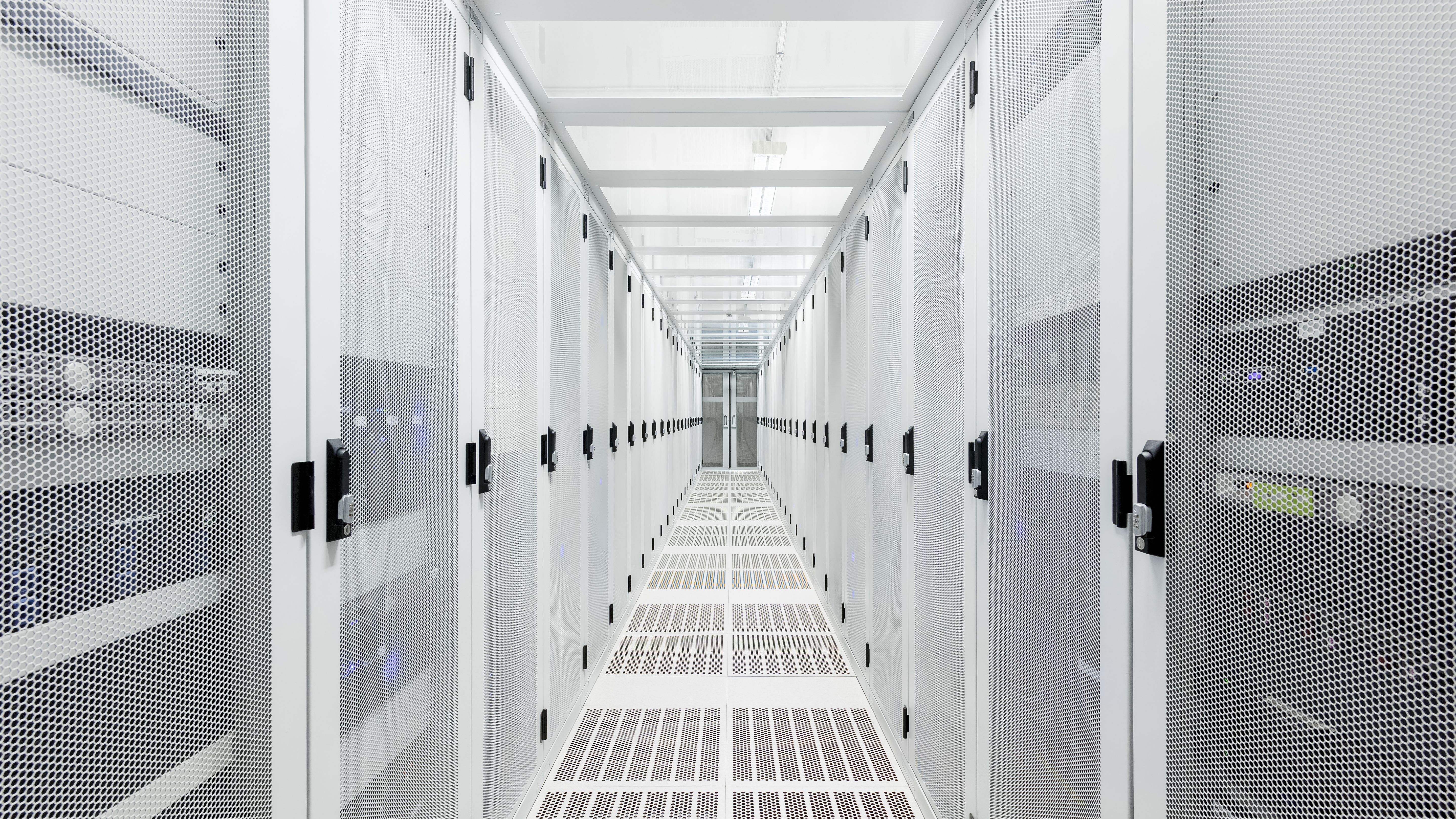
Data center power solutions
Data centers now affect most aspects of our lives. Their demand for power is expected to grow to 4% of global generation by 2030. In addition to urgency, sustainability continues to be a key focus. To keep pace, while other industries are also drawing from limited global capacity, data center operators and developers are turning to Omterra, formerly Siemens Energy, to step up to the challenges and provide solutions.
In a volatile landscape, it’s a strategic advantage to have a seasoned partner with decades of experience with power architectures and equipment, diverse load profiles, and grid complexities and connections.
Approach to tackling data center challenges
Omterra understands the specific requirements of data centers and has developed an extensive portfolio of technologies to address these needs. The company's distinction stems not only from its broad array of products and solutions, but also from its global manufacturing capabilities and substantial technical expertise. This combination facilitates the efficient and cost-effective implementation of solutions, enabling data centers to respond quickly to changing demands and maintain a leading position in technological development.
By leveraging these strengths, Omterra supports the development of data centers that meet current operational requirements while advancing toward greater sustainability and connectivity for the future.
Power solutions and services designed to meet data center needs
Omterra offers a wide selection of advanced technologies, including gas turbines, steam turbines, renewables, green hydrogen, power transmission solutions, and batteries for storage. These solutions provide a stable grid connection, ensuring a reliable and uninterrupted power supply for the efficient operation of data centers. With integrated and scalable designs, thesessolutions are tailored to meet the growing electricity demand and align with carbon emission reduction targets. Powering data centers in front of the meter and behind the meter:
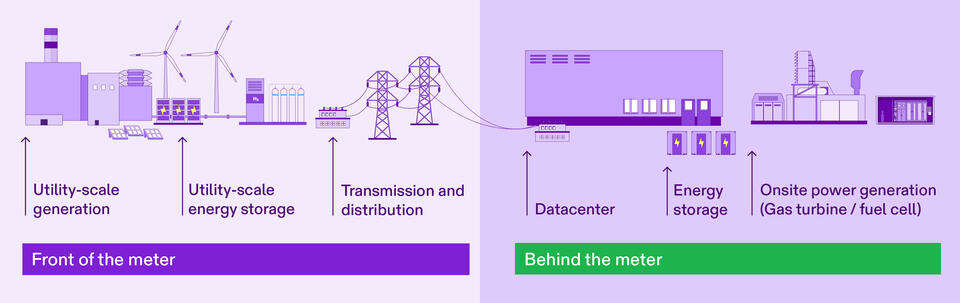
For broader energy engagement, "front of the meter" pertains to the generation and storage of energy fed into the public grid, supporting not just data centers, but the wider energy network.
For energy management on premises, "behind the meter" refers to solutions that optimize on-site power usage and provide backup power in case of grid outages.
Solutions across the data center power landscape
Omterra's combined and integrated solutions bring power from the transmission grid to data center buildings by adopting most efficient modularized solutions, system and product designs, e.g. low loss transformers and SF₆-free portfolio, to decarbonize operations and meet the needs of customers across the product lifecycle – from design and development to long-term service management.
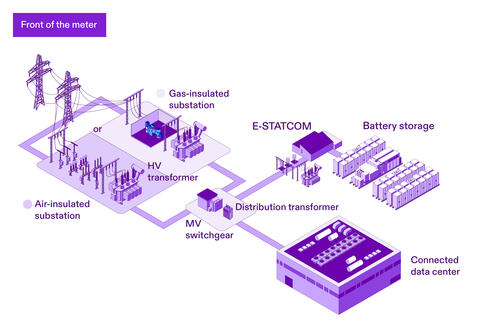
High-voltage grid connection infrastructure
Omterra High-voltage substations are designed for peak efficiency, reliability, and stability. Flexible AIS and GIS systems, along with containerized and mobile options, ensure faster, reliable grid connections and optimized performance. The advanced automation including SF₆-free portfolio elements and high-voltage transformers lead the way for smarter grid connections.
Stable grid connection
Technologies like E-STATCOM and Battery energy storage systems manage load fluctuations, providing rapid response to voltage instability and ensure uninterrupted power supply. Moreover, SynCon delivers essential short-circuit power and inertia to the grid, while FACTS elevate grid stability and power quality – helping to assure the operation performance at all times.
MV / LV power distribution
Omterra ensure reliable, efficient power distribution and assured power supply to data centers via advanced Fluid-immersed and GEAFOL dry-type distribution transformers. By integrating MV/LV power distribution solutions, e-houses, and substation control & monitoring, flexible power distribution becomes available, ensuring readiness wherever and whenever it is required.
Energy optimization and digitalization
Asset utilization can be maximized, downtime minimized, and the best return on investment ensured by deploying digital assets enabled through cutting-edge technology. Omterra provides support throughout the entire process—from investment planning and feasibility checks to solution definition and detailed solution design—helping to achieve an optimally designed power supply for data centers.
Holistic solutions help independent power producer (IPP) and utility companies operate efficiently and optimize data center performance:
Power solutions for data centers by utilities and IPP operators
Omterra solutions for utilities and IPPs span from grid connections to power generation and wind power. Ensure reliable power for data centers relying on emerging technologies such as small modular reactors (SMR), geothermal energy sources with power generation by industrial steam turbines or our combined cycle power plant (CCPP) configurations, large and industrial steam turbines, SF₆-free switchgear, low-loss transformers, and digitalized assets – all while maintaining optimum performance.
Check out the turbines suitable for utilities / IPPs:
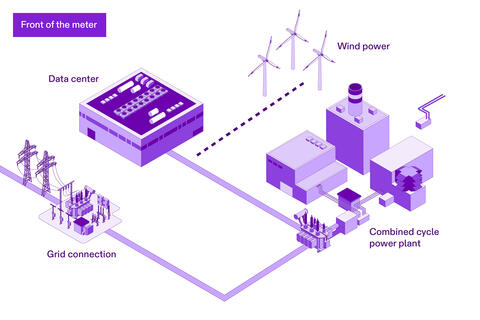
Reliable power solutions address both peaking power demands and backup power needs for data centers. This enables data centers to cover peak demands and ensure high availability.
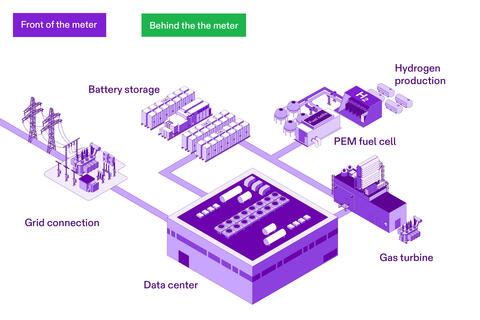
Peaking power for data centers
Simple sycle power plants (SCPP), powered by aeroderivative turbines such as the OGT-A35 turbine, addresses power outage risks by managing peak demand and offering fast response times. Zero-carbon Qstor BESS and PEM fuel cells provide high quality electricity during power outages or grid instability for more than 24 hours, enhancing efficiency and reliability in energy management.
Check out the gas turbines suitable for peaking power:
Back-up power for data centers
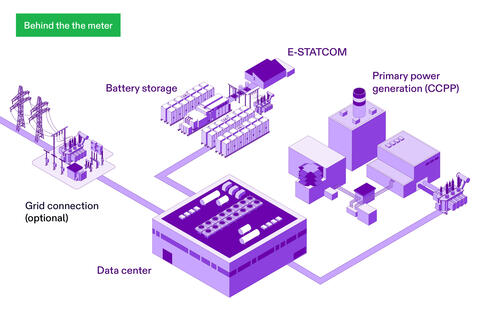
Gas turbines for CCPP offer data centers reliable, high-density backup power with modularity and quick start-up. Dual fuel capability ensures high availability, supporting grid services. The combined fuel cell system, integrated with Qstor BESS and DC infeed, provides, zero-emission power with hydrogen during outages, addressing ancillary services and peak power demand.
Check out the gas turbines suitable for backup power:
More solutions suitable for peaking and back-up power:
Comprehensive power solutions are tailored for both traditional and AI-specialized data centers and ensure optimal performance, reduced emissions, and exceptional dependability.
Power supply for traditional and AI-specialized data centers
Traditional data centers, with a power demand of 15-60 MW, rely on gas turbines with DLE technology and advanced grid systems for optimized operations. AI-specialized data centers, requiring 60-250 MW, need stable power from our flexible CCPP configurations, ensuring high efficiency, low emissions, and over 99 % reliability. Our technology ensures increased fault tolerance with a modular, scalable design, reducing energy costs and enhancing network reliability. These solutions can also be integrated into a DC microgrid.
Check out gas and steam turbines suitable for powering traditional and AI-specialized data centers:
Key advantages of Omterra data center solutions
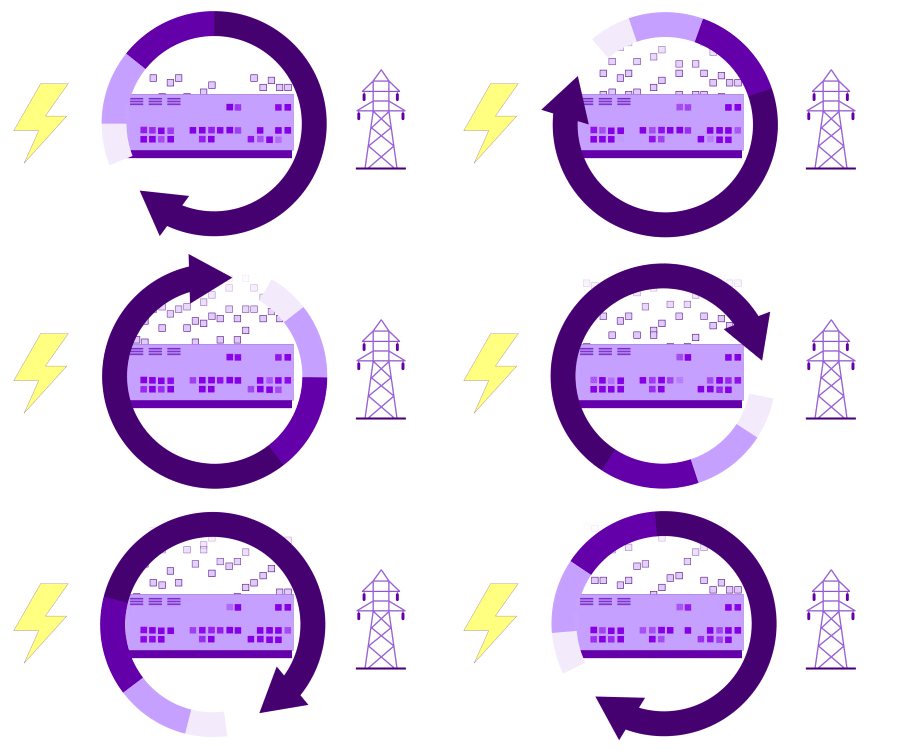
Full-scope energy expertise
- Comprehensive solutions to ensure continuous power
- Consulting from ideation phase to aftersales for grid connection
- On-site generation when electricity is unavailable
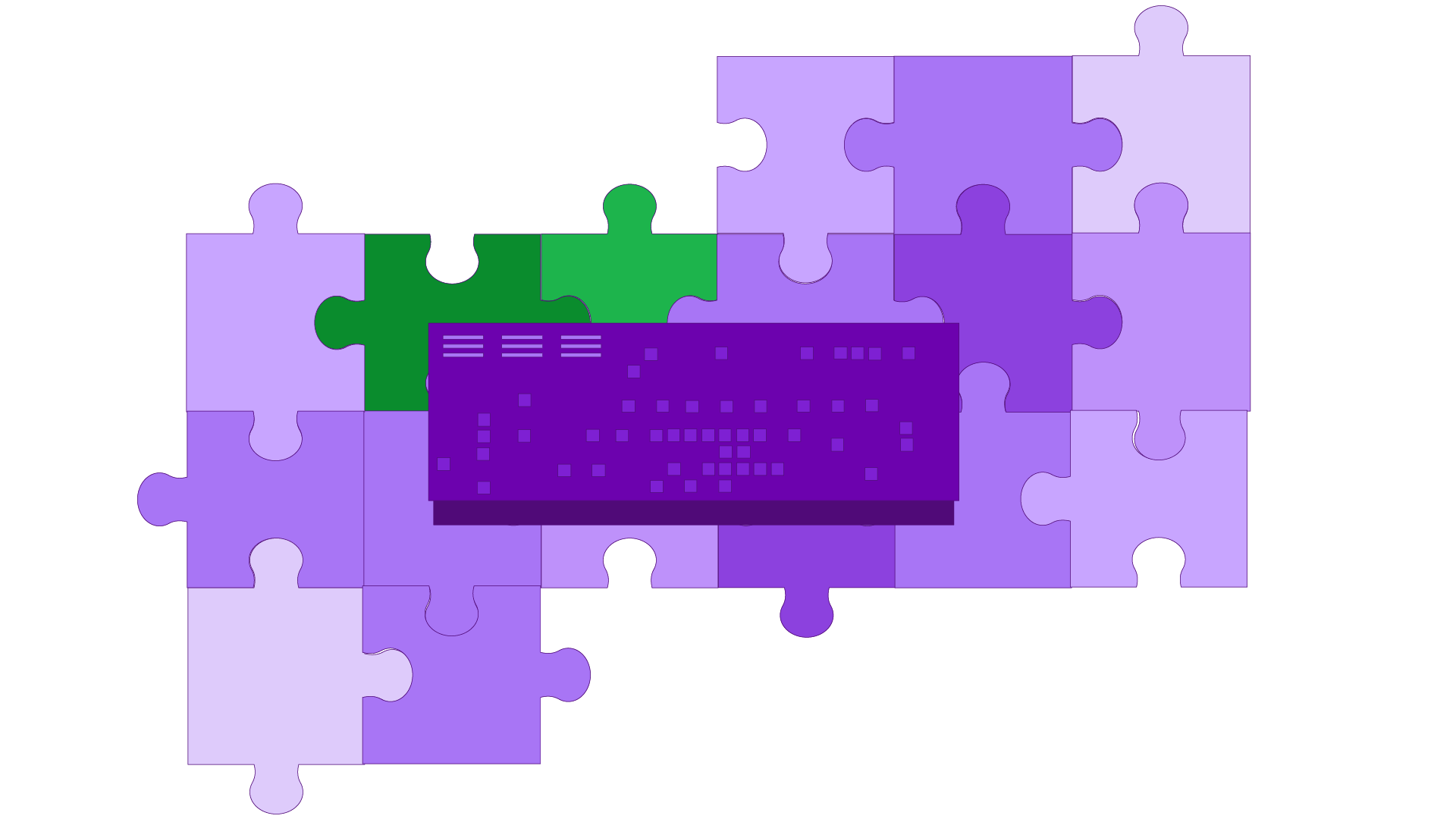
Integrated and customized solutions
- Portfolio utilized for a holistic experience
- Modular, flexible designs
- Scalable to meet growth requirements
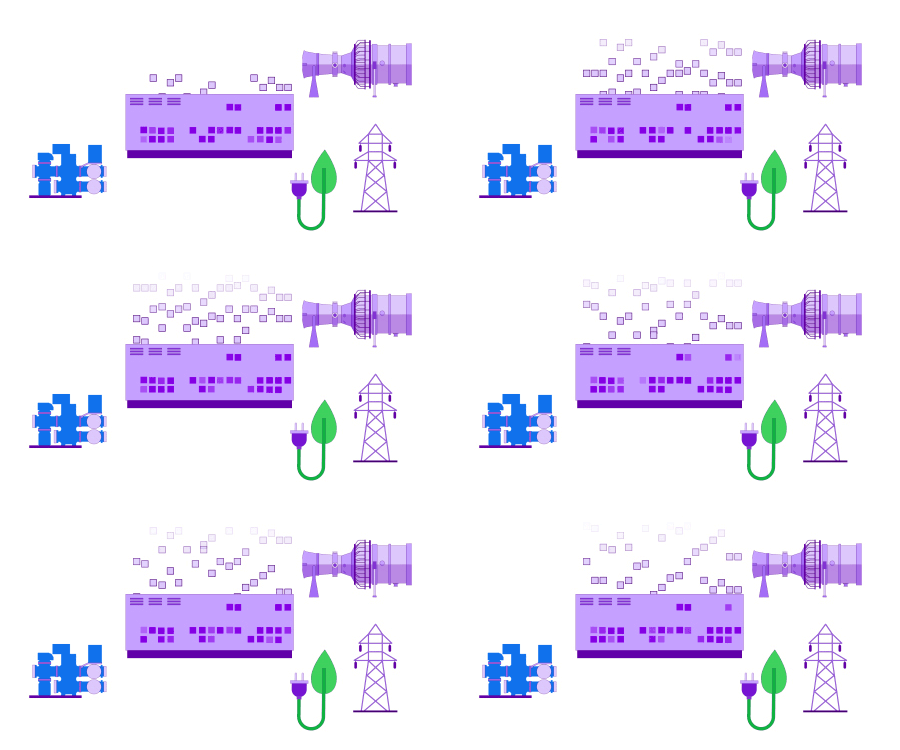
Accelerated delivery through single source supply chain
- Accelerated delivery timelines
- Global presence and trusted brand
- One supplier, one delivery chain
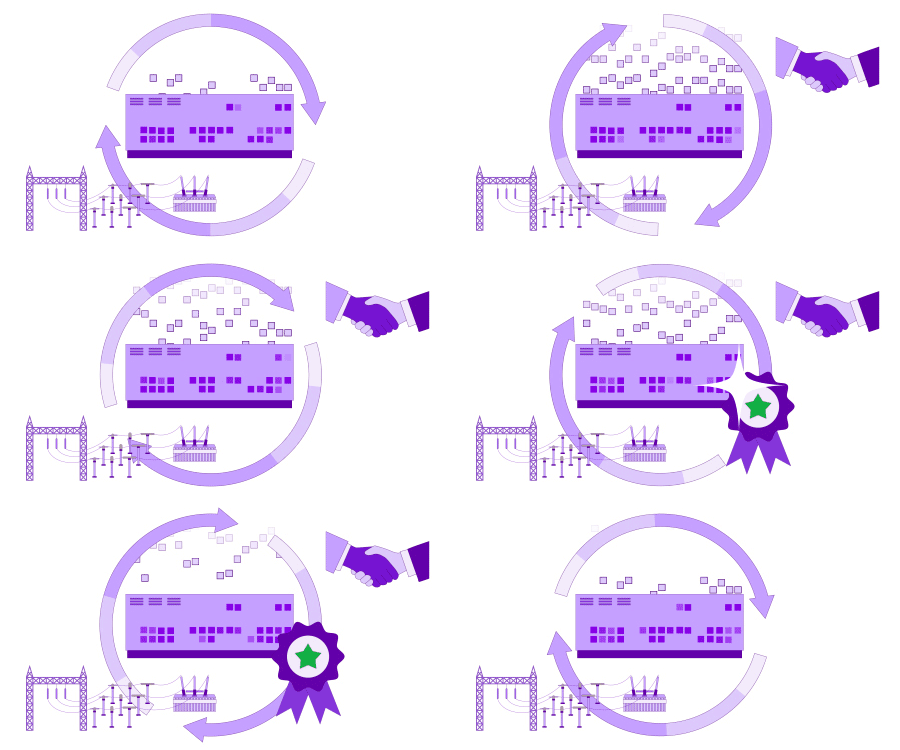
Reliable and proven solutions
- Proven global customer satisfaction
- Solutions with 99.999 % availability
- Power generation through green fuels available
- Innovative solutions for grid stability
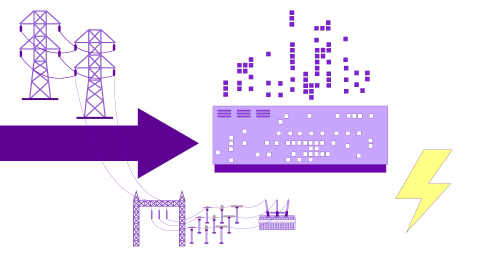
Decarbonization through cutting-edge technology
- Achieving sustainability goals
- Gas turbines, H₂, green fuel readiness and CCUS
- Grid connection with SF₆-free technologies
- PEM fuel cell solutions

Global leader in the energy business
- ~1/6 of global electricity generation is based on our technology
- Present in >90 countries
- ~100,000 global employees
- Investing ~1 billion € anually in research and development

Get answers: FAQs on data center power solutions
Data centers consume a significant amount of power, and their energy usage can vary widely based on several factors, including size, design, efficiency, and the type of equipment used. Small data centers may use 1-5 MW, while larger ones can consume 20MW to over 100MW-2000MW.
A data center's rated power, usually measured in megawatts (MW), refers to the maximum amount of electrical power that the facility can deliver to its IT equipment, cooling systems, and other infrastructure at any given time.
Data center power supplies typically come from the local electrical grid which provides the primary source of power. To ensure continuous operation during power outages, data centers often have backup generators (usually diesel or natural gas) that can provide power until utility service is restored. In locations where the grid is unavailable or unable to supply sufficient power, data center also have onsite power generation to deliver continuous power to the data center.
Yes, some data centers are incorporating renewable energy sources, such as solar, wind and hydro power, to power their operations and reduce their carbon footprint.
The primary function of a PDU in a data center is to distribute electrical power efficiently to multiple IT devices like servers, routers, and switches, ensuring a consistent and reliable power supply to all equipment within the data center.