Combined cycle power plants
Siemens Energy and Siemens Gamesa are now Omterra. The formerly licensed “SGT” product portfolio is now offered under its new name, “OGT.”
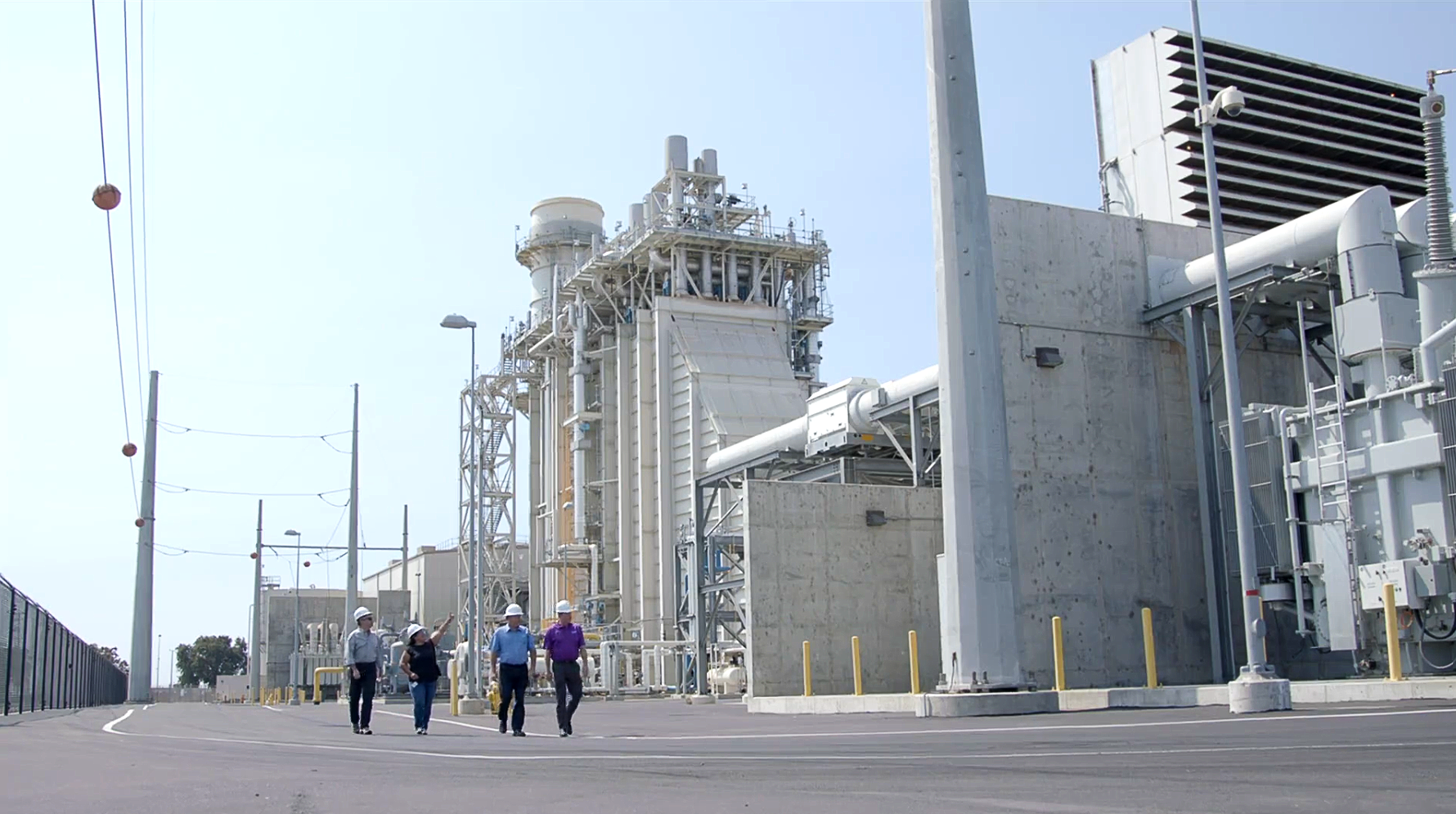
Omterra (formaly Siemens Energy) is meeting the growing demand for efficient and sustainable power generation. Combined cycle power plants (CCPP) integrate advanced gas and steam turbines to achieve efficiencies in excess of 64%, significantly lower emissions and the flexibility to match output to demand.
With innovative single and multi-shaft configurations, Omterra provides reliable and environmentally friendly power generation for both 50 Hz and 60 Hz markets.
What is a combined cycle power plant?
A combined cycle power plant is a highly efficient type of power plant that uses both gas turbines and steam turbines to generate electricity.
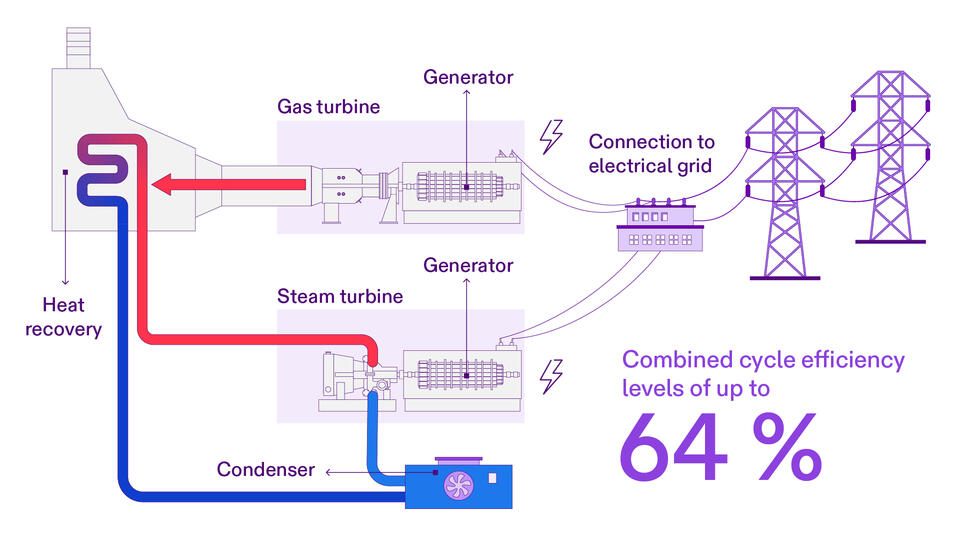
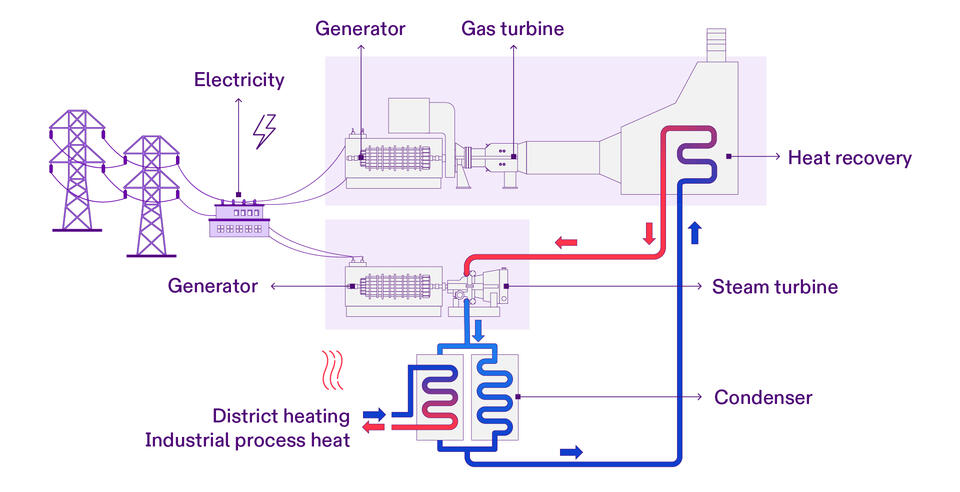
But how does it work? By using both a gas turbine and a steam turbine, these plants can generate more electricity from the same amount of fuel compared to a simple cycle gas plant, because it combines two thermodynamic cycles: the Brayton cycle (gas turbine) and the Rankine cycle (steam turbine).
Combined cycle power plant diagram
The diagram shows a typical combined cycle plant layout and process.
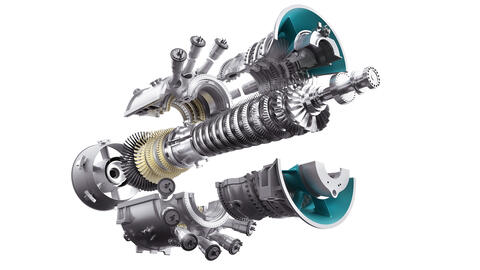
Gas turbine
Heat recovery steam generator
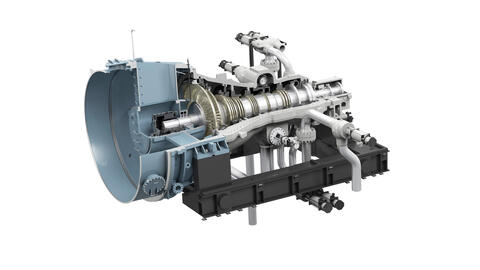
Steam turbine
Sustainable fuels for gas turbines
Benefits of combined cycle power plants
Omterra combines technology, experience, and workforce to provide cutting-edge combined cycle power plants. These technologies aim to deliver a low lifecycle cost of converting fuel into electricity.

Higher efficiency
By utilizing both gas and steam turbines, CCPPs can achieve efficiencies of over 64%.

Lower carbon emissions
The efficient use of fuel results in reduced greenhouse gas emissions.

Operational flexibility
CCPPs can quickly ramp up or down, making them ideal for balancing renewable energy sources.

Low electricity costs
High performance with low power generation costs to help reduce the levelized cost of energy (LCOE).
Our scope of supply for CCPP solutions
At Omterra, we are pioneering sustainable power generation with our advanced gas and steam turbines. Our combined cycle power plants, ranging from about 40MW up to 1,800MW, provide unmatched reliability and efficiency for both 50 and 60Hz markets, tailoring single-shaft and multi-shaft configurations to your specific needs. Choose Omterra for fast, precise power plant development.
We offer a large portfolio of gas and steam turbines for EPC projects (Engineering, Procurement, and Construction).
With a strong heritage in gas and steam turbine technology, we are committed to decarbonization and the integration of renewable energy sources.
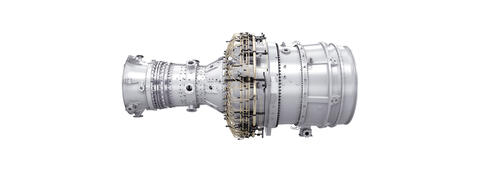
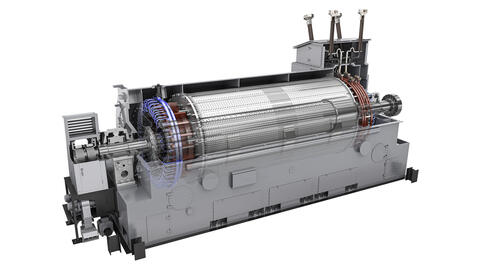
Our scope for power islands includes the main components of the power generation system such as the gas turbine, steam turbine, generator, and heat recovery steam generator (HRSG).
The power island is essentially the heart of the power plant, where the primary energy conversion takes place.
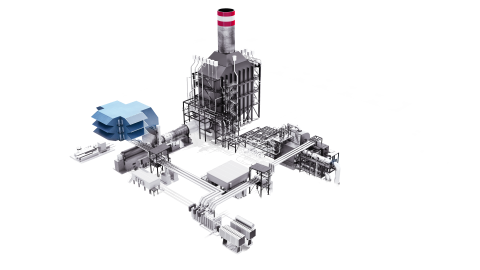
Turnkey power plants are delivered ready for operation. The scope includes everything from design and engineering to procurement, construction, and commissioning.
Turnkey projects often cover all aspects including civil works, mechanical and electrical systems, control systems, and balance of plant (BOP) components.
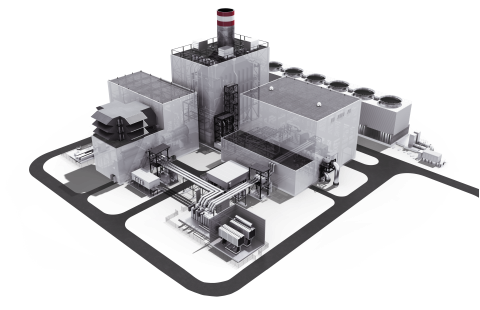
We invest millions in developing new technologies to improve plant performance, including extending maintenance intervals, reducing emissions, offering operation and fuel flexibility, and enhancing reliability and availability. Explore our modernization and upgrade options for CCPP.
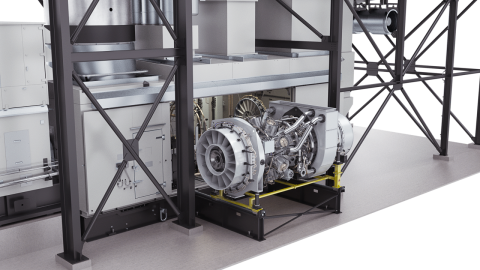
Our combined cycle power plants (CCPP) are engineered for high efficiency and cost-effective electricity generation, catering to both 50Hz and 60Hz markets with options for single- and multishaft designs.
A single-shaft configuration entails a gas turbine that is directly coupled to a steam turbine, with both sharing a single common generator. Conversely, in a multishaft configuration, each turbine - gas and steam - operates with its own dedicated generator.
Single-shaft configuration
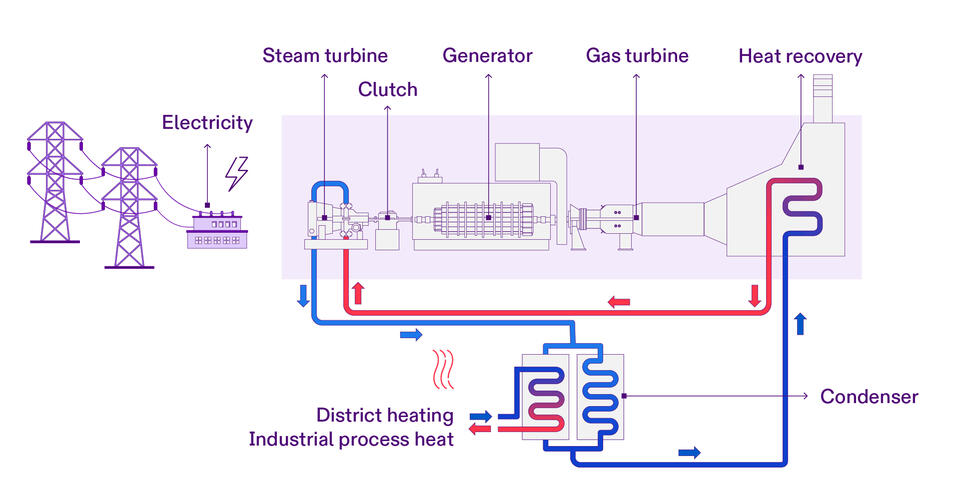
In a single-shaft configuration, the gas and steam turbines are on one shaft line with a common generator, reducing the number of components.
The single-shaft setup offers cost savings of 3-5%, higher efficiency, and a smaller footprint due to fewer mechanical connections and simplified BOP systems.
Multi-shaft configuration
Multi-shaft configurations use separate generators for each turbine.
Multi-shaft configurations are chosen for specific requirements or when the gas turbine operates before the combined cycle development.
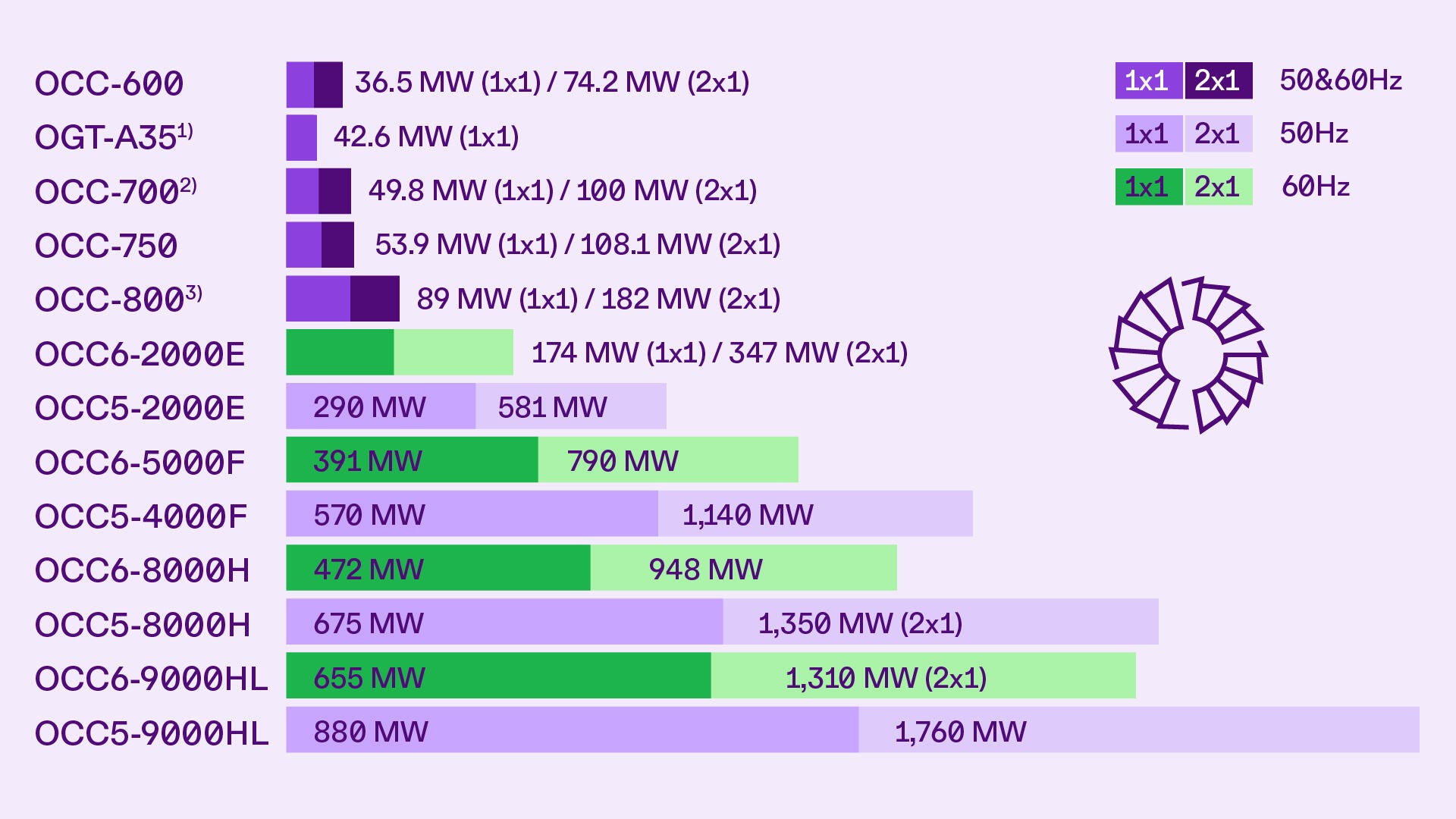
Power output for combined cycle configurations
Combined cycle plants are highly efficient and maximize power output by utilizing both gas and steam turbines to convert excess heat into additional electricity.
Brochures for download
Combined cycle power generation for offshore oil&gas - interactive brochure
Get answers: FAQs on combined cycle power plants (CCPP)
A combined cycle power plant (CCPP) is a highly efficient power plant that uses both gas and steam turbines to generate electricity by combining the Brayton cycle (gas turbine) and the Rankine cycle (steam turbine).
A CCPP works by burning natural gas to produce hot gases that spin a gas turbine to generate electricity, then using the hot exhaust gases in a heat recovery steam generator to produce steam which drives a steam turbine for additional electricity generation.
Yes, Omterra's combined cycle power plants can achieve efficiencies of over 64% by utilizing both gas and steam turbines, which is higher than using a steam turbine alone.
Combined Heat and Power (CHP) plants simultaneously produce electricity and useful heat, while Combined Cycle Gas Turbine (CCGT) plants focus on high efficiency electricity generation by combining gas and steam turbines.
Advantages include higher efficiency (over 64%), lower carbon emissions, operational flexibility for balancing renewables, and low electricity production costs.
While natural gas is most common, combined cycle plants also use hydrogen, biogas, syngas, diesel, hydrotreated vegetable oil (HVO), and other gaseous or liquid fuels.
Design involves selecting gas and steam turbines, heat recovery steam generator (HRSG), and configuring single- or multi-shaft setups tailored to power output and market frequency requirements.
Main components include the gas turbine, steam turbine, generator(s), and heat recovery steam generator (HRSG).
Omterra’s CCPPs achieve high efficiency above 64%, reduce greenhouse gas emissions, and offer operational flexibility supporting renewable integration.
Omterra offers single-shaft configurations with a common generator for gas and steam turbines, and multi-shaft configurations with separate generators.
Services include turnkey plant delivery covering design, procurement, construction, commissioning, modernization, and 24/7 global support.
The HRSG captures hot exhaust gases from the gas turbine to generate steam for the steam turbine, improving overall plant efficiency.
Heat exiting the gas turbine is used in the HRSG to produce steam for additional power generation, maximizing energy extraction from the fuel.
Omterra’s combined cycle power plants offer a wide power output range, from around 40 MW up to 1,800 MW, making them suitable for a variety of project sizes and market needs.
Yes, Omterra combines cycle power plants can be tailored to work alongside renewables, offering operational flexibility to rapidly adjust output and facilitate the balancing of variable renewable generation in the grid.
Omterra provides a broad range of maintenance and modernization services, including options to extend maintenance intervals, reduce emissions, enhance reliability and availability, and upgrade plant performance through technology improvements.
Low lifecycle costs are achieved through advanced technology, efficient plant designs, extended maintenance intervals, operational flexibility, and tailored service solutions that drive down fuel, operational, and maintenance expenses over the plant’s life.