Compressed Air Energy Storage - Longterm Storage Solutions
Thermal mechanical long-term storage is an innovative energy storage technology that utilizes thermodynamics to store electrical energy as thermal energy for extended periods.
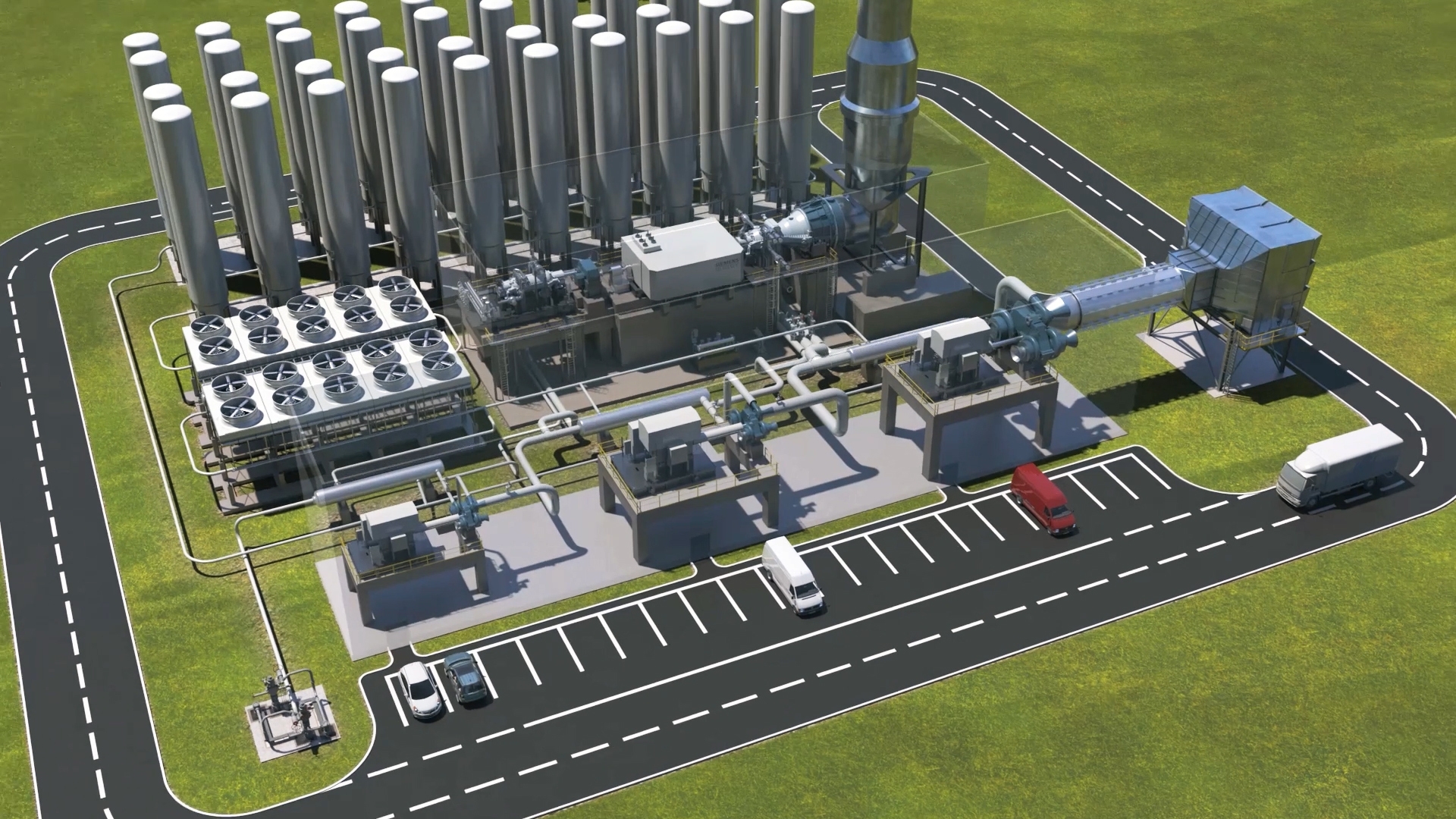
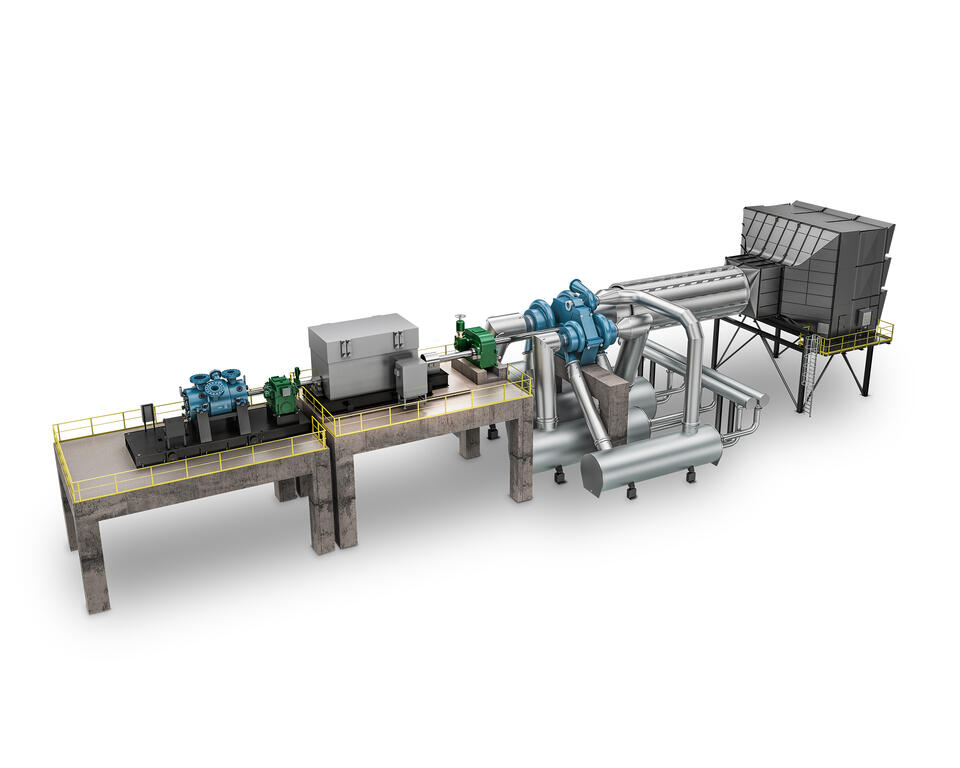
Omterra Compressed Air Energy Storage (CAES) is a comprehensive, proven, grid-scale energy storage solution. We support projects from conceptual design through commercial operation and beyond. Our CAES solution includes all the associated above ground systems, plant engineering, procurement, construction, installation, start-up services and long term service support.
Discover longtime storage - thermal mechanical storage solutions!
Long-duration power storage: cost-effective and at grid-scale
Download the fact sheet here
As renewable power generation from wind and solar grows in its contribution to the world’s energy mix, utilities will need to balance the generation variability of these sustainable resources with demandfluctuations. Power-generation operators can use compressed air energy storage (CAES) technology for a reliable, cost-effective, and long-duration energy storage solution at grid scale.
Omterra CAES improves utilization of renewable energy resources by absorbing GW-hours of energy that would otherwise be curtailed and provides grid balancing and reserve services with lower fuel usage and carbon footprint than other controllable resources.
Latest news about Compressed Air Energy Storage
Major Service Order signed with PowerSouth Energy Cooperative in Alabama
Revitalization of Pioneering Compressed Air Storage Technology
Omterra and PowerSouth Energy Cooperative (PowerSouth) will revitalize the pioneering Compressed Air Energy Storage (CAES) power plant in McIntosh, Alabama, a technology that has been at the forefront of energy efficiency since the early 1990s. This technology allows for the storage of excess electricity during periods of high generation, which can then be fed back into the grid when demand peaks, thus providing a reliable and stable energy supply.
This marks a significant step towards enhancing the reliability of sustainable energy. The CAES technology, which is utilized in only a handful of plants worldwide, will undergo revitalization through repairs and upgrades to improve reliability.
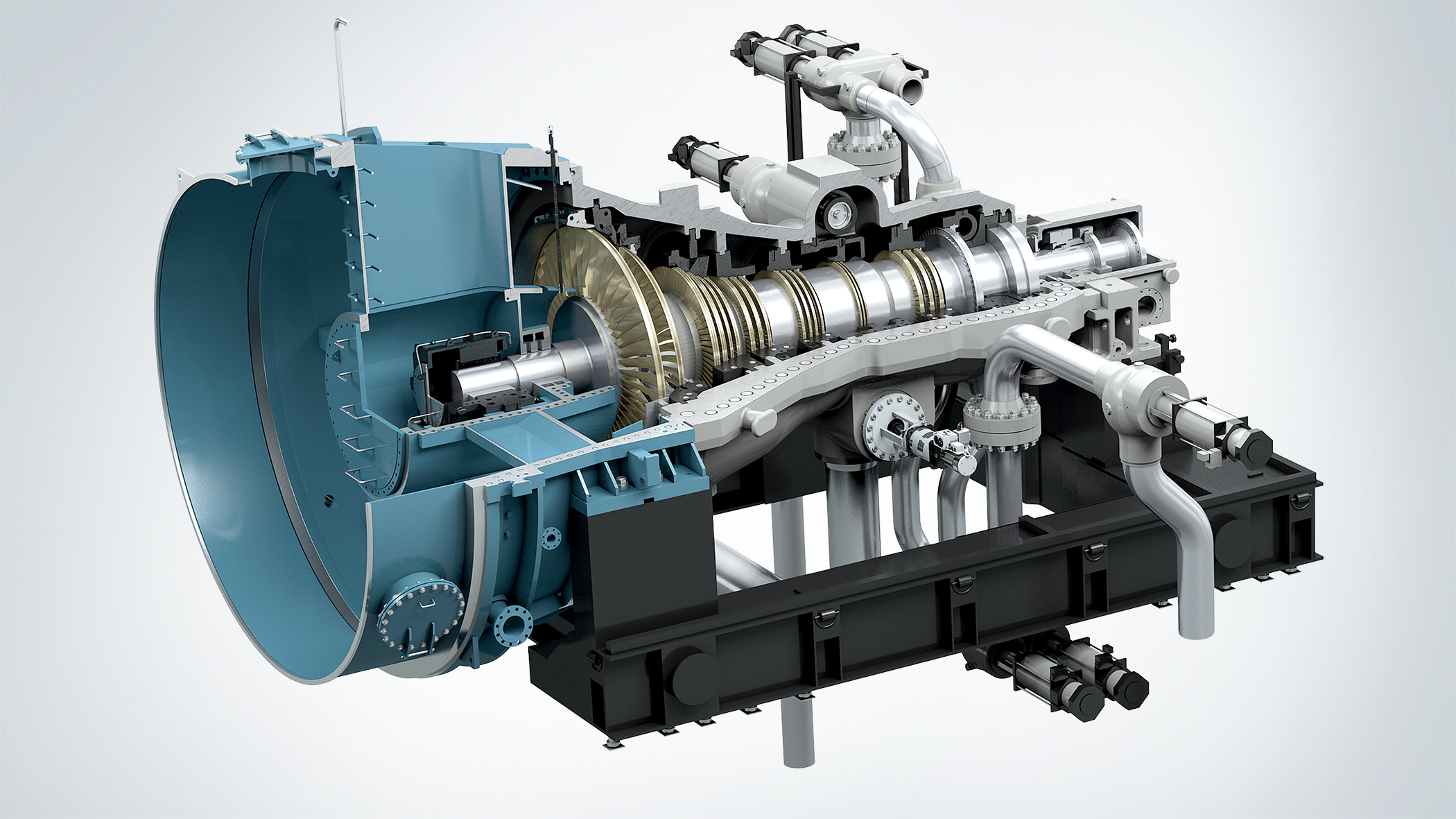
Omterra, formerly known as Siemens Energy, will re-engineer and service the expander, ensuring that this power plant can continue to operate efficiently for decades to come. The agreement underscores the commitment of both Omterra and PowerSouth to harness innovative solutions for the energy challenges of the future. As we look towards an energy system with an increasing presence of renewables, the role of CAES becomes increasingly valuable. It offers a grid-stabilizing function that is conducive to integrating renewable energy into the existing infrastructure. Omterra is committed to developing complete solution packages that encompass everything from plant planning and installation to ongoing service and support.
For CAES technology to be rolled out on a larger scale, collaboration among stakeholders, investment in infrastructure, and continued innovation are essential. Omterra is dedicated to leading the charge in this area, ensuring that we can meet the energy demands of the future while prioritizing sustainability and efficiency.
This project is not just a milestone for Omterra and PowerSouth; it is a testament to our shared vision for a more efficient and reliable energy future. Together, we are taking a significant step toward the future, revitalizing a technology that will play a crucial role in the energy landscape for years to come.
Diabatic CAES Cycle Schematic: D-CAES
Diabatic storage units dissipate part of the compression heat into the atmosphere with intercoolers. The air must be reheated to be returned to the CAES cycle. Energy and ancillary services with low fuel consumption provide best efficiency.
Adiabatic CAES Cycle Schematic: A-CAES
The adiabatic CAES cycle stores energy in form of pressure in a cavern, while compression heat is stored in a thermal storage. For re-electrification both forms of energy are being utilized. No additional fuel is needed to heat up the released air.
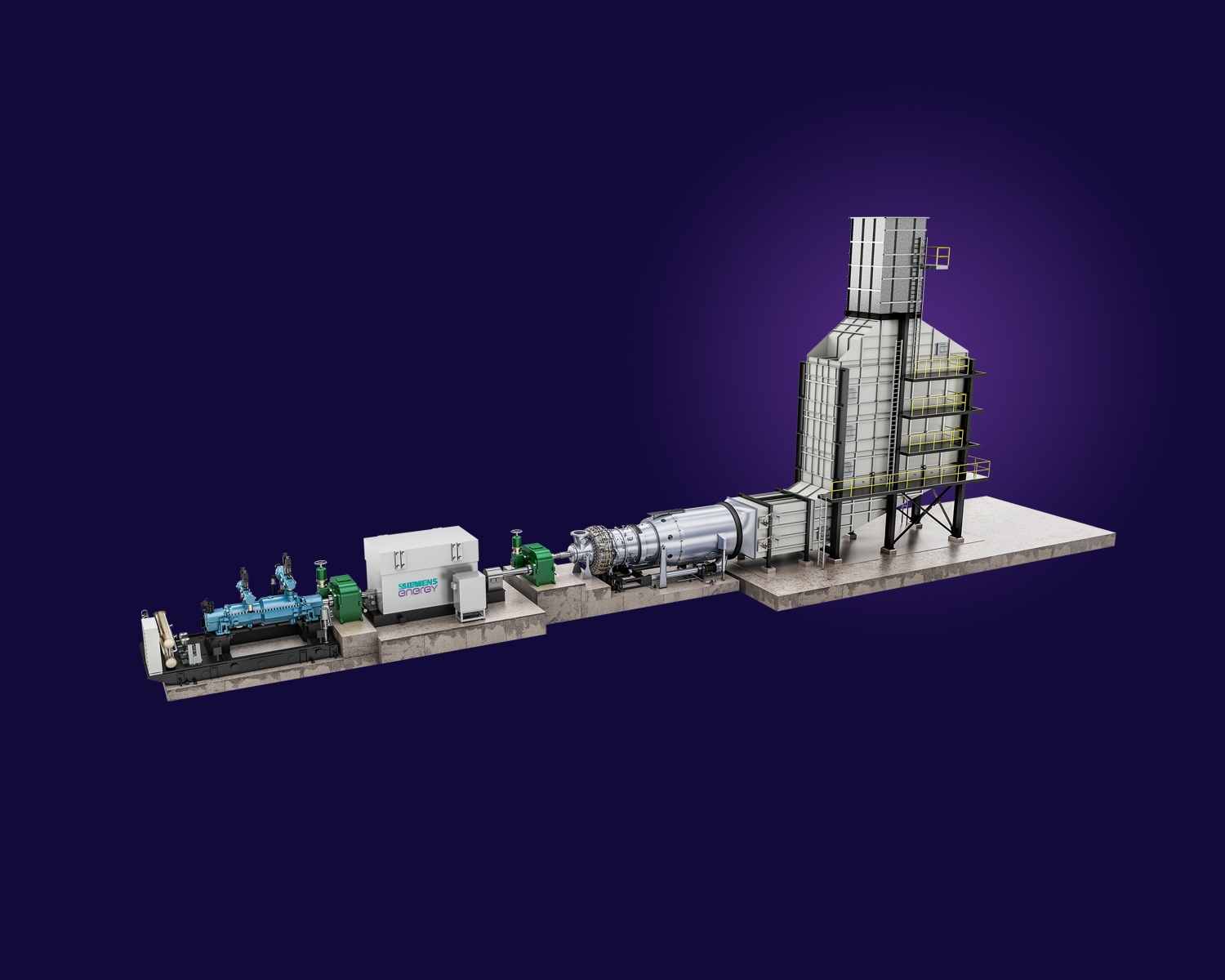
Proven components packaged for a new market
Please note: Subject to changes and errors. The information given above only contains general descriptions and/or performance features which may not always specifically reflect those described, or which may undergo modification in the course of further development of the products. The requested performance features are binding only when they are expressly agreed upon in the concluded contract.

Get answers: FAQs on CAES systems
Compressed Air Energy Storage (CAES) offers several advantages over other energy storage technologies, making it a compelling choice for large-scale energy management. It relies on well-proven components such as expanders, compressors, and gas turbines, which are widely used in various industrial applications, enhancing reliability and reducing risks associated with new technologies. The use of air as a storage medium is a significant strength, as it is readily available and easy to obtain, eliminating concerns related to resource scarcity. CAES systems can store energy for much longer periods compared to battery storage systems, making them particularly suitable for applications requiring extended energy supply. Additionally, CAES can respond quickly when unloading, typically in less than ten minutes, and can absorb excess electricity within five minutes, providing a flexible solution for energy management and enhancing grid stability.
While Compressed Air Energy Storage (CAES) offers several advantages, it also faces some challenges One significant challenge is the requirement for suitable geological formations to store compressed air, as underground caverns or reservoirs are necessary for effective operation. This can limit the locations where CAES can be implemented. Furthermore, the initial capital investment for setting up a CAES facility can be substantial, requiring significant financial resources and long-term planning.
Compressed Air Energy Storage (CAES) facilities can be built in locations that have suitable geological formations for storing compressed air. Ideal sites typically include underground caverns, such as salt domes, depleted natural gas fields, or aquifers, which can effectively contain the high-pressure air. These geological formations provide the necessary structural integrity to withstand the pressures involved in the storage process. Additionally, CAES facilities should be located near renewable energy sources, such as wind or solar farms, to take advantage of excess energy generation during peak production times. Proximity to existing electrical infrastructure is also important to facilitate the integration of the stored energy into the power grid. While the availability of suitable geological sites can limit the locations for CAES facilities, the latest developments are examining pipelines and subsea locations as alternative options for compressed air storage. This innovation may expand the range of viable locations for CAES systems, allowing for greater flexibility in site selection and implementation.
In Compressed Air Energy Storage (CAES), the clever management of thermal energy is the wit behind the solution, as it plays a crucial role in the system’s efficiency and overall performance. During the compression process, air is compressed and heated due to the increase in pressure. This heat can be managed in one of two ways:
Adiabatic Compression: In adiabatic CAES systems, the heat generated during compression is captured and stored, allowing for a clever reuse of thermal energy during the expansion phase. When the compressed air is released to generate electricity, this stored heat enhances efficiency, showcasing the brilliance of thermal energy management.
Diabatic Compression: In traditional diabatic CAES systems, the heat generated during compression is not captured, and the compressed air is cooled before storage. While this approach simplifies system design, it can lead to energy losses, emphasizing the importance of effective thermal management.
When the stored compressed air is released to drive a turbine, the thermal energy management system ensures that the air is at the optimal temperature for efficient expansion. If the air is too cold, it can hinder performance, making it clear that the success of CAES relies heavily on the artful management of thermal energy. Thus, the wit of CAES lies in its ability to harness and optimize thermal energy, maximizing energy output and ensuring reliable operation.
Yes, Compressed Air Energy Storage (CAES) can effectively integrate with renewable energy sources, which was part of the initial idea behind its development. By utilizing excess energy generated from renewable sources such as wind and solar, CAES systems can store this energy in the form of compressed air during periods of high production. This stored energy can then be released to generate electricity when demand is high or when renewable generation is low, providing a reliable and flexible energy solution.
In addition to renewable energy integration, CAES systems are also suitable for use in industrial parks, chemical plants, and other facilities with significant energy demands. These environments can benefit from the ability to store excess energy and manage fluctuations in power supply, enhancing operational efficiency and reducing reliance on traditional energy sources.
Adiabatic Compression: In adiabatic CAES systems, the heat generated during compression is captured and stored, allowing for a clever reuse of thermal energy during the expansion phase. The adiabatic CAES cycle stores energy in form of pressure in a cavern, while compression heat is stored in a thermal storage. For re-electrification both forms of energy are being utilized. No additional fuel is needed to heat up the released air. .
Diabatic Compression: In traditional diabatic CAES systems, the compressed air is cooled before storage. Diabatic storage units dissipate part of the compression heat into the atmosphere with intercoolers. The air must be reheated to be returned to the CAES cycle. Energy and ancillary services with low fuel consumption provide best efficiency.