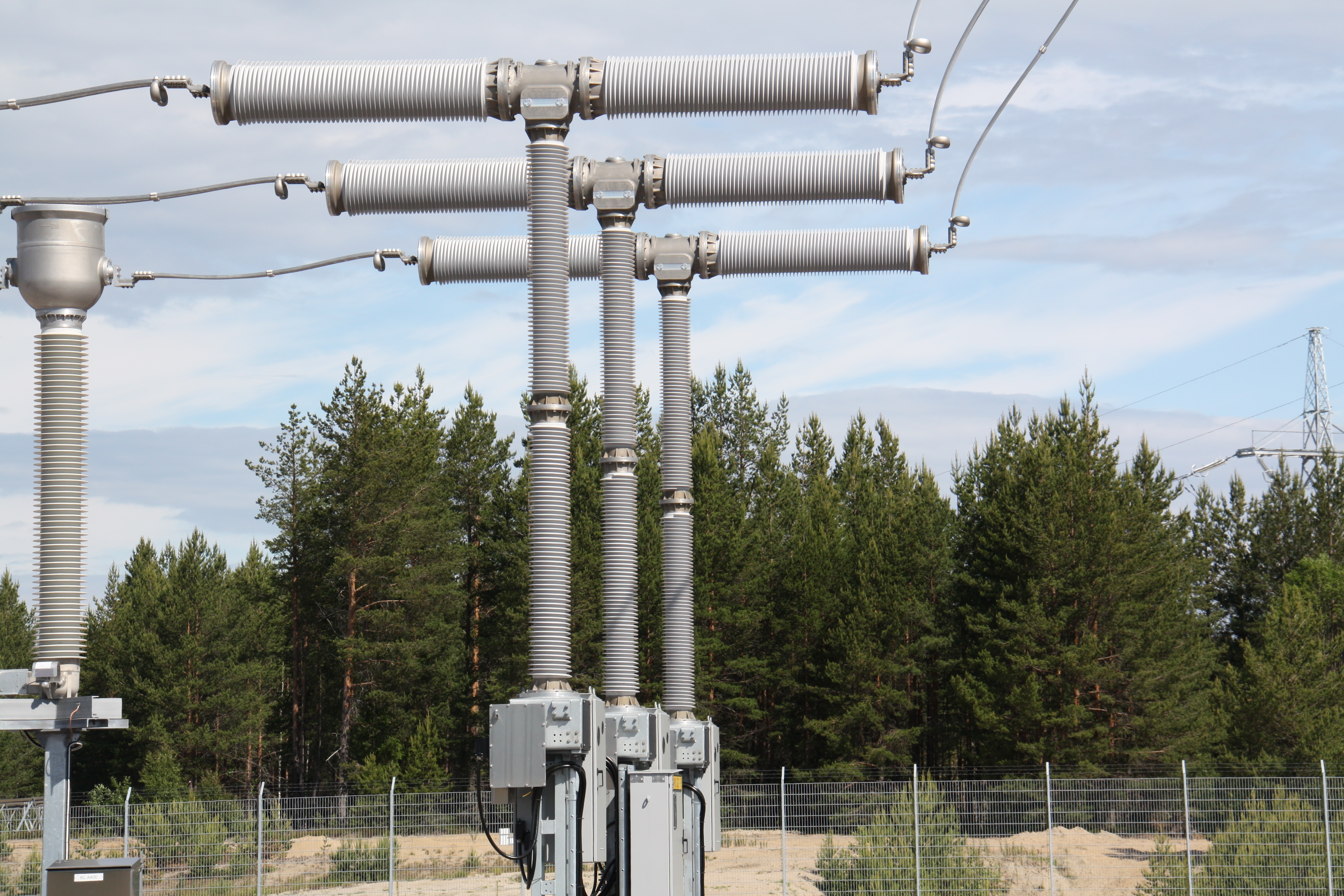
High-voltage circuit breakers
When choosing a circuit breaker, you want a solution that ensures quality, reliability, and innovation tailored to your needs. Omterra, formerly known as Siemens Energy, provides an extensive range of circuit breakers which is designed to provide the peace of mind that comes from using industry-leading technology.
Overview and applications of high-voltage circuit breakers

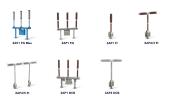
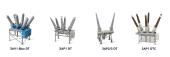
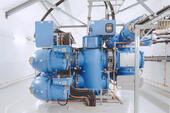
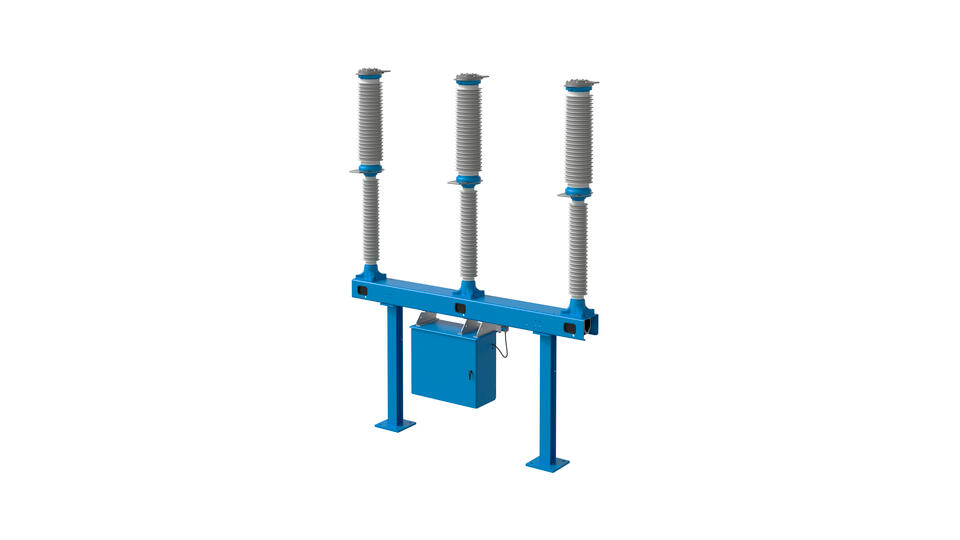
High-voltage circuit breakers classify primarily into: live tanks and disconnecting circuit breakers (DCBs); and dead tanks and dead tank compact (DTC). Both categories include Blue products which use zero F-gases.
| Circuit breaker type | Voltage range | Key features |
|---|---|---|
| Live tank circuit breakers | 72.5 kV to 1100 kV | Modular design, single- or three-pole operation, option for porcelain or composite insulators, optional closing resistors |
| Dead tank circuit breakers | 72.5 kV to 550 kV | Up to 90 kA interruption, 2-cycle operation, common or separate bases, optional closing resistors, flexible current transformer solutions |
| Dead tank compact (DTC) | 145 kV and 245 kV | Space-saving design with similar operational flexibility and reliability |
| Disconnecting circuit breakers (DCB) | 145 kV and 420 kV | Combines switching and disconnecting functions, reduces substation footprint, simplifies system design |
Live tanks and disconnecting circuit breakers
Dead tanks and dead tank compact

Technical specifications and features of circuit breakers
As leading energy technology company, Omterra is proud to produce circuit breakers which achieve the highest technological and environmental standards. The company maintains this position through state-of-the-art production processes, constant product development and a certified quality management system.
Circuit breakers technology
Your needs for reliable and high-performance solutions are our top priority. With Omterra circuit breakers, you can benefit from three key technological principles: the vacuum interruption principle, the self-compression principle, and the stored-energy spring-drive mechanis. Experience how these innovative features can empower your operations and enhance the safety of your electrical systems.
Vacuum interrupters form the backbone of our 3AV1 Blue portfolio. Based on more than 40 years of experience in medium-voltage range and more than 6 million delivered vacuum interrupters, Omterra has introduced this proven technology to high-voltage power networks in 2010. This game-changing technology offers several advantages:
- Zero CO2 or F-gas emissions
- Hermetical tightness to protect from decomposition products
- High switching performance without degradation
- Zero maintenance (sealed for life)
- Perfect for low temperatures, no liquefaction of switching medium
Omterra's complete 3AP family up to 1100 kV relies on our arc-quenching principles either the self-compression or the dynamic self-compression principle using the thermal energy of arch. Omterra patented this method of arc quenching in 1973 and has continued to develop the technology of the self-compression interrupter unit ever since.
The drive concept of the 3AP circuit breaker family is basedon the patented stored-energy spring principle. The mechanism types differ in terms of the number, size andarrangement of the opening and closing springs. Both theopening and closing springs are located inside the operatingmechanism, thereby achieving a simple and sturdy device.
Advantages:
- Same principle for rated voltages from 72.5 kV up to 800 kV
- High reliability thanks to low operating energy (10,000 operating cycles guaranteed)
- Reliable, economical and durable due to uncomplicated and robust construction with few moving parts
- Controllable switching state at all times
- Easy access to springs as they are not integrated in SF6 compartments
- Maintenance-free for 25 years or 6,000 operation cycles
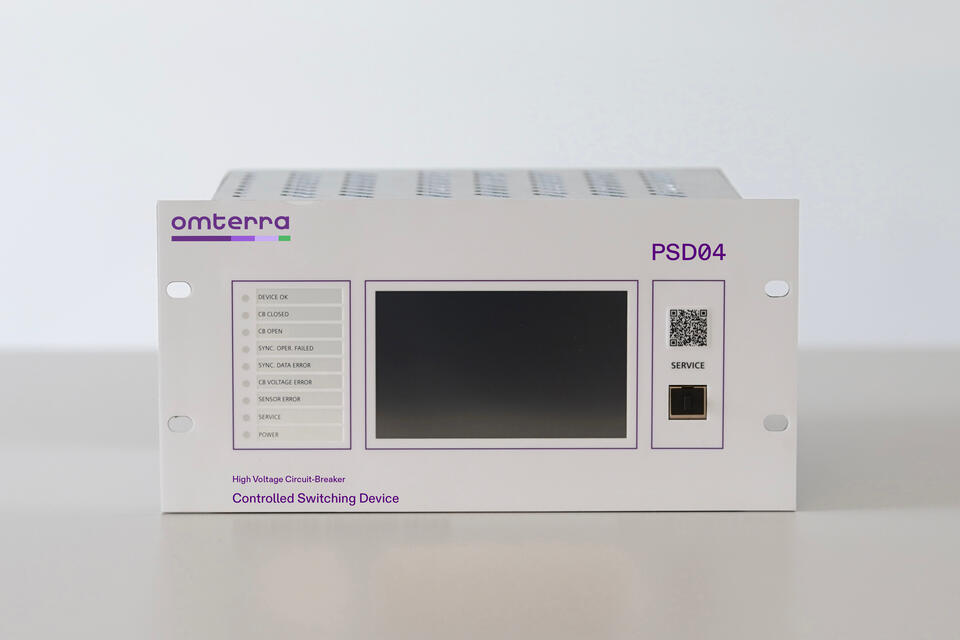
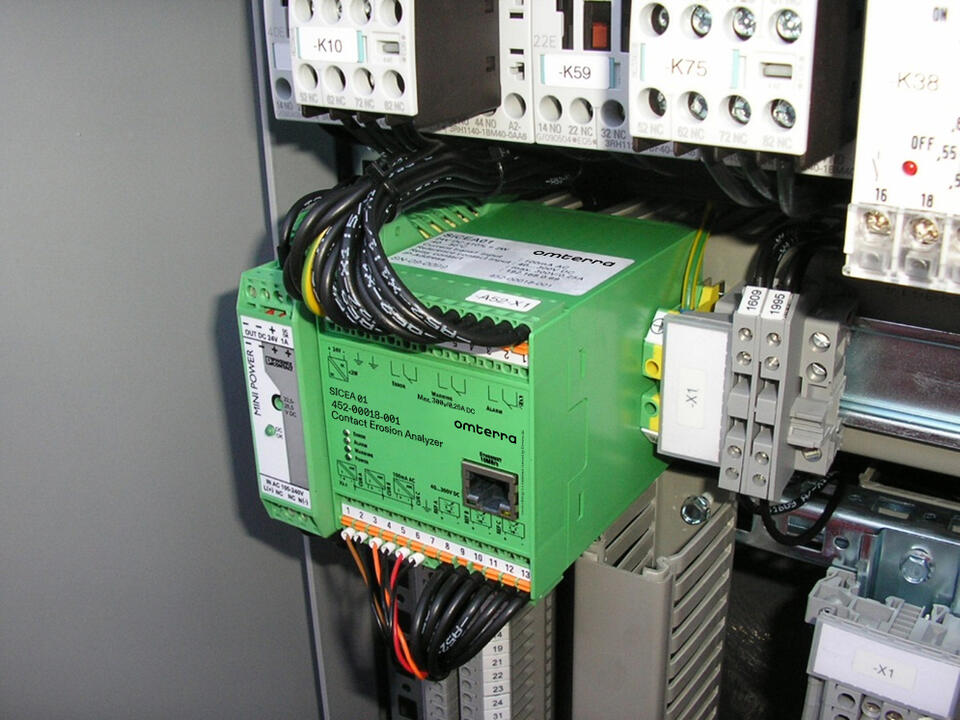
Circuit breaker accessories

Get answers: FAQs on circuit breakers
A high voltage circuit breaker is an electrical device designed to protect high voltage power systems by interrupting the flow of electricity during fault conditions, such as short circuits or overloads. It operates by detecting abnormal current levels and quickly opening the circuit to prevent damage to equipment and ensure safety. The mechanism typically involves a combination of mechanical and electrical components, including a trip unit that senses faults, and a switching mechanism that physically opens the circuit, using gas, oil, or air as an insulating medium.
Omterra offers high voltage circuit breakers that can handle voltages up to 1100 kV.
Circuit breakers are tested on several ways before leaving factories to ensure the safe and reliable operation. Testing routines are different, depending on the product type.
Circuit breakers offered by Omterra are mainteance free for up 25 years.
They differ in voltage ratings, applications, design compexity and in several operational characteristics. Medium voltage ranges up to 66 kV, high voltage as above 72,5 KV
HVDC circuit breakers are specifically designed to handle the unique challenges of direct current systems, while AC circuit breakers are optimized for alternating current applications.
Vacuum circuit breakers operate by interrupting the current within a vacuum chamber and are known for their compact size and reliability. Other circuit breakers use different insulating mediums, air, oil or gas and different interrupting technology.