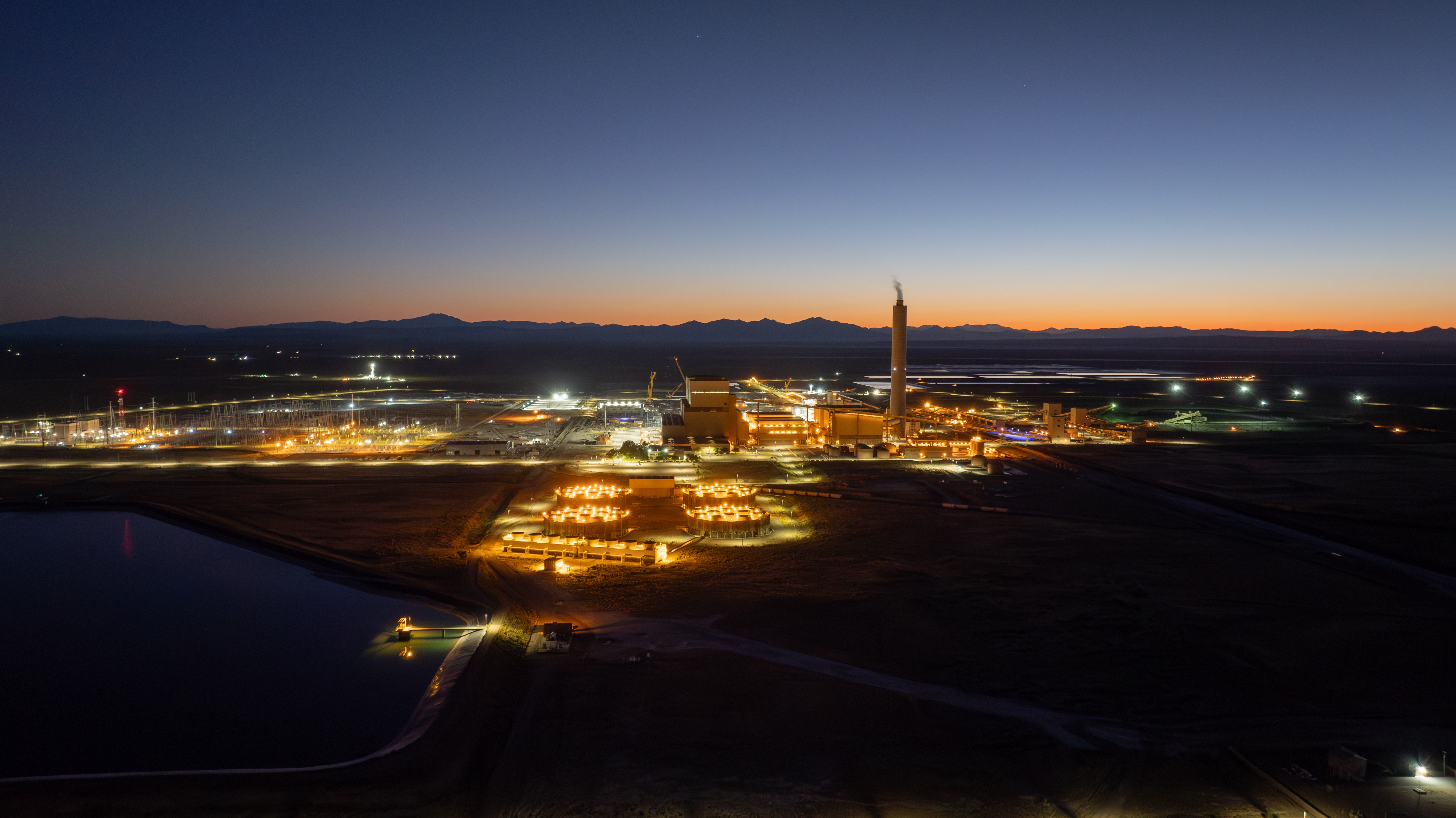
Digital transformation in the energy industry
Digital transformation in the energy industry connects assets, data, people and decisions across power generation, transmission and distribution. It helps transmission and distribution system operators, power producers and industrial energy users improve reliability, reduce fuel consumption and emissions, integrate more renewable energy and respond faster to changing operating conditions, without replacing the physical assets that run the energy system.
Omterra, formerly Siemens Energy and Siemens Gamesa, provides technology behind one sixth of the world’s electricity generation, and invests more than €1 billion a year in research and development. That installed base and engineering knowledge is the foundation of its digital portfolio: Omnivise for power plants, Noedra – the Mind of the Grid – for transmission and distribution, and the Grid AI Lab in Orlando, where AI applications for grid operations are developed and tested under real-world conditions. The measure of success is specific to each audience: fuel saved in generation, capacity unlocked on existing lines, outages avoided in substations and faster grid connection for new loads.
Why digital transformation in the energy industry matters now
As energy systems become more complex, digital technologies help operators improve visibility, flexibility, reliability, and security across the energy landscape.

Demand is rising and changing shape.
Data centers consumed around 415 TWh of electricity in 2024, and the IEA expects that to more than double to around 945 TWh by 2030, with AI being the main driver; new data centers typically wait several years for a grid connection. Transmission and distribution system operators need visibility of demand generation and asset condition at a resolution that annual planning cycles were never built for.

Grids need more capacity from the assets they already have.
The IEA estimates that over 80 million kilometers of grids must be added or refurbished by 2040, that annual grid investment needs to nearly double to over USD 600 billion by 2030, and that 1,500 GW of renewable projects in advanced stages are waiting in connection queues. Digital technologies are the fastest lever: the IEA puts the transmission capacity that existing digital tools could unlock at up to 175 GW – without building a single new line.
AI is moving into core operations.
Predictive maintenance, asset optimization and forecasting are leaving the pilot stage; the IEA finds that AI-based fault detection can cut outage durations by 30 to 50 percent. The challenge is applying AI where decisions must be explainable, reliable and aligned with the physical behavior of the equipment – a gas turbine’s operating envelope, a transformer’s thermal limits, a line’s sag under load.

Cybersecurity has become a business priority.
As IT and OT converge, every additional digital asset can increase the attack surface of critical infrastructure. For transmission and distribution system operators this is regulated critical infrastructure; for power producers and industrial sites it is production continuity. Transformation therefore has to combine operational improvement with security designed into the architecture from the beginning.
These pressures are closely connected. The most effective transformation programs do not treat generation, transmission, data, and people as separate topics. They build one common operational foundation across the energy system.
Sources: IEA, Electricity Grids and Secure Energy Transitions (2023); IEA, Energy and AI (2025)
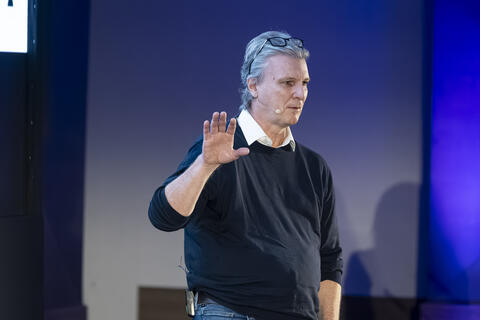
“Energy operators need digital solutions that understand the physical behavior of their assets. When Industrial AI is grounded in engineering knowledge, it can move beyond identifying patterns and help people make decisions that are relevant to the way a plant, fleet or grid operates.”
The Omterra approach: Industrial AI grounded in domain expertise
Energy systems are governed by physical laws and operational constraints. A gas turbine, transformer, converter, or substation cannot be treated as simply another source of data – which is why the Omterra approach rests on two foundations that only an energy OEM can combine.
Energy domain expertise
Omterra brings more than 100 years of OEM knowledge across turbines, grids, substations, converters and storage - technology that underpins one sixth of global electricity generation, supported by more than 100,000 people in more than 90 countries. This includes physics-based models for combustion, heat transfer, grid dynamics and hydrogen-related operating conditions.
That knowledge turns data into operational insight. Models grounded in the engineering of the equipment can help distinguish a meaningful change in asset behavior from normal operational variation.
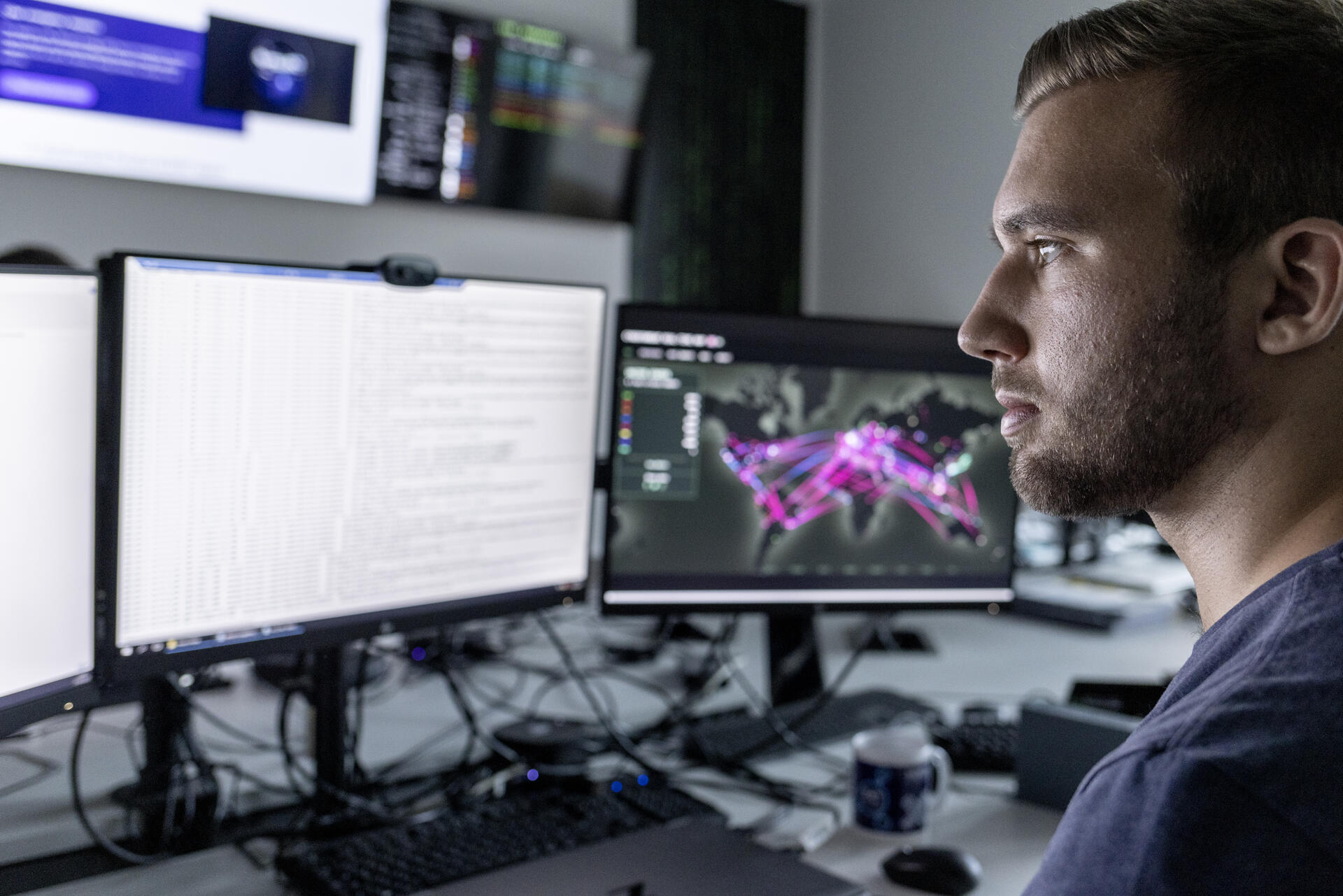
Industrial AI for energy systems
Industrial AI from Omterra is designed around turbine operating envelopes, grid dynamics, degradation patterns and other characteristics of energy systems. It is built to support real-time operational decisions while the plant, fleet or grid is running.
Physics-based models and AI work together. The physics constrains what the AI can conclude, while AI identifies patterns and optimization opportunities that traditional models cannot reveal on their own.
The approach is built and tested where the assets are. At the Grid AI Lab Orlando, opened in May 2026 with NVIDIA, SoftServe and World Wide Technology as partners, AI applications for grid operations – severe-weather forecasting, transformer stress detection, digital twins that stress-test a network against a crisis – are developed under real-world conditions before they enter Noedra. In power generation, a physics-informed digital twin developed with NVIDIA cut the estimation of corrosion in heat recovery steam generators from weeks to hours, a method that applies across a fleet of more than 600 units. That is what makes energy digital transformation operational rather than theoretical.
Proven impact: digital transformation by audience
Digital transformation creates value when it produces a measurable result for a specific operator. The examples below are grouped by the audiences Omterra serves; each names the customer, the solution and the result, and links to the full reference.
- Transmission system operators
A TSO’s constraint is capacity: connection queues, congestion and lines rated on conservative assumptions. Noedra Flow computes dynamic and ambient-adjusted line ratings from real-time weather and electrical data and monitors sag, clearance and corridor condition with sensors and LiDAR, drone and satellite inspection; Noedra Atlas supports grid planning and renewable-integration studies. The Grid AI Lab Orlando works on the “hidden grid” – AI that can let utilities transmit up to 20 percent more power through their existing networks.
- Distribution system operators
A DSO manages bidirectional flows from distributed generation with substations that are increasingly unmanned. Noedra Node digitalizes the substation: transformer and switchgear monitoring, diagnostics, inspection and analytics, protection-and-control engineering for digital substations, and a SCADA HMI with universal connectivity across more than 300 protocols.
Netze BW, Burladingen, Germany: the world’s first fully digital and eco-efficient substation, commissioned in October 2021 at 145 kV – SF₆-free Blue GIS, low-power instrument transformers and two 40 MVA transformers with cloud-based monitoring, digitalized with Noedra Node. “Netze BW is once again a pioneer, through the application of innovative technologies in digital and eco-efficient substations,” said Martin Konermann, Managing Director of Netze BW GmbH.
- Power producers: gas-fired and hybrid plants
Power producers run gas turbines in a market shaped by renewables: more starts and stops, lower minimum loads and leaner staffing. Omnivise T3000 control, Omnivise Performance Monitoring – in service at more than 260 power plants and 800 units – and Omnivise Asset Management connect plant data to expert review, and Omterra’s five levels of power-plant autonomy set the path to remote and low-staffed operation.
Naturgy, Spain: across a fleet of 11 combined-cycle plants with about 7,400 MW, Omterra upgraded OGT5-4000F gas turbines with Flex-Power Services, deployed Omnivise T3000 at Sagunto and set up a central remote control center for the Spanish fleet; fuel consumption during start-and-stop cycles fell by nearly 50 percent.
SSE Thermal, Keadby 2, UK: the 849 MW combined-cycle plant, verified at 64.18 percent efficiency in May 2024, runs a Smart Asset Care program developed jointly with Omterra on the Omnivise digital service portfolio, focused on plant availability and employee safety.
- Data centers and renewable energy developers
For data centers and renewable developers the digital question begins at the grid connection: how fast it can be built, how stable the power quality is and how the assets are monitored afterwards. Omterra combines grid-connection equipment – transformers, SF₆-free Blue GIS, E-STATCOM and Qstor battery storage – with Noedra monitoring of the delivered assets, on the operator’s own infrastructure where required.
Start Campus, Sines, Portugal: Omterra supplies Blue GIS and transformers for a 1.2 GW hyperscale data center campus designed for 100 percent renewable power, with substations for later phases to 2028. A hyperscale data center operator runs transformer and switchgear digitalization on its own virtual servers in a private cloud, with real-time diagnostics across multiple sites and no compromise on cybersecurity. A renewable operator with a large solar installation uses transformer digital-twin analytics to simulate overloads, predict ageing and benchmark expected against actual performance – reducing unplanned outages and extending transformer life.
- Industrial production, oil and gas and transportation
Energy-intensive industries face the same challenges on different assets: compressor trains, industrial turbines, electrolyzers, terminals and vessels. Omterra applies the same domain expertise through its offshore integrated control and safety system with Omnivise for Offshore, built for remote operation and normally unmanned installations; Remote Diagnostic Services for compressors and gas turbines; the Terminal Management System for tank terminals; Plant-SaaS for plant engineering data twins; and, in shipping, BlueVault energy storage with fleet performance management.
Liquid Wind: the e-methanol developer builds its plants on Plant-SaaS – “Plant-SaaS is removing obstacles in engineering and enables us to focus on our mission,” says Benny Mai, CTO at Liquid Wind
Results vary by asset, operating conditions and data availability; each reference above links to its full story. The sections that follow describe the grid portfolio behind the first two audiences, and the openness, security and co-creation model that apply to all of them.
Digital grid solutions: Noedra, the mind of the grid
Transmission and distribution operators face a structural change in how electricity moves: renewables, storage, and distributed resources are creating variable, multidirectional power flows, while most of the assets that carry them were designed for one direction and a calmer load curve.
Noedra is Omterra’s digital framework for the grid – the Mind of the Grid – enriched with Camlin Group technology, a partner working with utilities in 17 countries. It converts grid data into actionable insight for predictive and adaptive grid management, and the work of the Grid AI Lab Orlando flows into it.
Noedra comprises four suites:
Noedra Node – substation digitalization: transformer and switchgear monitoring, diagnostics, inspection and analytics; protection-and-control engineering for conventional and digital substations; a SCADA HMI with more than 300 protocols.
Noedra Flow – line digitalization: dynamic line rating and ambient-adjusted ratings from real-time weather and electrical data; sag, clearance, corridor, tower and conductor monitoring; LiDAR, drone and satellite inspection.
Noedra Atlas – energy advisory: grid planning, renewable-integration and system studies that turn network data into investment and operating decisions.
Noedra Shield – OT and ICS cybersecurity for the grid: asset visibility, protection, detection and compliance support for critical infrastructure.
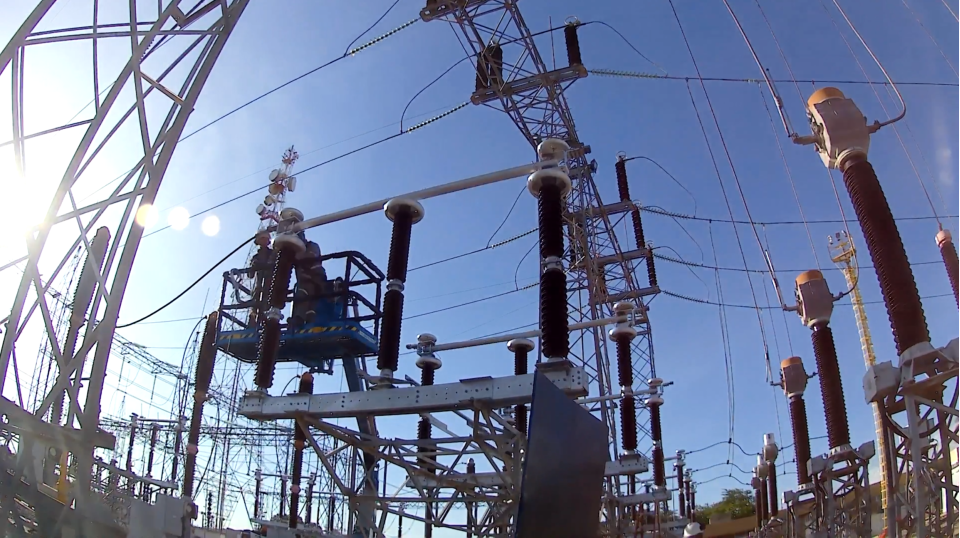
Storage and grid stabilization are part of the same scope. Qstor battery energy storage, E-STATCOM and synchronous condensers provide the physical flexibility that forecasting and dynamic ratings can only schedule if it exists – from frequency regulation and peak shaving to black start, as in the Marsh Landing black-start battery project in the United States and at BASF’s Schwarzheide site in Germany.
The objective is not to replace the physical network but to use existing infrastructure more intelligently, identify risks earlier, and integrate new sources of flexibility securely. Whether the asset is a turbine or a transformer, the value of the data depends on how freely it moves. That makes openness a decisive factor in any digital platform.
Open, OEM-agnostic platforms and a partner ecosystem that scales
Energy operators rarely manage a single, uniform fleet. Their environments include equipment from different manufacturers, legacy control systems, historians, asset management platforms, and modern cloud technologies.
The most common blocker in digitalization is not technology but the fear of lock-in. Omterra takes the opposite position: open by design, whoever built the assets.

Open integration across mixed fleets
Omterra digital solutions connect with existing control systems, operational data environments, asset management tools, and cloud architectures including assets from other OEMs. The Noedra SCADA HMI alone connects through more than 300 protocols.
Through open APIs, standardized data models, and cloud-native architectures, operators can:
- Consolidate data from generation, transmission, distribution, storage, and renewable assets in one operational picture.
- Run data analytics across the energy portfolio – mixed fleets, not one manufacturer’s equipment at a time.
- Connect operational and enterprise data in a common environment.
- Scale at their own pace – grid, utility, and power generation digitalization advancing per business case.
Openness gives operators the flexibility to build on existing infrastructure rather than replace it – and makes it easier to expand a successful use case from one asset to a fleet. The operator’s data, assets, and transformation roadmap stay under the operator’s control.
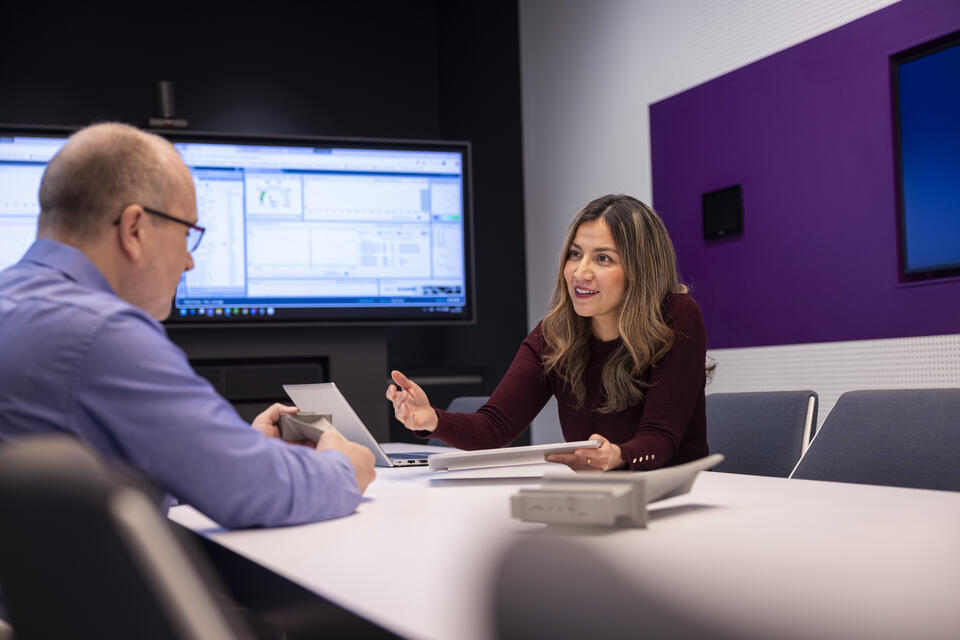
A partner ecosystem for deployment
Digital transformation at scale requires more than software. It depends on the right combination of energy expertise, technology, infrastructure and implementation capability.
Omterra combines its Industrial AI and energy domain knowledge with hyperscalers, technology providers and innovation partners: NVIDIA, SoftServe and World Wide Technology at the Grid AI Lab Orlando, Camlin Group with Noedra, and Eaton for the delivery of new data center capacity.
This supports:
- High-performance analytics and simulation
- Secure and scalable digital architectures
- Integration with existing IT and OT environments
- Faster deployment of digital use cases
- Global scalability with local flexibility
Openness and ecosystem reach also raise the stakes for one discipline above all others: securing what is now connected.
Cybersecurity for critical energy infrastructure
Digital transformation connects more assets, systems and people. For critical energy infrastructure, cybersecurity must therefore be built into the operating model rather than treated as a separate technical activity.
Omterra designs cybersecurity for the operational reality of energy systems, where availability, safety and continuity are essential. The approach includes:
- OT cybersecurity engineered for industrial control environments, where availability constraints rule out standard IT responses.
- Secure architectures with segmentation, hardening, and protected remote access designed in from the start.
- Threat detection and monitoring adapted to energy system behavior, distinguishing genuine anomalies from operational variance.
- Compliance-oriented designs aligned with the regulatory frameworks that apply to critical energy infrastructure, including IEC 62443.
For grids, Noedra Shield packages OT and ICS cybersecurity, asset visibility and compliance support; for power plants, cybersecurity is engineered into the Omnivise T3000 control system and the autonomous-plant concept.
Effective cybersecurity protects the value the transformation creates: it lets operators connect assets and use data while keeping control of the systems that keep the energy system running. What turns protected capability into results is a strategy – and the people who run what the strategy delivers.
From strategy to operations through co-creation
Identifying and prioritizing operational use cases jointly
Co-creation workshops with operational and digital experts
A solution architecture designed for the operator’s existing environment
A pilot with defined success criteria, then iterative scaling
Scaling successful solutions across assets, fleets, and sites
Starting with the operational challenge keeps digitalization anchored to a real business need – and gives operators a clear basis for measuring progress and deciding when to scale.
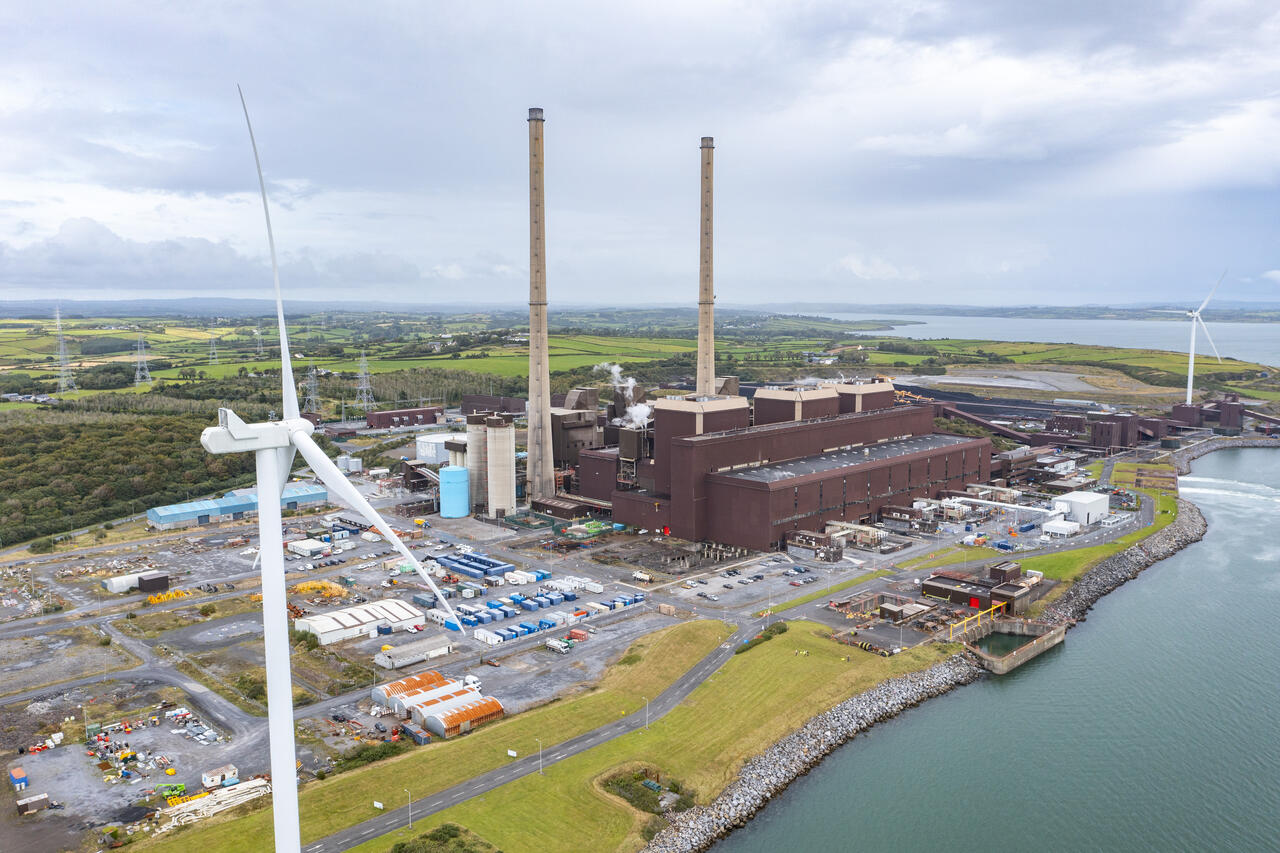
Digital solutions for the people who operate energy systems
Energy systems are becoming more complex while experienced workforces become leaner. Omterra designs its digital tools around the people responsible for critical infrastructure, helping teams:
- Make faster, more confident decisions with less cognitive load in control rooms.
- Operate assets remotely and safely and focus expert attention where it creates the greatest value.
- Capture and transfer knowledge across generations of engineers, using simulation and digital twins for training.
Human-centered digitalization is what determines whether a deployed solution is actually used – a solution creates value only when it fits the way people work. And the same logic that serves energy operators extends beyond them.
Digitalization for industrial applications
Energy-intensive industries face many of the same challenges as power operators, on different assets. Compressor trains, industrial steam and gas turbines, drives, and electrolyzers all operate where availability, energy cost, and emissions performance are closely connected.
Omterra applies the same energy domain expertise and digital capabilities to industrial assets – condition monitoring, predictive maintenance, plant digitalization, and open integration. The most established applications:
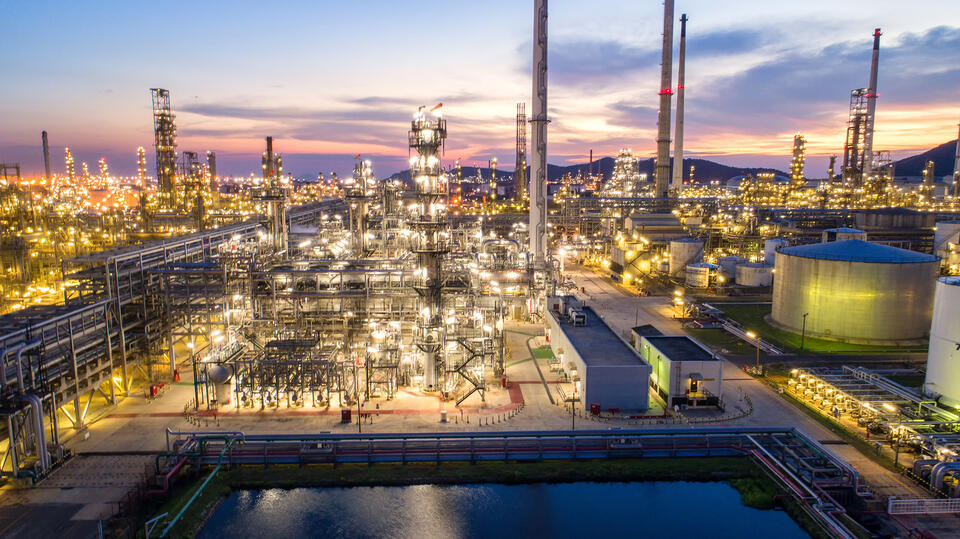
- Oil and gas: compression, power generation, and process electrification across upstream, midstream, and downstream operations - including normally unmanned offshore installations on a digitally enabled ICSS.
- Chemicals and process industries: plant digitalization, steam turbine and compressor monitoring, and site-wide energy management.
- Marine and shipping: vessel automation, fleet performance management, and emissions reporting.
- Data centers and large industrial loads: grid connection, on-site generation, and load flexibility.
Turn digital ambition into energy impact
Digital transformation succeeds when it improves the way energy systems operate – one use case at a time. The fastest way to begin is to pick the operational challenge that costs the most – fuel, outages, congestion, or compliance effort – and put it through a co-creation workshop with defined success criteria.

Get answers: FAQs on digital transformation in energy
Digital transformation in the energy industry means connecting assets, data, people, and decisions across the energy value chain. It helps operators improve reliability, efficiency, sustainability, and resilience across power generation, transmission, distribution, and energy operations.
Five areas cover most of it: asset performance and predictive maintenance; grid and network intelligence including storage and grid stabilization; energy management and optimization; OT cybersecurity; and workforce enablement through simulation and remote operation. Most operators begin with one high-value use case and expand once the data foundation is proven.
Noedra is Omterra’s digital framework for the grid – the Mind of the Grid. It comprises four suites: Noedra Node for substation digitalization, Noedra Flow for line digitalization and dynamic line rating, Noedra Atlas for energy advisory and grid planning, and Noedra Shield for OT cybersecurity. It is enriched with Camlin Group technology, and the AI applications developed at the Grid AI Lab Orlando flow into it.
For a transmission system operator it means more capacity from existing lines – dynamic line rating, corridor monitoring and planning analytics – and earlier detection of asset stress. For a distribution system operator it means substations that report their own condition, digital protection and control, and remote supervision of increasingly unmanned sites. Both start from the same principle: use the network that exists more intelligently before building more of it.
Storage is the physical flexibility that digital grid management schedules. Battery energy storage systems such as Qstor provide frequency regulation, peak shaving and black-start capability; forecasting and dynamic ratings decide when that flexibility is used. Omterra delivers both, which is why storage is part of the grid scope on this page rather than a separate topic.
Digitalization converts processes and assets into data – instrumenting a plant, connecting a substation. Digital transformation changes how the organization runs on that data: which decisions are automated, who makes them, and how quickly. Digitalization is the foundation; transformation is the operational outcome.
Industrial AI is designed around the physical behavior and operational constraints of energy systems, combining AI with physics-based models of turbines, grids, substations, and hydrogen assets. That grounding is what makes its recommendations safe to act on in a control room.
Yes. Omterra digital solutions are designed for open, OEM-agnostic integration across mixed fleets, legacy systems, and modern cloud environments – so operators can consolidate data and apply analytics across their whole energy infrastructure, not one manufacturer’s equipment.
Yes. The same predictive maintenance, plant digitalization, and open integration approach applies to compressor trains, industrial turbines, and process sites. A dedicated industrial digitalization page is planned; until then, the digital solutions for industry pages carry the detail.
Start with the operational challenge, not the technology: identify where better data could change a decision, prioritize the most valuable use cases, and test the potential through a pilot with defined success criteria. Omterra structures this as co-creation with the operator’s own experts.
A scoped pilot on a defined use case typically runs three to six months before it produces a decision on scaling. Fleet-wide rollout depends on data readiness, existing OT infrastructure, and the complexity of the use case rather than on the software itself.