
Carbon Capture, Utilization, and Storage (CCUS)
Carbon Capture, Utilization, and Storage (CCUS) can play an important role in decarbonizing the energy sector. Omterra, formerly Siemens Energy, works with customers, technology providers, and policymakers to advance CCUS solutions and support the transition toward a more sustainable energy future.
The climate imperative for Carbon Capture, Utilization and Storage
Reaching net zero will require a combination of technologies, and Carbon Capture, Utilization, and Storage (CCUS) can play an important role. By capturing CO₂ before it reaches the atmosphere, CCUS can help reduce emissions from existing power and industrial infrastructure.
The International Energy Agency (IEA) highlights CCUS as an important part of the transition to net zero. Omterra supports the entire CCUS value chain with technologies for CO₂ capture, compression, transport, storage, and utilization. Integration studies help identify the right system design and optimize plant size, cost, efficiency, and performance.
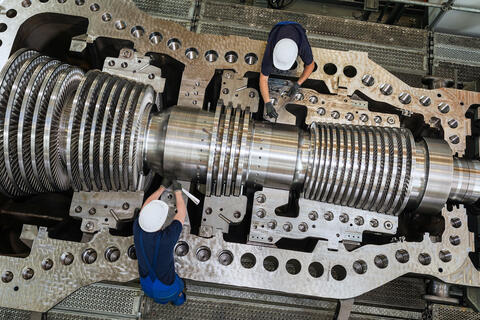
Capturing and compressing CO₂ requires energy and can affect the overall efficiency and output of a power plant. Through smart integration of steam turbine and compression technologies, as well as the effective use of available heat, these energy demands can be reduced while supporting efficient plant operation.
CCUS can be added to new build or be retrofitted to existing fossil fuel-based power plants and industrial facilities, capturing CO₂ emissions that would otherwise be released into the atmosphere. This is particularly important for sectors where emissions are hard to abate, such as cement and steel production.
Hydrogen is a clean fuel that can be produced using fossil fuels with CCUS, known as blue hydrogen. This process captures the CO₂ produced during hydrogen production, making it a low-carbon alternative to green hydrogen produced from renewable energy sources until enough resources for green hydrogen are constructed.
CCUS technologies can also capture CO₂ directly with direct air capture (DAC) or from bioenergy processes (BECCS). These methods can remove CO₂ from the atmosphere, helping to balance emissions that are difficult to eliminate. Furthermore the synergistic approach of Direct Air Capture combined with carbon sequestration (DACCS) is acknowledged for its potential to generate negative emissions, representing a robust, enduring approach to Carbon Dioxide Removal.
In addition to our comprehensive approach to Carbon Capture, Utilization, and Storage (CCUS), we are also focusing on the system design aspects, including liquefication and drying. These processes are crucial for the efficient handling and storage of captured CO₂. Liquefication allows for the CO₂ to be transported more easily and stored in a more compact form, while drying ensures that the CO₂ is free from moisture, which can cause corrosion and other issues in storage and transportation systems.
Partner with Omterra to decarbonize the energy sector
The global energy system continues to rely on fossil fuels, and their role is expected to remain significant during the energy transition. According to the DNV Energy Transition Outlook 2024, around 30% of global electricity could still be generated from fossil fuels in 2035. This makes technologies such as Carbon Capture, Utilization, and Storage (CCUS) increasingly important for reducing emissions while maintaining a reliable energy supply.
CCUS-equipped gas-fired power generation can complement renewable energy by providing flexible and reliable power when renewable generation is not available.
Building on decades of experience in carbon management and energy technology, Omterra supports the energy transition with integrated CCUS solutions. Extensive expertise in energy systems enables collaboration with technology and industry partners to integrate carbon capture technologies and develop solutions across the CCUS value chain.
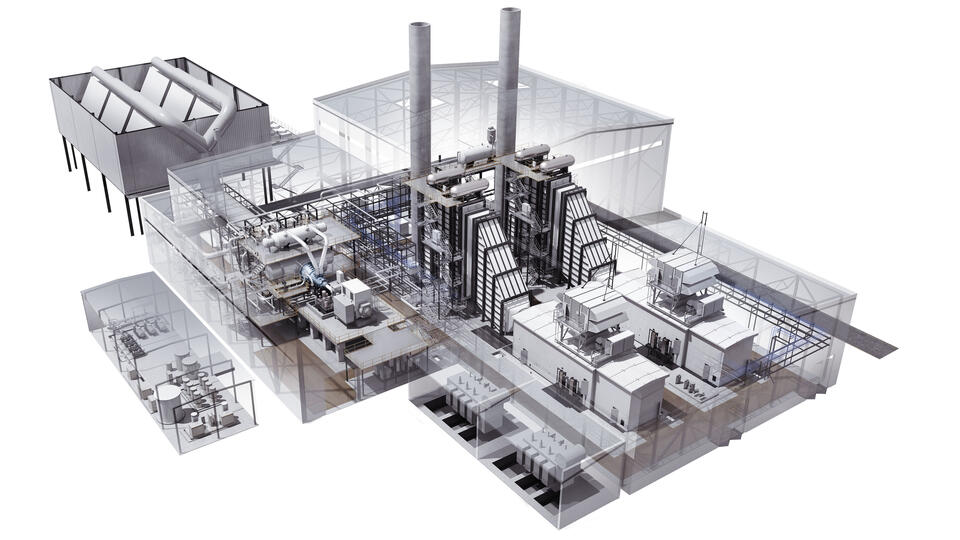
As a trusted partner, we help our customers select the most appropriate technologies for their specific needs. By partnering with leading carbon capture providers, we combine our energy technology and infrastructure expertise with their specialized knowledge to deliver efficient and reliable customized solutions.
What is Carbon Capture, Usage, and Storage (CCUS)?
CCUS is a key technological innovation aimed at reducing atmospheric carbon dioxide (CO₂) emissions. By capturing CO₂ from industrial processes, air and power and heat generation, CCUS prevents this greenhouse gas from impacting climate change. The captured CO₂ is then either repurposed in various industries or safely stored underground. CCUS is essential for lowering emissions in challenging sectors like steel and cement manufacturing and is a complement of sustainable low-carbon electricity and hydrogen production. As a method for atmospheric CO₂ removal, CCUS is integral to achieving net-zero emissions and ensuring long-term energy security.
How does CCUS technology work?
Capture CO₂
Utilize CO₂
Store CO₂
What will it take to scale CCUS?
CCUS offers significant potential for a sustainable future. Although high costs, infrastructure needs, and regulatory uncertainties pose challenges, they also drive innovation. Government support, such as tax credits and carbon pricing, can spur progress. Additionally, international collaboration and investment in R&D are essential for advancing CCUS technologies, enhancing their efficiency and cost-effectiveness.
Embracing these opportunities will promote CCUS adoption, cut carbon emissions, and support a sustainable planet.

Get answers: FAQs on carbon capture, utilization and storage
CCS is a technology that aims to reduce atmospheric carbon dioxide (CO₂) levels by capturing CO₂ from industrial processes and power generation, thereby preventing it from contributing to climate change. The captured CO₂ is then transported to safe storage sites and sequestered underground in geological formations to ensure it does not re-enter the atmosphere.
A wide range of technologies and strategies are needed to tackle climate change and achieve net-zero emissions. CCUS stands out as a critical technology in this mission, providing a key solution to significantly reduce (CO₂) emissions while maintaining the use of critical energy infrastructure. CCUS involves capturing carbon dioxide from sources such as power plants and either reusing or storing them to prevent them from entering the atmosphere.
The difference between CCUS and CCS lies in the utilization aspect. While CCS focuses solely on the capture and storage of CO₂, CCUS involves the use of the captured CO₂ in various industries, turning it into a valuable commodity.
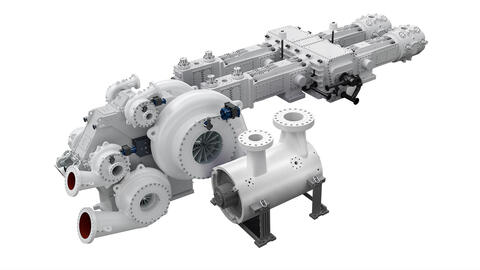
At Omterra, we are committed to advancing CCUS technologies through strategic partnerships and by leveraging our extensive experience in the power industry. Our capabilities extend beyond the core power plant infrastructure, where we can also offer integration of carbon capture equipment into existing and new facilities to ensure optimal performance. Our portfolio elements are broad and include compression and liquefaction solutions, control and automation solutions. In addition, our extensive experience as a service provider enables us to offer a comprehensive range of service solutions tailored to the specific needs of our customers.
