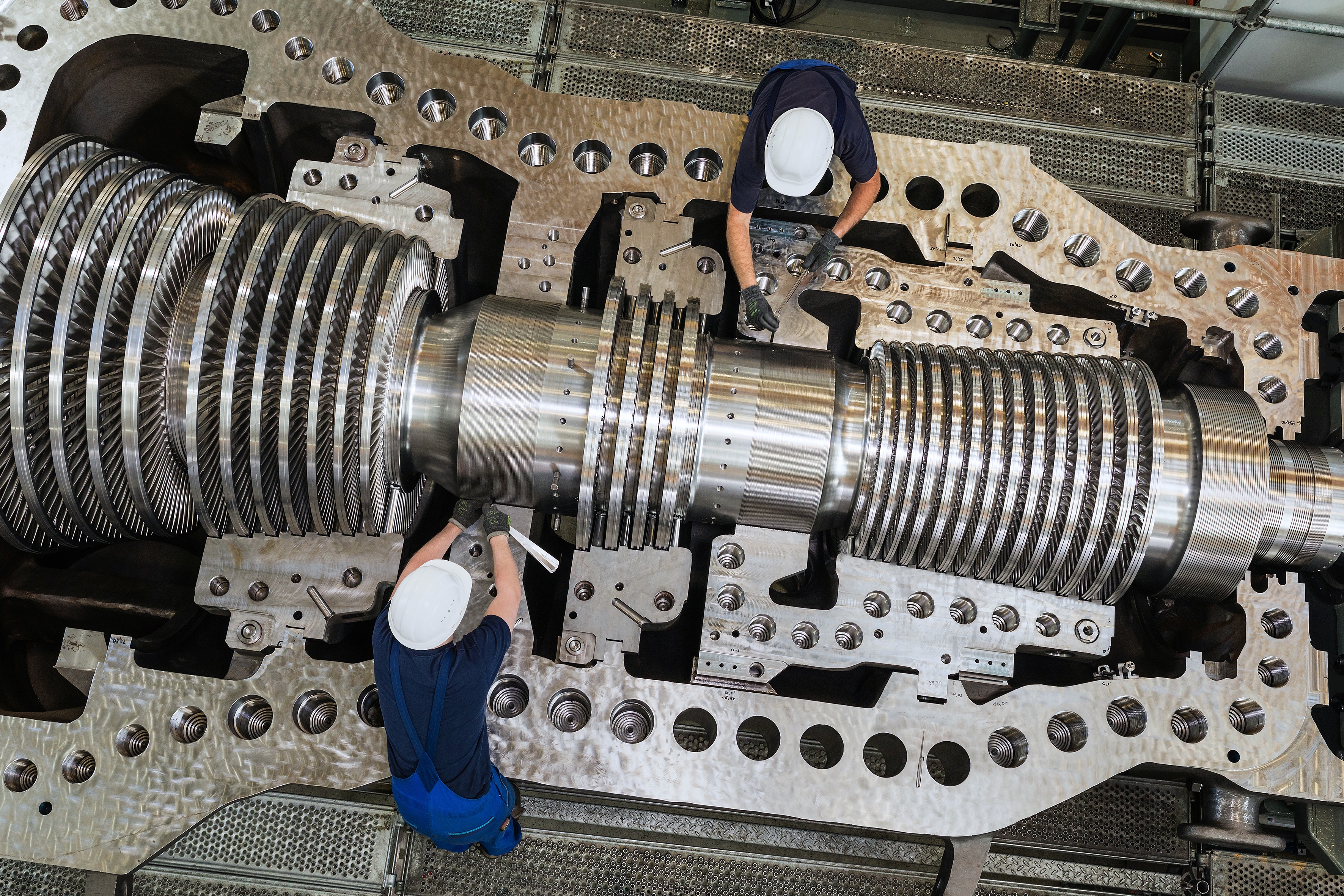
Reliable steam turbines for improved efficiency
Siemens Energy and Siemens Gamesa are now Omterra. The formerly licensed “SST” portfolio is now offered as OIST (Omterra Industrial Steam Turbine) and OLST (Omterra Large Steam Turbine).
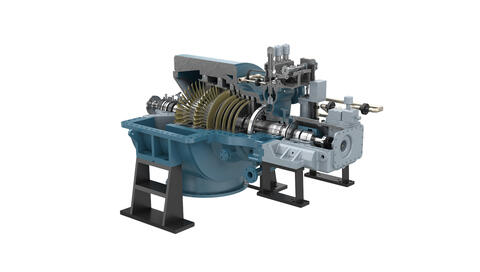
Omterra, formerly known as Siemens Energy, steam turbines, offer dependable generator and mechanical drive solutions for compressors and pumps, playing a key role in combined cycle plants and a wide range of industrial applications. The design of these turbines demonstrates Omterra’s advanced expertise in turbine technology and reflects a strong commitment to high efficiency and reliability.
Steam turbine portfolio
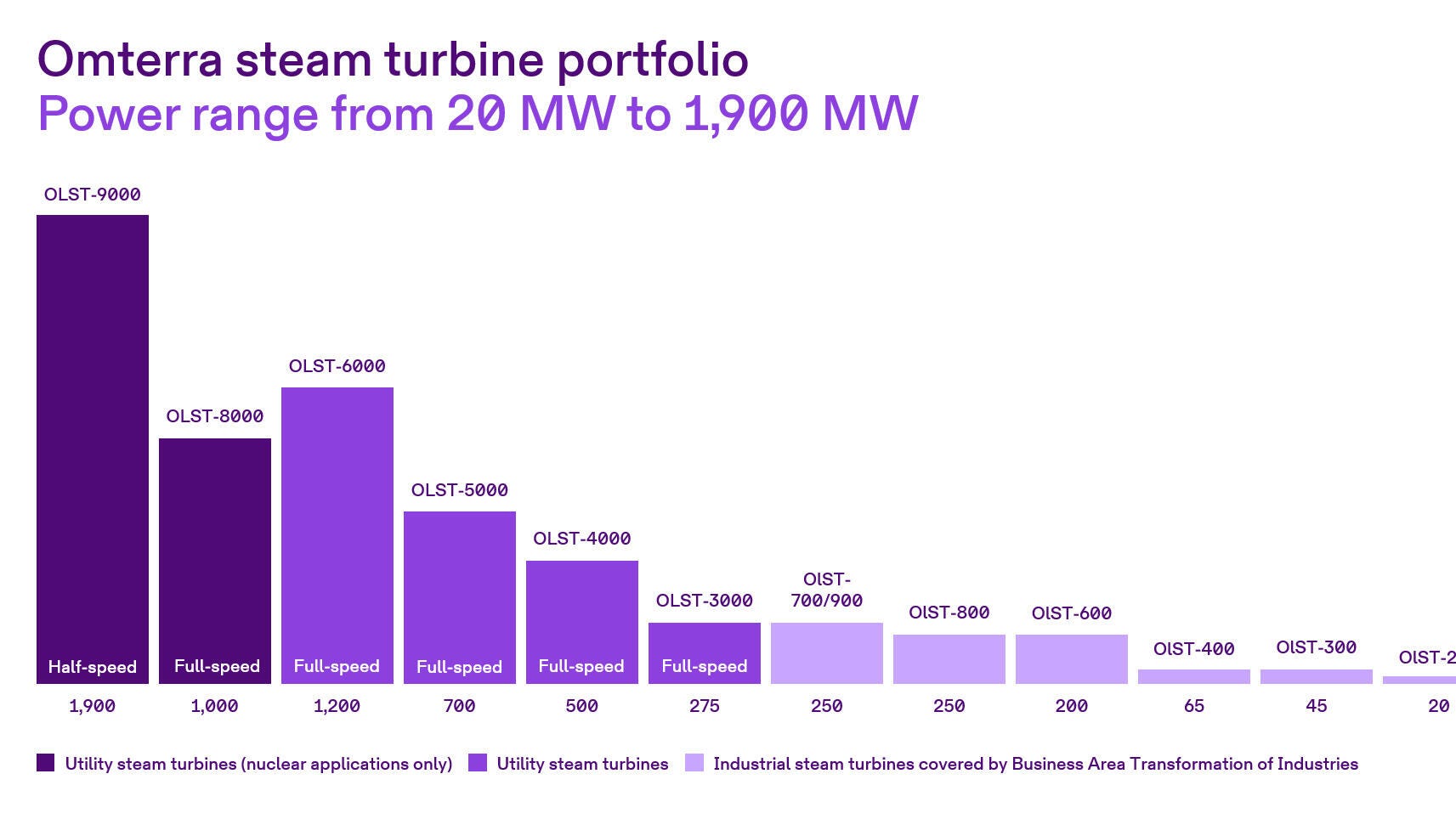
Omterra offers a comprehensive range of steam turbines with a power output ranging from 2 to 1,900 MW. These are used in conventional fossil-fired steam power stations, as well as nuclear and combined cycle power stations. With omore than 8,000 steam turbines in service worldwide, the technology is proven and adapted to specific local conditions.
Steam turbine service offerings
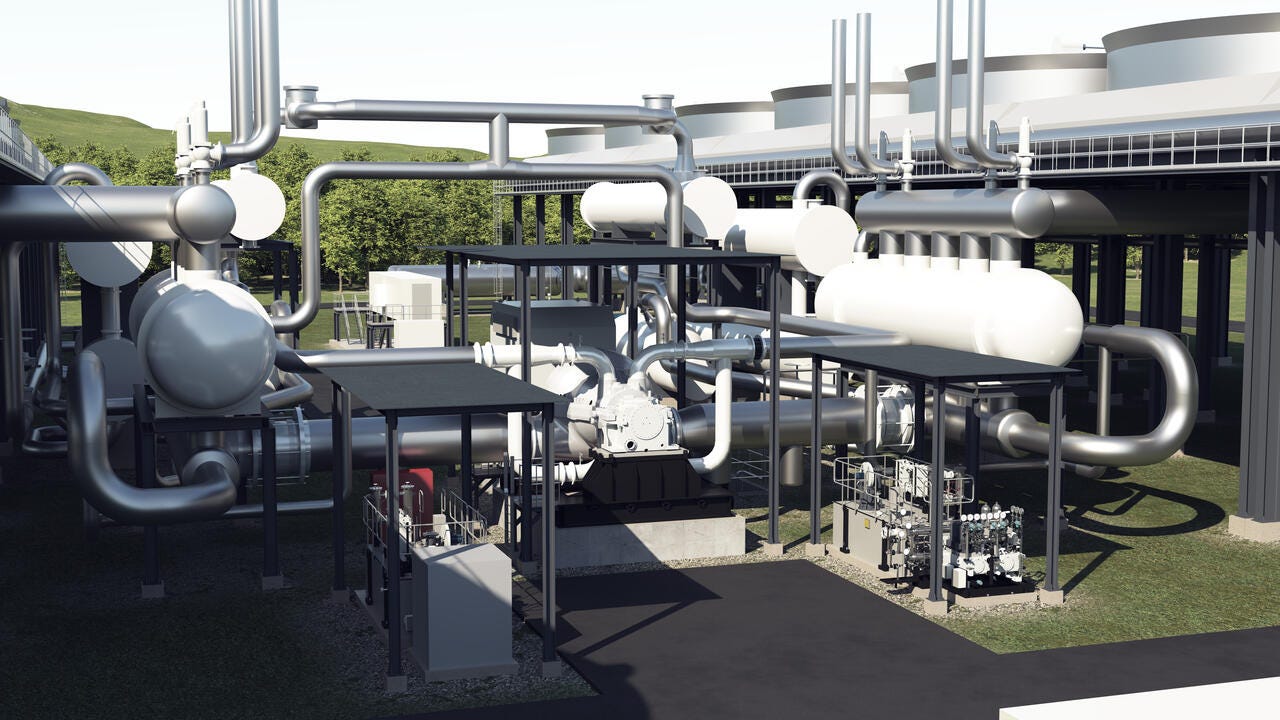
Upgrading industrial steam turbines improves efficiency, reliability, and sustainability. Omterra provides custom upgrade solutions to reduce steam use, increase equipment lifespan, and meet evolving operational needs, leveraging years of OEM experience.
Revolutionizing decarbonization with reliable steam turbines
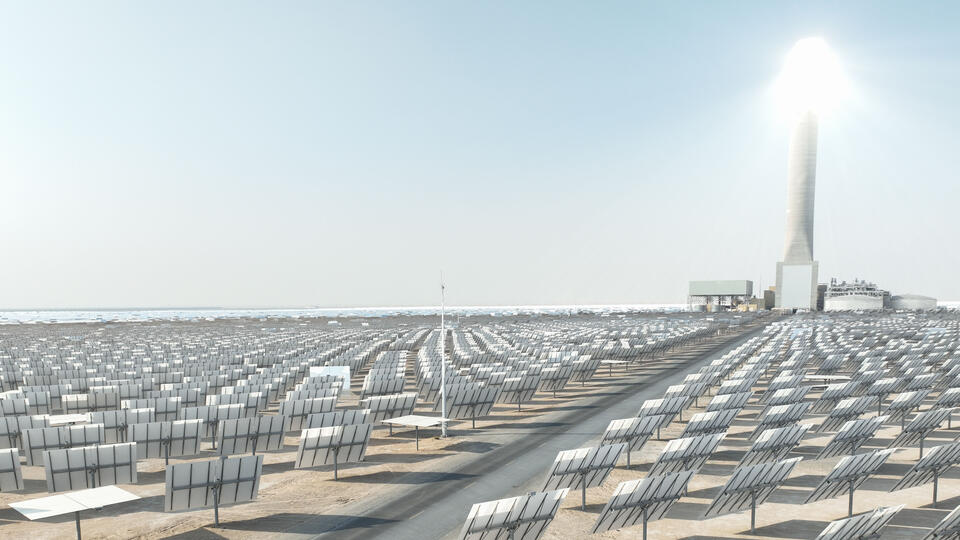
The industry has witnessed a remarkable shift towards decarbonization, driven by advancements in steam power technology, process optimization, and heat management. Enhancing steam turbine performance and efficiency has improved efficient heat utilization and overall energy efficiency, leading to a significant reduction in carbon emissions. These developments have not only bolstered the utilization of renewable energy sources but have also underscored the industry's commitment to environmental responsibility.
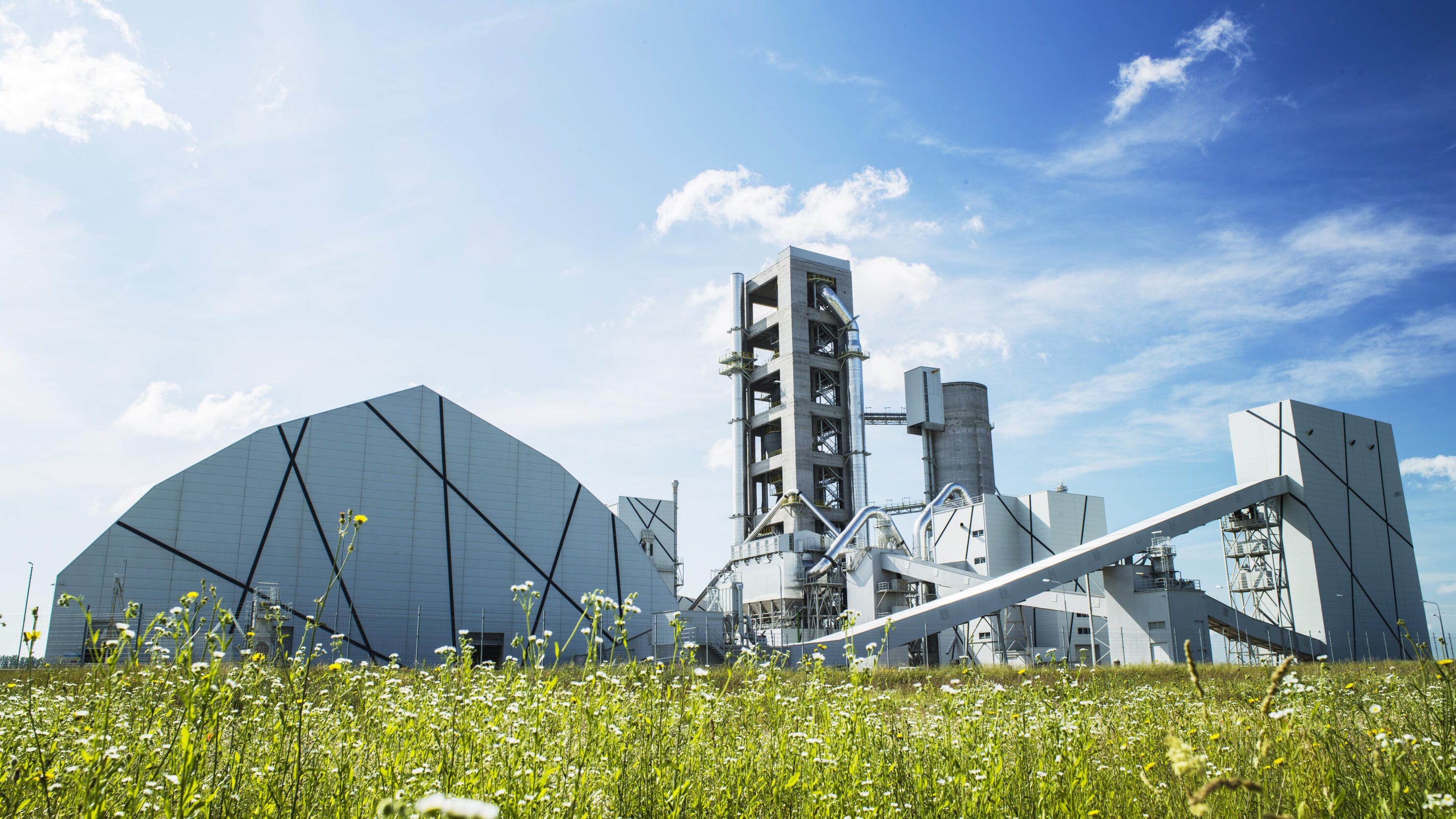
The heart of every power plant: steam turbine manufacturing
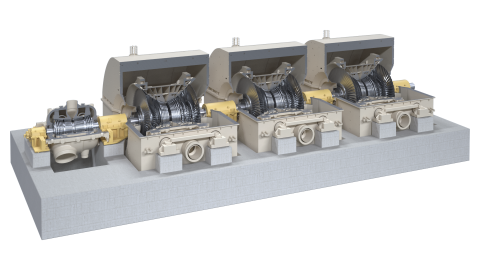
Omterra Steam Turbines are vital for power plants, serving as generator drives or mechanical drives for pumps and compressors. Their modular design enhances flexibility and reduces time-to-market. Advanced turbine technology improves efficiency and reliability, while custom solutions support customer needs and decarbonization efforts. The turbines deliver consistent performance in both mechanical drive applications and power generation.
Continous steam turbine development
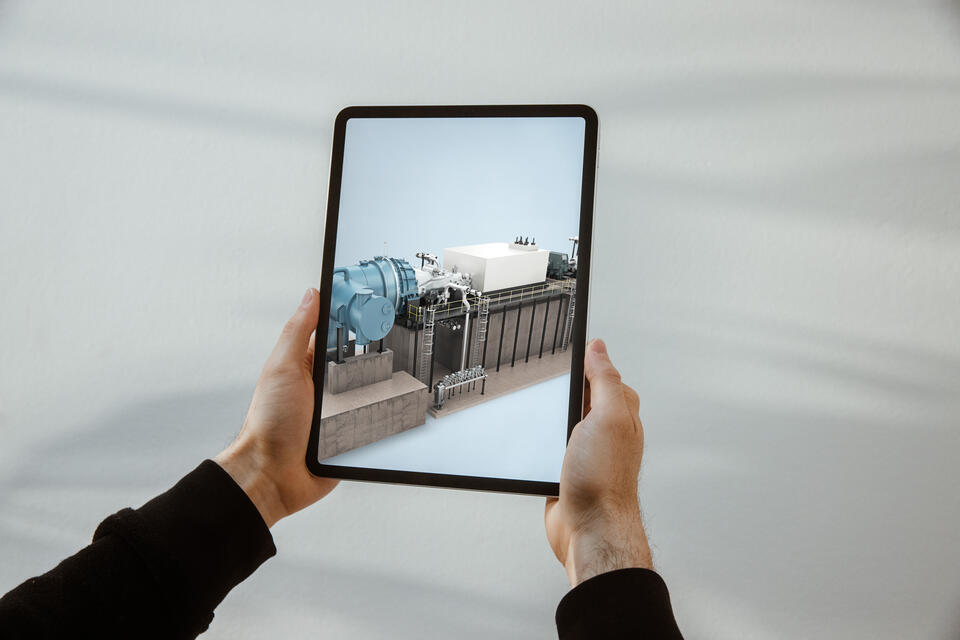
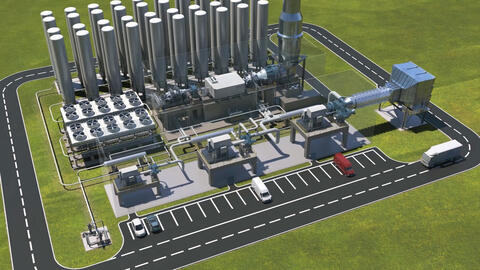
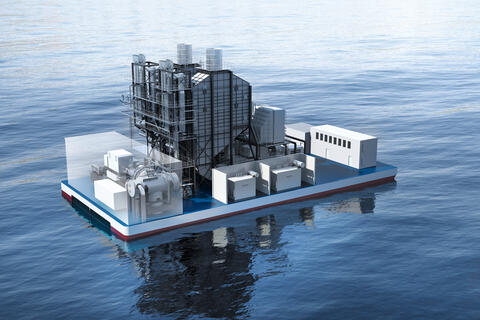
Energy intensive industries
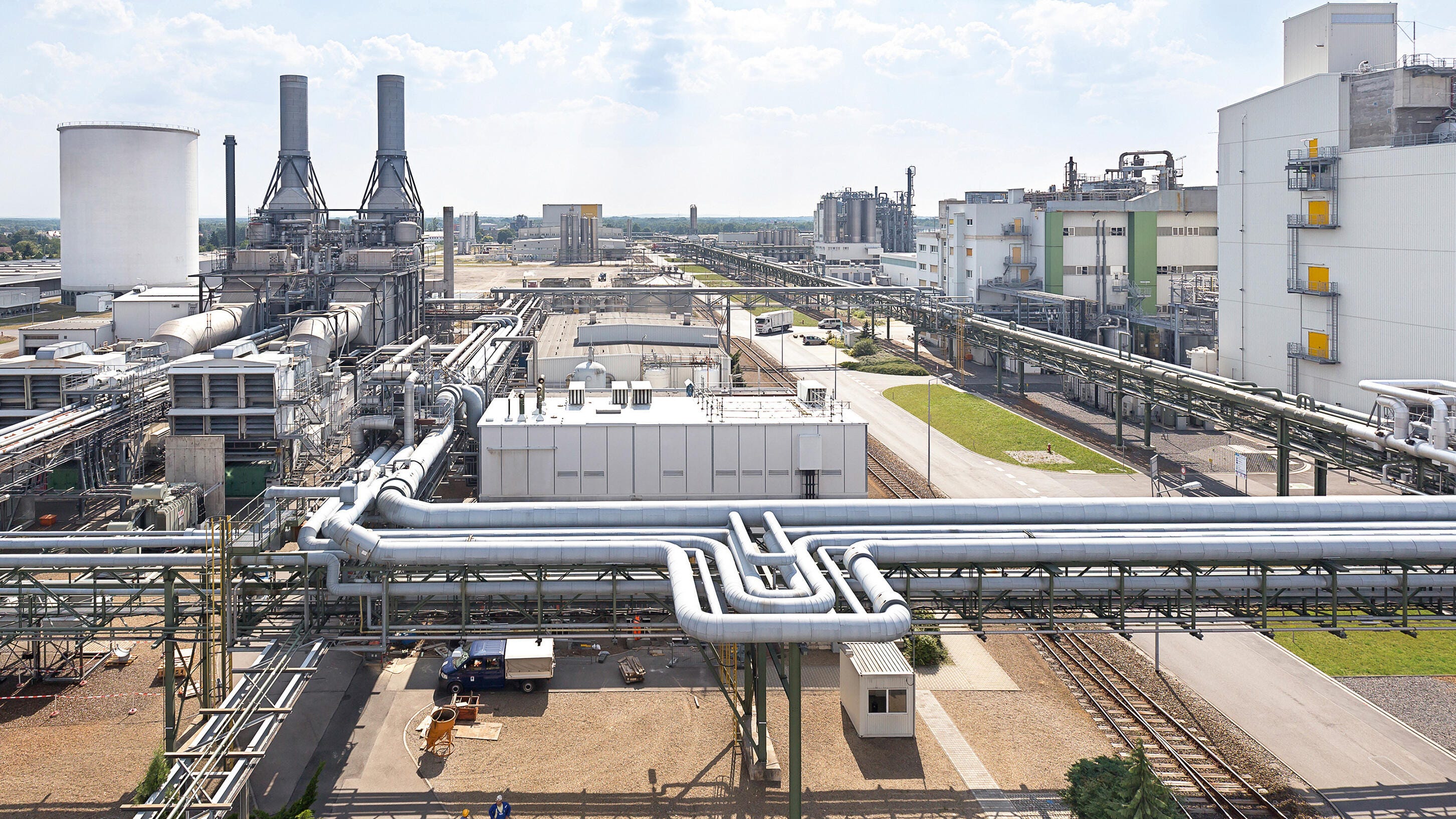
Efficient energy systems in industries like pulp and paper or chemical production are critical for reducing costs and emissions. Key strategies include process optimization for enhanced productivity, and effective heat management for energy efficiency. Steam turbine performance is vital within this, as improved efficiency reduces energy use and boosts overall operational effectiveness.
Moreover, integrating renewable energy into industrial processes can further increase energy efficiency and lower emissions. Thus, through strategic heat utilization, steam turbine efficiency, and renewable energy use, industries can achieve significant cost and emission reductions.




Get answers: FAQs on steam turbines
Al steam turbine is a type of rotary engine that converts thermal energy from steam into mechanical energy, which can then be used to drive a generator which generates electricity or as mechanical drive for pumps, compressor or fans. These turbines are essential components in power plants, refineries, and manufacturing facilities, where they efficiently harness steam produced from boiling water. By utilizing high-pressure steam, steam turbines offer high efficiency and reliability, making them a critical technology in the energy sector and contributing to reduced operational costs and improved sustainability. Whether for large-scale power generation or specific industrial applications, steam turbines play a vital role in driving innovation and efficiency in modern industry.
A steam turbine operates by converting thermal energy from steam into mechanical energy, which can then be used to generate electricity or drive industrial processes. The process begins with water being heated in a boiler to produce high-pressure steam. This steam is then directed into the turbine, where it passes through a series of blades mounted on a rotor. As the high-pressure steam enters the turbine, it expands and cools, causing the blades to spin. This rotational motion of the rotor is what generates mechanical energy. The steam then exits the turbine and can be condensed back into water for reuse in the boiler, creating a closed-loop system that enhances efficiency. The design of the steam turbine can vary, with options for single or multi-stage configurations, depending on the application and required output. By optimizing factors such as steam pressure, temperature, and flow rate, steam turbines can achieve high efficiency and reliability, making them a vital component in power generation and various industrial applications.
A steam turbine generates electricity by converting thermal energy from steam into mechanical energy, which is then transformed into electrical energy through a generator. The process begins in a boiler, where water is heated to produce high-pressure steam. This steam is directed into the turbine, where it expands and flows over a series of blades attached to a rotor. As the steam passes through the turbine blades, it causes the rotor to spin. This rotational motion is connected to a generator, which consists of a rotor and a stator. As the turbine rotor turns, it rotates the generator rotor within the stator, creating a magnetic field. This movement induces an electrical current in the stator windings, generating electricity. The steam then exits the turbine and is typically condensed back into water in a condenser, allowing it to be reused in the boiler, thus creating a closed-loop system. By optimizing steam pressure, temperature, and flow rate, steam turbines can achieve high efficiency in electricity generation, making them a crucial component in power plants and various industrial applications.
The efficiency of a steam turbine can vary significantly based on its design, operating conditions, and the specific application. Generally, state-of-the-art steam turbines can achieve efficiencies ranging from 30% to over 45% in power generation applications. In combined cycle power plants, where steam turbines work alongside gas turbines, overall efficiencies can exceed 60%, thanks to the effective use of waste heat. Factors that influence steam turbine efficiency include steam temperature and pressure, the quality of the steam, and the design of the turbine itself, such as whether it is a single or multi-stage turbine. Advanced technologies, such as improved blade designs and digital control systems, further enhance efficiency by optimizing performance under varying operational conditions. Regular maintenance and monitoring are also crucial for maintaining high efficiency, as wear and tear can impact performance over time. By maximizing efficiency, steam turbines play a vital role in reducing fuel consumption and lowering greenhouse gas emissions, making them an essential component in sustainable energy production.
Improving steam turbine efficiency involves several strategies that focus on optimizing design, operation, and maintenance. Here are key approaches to enhance efficiency: Optimize Steam Conditions: Increasing steam temperature and pressure can significantly improve turbine efficiency. Utilizing superheated steam allows for better energy conversion and reduces moisture content in the steam, which can cause erosion and efficiency losses. Regular Maintenance: Implementing a robust maintenance program helps identify and address issues such as wear and tear, leaks, and misalignments. Regular inspections and timely repairs ensure that the turbine operates at peak performance. Upgrade Turbine Components: Replacing or retrofitting components, such as blades and seals, with advanced materials and designs can enhance performance. High-efficiency blades can capture more energy from the steam, while improved seals reduce steam leakage. Implement Digital Controls: Utilizing advanced digital control systems allows for real-time monitoring and optimization of turbine performance. These systems can adjust operating parameters dynamically to maximize efficiency under varying load conditions. Optimize the Steam Cycle: Analyzing and optimizing the entire steam cycle, including the boiler, condenser, and feedwater systems, can lead to significant efficiency gains. Ensuring that each component operates effectively contributes to the overall performance of the steam turbine. By implementing these strategies, operators can enhance the efficiency of steam turbines, leading to reduced fuel consumption, lower operational costs, and a smaller environmental footprint.
Omterra’s steam turbines are utilized across a wide range of applications, with a strong focus on industries that require efficient and reliable energy solutions. The primary applications include: Combined Heat and Power (CHP): Omterra steam turbines are integral to CHP systems, providing both electricity and useful heat, maximizing energy utilization. Combined Cycle: In combined cycle power plants, Omterra turbines work alongside gas turbines to enhance overall efficiency and reduce emissions. With their versatility and high performance, Omterra’s industrial steam turbines are key components in these critical sectors, driving innovation and sustainability in energy production. Pulp and Paper: Steam turbines are essential for driving processes in the pulp and paper industry, providing the necessary energy and process steam for production Chemical Industry: These turbines support various chemical processes,either ensuring efficient steam generation or as mechanical drives. In oil refineries, Omterra steam turbines play a critical role in refining processes, enhancing energy efficiency and reliability. Oil and Gas: Omterra turbines are used in oil and gas applications for power generation and process steam, contributing to operational efficiency. Sugar: The sugar industry benefits from steam turbines for energy generation and process heating, optimizing production efficiency.