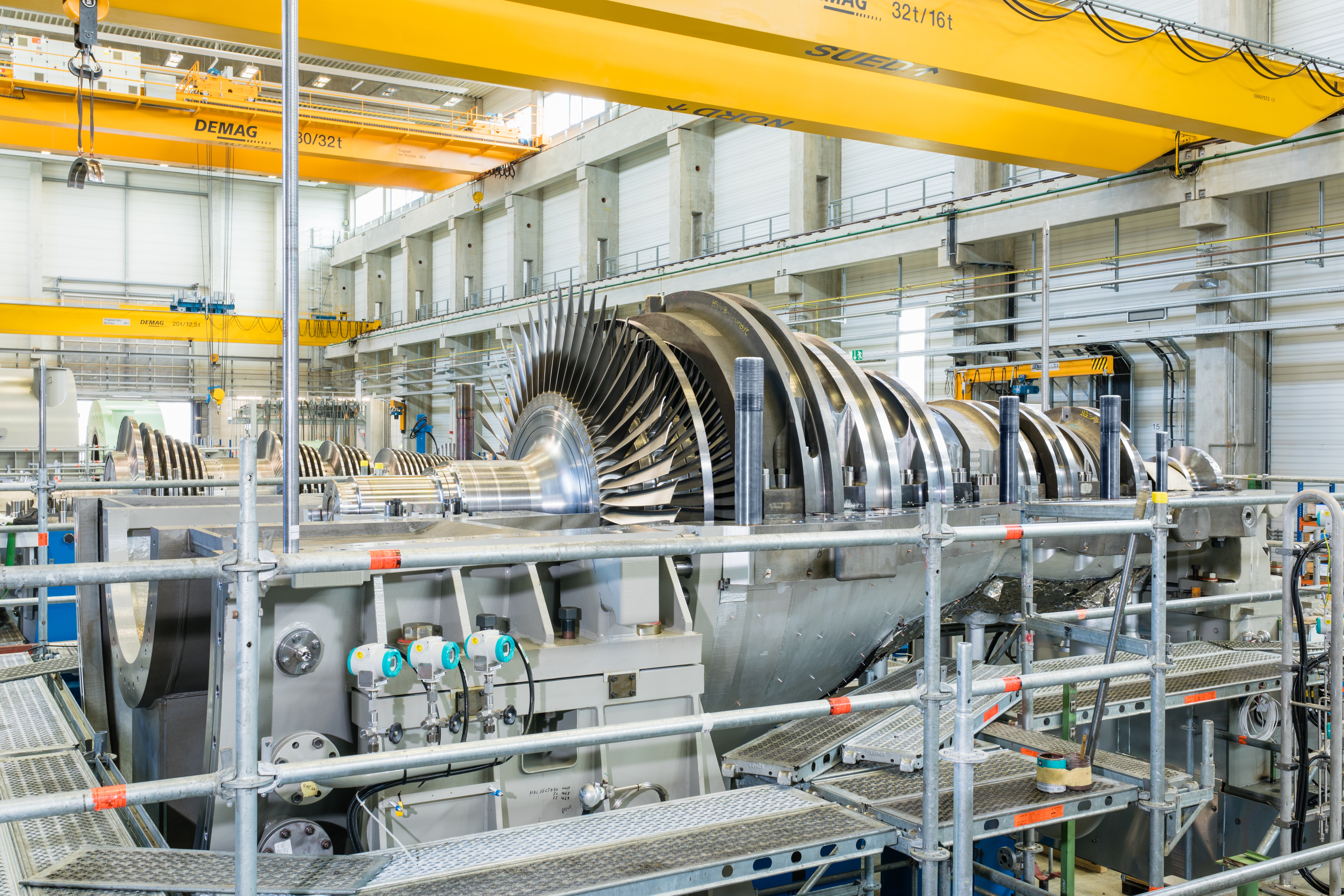
Decarbonizing industrial heat
Decarbonizing heat, particularly in industrial settings and district heating systems, is critical. Industrial heat represents about 29% of global energy consumption; it is responsible for 15% of greenhouse gas emissions. Industries are under pressure to lower their carbon dioxide footprints. Additionally, district heating systems present unique challenges in this transition, necessitating innovative solutions to achieve effective decarbonization.
Omterra, formerly Siemens Energy, has a comprehensive approach, which includes collaboration with industry partners and a commitment to sustainability. That positions us as a leader in driving the energy transition and achieving sustainable, low-carbon energy systems reducing environmental impact.
Key challenges in decarbonizing industrial heat
Processes in many industrial sectors often require extremely high temperatures, traditionally achieved using fossil fuels, making the transition to low-carbon alternatives technically challenging. Additionally, some processes inherently produce CO₂, requiring solutions such as carbon capture and storage.
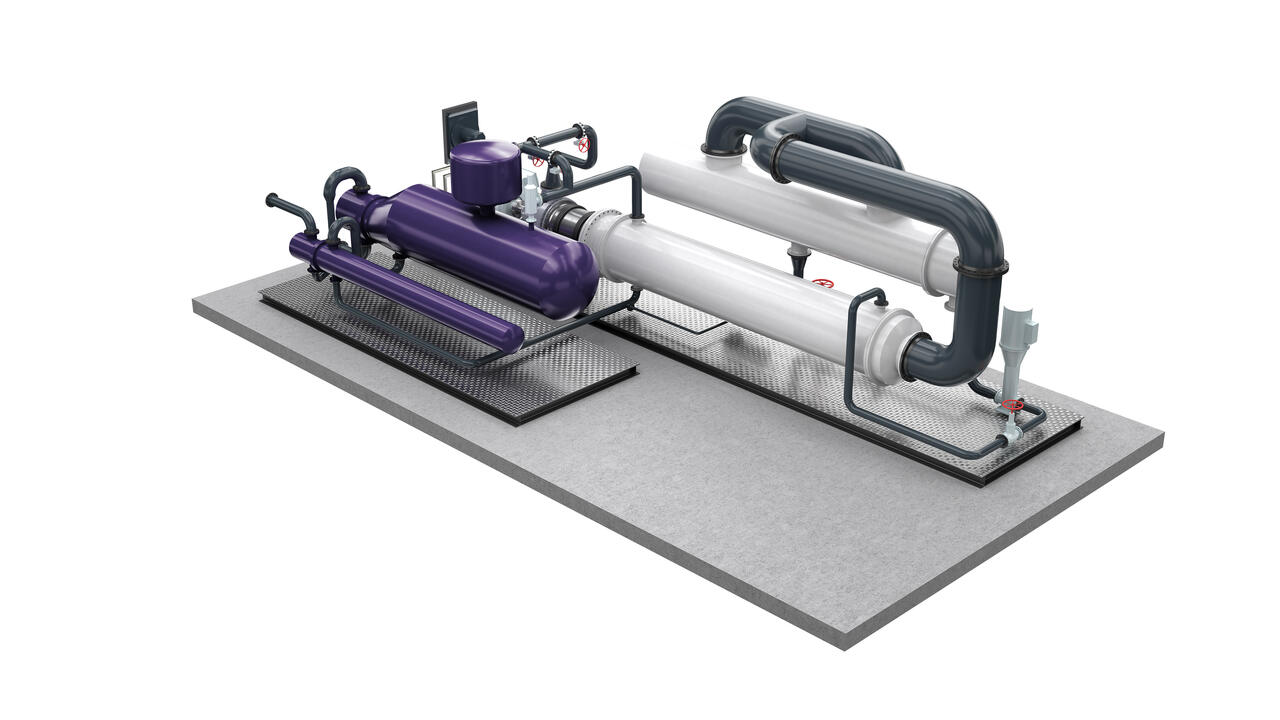
District heating providers have systems that work at high temperatures. This makes it hard and expensive to add low-temperature and renewable heat sources.
Which technologies can support heat decarbonization?
Many technologies are leading the way in reducing carbon emissions from heat to cover energy demand. You can divide these into two main types. One type focuses on cutting CO₂ emissions during heat production. The other type aims to improve energy efficiency, especially by using waste or unused heat.
| Required heat temperature level | 50ºC-100ºC | 100ºC-150ºC | 150ºC-270ºC | 270ºC-370ºC | 370ºC-1000ºC |
| Typical use case | District heating 3rd - 5th generation, Sterilization, bleaching etc. Food and beverages | District heating 1st – 2nd generation, industrial distillation, concentrating seawater desalination | Chemical or other high temperature processes, pulp and paper | Chemical or other high temperature processes | Direct steelmaking manufacture,petrochemical processes (ethylene, styrene), glass and cement manufacture |
| CHP | Yes | Yes | Yes | Yes | No |
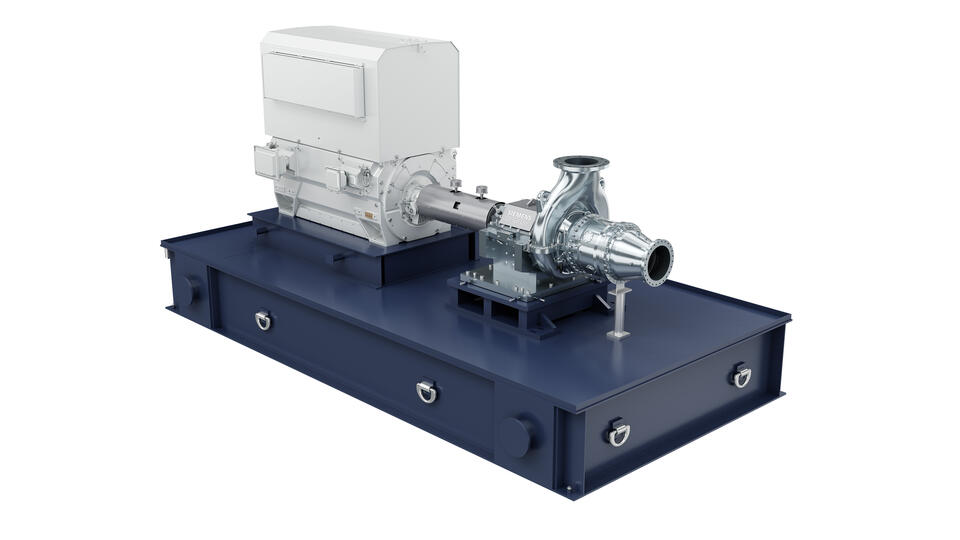
| MVR cycle / steam compression | Yes | Yes | Yes with steam compression | No | No |
| Induction electric heater | No | No | Yes | Yes | Yes |
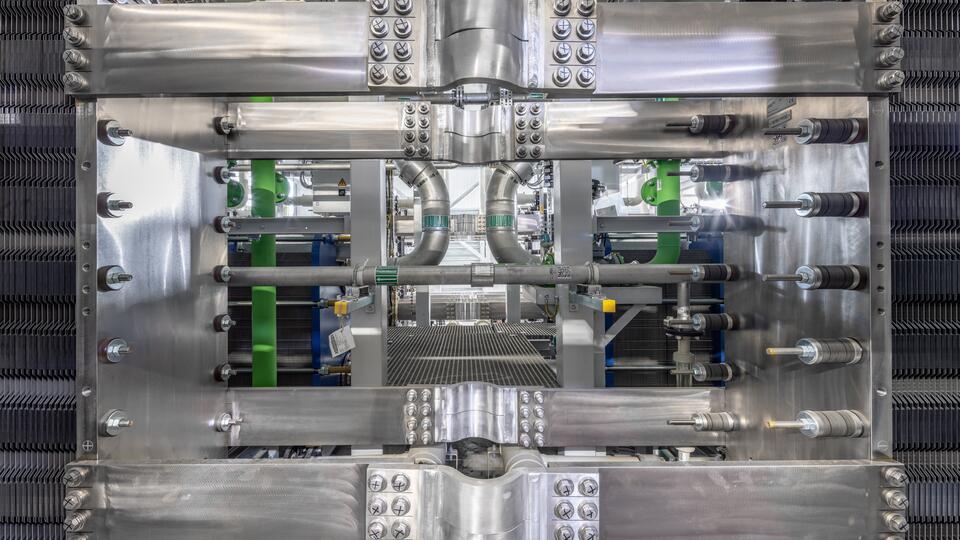
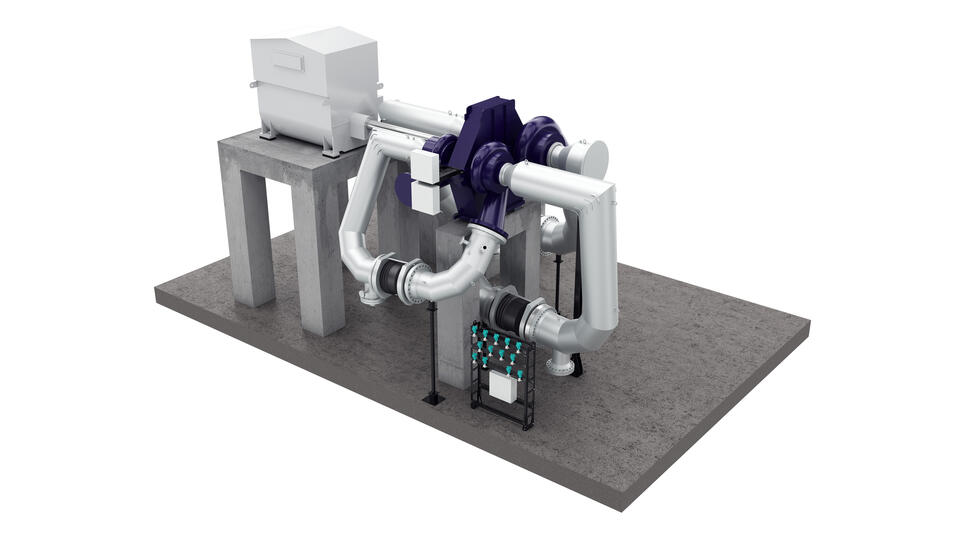
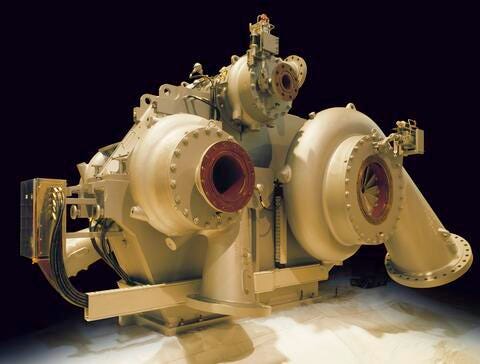
| Turbo Heaters or Turbocrackers | No | No | No | Yes | Yes |
Solutions and technologies for low-carbon industrial heat
Industrial heat decarbonization relies on a mix of technologies, often tailored to the temperature range and specific process needs.
Efficient and sustainable heat generation
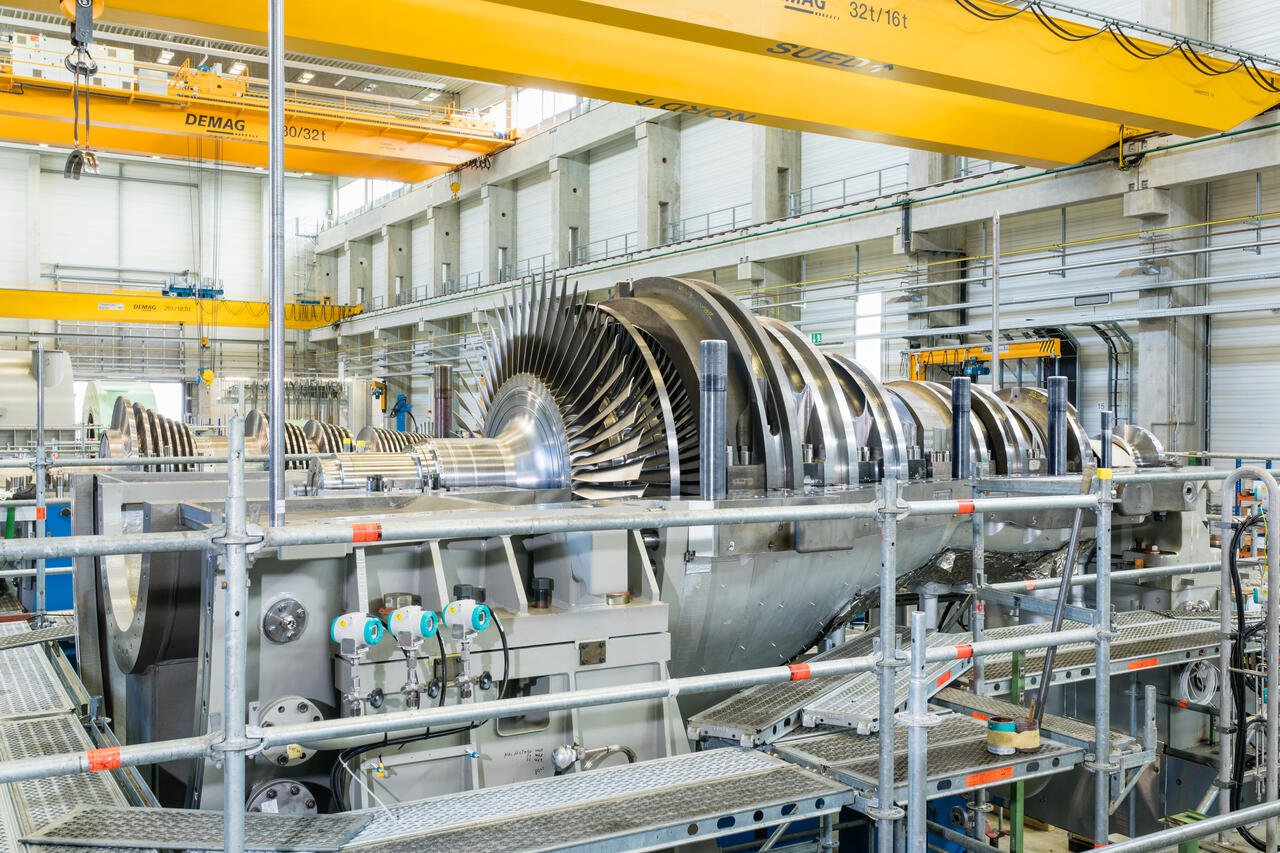
Waste heat recovery technologies
Commitment to industrial decarbonization
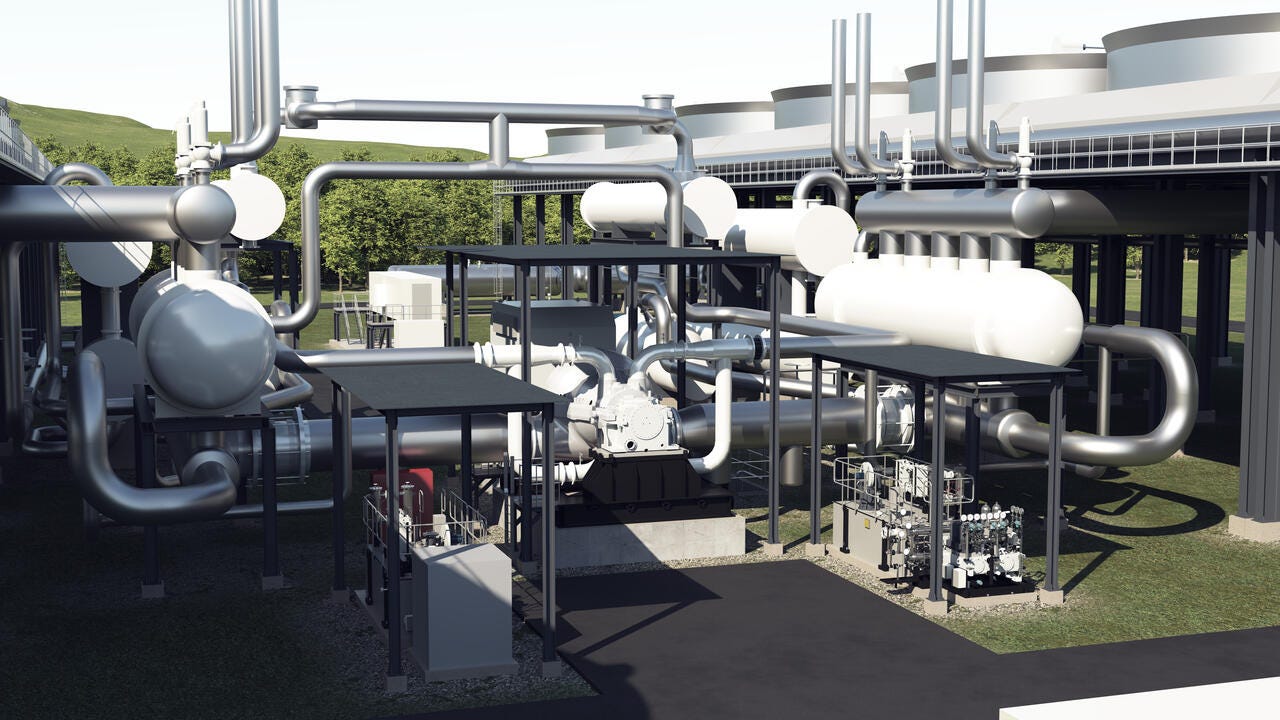
Reducing carbon emissions from industrial heat is not only vital for protecting our environment—it also opens the door to innovation and leadership in sustainable practices. By adopting tailored low-carbon technologies, industries can significantly cut their carbon footprints while enhancing operational efficiency.
Looking ahead, collaboration and investment from industry leaders are crucial to accelerate this transition. Get involved in decarbonization efforts today—your engagement can help shape a cleaner, more resilient future.
Get answers: FAQs on Low carbon industrial heat utilization
Heat decarbonization means reducing or removing carbon dioxide emissions from heat production and use. This can be achieved by using fuel in more efficient ways, e.g. by utilizing it for captive power generation (waste heat recovery). Carbon-free fuels could replace fossil fuel. Alternatively, you can electrify heat production by using power from renewable energy.
Decarbonizing process steam significantly reduces greenhouse gas emissions, leading to a lower carbon footprint for industries. Additionally, it offers long-term energy cost savings and helps ensure compliance with regulatory standards aimed at promoting sustainability.
Industries often encounter economic barriers related to initial investments and may struggle with integrating new technologies into existing systems without disrupting operations.
Yes, hydrogen can replace natural gas in many uses. For example the so-called green steel could be produced by replaing fossil fuels with hydrogen. However, changes may be needed based on the heating system's needs.
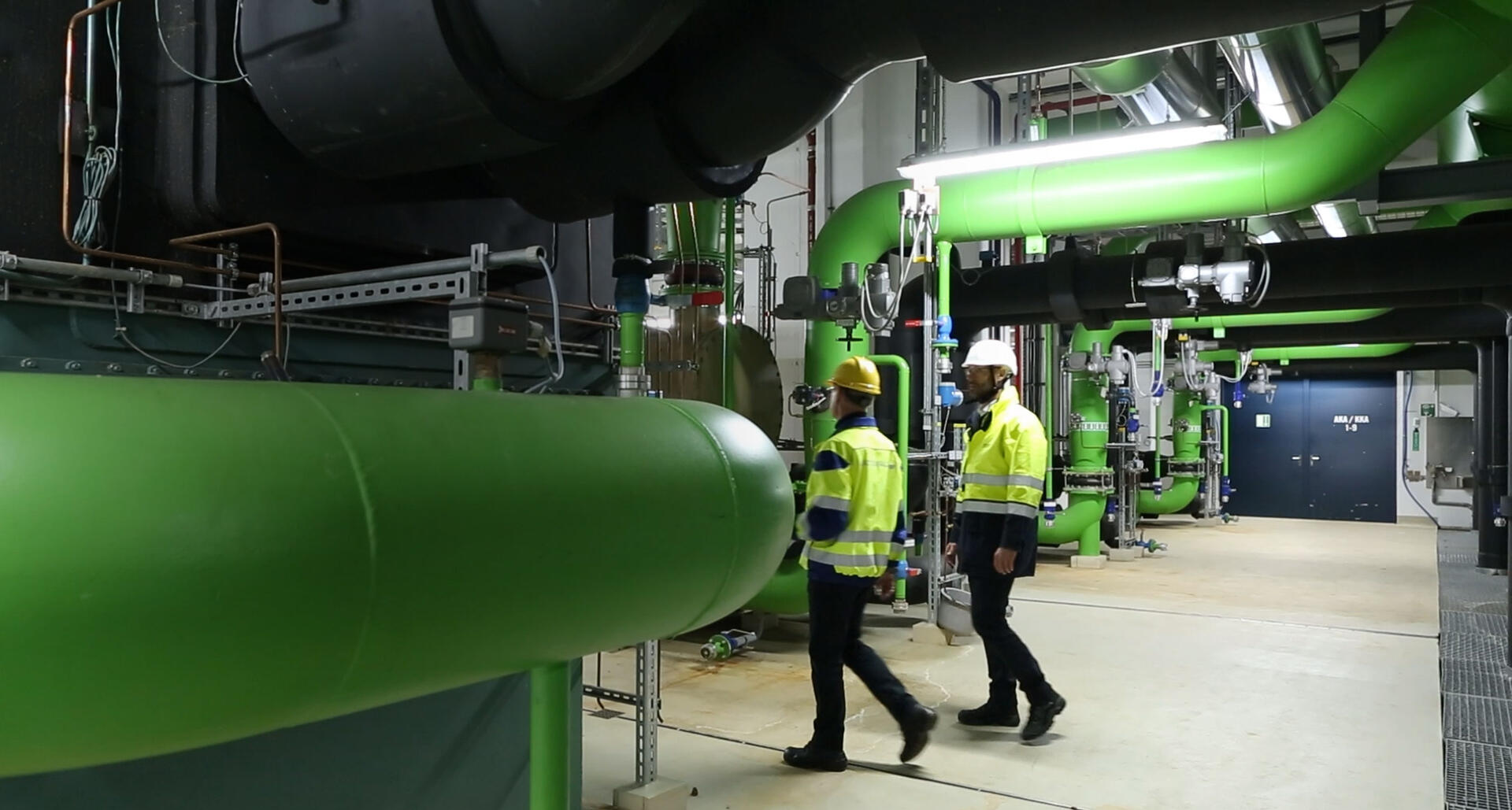
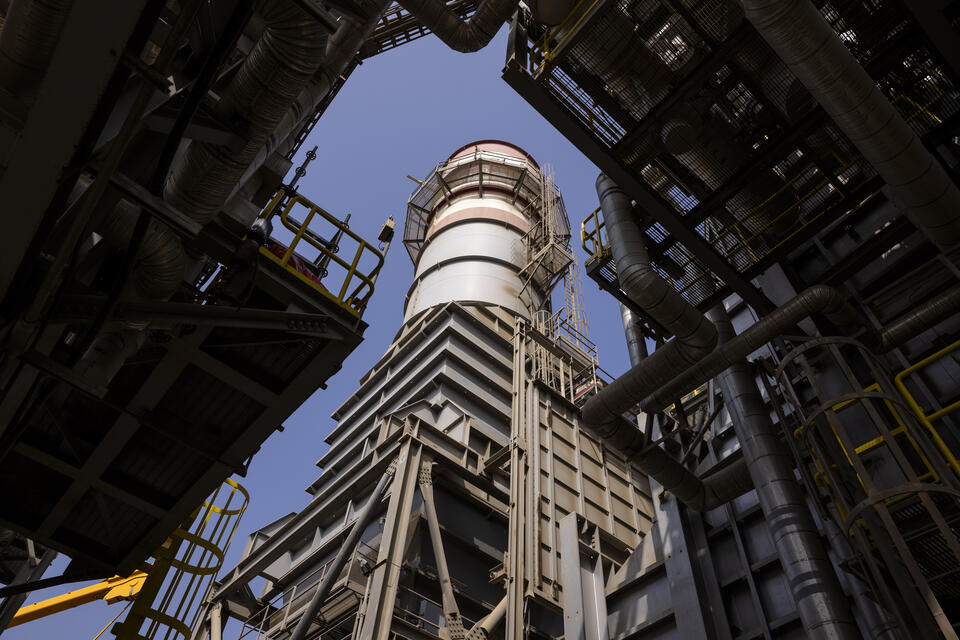
Waste heat recovery captures and reuses the heat generated by industrial processes that would otherwise get lost. This recovered heat can be used in other processes. It can also generate electricity. This helps improve energy efficiency and lowers overall energy costs.
