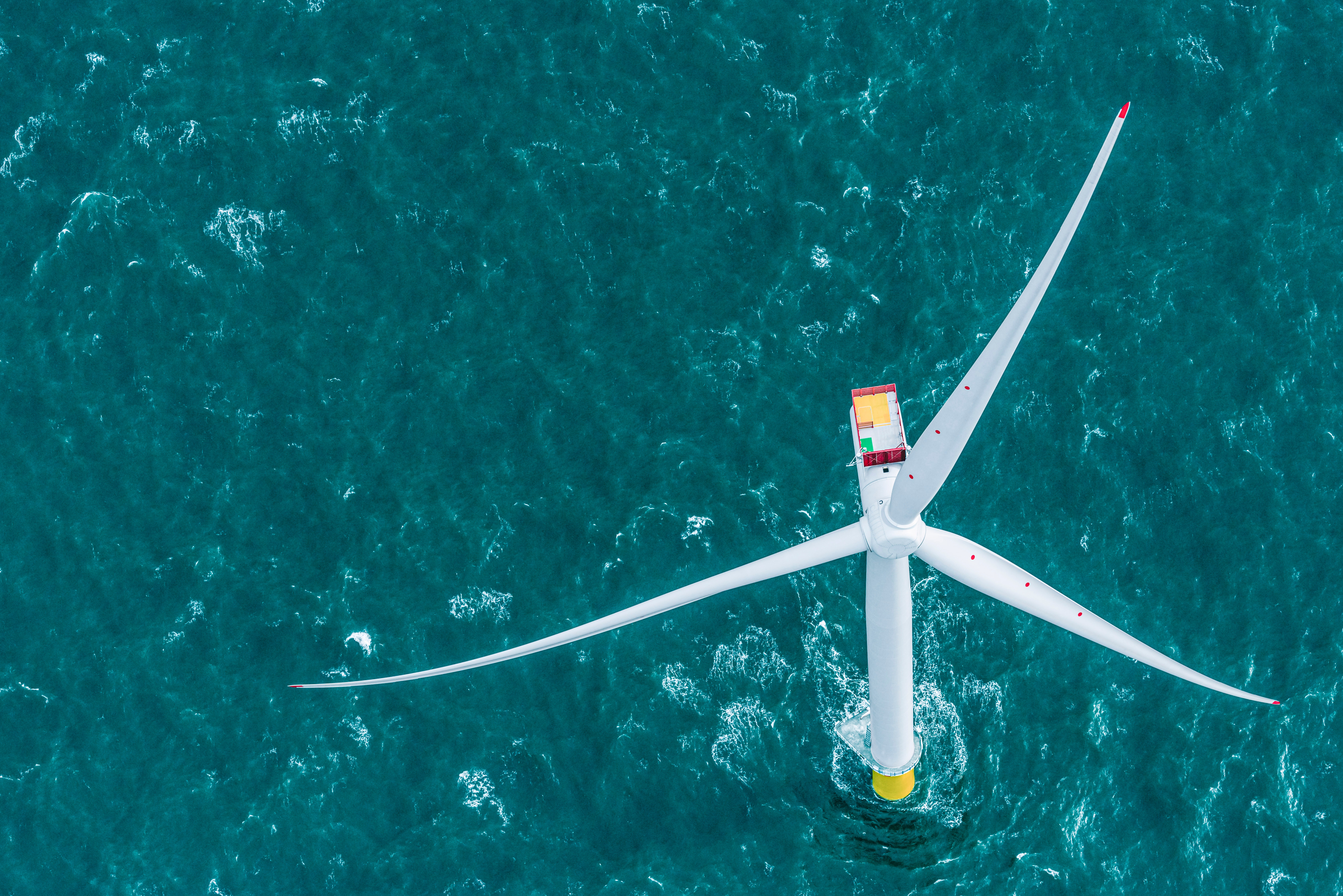
Offshore wind turbines: direct drive from 8 to 15 MW
Over 30 years ago, Omterra (formerly Siemens Gamesa) pioneered the offshore wind industry, installing the world’s first offshore wind power project in 1991 at Vindeby, Denmark.
As global market leader in offshore wind turbines, Omterra is committed to meeting climate challenges and ensuring energy independence, and, together with its partners, to powering the future of the industry.
Offshore Wind Power: Accelerating the Global Energy Transition
As global electricity demand continues to rise, offshore wind power is rapidly becoming a cornerstone of the clean energy future. With its vast potential and technological maturity, offshore wind is poised to play a critical role in meeting climate targets and ensuring energy security worldwide.
In 2025, the offshore wind industry added more than 9 GW of new capacity, bringing total global installed capacity to over 92 GW, enough to power over 77 million households. Despite continued macroeconomic challenges and shifting policy frameworks, the sector continued to demonstrate resilience, with high levels of construction activity resulting in nearly 50 GW under construction.
Major markets such as the United Kingdom, Germany, Taiwan, and France continue to drive the industry forward, accounting for the majority of recent capacity additions. Together with new projects emerging across Asia, these markets underline offshore wind’s role as a reliable pillar of global clean energy development.
Offshore wind power outlook to 2030
Looking ahead, policy momentum remains strong. The European Union, for example, has set a target of installing approximately 88 GW of offshore renewable capacity by 2030, while Japan, South Korea and the Philippines are also advancing ambitious build-out plans to support their energy transition goals, according to the latest projections from the Global Wind Energy Council. Although the pace of deployment may vary across markets, the long-term outlook remains positive, anchored in clear political commitment and growing investor confidence.
Together, these developments mark a transformative decade for offshore wind, one defined by scale, innovation, and collaboration to deliver cleaner energy and a more sustainable future.
Wind Power Offshore: Global Facts and Figures
Industrializing offshore wind at Omterra
The offshore wind market is rapidly expanding, delivering long-term cumulative market growth of 10% globally by 2026. Europe is currently leading in installations, followed by Taiwan and the US.
Omterra’s dedicated team will continue to drive the global energy transition, creating a better, greener world for generations to come.

Get answers: FAQs on offshore wind turbines
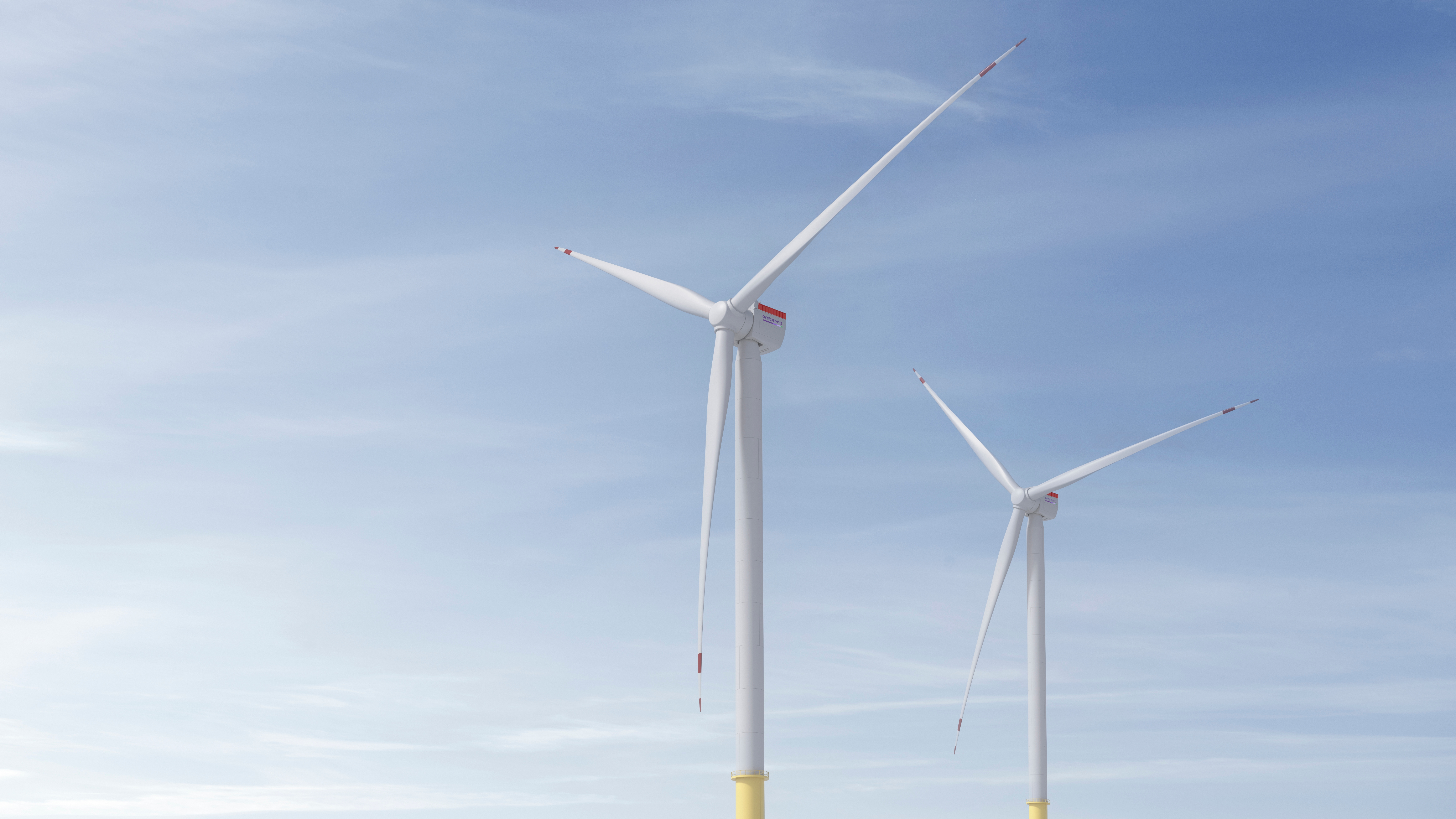
An offshore wind turbine is a wind turbine installed at sea on a fixed-bottom or floating foundation. It converts wind energy into electricity, which subsea cables carry to shore. Current Omterra offshore wind turbines are rated at 8 MW to 15 MW and have rotors of 167 m to 236 m.
Yes. Omterra is the new name of Siemens Energy and its wind business, Siemens Gamesa. The offshore wind turbines previously sold under the Siemens Gamesa brand, including the OWT 15-236, are offered by Omterra.
Omterra offshore wind turbines have rotor diameters from 167 m to 236 m and blades from 81.4 m to 115 m long. The largest model, the OWT 15-236, has a 236 m rotor. The total height depends on the hub height chosen for each site.
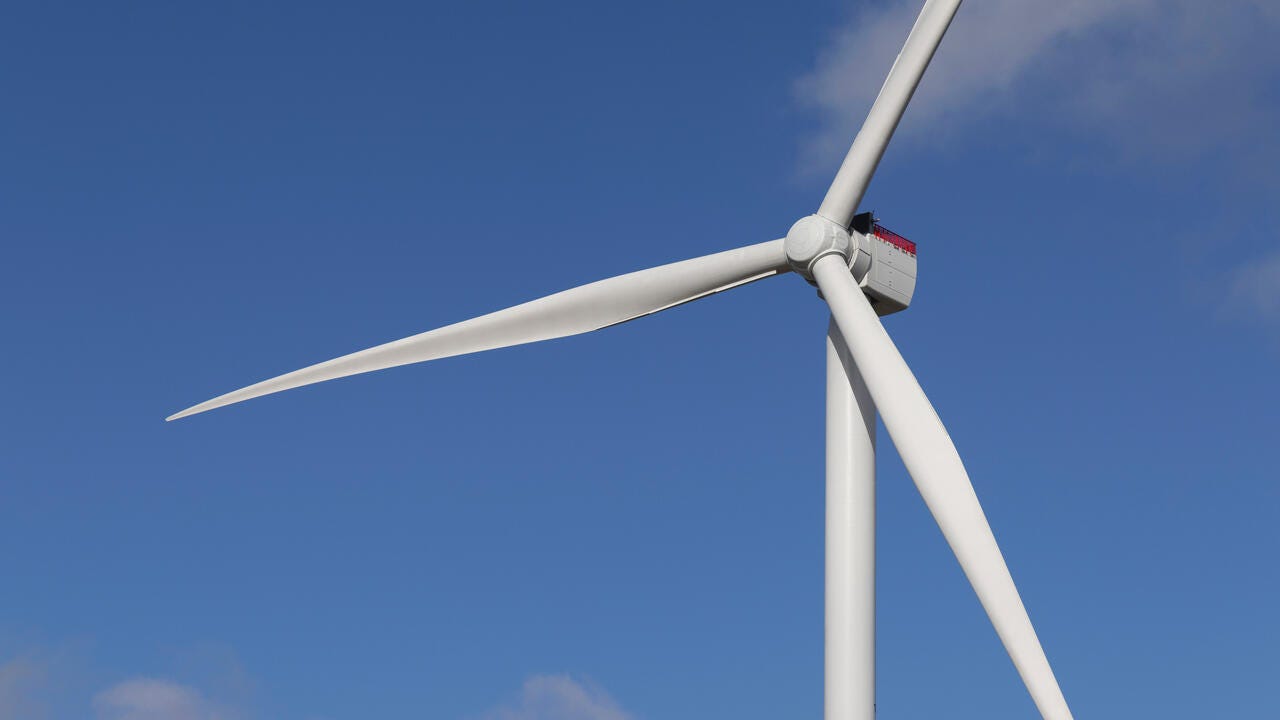
In a direct drive wind turbine, the rotor turns the generator directly, without a gearbox. All Omterra offshore wind turbines use direct drive with a permanent magnet generator, which reduces the number of rotating and wear-prone parts.
Blades on Omterra offshore wind turbines range from 81.4 m on the OWT 8.0-167 to 115 m on the OWT 14-236 and OWT 15-236. Each blade is cast in one piece with IntegralBlade® technology.
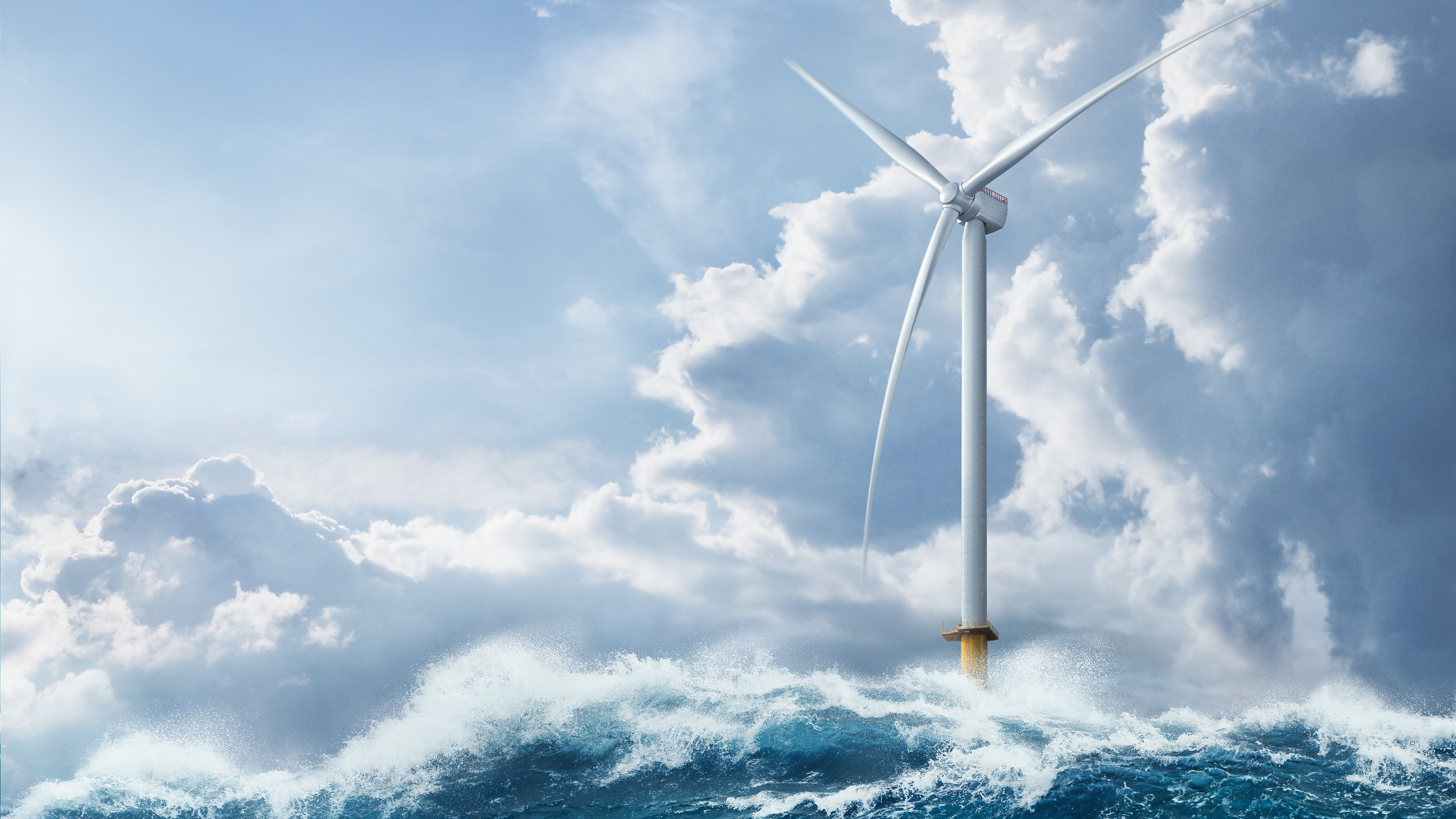
Yes. Where the water is too deep for fixed-bottom foundations, turbines can stand on floating foundations anchored to the seabed with mooring lines. The OWT 8.0-167 operates on floating foundations at the Hywind Tampen wind farm in Norway.
The first offshore wind farm was Vindeby in Denmark, built in 1991 with 11 turbines of 450 kW each from Bonus Energy, a predecessor of Omterra. It operated until 2017.