The power of additive manufacturing beyond energy
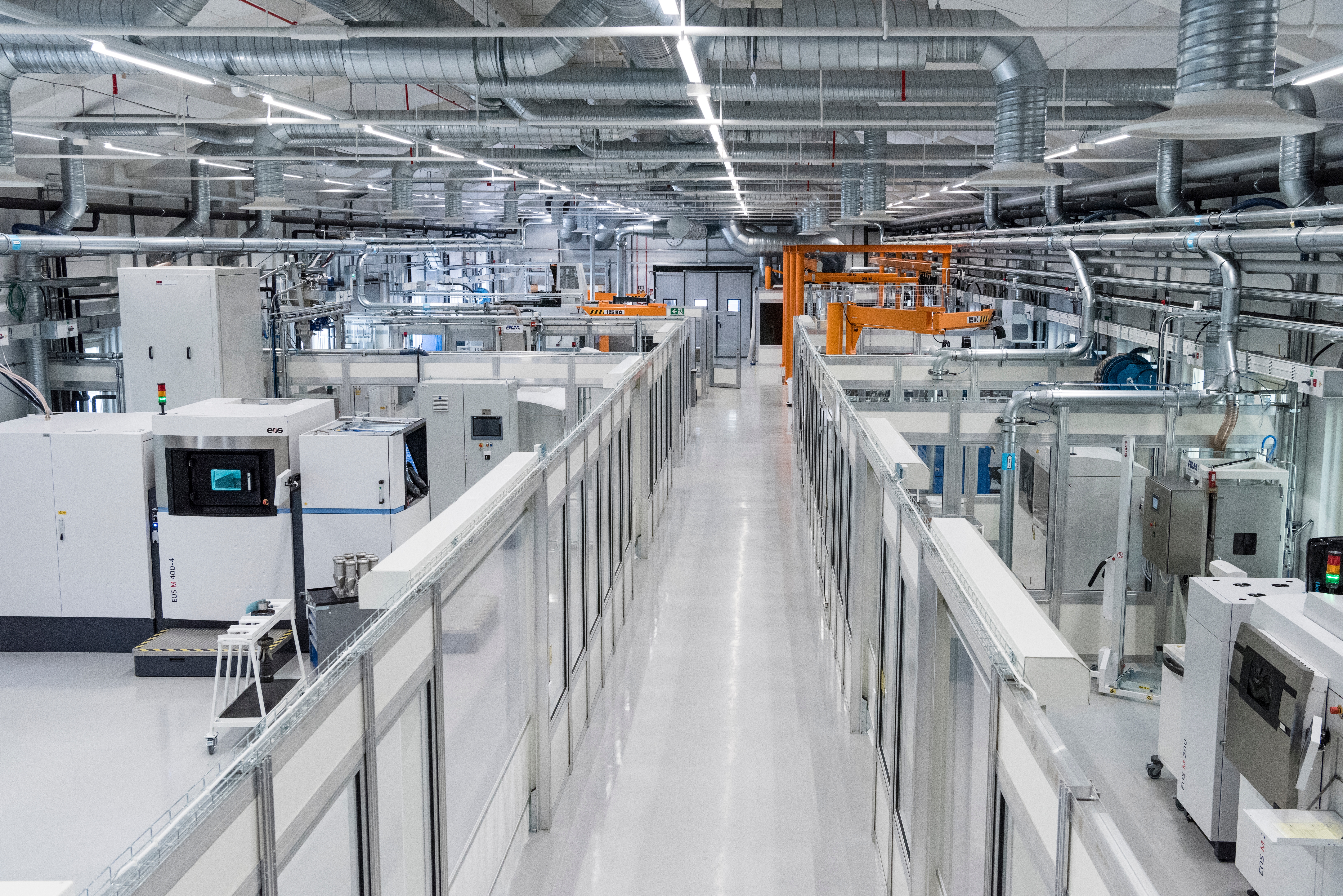
At Omterra, formerly Siemens Energy, we're at the forefront of Additive Manufacturing (AM), completely revolutionizing how we design, produce, and even repair industrial components. We utilize sophisticated 3D printing technologies like Laser Powder Bed Fusion (LPBF) and Wire Arc Additive Manufacturing (WAAM) to develop high-performance parts, facilitate rapid prototyping, and offer on-demand spare parts. This significantly cuts down on both lead times and material waste. Our expertise also extends to advanced engineering services, including the design, simulation, and qualification of AM components. We've built this knowledge on over a decade of experience and millions of operating hours of AM parts within our own gas turbine fleet.
Our journey in additive manufacturing
At Omterra, we've been at the forefront of industrializing additive manufacturing, for the high-performance components of our gas turbines. We started our efforts around 2008, establishing specialized competence centers like our facility in Finspång, Sweden which allowed us to push the boundaries of design freedom and functional integration. A significant milestone for us was in 2017 when we successfully engine-tested 3D-printed gas turbine blades under full-load conditions. Today, our AM capabilities go beyond prototyping; we're actively engaged in serial production of complex parts like burner nozzles and turbine vanes, which have drastically improved lead times and provided previously unattainable levels of performance. We use advanced repair and upgrade solutions for power generation assets to reduce scrap and increase the sustainability of our parts.
Since 2006 our Materials Solutions business has served various customers in aerospace, energy, motorsport, and defense industries. In 2016 Materials Solutions joined Omterra and we continue to help our customers develop and manufacture championship level performing additive components wherever they are needed.
Why Omterra for additive manufacturing?
- Advanced post-processing capabilities: Heat treatments, conventional and non-conventional machining, welding, brazing, coatings, and more.
- Industrialized AM production: With over a decade of expertise and a million+ part operating hours.
- Integrated design-to-print-to-part solutions: For full-lifecycle services, including DfAM optimization and serial production.
- Accelerated AM adoption: Through advanced training, rapid prototyping, and high-performance component innovation.
- Certified supplier: ISO9001, AS9100, ITAR Registration, NadCap, AMS7003
Unlock new possibilities with additive manufacturing
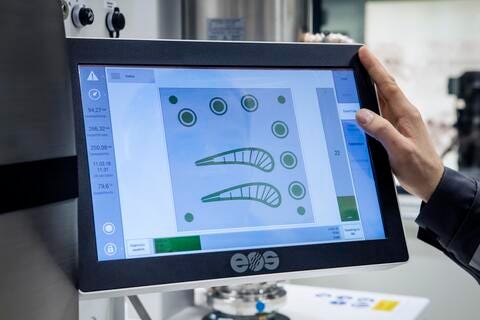
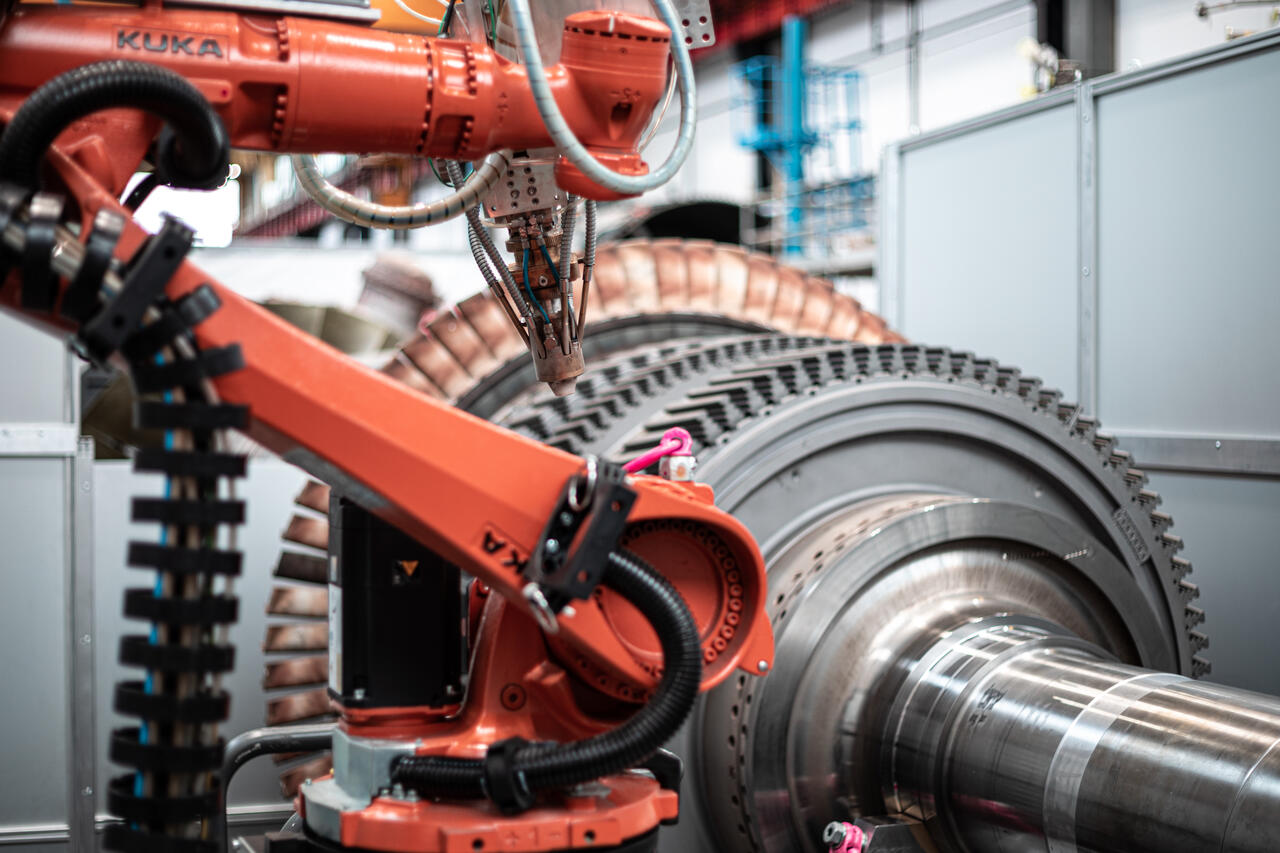
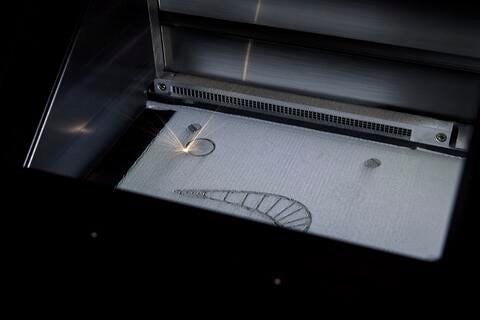
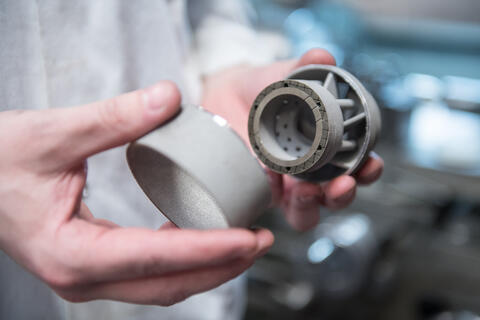
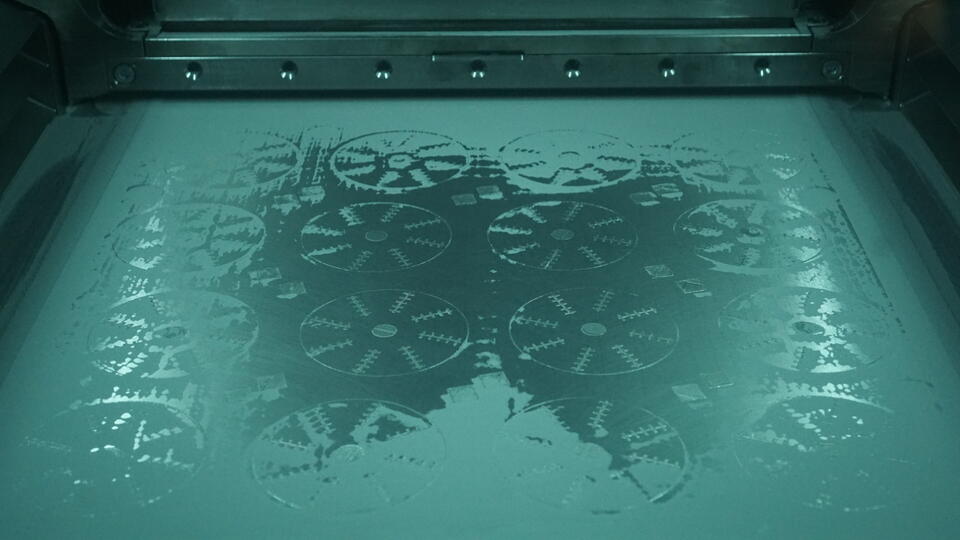
Advanced AM technologies in-house
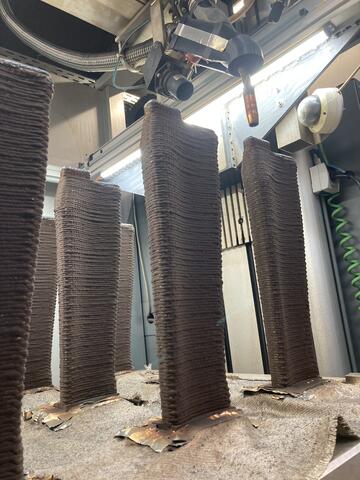

Get answers: FAQs on Additive Manufacturing
Additive manufacturing, also known as 3D printing, is a process of creating objects by layering materials based on digital models. Omterra uses this technology to rapidly prototype, repair, and produce high-performance components for turbines and compressors, enhancing efficiency and reducing production times.
Additive manufacturing offers several advantages, including faster turnaround times, increased design flexibility, superior material efficiency, and the ability to produce complex geometries that are difficult to achieve with traditional manufacturing methods. These benefits help optimize operations and drive innovation in the energy sector.
Additive manufacturing offers other sectors benefits like increased design freedom for complex geometries, reduced material waste, and the ability to produce customized parts on demand. It also accelerates prototyping and can consolidate multiple components into a single part, leading to lighter and more efficient designs.