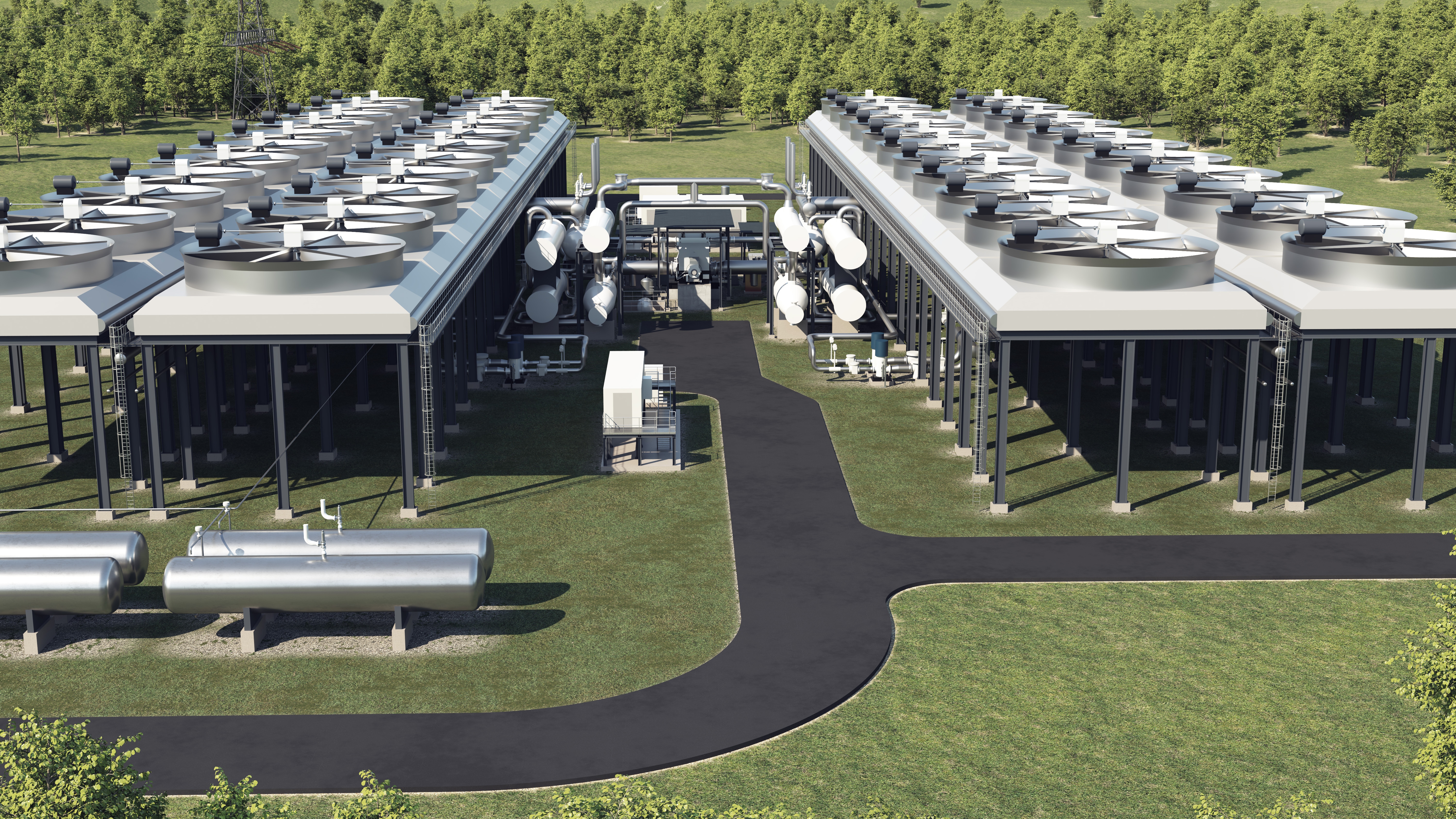
Organic Rankine Cycle (ORC) solutions for low-grade heat recovery
Many industrial processes and geothermal reservoirs release valuable low- to medium-temperature heat that conventional steam cycles cannot use efficiently. Omterra Organic Rankine Cycle solutions convert that heat into electricity in a closed loop, helping you recover stranded energy, reduce emissions, and improve overall efficiency with a compact, water-lean system.
Turn unused heat into reliable power with Organic Rankine Cycle
The Organic Rankine Cycle is a proven technology for generating electricity from heat sources that are too cool for conventional steam cycles. By using an organic working fluid with a low boiling point, ORC systems make low-grade heat economically usable.
ORC systems are well suited for waste heat recovery, geothermal applications, and sites where compact, efficient, and water-lean power generation is needed. They help customers reduce fuel waste, strengthen energy resilience, and improve plant economics.
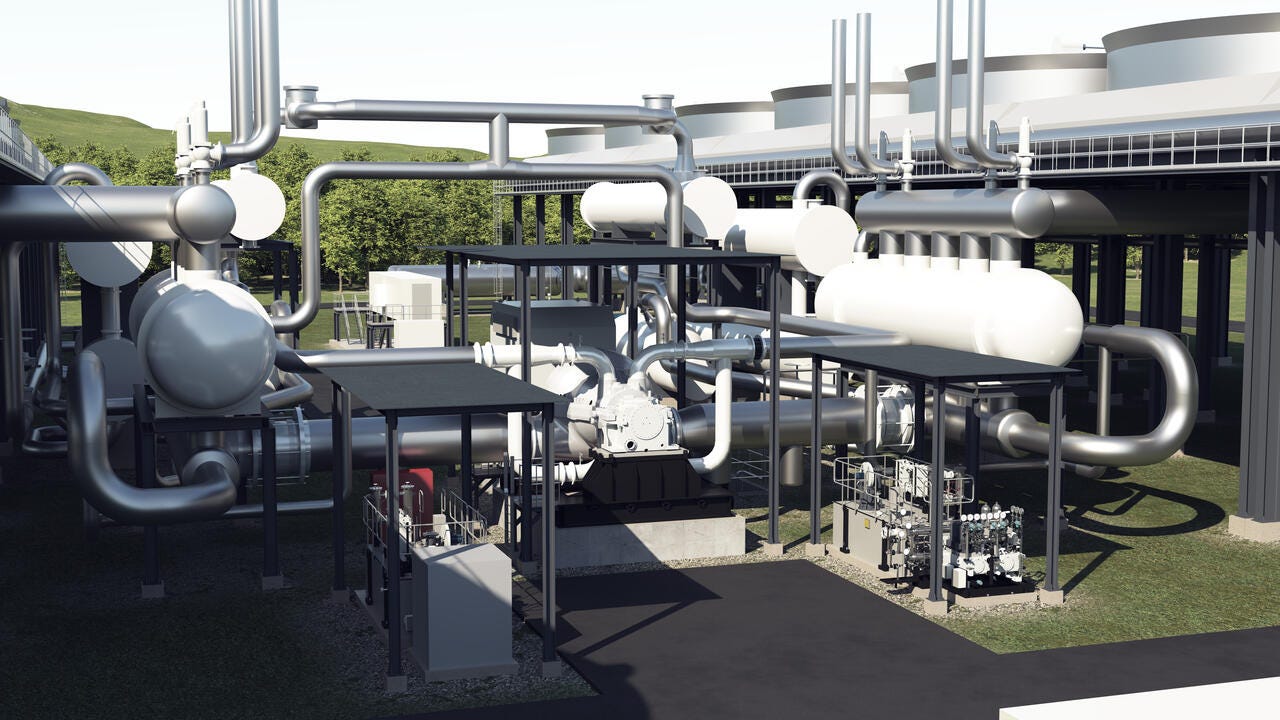

Scalable, modular Organic Rankine Cycle system architecture
The Organic Rankine Cycle system captures low to medium temperature heat from waste streams or geothermal sources to vaporize an organic working fluid in heat exchangers which are arranged in series; the high‑pressure vapor expands through a turbine to drive a generator. The vapor is then condensed and pumped back to the heat exchangers, forming a closed loop that efficiently converts heat into electricity where conventional steam cycles aren’t able.
The ORC cycle in three steps
The Organic Rankine Cycle (ORC) converts low‑ to medium‑temperature heat into electricity by vaporizing an organic fluid to drive a turbine generator in a closed, efficient loop where steam cycles are ineffective.
Exchange heat
Expand ORC fluid
Generate electricity
Benefits - Why to use ORC technology
No use of water
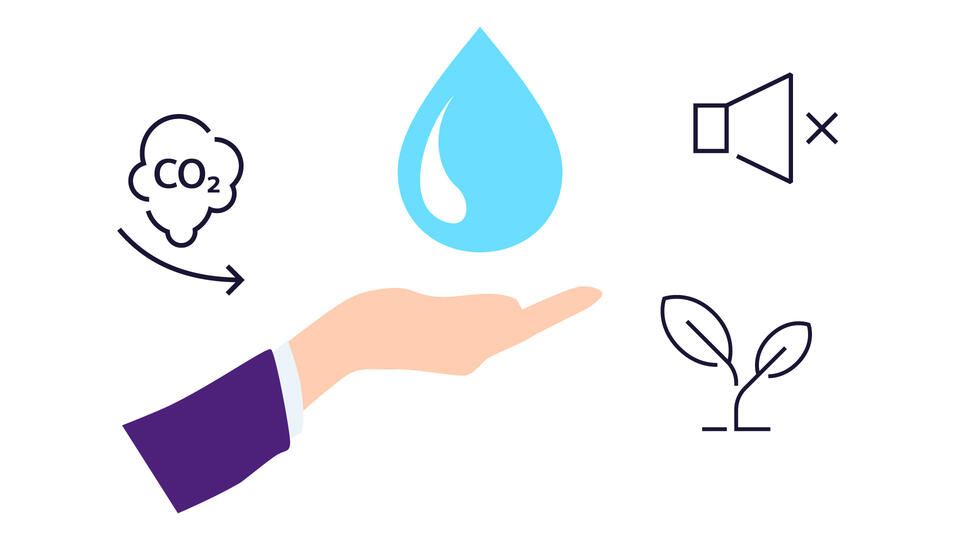
No water usage, low emissions and limited noise pollution support a better climate.
Simple and compact design
State of the art technology, providing remote and unmanned operations, ready for a new era.
Outdoor arrangement possible
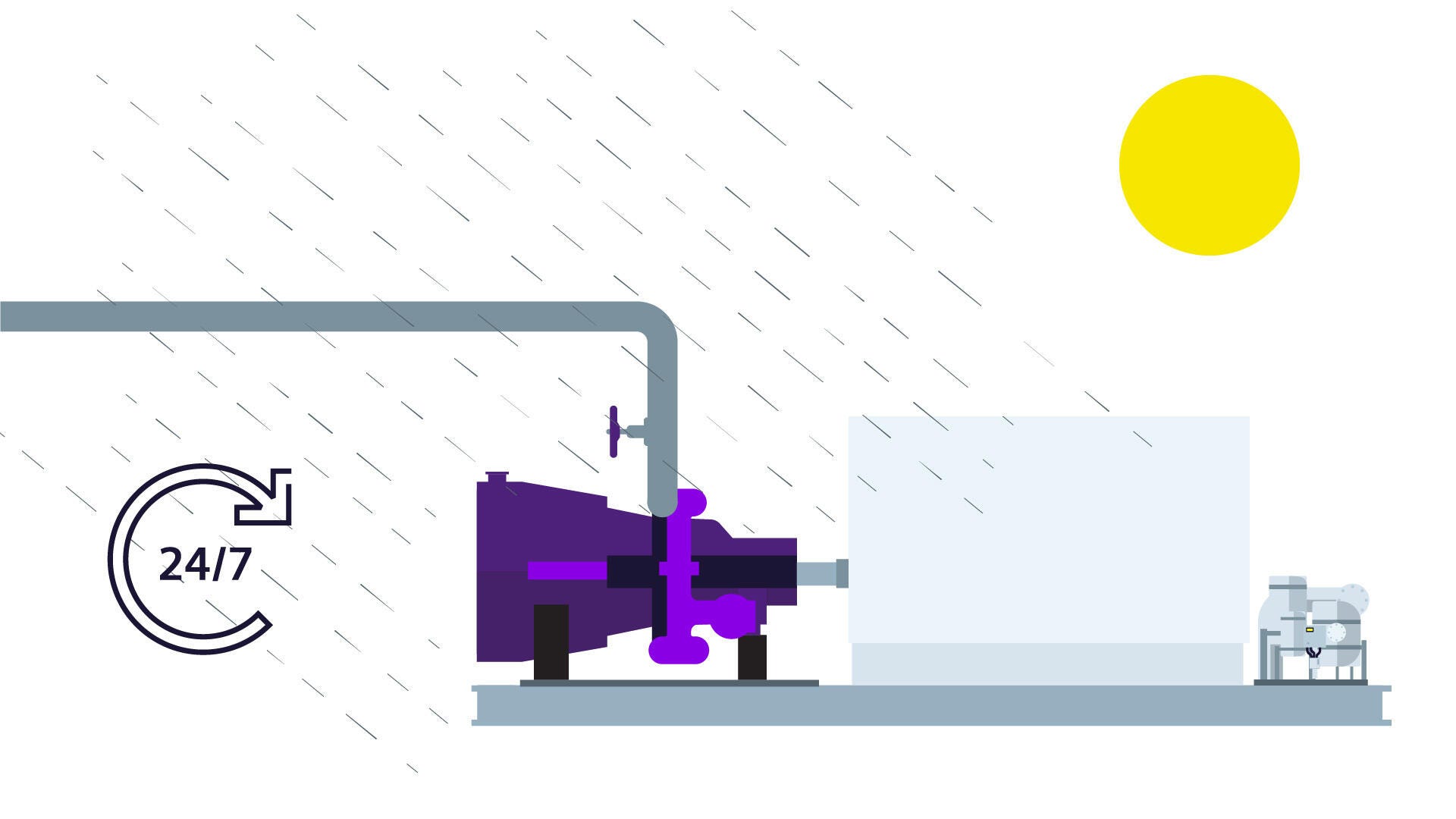
Unattended operation possible with low demand on repair and maintenance.
Recuperated and non-recuperated cycle possible

Highly efficient ORC-Turbine based on proven Omterra steam turbine portfolio with a wide operation range from 10 up to 100%. Good part Ioad efficiency.
Hermetically closed cycle

Main design principle of ORC systems is a closed cycle to avoid any leakages into the atmosphere, e.g. by applying mechanical seals of rotating shafts.
ORC turbines built on steam turbine heritage
With more than 100 years of experience in the steam turbine business, steam turbines are at the very heart of who we are. Omterra ORC turbines carry the same proven DNA, engineered with the expertise, reliability, and innovation built over a century. Each ORC solution we offer is deeply rooted in our heritage and experience, delivering performance you can trust.
Our ORC Turbine Technology is a modern, high efficiency variant engineered to convert low to medium temperature heat into electricity for both industrial and geothermal applications. Built on proven turbomachinery and digital controls, it offers modular scalability, high availability, and flexible integration—air or water cooled, standalone or grid connected. With end-to-end support and bankable performance, our ORC solutions help you monetize unused heat, accelerate decarbonization, and create measurable business value from day one.
Designed for total heat inputs of approximately 2,000 to 8,000 kWth, the system primarily operates through a high‑temperature (HT) circuit, which accounts for about 90–95% of the heat input. Typical HT circuit temperatures range from 300 °C at the inlet to 240 °C at the outlet.
A secondary low‑temperature (LT) circuit contributes an additional 5–10% of the total heat input, with nominal inlet/outlet temperatures of around 240/140 °C. Together, these circuits drive the ORC turbine to produce a gross electrical output between roughly 350 and 2,000 kWel, depending on configuration.
The system’s own power consumption remains low, at about 5–6%, resulting in a gross electrical efficiency of approximately 19–20%.
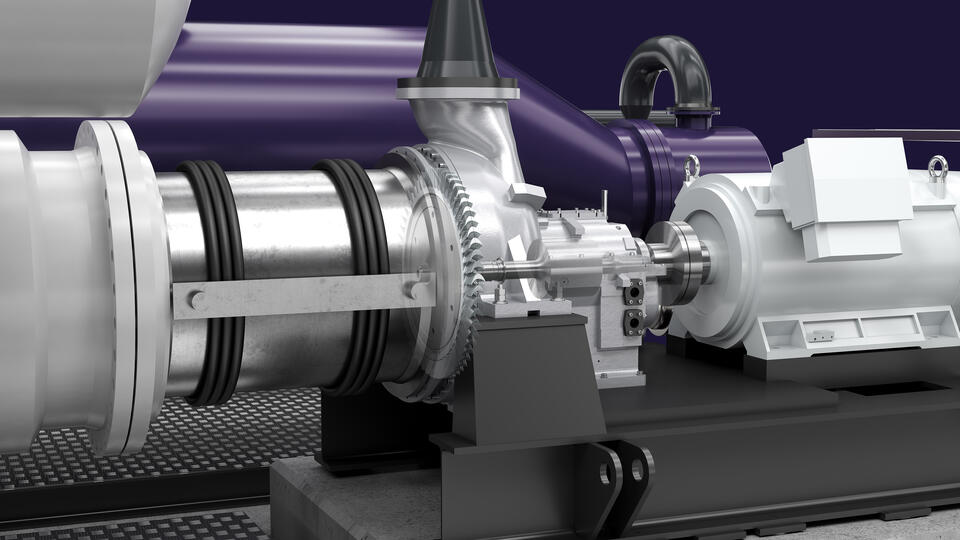
In combined heat and power (CHP) applications, the turbine also delivers significant thermal energy at the cold end. The cooling‑water circuit typically operates with temperatures of 60/80 °C, making it well‑suited for integration into district heating networks. Up to 80% of the total heat input can be transferred to the district heating system, maximizing overall energy utilization and supporting highly efficient, sustainable heat‑and‑power production.
How Omterra ORC turbines serve geothermal applications
In the size range from 10 to 60 MWe power output Omterra has developed a geothermal binary power block based on the Organic Rankine Cycle (ORC) technology. This so-called ORC module offers a great deal of benefits: The ORC binary power plant is completely water-free and consists of a single casing axial turbine based on Omterra’s proven steam turbine platform. The attractive CAPEX and OPEX of this power plant solution results in lower LCoE for intermediate to base load power needs.
Technology basis:
ORC (Organic Rankine Cycle) turbines are designed specifically for geothermal power generation, using organic fluids instead of water/steam. This makes them ideal for low-to-medium temperature heat sources like geothermal brine.
Not flash technology:
Unlike flash steam systems, Omterra uses ORC turbines for geothermal applications, leveraging advanced steam turbine design principles with much lower service requirements.
Integration:
ORC turbines share the same DNA as Omterra steam turbines, ensuring high synergy and reliability.
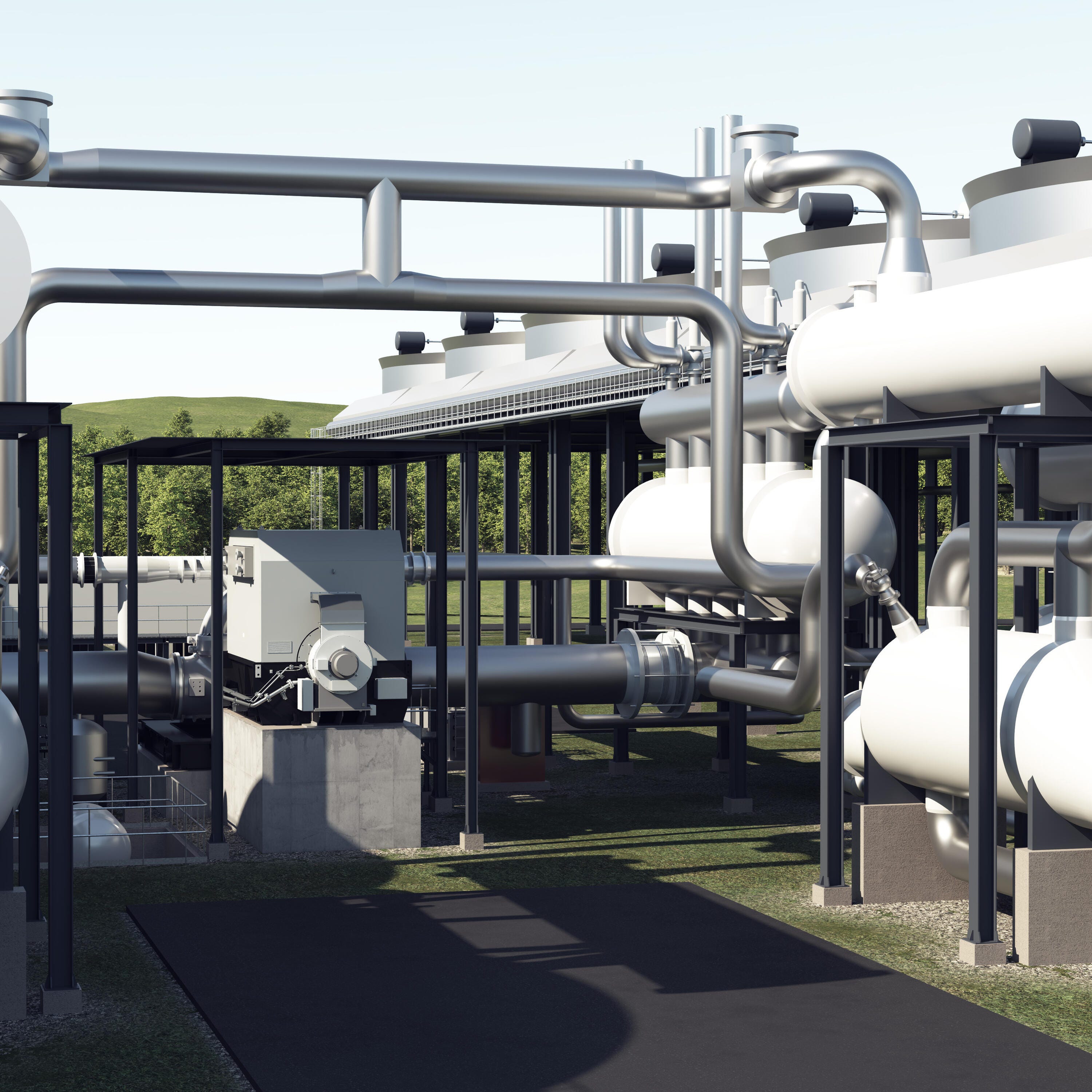
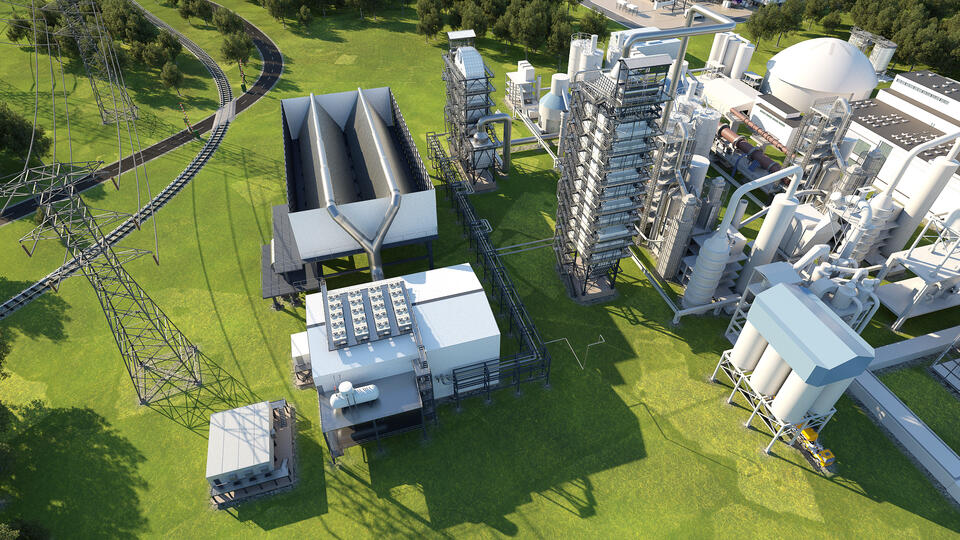
Omterra’s waste heat recovery solutions are applied in energy-intensive industries.
In cement plants, they can supply up to 30% of the facility’s electricity demand by utilizing heat from processes such as clinker cooling and pre-heating towers.
In steel plants, these systems enable captive power generation, reducing reliance on the electrical grid and significantly cutting emissions.
Beyond these sectors, the technology is also suitable for other process industries that generate high-temperature waste heat, offering a sustainable and cost-effective way to improve energy efficiency and support decarbonization goals.
Product presentation ORC Turbines
Get answers: FAQs on ORC
An Organic Rankine Cycle uses an organic fluid with a low boiling point instead of water/steam to convert low- to medium-temperature heat (typically 80 - 400°C) into electricity in a closed loop.
ORC handles lower-temperature heat sources that steam turbines cannot efficiently use, employing organic fluids for vaporization at reduced pressures; steam turbines require higher temperatures (>400°C) and water/steam.
ORC systems achieve 5–20% thermal efficiency depending on heat source temperature, lower than steam turbines (>40%) but valuable for recovering otherwise wasted low-grade heat.
ORC excels in waste heat recovery (industrial exhaust, cement/steel plants), geothermal power, biomass, solar thermal, and CHP/district heating.
Yes, many ORC designs, including Omterra's geothermal modules, are water-free using air cooling or dry fluids, ideal for water-scarce sites.
Energy-intensive sectors like cement (up to 30% plant power), steel, glass, chemicals, and refineries recover flue gas/pre-heater heat to generate captive power and cut emissions.
ORC works best for low- to medium-grade heat: 80–400°C for waste heat/geothermal; Omterra small ORC handles 140–300°C circuits efficiently.
ORC recovers stranded heat, reducing fuel use/emissions by 10–30% in plants, supporting net-zero goals without process changes; enables CHP for district heating.