Transforming conventional power: Strengthening resilience and system stability
Modern power systems require firm capacity, rapid response, and grid strength to remain resilient. Transforming conventional power begins with four essential priorities: reliability, flexibility, stability, and decarbonization.
As renewable generation expands, gas-fired and nuclear power become increasingly critical. Power plants from Omterra, formerly Siemens Energy, provide the dependable backbone needed to balance supply and demand, support grid stability, and ensure secure system operation in an evolving energy landscape.
Reliable power when it’s needed
Modern grids require dependable generation to bridge demand peaks, weather-driven supply gaps (low wind/low sun), and unforeseen contingencies. True reliability is built on three pillars: high availability, ease of maintenance, and proven performance.
Gas-fired generation
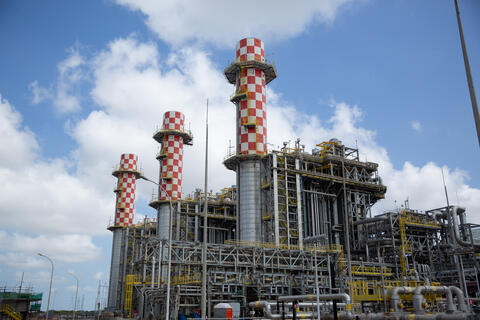
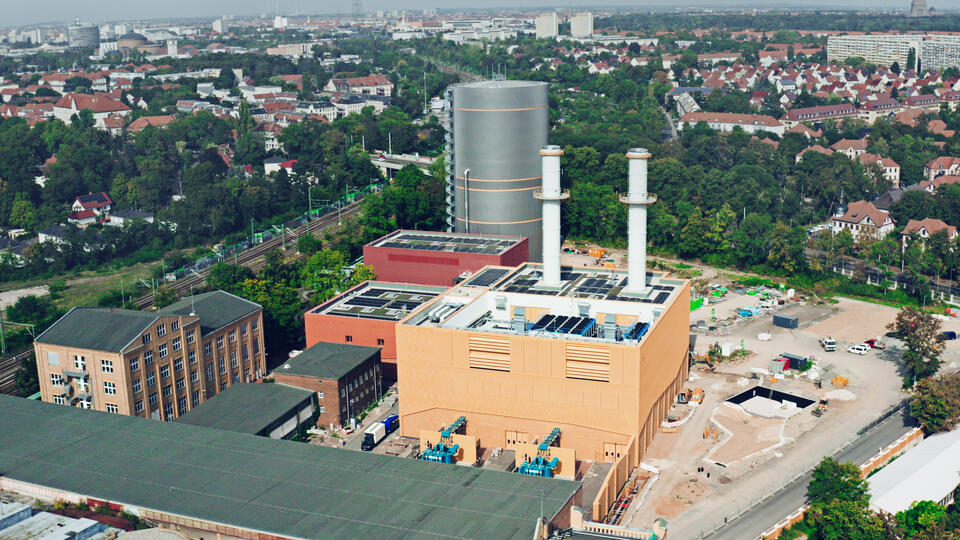
Gas-fired power plants deliver highly dispatchable capacity across various operating modes, from efficient combined cycle plants to fast-starting peakers. They are essential for ensuring adequacy and security of supply, often serving as the primary replacement for aging, high-emission coal assets or older oil- or gas-fired plants.
Key Benefits
- Highly dispatchable: Flexible capacity that adapts to any operating profile.
- Proven ecosystem: Mature technology with established global project delivery and service networks.
Strategic considerations
- Decarbonization pathways: Emissions are tied to fuel type; long-term sustainability requires a shift to hydrogen or the integration of CCS/CCUS.
Nuclear plants and SMRs
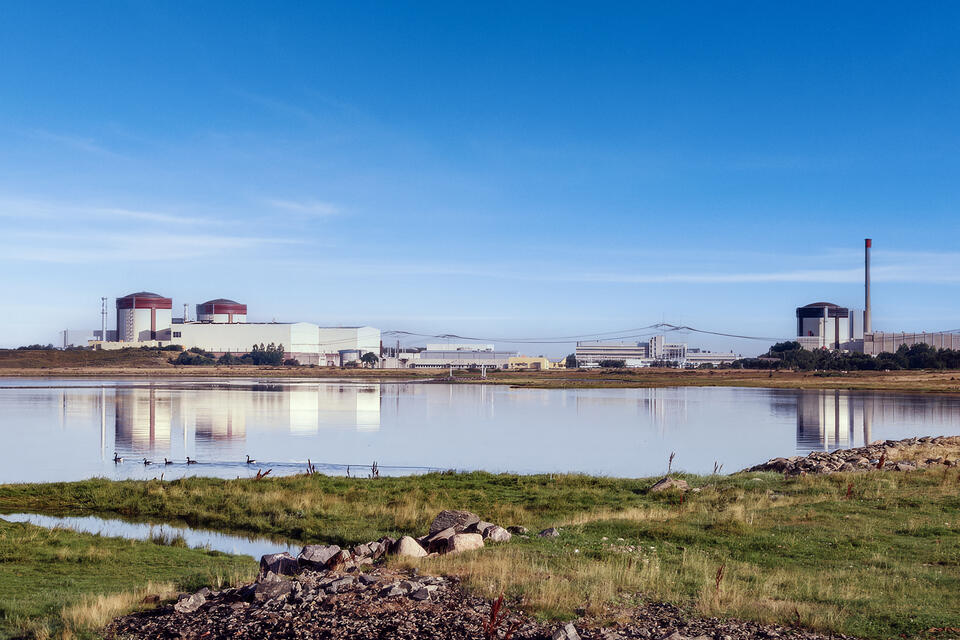
Nuclear energy provides the low-carbon baseload foundation a grid needs. Omterra focuses on the conventional island – the steam turbines, generators, control systems, and lifecycle services required to convert thermal energy into reliable power.
Key benefits
- Stable low-carbon base: Continuous, carbon-free generation that secures system adequacy.
- Lifecycle excellence: Advanced modernization and services to maximize availability over decades of operation.
Strategic considerations
- External factors: Deployment speed and project bankability are strongly influenced by national policies, licensing requirements, and financing frameworks.
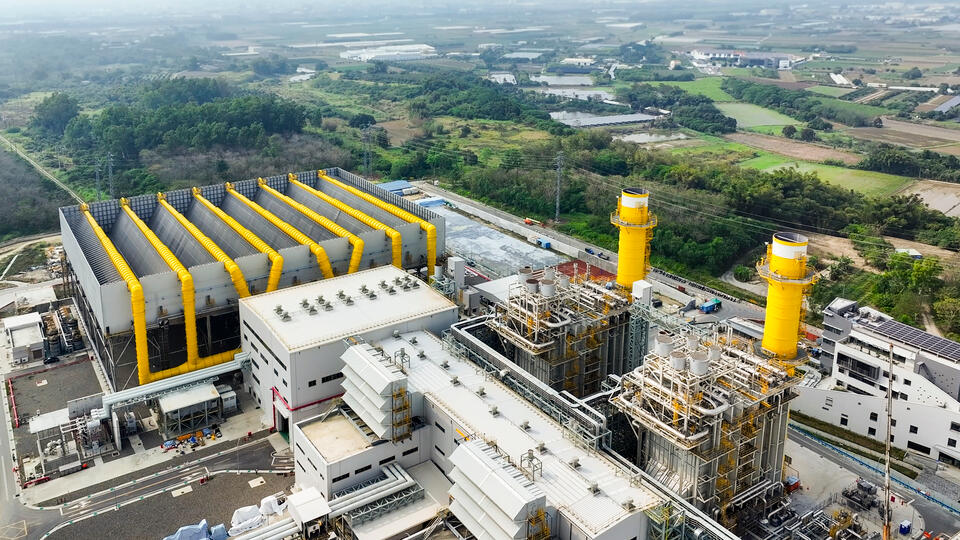
Flexible power for a renewable-heavy grid
Flexibility is the ability to start, ramp, and cycle to balance variable renewables and shifting demand. Modern grids require this responsiveness across all timescales—from minutes to hours, and across entire seasons.
Gas-fired generation
Gas turbines are the primary source of grid flexibility, providing the fast-start and ramping capabilities needed to manage peak demand. They are ideally suited to balance the daily dispatch patterns set by solar and wind, acting as a reliable "buffer" for the energy system.
Key benefits
- Rapid response: Instant capacity to manage short-term variability and sudden peaks.
- Operational versatility: Optimized for peaking or mid-merit operation, ensuring ensuring security of supply at all times.
Strategic considerations
- Operational Impact: Frequent cycling and starts can increase wear and tear. Success depends on selecting the right turbine technology, plant configuration and a proactive maintenance strategy.
Nuclear plants and SMRs
While nuclear energy primarily provides steady-state output, its role in flexibility is evolving. Modern plants can support load-following depending on design and market incentives. Omterra optimizes the conventional island to ensure stable, long-term performance—regardless of whether the plant runs at a constant level or follows a specific operating regime.
Key benefits
- Predictable Reliability: High-certainty output that simplifies long-term system planning.
- Future-Ready Assets: Modernizing turbine-generator equipment ensures the conventional island remains a high-performance asset for decades.
Strategic considerations
- Framework Dependent: The technical potential for flexibility varies by fleet and is often governed by specific grid codes and commercial frameworks.
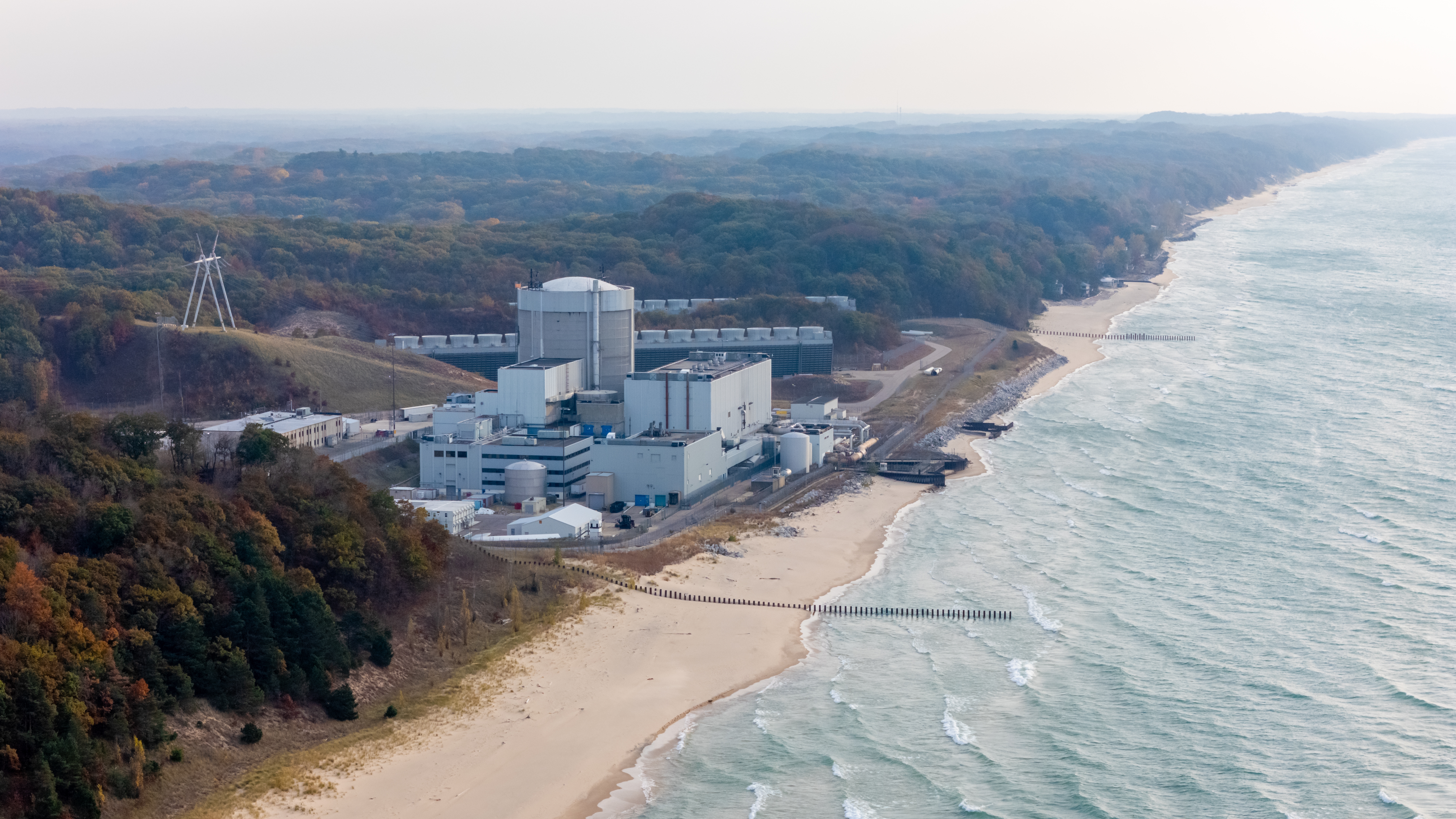
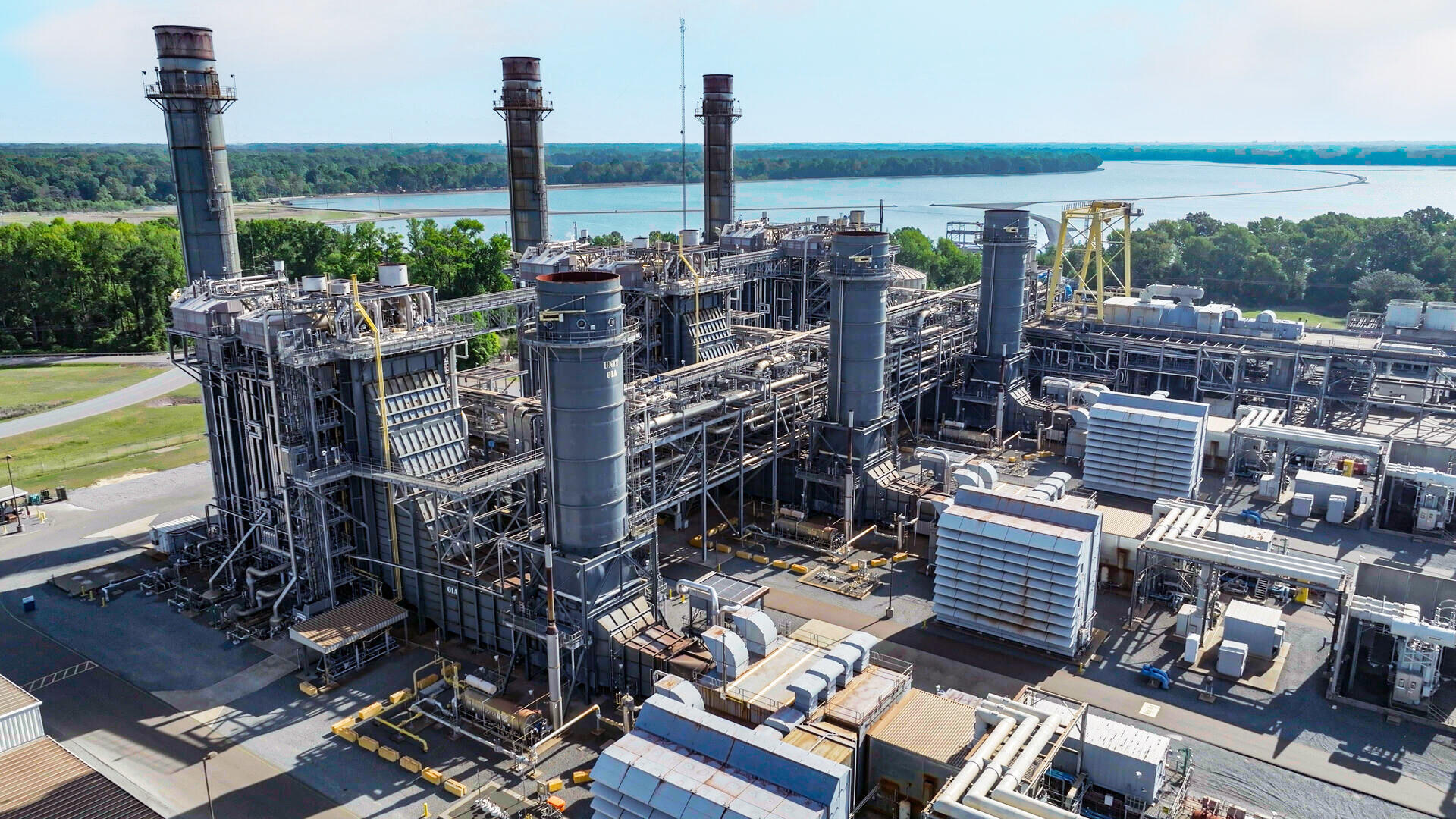
Grid stability through inertia, voltage support and system strength
As grids transition away from traditional synchronous generation, they lose the natural "buffer" provided by rotating mass. System operators increasingly require inertia, short-circuit power, and reactive power to maintain frequency and voltage stability—especially during faults and sudden disturbances.
Gas-fired generation
Gas-fired plants equipped with synchronous generators are vital contributors to grid stability. In regions where thermal plants run fewer hours, Omterra offers dedicated assets—such as synchronous condensers—that provide essential system-strength services independently of active power production.
Key benefits
- Essential Grid Services: Synchronous machines provide the physical inertia and voltage control essential for preventing frequency-related system collapses.
- Targeted Strengthening: Dedicated stability solutions can be strategically deployed to reinforce renewable-heavy grids and increase "hosting capacity" for wind and solar.
Strategic considerations
- Tailored integration: The contribution to stability is dictated by local grid codes. Where plants operate less frequently, hybrid or dedicated stability modes (e.g., synchronous condenser operation) become the preferred choice.
Nuclear plants and SMRs
Nuclear power stations are among the largest synchronous assets in the world. Their conventional islands – the massive turbine-generator sets and control systems – act as a physical backbone for system strength, providing the foundation of grid stability in many national grids.
Key benefits
- Anchor for stability: Massive synchronous generation provides high levels of inertia, ensuring the grid remains resilient against frequency deviations.
- Long-term reliability: Specialized lifecycle services ensure that these critical rotating assets remain available to support the grid for decades.
Strategic considerations
- Evolving requirements: A plant’s contribution to stability depends on its specific operating regime and the evolving requirements of the regional grid code.
Reducing emissions today with pathways for tomorrow
Achieving Net Zero requires a dual approach: immediate emissions reductions and the development of scalable, long-term pathways. These solutions must be compatible with local infrastructure, fuel availability, and evolving policy frameworks to be truly effective.
Gas-fired generation
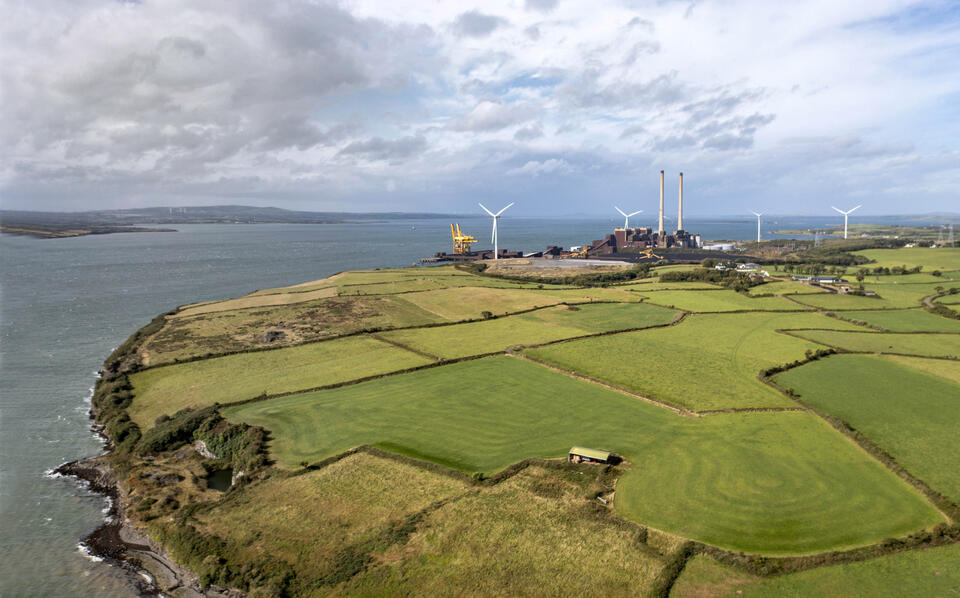
Gas-fired generation technology is a powerful lever for decarbonization. In the near term, shifting from coal to high-efficiency gas significantly reduces emissions while preserving essential dispatchable capacity. For the future, gas plants are being designed as flexible platforms for deep decarbonization through hydrogen integration and carbon capture.
Key benefits
- Immediate impact: High-efficiency technology reduces carbon intensity compared to aging thermal assets.
- Future-ready pathways: Adaptable solutions for hydrogen co-firing and CCS/CCUS integration, tailored to local infrastructure and economics.
Strategic considerations
- Infrastructure dependencies: Deep decarbonization is a journey that depends on the buildup of hydrogen supply chains and CO₂ transport and storage networks.
Nuclear plants and SMRs
Nuclear energy is a cornerstone of the low-carbon transition, providing the "always-on" power needed to displace fossil fuels. Omterra optimizes the conventional island, ensuring that turbines, generators, and control systems deliver peak performance, whether for new builds, power uprates, or long-term life extensions.
Key benefits
- Carbon-free backbone: Reliable, large-scale generation that directly supports national and corporate decarbonization targets.
- Extended asset value: Advanced modernization and service capabilities maximize the carbon-free output of plants over exceptionally long lifecycles.
Strategic considerations
- Project context: The pace of new-build deployment and SMR adoption is shaped by regional regulatory environments, financing structures, and societal consensus.
Technology choices depend on local constraints
There is no single blueprint for a perfect grid. The strategic role of gas and nuclear is defined by how they complement renewable energy to ensure a balanced system. Their contribution is shaped by market design, policy targets, fuel availability, and local infrastructure.
To achieve reliability and decarbonization at the lowest overall system cost, modern grids must integrate the firm capacity and stability of gas and nuclear with the growth of variable renewables. This "system-needs lens" helps identify where each technology delivers the greatest value—and where specific constraints must be managed to ensure a secure and resilient energy transition.

Get answers: FAQs on Natural gas-fired power plants
Natural gas power plants use the energy from natural gas combustion to drive turbines and generators that produce electricity. These plants are much cleaner than coal, offering flexible operation and the ability to ramp up quickly, making them key in supporting renewable energy.
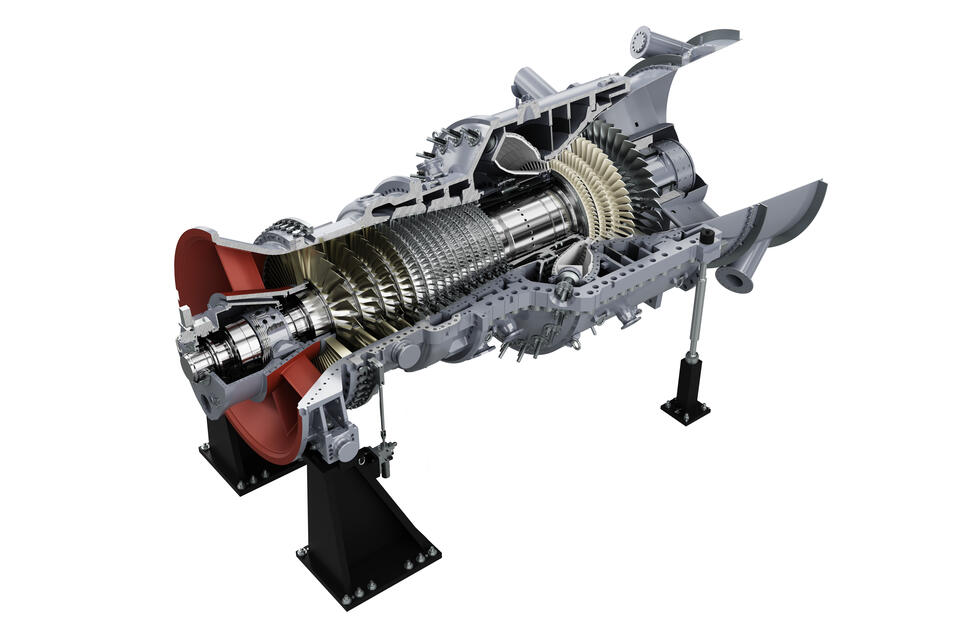
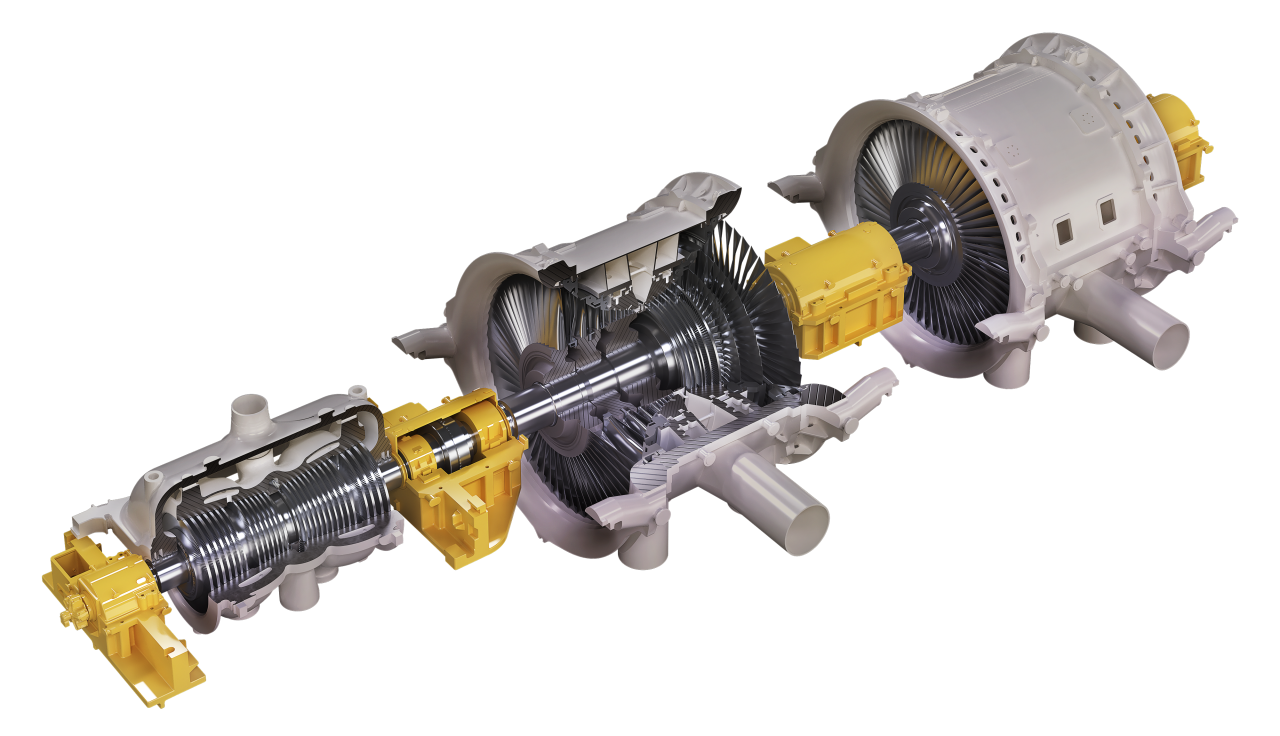
In the gas turbine of a natural gas power plant, air is compressed, mixed with fuel, and ignited to produce high-energy gases that expand through the expansion turbine. This rotation drives a generator, creating electricity. CCPPs harness the exhaust heat from the gas turbine for steam production, which is used in a separate steam turbine to produce additional electricity, enhancing overall efficiency.
There are three main types of natural gas power plants: simple cycle, combined cycle, and cogeneration. Simple cycle plants use just gas turbines for quick power generation, while combined cycle plants add a water-steam cycle to produce steam from the gas turbine´s hot exhaust and convert it to additional electricity in a steam turbine, increasing efficiency. Cogeneration plants provide both power and heat (steam or hot water) and can be built in either simple or combined cycle configuration.
The construction cost of a natural gas-fired power plant varies based on factors such as plant type, capacity, technology, location, and project-specific requirements.
Natural gas power plants are more eco-friendly than coal or oil power plants since they are much more efficient and emit significantly less carbon dioxide (CO2) and other pollutants like nitrogen oxides (NOx) or particulate matter. Their flexibility allows them to quickly adjust to fluctuations in renewable energy output, providing backup during periods when wind or solar are insufficient. This helps in the transition toward more renewable-dominated energy systems. By using a sustainable fuel such as hydrogen, they can also be fully decarbonized.
Methane (the main component of natural gas) is a greenhouse gas and unburned emissions need to be avoided. While gas-fired power plants have negligible methane emissions, attention needs to be paid to upstream emissions from gas fields and pipelines. Programs are enacted to minimize these emissions across the natural gas value chain. The switch from coal to natural gas helps to reduce greenhouse gases as coal mines are also significant producers of methane emissions.