Powering Taiwan’s industrial growth with cleaner energy for a net zero future
Driven by the rapid expansion of its high-tech manufacturing sector, Taiwan’s electricity demand reached a record 283.35 terawatt-hours (TWh) in 2024. To meet this sustainable industrial growth while advancing its 2050 net-zero target, Taiwan is upgrading its energy infrastructure to become more diversified, efficient, and resilient.
Award-winning innovation in Taiwan's energy transition
The project supported by Omterra technology, formerly Siemens Energy, was honored as the POWER Gas Top Plant of the Year in at the prestigious 2025 POWER Awards. This award recognizes the project’s cutting-edge gas-fired technology, its exceptionally low NOx emissions, and its critical role in supporting Taiwan’s transition to a cleaner, more sustainable industrial energy system.
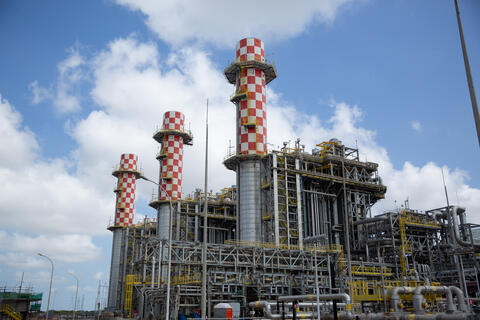
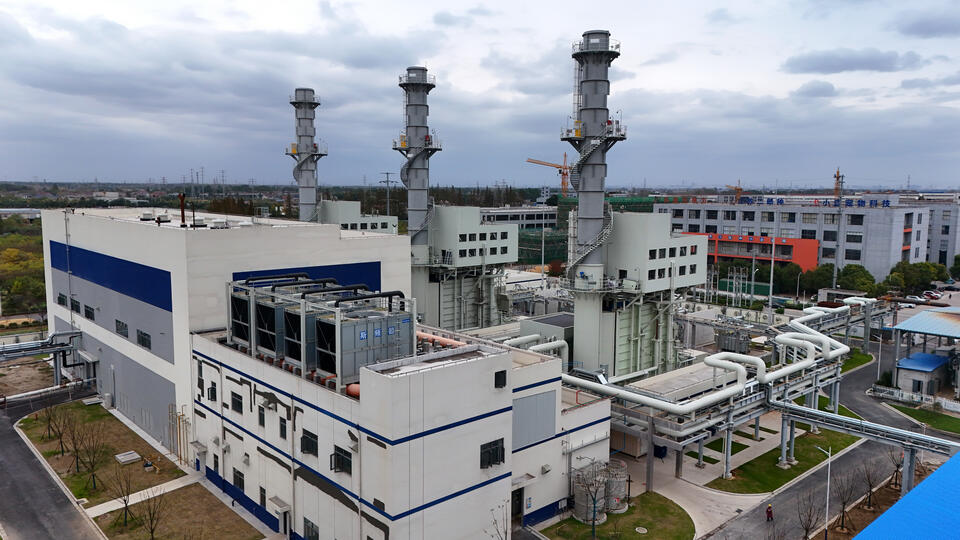
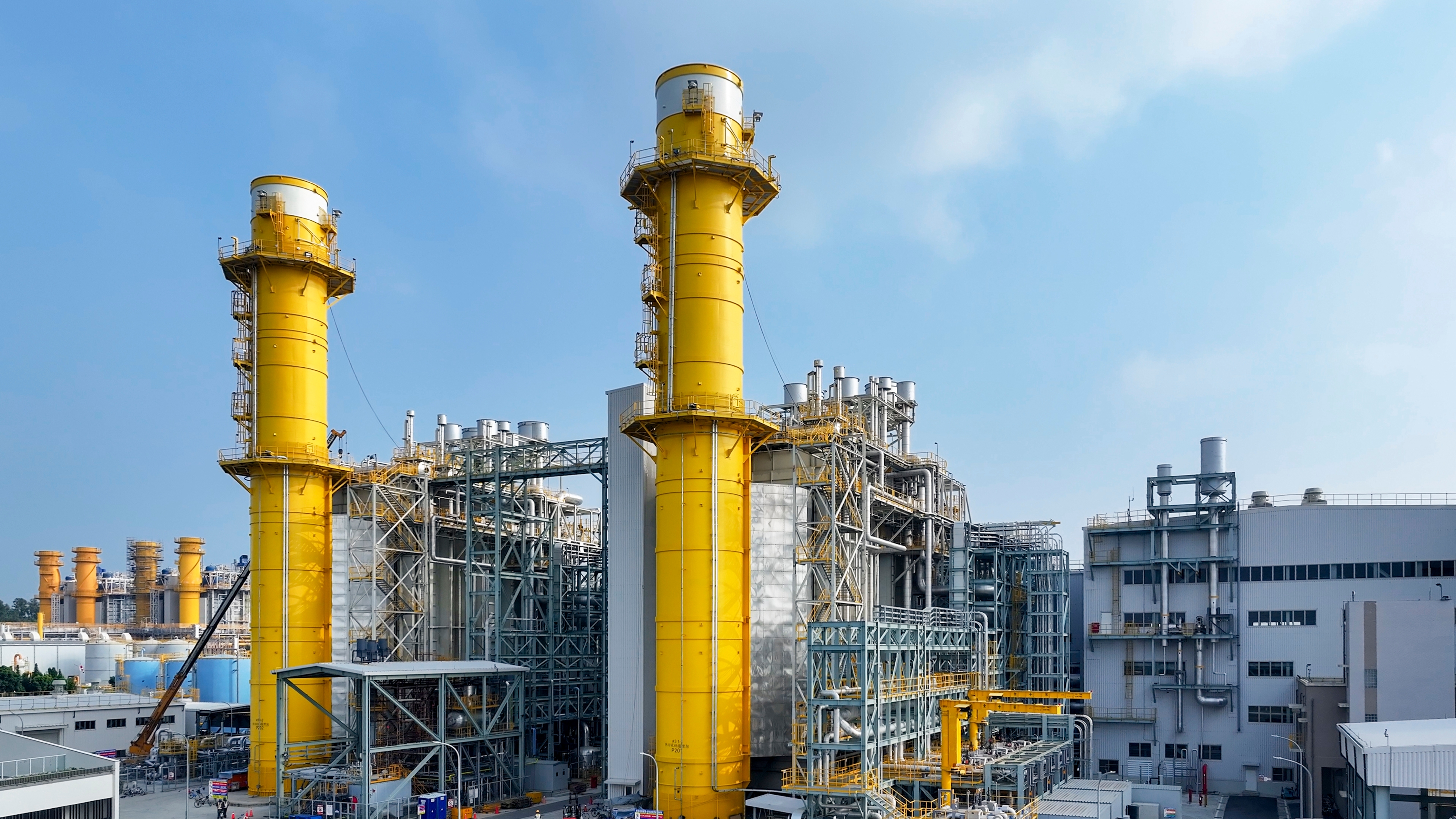
Located in Shanshang District, Tainan City, Sun Ba Power Corporation is a key independent power producer in southern Taiwan. It supplies reliable energy solutions to energy-intensive industries such as semiconductors and advanced manufacturing. In response to increasing power demand, Sun Ba launched its Phase II expansion project, partnering with CTCI Corporation and Omterra to deploy advanced combined cycle technology that enhances grid stability and operational performance.
Delivering grid flexibility and lower emissions with combined cycle technology
With an installed capacity of 1.1 gigawatts (GW), Sun Ba Phase II is one of Taiwan’s largest privately operated combined cycle power plants. It plays a vital role in supporting both base load and peak demand for the southern grid and nearby science and industrial parks.
During the planning phase, Sun Ba, CTCI, and Omterra conducted a comprehensive environmental impact assessment and developed a construction strategy aligned with best practices in sustainability and operational excellence. Throughout construction, the project team adhered to rigorous standards for safety, environmental protection, and quality assurance.
Environmentally responsible construction methods, including low-noise and dust-reduction techniques were employed to minimize impact on surrounding communities. These efforts reflect the environmental stewardship expected of large-scale energy infrastructure projects.
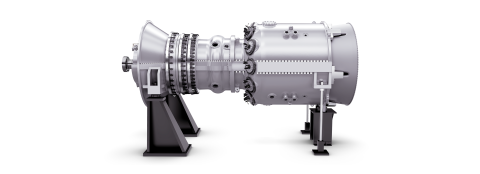
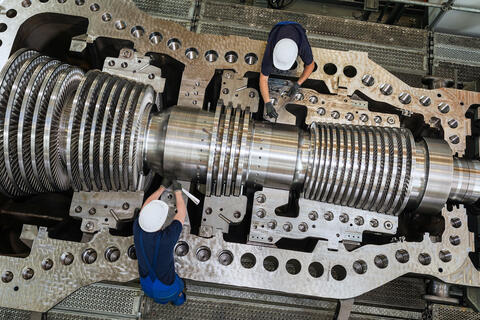
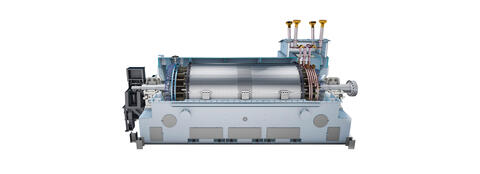
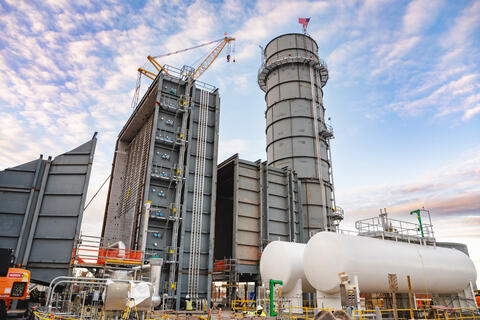
The plant features Omterra two OGT6-9000HL gas turbines, one OST-5000 steam turbine, and three OGen6-2000P generators, engineered for high efficiency and operational flexibility. The HL-class technology enables higher efficiency and rapid response to fluctuating load demands, while minimizing emissions.
To further reduce environmental impact, the plant incorporates a Selective Catalytic Reduction (SCR) system, maintaining nitrogen oxide (NOₓ) emissions at approximately 2 parts per million (ppm), meeting both local and international environmental standards.
The gas turbines are also designed with future-ready features that allow for potential hydrogen co-firing, positioning the plant for long-term alignment with Taiwan’s decarbonization pathway.
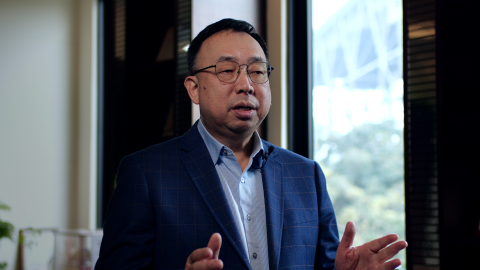
This project is about laying the foundation for an adaptable and future-ready energy system that supports a more sustainable energy future.
“This project is not only about improving current-generation efficiency,” said Hsu Sheng-Feng, Chairman of Sun Ba Power Corporation. “It’s about laying the foundation for an adaptable and future-ready energy system that supports a more sustainable energy future. Sun Ba Power will continue to play a role in supporting Taiwan through peak electricity challenges and contributing to the broader goals of energy transition and sustainable development.”
Cross-regional collaboration drives engineering resilience
During execution, the project faced several challenges, including cross-border logistics, and multi-stakeholder coordination. To address these complexities, the team adopted a cross-regional collaboration model that combined rolling planning, remote technical support, and synchronized site execution. Key components were delivered, installed, and commissioned on schedule, demonstrating strong execution discipline and teamwork.
“From contract signing through to commissioning, our team gave everything to this project,” said Andy Chang, Project Manager at Omterra. “We approached it with the same care and commitment as if it were our own child, striving for operational excellence and long-term value.”
To address time zone and distance challenges, Omterra mobilized resources from Europe, the Americas, and other regions, establishing a streamlined communication framework with the local site team. “Effective global coordination was essential to the project’s success,” Andy added. “Precision in coordination directly influenced our progress.”
Chairman Hsu emphasized Omterra’s expertise in global resource integration and its agility in responding to challenges. This high-level collaboration enabled the project to overcome challenges and achieve its construction goals on schedule, while also providing valuable experience for future complex energy projects.
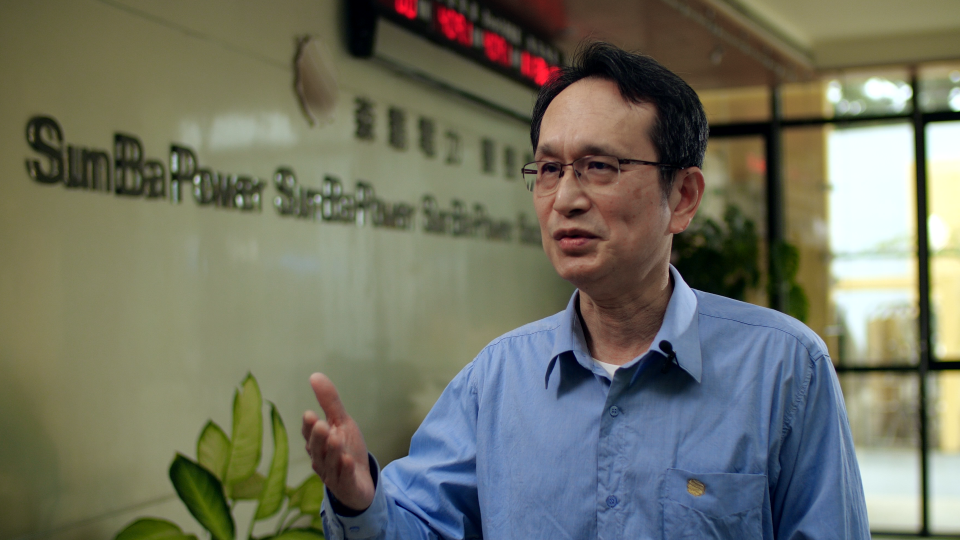
Building this project wasn’t easy. We faced pandemic restrictions, typhoons, and heavy rains.
“Building this project wasn’t easy.” Chiu Sheng-Li, Vice President of Sun Ba Power Corporation mentioned, “We faced pandemic restrictions, typhoons, and heavy rains. These challenges impacted our schedule, but through the close collaboration of Omterra, CTCI, and Sun Ba, we were able to overcome each one and keep the project firmly on track.”
On April 3, 2024, a magnitude 7.2 earthquake struck Taiwan. Despite strong tremors at the Sun Ba Phase II site, safety protocols were swiftly and effectively implemented, ensuring no injuries occurred. After confirming site safety, construction resumed smoothly. Notably, the OGT6-9000HL gas turbine completed its first firing that same afternoon—an important milestone in the plant’s journey toward operational readiness.
Several months later, the plant was successfully synchronized to the grid.
Enabling a reliable, affordable, and sustainable energy future
The successful commissioning of Sun Ba Phase II not only reinforces the southern Taiwan power grid, but also serves as a model for a low-carbon, hydrogen-ready energy solution. The project demonstrates how combined cycle gas power plants can meet industrial energy needs, support grid reliability, and contribute to decarbonization, acting as a bridge between today’s energy demands and tomorrow’s sustainable future.
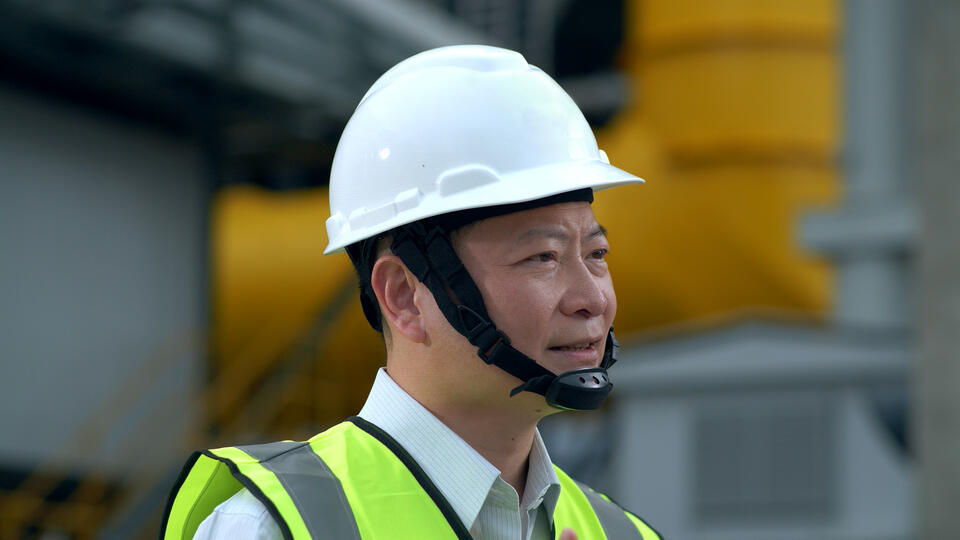
Through each project, we aim to deliver reliable, forward-looking energy solutions that contribute to a cleaner and more sustainable future.
“The key to energy transition is a smooth shift from fossil-based systems to low-carbon and renewable energy structures,” said Richard Lee, Managing Director of Omterra Taiwan. “Omterra has supported a wide range of power generation and transmission projects in Taiwan, including wind, natural gas, hydrogen, and grid infrastructure. We will continue to leverage Omterra technologies and tailor them to the specific needs of Taiwan’s energy market. Through each project, we aim to deliver reliable, forward-looking energy solutions that contribute to a cleaner and more sustainable future.”