From coal to gas, from gas to hydrogen
The industrial history of this region in Eastern Germany is unthinkable without coal. The coal from open-cast lignite mines south of Leipzig contributed to the industrial rise of the city starting in the middle of the 19th century. Until recently, 60 percent of the thermal energy for Leipzig’s 600,000 citizens and its industries came from coal-fired power plants.
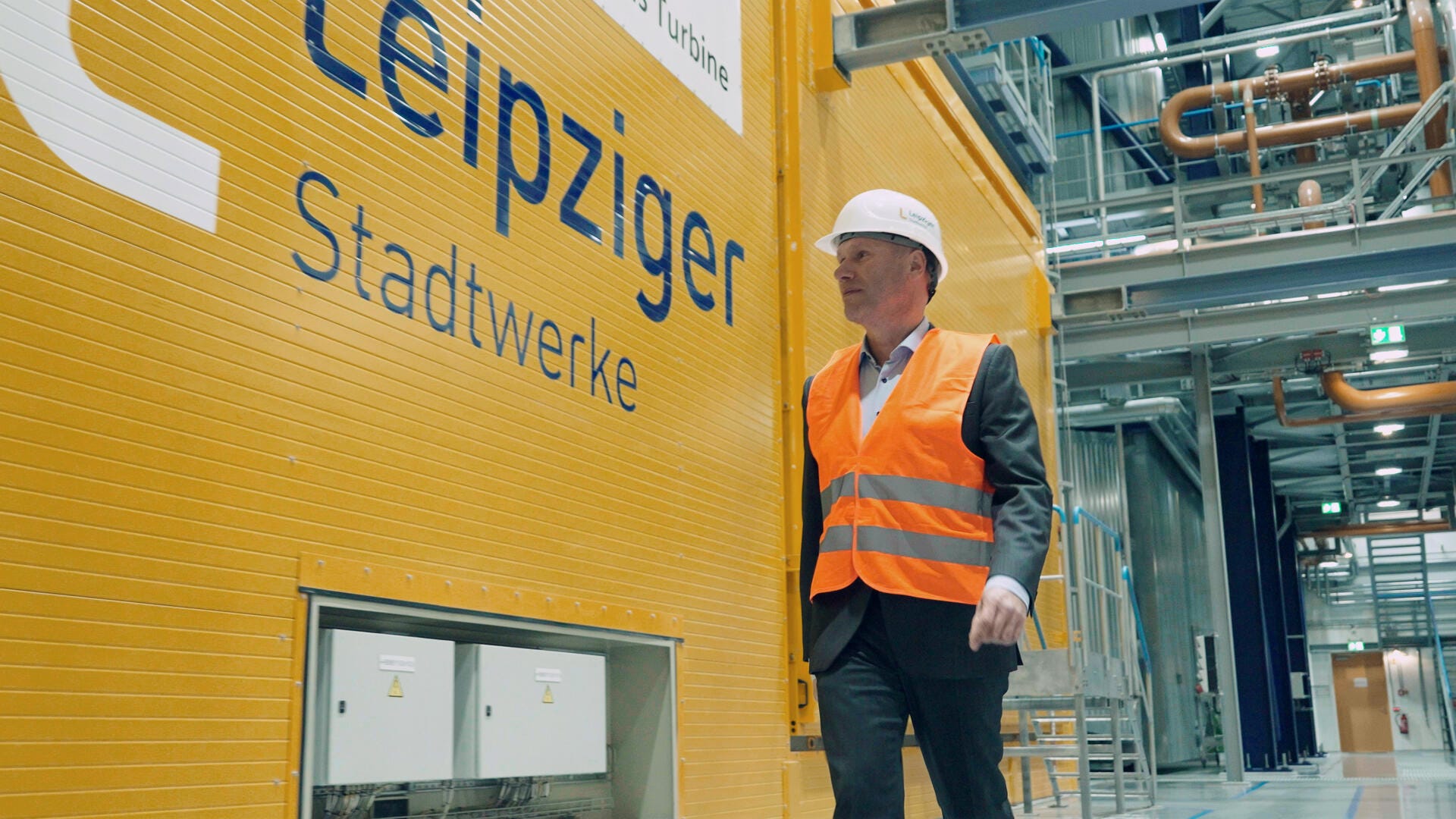
But now, as Germany and Europe are in the midst of an energy transition away from coal and toward renewables, the city is breaking with the past and paving the way for the future. In October 2023, Stadtwerke Leipzig, the city-owned utility, opened a gas-fired combined heat and power plant that sets a new benchmark. The plant achieves energy utilization of nearly 94 percent, producing 125 MW of electrical power and 163 MW of thermal power.
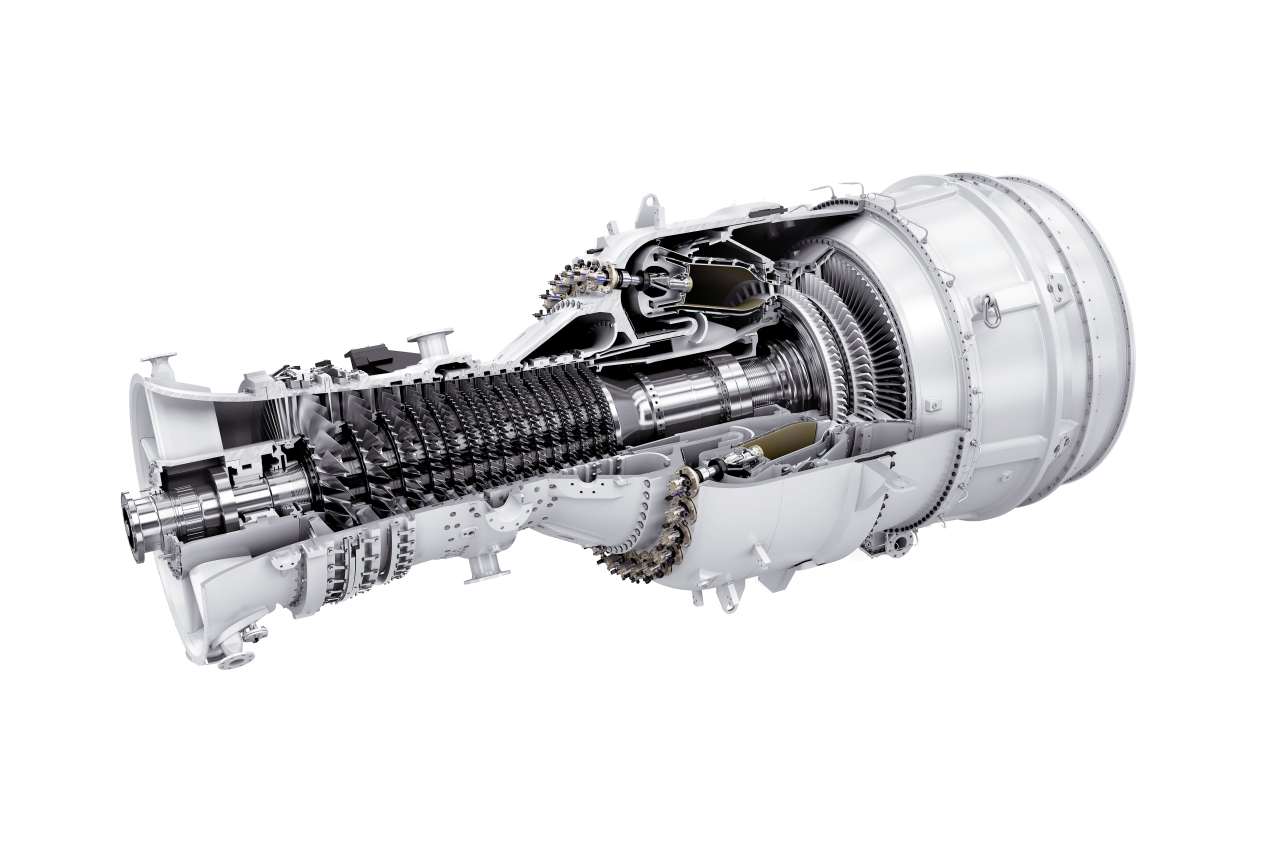
At its heart are two Omterra, formerly Siemens Energy, OGT-800 gas turbines, formerly SGT-800, each with a capacity of 62 MW. The turbines are hydrogen-ready. Although currently fired with natural gas, they can use up to 30 percent hydrogen. With future modifications to the burners and some auxiliary systems, they can be upgraded for 100 percent hydrogen operation.
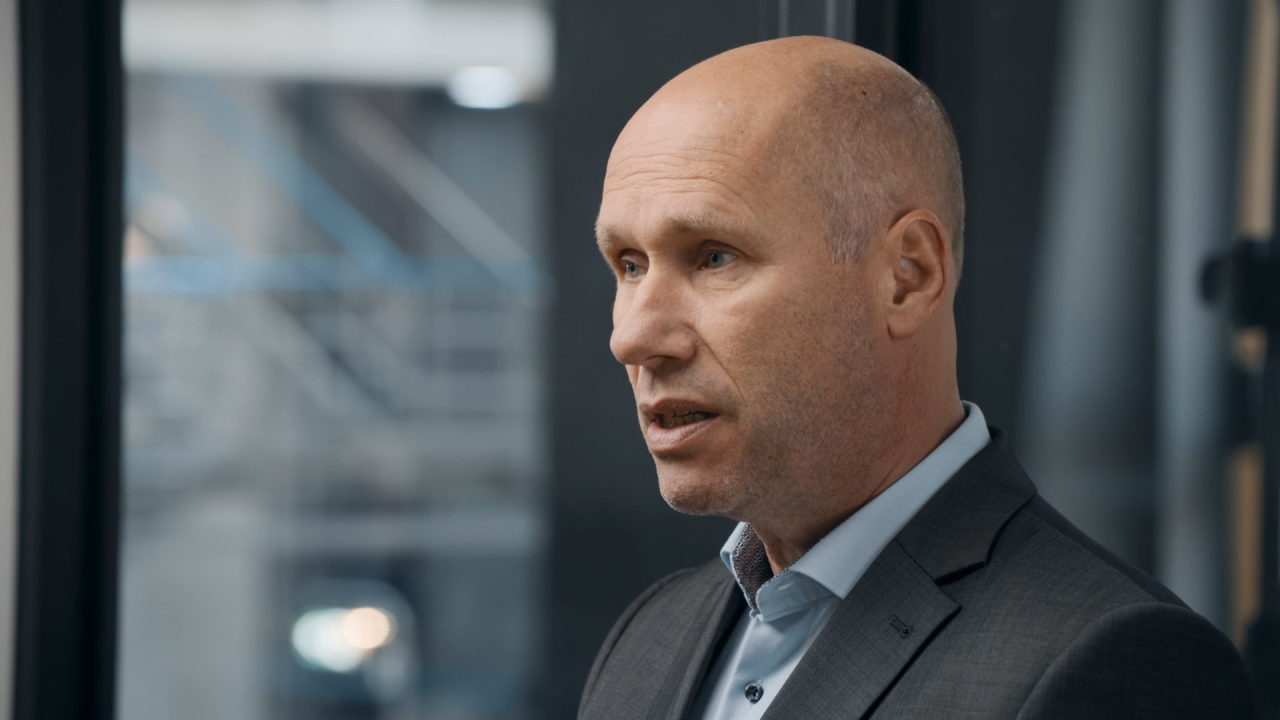
We still need some time before green hydrogen becomes affordable, then this plant will be converted into a hydrogen-based power plant. For now, it is the cleanest power plant in Germany.
CHP plant with the lowest emissions
"We are proud to have the CHP plant with the lowest NOx emissions in Germany. And with this plant, we are treading the path towards decarbonization as set by the city,” says Karsten Rogall, spokesman for the management of Leipzig Stadtwerke. The aim of one of Germany’s fastest-growing cities is to achieve carbon-neutral energy production by 2038. Together with Germany’s largest solar thermal plant, currently under construction nearby, Stadtwerke Leipzig is on track to meet this goal.
Hydrogen power plants are expected to play a crucial role in the energy production of tomorrow. The advantage of hydrogen is that it can serve as a storage medium for surplus energy from solar or wind production. It can also be easily transported to where it is needed—through pipelines or on vessels in liquid form in tanks.
Besides solar and wind energy, nuclear energy, biomass, and hydropower will also be part of the global future energy mix—but especially in Germany, carbon-neutral sources to replace coal and later gas are very limited, explains Thomas Neuenhahn, Director of “Net Zero” at Omterra. He is responsible for developing and implementing the net-zero strategy for Omterra’s power plant fleet in Europe & Africa.
Gas as indispensable bridge technology
Karsten Rogall views highly efficient gas-fired power plants, like the newly built one south of Leipzig, as an indispensable building block on the path to net zero. “We see the rapid expansion of solar and wind energy, but for the coming years, we can’t phase out gas-fired plants if we want to guarantee a secure energy supply for our customers—especially in winter when temperatures drop to freezing temperatures” says Rogall.
The new CHP plant comes with a thermal storage tank that decouples heat and power production from heat demand, maximizing revenue streams. Most of the time, especially in winter, the plant focuses on providing heat. But it can also serve as a “peaker plant” in summer, when renewable energy production is insufficient—the surplus heat is then stored in the thermal storage tank. The new plant also features battery energy storage systems for blackstart support, as the transition to renewable energy increases the risk of grid blackouts.
Aligning with new European law
The idea of having highly flexible and hydrogen-ready gas-fired plants—which reach full generation capacity in just 15 minutes—serve as the backbone of a more volatile power grid aligns with the strategy of German and European lawmakers.
In 2022, the EU adopted a plan to produce and import 10 million tons of renewable hydrogen by 2030. By 2050, renewable hydrogen is expected to cover about 10% of the EU’s energy needs, significantly decarbonizing energy-intensive industrial processes and the transport sector.
With several hydrogen production facilities under construction, the hydrogen economy is gaining momentum but still lagging industry expectation. Thus, from a business perspective, natural gas remains the right choice for now, as Karsten Rogall explains. So, when will green or at least low-carbon hydrogen “beat” natural gas?
Price parity expected before 2040
“It’s a question of price parity between natural gas plus CO2 price and hydrogen,” says Thomas Neuenhahn. “The gradual increase in the CO2 price and the ramping up of hydrogen production will lead to price parity between natural gas plus CO2 price and green hydrogen around 2040,” Neuenhahn adds, citing a recent analysis. According to the same analysis, price parity with low-carbon or “blue” hydrogen (with carbon capture and storage) will be reached even earlier.
It’s a question of price parity between natural gas plus CO2 price and hydrogen.
Stadtwerke Leipzig is preparing for this future. “In the coming years, we will upgrade our turbines together with Omterra to make them 100 percent H2-capable,” says Karsten Rogall. The region is well prepared for this future: A pipeline carrying hydrogen, part of the 9,000-kilometer-long German hydrogen core network, will run near the power plant, and there are plans for an electrolyzer plant to produce hydrogen nearby. “We’ve got the space, we’ve got the technological expertise, and we’ve got the right partner by our side to push things forward,” says Rogall, also with a view to energy independence in a strained geopolitical situation.
“In particular, the Russian war of aggression in Ukraine has highlighted Europe's dependence on Russian fossil fuels. H2, especially green hydrogen from renewable sources, offers a way to reduce dependence on volatile global energy markets and improve energy security, says Rogall. “H2 trading can diversify energy supply chains, reduce dependence on individual suppliers and strengthen relationships with new partners.”
International cooperation needed
In his opinion, the development and use of H2 technologies can position Germany and the EU as pioneers in a crucial sector of the future energy industry and create economic and geopolitical advantages. Yet, a variety of puzzle pieces need to be in place for this to happen. For example a coordinated European H2 strategy that promotes cross-border cooperation, harmonizes regulations and supports the development of a competitive European H2 industry, Rogall.
Furthermore, increased public and private investment in H2 technologies, including electrolysis, storage and transport is needed, as well as significant financial funding for the development of an H2 infrastructure, such as pipelines, electrolyzer plants and refueling stations.
And last but not least, Rogall stresses the need for international cooperation: “We need to work together to develop global standards for H2 production, quality and safety and promote international partnerships for H2 trading and technology development with countries such as Morocco, Canada and Chile. By taking such steps, policymakers can create an enabling environment and ensure that it contributes to a more sustainable, safer and more prosperous future.”
Ten steps toward a resilient energy system
1. Invest heavily in solar, wind and other renewable energy sources.
2. Use natural gas as a transition fuel because it emits less carbon dioxide than coal. However, one should know its limits and plan for its final elimination. With H2-ready power plants, this transition can be implemented flexibly.
3. Invest in energy storage solutions (batteries, pumped storage) to address the intermittency of renewable sources and ensure grid stability.
4. Promote energy efficiency programs for residential and commercial customers.
5. Implement smart grid technologies to optimize energy distribution, reduce peak loads and integrate renewables more seamlessly.
6. Keep an eye on new developments available, and whether it might make economic sense to implement them in your region.
7. Work with local communities to address concerns, build support for the transition, and ensure a just transition for all.
8. Maintain open and transparent communication with all stakeholders regarding the transition plan, costs, and benefits.
9. Invest sufficiently in grid infrastructure to enable the integration of renewable energy and support a reliable and resilient energy system. Ensure the reliability and stability of the grid during the transition, as integrating renewable energy can present challenges.
10. Prioritize environmental justice: ensure that the benefits and burdens of the energy transition are shared fairly among all.
About the author: Moritz Gathmann, a journalist from Berlin, has been reporting for numerous media outlets, including DER SPIEGEL and the Frankfurter Allgemeine Zeitung, since 2004.
Combined picture and video credits: Omterra, Photography of Thomas Neuenhahn: Frank Peterschröder