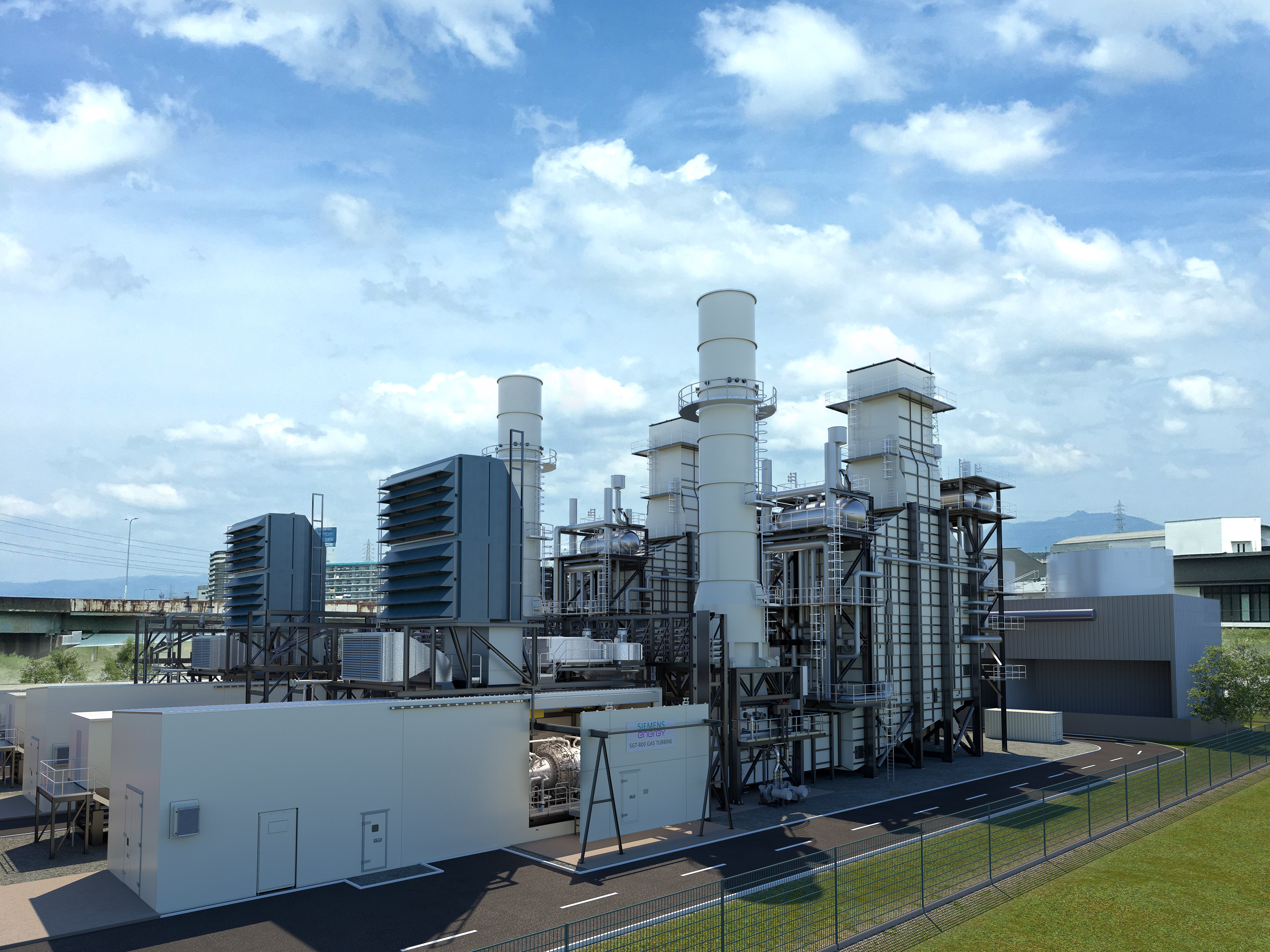
Reducing gas turbine emissions with sustainable fuels
Gas turbines running on sustainable alternative fuels can provide flexible power while supporting the integration of intermittent renewable energy sources such as wind and solar. Omterra, formerly Siemens Energy, supports this transition with gas turbine technologies designed for hydrogen and other sustainable fuels.
Using sustainable fuels such as hydrogen, methanol, ammonia, HVO, and other biogenic fuels can reduce carbon emissions while making use of existing power generation infrastructure. Gas turbines can provide dispatchable power when renewable generation is limited, helping operators balance growing energy demand with their decarbonization goals.
Exploring sustainable alternative fuels: benefits and eco-friendly choices
Sustainable fuels are alternatives to traditional fossil fuels that can significantly reduce carbon emissions. These fuels can be derived from various sources, including renewable energy, biogenic materials, and processes that capture and utilize carbon dioxide.
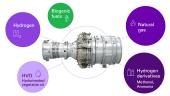
Sustainable primary fuels, including hydrogen, biofuels and hydrogen derivatives such as ammonia and methanol, provide a diverse portfolio of options for decarbonizing gas turbines and supporting the transition to a more sustainable energy future.
Switching to alternative fuels reduces dependence on fossil fuels and lowers greenhouse gas emissions. Sustainable fuels and gas turbines are key to meeting residual load demand, complementing renewables and achieving a fully decarbonized power system, making them essential to the global energy transition.
Benefits for gas turbines running on sustainable fuels
Sustainable fuels in conjunction with gas turbine technology offer several advantages:

Reduced Carbon Emissions
They help in significantly lowering greenhouse gas emissions compared to conventional fossil fuels.

Energy Security
Utilizing locally available renewable resources reduces dependence on imported fuels.

Easy to Retrofit
Power plants can be easily converted to run on sustainable fuels, especially if already built with a retrofit in mind e.g. “H2 Ready”.

Dispatchable Power and Heat
Sustainable fuels can provide reliable and dispatchable power and heat, essential for balancing the intermittence of renewable energy sources.

Combined Heat and Power
Gas turbines in CHP plants can cogenerate heat efficiently, supporting e.g. heat pumps when renewable power is limited or forwarding temperatures are high.

Grid Stability Services
Gas turbines provide essential grid ancillary services, including reactive power, frequency and voltage control, grid inertia, short circuit power, and blackstart capability.

Overview of various sustainable fuels
Explore the main types of alternative sustainable fuels, their benefits and challenges, and join the movement for a greener planet.
Hydrogen: The clean energy leader
Hydrogen has emerged as a leading candidate for decarbonizing the power sector. It can be produced from various sources, including renewable energy (green hydrogen), or natural gas with carbon capture (blue hydrogen).
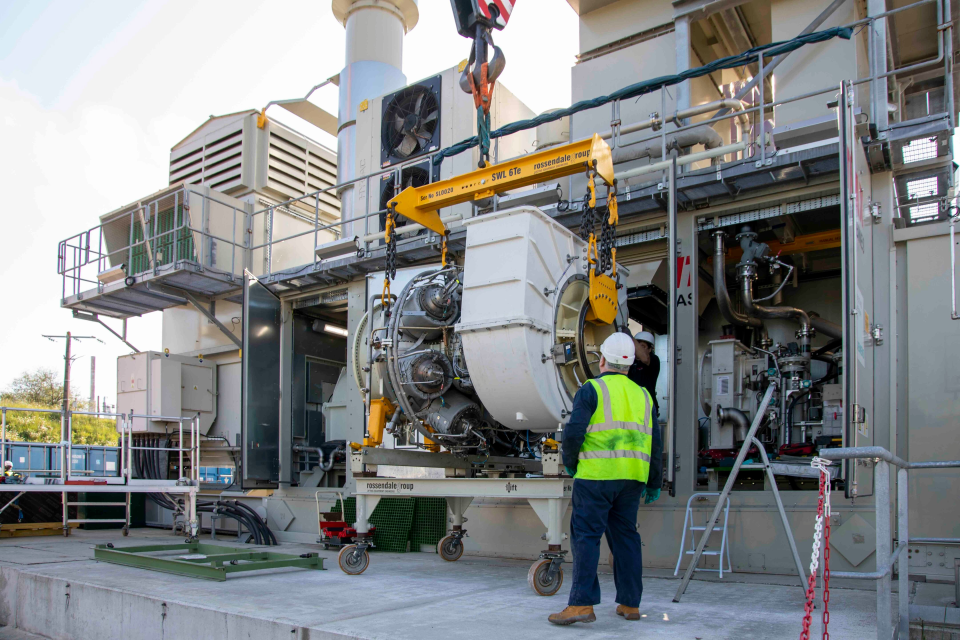
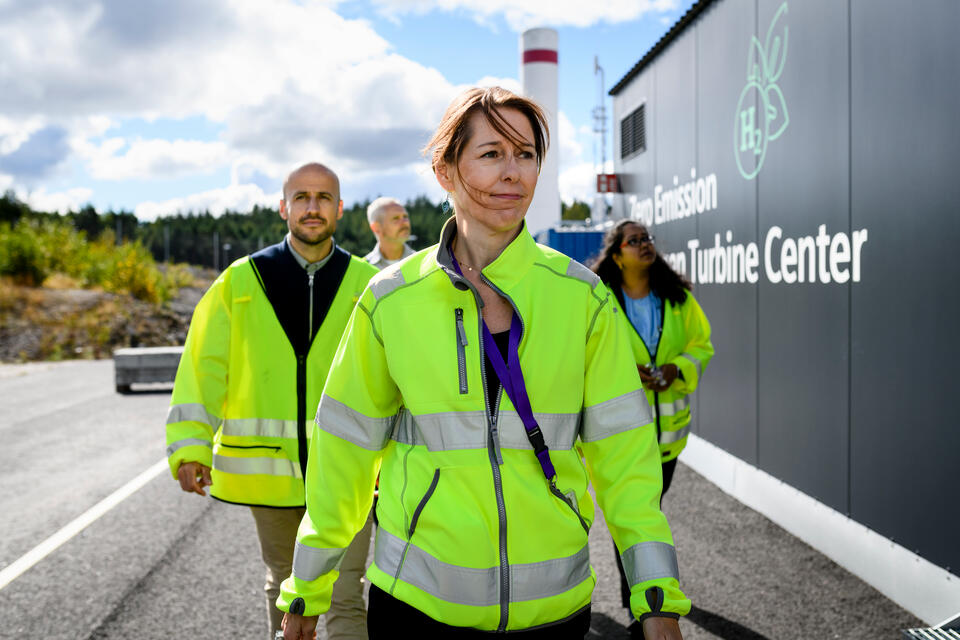
Omterra has successfully demonstrated dry low emissions combustion of 100% green hydrogen using an OGT-400 gas turbine and is accelerating the development of gas turbine technology for 100% hydrogen firing, including mid-sized and large frames ensuring readiness for a hydrogen-powered future.
Benefits of hydrogen
- Zero carbon emissions: When burned, hydrogen produces only water vapor, resulting in zero carbon emissions.
- Abundant and versatile: Hydrogen is the most abundant element in the universe and can be produced from various renewable resources.
- Wide application: economies of scale are expected to develop widely with an expanding hydrogen infrastructure for use as feedstock and fuel for industrial processes, transport and power generation.
Challenges of hydrogen
- Storage and transport: Hydrogen requires a pipeline transport infrastructure and potentially underground cavern storage.
- Combustion characteristics: Hydrogen has a lower ignition energy and higher flame speed compared with natural gas, posing technical challenges for combustion systems.
Ammonia: Efficient hydrogen carrier
Ammonia is an efficient hydrogen carrier that can be easily liquefied and transported. It has a higher energy density than gaseous hydrogen and proven distribution logistics.
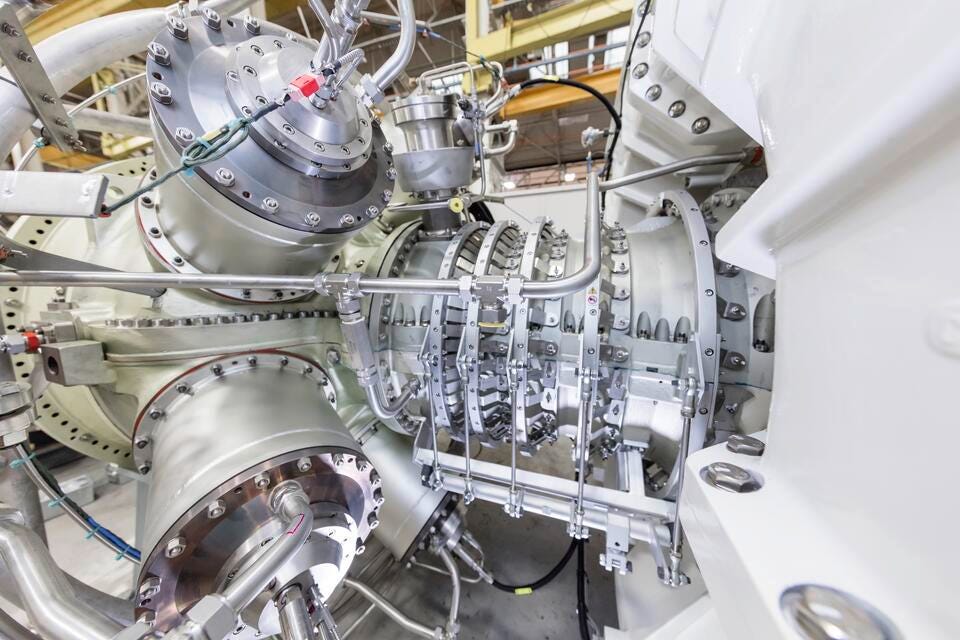
Omterra is actively researching ammonia combustion in gas turbines, both direct and cracked ammonia. Ammonia's potential as a carbon-free energy vector makes it a promising option for future energy systems.
Benefits of ammonia
- Energy density: Liquid ammonia has a higher energy density than gaseous hydrogen, making it practical for storage and transport.
- Established technology: Ammonia production and transport are well-established processes, with a proven safety record.
Challenge of ammonia
- Combustion characteristics: Ammonia has a lower flame speed and entails higher NOx emissions, posing technical challenges for combustion systems.
- Toxicity: Ammonia is toxic, requiring stringent safety measures to prevent exposure.
Hydrotreated vegetable oil (HVO): Sustainable diesel alternative
Hydrotreated vegetable oil (HVO) is a renewable diesel alternative produced from vegetable waste oils and animal fats.
Omterra has successfully tested HVO in gas turbines, demonstrating its potential as a sustainable fuel.
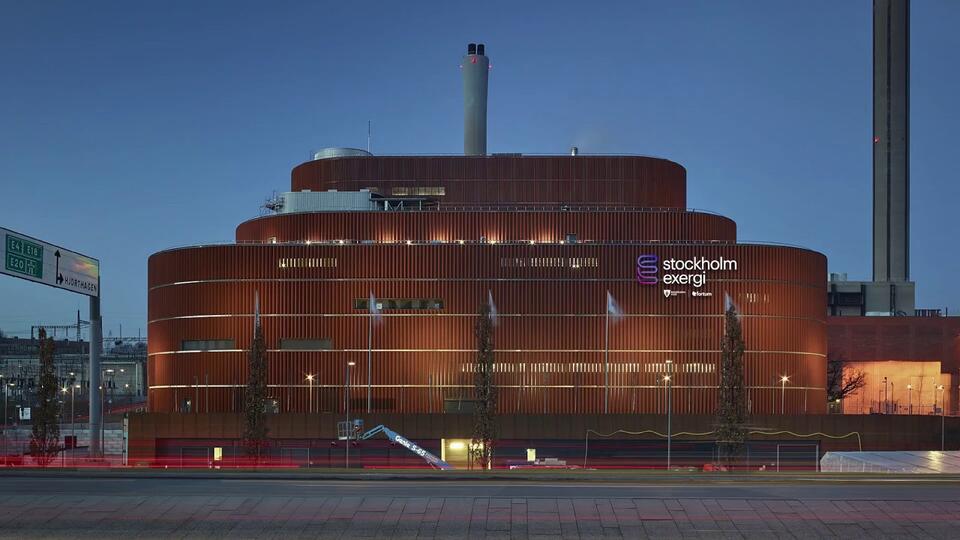
Benefits of HVO
- Sustainability: HVO offers significant greenhouse gas savings compared to conventional diesel, without competing for land needed to grow food.
- Storage stability: HVO is suitable for long-term storage, even in colder climates.
- Infrastructure compatibility: HVO can be used in existing diesel infrastructure with minimal modifications. It is a sustainable fuel for gas turbines, similar to conventional diesel.
Challenge of HVO
- Feedstock availability: The availability of feedstocks for HVO production may be limited by competing demands.
Methanol: Recycling carbon dioxide
Methanol is another promising fuel for gas turbines.
It can be produced from biomass (bio-methanol) or synthesized from green hydrogen and captured carbon dioxide (e-methanol), making it a viable option for various applications, including power generation and marine propulsion.
Omterra has successfully tested turbines with smaller sizes and validated with promising results.
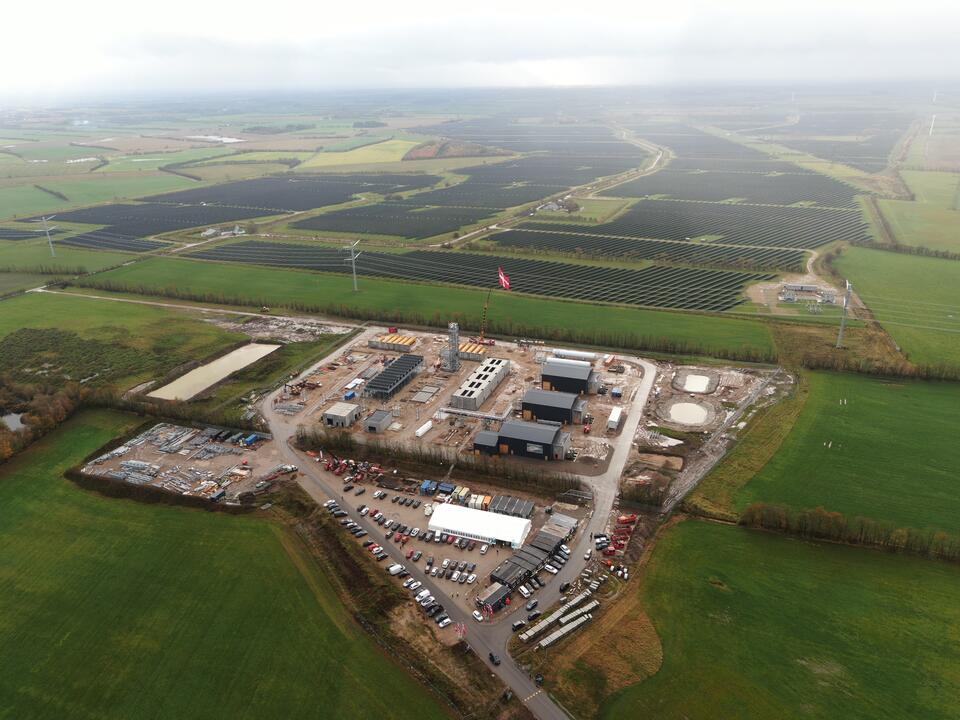
Benefits of methanol
- Energy density: Liquid methanol has a higher energy density than gaseous hydrogen, making it practical for transport and storage.
- Diverse feedstock: Methanol can be produced from various sources, including sustainable hydrogen, biomass and waste, enhancing sustainability.
- Infrastructure compatibility: Methanol is compatible with existing storage tanks and pipelines.
Challenge of methanol
- Carbon source: The sustainability of e-methanol depends on the source of carbon dioxide used in its production.
Other biogenic fuels
Key references for sustainable fuels
Coming soon: The following references highlight groundbreaking Omterra projects and successful implementations of these fuels in gas turbines, showcasing their potential to transform the energy sector.

More than sustainable alternative fuels for power plants
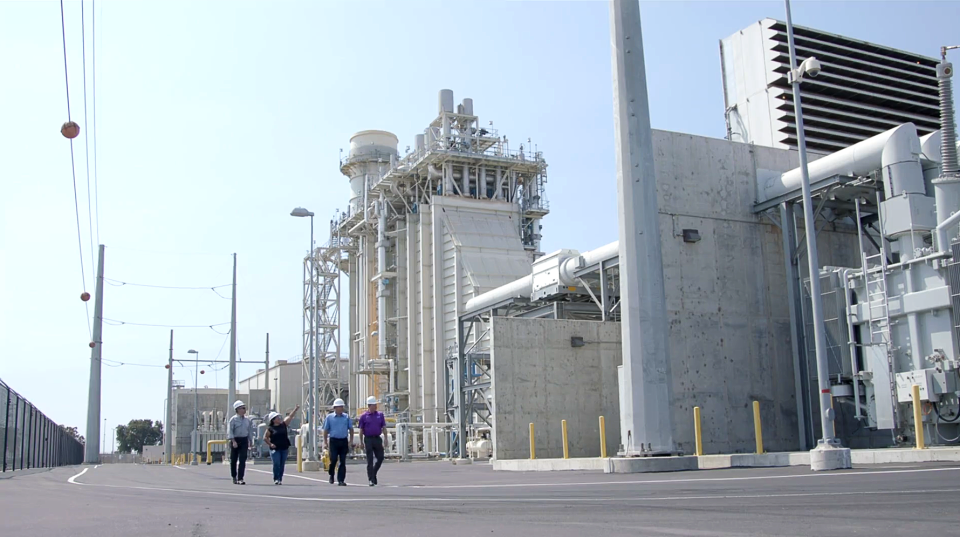

Key references for sustainable fuels
H2 HYFLEXPOWER project
HVO-powered CHP
OGT-A35 operating on methanol
Mission H2 Power
H2MISCH

Get answers: FAQs on sustainable alternative fuels
Sustainable gas turbine fuels are all fuels that produce very low or zero CO2 emissions, such as sustainable hydrogen (green, pink, blue, turquoise), its derivatives (e.g. e-ammonia, e-methanol) and 2nd generation biofuels, e.g. biogas, biomethane, hydrogenated vegetable oil (HVO), bio-methanol and bio-ethanol.
All low or zero carbon fuels that fall within the fuel specification of the gas turbine model can significantly reduce greenhouse gas emissions from gas power plants compared to fossil fuels. While blue hydrogen (and its derivatives) and biogenic fuels typically show 65-90% GHG emission reductions, green hydrogen and its derivatives can achieve 95-100% reductions.
Gas turbines can achieve carbon neutrality in two different ways: By using carbon neutral fuels (such as hydrogen, hydrogen derivatives or biofuels) or by using natural gas with carbon capture and storage (CCS).
The most suitable sustainable fuel for a gas turbine depends on local factors such as the expected operating regime of the power plant, the availability and cost of alternative fuels, which vary widely from one region to another. The optimal fuel will therefore always be a project-specific decision.
Several biogenic fuels have already been qualified for use in Omterra gas turbines: While all frames can run on biomethane, there are first frames approved for use with HVO100 and bio-methanol. As development continues, more biogenic and other alternative fuels will become available for the Omterra gas turbine product portfolio.