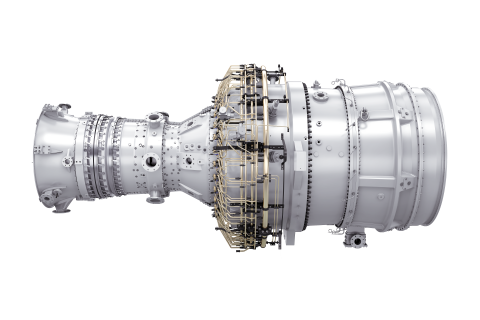
Zero emission hydrogen turbine center
The next decades are expected to be among the most transformative the energy sector has ever seen when the world is moving away from fossil fuels. As part of this transformation we expanded our own gas turbine test facility in the town of Finspång, Sweden, to become a model of the future energy system.
Together with international partners within the research project Zero Emission Hydrogen Turbine Center (ZEHTC) we set up a demonstration plant to showcase a flexible and sustainable energy system connecting gas turbines with hydrogen, renewable energy and energy storage. This provided valuable insights to be able to accelerate into a decarbonized energy future.
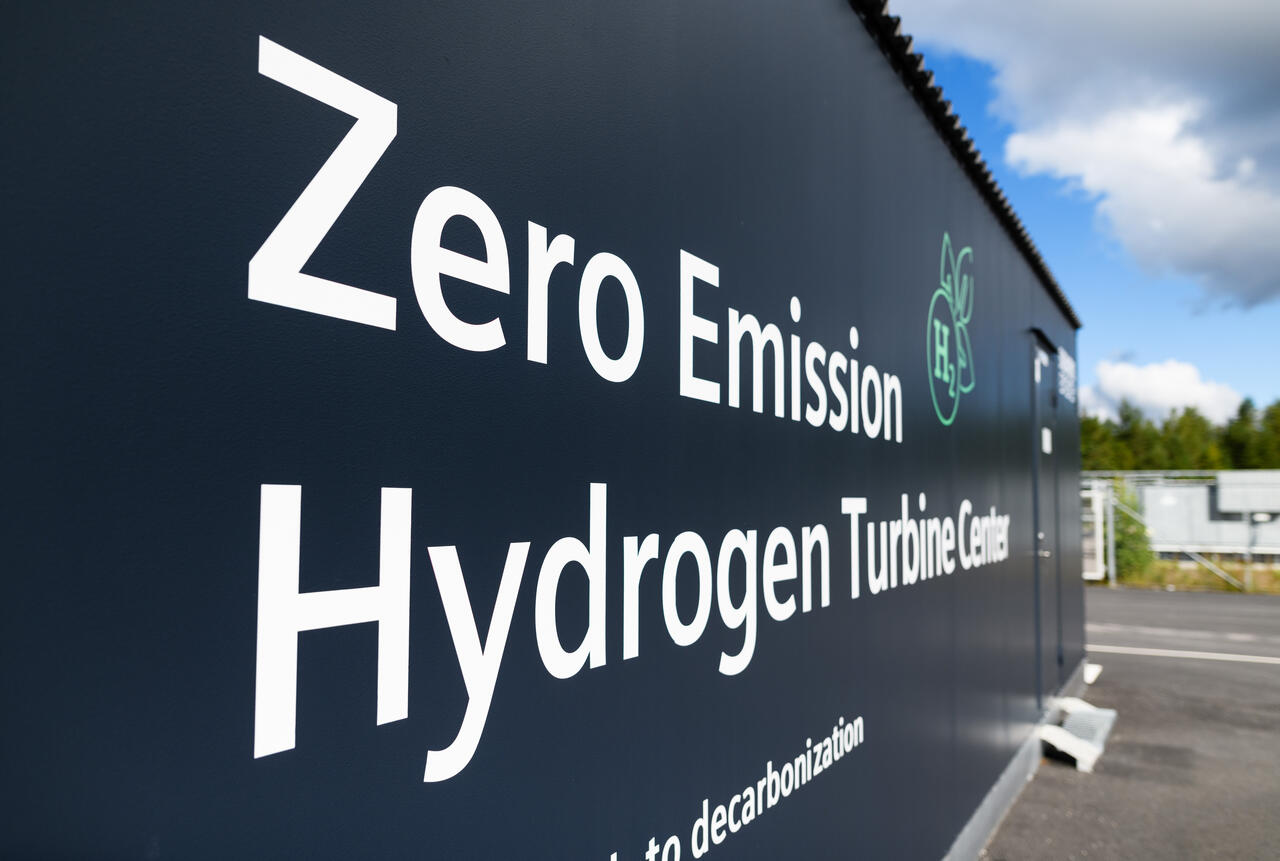
The Zero Emission Hydrogen Turbine Center at a glance

H₂ production
Onsite hydrogen production from renewables and excess electricity

Decreased CO₂ emissions
Hydrogen enabling decarbonization of gas turbine operation

Micro grids and energy storage
Platform for sharing know-how on flexible energy systems and hydrogen solutions

Extended hydrogen testing resources
Enabling extended testing toward 100 percent hydrogen capability
Learn more about the project and its partners on the dedicated partner website:
How does it work?
The test center opens up multiple possibilities: Excess energy from gas turbine tests and electricity from solar panels is used to produce hydrogen in an electrolyzer. The energy is stored as compressed hydrogen and in batteries.
This way a closed loop plant is created, producing its own hydrogen for our continued research and development to optimize the use of hydrogen in gas turbines. All this also while supporting our goal to be able to run our gas turbines on 100% hydrogen by 2030.
The future of gas turbines
What is the role of gas turbines in a sustainable energy system?
Gas turbines have proven to be very effective in balancing intermittent renewable energy production due to their flexibility and short ramp-up times. According to the International Energy Agency, gas turbines will play an important role in providing flexibility in the electrical grid in a Sustainable Development Scenario.
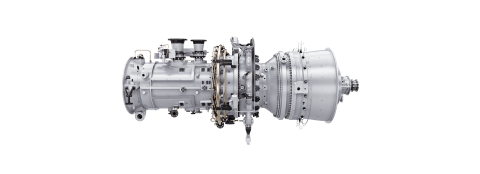
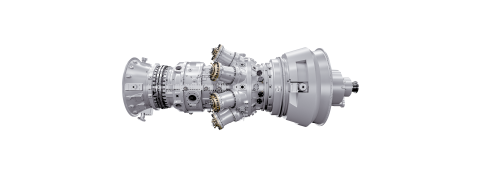
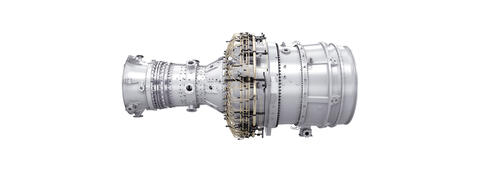
A sustainable energy system
Gas turbines with hydrogen as fuel have great potential to provide more stability in future energy systems that involve increasing shares from renewable sources without increasing carbon emissions.
As power from solar and wind is highly volatile and does not always match the energy demand, hydrogen – produced from these green energy sources – can be used as an energy storage solution. The subsequent combustion of hydrogen results in zero carbon emissions.
Gas turbines provide in themselves renewable power when running on hydrogen, or any other fossil-free fuel like e-fuels (i.e. e-methanol, e-diesel, e-methane) or bio-fuels (i.e. bio-methanol, ethanol, or bio-diesel).