Omnivise ecosystem
Connecting data, intelligence, and technology to empower the energy transition – from optimized plant performance to smarter grids. The Omnivise ecosystem unites Omterra´s digital solutions and services into one vision: operate with higher efficiency, reliability, and sustainability, across individual assets, power generation plants and fleets, and interconnected energy systems.
Driving digital transformation in energy
Digital transformation is no longer an option – it’s the foundation of future energy systems. Every asset, plant, and power generation fleet must operate with greater flexibility, transparency, and reliability in increasingly complex environments.
The Omnivise ecosystem combines Omterra´s domain and operations and maintenance expertise with its digital capabilities to make that happen. Operators gain real-time insight and measurable outcomes: lower emissions, higher availability, and improved safety. Connected via open IoT standards, assets and applications feed a shared data foundation instead of isolated systems.
Video: Omnivise ecosystem - centralized fleet and dispatch management
The Omnivise ecosystem at a glance
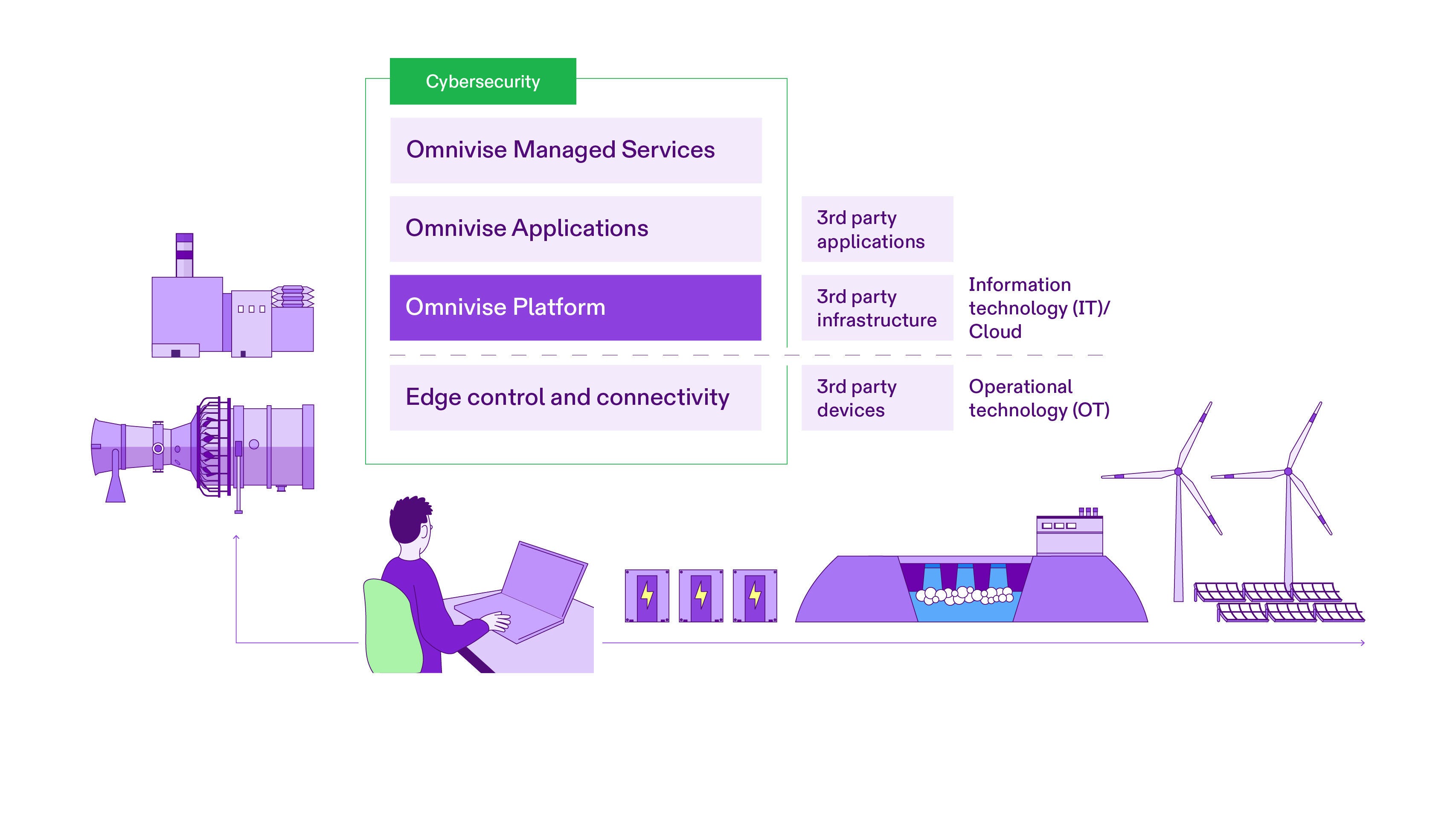
The Omnivise ecosystem is Omterra's open, modular platform approach for turning heterogeneous energy assets into orchestrated systems. It combines secure-by-design connectivity, real-time intelligence, and Omterra's OEM as well as operations and maintenance expertise within one consistent operational framework across assets, plants, and fleets. By bringing together fragmented systems, data sources, and workflows on a common foundation, it enables harmonized data usage, scalable solutions, and more efficient operations. Operators benefit from improved transparency, more efficient power generation management, and the flexibility to adapt to changing market and regulatory requirements. Four building blocks make this work:
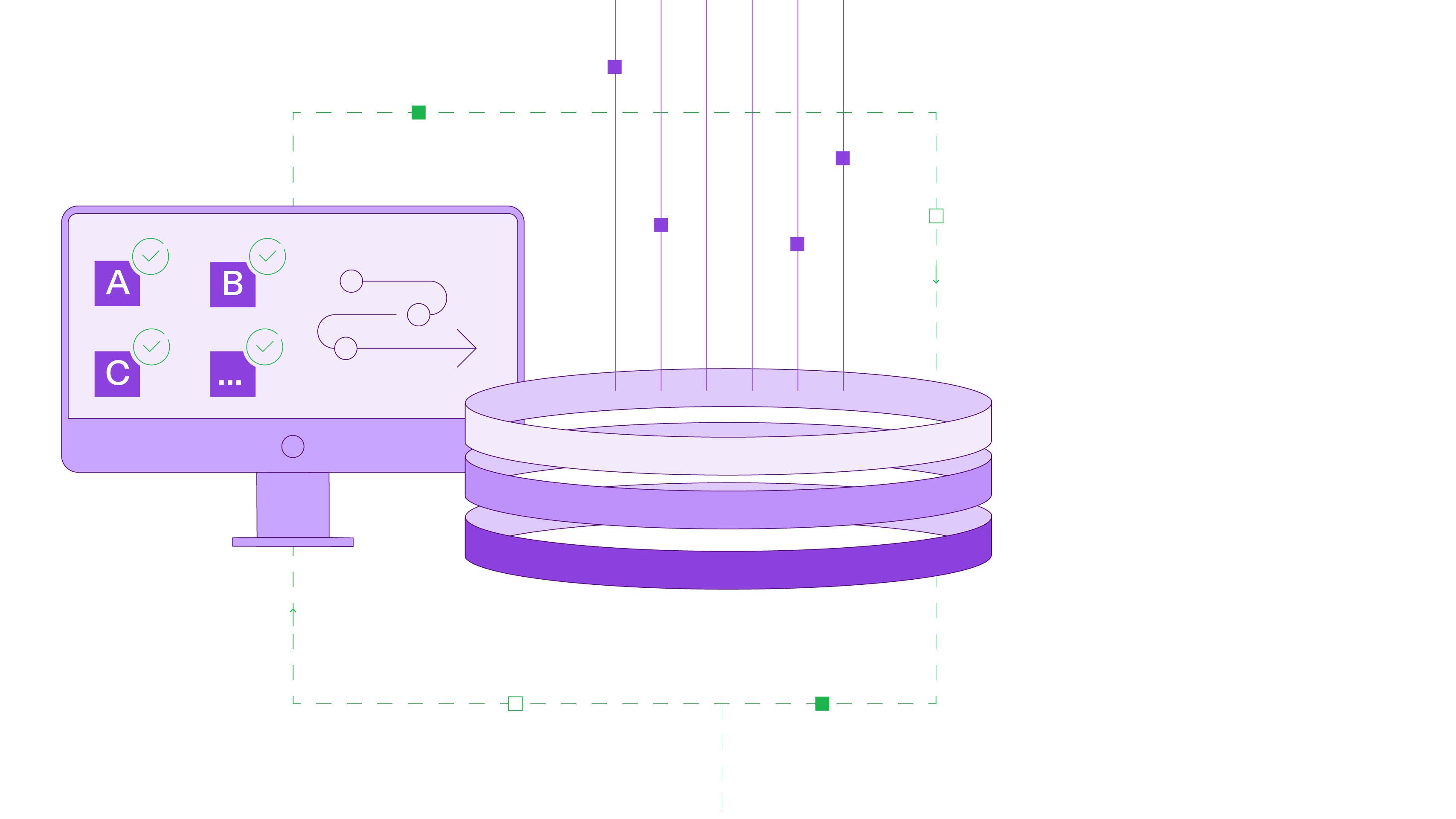
Trusted data aggregation
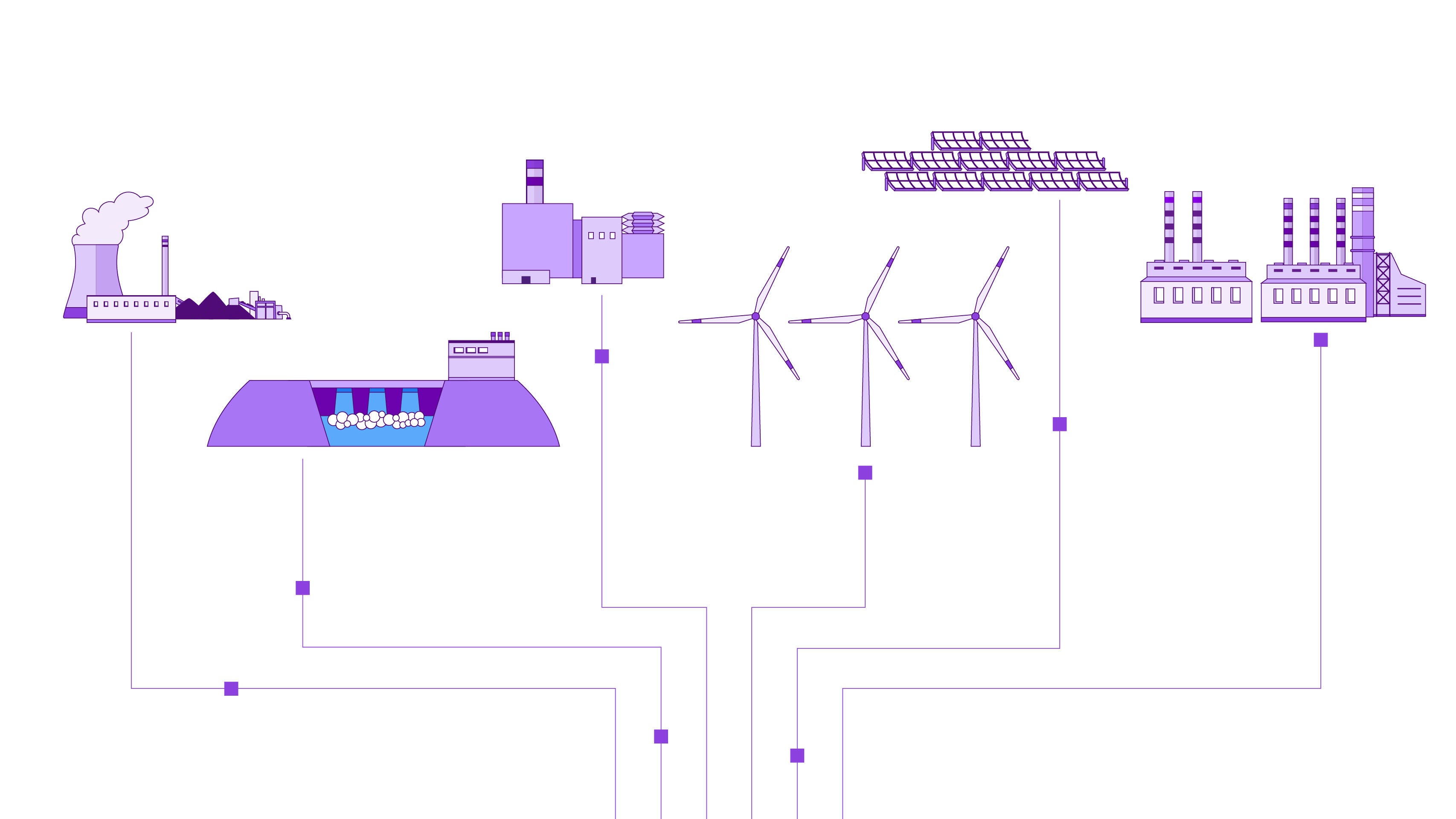
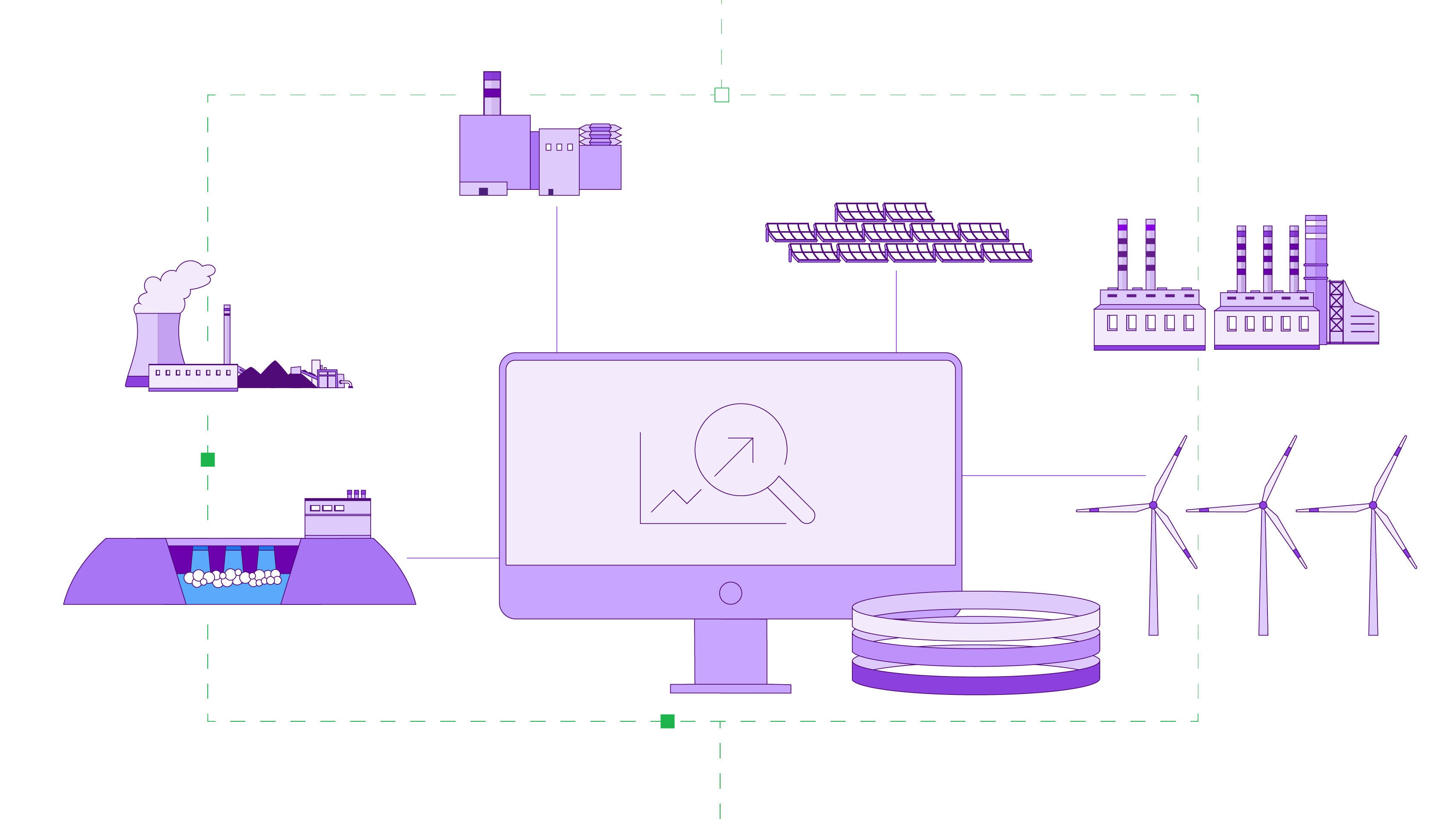
Reliable, real-time data is the foundation for every operational decision. The Omnivise ecosystem harmonizes data from connected assets, control systems, and third-party solutions into a consistent operational data foundation. Operators gain a clear, comparable view across plants and fleets, enabling faster insights and better-informed decisions at every level. As a vendor-agnostic approach, the ecosystem integrates signals from heterogeneous assets and systems into one common operational picture.
One integrated platform
The Omnivise platform provides the secure-by-design, shared foundation that connects assets, control systems, applications, and workflows across technologies and multiple OEMs. Security is not an add-on but built into every connection from the start. Common services such as data management, user access, alarms, logging, and workflows create one consistent operational framework across plants and fleets. Multi-layered IT/OT protection evolves alongside operational requirements and emerging threats, helping operators maintain secure and reliable operations as their infrastructure grows and becomes more complex.
Applications backed by OEM expertise
Applications turn data into action. This is where Omterra's decades of OEM expertise in power generation and digital capabilities come together to create value. From performance optimization and diagnostics to advanced operational decision support, applications address concrete operational needs across assets, plants, and fleets. Applications are essential for optimizing operations, unlocking additional value, and enabling future-proof business models.
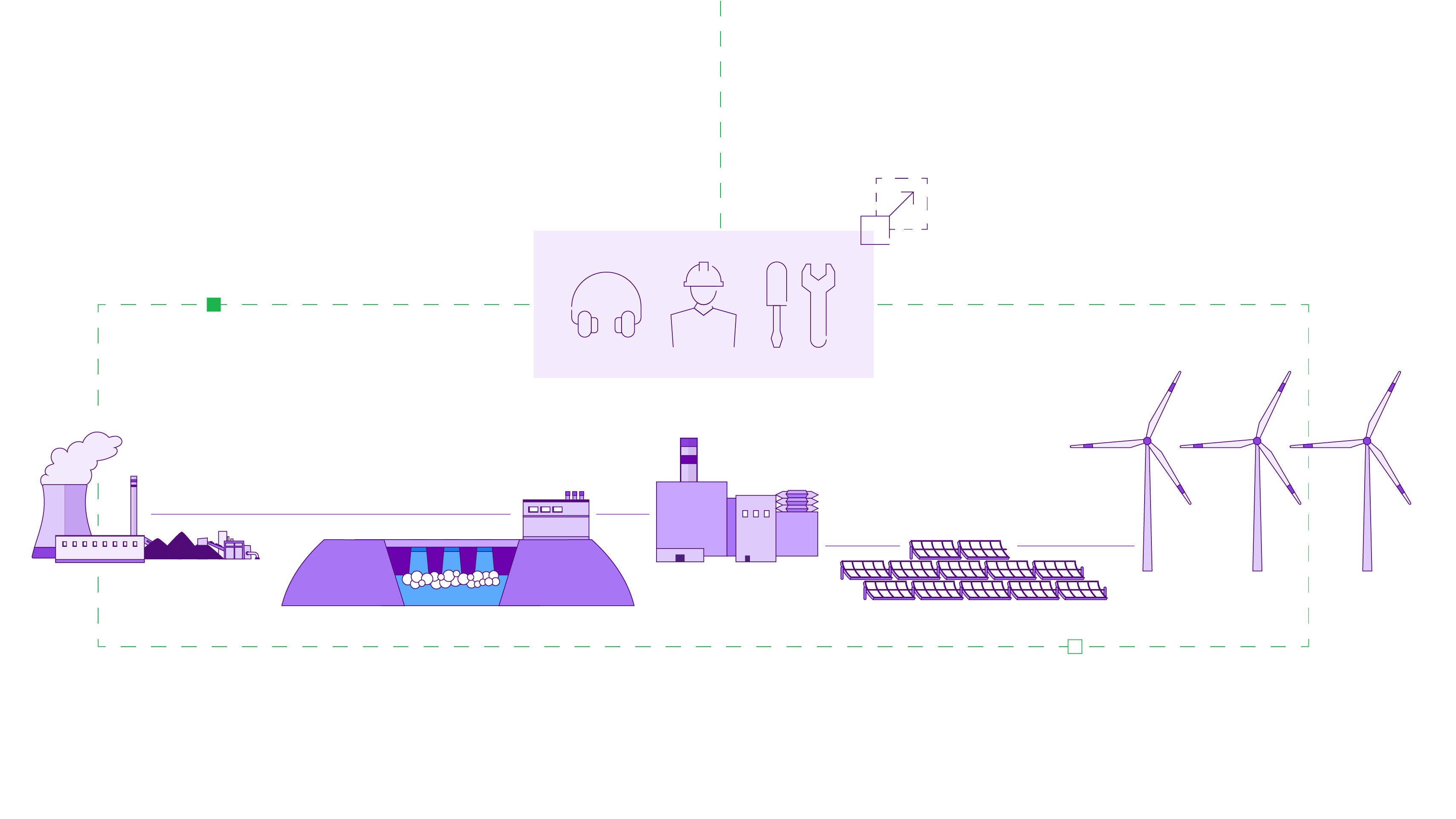
Scalable service levels
Operators decide how much support they need. Some run the assets and applications themselves; others rely on fully managed services from Omterra. Service levels can scale with operational complexity, available resources, and business requirements, providing the flexibility to adapt to changing conditions.
Addressing industry challenges
The energy landscape is changing fast. Systems grow more complex, demands rise, and sustainability targets tighten. Through the Omnivise ecosystem, these challenges become opportunities.
Reasons for our Omnivise ecosystem
- From data silos to connected intelligence
- Enabling new business and revenue models
- Shifting value creation from single-asset optimization to system-level orchestration
Omnivise ecosystem: real value in practice
The Omnivise ecosystem creates value through its building blocks – connectivity, platform, applications, and services. That value becomes most tangible in the applications, backed by Omterra OEM expertise. They use connected operational and market data to support specific outcomes, such as improved transparency, more coordinated operations, optimized dispatch, or access to additional market opportunities.
Every power generation portfolio has a different technology mix, operating model, and market context. The Omnivise ecosystem therefore supports a modular approach. Customers can start by connecting selected assets and applications to create a shared operational view. Further applications, workflows, and services can then be added in line with operational priorities and market requirements.
Maximizing returns from a hybrid fleet
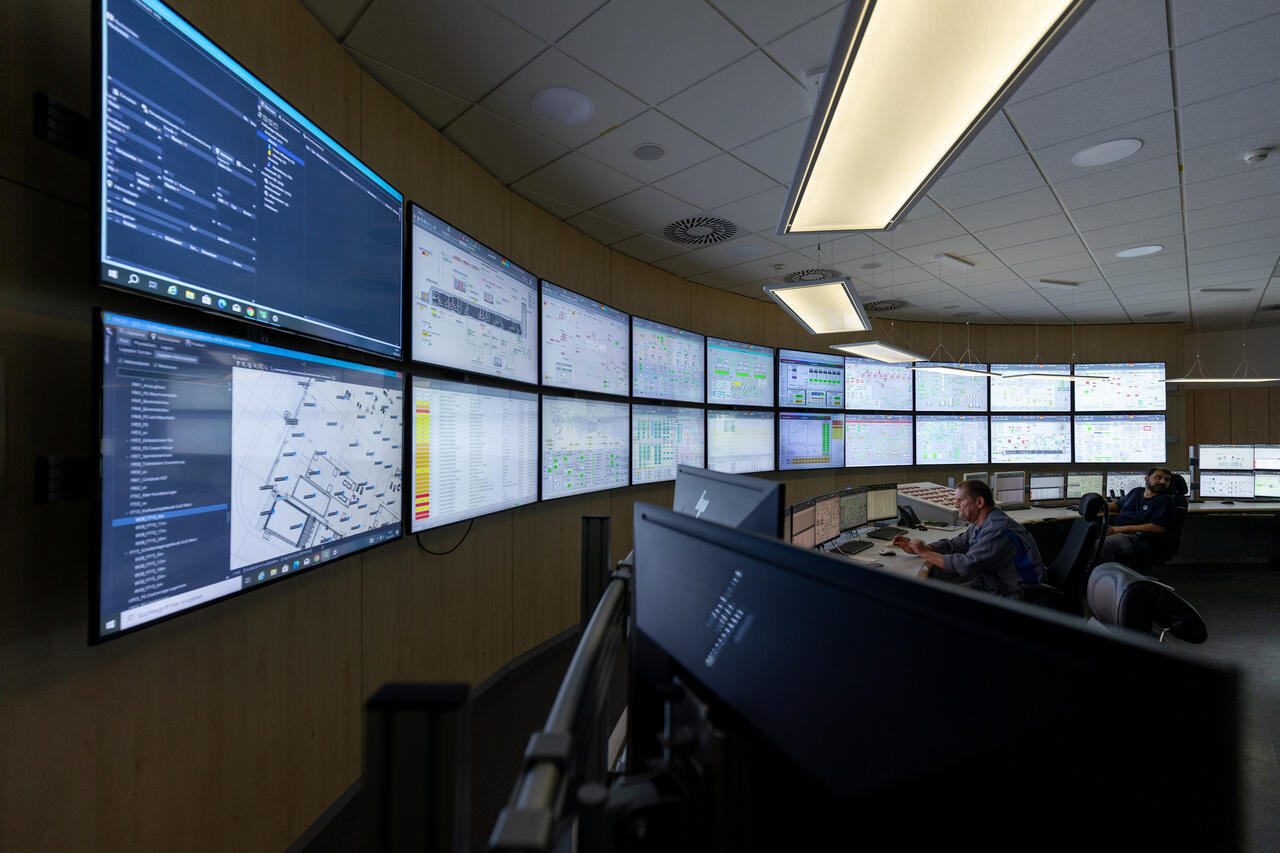
VW Kraftwerk GmbH operates a hybrid portfolio of combined cycle power plants, photovoltaic plants, and battery storage systems. The company is facing growing exposure to volatile prices and increasingly strict cybersecurity requirements. The priority was to avoid financial losses during negative price periods and better monetize the entire renewable and hybrid fleet.
The solution is designed to use T3000 Edge for secure and streamlined asset onboarding, enabling distributed photovoltaic plants and battery storage systems to be connected to the customer’s central energy management solution.
This creates the foundation for secure real-time data streaming and a unified operational view for monitoring and alarm handling, while complying with high cybersecurity standards.
From feed-in tariffs to market dispatch
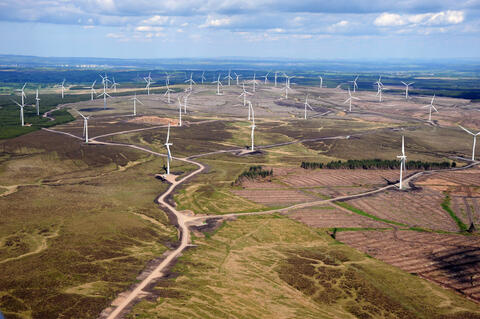
The Portuguese energy company EML S.A. operates a combined-cycle power plant alongside onshore wind farms and used the Omnivise ecosystem to build a centralized fleet management and dispatch solution for its renewable sites. The company’s objective: gain fleet operations transparency, reduce operational costs and transition from feed-in tariffs toward direct energy market participation.
Seven onshore wind farms, totaling about 250 MW, were connected through Omnivise T3000 Edge to a cloud-based operations and analytics environment, giving EML a single interface for fleet monitoring, alarm handling, and supervisory control across all seven sites – the transparency needed to coordinate market dispatch in line with TSO procedures. The setup supports forecasting, dispatch and bid optimization, to maximize the participation in the electricity market in future. Built on open integration, this setup provides a scalable path that can be extended towards additional energy management functions and the Integration of hybrid technologies such as solar or storage.
These projects point in one direction. By turning connected data into coordinated operations, the Omnivise ecosystem helps operators cut costs, lift revenues, and build a resilient, future-ready foundation for a low-carbon energy world.

How Omterra works: our approach
The Omnivise ecosystem follows a structured and scalable approach to digitalization. It enables customers to start with a defined scope and expand based on their operational needs, available resources, and market requirements – from single assets to plants, fleets, and entire energy systems.
Reasons for our approach
- Scalable implementation aligned with organizational setup
- Adaptability to changing market and regulatory conditions
- A consistent and secure operational framework




Further readings


Get answers: FAQs on Omnivise ecosystem
The Omnivise ecosystem connects Omterra´s digital solutions and services into a consistent operational framework. It links assets, data, applications, and workflows to help operators run their energy and industrial assets more efficiently and reliably.
It provides a modular, integrated framework, enabling operators to adapt to changing market conditions, improve decision-making, and scale operations over time.
Yes. A core principle of the Omnivise ecosystem is to integrate existing systems and harmonize data in one common platform, eliminating silos and enabling a unified operational view. The approach supports open, standard integration of relevant Omterra and third-party assets and applications. The precise scope depends on the interfaces, solution architecture, security requirements, and agreed customer setup.
No. The Omnivise ecosystem is designed to connect assets, control systems, digital applications, and workflows within a consistent operational framework. Omnivise T3000 is the trusted control core of the operational environment — it continues to provide reliable control capabilities, while the Omnivise ecosystem extends visibility, connectivity, and digital capabilities across assets, plants, and fleets.
Yes. Most customers begin with selected assets, digital applications, or operational requirements and expand step by step — from single assets to plants, fleets, and entire energy systems, depending on business needs and market developments.