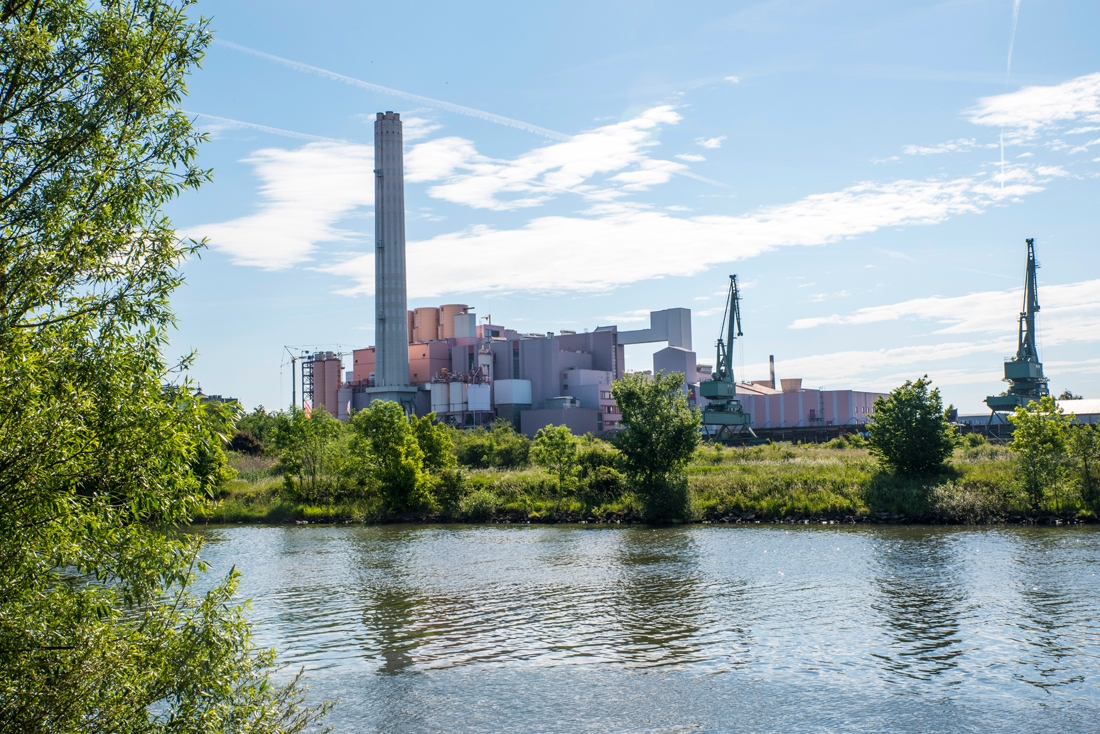
GKS Schweinfurt, Germany: Optimized plant operation through 1:1 simulation
For several decades, the Kraftwerks-Simulator-Gesellschaft (KSG) in Essen has been offering customized training concepts. EKu.SIM, KSG’s business unit for simulator engineering, develops and builds accurate simulators for different types of generating units. EKu.SIM works closely with the GKS-Gemeinschaftskraftwerk Schweinfurt GmbH and plays a central role in their simulation and training concepts.
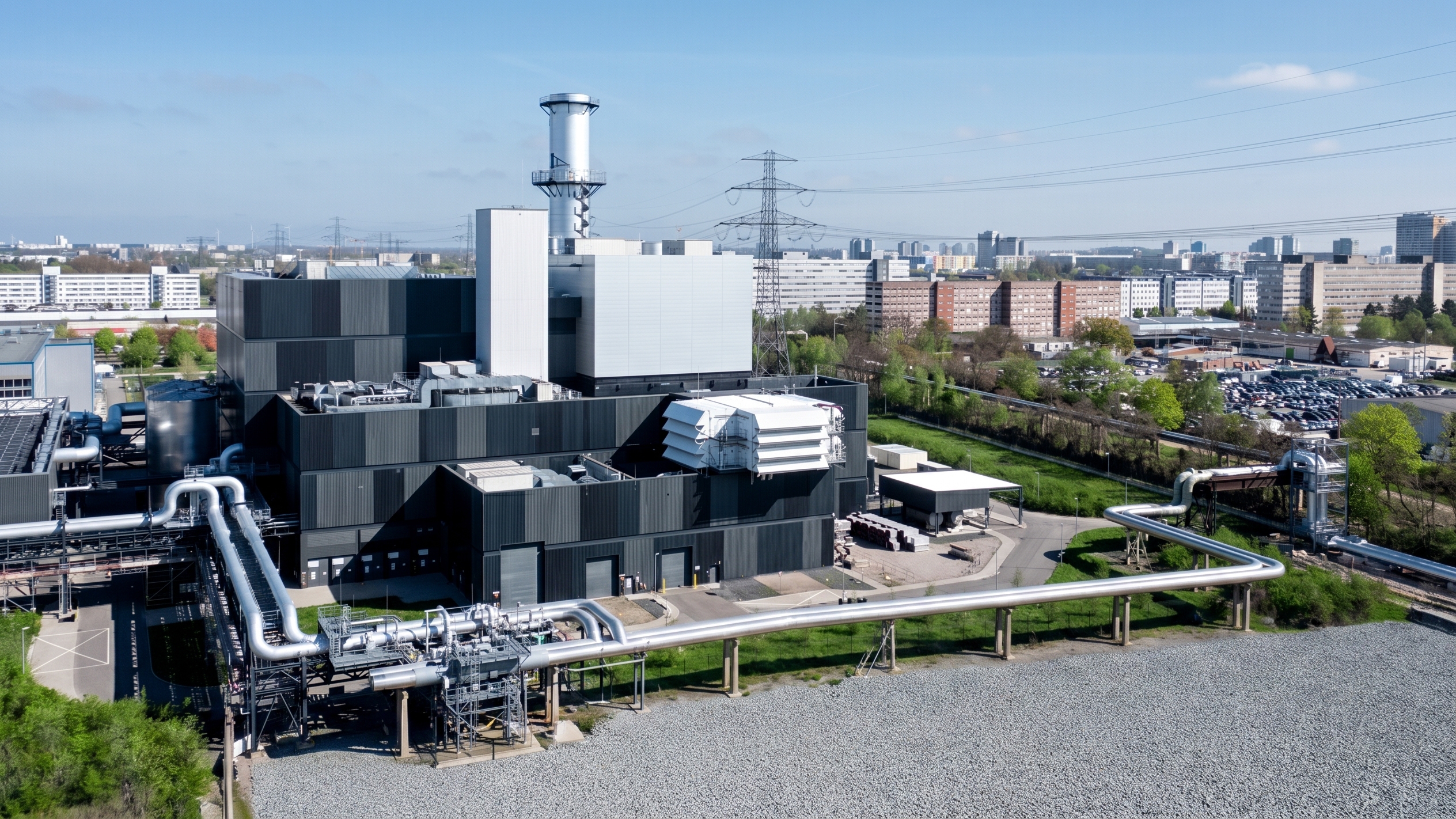
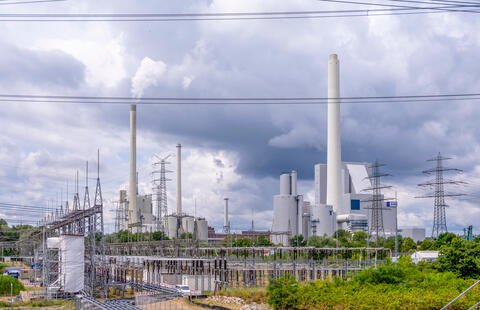
The GKS plants – a coal-fired cogeneration plant with combined heat and power, and a waste-to-energy plant – are operated with the Omnivise T3000 control system.
The Omnivise T3000 Simulator and the high-fidelity process models from EKu.SIM provide us realistic simulation, which is indispensable for the training of our employees.
The Challenge: Perfectly realistic training environment
To ensure safe and efficient operation, it is the primary target of GKS to equip their employees with the necessary knowledge and skills. The company required an accurate way to simulate plant processes, both to test new engineering functions and for training purposes. The way to get there is a simulation with an extremely high level of detail. The simulated system operation must accurately replicate the plant - from the user interface to its processes and behavior.
The Solution: Accurate replica with T3000 Simulator and KSG's high-fidelity process models
Thanks to close cooperation between EKu.SIM, Omterra, and GKS-Gemeinschaftskraftwerk Schweinfurt GmbH, a completely realistic simulation of the GKS plants was achieved.
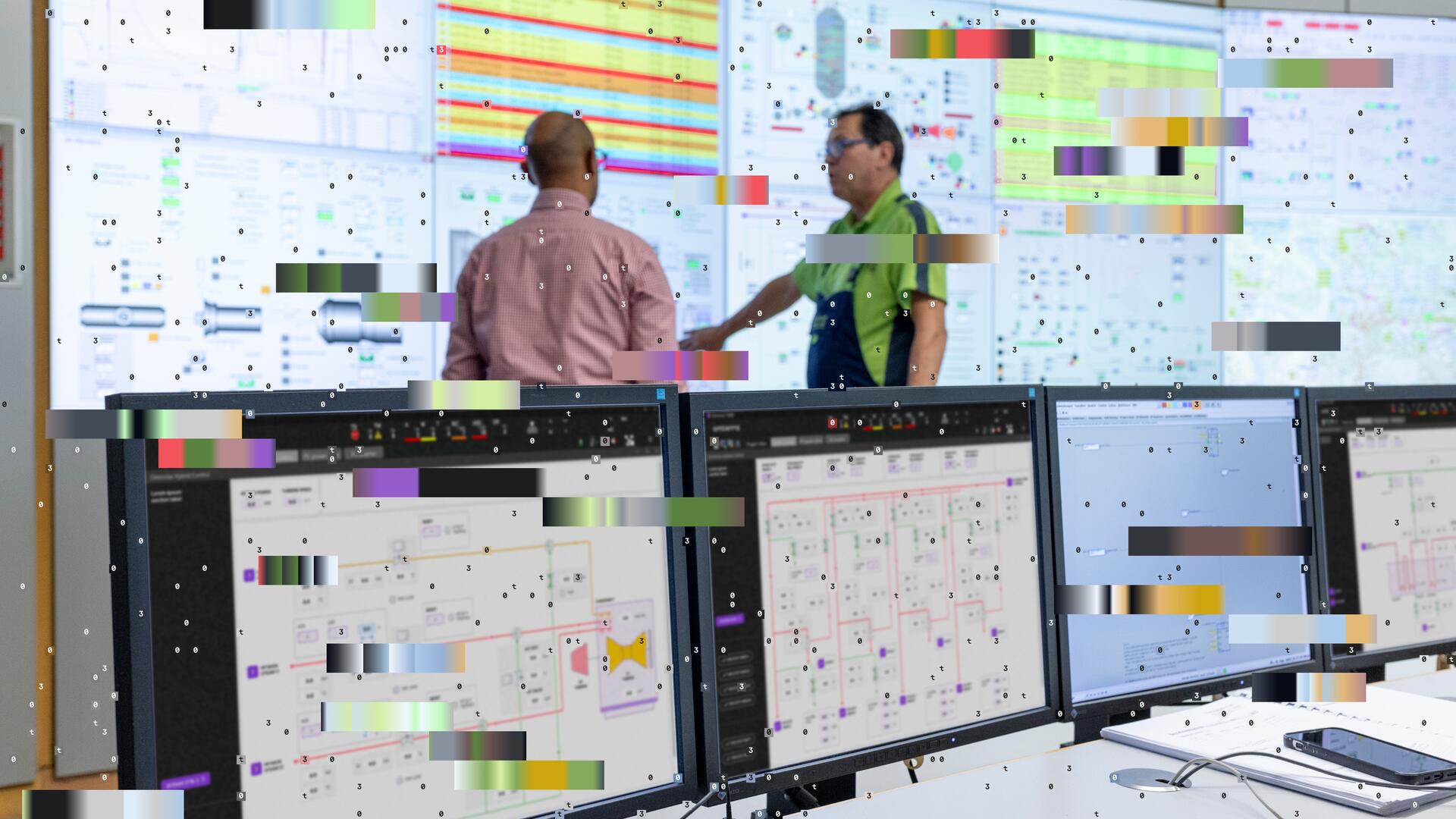
Coupled with KSG's high-fidelity process models, the simulation precisely mirrors the plant's processes and complex areas like firing and flue gas cleaning. Various plant conditions, from start-up to full-load operation, as well as disturbed plant operation, are also simulated one-to-one.
Using the Omnivise T3000 Simulator in conjunction with external process models results in a perfect training environment, in which GKS staff can test different scenarios, optimize processes, and control the plants safely.

The T3000 Simulator trains the handling of the control system, and we complement this with process engineering. The result is a perfect training environment, in which the simulation behaves exactly like the plant.
The Benefits: Reliable operations due to correct reactions
- Improved knowledge of user interface and plant behavior
- Increased efficiency and safety of plant operation
- Practical tests and plant optimization
- Avoidance of outages or damage to the plant
By improving their understanding of the user interface and plant behavior, operators can increase efficiency and safety, optimize the plant through practical testing, and avoid unplanned downtime or damage.