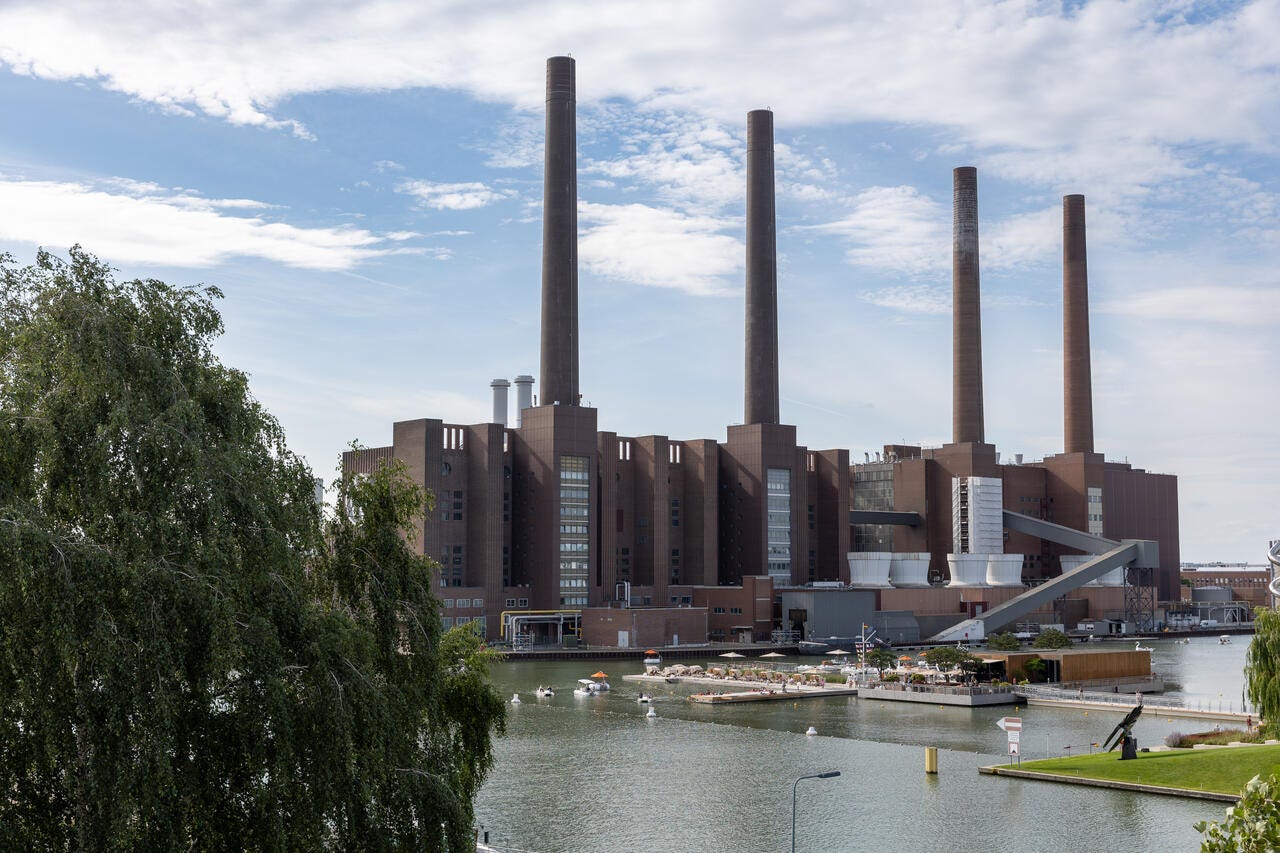
Volkswagen Power Plant, Germany: 72 hours of plant autonomy
Siemens Energy and Siemens Gamesa are now Omterra. We previously offered the products “SGT” under license until 2026. We are now proud to introduce this product under the new name “OGT.”
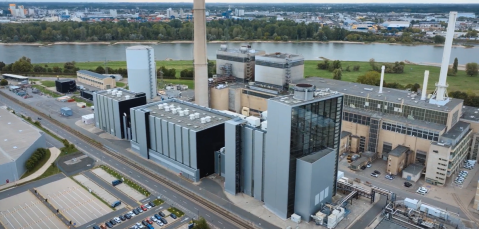
The heritage-listed, coal-fired combined heat and power plant (CHP) was replaced by a new, highly efficient gas and steam turbine facility to drastically reduce CO₂ emissions. This modernization of Volkswagen’s Wolfsburg Nord/Süd power plant was a large-scale, highly complex project, as it simultaneously pursued three ambitious goals: a high degree of automation, high plant safety, and high availability.
The customer challenge: To achieve 72 hours of unattended operation
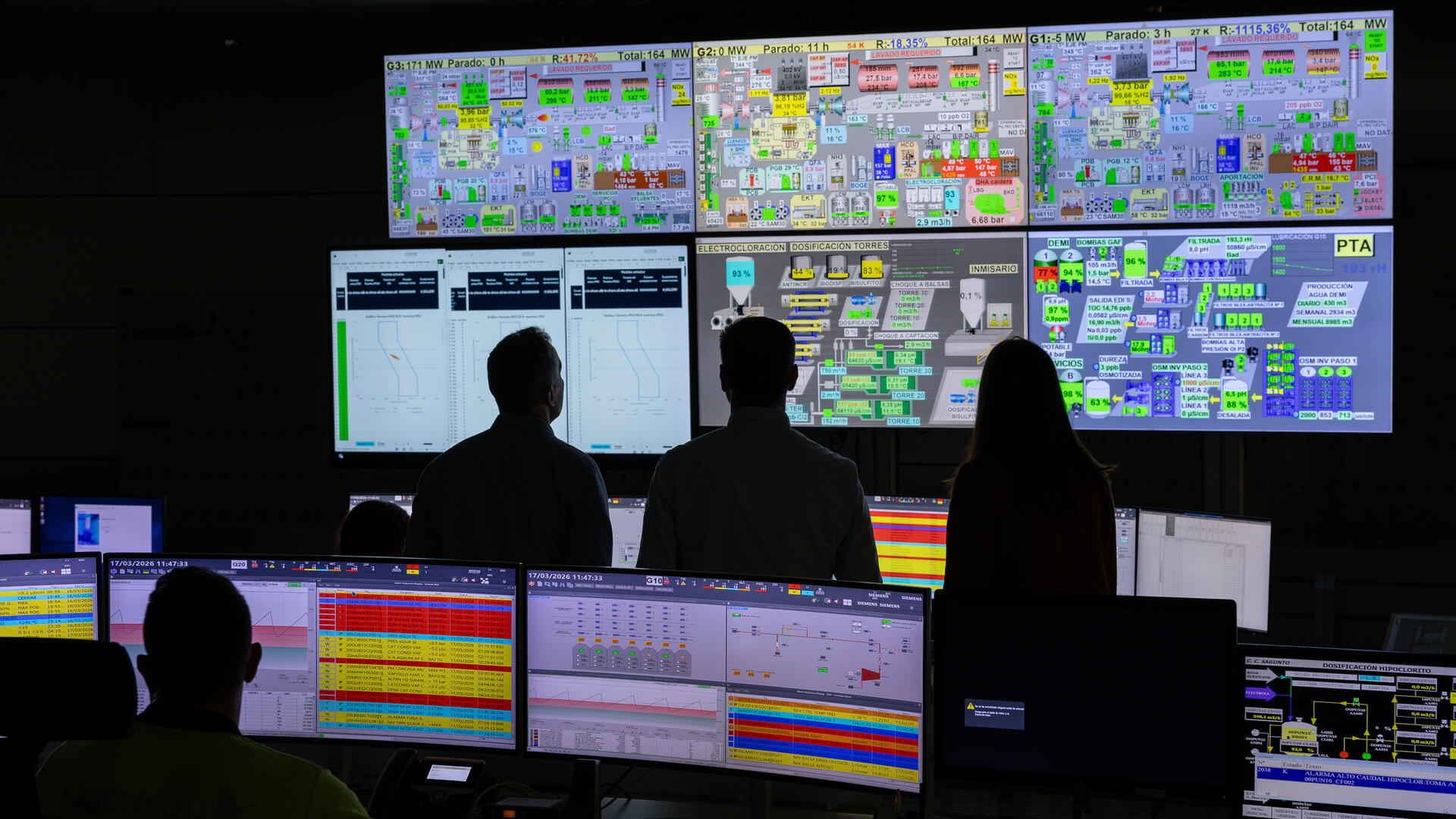
Beyond the technological upgrade, Volkswagen (VW) aimed to achieve a bold goal: a “72-hour operation without constant supervision” (as defined in “BosB72”). This groundbreaking requirement went far beyond typical automation. It demanded that the plant not only run stably but also autonomously control all processes for a complete three-day period. This included responding to remotely issued load commands and ensuring safe, controlled emergency shutdowns.
Moreover, the integration of the new combined cycle power plant (CCPP) system into an existing heritage-listed building posed additional challenges, further constraining available space and increasing the logistical complexity of the project.
The solution: Advanced CCPP technology enabling autonomous operation
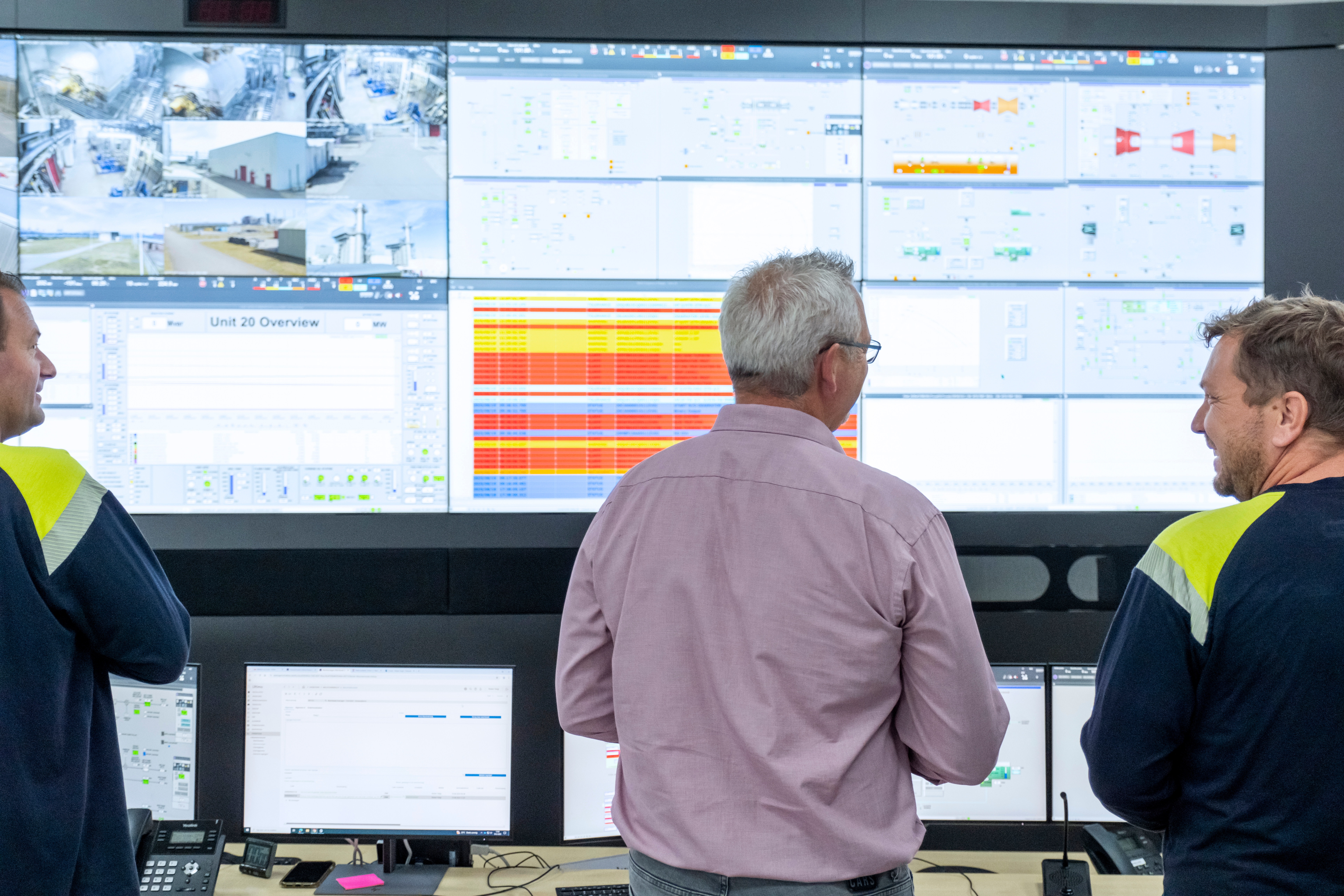
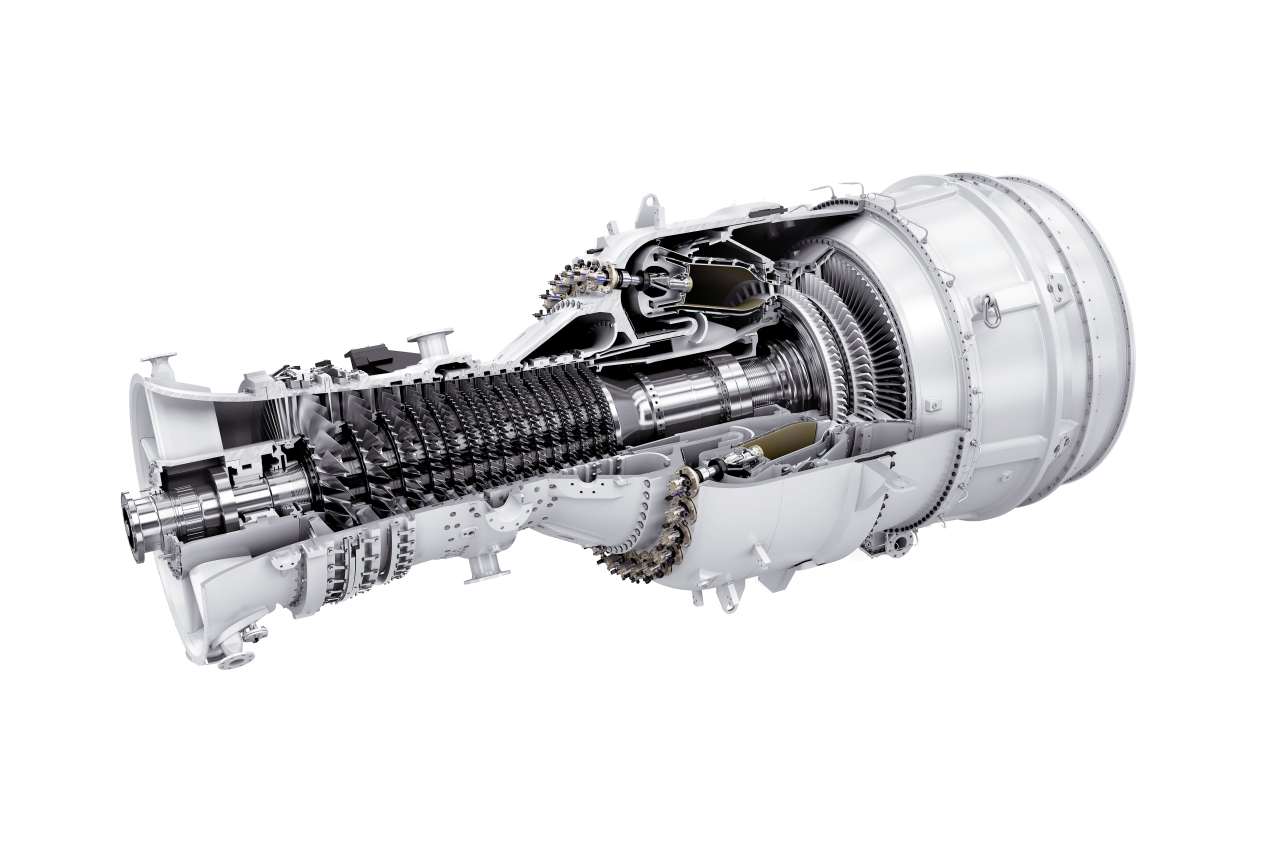
Omterra delivered a comprehensive and innovative solution based on two Omterra OGT-800 (formerly called SGT-800) gas turbines and the state-of-the-art control system Omnivise T3000. This digital control system was the key to enabling BosB72 functionality.
Implementing BosB72 was a collaborative effort centered around extensive hazard analyses conducted by a panel of experts from VW, Omterra, and the official inspection authority. This rigorous process ensured that the plant design met all safety regulations. The BosB72 mode was not just an add-on feature but an integral part of the plant’s design.
The system was configured to take over all tasks typically performed by an on-site operator. It continuously monitored all key parameters, and safety-critical circuits were designed to the highest standards. In a BosB72 test scenario, the plant was started and received remote load commands for 72 hours. The system autonomously adjusted its output to meet these demands and safely shut down at the end of the test. The test results confirmed that the system does not shut down immediately when a criterion is triggered, but initiates a controlled, safe shutdown to prevent damage and minimize risks. Importantly, a rapid shutdown is still triggered when a trip criterion is triggered, thus ensuring plant protection.
The customer benefits: Reliable automation and stronger collaboration for the future
- Exceptional Operational Flexibility: BosB72 mode enabled unprecedented flexibility by allowing the plant to run completely autonomously. This freed up staff to focus on other critical tasks, such as handling major faults elsewhere or maintaining operations during unexpected personnel shortages.
- Benchmark for Safety and Automation: The successful certification of BosB72 operation confirmed the plant’s leadership in automation, availability, and inherent safety. The system’s ability to operate for 72 hours under real conditions and self-correct demonstrates a new level of operational reliability.
- Faster Market Responsiveness: With a high degree of automation, the plant could respond quickly and precisely to remote commands for electricity and heat output. This capability is crucial for remaining competitive in a volatile energy market where rapid adaptation to changing demand is essential.
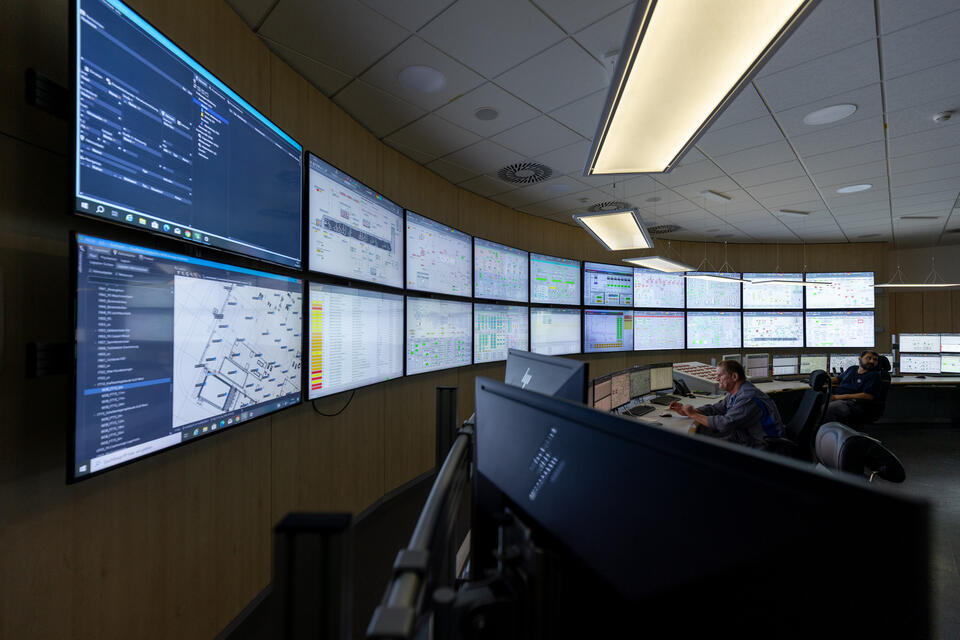
The successful implementation of BosB72 functionality provided VW Kraftwerk GmbH with significant and sustainable long-term advantages, marking a new milestone in advanced automation of power plant operation.