Stadtwerke Düsseldorf, Germany: Secure and flexible power
Stadtwerke Düsseldorf have been relying on Omnivise T3000 at the Lausward power plant to operate the city’s electricity and district heating hub securely and flexibly in a multi‑unit configuration—meeting the high cybersecurity requirements of critical infrastructure while adapting to the dynamic conditions of Germany’s energy market.
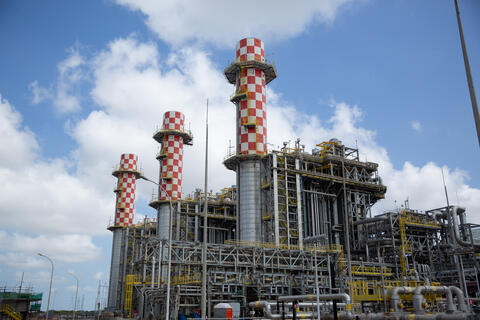
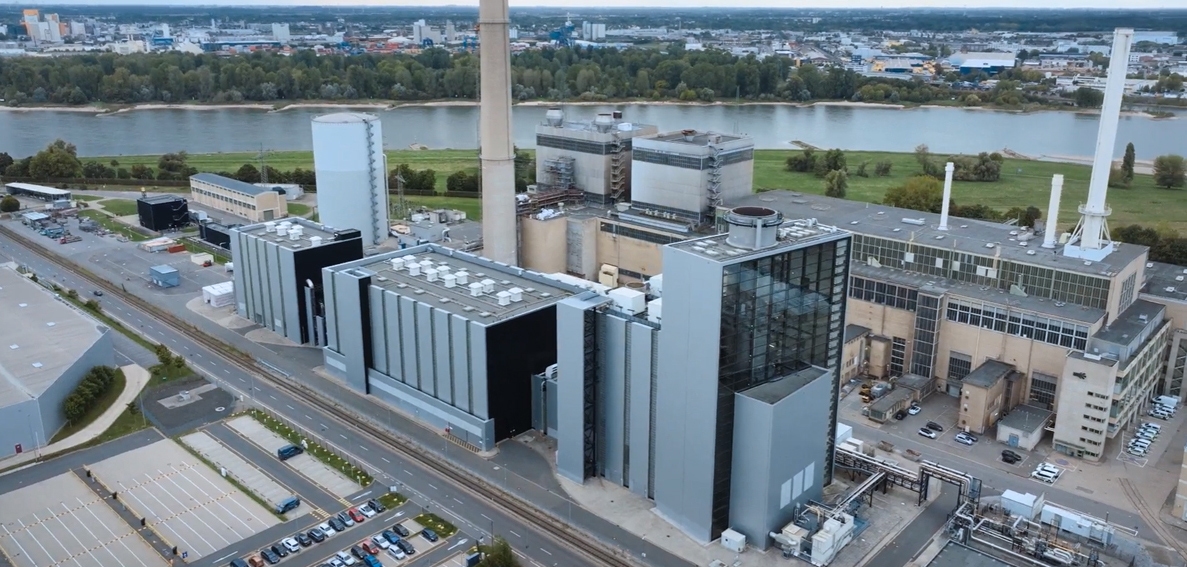
Since the 1950s, Lausward has been a cornerstone of Düsseldorf’s energy and heat supply. Through continuous modernization, the former coal site has evolved into a highly flexible and efficient combined‑cycle plant. The Lausward "Fortuna" block, delivered by Omterra in 2016, has set three world records. During acceptance testing, it achieved a maximum electrical net output of 603.8 megawatts (MW) and reached a net energy conversion efficiency of approximately 61.5 percent. Furthermore, "Fortuna" is capable of supplying up to 300 MW to Düsseldorf's district heating system, representing an additional international benchmark for power plants utilizing a single gas and steam turbine.
The energy system has undergone profound change for decades—defined by rising renewable infeed, increasingly volatile load profiles, more frequent redispatch requests, and stricter regulatory requirements. With Omnivise T3000, Lausward operates on a continuously enhanced power plant control system, that keeps the site aligned with the market while meeting both technical and regulatory expectations.
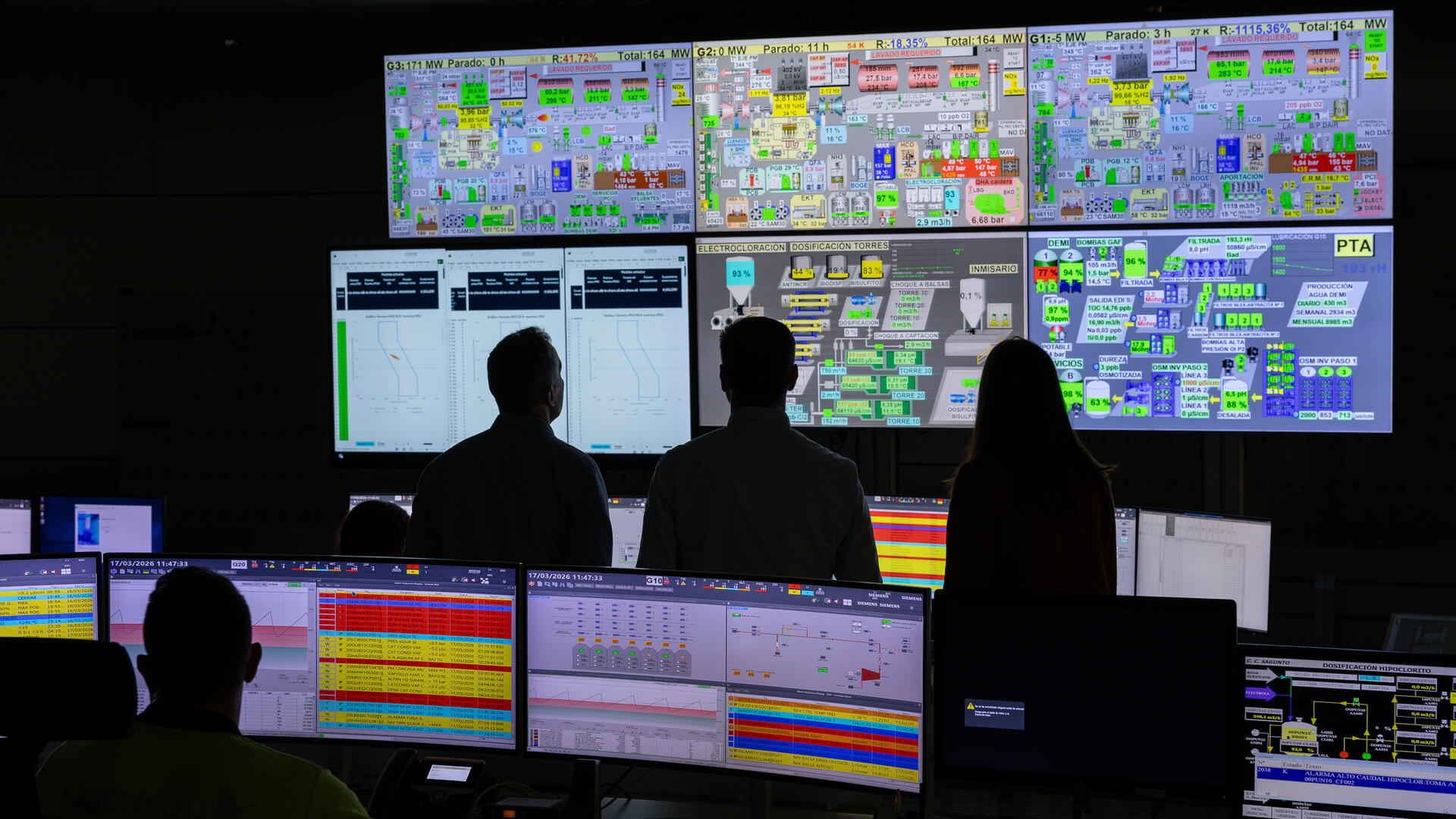
For me, the control system is the brain of the power plant. It is the most important system we have.
To run critical infrastructure efficiently and securely, modern integrated control systems are needed.
The challenge: Keeping flexibility, efficiency, and security in a changing energy market
The transformation of the energy system poses new operational demands on plants like Lausward. Rising renewable infeed leads to more volatile grid conditions and more frequent redispatch calls, requiring rapid and precise adjustments to operating modes.
At the same time, the site must reliably fulfill its dual role in electricity and district heating, maintaining stable load changes, high availability, and tight coordination between both production paths.
As a critical infrastructure site, Lausward must also meet stricter cybersecurity requirements (e.g., KRITIS‑related), ensuring the protection of sensitive assets, resilience to digital threats, and full auditability.
The central challenge is to satisfy diverse technical, regulatory, and market‑driven requirements while ensuring an efficient, flexible, and consistently secure multi-unit operation.
The solution: Omnivise T3000 as a continuous compagnion through transition
Omnivise T3000 is the modern control backbone at Lausward, enabling operations that combine flexibility, efficiency, and the highest safety standards. The platform precisely runs combined‑cycle processes—from fast starts to frequent load changes and heat‑coupled operation—providing a robust basis for reliable performance in a dynamic market.
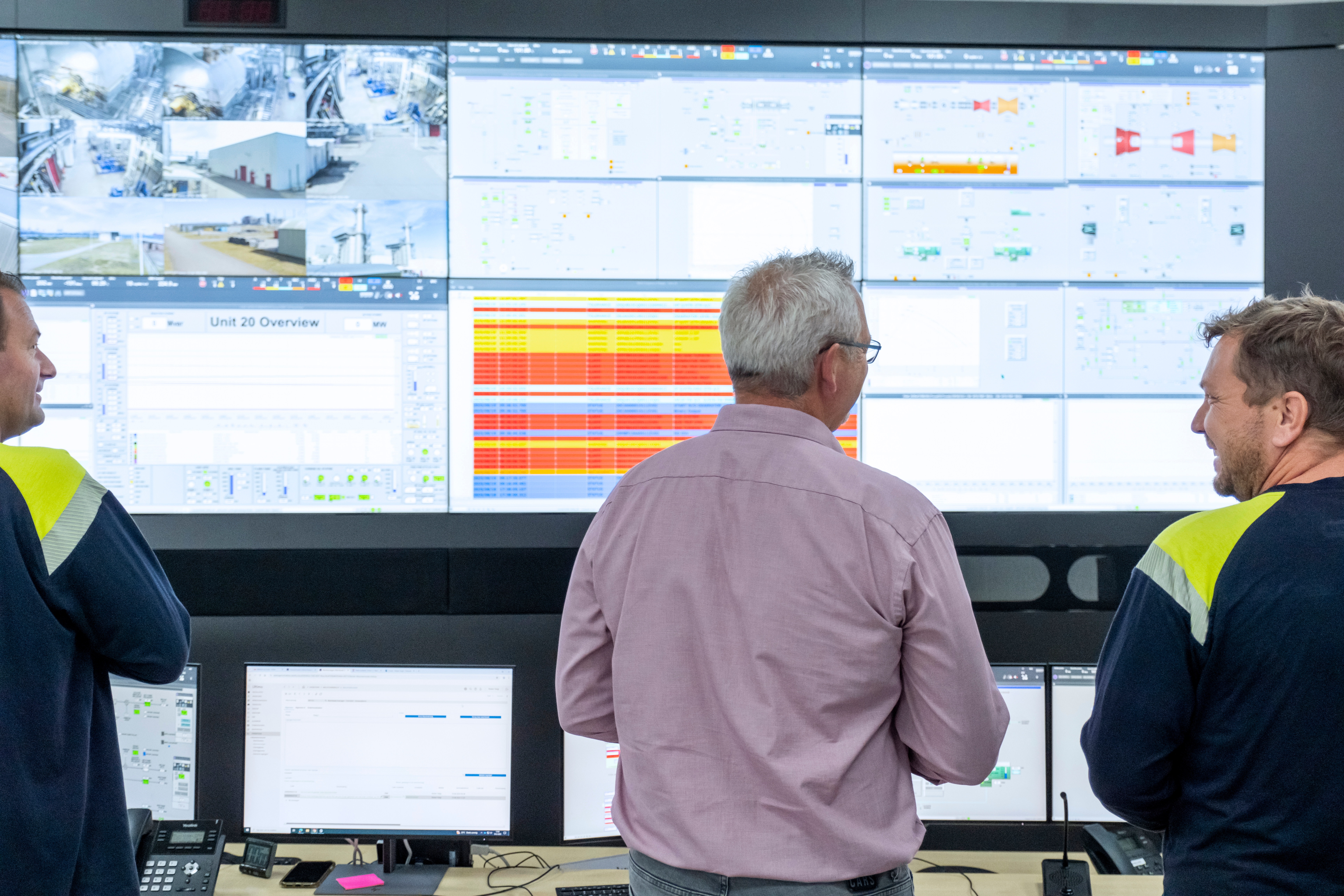
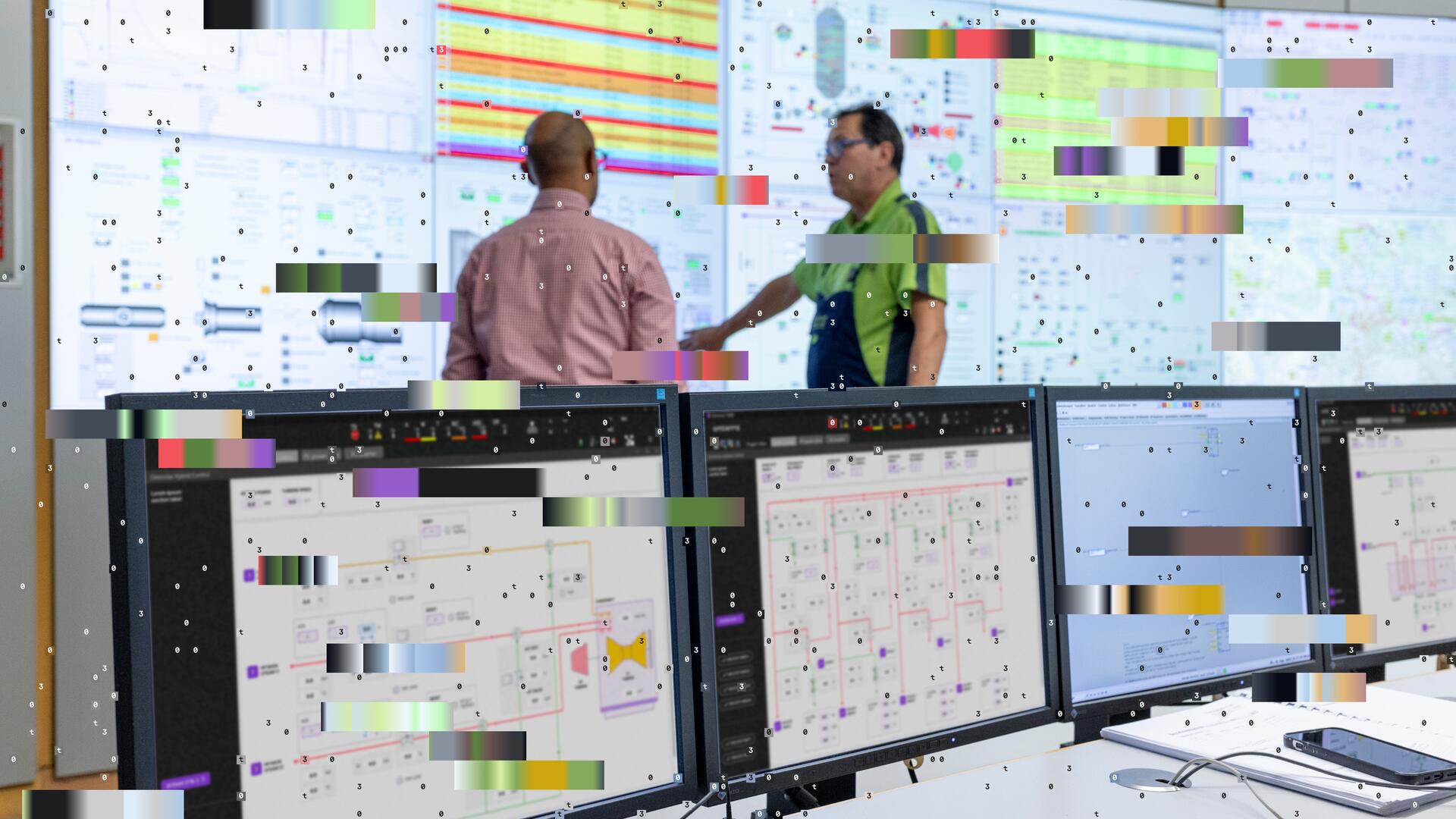
The integrated multi‑unit control simplifies centralized operation of multiple units and supports resource‑efficient staffing. As a critical infrastructure asset, Lausward benefits from a combined safety and security approach: a robust cybersecurity architecture with application whitelisting and regular security updates, along with fail-safe functions. This ensures compliance with KRITIS‑related requirements and meets operational security needs reliably.
With Omnivise T3000, we know exactly how to pinpoint and eliminate plant disturbances to increase block availability.

The benefits: secure, flexible and audit-ready for the future
Omnivise T3000 strengthens the Lausward site in an increasingly dynamic and security‑critical energy market—delivering greater operational flexibility, higher availability, and a control system designed to meet current and future demands.
- Flexible, stable operation – supports fast load changes, dynamic operating conditions, and precise coordination of electricity and heat production.
- Enhanced operational security through integrated cybersecurity – including application whitelisting and regular security updates.
- Standards‑aligned compliance – aligned with IEC 62443 (OT security) and ISO/IEC 27001 (ISMS).
- Optimized operations via multi‑unit control – efficient centralized operation of multiple plant units.
- State‑of‑the‑art control with continuous development – ensuring long‑term service and future readiness.
For decades, Omterra and Stadtwerke Düsseldorf have worked side by side to strengthen the Lausward site—advancing flexibility, security, and operational excellence. Today, Lausward stands as a model for reliable urban power and heat generation, powered by continuous modernization and the robust capabilities of Omnivise T3000. The partnership demonstrates how long‑term collaboration, modern control technology, and a shared commitment to cybersecurity enable efficient multi‑unit operation, safeguard critical infrastructure, and ensure a resilient energy supply in an evolving market.