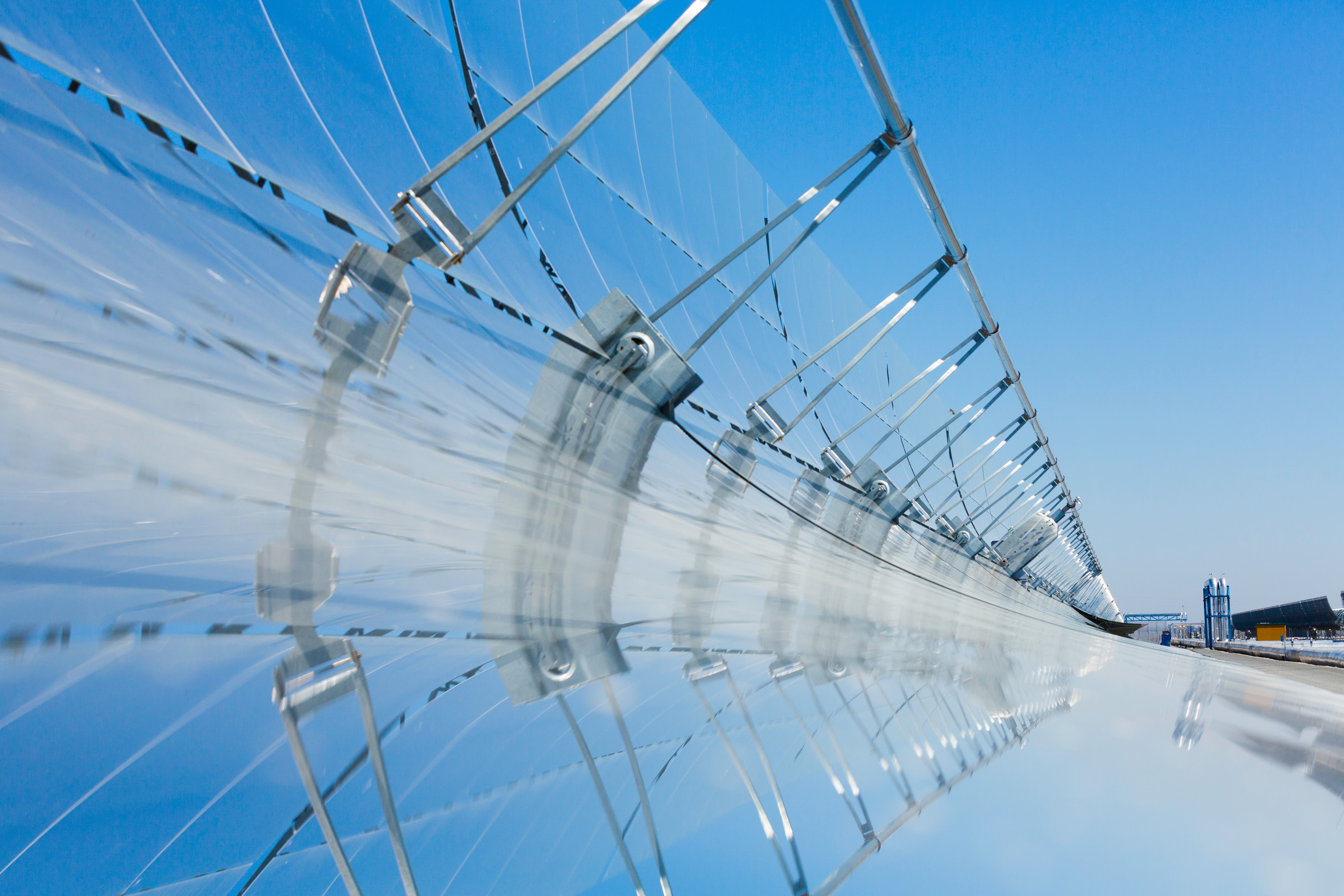
Concentrated solar power plants
Concentrated solar thermal power is worldwide becoming a more and more important source for power generation. The reasons for this are obvious: The sun is an inexhaustible source for power production. And it is not only a free fuel source but also a complete emissions-free source. Steam turbine generator sets convert solar energy into electricity. Instrumentation and controlls help to make optimal use of every single sun beam.
As a market leader in the field, Omterra equipped more than 70 concetrated solar power (CSP) plants all over the world.
The right equipment for every concentrated solar power technology
Since the solar boom of the eighties in USA, solar thermal energy has been a proven technology. The most common type of plant is the parabolic trough collector, but alternative technologies are rapidly coming to the fore, such as Linear Fresnel collector plants with flat mirrors and central tower plants with slightly curved mirrors or heliostats.
The basic principle is the same for all three plant technologies: Mirrors concentrate the incident solar radiation onto a receiver where it is converted into heat that is used to produce steam to drive a steam turbine. Heat storage systems like molten salt tanks provide for power supply even during unfavorable weather conditions or at night. They significantly increase the number of full-load operation hours with optimal steam turbine efficiency.
Turbines for all main CSP technologies
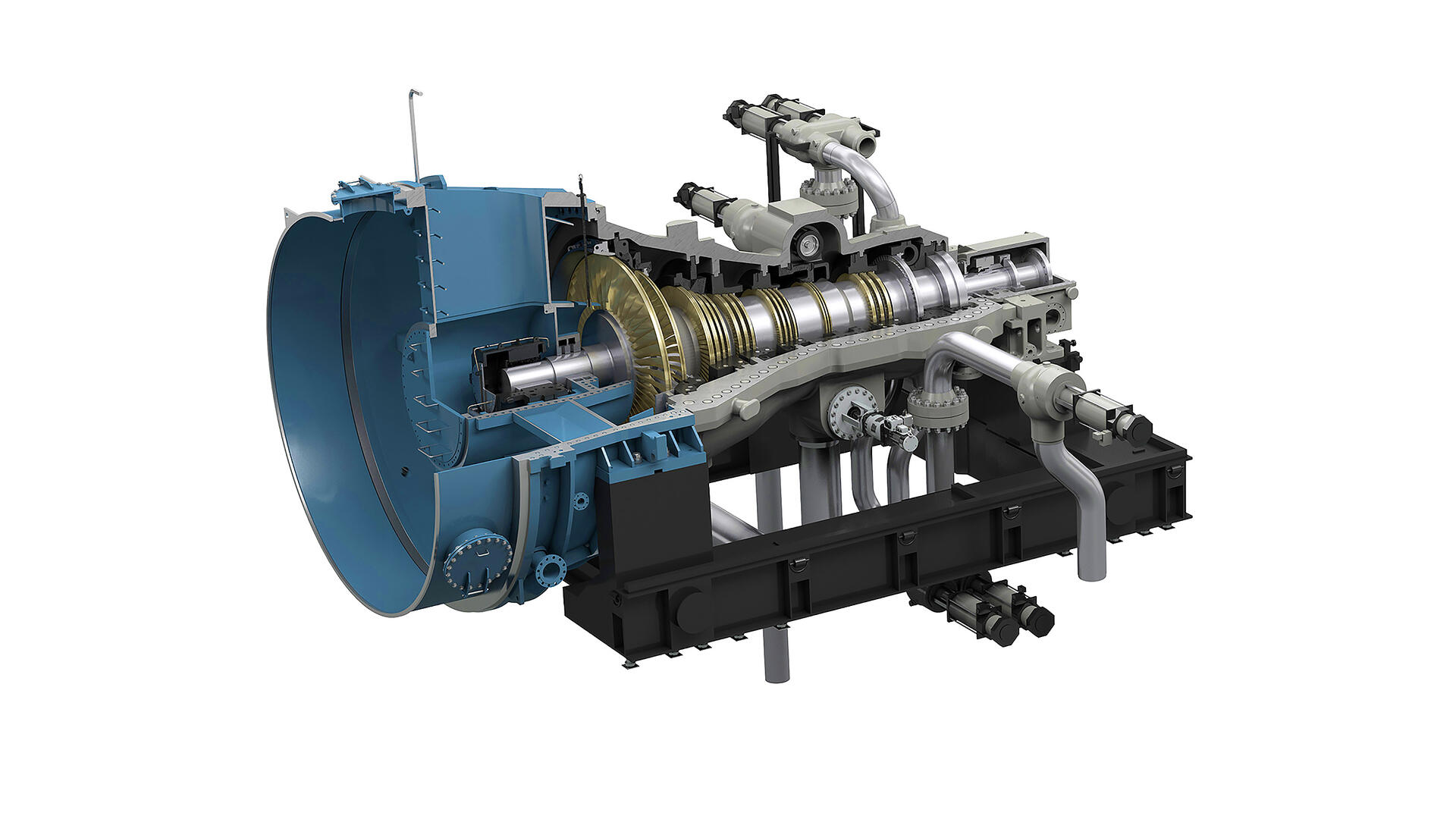
With our broad steam turbine portfolio, we offer a range of turbines for different types of solar plants and all power outputs. The turbine technology fits all three common concentrated solar power concepts. We were the first steam turbine supplier to re-enter the CSP market in the 21st century, pioneering commercial solutions in the US and Spain. Today, we are the world market leader in steam turbines for CSP plants, and have more than 20 years of experience with steam turbines for daily cycling.
Parabolic trough technology
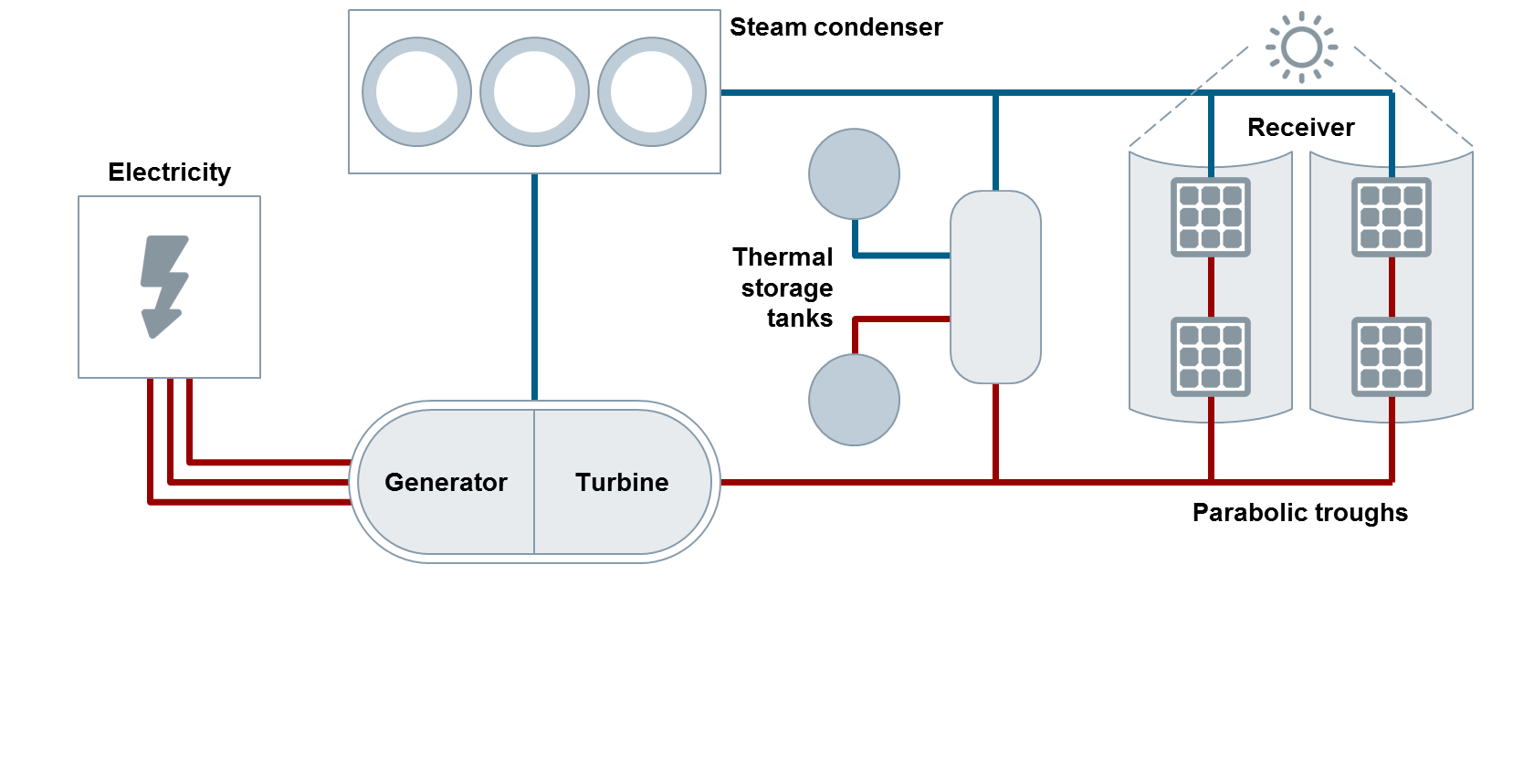
Parabolic systems use trough-shaped mirrors to focus sunlight onto an absorber tube (receiver) placed in the trough’s focal line. The troughs are designed to track the sun along one axis, predominantly north-south. The receivers contain a heat transfer fluid (e.g. synthetic thermal oil, molten salt) which is heated by the focused sunlight. It is circulated in these tubes and pumped through heat exchangers to produce steam.
The parabolic trough technology is currently the best proven and most used technology, even though the live steam parameters are lower than in solar power tower plants.
Solar power tower
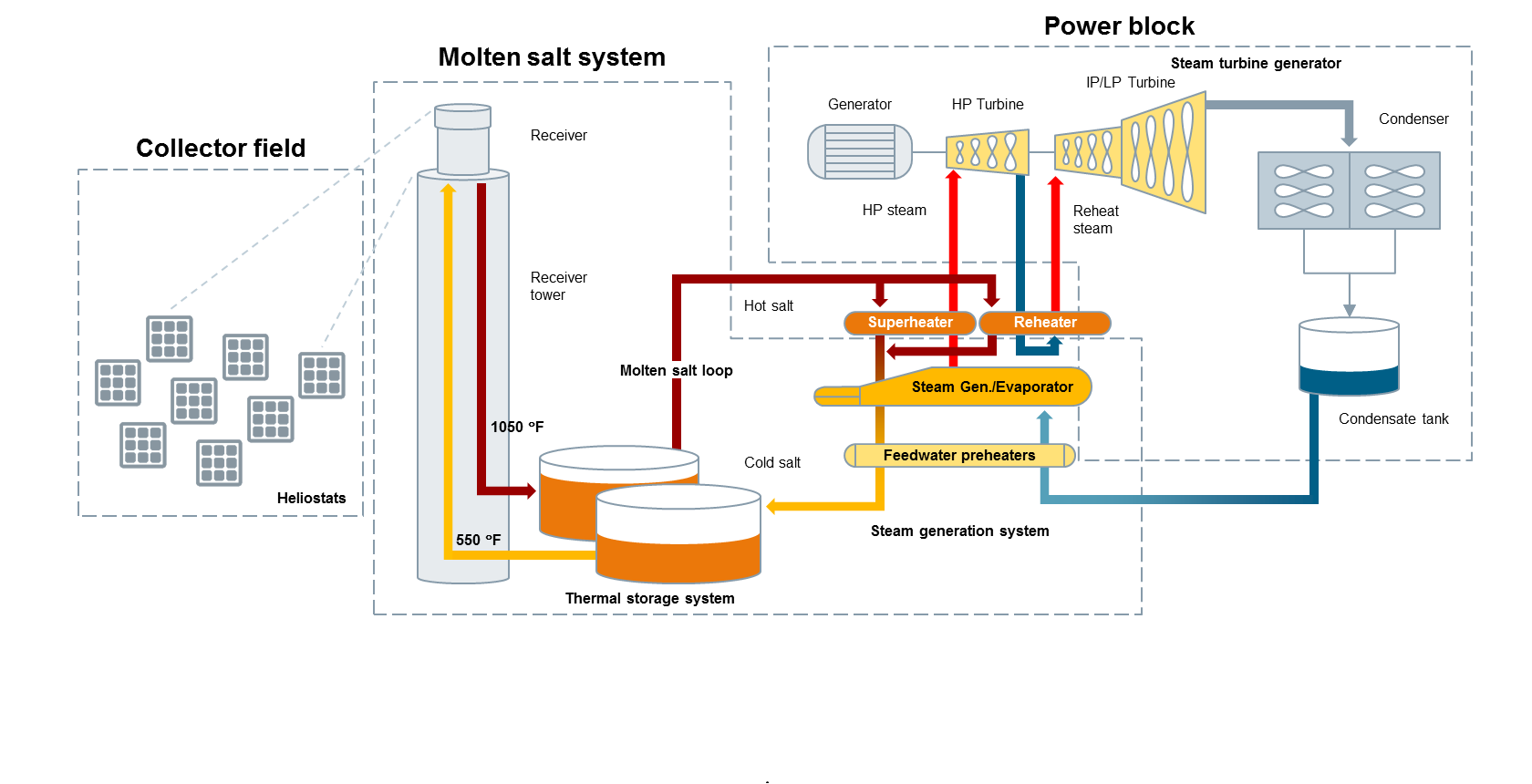
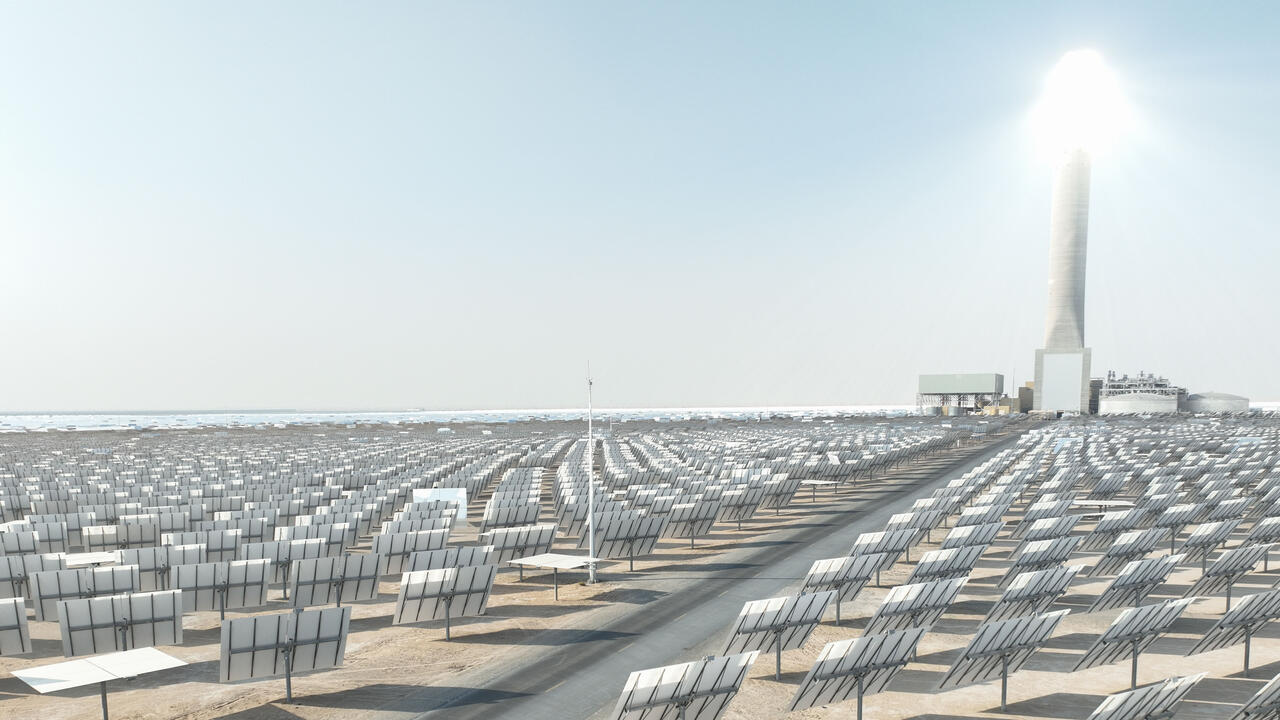
A circular array of flat heliostats (suntracking mirrors) concentrates sunlight on to a central receiver at the top of a tower. A heat transfer medium (water/steam, molten salt or air) in the receiver absorbs the thermal energy and transfers it into the steam cycle to generate superheated steam for the turbine.
The advantage over the parabolic trough or Fresnel collector concept is that the sunlight on the central receiver is focused to a smaller area, and the heat transfer medium does not have to be piped around the large solar field. This means that higher working fluid temperatures in the receiver (up to 1000°C) and better steam parameters are feasible, even supercritical steam is expected.
Typical regimes of operation
The number of concentrated solar power plants has increased tremendously in the past ten years. Today we see many different regimes of operations, each of which poses a different challenge to power generation equipment. The design of each steam turbine is adapted to these challenges.
Examples for the regimes of operation for a solarthermal power plant, with a power output of 50 MW:
Perfect steam turbines for all requirements
As market leader in industrial steam turbines, we command a comprehensive product portfolio for solar thermal plants, covering the full range from 1.5 MW to more than 250 MW.

Optimized for challenging cycle
CSP plants require steam turbines which are optimized for their complex and challenging cycle conditions. Bearing in mind that efficiency and total cost of ownership are key to any investment decision, we incorporate operational experience into extensive R&D and engineering activities to adapt the turbines to the specific requirements of the CSP technology.

Excellent daily start-up solutions
Day and night cycle often requires a large number of starts and fast daily startup capabilities from CSP steam turbines. When focusing on annual power production, the short start-up times of the turbines are of great benefit to the CSP plant owner. Daily cycling and temperature variations require special attention.

Reheat improves efficiency
Reheat solutions improve efficiency and reduce problems with erosion/corrosion and moisture in the LP turbine. Our steam turbines meet all customer requirements for economic installation and operation and provide excellent flexibility for all cycling conditions. The turbines are suitable for higher steam parameters and can be operated in non-reheat, single reheat and double reheat cycles.

Reliable steam turbine technology
Our steam turbines are tailored to the customer requirements and shipped assembled for easy installation at site. This reduces time and manpower in the installation phase. All steam turbines are available with axial or radial exhaust and suitable for air- and water-cooled plants.
Dispatchability with instrumentation and controls
We provide optimal instrumentation and controls (I&C) design for CSP & Hybrid-PV plants for achieving the full dispatchability of solar energy power plants. With start-up and shut-down 365 days a year, high demands are placed on your plant even on the sunniest of days. Thanks to our I&C’s integration expertise in steam turbine controls, balance-of-plant, and solar fields the plant’s performance is optimized and long-term reliability is maintained.
Reduce work load for operators
Flexible and optimized plant operation with minimized operator interactions thanks to fast, reliable and reproducible fully automatic “Golden button” unit startup.
Increase energy production per day
Plant capability performing fast load changes as well extended daily operation utilizing every sun beam.
Reduction of maintenance costs up to 10%
Maximum speed transfer of information between sub-systems and reduced engineering and maintenance complexity for the plant also with remote Diagnostics.
Reliable and smooth operation especially for big components
Operate your main components within thermal limits and eliminate tripsdue to optimized operation and coordination between solar field, storage and turbine.
Faster & reproducible start-up with higher automation degree
Automatically ensure faster and reproducible start-up with the One button Start and meet your obligation even under fluctuating weather conditions.
Meet dispatchability requirements
Use one integrated automation software for all automation tasks and integrated web server for engineering, control and diagnostics purposes and one alarming system for the entire plant.
With the Digital Enterprise solution portfolio, we offer all the controller and drive components necessary for turning good ideas into even better system solutions under one roof – for the entire range of solar production machines and solar trackers.
CSP steam turbine highlights
Flexible industrial steam turbines tailored to your needs

Get answers: FAQs on CSP power plants
Concentrated Solar Power (CSP) is a renewable energy technology that harnesses sunlight to generate electricity. CSP systems use mirrors or heliostats to concentrate a large area of sunlight onto a small area to produce heat. This heat is then used to generate steam, which drives a steam turbine generator set—the heart of the CSP plant.
The steam turbine generator set converts the thermal energy from the steam into mechanical energy, which is then transformed into electrical energy. By efficiently translating solar power into electricity, CSP plants can provide a reliable and sustainable energy source. Omterra steam turbines are operating in more than 80% of all CSP plants, making the company the market leader in steam turbines for CSP applications. This technology not only contributes to reducing greenhouse gas emissions but also plays a vital role in the transition to cleaner energy systems.
Concentrated Solar Power (CSP) is a renewable energy technology that harnesses sunlight to generate electricity. CSP systems use mirrors or heliostats to concentrate a large area of sunlight onto a small area to produce heat. This heat is then used to generate steam, which drives a steam turbine generator set—the heart of the CSP plant.
The steam turbine generator set converts the thermal energy from the steam into mechanical energy, which is then transformed into electrical energy. By efficiently translating solar power into electricity, CSP plants can provide a reliable and sustainable energy source.
Concentrated Solar Power (CSP) and photovoltaic (PV) solar panels are both technologies used to harness solar energy, but they operate on different principles and have distinct characteristics:
Energy Conversion Method:
CSP: CSP systems use mirrors or heliostats to concentrate sunlight onto a small area, generating heat that produces steam to drive a steam turbine generator set. This process converts thermal energy into electricity.
PV: PV solar panels convert sunlight directly into electricity using semiconductor materials that generate an electric current when exposed to sunlight.
Scale and Application:
CSP: Typically used in large-scale power plants, CSP systems are best suited for utility-scale applications where there is ample land and sunlight. They can also incorporate thermal energy storage to provide electricity even when the sun is not shining.
PV: PV panels can be deployed in a variety of settings, from small residential rooftops to large solar farms. They are more versatile and can be installed in diverse locations, including urban areas.
Efficiency and Performance:
CSP: CSP systems can achieve higher efficiencies in converting solar energy to electricity, especially in regions with high direct sunlight. However, they are less effective in cloudy or diffuse light conditions.
PV: PV panels are generally more efficient in converting sunlight to electricity under a wider range of conditions, including cloudy weather. Infrastructure and Cost:
CSP: CSP plants typically require more extensive infrastructure and higher initial capital costs due to the need for large land areas, mirrors, and thermal storage systems.
PV: PV systems have lower installation costs and can be scaled easily, making them more accessible for residential and commercial applications.
In summary, while both CSP and PV technologies harness solar energy, they differ in their methods of energy conversion, scale of application, efficiency, and infrastructure requirements.
Concentrated Solar Power (CSP) plants offer several advantages that make them an attractive option for renewable energy generation:
High Efficiency: CSP systems can achieve higher thermal efficiencies compared to photovoltaic systems, especially in areas with high direct sunlight. This allows for more effective conversion of solar energy into electricity.
Energy Storage Capability: Many CSP plants can incorporate thermal energy storage systems, enabling them to store heat for later use. This capability allows for electricity generation even when the sun is not shining, providing a more reliable and consistent power supply.
Reduced Greenhouse Gas Emissions: By utilizing solar energy, CSP plants significantly reduce greenhouse gas emissions compared to fossil fuel-based power generation, contributing to a cleaner environment and helping combat climate change.
Scalability: CSP plants can be built at various scales, from small installations to large utility-scale facilities, making them adaptable to different energy needs and geographical locations.
Job Creation: The construction and operation of CSP plants create jobs in engineering, manufacturing, and maintenance, contributing to local economies and promoting sustainable development.
Complementary to Other Energy Sources: CSP can be integrated with other renewable energy sources and traditional power plants, providing a hybrid approach that enhances overall energy reliability and stability.
Long Operational Life: CSP plants typically have long operational lifespans, often exceeding 25 years, which allows for sustained energy production and return on investment over time.
These advantages position CSP plants as a viable and effective solution for meeting growing energy demands while promoting sustainability and reducing environmental impact.
While Concentrated Solar Power (CSP) plants offer several advantages, they also face some challenges and disadvantages:
High Initial Costs: CSP plants typically require significant capital investment for construction and infrastructure, which can be a barrier to development compared to other renewable energy technologies.
Land Use Requirements: CSP systems require large areas of land to accommodate mirrors or heliostats, which can lead to land use conflicts, especially in densely populated or ecologically sensitive areas.
Dependence on Direct Sunlight: CSP technology is most effective in regions with high direct sunlight and can be less efficient in areas with cloudy or diffuse light conditions. This limits the geographical applicability of CSP plants.
Complexity of Technology: The technology involved in CSP systems, including thermal storage and heat transfer fluids, can be complex and may require specialized knowledge for operation and maintenance.
Intermittency: Although CSP plants can store thermal energy, they still rely on sunlight for operation. This intermittency can pose challenges for grid integration and reliability, particularly during periods of low solar availability.
Environmental Impact: The construction and operation of CSP plants can have environmental impacts, including habitat disruption and changes to local ecosystems, which need to be carefully managed.
These challenges highlight the need for careful planning, investment, and technological innovation to maximize the potential of CSP as a sustainable energy solution.
A typical Concentrated Solar Power (CSP) plant can generate a range of electricity depending on its size, technology, and location. Most CSP plants have capacities ranging from 10 megawatts (MW) to over 100 MW.
For example, a 100 MW CSP plant can produce approximately 300,000 to 400,000 megawatt-hours (MWh) of electricity annually, depending on factors such as solar irradiance, operational efficiency, and the inclusion of thermal energy storage.
In optimal conditions, larger CSP plants can achieve even higher outputs, contributing significantly to the energy grid and providing a reliable source of renewable energy. The actual generation will vary based on local climate conditions and the specific design of the CSP system.
Thermal energy storage (TES) in Concentrated Solar Power (CSP) plants allows for the capture and storage of heat generated during sunlight hours, enabling electricity generation even when the sun is not shining. The process typically involves the following steps:
Heat Collection: During the day, CSP systems use mirrors or heliostats to concentrate sunlight onto a receiver, where it heats a heat transfer fluid (HTF), commonly molten salt or water.
Heat Transfer: The heated HTF is then circulated to a thermal energy storage system, where it transfers its heat to a storage medium. In many CSP plants, molten salt is used due to its high heat capacity and ability to remain in a liquid state at elevated temperatures.
Storage: The thermal energy is stored in the form of sensible heat within the molten salt or other storage mediums. This allows the system to retain heat for several hours or even days, depending on the design and capacity of the storage system.
Energy Release: When electricity demand increases or during periods of low sunlight, the stored thermal energy is released. The HTF is circulated back to the steam generator, where it transfers heat to water, producing steam.
Electricity Generation: The steam drives a steam turbine generator set, converting the thermal energy back into electricity. This process allows CSP plants to provide a continuous and reliable power supply, even during nighttime or cloudy conditions.
By incorporating thermal energy storage, CSP plants enhance their operational flexibility and reliability, making them a valuable component of the renewable energy landscape.
CSP plants are renewable and produce no direct greenhouse gas emissions during operation, while fossil fuel plants contribute to carbon emissions and environmental pollution. Despite this distinction, from a technical perspective, both power plant types share several similarities:
Thermal Energy Generation: Both CSP and fossil fuel power plants generate electricity by producing steam. In CSP plants, sunlight is concentrated to heat a fluid, creating steam, while fossil fuel plants burn coal, natural gas, or oil to produce heat that generates steam.
Steam Turbine Technology: Both types of power plants utilize steam turbines to convert thermal energy into mechanical energy. The steam produced in both systems drives a turbine connected to a generator, which produces electricity.
Heat Transfer Systems: Both CSP and fossil fuel plants rely on heat transfer systems to move thermal energy. In CSP, heat transfer fluids (like molten salt) are used, while fossil fuel plants typically use water or steam as the heat transfer medium.
Infrastructure and Operation: The operational infrastructure, including boilers, turbines, and generators, is conceptually similar in both CSP and fossil fuel plants. Both require significant engineering and maintenance to ensure efficient operation.
Grid Integration: Both CSP and fossil fuel power plants are integrated into the electrical grid, providing power to meet demand. They can both contribute to base-load or peak-load generation, depending on the design and operational strategy.
These technical similarities highlight how CSP can serve as a cleaner alternative to traditional fossil fuel power generation while still utilizing established technologies for electricity production.
There are three different types of Concentrated Solar Power (CSP) plants:
Solar Tower Technology: In this design, heliostats bundle sunlight onto the top of a high tower,.
Parabolic Trough: This technology uses parabolic mirrors to concentrate sunlight onto a pipeline located in the middle of the mirrors, heating a fluid that produces steam.
Fresnel Technology: This type is becoming less common and is hardly used anymore.
Omterra has proven experience with all three types of CSP technologies. Among these, the parabolic trough is the most often built type to date, known for its efficiency and reliability in harnessing solar energy. Our expertise across these technologies enables us to provide comprehensive solutions and support for CSP projects, ensuring optimal performance and integration into the energy grid.
Omterra steam turbines play a crucial role in optimizing the performance of Concentrated Solar Power (CSP) plants. These turbines are specifically designed to handle the unique operational demands of CSP systems, which often require managing daily starts and stops due to varying sunlight conditions. As a result, Omterra steam turbines must be designed in a very robust way to ensure reliability and efficiency during these frequent operational changes.
With extensive experience in the field, Omterra has been a pioneer in CSP technology, having installed the first steam turbine in a CSP plant as early as the 1980s. This long history has provided valuable insights into the performance requirements and challenges of CSP applications. Our steam turbines are engineered to deliver high efficiency, quick response times, and durability, enabling CSP plants to maximize energy output while minimizing downtime.
By integrating advanced technologies and optimizing turbine design, Omterra steam turbines enhance the overall efficiency and reliability of CSP plants, contributing to a more sustainable and effective renewable energy solution.