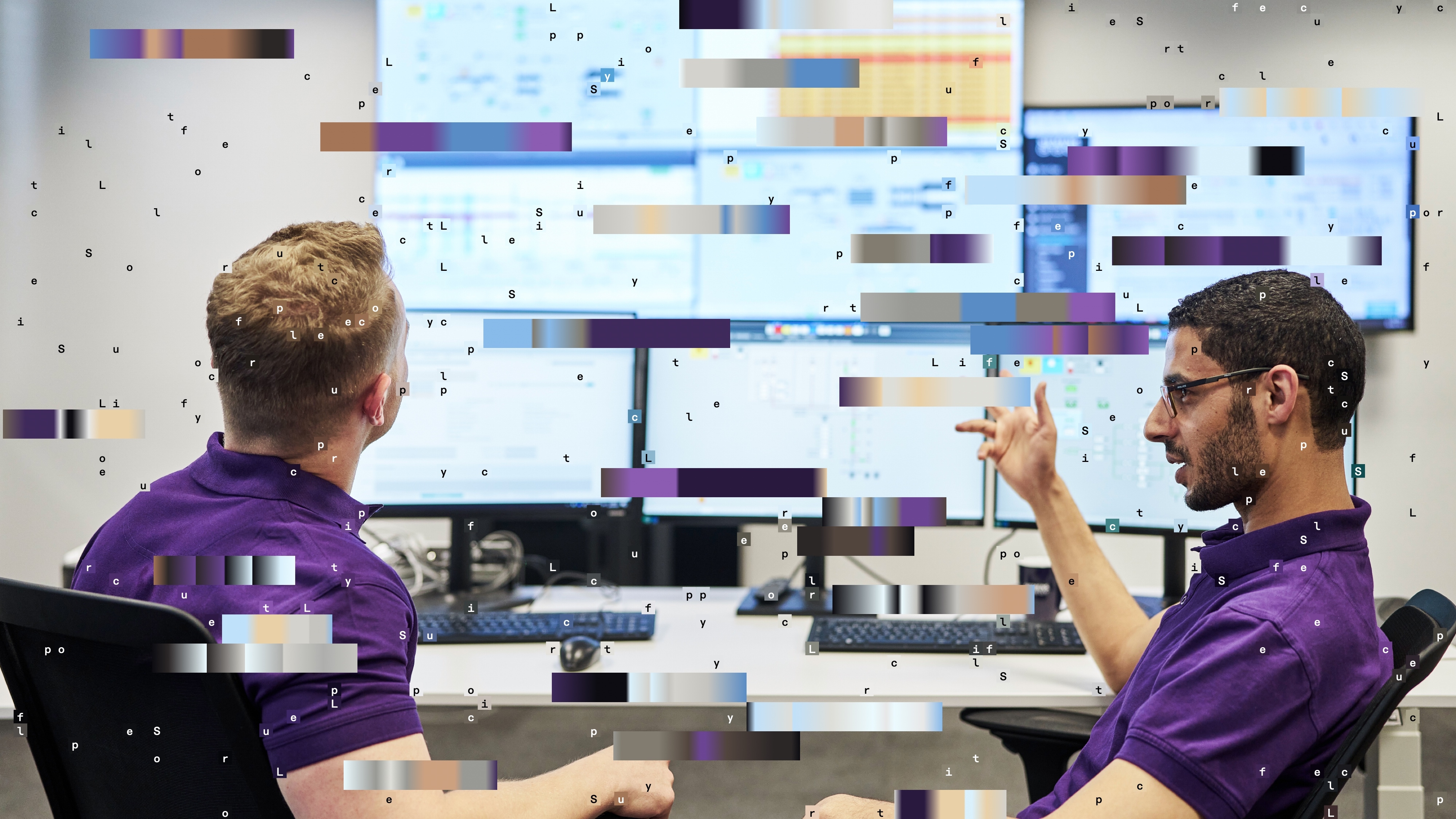
I&C lifecycle and system maintenance for power generation
With a lifetime of 20 to 40 years the lifecycle span of different types of power generation units exceeds the lifecycle of control systems, which are typically in place for a maximum of 15 years. IT components have even shorter lifecycles of about five years. Even the best system starts aging from day one. The only way to keep your distributed control system (DCS) at top performance and cybersecurity levels is keeping it updated and well-maintained.
Keeping your DCS at top performance and cybersecurity levels
Smart lifecycle concepts and continuous system maintenance ensure that the instrumentation and control (I&C) system remains state-of-the art, flexible and already accounts for future options.
Our Omnivise T3000 I&C technology is developed with a long-term horizon and accompanied by support throughout the asset life for long-term stability through a future-proof system. This includes upgrades, migrations, and concepts for the transition to new systems – from the first day of operations.
All of our I&C services are completely scalable and may range from simple access to our analytics tools to an all-round carefree package – you decide what you need.
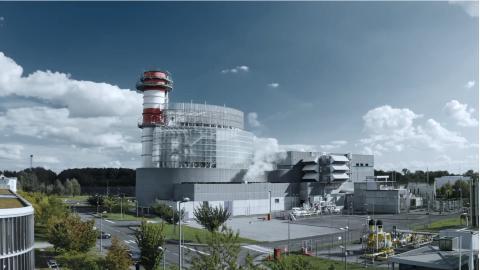
Long-term service support for decades
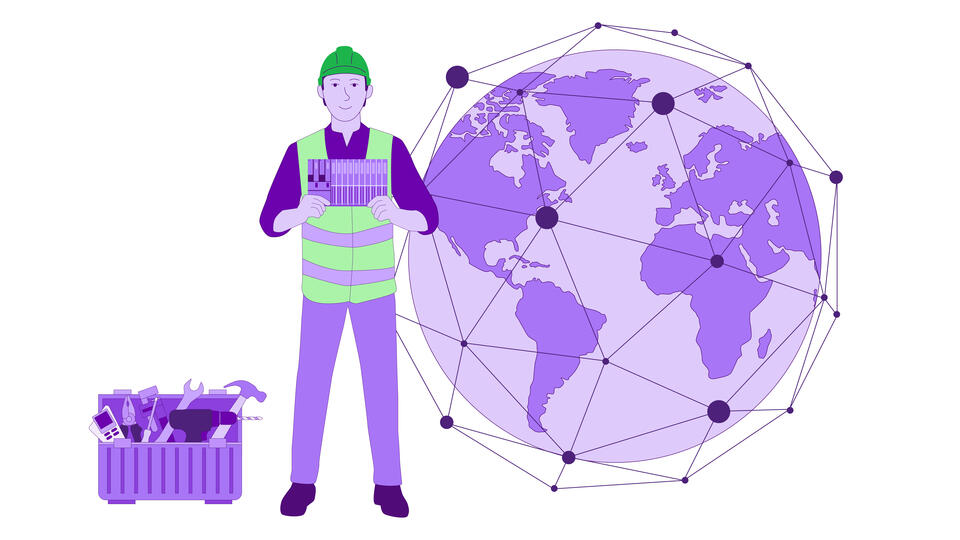
With more than 4,000 installations worldwide and 600.000 megawatt (MW) installed generator output controlled by T3000, Omnivise T3000 and its predecessor systems have been the control systems for the power industry for decades now.
The T3000 control system has been continuously evolving, but one thing remained constant: We have always provided long-term support for the energy market. Our position as OEM (original equipment manufacturer) of the Omnivise T3000 control technology gives us full control over its lifecycle and maintenance concepts which ensure that this I&C system remains state-of-the art and flexible.
I&C services accompany operations throughout the entire asset life.
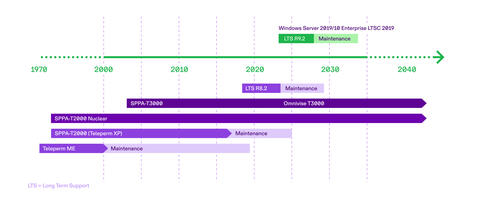
This includes preventive and reactive services during the active phase of a T3000 release version as well as support and concepts for the transition to new technologies during system maintenance phases. With Omnivise T3000, different generations of control systems can be operated in parallel. You decide when to upgrade to the latest release.
Our I&C lifecycle and system maintenance service offerings
I&C updates via online patching
Since control systems are heavily software based, having the latest system and security patches installed is essential to keep the system up to date. Software and patterns are checked upfront on multiple T3000 software and hardware versions to make sure there is no negative impact on operational technology. Only approved and (if necessary) adapted software and patterns are released for provision.
Updates or upgrades are possible at any time, online, during normal operation with no downtime. The Omnivise T3000 patch management is designed to keep every aspect of the solution is automatically at best practice level to ensure reliable, uninterrupted operation.
System software patches, security patches and malware pattern updates keep the cybersecure system Omnivise T3000 secure and stable in the long-term and contribute to enduring compliance with cybersecurity regulations without any downtime.
Control system updates and upgrades to later versions
Even if a system is always maintained and kept up to date, there comes a time when it makes sense to switch to a new control technology version. This may be due to obsolescence of hardware or software or for cybersecurity reasons.
We have always emphasized that the timing of a system upgrade should remain flexible: There is always a longer period when the maintenance phase for the previous system overlaps with the active phase of the latest control system version.
Due to its remote concept and redundant system configuration, Omnivise T3000 provides online patching capabilities and even online upgradeability. If downtimes are required at all for upgrading the control system, these are short and easily fit into inspection cycles of the main equipment.
Step-by-step transition and I&C replacement
I&C migration concepts bring power plants equipped with TELEPERM ME or T2000 into step with the latest generation of I&C technology as an alternative to full modernization. The process involves updating existing I&C systems gradually with Omnivise T3000 components, with a significant proportion of installed equipment retained.
In the migration of your existing system to Omnivise T3000 we distinguish between the operator control and monitoring (HMI) level and the automation (AS) level. These two levels do not have to be migrated at the same time. First up for migration is always the HMI level. The second step, which can be implemented whenever you are ready, involves the migration of the automation platform. The basic control engineering data from T2000 is captured by a special tool in a largely automated procedure and then converted for Omnivise T3000.
Migration strategies also cover electrical system components. Tailored solutions for the modernization of the electrical balance of plant (eBoP) requirement in power plants help to bring about a more homogeneous electrical and I&C system landscape. Tackling the migration process in stages keeps outlay low and minimizes conversion times.
Modernization of third-party I&C systems are our daily business and are always planned according to production needs.
Regional I&C service network for on-site support
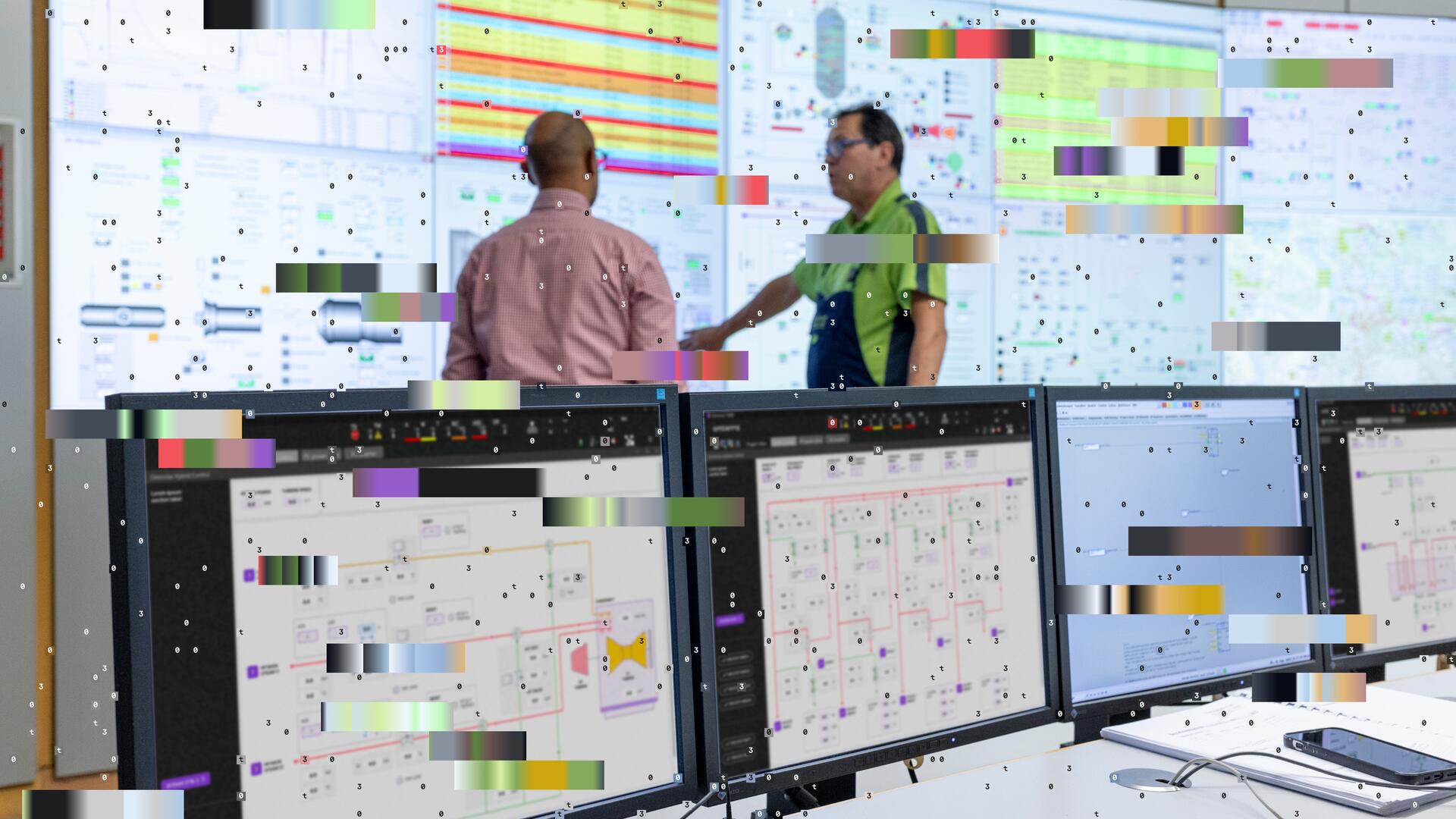
To keep power generation going, it is vital to keep your control system up and running. Scheduled, systematic checks on the health status of the DCS are an essential lever to achieve that. Our experts perform about 160 checks per unit: Thin clients, servers, the automation system, and network connections, in other words all essential systems and components within Omnivise T3000 are covered by these inspections.
Even though a huge number of I&C checks can be done remotely, support on-site is occasionally needed, for example if components have to be replaced. The Omterra Controls & Digitalization department has more than 1,000 service and support experts who are located around the globe and provide I&C spare parts service or perform condition checks, functional checks or system diagnostics on-site.