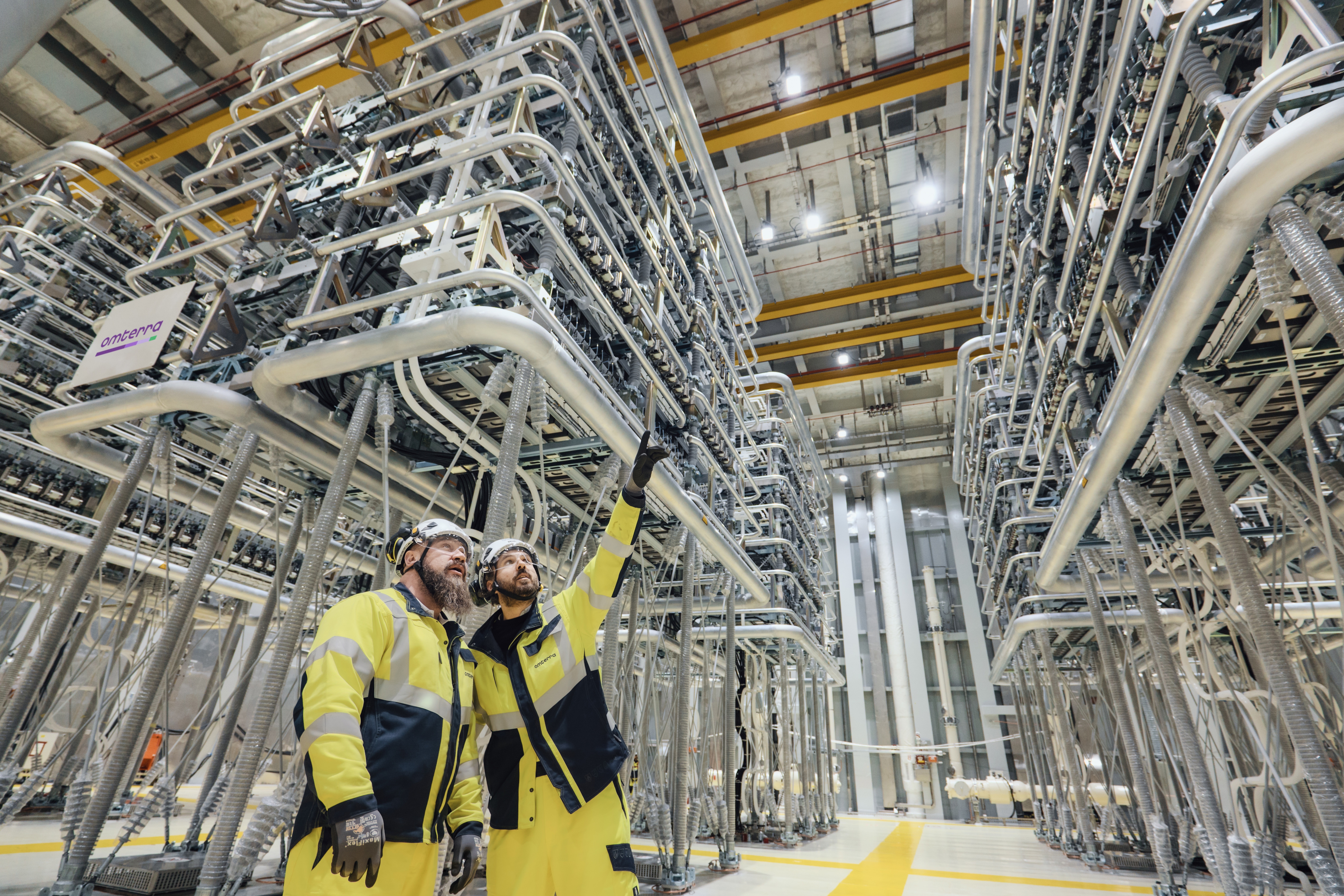
Modernizing and expanding the power grid for tomorrow's energy
Grids are the hidden champions of the energy transition—but without expansion and upgrades, they risk becoming a bottleneck.
Unlocking the full potential of renewable energy, ensuring grid reliability, and accelerating the global energy transition require modernizing and expanding power grids worldwide. Omterra delivers solutions that connect energy sources to where they’re needed, support the energy transition, and ensure resilient, future-ready infrastructure worldwide.
Why electrical grid expansion and modernization can’t wait
Much of today's power grid infrastructure was built decades ago for a one-way electricity flow from centralized coal and nuclear plants to consumers. Today, grids must be far smarter and more flexible: they need to handle two-way electricity flows, integrate variable output from solar and wind farms, and connect millions of decentralized resources like rooftop solar panels or local biomass plants. Without urgent modernization and expansion, millions of megawatts of renewable projects remain stuck in connection queues, stalling the energy transition.
By 2040, more than 80 million kilometers of electrical grid will need to be added or upgraded globally—about the length of rebuilding the entire current grid. And right now, over 3,000 gigawatts of renewable projects are waiting for grid connections, signaling that grid investments lag far behind renewable installations. Currently, only about 60 cents is spent on grid and storage for every U.S. dollar invested in renewables, yet the International Energy Agency (IEA) states a 1:1 investment ratio is essential.
Grid modernization is no longer optional—it’s central to meeting climate goals.
Key drivers for grid modernization and expansion
The urgent need for grid modernization and expansion is driven by the rapid growth of renewable energy, increasing electricity demand from electrification and digital infrastructure, and the risks posed by aging grid infrastructure that limits reliability and renewable integration.
1. Renewables expansion
Global climate targets depend on scaling renewables fast, but new wind and solar projects must connect to grids strong enough to handle their variable supply across long distances. For example, the International Renewable Energy Agency (IRENA) calls for tripling renewable capacity by 2030, which current grids cannot support without major upgrades. Stronger, more flexible grids enable continuous renewable power delivery, vital to ongoing decarbonization.
2. Increasing electricity demand
Electrification of industries, homes, and transportation – and the surge of digital infrastructure like data centers—are driving demand well beyond existing grid capacity. Data center electricity consumption alone could surpass 1,000 terawatt-hours globally by 2026, more than Japan’s current usage. Integration requires smarter networks, demand management, and digital grids to keep supply reliable and affordable while supporting growth.
3. Aging infrastructure risks
Much of the global grid is past its design life: In Europe, nearly 40 percent of transmission lines are over 40 years old; in the U.S., many are 25 to 50 years old or more. Aging assets increase outage risks, maintenance costs, and bottlenecks that limit renewable integration and cause reliability concerns. Annual grid spending is rising but still trails renewable deployment, making accelerated upgrades critical to energy security and system resilience.
Key strategies for grid modernization and expansion
Meeting tomorrow’s energy needs depends on robust infrastructure, sustainable technologies, and advanced digital solutions that can handle increasing complexity.
Taken together, these approaches point to four strategies that guide grid modernization worldwide:
- Grid connection: Grid connectivity solutions empower reliable, efficient, and sustainable integration of energy systems into the power grid.
- Grid digitalization: Leveraging AI, automation, and intelligent control systems to manage complexity, balance energy flows, and improve grid visibility and responsiveness.
- Grid resilience: Strengthening and renewing aging infrastructure, including equipment that relies on F-gases, and using digital technology to reduce outages and cyber risks.
- Grid decarbonization: Supporting high shares of renewables and sustainable grid technologies.
It’s not only about building more lines, modernizing and expanding the power grid is also about building smarter. Demand management can reduce peak loads and the need for costly new infrastructure, as seen in large-scale demand-response programs in the U.S. and Europe. Digitalization and AI tools are helping grid operators forecast demand, predict outages, and extend asset life through digital twins. And new cross-border interconnections, such as the Viking Link between Denmark and the UK, enable countries to share renewable power and strengthen resilience.
The technologies powering grid modernization and expansion
Advanced technologies are central to grid modernization and expansion. From flexible alternating current transmission systems (FACTS) that stabilize renewable power flows to AI-driven digital tools, high-voltage direct current (HVDC) interconnections, and energy storage, these solutions reduce strain on electrical grids and prepare them to handle rising demand and increasing renewable generation.
Interconnections between regional grids
Linking regional grids makes electricity systems stronger, cheaper, and more efficient. High-voltage direct current (HVDC) interconnectors allow countries to share power across borders, helping each other balance supply and demand. They also make better use of renewable energy by moving green electricity from where it’s generated to where it’s needed most. A prime example is the Viking Link between Denmark and the UK. Stretching 765 kilometers with a capacity of 1,400 megawatts—which enables clean power to flow reliably and efficiently between the two nations. The link can send surplus wind power one way and, when conditions shift, reverse the flow to support the other side, stabilizing the grid and cutting costs on both sides.
Multi-terminal hubs: the next HVDC innovation
Traditional HVDC links connect one point to another. The next frontier is multi-terminal hubs, direct current (DC) switching stations that connect multiple lines and sources. These hubs make it possible to integrate power from multiple offshore wind farms and distribute it efficiently across regions, while also protecting the grid from faults. Omterra, together with all four major German transmission operators, is currently developing this next generation of HVDC hubs—marking a major step toward more flexible, robust, and affordable energy transmission.
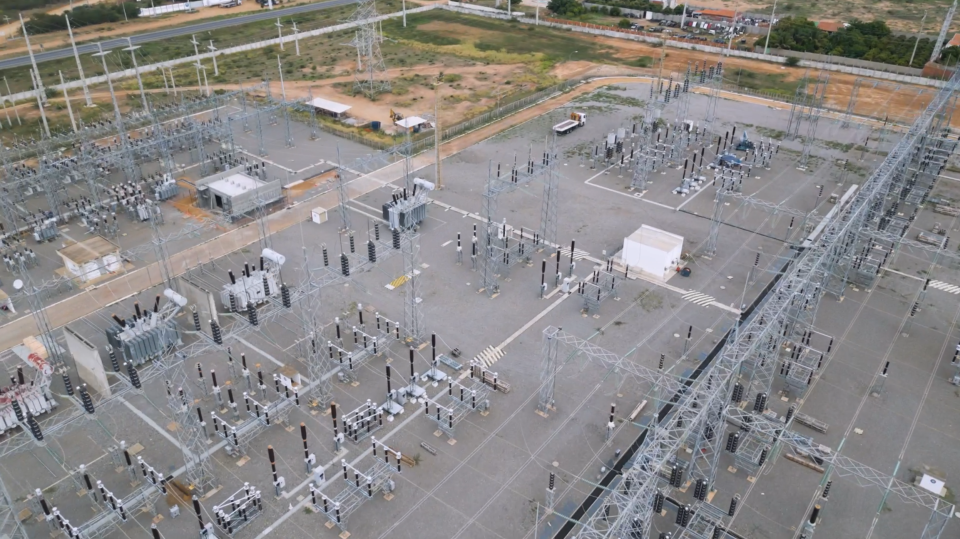
Modernizing complex power grids: Axia Energia, Brazil
Omterra and Axia Energia (formerly known as Eletrobras Chesf) are transforming Brazil’s power grid—one of the country’s largest retrofit projects—boosting efficiency, reliability, and setting new standards for the future of energy. See how innovation and teamwork are powering millions and shaping a sustainable tomorrow.
FACTS: Shock absorbers for the grid
Every time the wind drops or clouds pass over a solar farm, the flow of electricity changes. Multiply that across thousands of renewable plants and the challenge is clear: today’s grids must absorb constant fluctuations while keeping power reliable. One of the most important tools here are flexible alternating current transmission systems (FACTS). Acting like shock absorbers for the grid, they smooth out sudden changes and give operators real-time control over how electricity moves. The result: more renewable energy can be delivered through the networks we already have, without sacrificing stability or efficiency.
Utilizing AI and digital technologies
From predicting storms to preventing blackouts, AI and digital tools are reshaping how the modern grid works. By transforming raw data into instant, actionable insights, these technologies make power grids smarter, faster, and more resilient. They forecast demand and weather shifts, increase line capacity, balance supply in real time, and extend the life of existing infrastructure through digital twins—virtual models that detect wear early, guide smarter maintenance, and test scenarios without risking damage. Adoption is accelerating—AI use in the energy sector grew by more than 20 percent in 2024 alone—highlighting its crucial role.
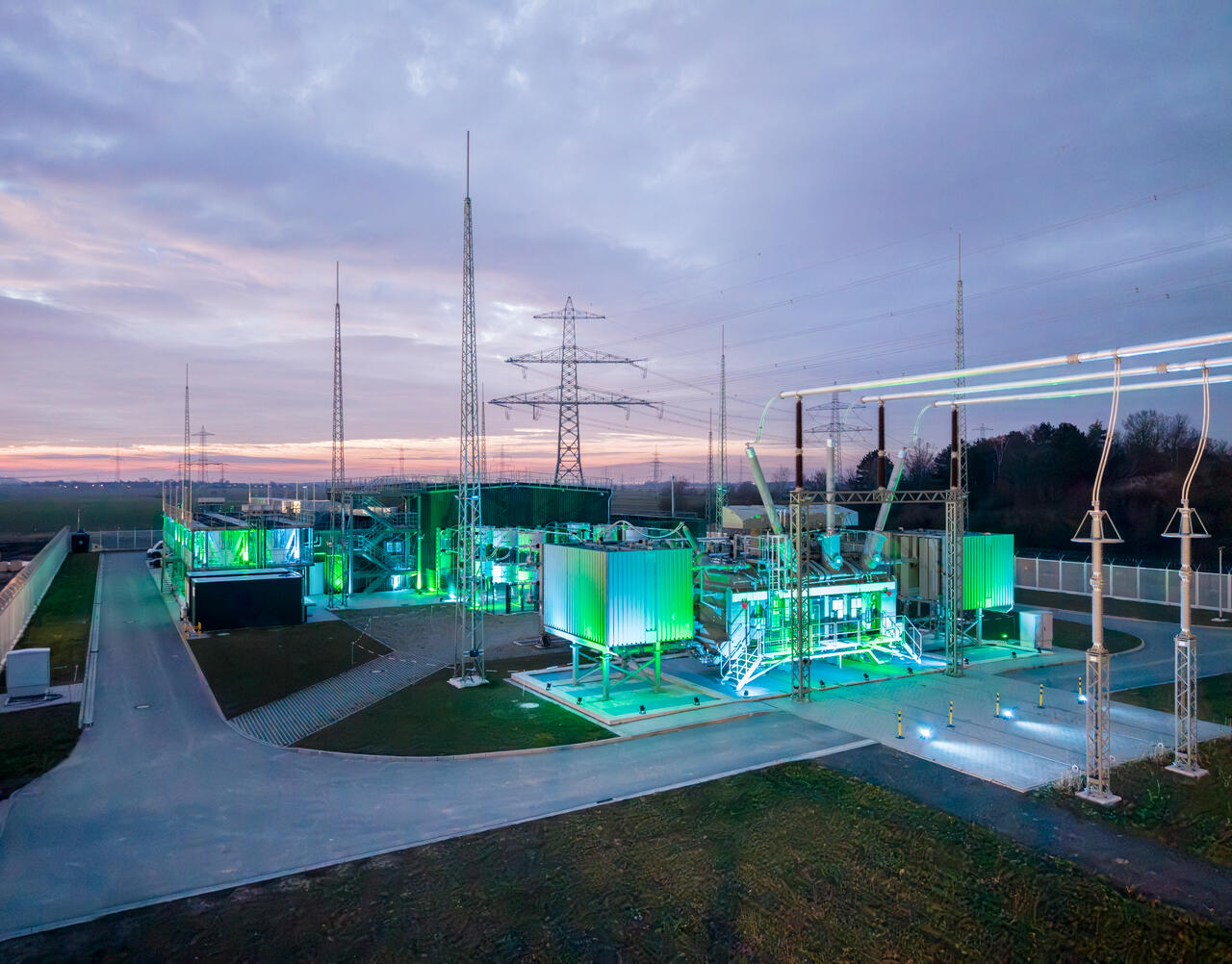
Rewiring the grid for renewables: TenneT, Germany
At the site of a retired coal plant, the world’s first E-STATCOM has been built: a breakthrough grid stabilizer powered by supercapacitors. It delivers instant “artificial inertia,” keeping the grid stable as coal and nuclear plants are phased out. This technology is a benchmark for resilient, future-ready power grids.
Making the grid itself green: sustainable upgrades that cut emissions
The grid can do more than enable clean energy—it can also become a driver of sustainability in its own right. That means cutting emissions from grid technologies themselves. One priority is eliminating fluorinated gases like sulphur hexafluoride (SF₆) from electrical switchgear, which is 24,300 times more harmful to the climate than CO₂. Through its Blue portfolio of switchgear, Omterra replaces SF₆ with clean air and vacuum switching technology, reducing the carbon footprint of substations.
Another major opportunity lies in circularity. Using recycled materials not only reduces emissions but also strengthens supply chains for critical components. In September 2024, Omterra and TenneT agreed to supply transformers with 100-percent recycled copper windings. If recycled copper were used for all new transformers worldwide to expand the electrical grid by 2040, the savings could reach 14 million metric tons of greenhouse gas emissions. Changes like these show how upgrading grids can advance both climate goals and resource security.
Expanding energy storage systems
Without storage, much renewable energy would be wasted. Batteries provide rapid balancing for short-term demand spikes, while green hydrogen enables long-term storage by converting surplus renewable electricity into a clean fuel—one that can be fed back into the grid or used in other sectors. Omterra is scaling both: Its grid-scale battery systems support real-time balancing, and its Gigawatt Factory in Berlin produces electrolyzers to expand green hydrogen production. As storage capacity grows, it will play a central role in creating reliable, 24/7 clean power systems.
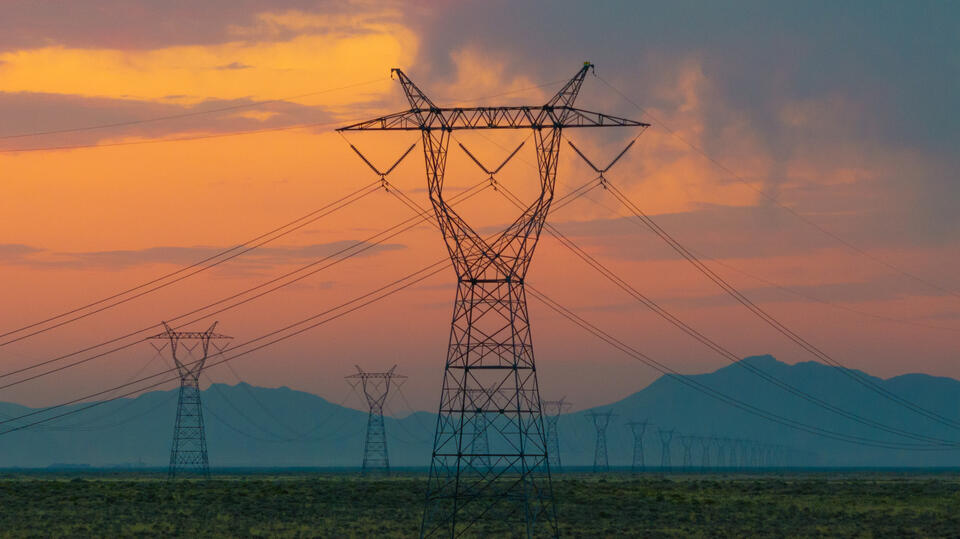
More strength for the North American grid: IPA, Utah, USA
Transforming a former coal plant into a renewable powerhouse with the largest synchronous condenser project in North America is a large undertaking. But the innovative setup of the Intermountain Power Project is key to providing reactive power and stabilizing the grid.
Investing in the future of energy
Meeting global climate and energy goals hinges on investing at least one dollar in grids and storage for every dollar in renewables. The most cost-effective pathway is timely, coordinated grid modernization combining advanced hardware, digital innovation, and sustainable practices. Strategic partnerships, long-term planning, and shared investments will enable a resilient, clean, and future-proof electricity system.

A twentieth-century grid cannot support a twenty-first-century economy. A modern grid ensures energy resilience, security, and independence for generations.
The question is how to invest wisely and act now. Delayed or piecemeal fixes will cost more and slow progress. The transition demands bold grid expansion today for a cleaner, more reliable tomorrow.
Local manufacturing: a critical success factor
Grid modernization requires massive transformer and equipment production—key components like transformers step down voltage for safe delivery. In the U.S., 90 percent of power flows through large transformers. The National Renewable Energy Laboratory (NREL) estimates that the number of large transformers may need to increase by as much as 260 percent by 2050 to meet rising demand and the build-out of renewable energy. Yet today, about 80 percent of U.S. transformers are imported, with delivery times stretching up to five years.
To close this gap, Omterra is expanding its manufacturing and service operations of large power transformers in Charlotte, North Carolina – an investment creating nearly 600 direct jobs and 300 construction jobs. Similar expansions are underway across its Grid Technologies factories worldwide. The challenge is that key materials like copper, aluminum, and steel are still heavily imported, leaving costs vulnerable to tariffs and supply chain pressures. With government support to strengthen local supply chains, local manufacturing can accelerate grid modernization while boosting sustainability, resilience, and energy security.
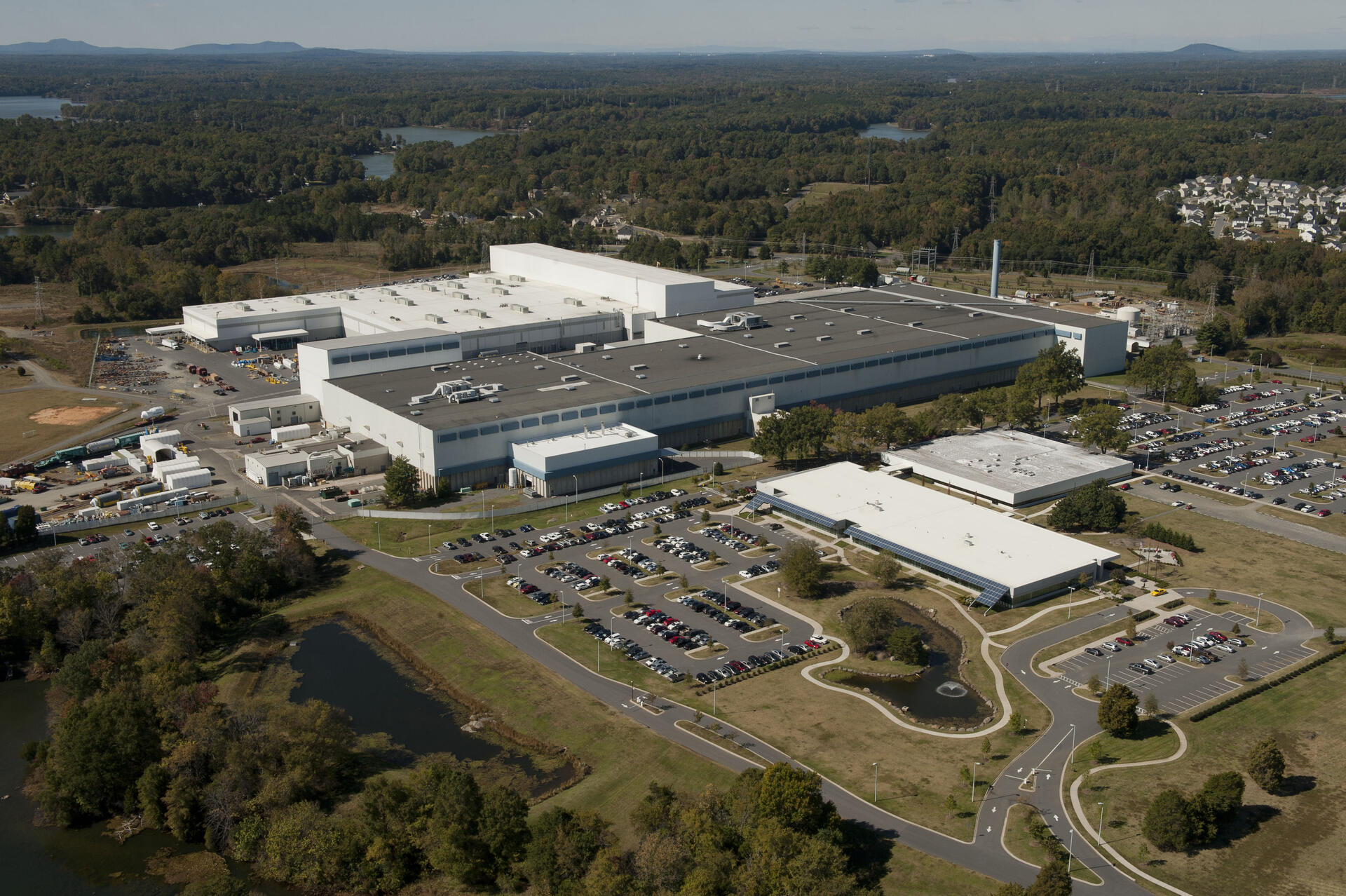
Power transformers, born in the USA
The reliability and resilience of the U.S. electric grid are vital for both energy and national security. Large power transformers (LPTs) are critical components, but currently more than 80 percent are imported, with lead times of up to five years. In response to this challenge, Omterra is expanding its manufacturing and service operations in Charlotte, North Carolina.
Get answers: FAQs on power grid modernization
Electric grid modernization is the process of upgrading existing power transmission and distribution networks with advanced technologies, digitalization, and new infrastructure to improve reliability, integrate renewable energy, enhance resilience, and meet rising electricity demand. It also tackles the challenges of aging infrastructure, the need for greater grid stability and security of supply as well as the growing risk of blackouts. Examples of power grid upgrade solutions are dynamic line rating, FACTS, and grid automation.
The power grid must be upgraded to replace aging infrastructure and expand capacity to meet rising electricity demand, which the IEA projects will grow nearly 4 percent annually through 2027. Upgrades are also essential to maintain security of supply, prevent blackouts, and stabilize the grid as more renewable energy is integrated. Without modernization, the grid will remain a bottleneck for electrification, the energy transition, and achieving climate targets.
Modern power grid upgrades focus on enhancing resilience against outages and extreme weather using technologies like FACTS and energy storage, while expanding HVDC links to efficiently transmit renewable energy over long distances. Advanced digital tools, including AI-based control and real-time monitoring, help grid operators manage increasing complexity by forecasting demand and balancing power flows.
Advanced technologies strengthen grids in two ways: by making them smarter and stronger. AI-based control software and other digital tools optimize operations, forecast demand, and enable predictive maintenance, helping operators integrate more renewable energy without costly new lines. For example, Omterra uses digital twin applications and AI-powered analytics to simulate equipment behavior, predict faults before they occur, and provide greater visibility and control of assets and grid operations. At the same time, Omterra hardware solutions such as HVDC links, FACTS, and synchronous condensers expand transmission capacity, stabilize voltage, and provide the inertia once supplied by conventional power plants—ensuring resilient and reliable electricity systems. A long-term grid modernization strategy should align investments with future clean energy targets. This can start with digital tools to optimize existing infrastructure and pinpoint areas where the grid needs further infrastructure support. Transmission capacity can be expanded with HVDC lines and multi-terminal DC hubs to connect large-scale renewables, while storage solutions can be added to balance supply and demand. Finally, stability can be further strengthened with synchronous condensers where the stabilizing services of traditional power plants need to be replaced.
Expanding and upgrading power grids increases capacity to meet rising electricity demand and ensures a reliable, stable and efficient supply of energy. It also enables the large-scale integration of renewables, supports electrification of transport and industry, and reduces the risk of blackouts. Modern grids deliver cleaner, more efficient, and more resilient power systems that are essential for achieving climate targets.
Modernizing the grid allows variable renewable energy such as wind and solar to be connected and managed without compromising stability. Flexible transmission technologies like HVDC and multi-terminal DC hubs move renewable power efficiently from remote sites to demand centers, while storage systems and synchronous condensers balance fluctuations and provide stability. Digital tools can optimize operations and boost transmission line capacity, allowing more renewable energy from more connection points to be reliably integrated into the existing grid without compromising stability.
To strengthen resilience and reliability, power grid upgrade solutions introduce technologies that expand capacity, keep electricity flowing during disruptions, and prevent blackouts. Omterra delivers these innovations through systems such as synchronous condensers and FACTS, which stabilize voltage and support system inertia, and HVDC links and DC hubs, which provide secure backup pathways for long-distance power flows. In addition, Omterra applies digital tools and predictive analytics to enhance fault detection, accelerate recovery, and improve the grid’s ability to withstand extreme weather and cyber risks.
Upgrade aging infrastructure and expand transmission capacity to handle rising electricity demand. Use digital tools to maximize the efficiency of existing assets, while integrating storage solutions to balance supply and demand. Build sustainability into investments with circular practices and environmentally friendly technologies like recycled copper, low-carbon manufacturing, and SF₆-free switchgear. Plan long-term with HVDC links, DC hubs, and grid automation to ensure renewable energy can be delivered reliably and efficiently for decades to come. Omterra enables this with advanced grid technologies, sustainable switchgear from its Blue portfolio, and digital solutions that help utilities optimize performance and build future-ready infrastructure.
Utilities should begin with long-term planning that aligns grid upgrades with clean energy targets, electrification, and customer demand. They must coordinate closely with regulators, governments, and communities to secure investment and approvals. On the technical side, utilities can prioritize digitalization, storage, and transmission upgrades, while adopting sustainable practices like SF₆-free switchgear and recycled materials. By combining strategic planning, regulatory alignment, and smart technology deployment with Omterra’s grid expertise, utilities can modernize the grid effectively and ensure reliable, future-ready power delivery.
Omterra contributes to grid modernization by delivering core technologies such as HVDC systems, FACTS, synchronous condensers, and large power transformers. The company is also expanding global manufacturing capacity and building local factories to meet surging demand for transmission equipment. In addition, Omterra develops advanced substations and switchgear, including SF₆-free solutions, and provides grid services such as monitoring, protection, and lifecycle support. The company also engages in innovative partnerships and collaborations to accelerate technology development and ensure reliable, sustainable, and resilient power grids worldwide.