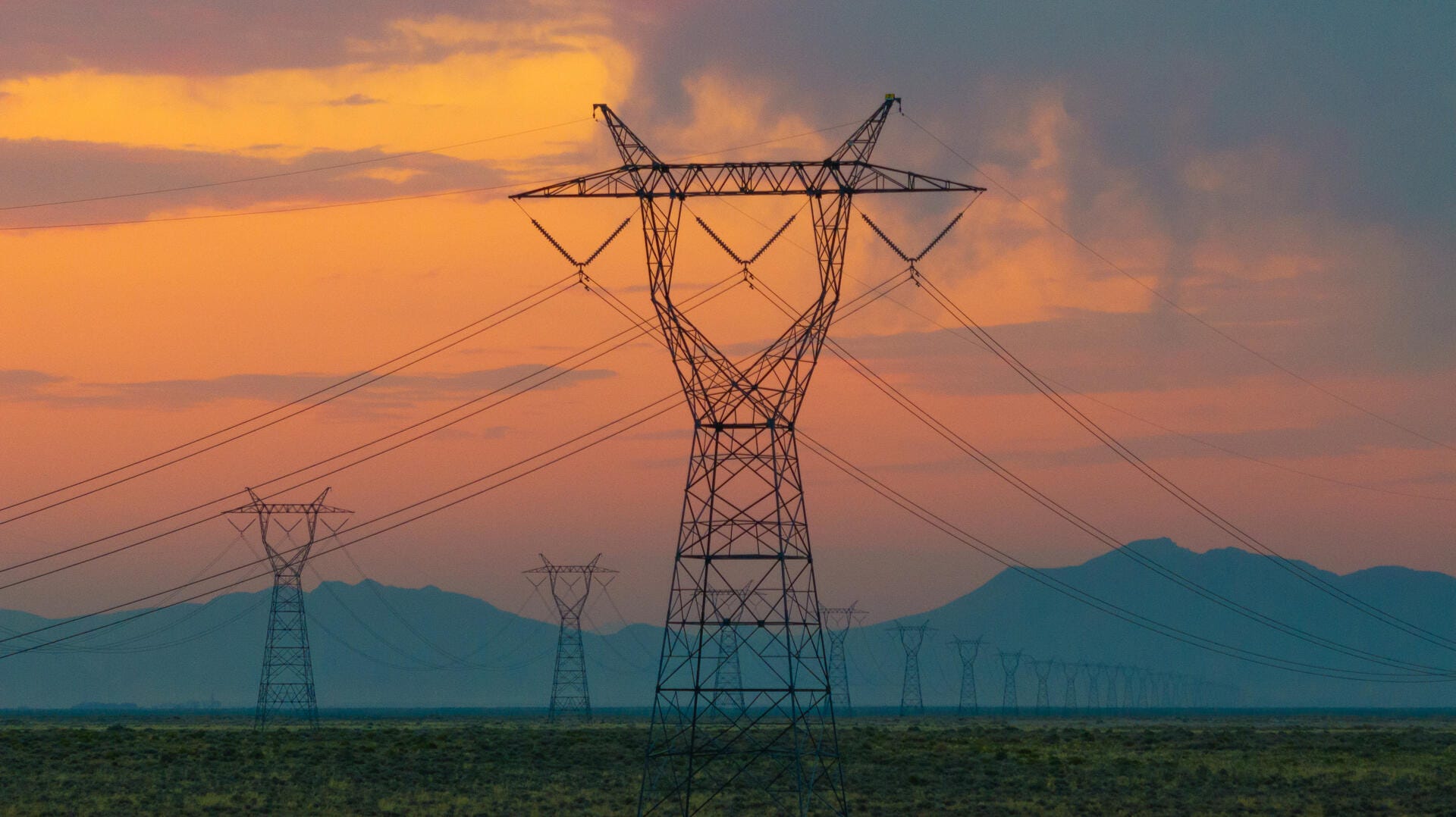
Synchronous condensers: Key to grid stability in North America
The Intermountain Power Project (IPP), transitioning from coal to natural gas and renewables, will also highlight the crucial role of Omterra synchronous condensers in integrating renewable energy sources and enhancing grid stability across North America.
An epic journey: Powering the transition
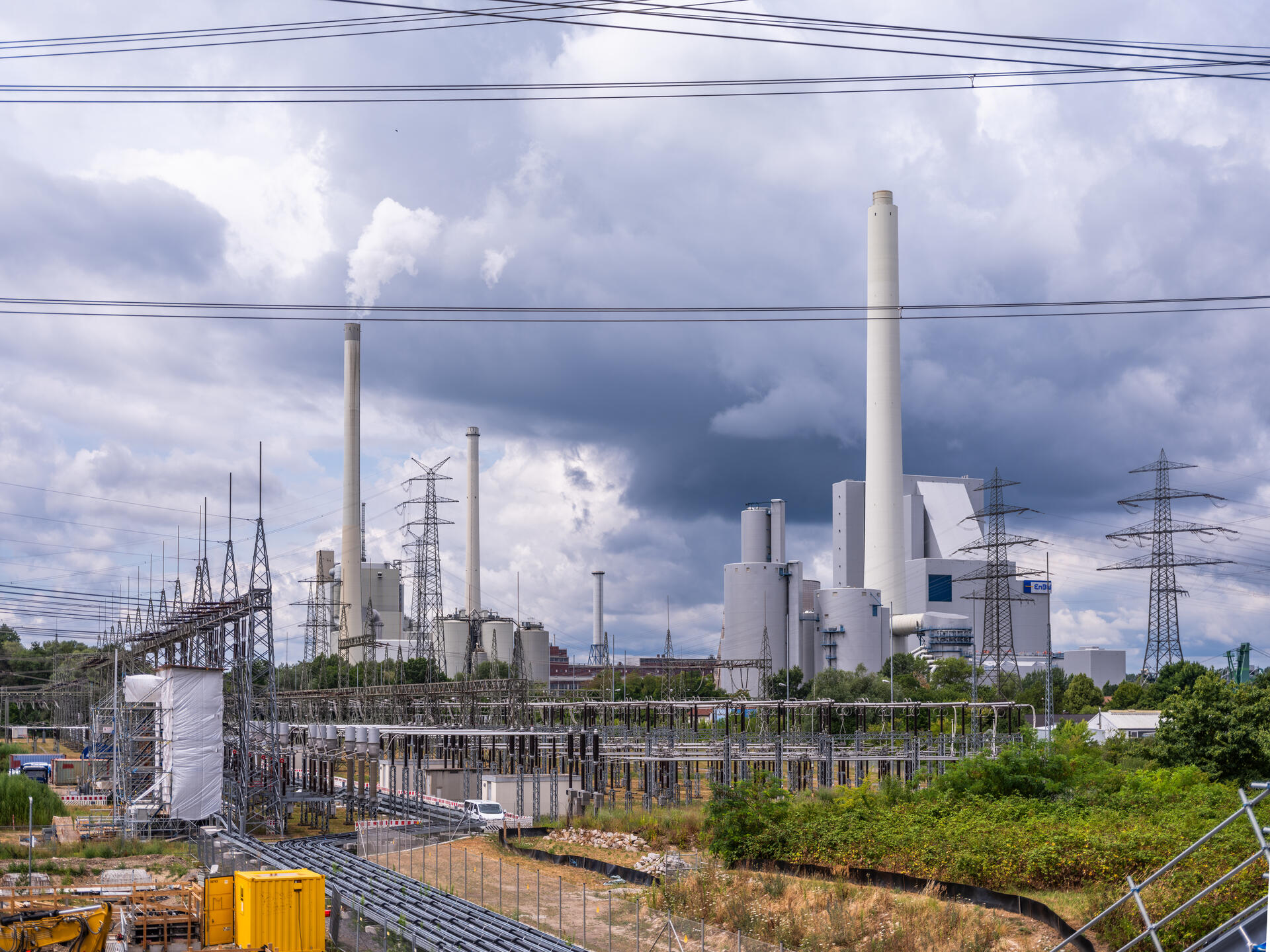
At the end of June, a train from Houston, Texas traveled through deserts and mountains carrying Omterra equipment. The journey concluded in Delta, Utah, where the Intermountain Power Project is undergoing a transformation from coal to natural gas with the added feature of long-term, dispatchable renewable energy storage using clean hydrogen.
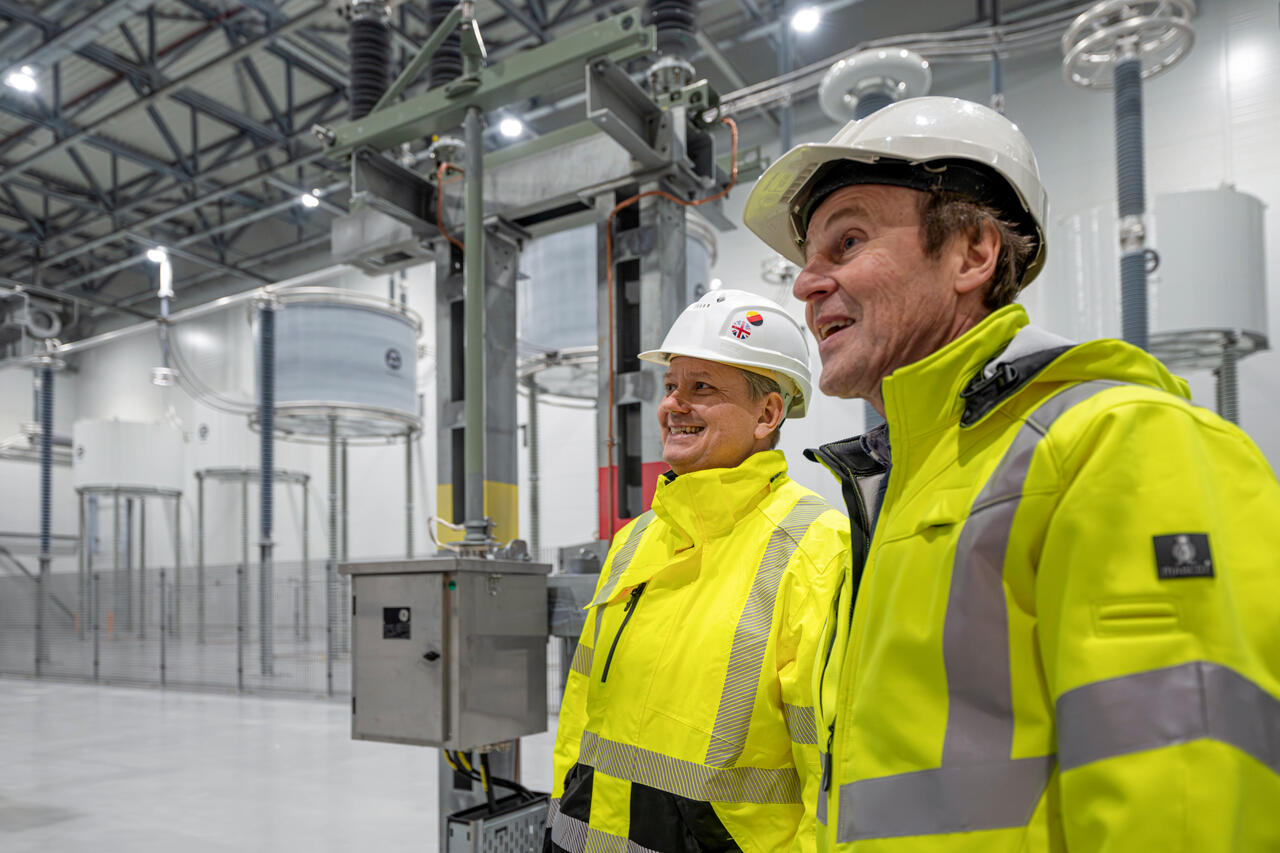
The equipment, Generator Step Up Transformers, is just the beginning. These transformers are equipped with the Omterra Sensformer solution, which uses proprietary models to assess data from physical and virtual sensors, allowing optimal efficiency for maintenance and operations. Soon, three synchronous condensers will follow providing further advancements onsite.
The largest synchronous condenser project
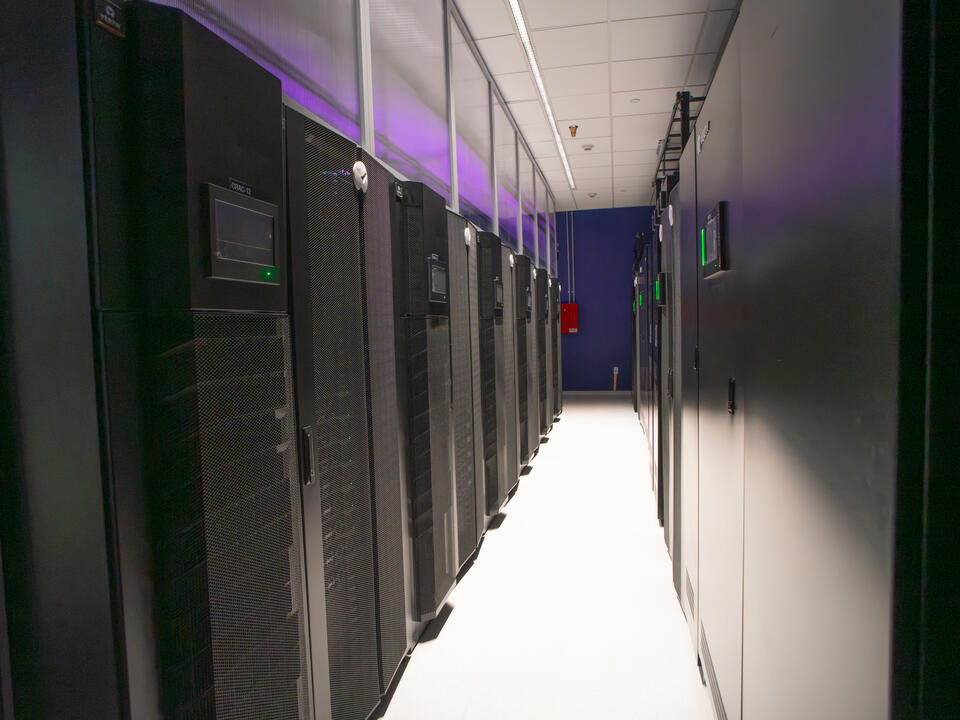
This is the largest condenser project at one location in the United States and possibly the world. Omterra SGen-2000P series condensers will greatly increase the amount of energy from IPP that can be delivered to project participants in Southern California. In fact, the high voltage direct current HVDC line from Delta to Adelanto cannot run at 100 percent without these condensers.
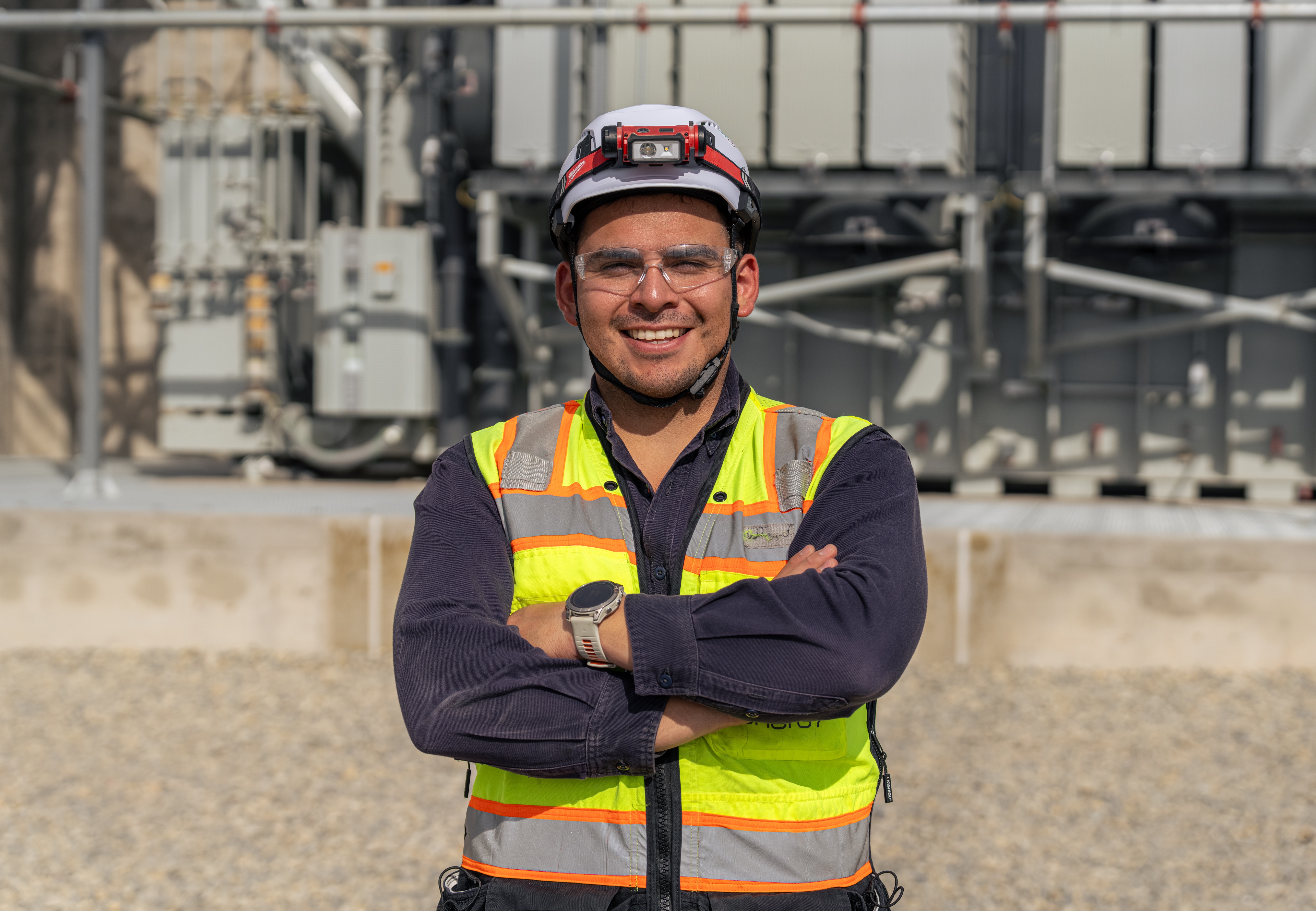
AI and data storage are incredibly energy-hungry, and that electricity has to come from somewhere. The importance of the stability of the grid is to keep all the machines on and generate operation online so that customers receive electricity.
Decarbonizing the grid: Innovative solutions
IPP’s journey is a perfect example of broader decarbonization efforts:
Shift from coal to highly efficient gas
Increase the utilization of H2
Integrate energy storage systems
This is a novel application of synchronous condensers, which are more often called upon to fill needs of stabile power grid transmission as we see retirements of “strong power” like coal and higher levels of renewable energy like wind and solar power added to our electrical grid.
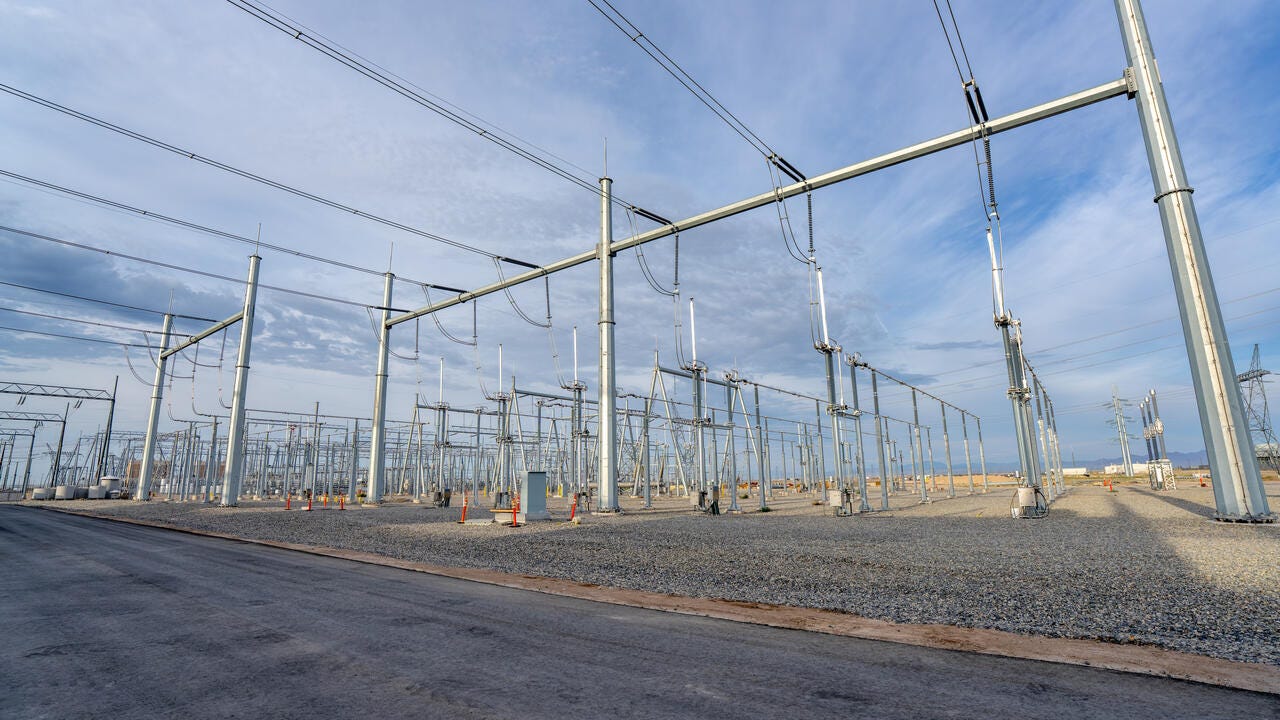
Case study: Keeping the lights on in California
This was the case in San Clemente, California, in 2013. For more than 40 years, the San Onofre Nuclear Generating Station produced electricity for the homes and businesses in the area. In 2013, the plant was decommissioned somewhat unexpectedly, leaving a gaping hole in the region’s power generation mix.
The California Public Utilities Commission requires a sufficient Planning Reserve Margin - excess generation on-hand to handle peak loads which is often needed in Southern California’s stifling heat. Generation from other nearby power plants helped fill the gap, but they were still short on other needs for stable grid operation like short circuit power, inertia and voltage regulation. The California Independent System Operator said that an alternative means of voltage support was necessary. The utilities and power producers turned to Omterra for a solution. Seven Omterra synchronous condensers now operate in the area, providing the missing grid requirements and stabilizing the network.
The basics: What is a synchronous condenser?
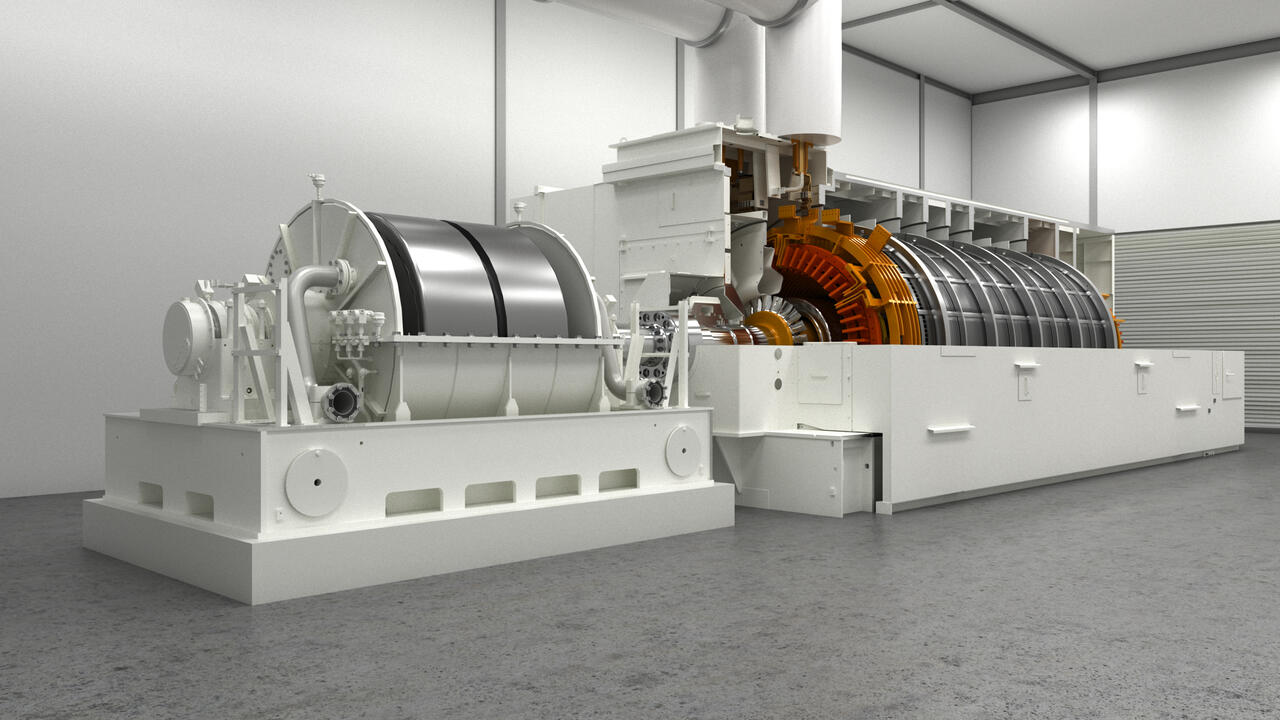
A synchronous condenser is essentially a motor with a shaft that spins freely, not connected to a turbine. Its purpose? To balance grid conditions by providing or absorbing reactive power, adding inertia, and increasing short circuit power. In 2024 and beyond, North America increasingly relies on these machines to stabilize the power grid as renewable integration rises.
Higher levels of renewable energy like wind and solar power are being added to our electrical grid, and synchronous condensers can feed into a grid to balance the volatility of power supply provided by these intermittent resources.
Grid Stability: the power of inertia
There is something else that the electrical grid needs in addition to just electrons – inertia. Often called “rotating mass” or “strong power,” large power producing entities like plants running on coal, nuclear and natural gas create inertia for the system - a steady flow of electricity that keeps the system running smoothly. As more coal-fired plants are retired throughout the country, even if they are replaced by cleaner forms of electricity, inertia is lost in those systems creating frequency oscillation.
Synchronous condensers provide the necessary inertia. They require less than 15 minutes of start-up time and have the capability to quickly provide dynamic voltage support. This has led to rising demands globally over the past years.
Part of Omterra’s FACTS suite of products
Synchronous condensers are part of Omterra Flexible Alternating Current Transmission Systems (FACTS) suite of products - solutions for increasing the reliability of alternating current grids, ensuring stability, and boosting transmission efficiency. With these modular and customized solutions from a single source, high voltage fluctuations and power failures can be prevented, network assets can be optimally utilized, and load-induced disturbances can be mitigated.
Innovation across North America
In 2018, Public Service Company of New Mexico installed a Omterra synchronous condenser at its Blackwater station in Clovis, NM to help balance the 200 MW of wind capacity being delivered along a 216-mile transmission line to the Albuquerque area. Wind generation facilities tend to be in remote locations which has presented utilities with control and operational challenges, leading to increased interest in synchronous condensers.
Toward net-zero and grid modernization
This is the face of energy transition—collaborating with trusted partners to ensure Americans receive reliable, affordable electricity while decarbonizing the grid. Synchronous condensers and other Omterra technologies are at the center of this progress.