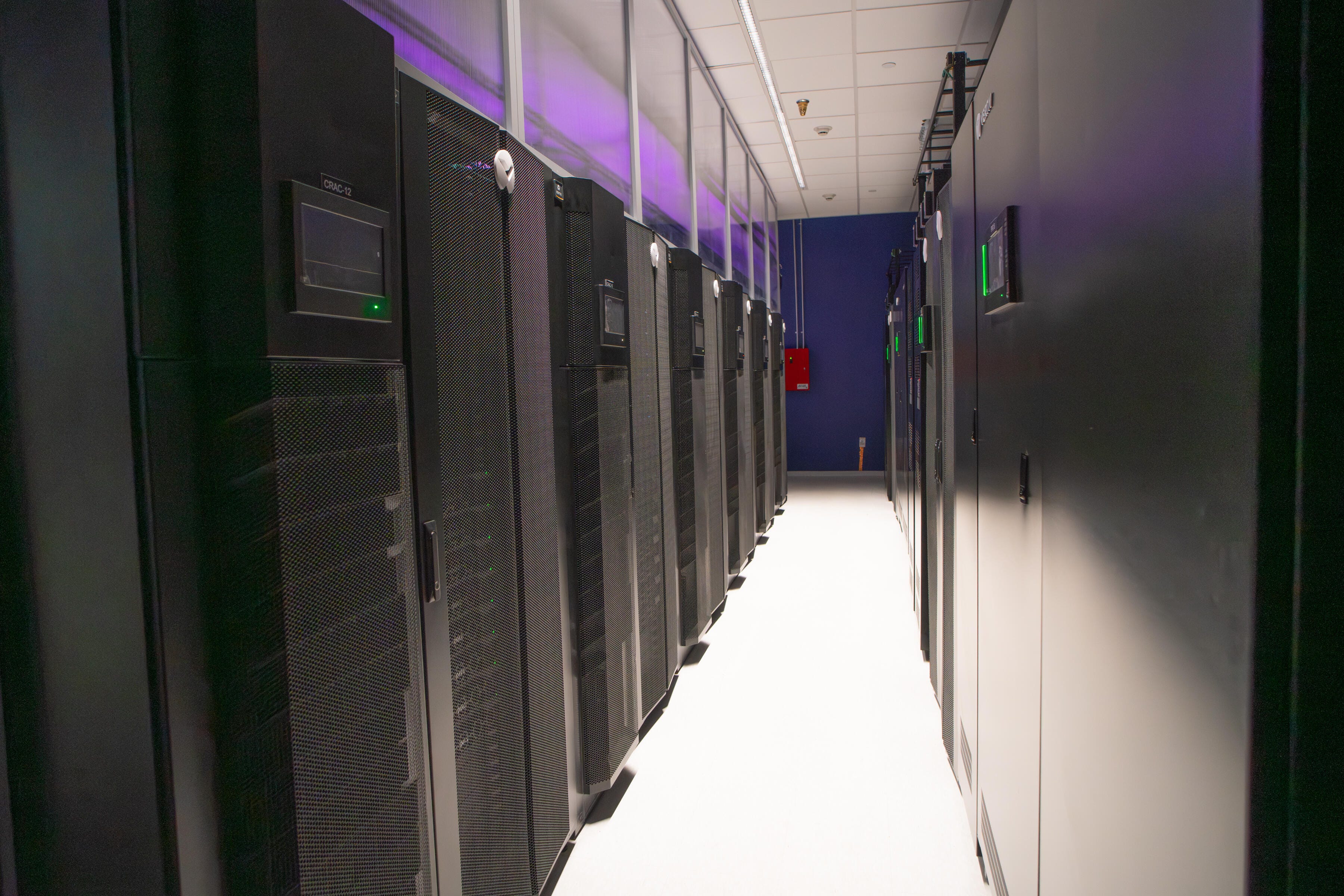
The race to connect data centers to the grid
The modern boom in data center construction and the rising demand for electricity that accompanies it are often described as unprecedented, but in many ways they are echoes of a previous era.
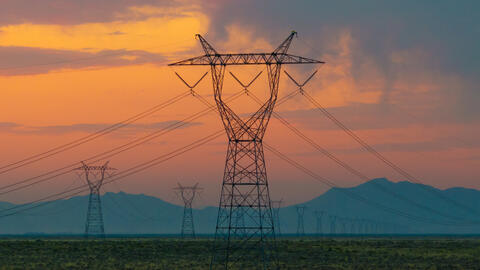
U.S. Electricity consumption tracked closely with gross domestic product from the 1970s through the 1990s and only began to flatten in the early 2000s—largely due to gains in energy efficiency. Today, however, AI data centers are driving rapid increases in load growth that—to complicate matters further—tend be concentrated in specific regions. This puts additional strain on power grids which must deliver large volumes of electricity reliably to new, high-demand sites.
“The U.S. utility system is accustomed to minimal growth, but now that some places are seeing more rapid growth, the institutions responsible for managing that change are under strain,” says Jonathan Koomey, a Ph.D. energy policy researcher who is President and Founder of Koomey Analytics and was formerly a group leader at Lawrence Berkeley National Laboratory.
Innovation needed

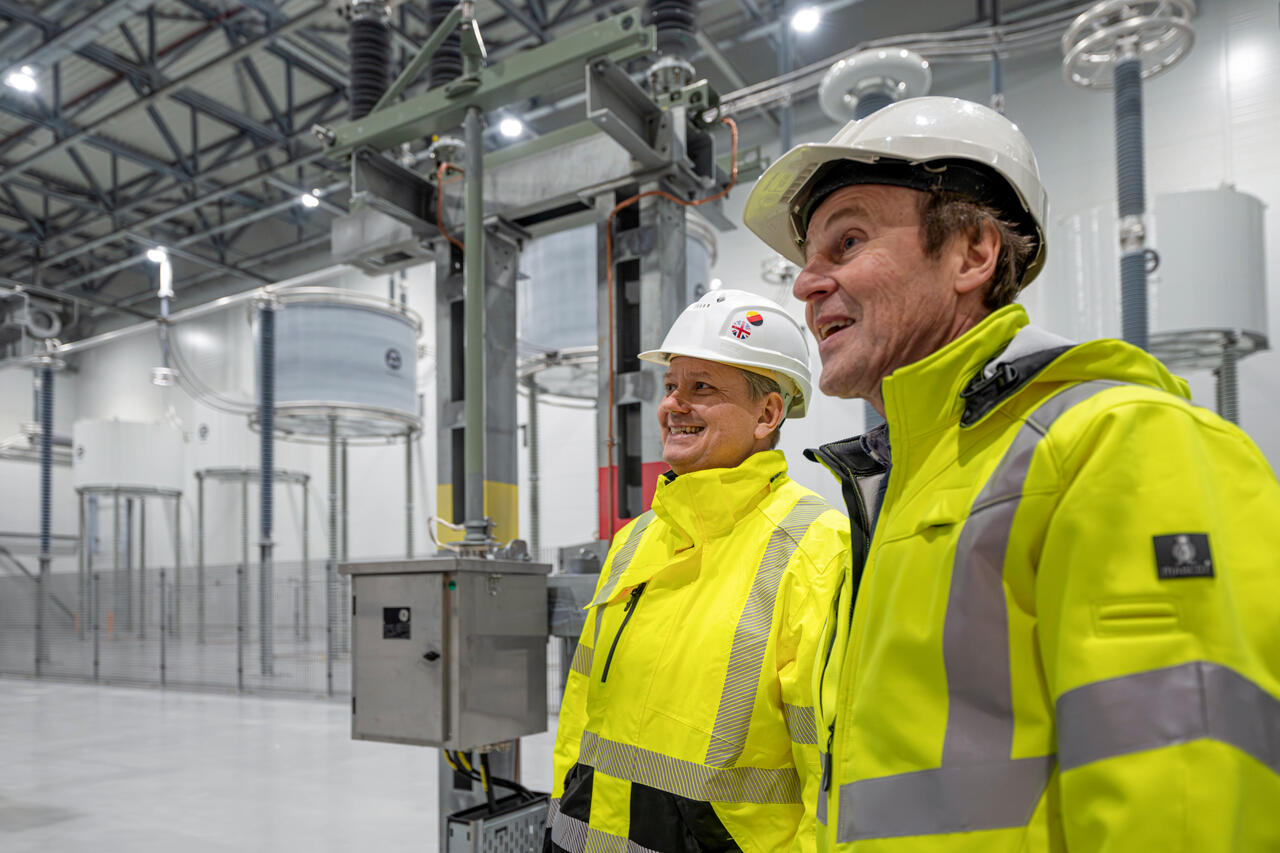
In his role as Director of Data Center Sales for Grid Technologies North America at Omterra, Jorge Lopez sees firsthand the challenges that arise when expectations of slow, predictable growth meet an industry that is working to scale as rapidly as possible.
“People are finding various ways to get electrons to a data center, and I think it’s great because you get innovation,” Lopez says. Still, he added, “There has to be a balance between the speed that you can deploy and the use of proven technology.”
Given the complex interplay and variation among regulatory environments, resource availability, and project-specific goals, there is no one-size-fits-all solution to the challenge of meeting the energy needs of data centers. There are, however, several process and technological solutions that can balance the rapid deployment of data centers with stability, reliability, and sustainability.
Ensuring grid stability
With their tremendous size, geographic concentration, and loads that can fluctuate rapidly, data centers have the potential to affect grid stability. Lopez says that a combination of power electronics and Battery Energy Storage Systems (BESS) are being investigated to smooth AI-driven load fluctuations. “Even though these data centers are getting built, this does not need to affect the general public and their ability to get reliable, affordable energy,” he says.
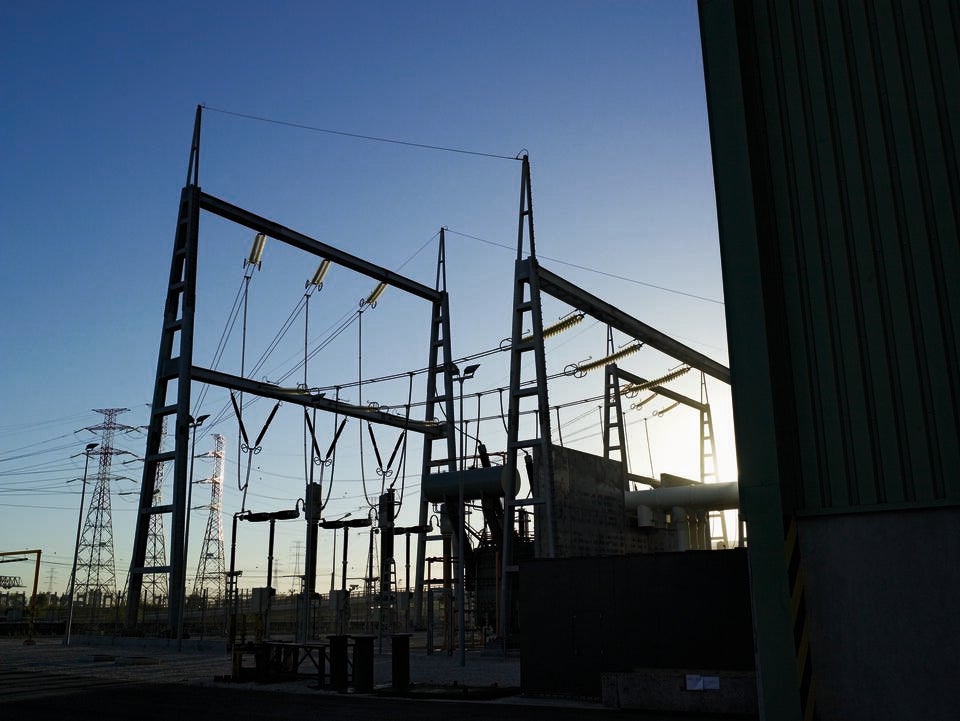
To help serve the rapid swings in demand of AI training workloads, Omterra uses electronic grid-stabilization systems that dynamically regulate voltage and power quality. Its E-STATCOM combines static synchronous compensator (STATCOM) technology, supercapacitors, and dedicated controls to smooth active-power fluctuations at the data center’s point of connection. This reduces sharp load variations to enter the grid or on-site generation assets.
Storage is booming
BESS can play a similar role in smoothing power fluctuations, especially in behind the meter configurations. If a gas turbine trips, a BESS can act as a bridge that maintains power supply to the data center during the restart window. In addition, a BESS can be charged during off peak times and discharge during times of peak demand to reduce the maximum demand on the grid.
This peak shaving can help defer or minimize costly and time-consuming transmission and generation upgrades.
“Battery storage is now operating in some cases at gigawatt scale,” Koomey says. “For the few hours of the year when the utility system is under stress, having batteries at that scale is incredibly valuable, as California’s recent experience shows.”

When the system is under stress, having batteries at big scale is incredibly valuable.
Solving data center grid connection delays
Grid connection times have emerged as one of the key bottlenecks in the deployment of data centers. Infrastructure limitations, lengthy study processes, and supply chain backlogs mean that new data centers typically wait several years before connecting to the grid.
To address supply chain backlogs, Omterra has invested $1 billion in the United States to expand the manufacturing of transformers, switchgears, and further grid equipment as well as services. Lopez added that the increased use of standardized, repeatable designs for transformers and breakers can reduce the amount of time-consuming custom engineering required for a project.
“If a customer says, ‘My typical substation design has five transformers and this many breakers’, that gives us a good forecast of what we need to build,” Lopez says. “With repetitive designs, we’re able to procure more efficiently and build more efficiently.”
Long-term dedication
In addition, long-term service agreements (LTSAs) between utilities, data centers, and original equipment manufacturers (OEMs) are becoming critical as power systems grow more complex and uptime requirements increase.
These agreements help ensure reliable operation of key infrastructure—such as generators, STATCOMs, switchgear, cooling systems, and digital control platforms—through guaranteed maintenance, faster access to spare parts, software updates, and technical support.
For data centers, they reduce operational risk and unplanned downtime. For utilities, they improve grid stability and coordination with large, dynamic loads. And for OEMs, they enable continuous performance optimization and lifecycle management of increasingly integrated energy systems.
Moving behind the meter
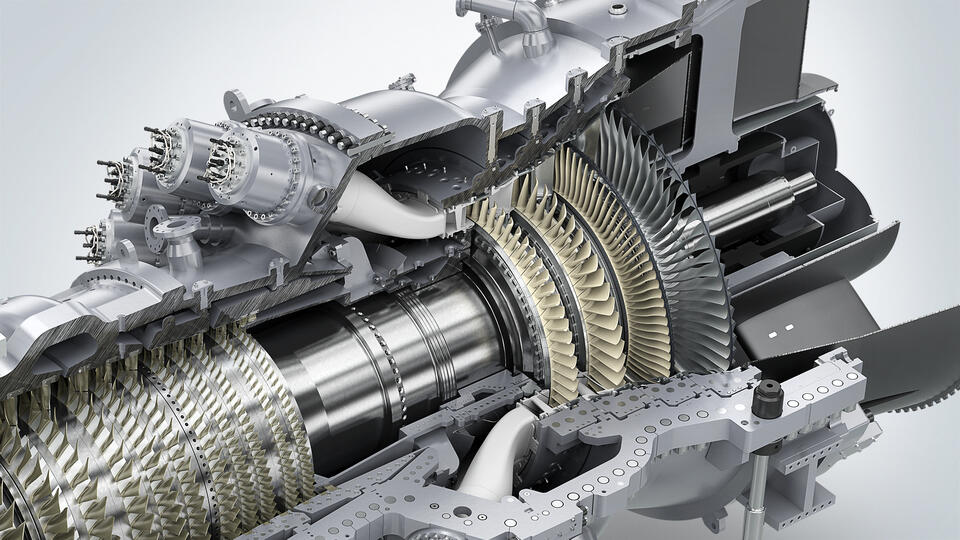
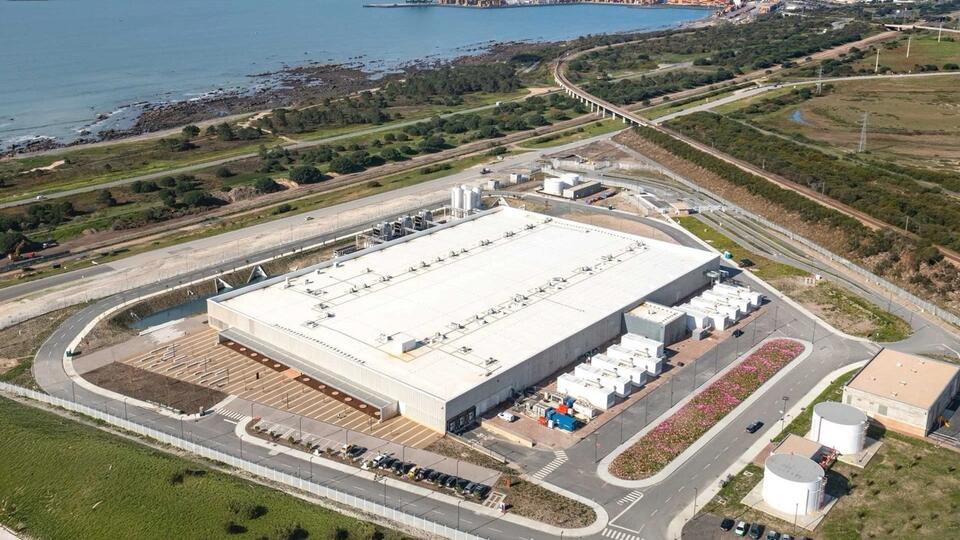
In many cases data center operators are responding to lengthy grid connection times by setting up hybrid system with energy generation on-site and “behind the meter.” Natural gas-fired turbines are a proven workhorse for efficient on-site power generation, but long procurement times have encouraged data center operators to explore other options. Mobile power solutions, which are essentially turbines on trailers that provide temporary power as a bridge to a more long-term power supply, are also being used.
Koomey warned against a perceived sense of urgency leading data center operators to pay a massive premium per kilowatt hour for inefficient and often emission-heavy on-site generation. “Number one, it’s very costly,” he said. “Number two, local air pollution is a real problem, and nobody should be imposing that on communities if it can be avoided (and it usually can).”
Looking for more sustainable solutions
Koomey notes that in many cases solar, wind, and batteries are the fastest, cheapest way to supply power, and that rushing to deploy new fossil fuel generation can be a mistake. “Fossil fuel plants will become stranded assets in short order,” he says. “We have to phase out fossil fuels in the next couple of decades to stabilize the climate.”
Lopez emphasizes that data center operators and utilities alike have several options for promoting sustainability. Many data center operators are using renewable power purchase agreements, for example, and interest has grown in the use of nuclear power and small modular reactors. Hydrogen and other alternative fuels are also emerging as non-fossil fuel options for power generation.
For gas‑fired plants, adding steam turbines to gas turbines to form combined‑cycle plants can improve efficiency and lower emissions. Excess heat from gas turbines can be captured via absorption chillers and used for cooling so the same fuel input provides both power and cooling.
“Renewables, nuclear, fuel cells, hydrogen, increasing efficiency of gas‑fired power plants—those are things that can be done to reduce emissions and be more sustainable,” Lopez says.
Leveraging AI to reduce energy consumption
While much of the narrative surrounding AI data centers focuses on their energy use, Koomey points out an often-overlooked angle is the role that digitization and AI can play in reducing energy use.
He cited Google, which used its DeepMind AI to reduce its data center cooling costs by 40 %. In a white paper published in 2024, he highlighted how data center operators can use digital twins to reduce energy waste while increasing profitability and reliability.
“The idea is that you create a digital model of the data center that is an exact duplicate in which all the laws of physics apply and are properly programmed,” he explains, “You can test changes in the model before you make them in the real world.”
Predictive maintenance
Lopez points out that AI has the potential to speed grid studies to enable a more rapid integration of renewables and large loads. The combination of digitalization and AI analytics also can allow operators to move from fixed maintenance schedules to condition‑based and predictive maintenance.
The rapid buildout of data centers and the ever-expanding capacities and uses of AI undoubtedly means that even more changes are on the horizon. “I like solving complex problems and walking with customers through the challenges they’re facing and providing solutions,” Lopez says. “It’s never a dull day in the data center market,” he adds.
About the author: Sameh Fahmy is an award-winning freelance technology and medical journalist for Primafila Correspondents, based in Athens, Georgia, USA.
Combined picture and video credits: Portrait of Jonathan Koomey courtesy of Jonathan Koomey, Portrait of Jorge Lopez courtesy of Jorge Lopez, Animations by Primafila Correspondents