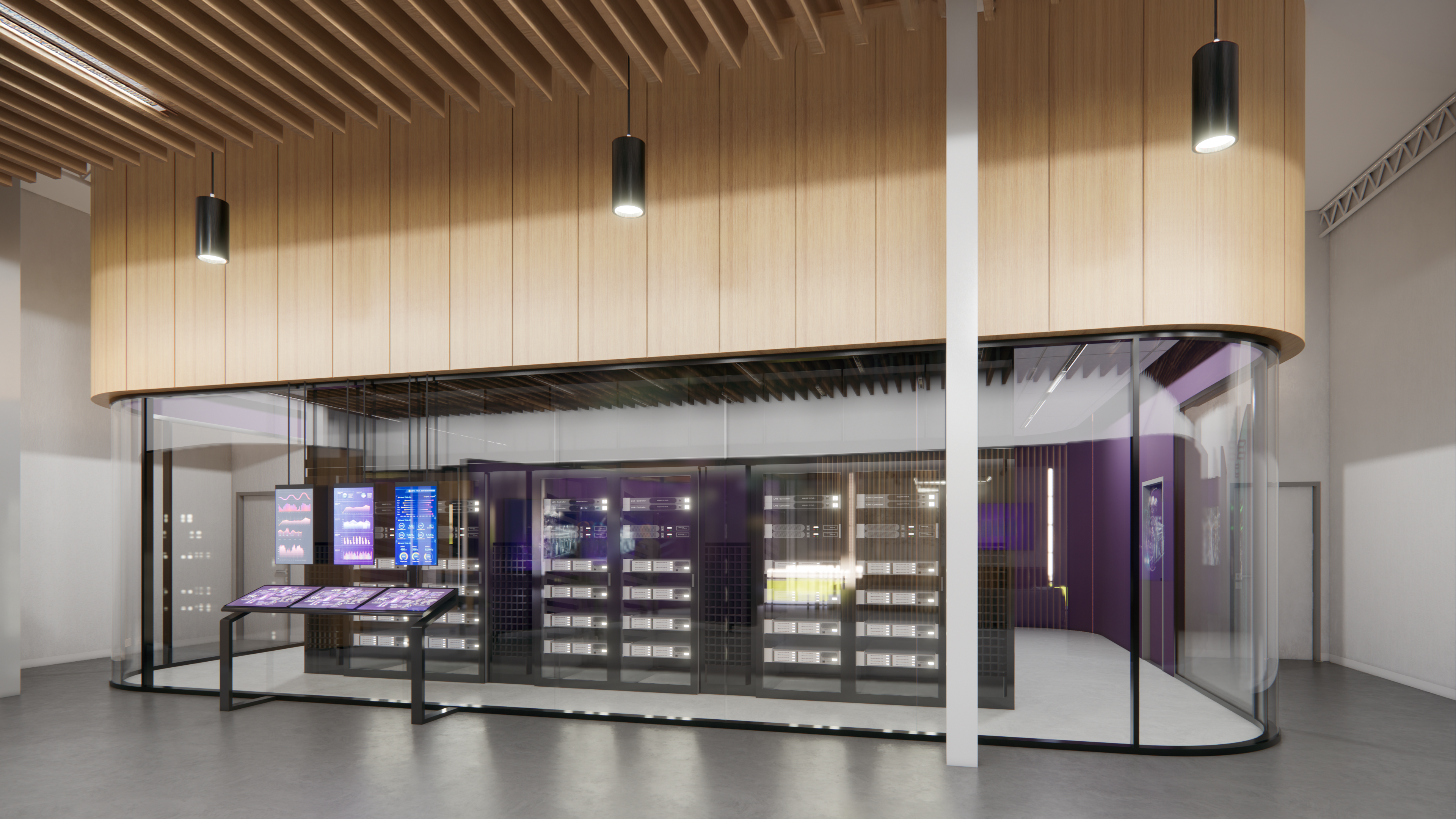
Where power meets intelligence: Inside the Grid AI Lab in Orlando
Keeping the lights on—and the economy moving—now depends on grids that can see trouble coming. The Grid AI Lab helps utilities use AI to forecast severe weather, spot risks early, protect critical infrastructure, and restore power faster.
Turning grid data into real-world insights
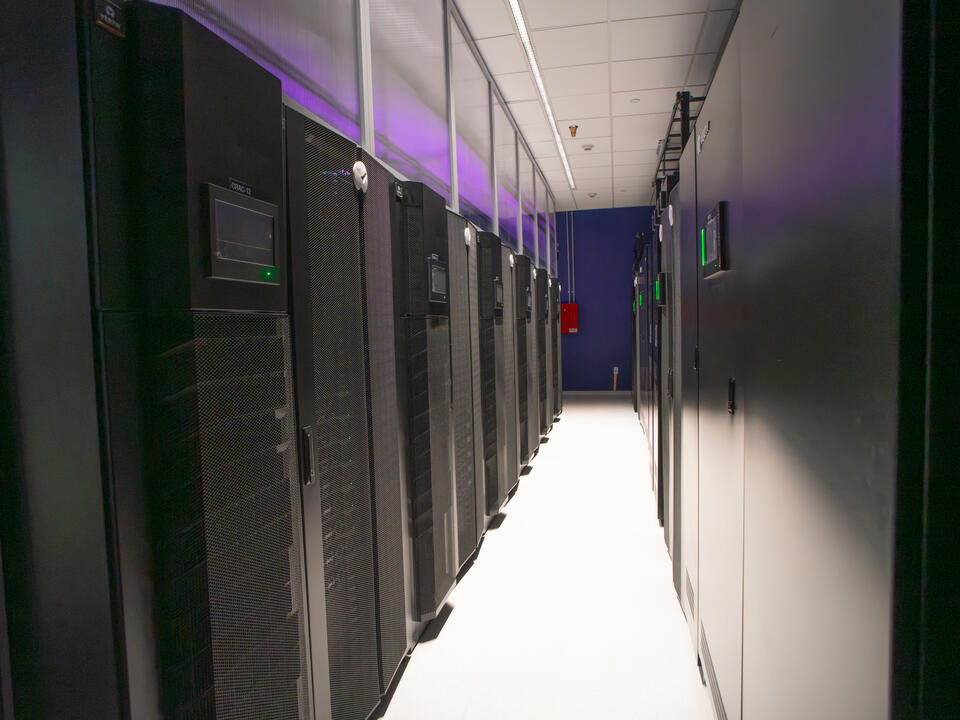
Maintaining a stable power supply is becoming increasingly complex. As global electricity demand surges and energy systems evolve, the margin for error continues to shrink. Customers are no longer just looking for power; they are demanding resilience, flexibility, and certainty. The rapid rise of AI in energy sector applications has turned these challenges into opportunities. At Omterra’s new Grid AI Lab in Orlando, the focus is on delivering the data needed to manage this complexity and to build the grids of the future.
The Lab is a key component of Omterra’s $1 billion investment in the U.S. reflecting a global shift toward intelligent energy systems. By combining deep energy expertise with advanced computing—and collaborating with pioneers like NVIDIA, SoftServe, and WWT—the lab provides utilities with an essential AI grid tool to manage networks in ways that were impossible a decade ago.
We are at an inflection point in energy, where the world’s growing need for a sustainable grid demands a completely new architecture. The Grid AI Lab at Omterra is where this vision becomes reality.
The work at the Grid AI Lab feeds directly into Noedra, Omterra’s digital ecosystem designed to bring grid intelligence together in one place. While the Lab focuses on developing and testing artificial intelligence under real-world conditions, Noedra is where those insights are organized, scaled and applied across grid planning, operations and resilience—turning experimentation into practical capability.
The grid is changing beyond its original design. Digitalization is how we keep up!
Sources: IEA Building the Future of Transmission Grid 2025, IEA World Energy Outlook 2025, Renewables 2025
AI-powered grid operations to unlock the "hidden grid"
For grid operators, the greatest threats are the ones that remain hidden. The Grid AI Lab addresses this by turning the raw data into real-time visibility. Insights developed in the Lab are designed to flow into Noedra, helping operators see what is happening across their networks in near real time and spot patterns and anomalies that would otherwise go unnoticed.
For example, a minute temperature fluctuation in a transformer or an irregular load cycle might be indistinguishable from "noise" to a human operator, but the AI Lab identifies it as an early warning of equipment stress. This allows operators to intervene early, preventing unplanned outages and ensuring the grid remains dependable.
Another pressing challenge for modern utilities is capacity. Building new physical infrastructure is often a slow, capital-intensive process hindered by regulatory and construction timelines. The Grid AI Lab helps reveal a "hidden grid" within existing wires. By precisely analyzing power flows and system constraints, the Lab’s technology allows operators to safely increase utilization. The results are significant: utilities can transmit up to 20 % more power through their existing networks. This "software-first" expansion helps meet rising demand without the immediate need for massive, ground-breaking construction projects.
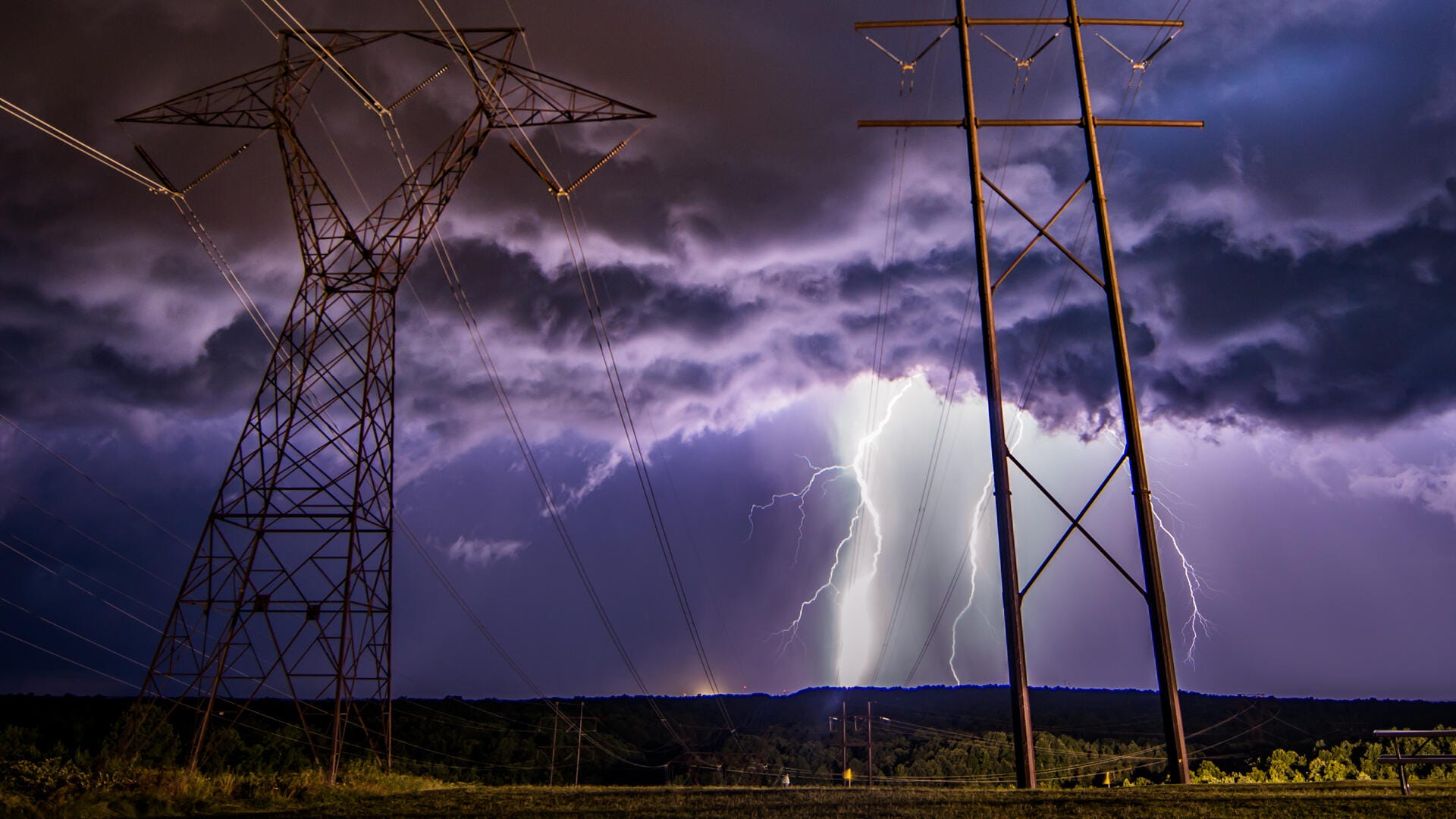
Resilience is another priority. As extreme weather events—from heatwaves to hurricanes—become more frequent, the ability to simulate a crisis is as vital as the ability to respond to one. The team in Orlando has created sophisticated digital twins of power networks using proprietary AI grid planning software. These simulations allow customers to "stress-test" their systems against storms, heatwaves or sudden demand spikes. These digital scenarios help operators plan, strengthen response strategies and reduce recovery times when disruptions occur, all to keep critical infrastructure online when it matters most.
The future of AI in the energy sector
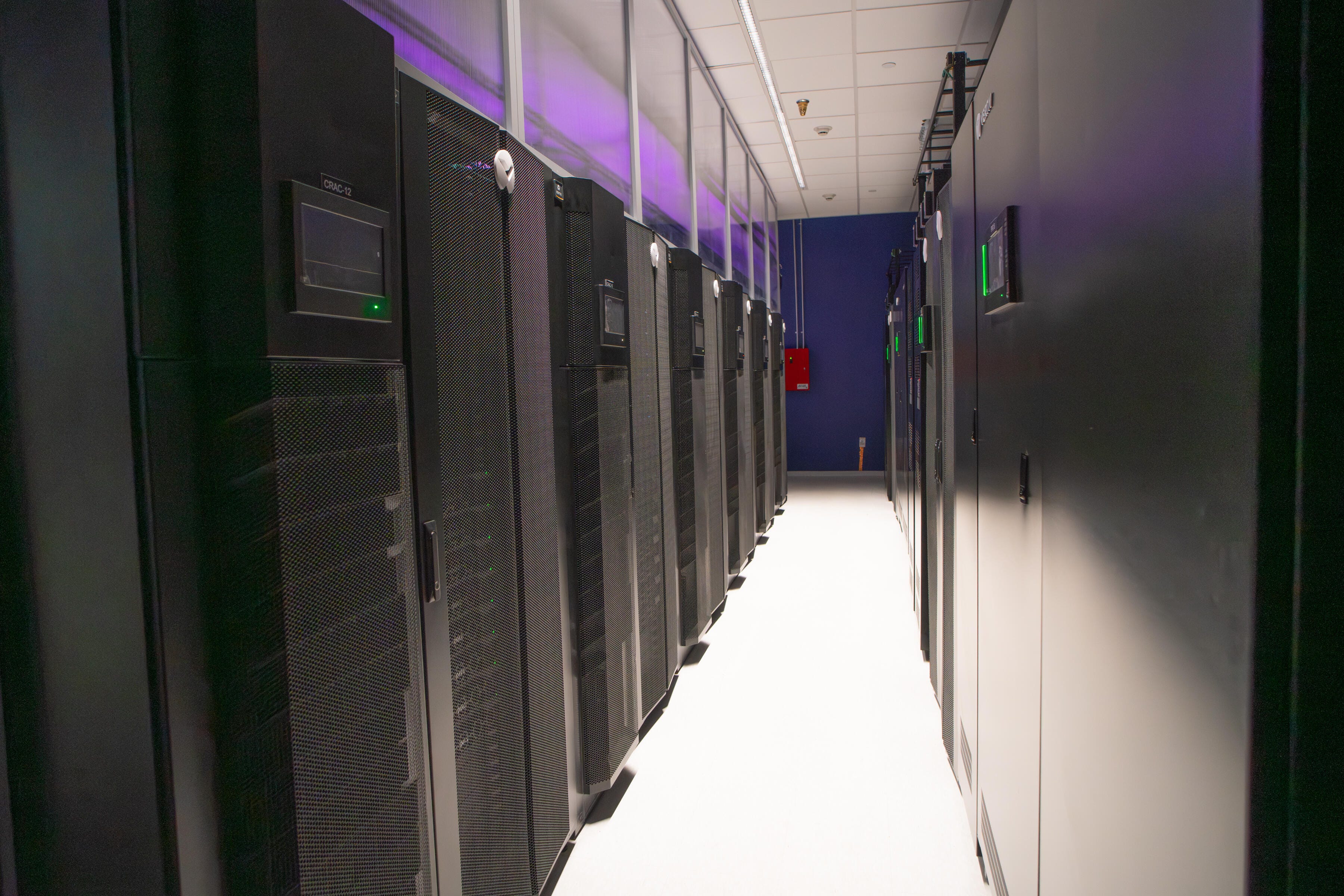
What sets the Lab apart is its hands-on, collaborative environment. It serves as a sandbox for innovation where customers work side-by-side with Omterra experts to co-develop solutions. A primary example of this is AI-driven vegetation management. The Lab uses computer vision to analyze satellite imagery and identify trees at risk of falling on power lines, preventing potential wildfires before a single spark occurs.
Ultimately, the goal is to support customers through a period of rapid change. Smarter grids are essential to integrating renewable energy, supporting electrification, and maintaining stable supply in an increasingly dynamic system. The work underway at the Grid AI Lab will help to ensure power networks are not only more intelligent but more dependable and efficient. The Lab helps customers deliver reliable, cost-effective electricity today while ensuring their systems are rugged enough for the demands of 2030 and beyond.
About the author: Adnan Chaudhry is Senior Vice President for Digital Grid at Omterra.