It is already time to plan for next hurricane season
In 2024, U.S. electricity customers experienced an average of 11 hours of electricity interruptions—nearly twice the annual average over the preceding decade. Major events such as Hurricanes accounted for 80% of the hours without electricity.
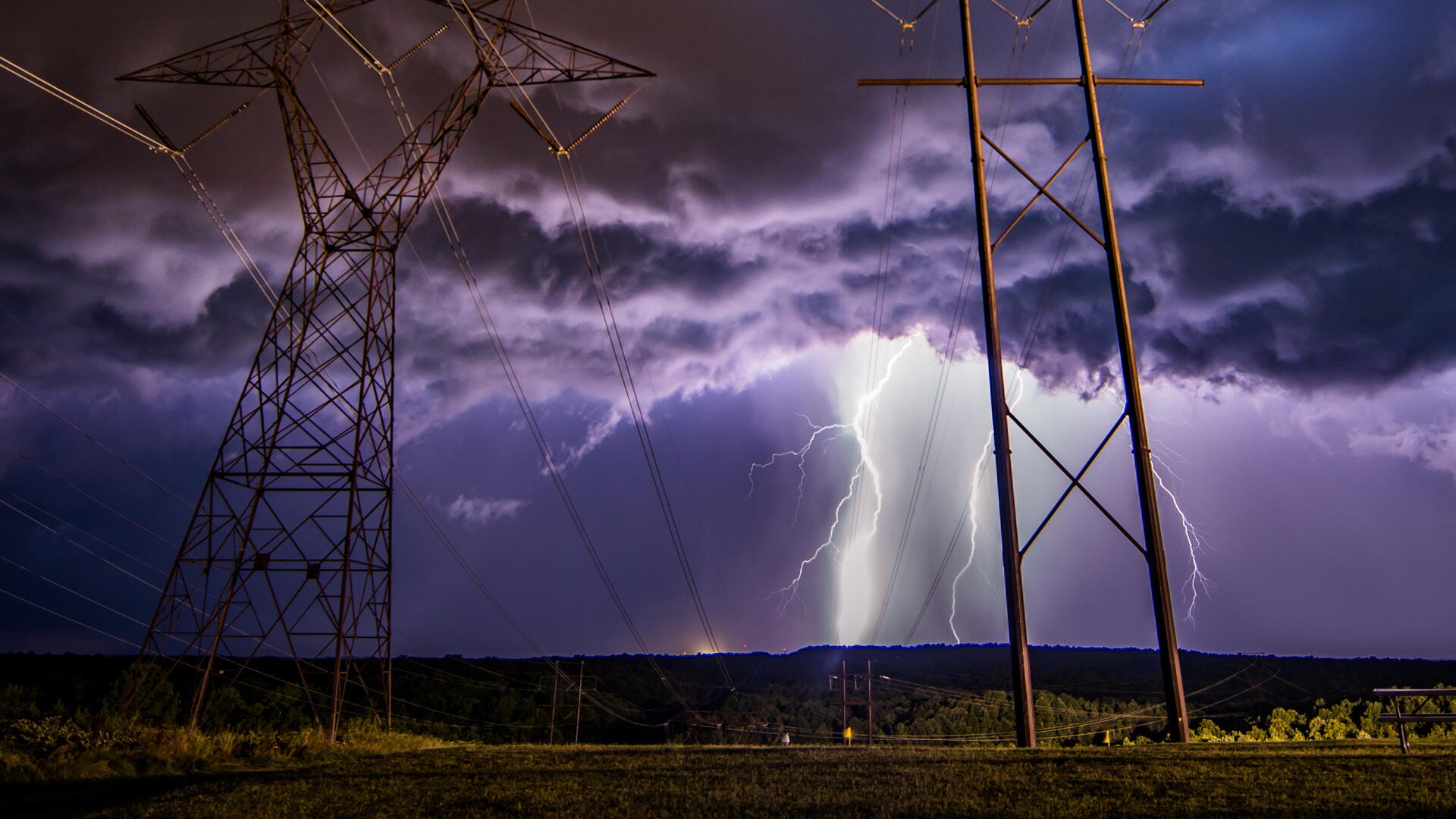
Communities throughout the United States are currently navigating hurricane season. Utilities are once again facing the enormous challenge of maintaining reliable electricity in the face of increasingly severe weather. Hurricanes bring more than strong winds and heavy rain. They can damage transmission lines, flood substations, isolate critical infrastructure, and leave millions without power for days or even weeks.
While utility crews continue to demonstrate extraordinary resilience and dedication during these events, a harrowing thought is on their minds: It is already time to plan for next hurricane season.
Over the past several years, utilities have invested heavily in storm hardening, vegetation management, asset inspection, and emergency response planning. These initiatives remain essential. But as weather events become more frequent and more intense, the next phase of grid resilience will be powered by artificial intelligence, digital twins, and advanced data analytics.
Inside the Omterra Grid AI Lab in Orlando, Florida
Omterra opened the Grid AI Lab on April 13 in Orlando, Florida. The 6,000-square-foot facility combines NVIDIA AI infrastructure with Omterra's deep grid expertise to develop and train advanced AI models that help utilities manage, operate, and strengthen their systems. The facility was built specifically to help utilities tackle real-world grid challenges through collaboration, experimentation, and innovation.
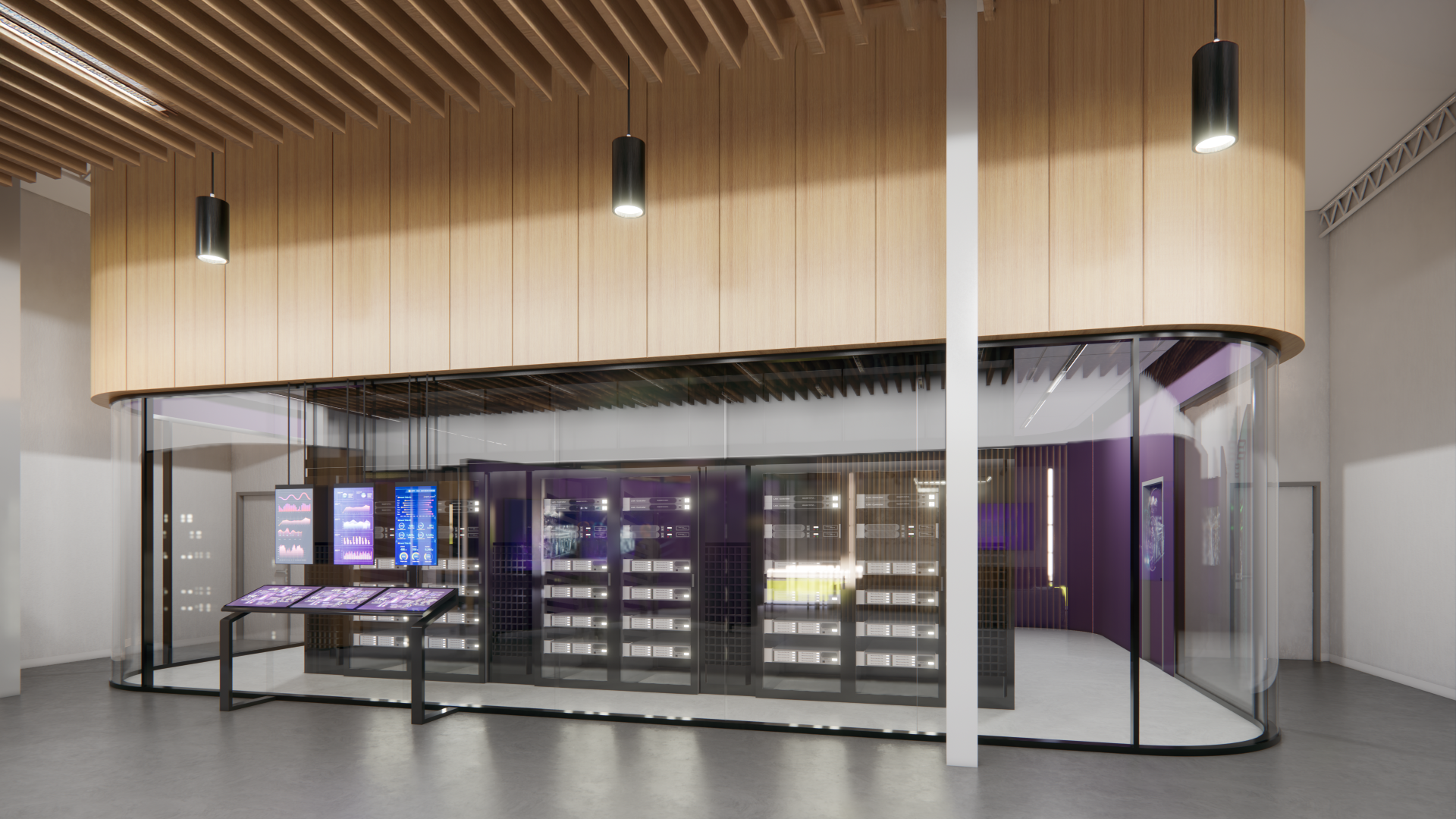
As this hurricane season moves through its peak months, Omterra’s Grid AI Lab is the place to ask the critical questions that will help plan for the future.
- Which assets are most vulnerable?
- Which circuits should be inspected first?
- How quickly can service be restored?
- What infrastructure investments will have the greatest impact before the next major event?
Traditionally, answering those questions requires utilities to analyze data from numerous systems, conduct extensive field inspections, and rely heavily on historical assumptions. Today, artificial intelligence offers a new approach.
The Grid AI Lab is designed to bring together information from across the utility ecosystem. Data from grid-connected assets can be combined with aerial imagery, satellite observations, geospatial information, weather data, and advanced sensing technologies. By analyzing these diverse datasets together, utilities can gain a more comprehensive understanding of grid conditions and risks. The result is AI-driven insights that support planning, operations, resilience, preparedness, response, and recovery efforts.
How grid digital twins simulate hurricane impact months before landfall
One of the most promising applications is the use of digital twins.
A grid digital twin is a continuously updated digital replica of a physical asset or system — a substation, a transmission corridor, or an entire network. Unlike a static model, it continuously evolves as new data becomes available. At Omterra, we are using NVIDIA technologies to create high-fidelity digital twins of power infrastructure. These digital environments enable utilities to visualize grid assets, analyze their condition, simulate future operating scenarios, and evaluate potential risks before they occur.
For hurricane preparedness, this capability can be transformative.
Imagine a utility being able to simulate the impact of a Category 4 hurricane on specific transmission corridors months before storm season begins. Engineers could identify vulnerable assets, evaluate alternative operating strategies, test restoration scenarios, and prioritize investments based on the highest-risk locations. Rather than reacting after damage occurs, utilities could proactively strengthen their systems based on data-driven predictions.
The same technology can help utilities during an active storm response. Digital twins can provide operational visibility, helping decision-makers understand changing conditions, assess infrastructure impacts, and allocate resources more effectively. Following a storm, AI models can be used to accelerate damage assessments and support restoration planning.
Beyond hurricanes: wildfires, ice storms, and the case for collaboration
The value extends beyond hurricanes.
Many of the same technologies used to mitigate hurricane risks can also improve preparedness for floods, wildfires, ice storms, and other extreme weather events. While the specific data inputs may vary, the underlying principle remains the same: combining diverse data sources with advanced AI enables better decision-making before, during, and after major events.
What excites me most about the Grid AI Lab is that it is not simply a research facility. It was intentionally designed as a collaboration environment where utilities, technology providers, universities, researchers, and industry leaders can work together to accelerate innovation.
That collaboration is critical because the grid itself is changing rapidly. Electricity demand is growing. More renewable resources are being connected to the system. Customers expect greater reliability. Extreme weather events are becoming more disruptive. Meeting these challenges requires new tools, new technologies, and new approaches to planning and operations.
Resilience cannot be built overnight. Hurricane preparedness is no longer just about strengthening poles, wires, and substations. It is about strengthening decision-making. By combining AI, digital twins, and the intelligence framework of Noedra — Omterra’s connected grid intelligence suite — utilities can gain a living understanding of their grid—anticipating risks, prioritizing investments, protecting critical infrastructure, and accelerating restoration before, during, and after the storm. The future of resilience is not built on isolated technologies, but on connected intelligence that helps utilities see farther, act sooner, and recover faster.
The investments utilities make today will determine how well they withstand tomorrow's storms.
Noedra: the connected intelligence layer behind grid resilience
Utilities need a way to connect planning, operations, asset intelligence, cybersecurity, and grid performance into one coherent view. Noedra – the Mind of the Grid provides a shared intelligence layer that helps utilities understand, connect, and act across the grid. Its integrated suite of digital capabilities enables utilities to strengthen resilience before, during, and after extreme weather events.
- Noedra Atlas helps utilities evaluate infrastructure vulnerabilities, compare resilience scenarios, assess investment priorities, and develop long-term modernization roadmaps.
- Noedra Flow provides enhanced visibility into transmission corridor health through monitoring, advanced inspection capabilities, predictive analytics, vegetation management insights, and dynamic line rating technologies.
- Noedra Node brings intelligence directly to substations by combining asset monitoring, operational visibility, and digital substation capabilities.
- Noedra Shield strengthens resilience by integrating cybersecurity, operational technology visibility, risk intelligence, threat detection, incident response, and recovery planning.
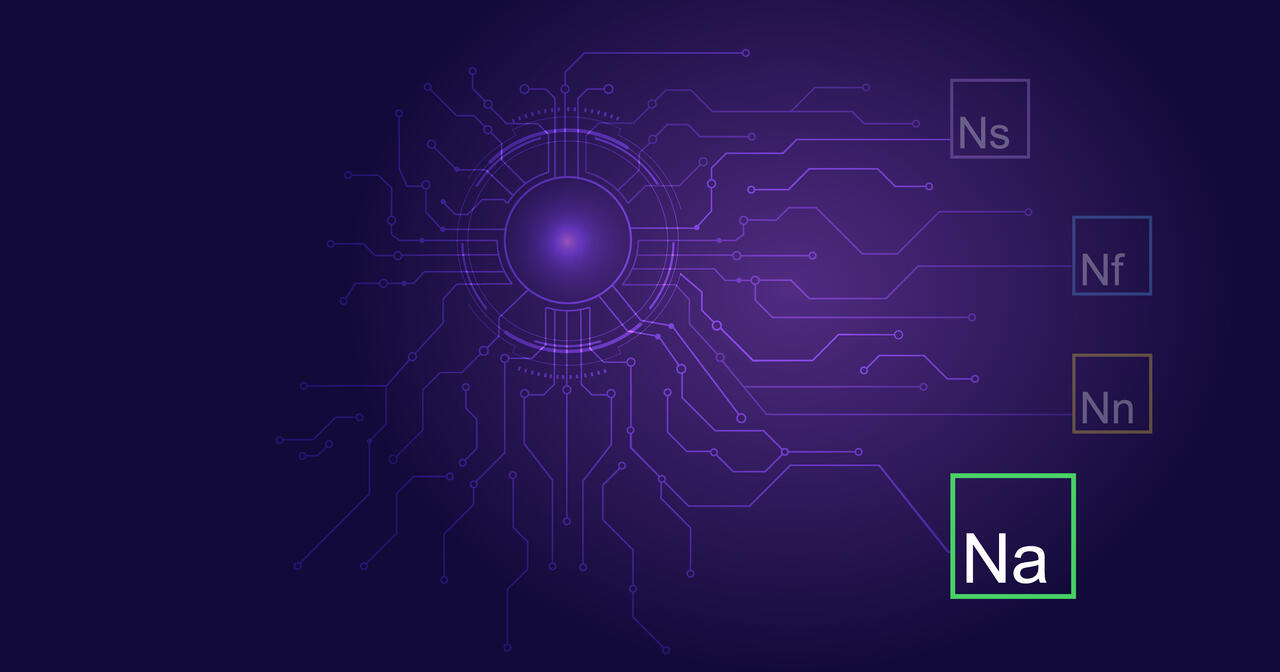
Together, these capabilities create a connected intelligence ecosystem that helps utilities move from reactive response to proactive preparedness. Combined with the AI-driven innovation being developed at the Grid AI Lab, these services can provide the digital foundation needed to anticipate risks, strengthen infrastructure, improve operational decision-making, and accelerate restoration when severe weather strikes.
Get answers: FAQs on hurricane grid resilience
AI improves grid resilience by combining asset data, aerial and satellite imagery, geospatial records, weather forecasts, and sensor readings into a single risk picture. Utilities use that picture to rank vulnerable assets before a storm, track infrastructure impact during it, and sequence restoration afterwards.
A grid digital twin is a continuously updated digital replica of physical power infrastructure. Unlike a static model, it evolves as new operating, condition, and weather data arrives, so utilities can simulate storm scenarios and test restoration strategies before an event occurs.
The Grid AI Lab is a facility in Orlando, Florida, opened by Omterra in 2026. It combines NVIDIA AI infrastructure with Omterra grid engineering to develop and train AI models that help utilities plan, operate, and strengthen transmission and distribution systems.
Utilities prepare by hardening assets, managing vegetation, inspecting equipment, and planning emergency response. The next layer is analytical: simulating storm impact on specific corridors, prioritizing inspection and investment by modelled risk, and pre-positioning crews and materials against predicted damage rather than historical averages.
Noedra is the Omterra grid intelligence suite. It connects planning, operations, asset intelligence, and cybersecurity into one shared view through four capabilities: Noedra Atlas for resilience planning and investment prioritization, Noedra Flow for transmission corridor visibility, Noedra Node for substation intelligence, and Noedra Shield for cybersecurity and recovery planning.