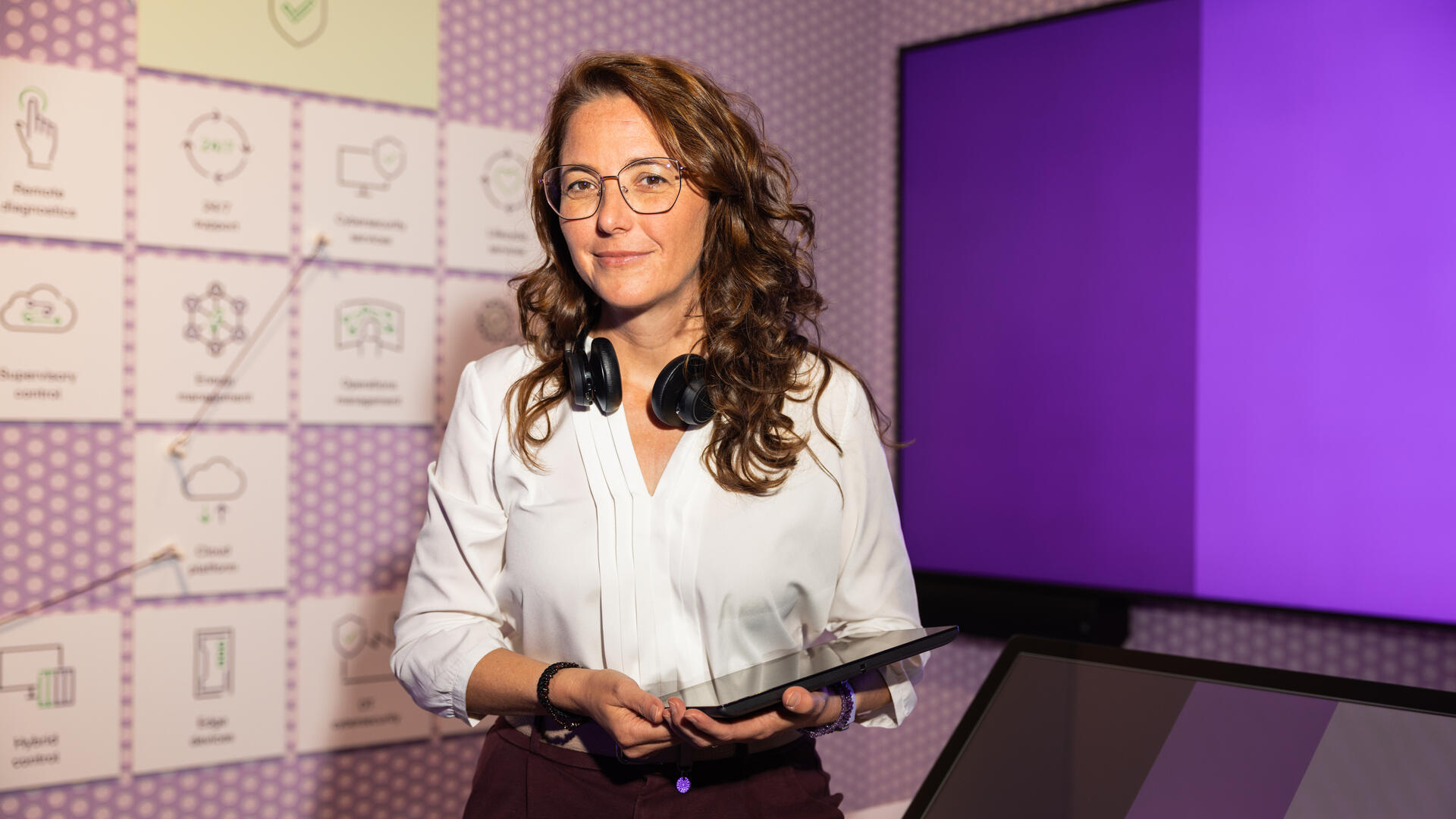
At the heart of SF₆-free switchgear: Sarah Kilian and the power of vacuum interrupters
When powerful electrical arcs flash across a high-voltage test field and thunder-like bursts fill the air, most people instinctively step back. Sarah Kilian remains focused. For the engineer, these moments are not extraordinary. They are part of the work at Omterra, formerly known as Siemens Energy, to develope technologies that help make tomorrow's power grids more reliable, resilient, and sustainable.
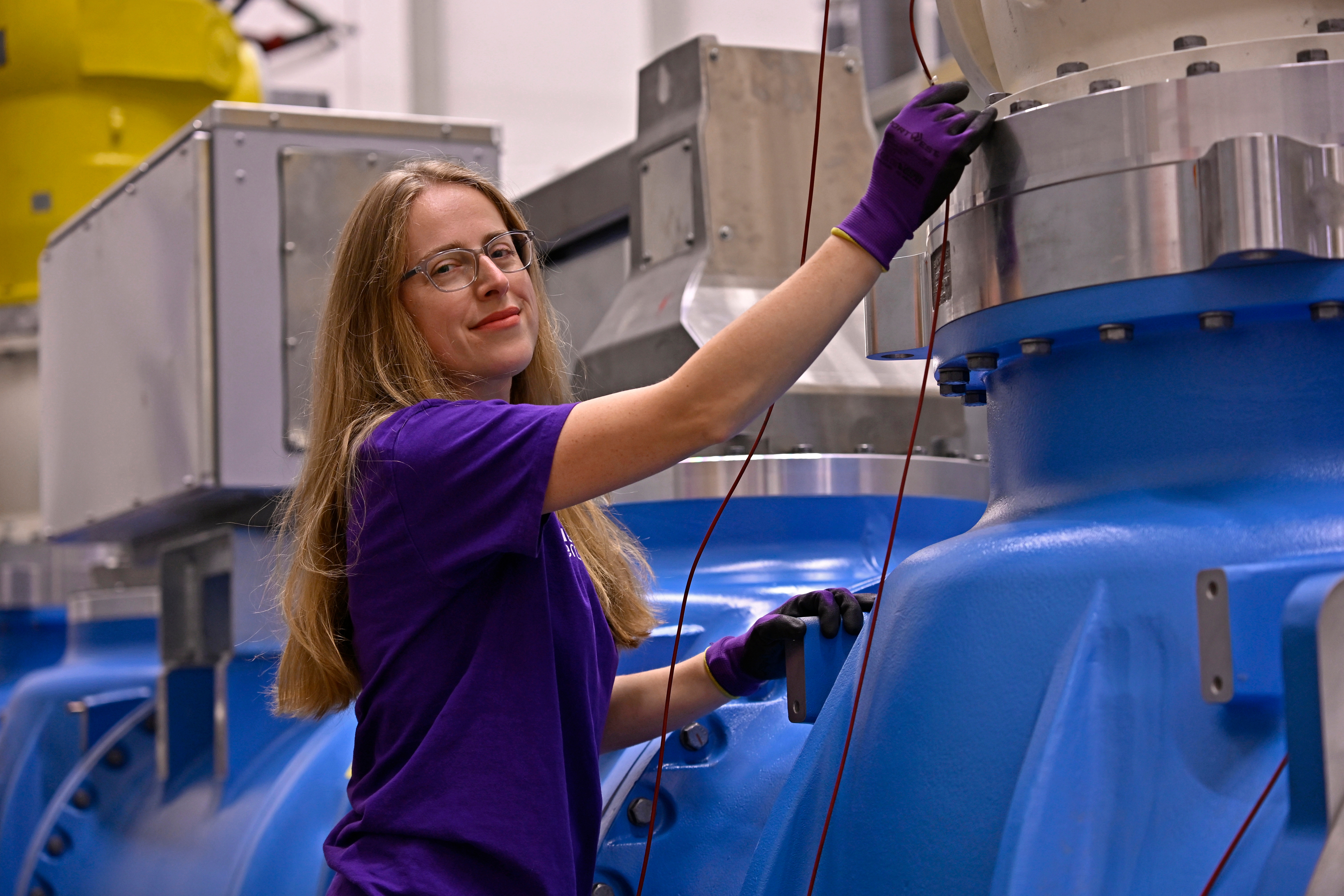
Working in high-voltage development at Omterra in Berlin, Sarah spends her days evaluating vacuum interrupters—the switching component at the heart of SF₆-free circuit breakers—and the technologies that support the safe and reliable transmission of electricity. It is a role that combines scientific curiosity, engineering precision, and a passion for transforming ideas into real-world solutions.
From physics degree to high-voltage engineering
Even during her physics studies, Sarah Kilian was fascinated by the connection between scientific principles and practical applications. Rather than focusing solely on theory, she wanted to build technologies that solve tangible challenges.
Alongside her studies, she joined a Berlin-based start-up, where she worked closely with major customers and assumed significant responsibility early in her career. After nearly a decade, she was ready for a new challenge. She found it at Omterra. The opportunity to work on high-voltage switching technology offered exactly what she was looking for: the chance to develop innovative ideas, validate them through testing, and help bring new technologies from concept to implementation.
My curiosity was simply greater than anything else
Moving from a small company to a global organization represented a major shift. Cross-functional projects, international collaboration, and multiple stakeholders replaced the short decision-making paths she had known before. Yet curiosity outweighed uncertainty. From her first day, Sarah became part of a major development initiative, the 420-kV Blue gas-insulated switchgear project, which would shape much of her early career at Omterra.
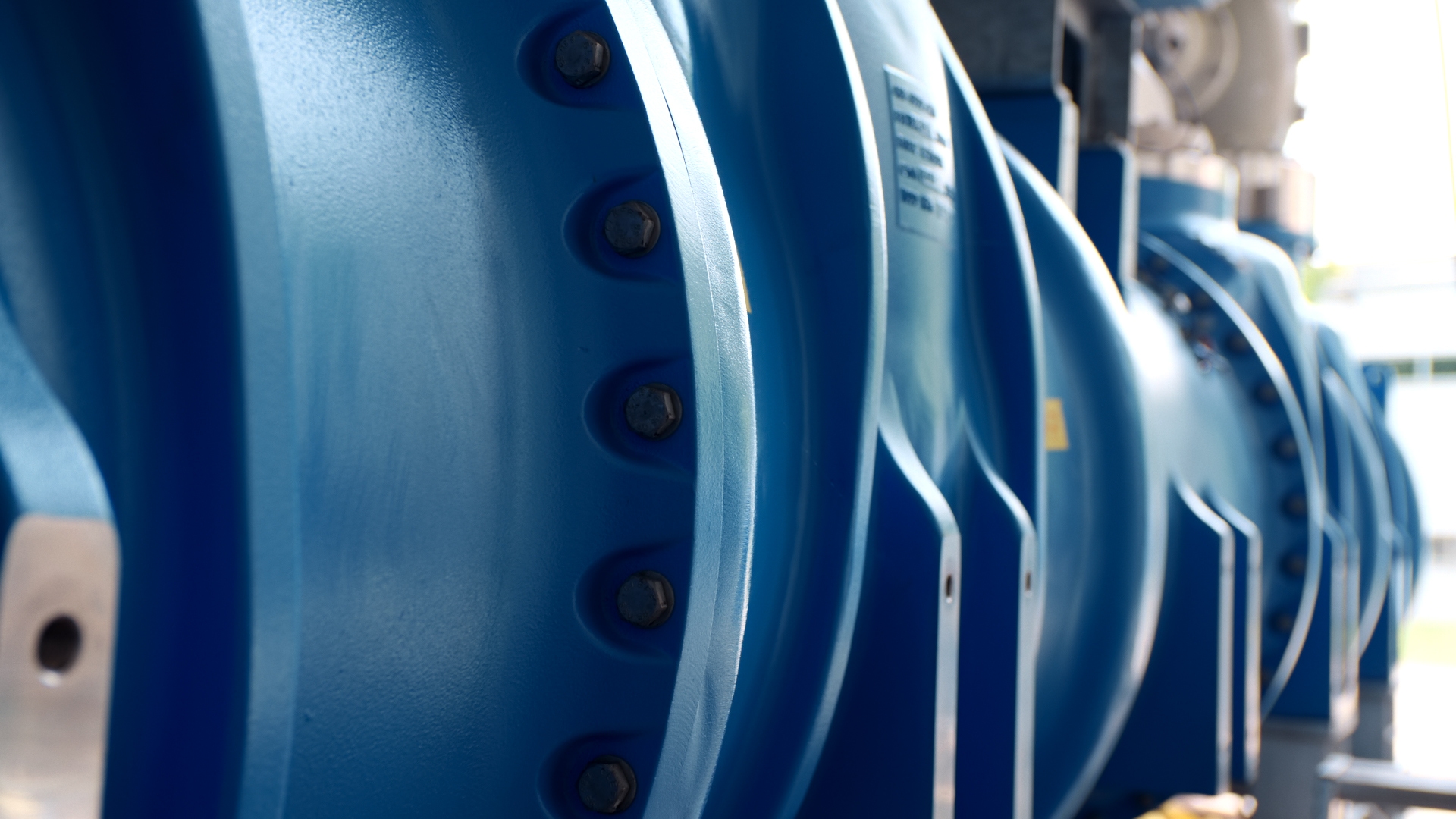
Vacuum interrupter: The technology behind every light switch
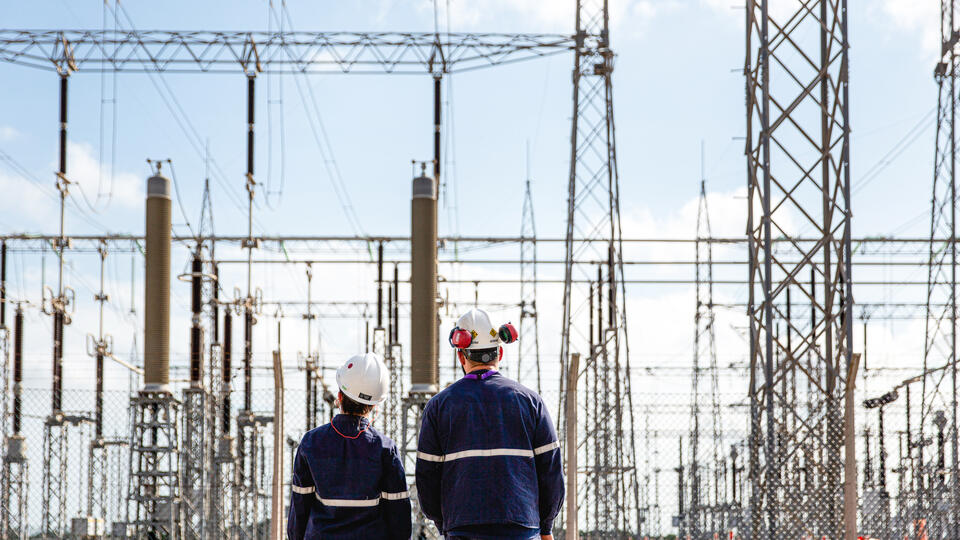
Although rarely visible to the public, high-voltage circuit breakers play a critical role in modern power systems. They help keep electricity networks safe and stable by isolating sections of the grid during maintenance or faults, protecting equipment, supporting grid reliability, and enabling safe working conditions. "To turn on a light switch, we need this technology working behind the scenes", Sarah explains.
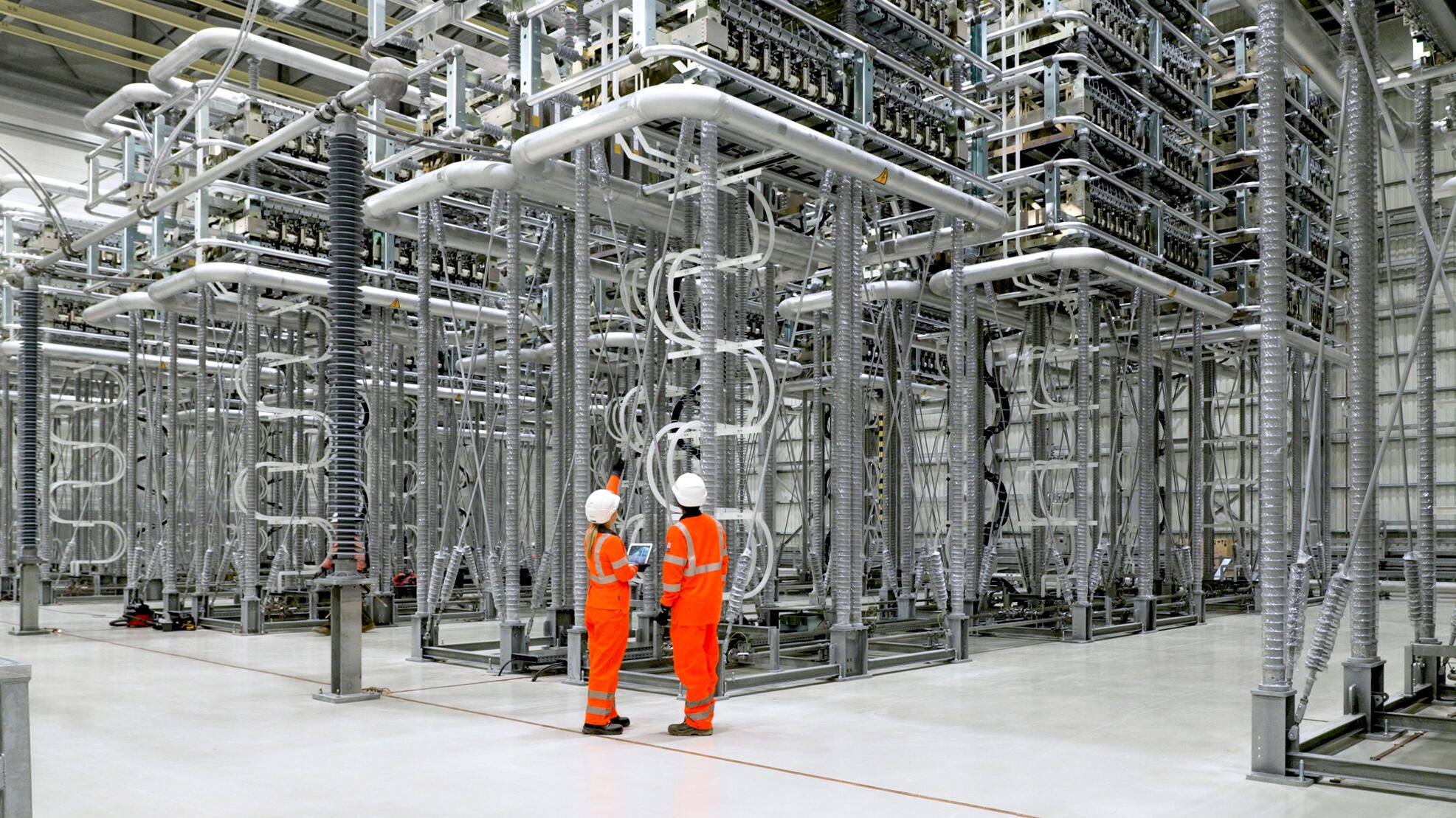
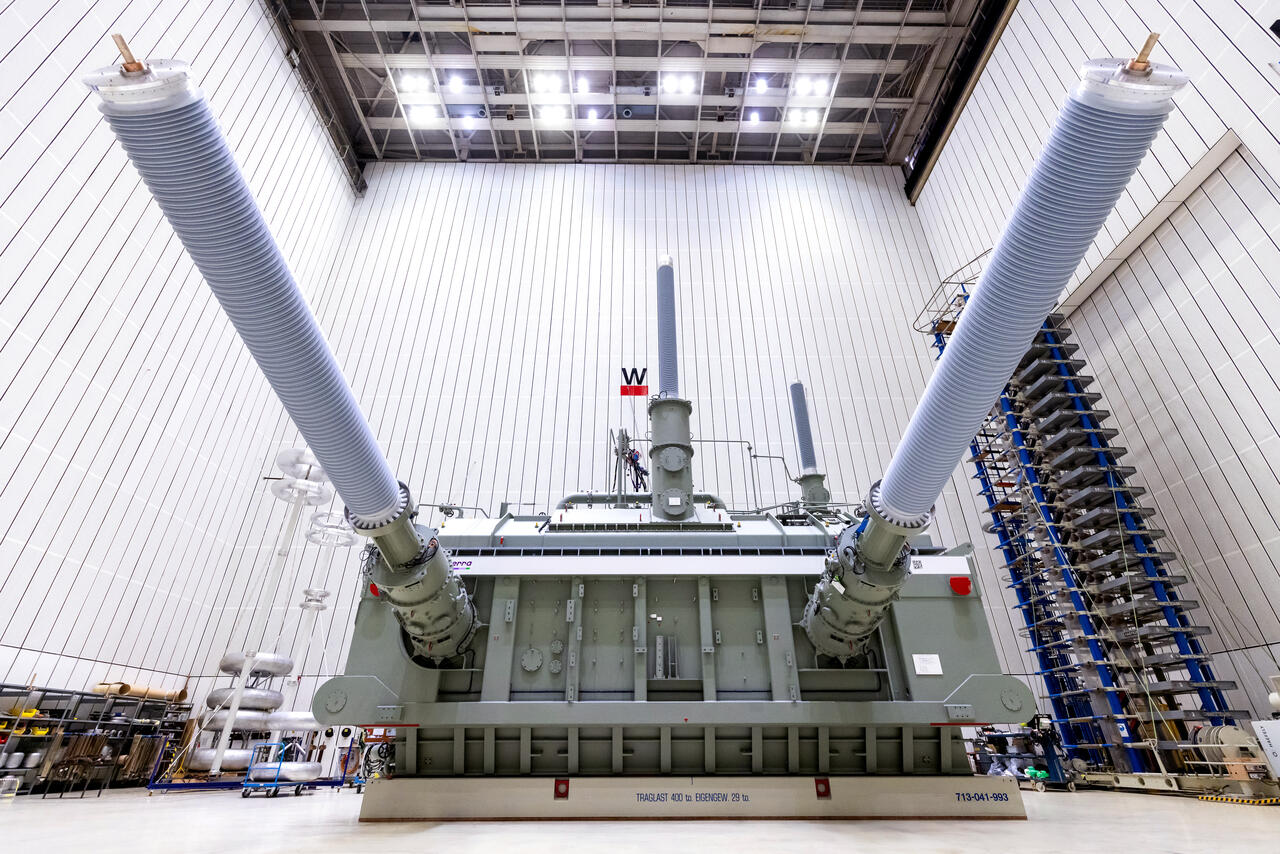
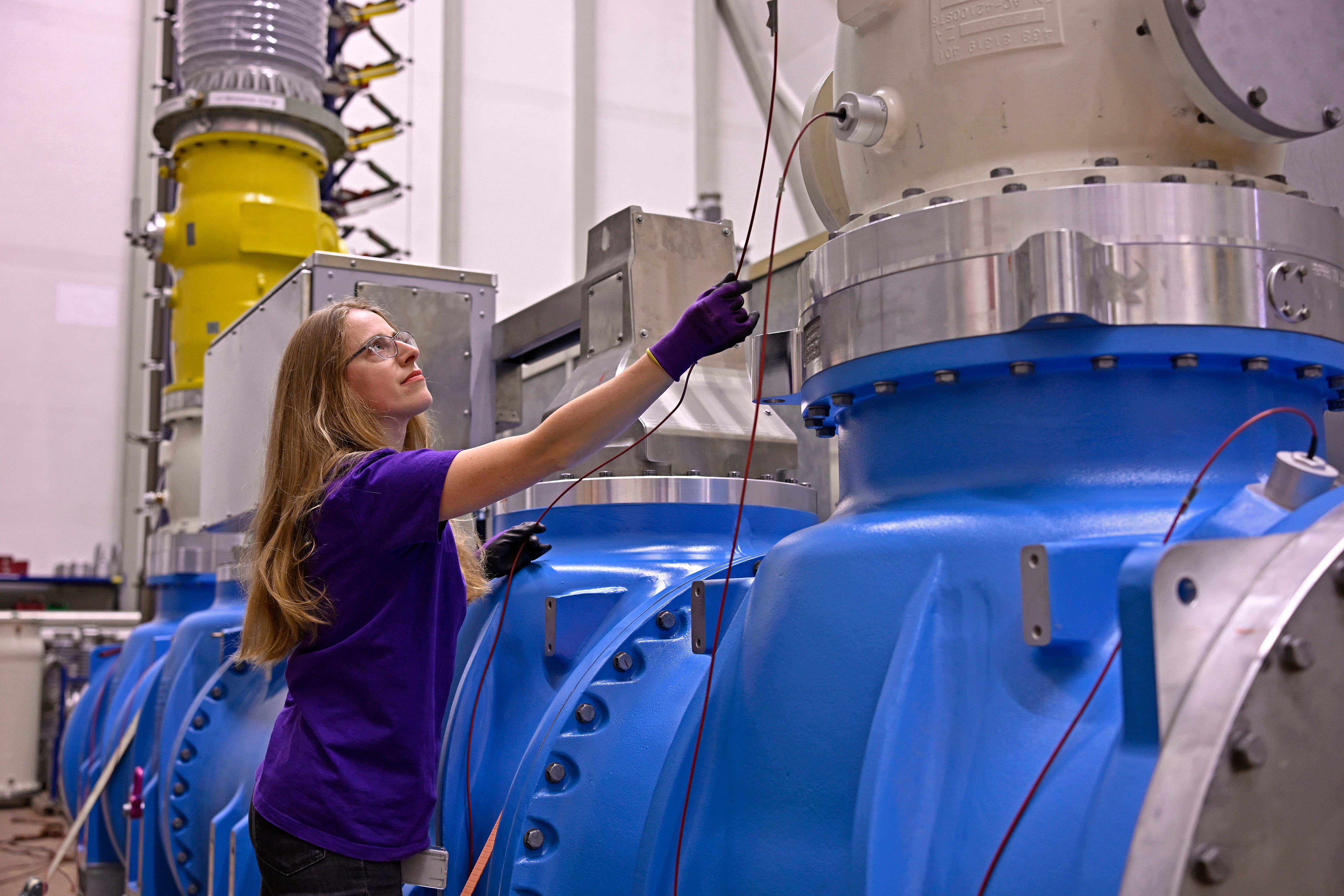
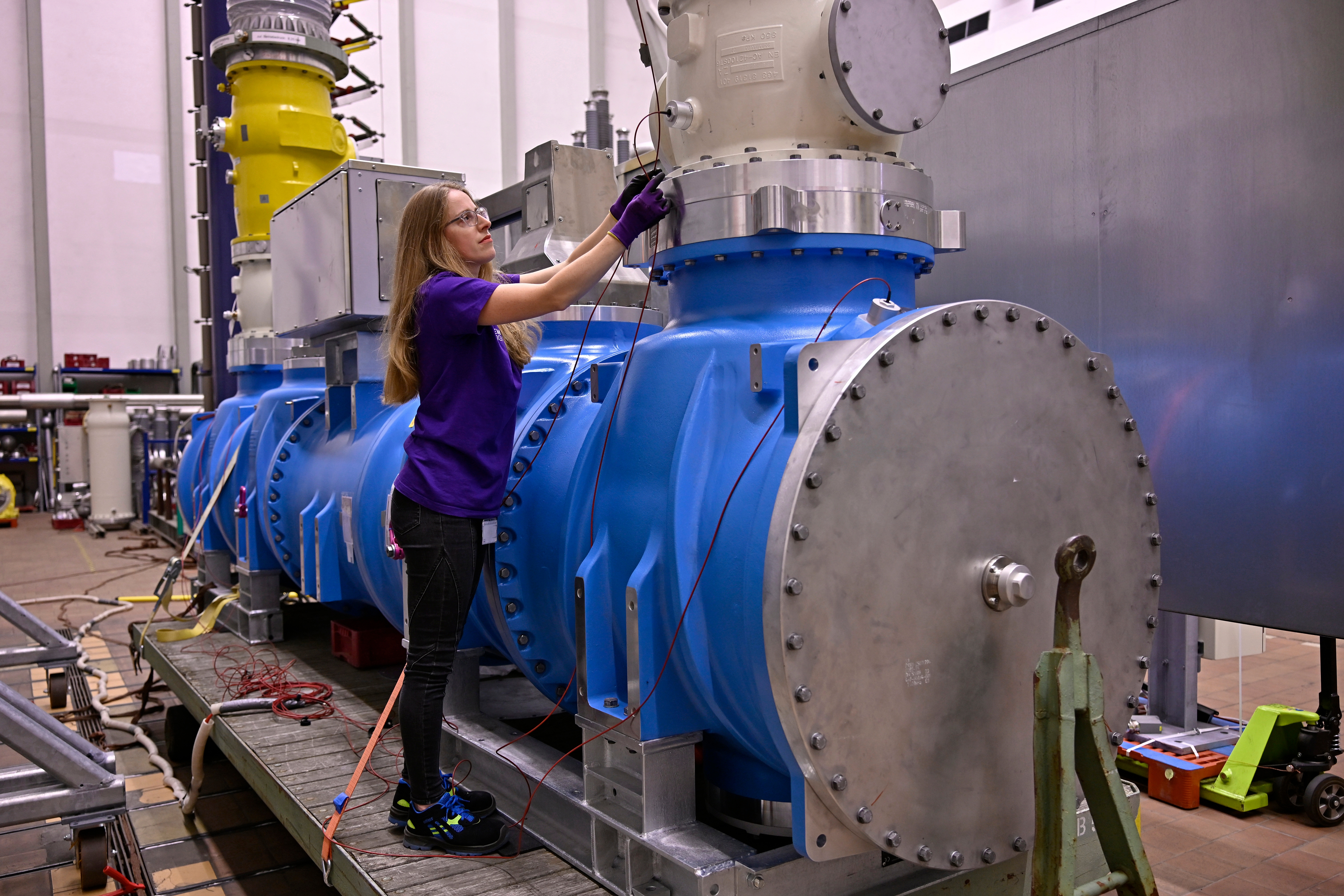
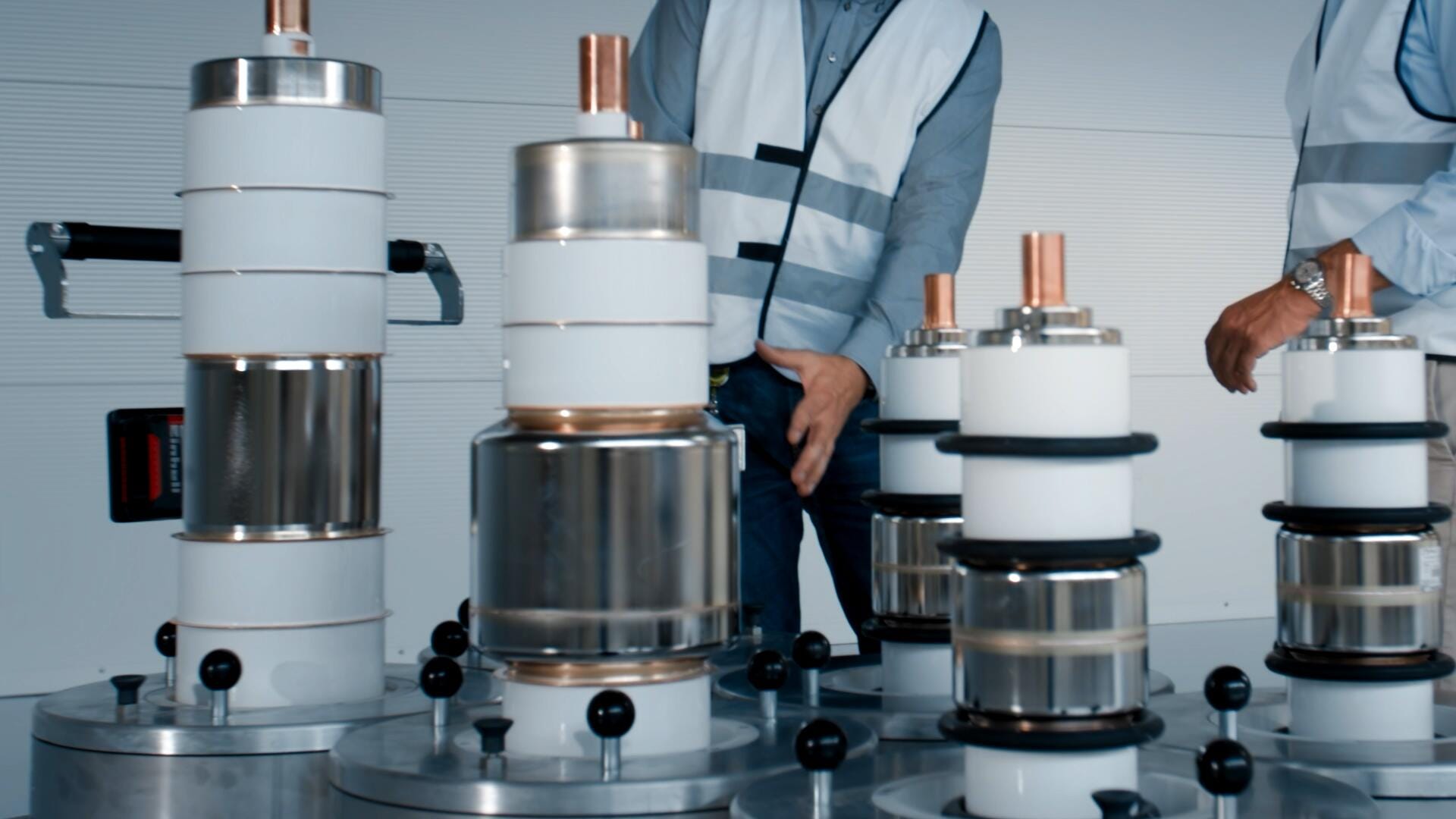
A significant part of her work takes place in the high-voltage test field, where she evaluates prototype vacuum interrupters, a core component of modern circuit breakers. Around 100 interrupters pass through her testing process each year.
A vacuum interrupter is a sealed ceramic chamber in which two contacts separate inside a near-perfect vacuum, so the electrical arc that forms when a circuit is opened is extinguished almost instantly and without any insulating gas. Realizing this with a reliable performance at 420 kV, where SF₆ has been used for decades, is the engineering challenge Sarah’s test field is helping to solve.
However, the objective extends beyond determining whether a component performs successfully. Equally important is understanding why it succeeds or fails, generating the insights that guide future design and development.
Advancing sustainability: Building an SF₆-free 420 kV switchgear
Many of the lessons learned during testing contributed directly to the development of Omterra's 420-kV technology.
The project represents an important step toward more sustainable power transmission infrastructure. Its objective is to develop high-voltage switchgear that does not require SF₆, a greenhouse gas traditionally used in electrical equipment. By combining vacuum switching technology with clean-air insulation, Omterra is advancing a more environmentally friendly solution for extra-high-voltage applications.
Developing this technology required extensive testing under demanding conditions and close collaboration between experts from different disciplines. The result is an innovation designed to support the evolving needs of modern electricity networks while helping reduce environmental impact.
Innovation through collaboration
The 420-kV project brought together around 50 specialists from development, testing, manufacturing, and other functions. Success depended on aligning test capacities, coordinating timelines, and solving technical challenges together, often under demanding conditions.
For Sarah, this collaborative approach reflects the true nature of technological advancement.
"In research, there is rarely one major breakthrough. Most progress comes through many small steps. That's why it's especially rewarding to see your product ultimately deliver exactly the performance you hoped for within the overall system".
Innovation in the energy sector rarely happens through a single breakthrough. Instead, progress is built through continuous learning, experimentation, and teamwork.
From development engineer to product owner
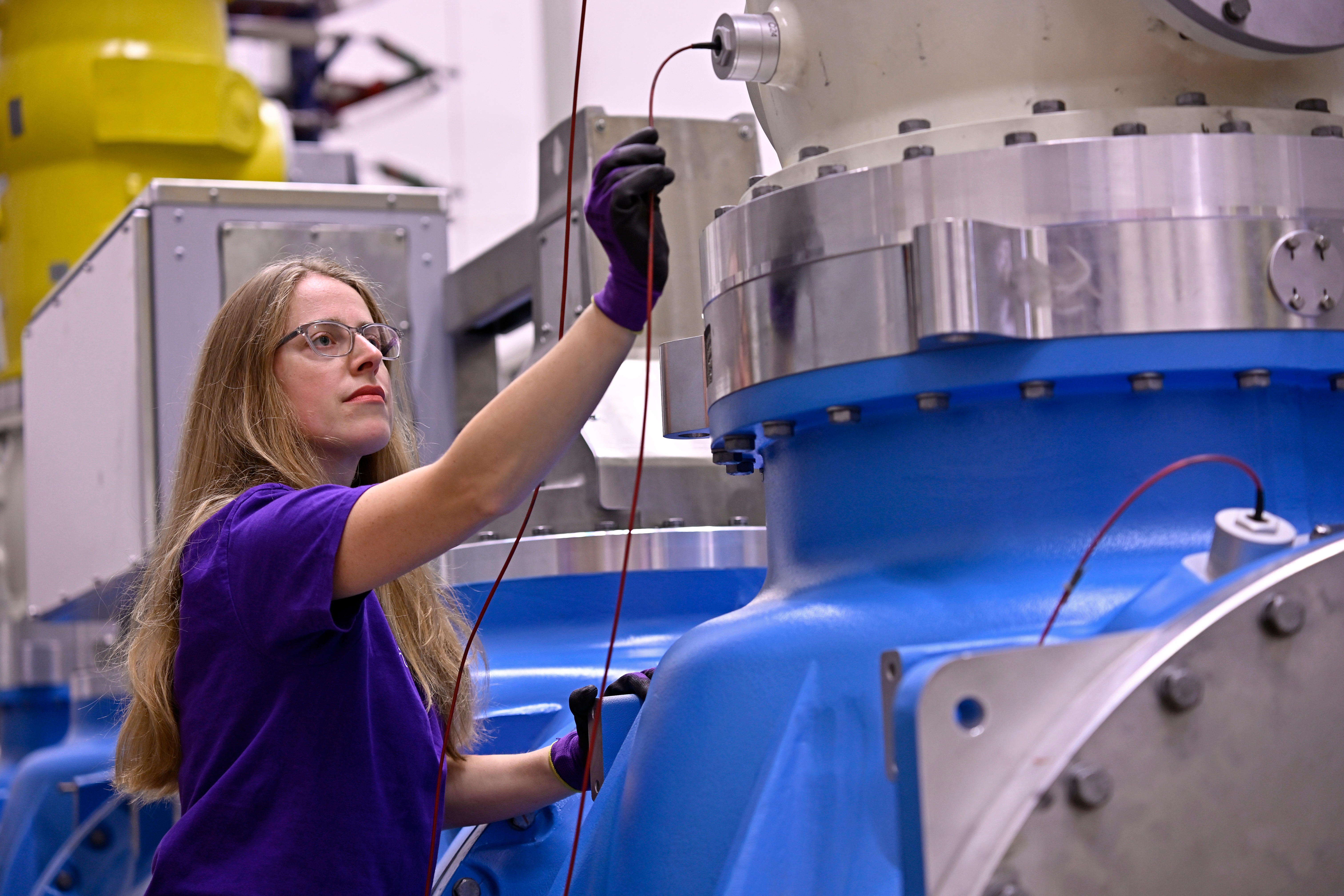
Curiosity continues to drive Sarah's professional journey. Since November 2025, she has also served as Product owner, providing functional leadership to a team of around 17 colleagues while helping guide the future development of vacuum interrupter technology. Her focus includes bringing development activities together more effectively, expanding the technology into new applications, and accelerating technological progress.
For Sarah, innovation is not a buzzword. It is part of everyday work.
To me, innovation begins where curiosity is stronger than habit.
Finding balance beyond engineering
Away from laboratories, test equipment, and high-voltage systems, Sarah finds balance in nature. One of her most unexpected passions is beekeeping, a hobby that offers a welcome contrast to her highly technical work.
While beekeeping and high-voltage engineering may seem worlds apart, both require patience, observation, and a long-term perspective. These qualities continue to shape Sarah's approach to innovation, leadership, and personal growth.
The advice she would give her younger self reflects that same philosophy: "Be patient. Progress takes time". It is a simple message, yet one that perfectly captures her approach to technology, collaboration, and innovation. For Sarah Kilian, progress starts with curiosity, and curiosity is what continues to drive her forward.
Sarah Kilian at a glance
- Role: Product owner for vacuum interrupter technology at Omterra Grid Technologies in Berlin
- Job profile: Combines laboratory testing, data analysis, and technical investigations to develop vacuum interrupter technology for next-generation high-voltage switchgear; around 100 prototype interrupters tested per year
- Background: M.Sc. in Physics and nearly a decade at a Berlin-based start-up before joining Omterra
- Why Omterra: Joined Omterra for a new challenge and the opportunity to contribute to innovation in a global organization
- Favorite part of the job: Investigating test results, uncovering the story behind the data and turning insights into product improvements
- Biggest challenge: Responding quickly and effectively to unexpected technical situations
- Teamwork: Works closely with experts across disciplines and countries as part of a 17-person core team and a 50-person 420-kV project
- Off duty: Beekeeper
About the author: Katalin Schricker works in communications at Omterra, where she has specialized in editorial tasks.
Combined picture and videos credits: Eckhardt Joite