Omnivise T3000 SCADA
Power generation is becoming more distributed. Gas turbines, wind farms, solar arrays, and battery storage systems must work together – often across multiple sites and great distances. Managing them from separate systems creates risk, complexity, and cost.
Omnivise T3000 SCADA (Supervisory Control and Data Acquisition) solves this. It connects distributed and co-located power assets into one centralized control environment. Operators monitor, control, and intervene from a single interface – in real time, across the entire fleet. Omnivise T3000 SCADA is designed with cybersecurity in mind, protecting critical infrastructure without limiting operational flexibility.
Centralized control for power plant operations
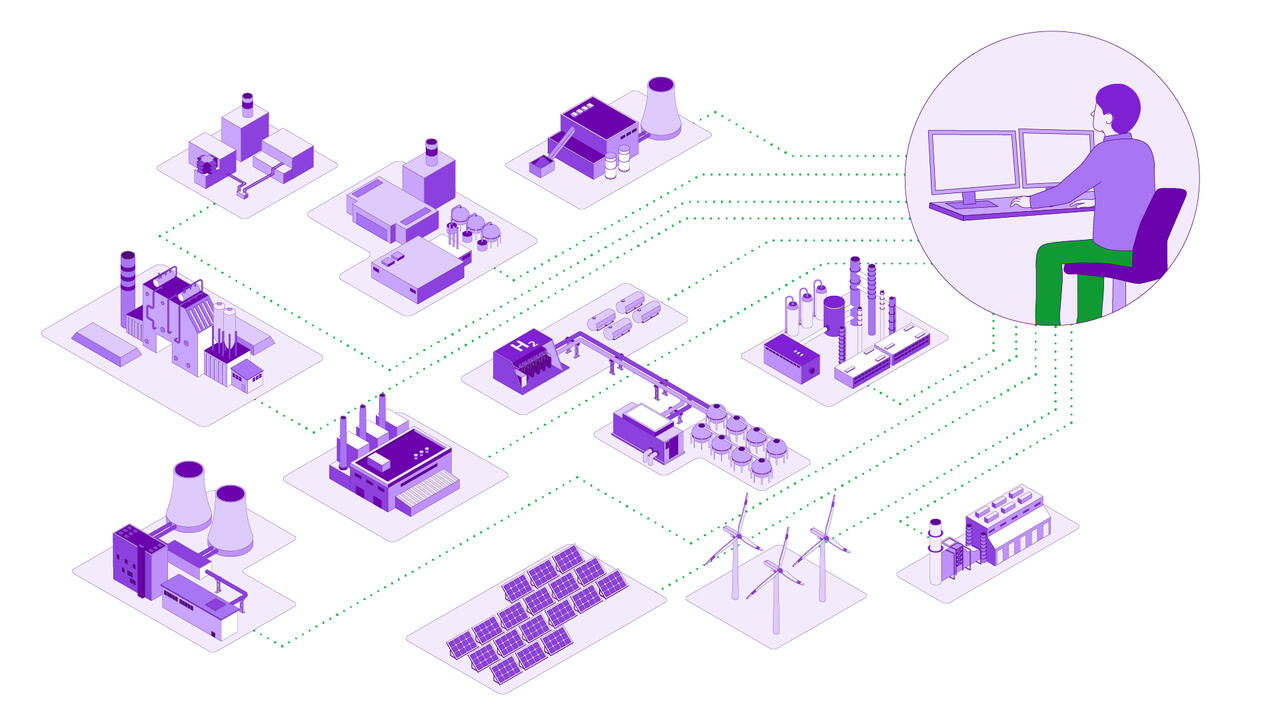
Omnivise T3000 SCADA extends the T3000 control approach from a single site to a multi-site fleet. It connects distributed assets across technologies and locations into one centralized control environment, and serves as the operational backbone for Generation Fleet Management.
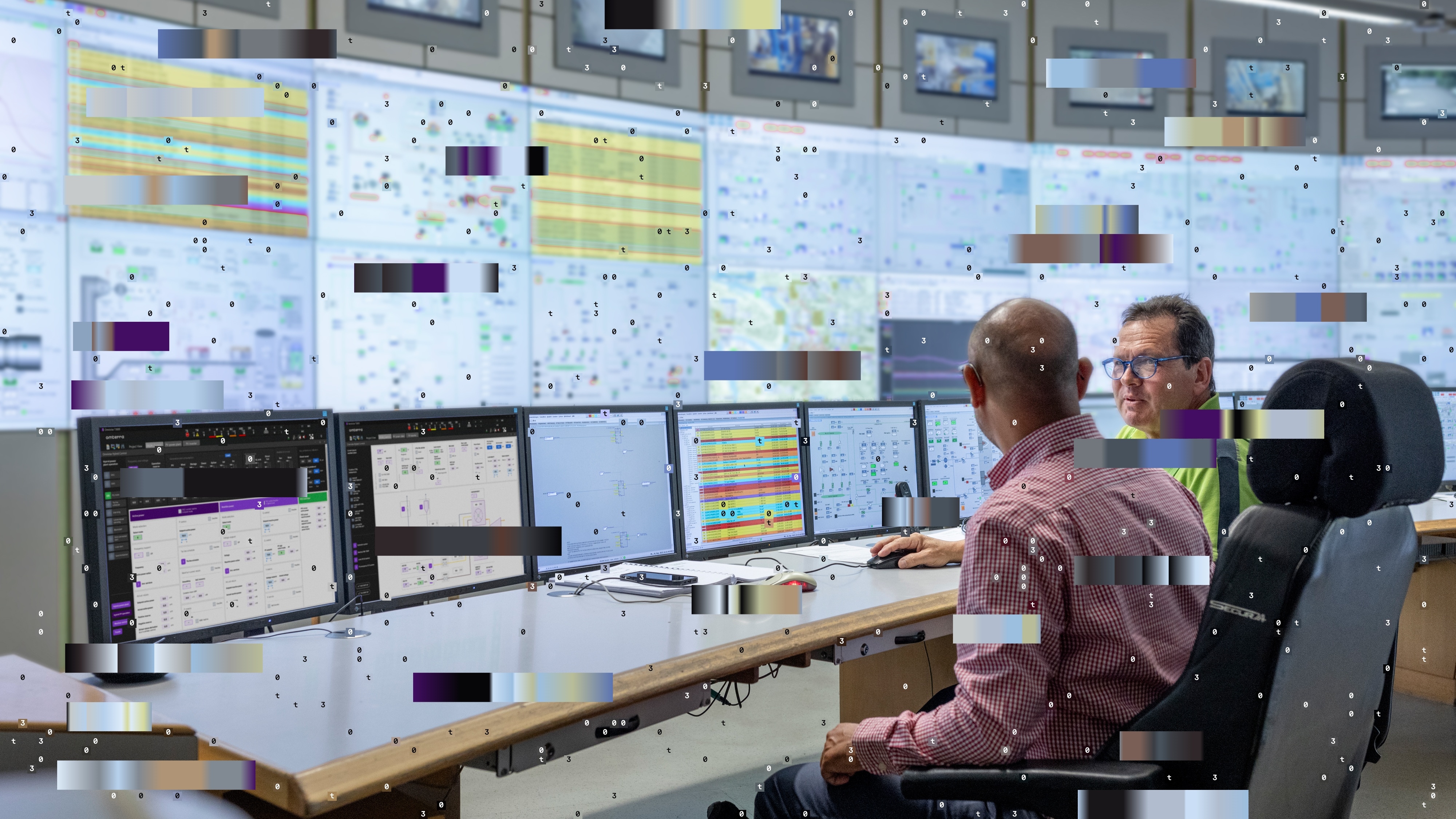
Omnivise T3000 SCADA collects data from distributed and co-located units, aggregates it via the T3000 Application Host, and delivers a single, consistent operational view. Engineering effort decreases. Response times improve. Control stays central, regardless of asset type or location.
Key facts of Omnivise T3000 SCADA:
One unified interface for conventional plants, renewables, and hybrid configurations
Integration of units operating with Omnivise T3000 and third-party systems via OPC UA, Modbus, IEC 60870-5-104, DNP 3.0, and IEC 61850
End-to-end encrypted communication with certificate exchange
Multiple remote sites connected to a single T3000 Controller – from single plants to large fleets
Cybersecurity designed to comply with IEC 62443-3-3 and IEC 62443-4-1
Distributed and co-located operations
Omnivise T3000 SCADA adapts to the operational reality of each site – whether assets are spread across multiple locations or consolidated within one plant. Both scenarios run through a single control environment, giving operators consistent visibility and control regardless of scale or configuration.
Multi-site operations: one control center, many plants
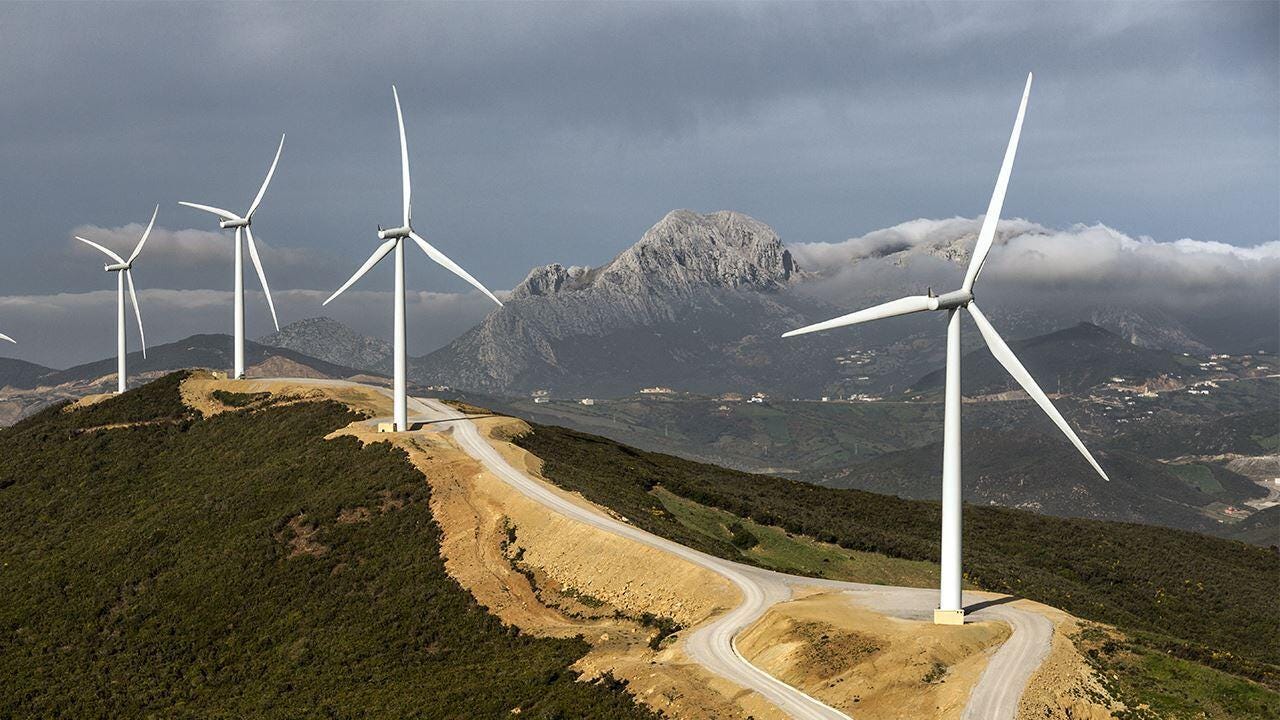
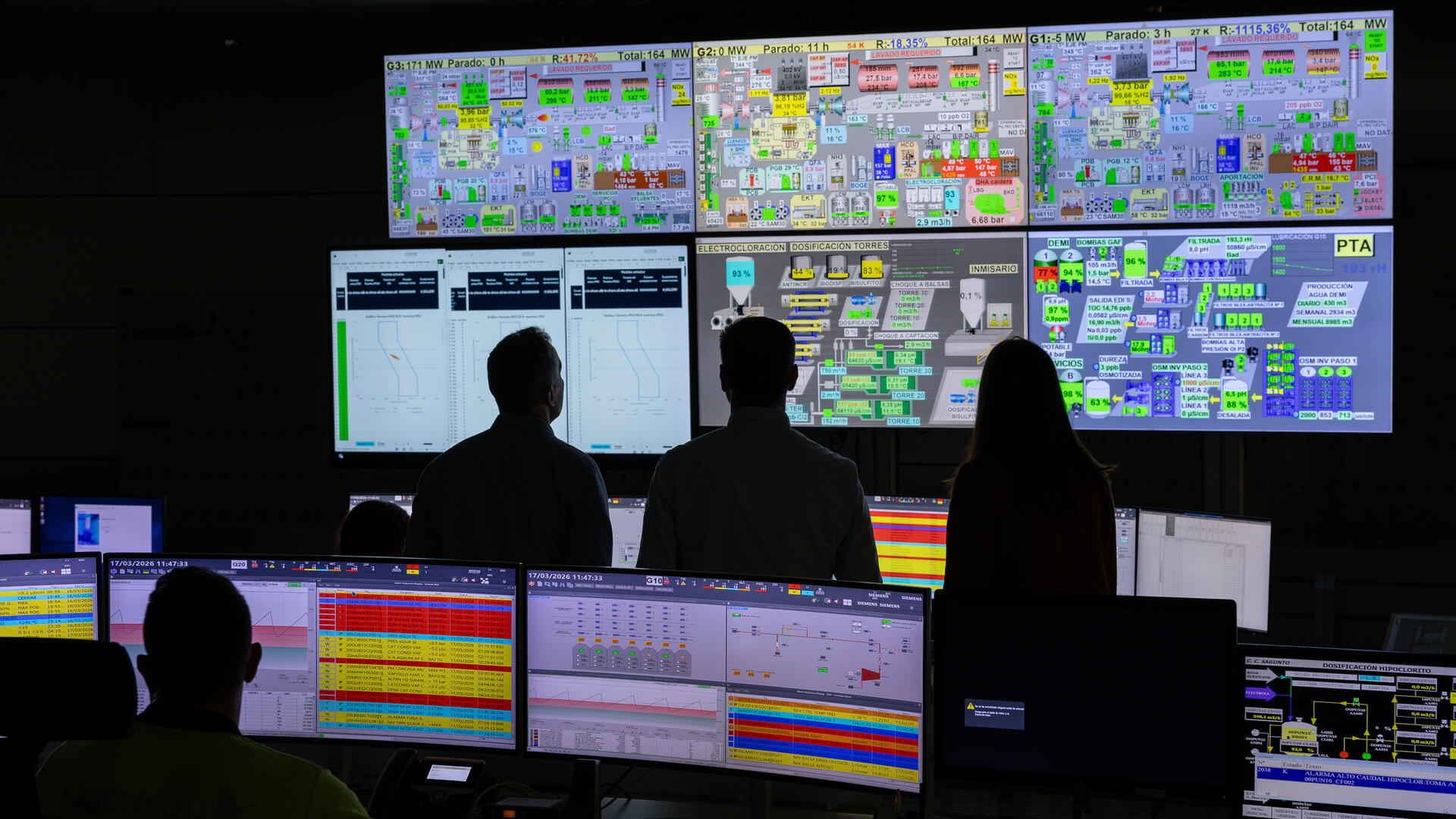
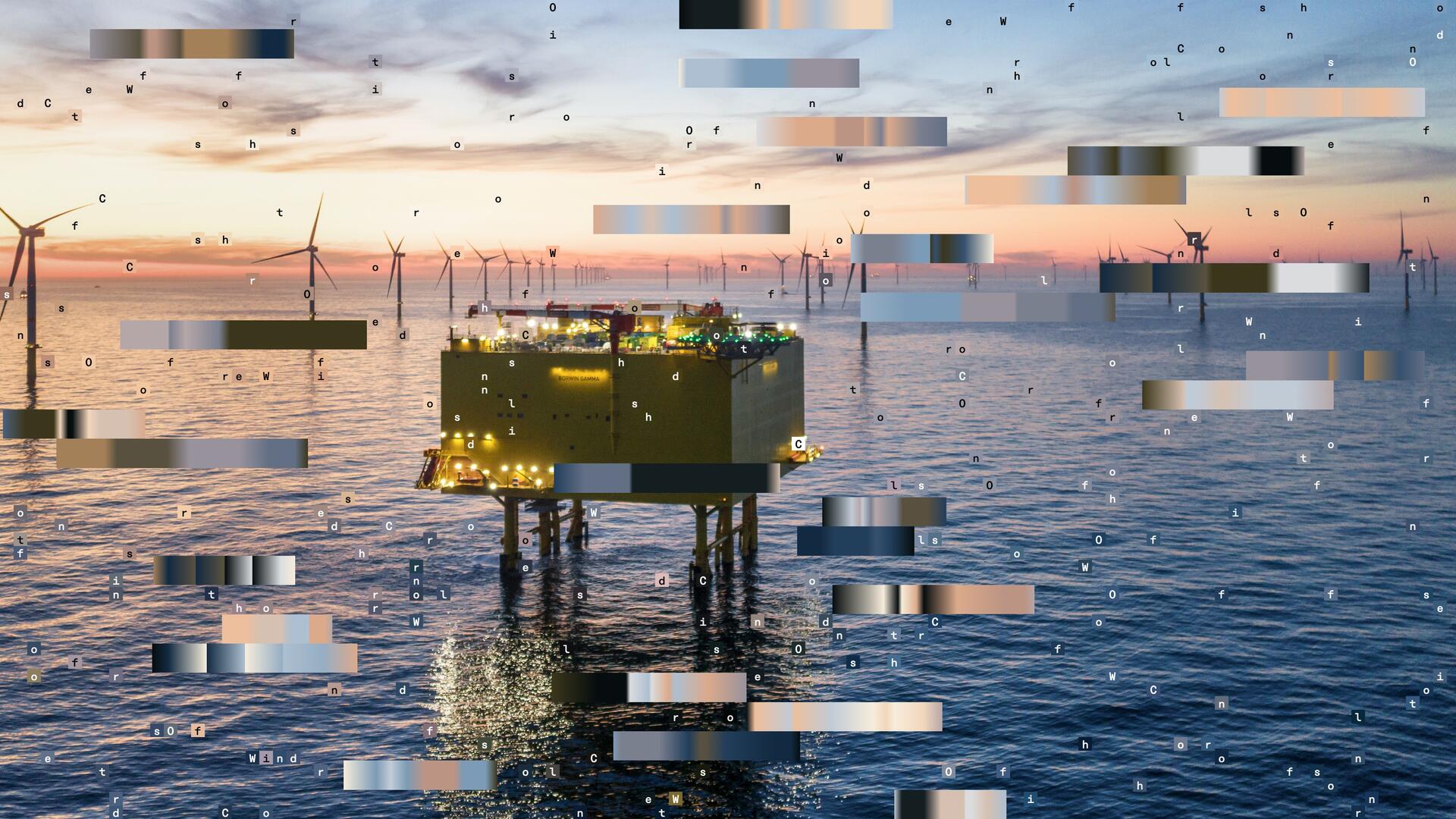
Different plant types like gas turbines, wind farms and hybrid configurations can be operated and monitored from a single central control room. Data from each site flows continuously into the T3000 Application Host. If a connection is temporarily interrupted, Omnivise T3000 SCADA stores the data locally and synchronizes automatically once the connection is restored. Like this, Omterra can deploy for example Omnivise T3000 SCADA to manage turbines, substation automation, auxiliary systems, and direct grid marketing from a single integrated control environment.
Single-site operations: full control within one plant
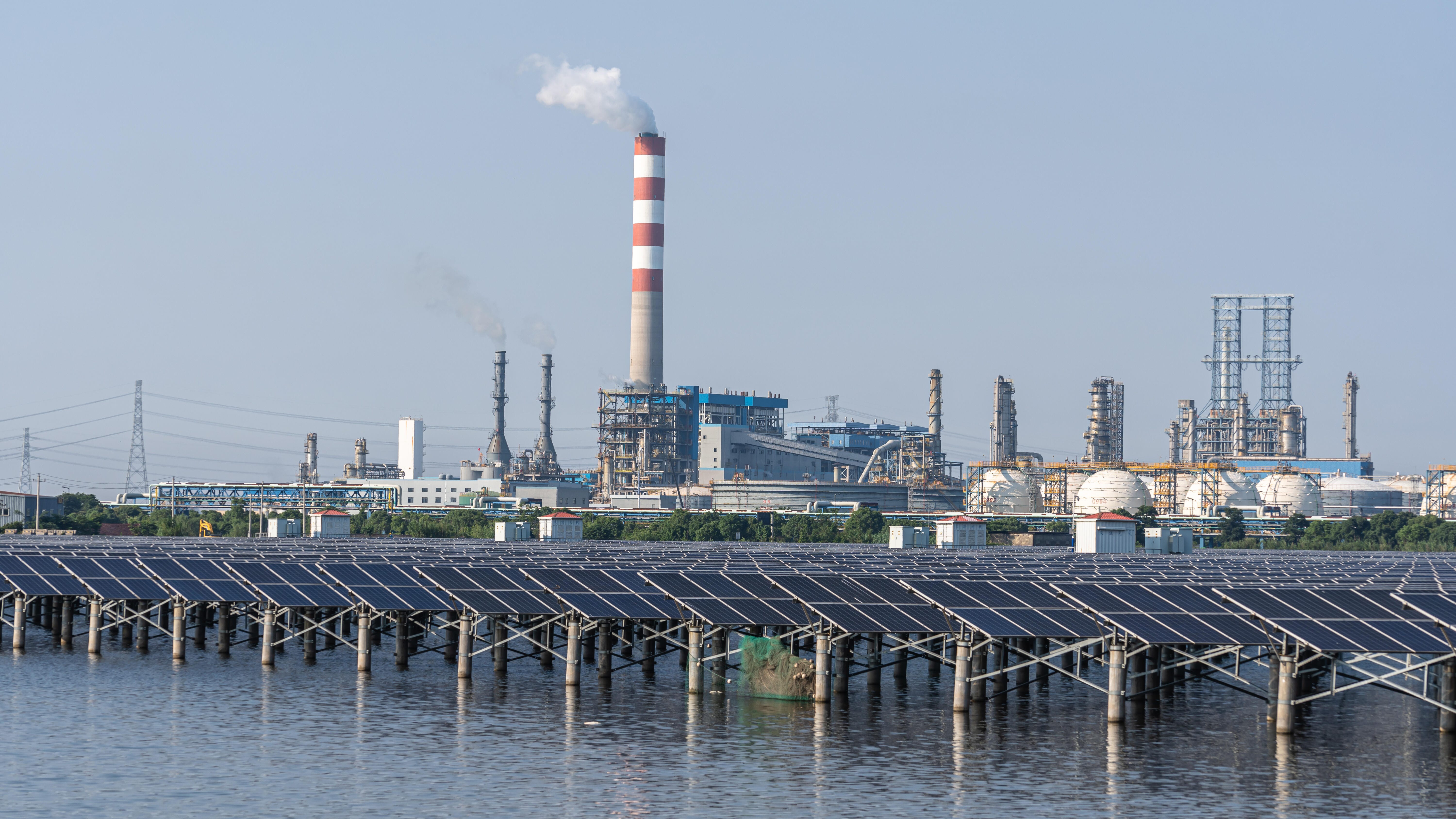
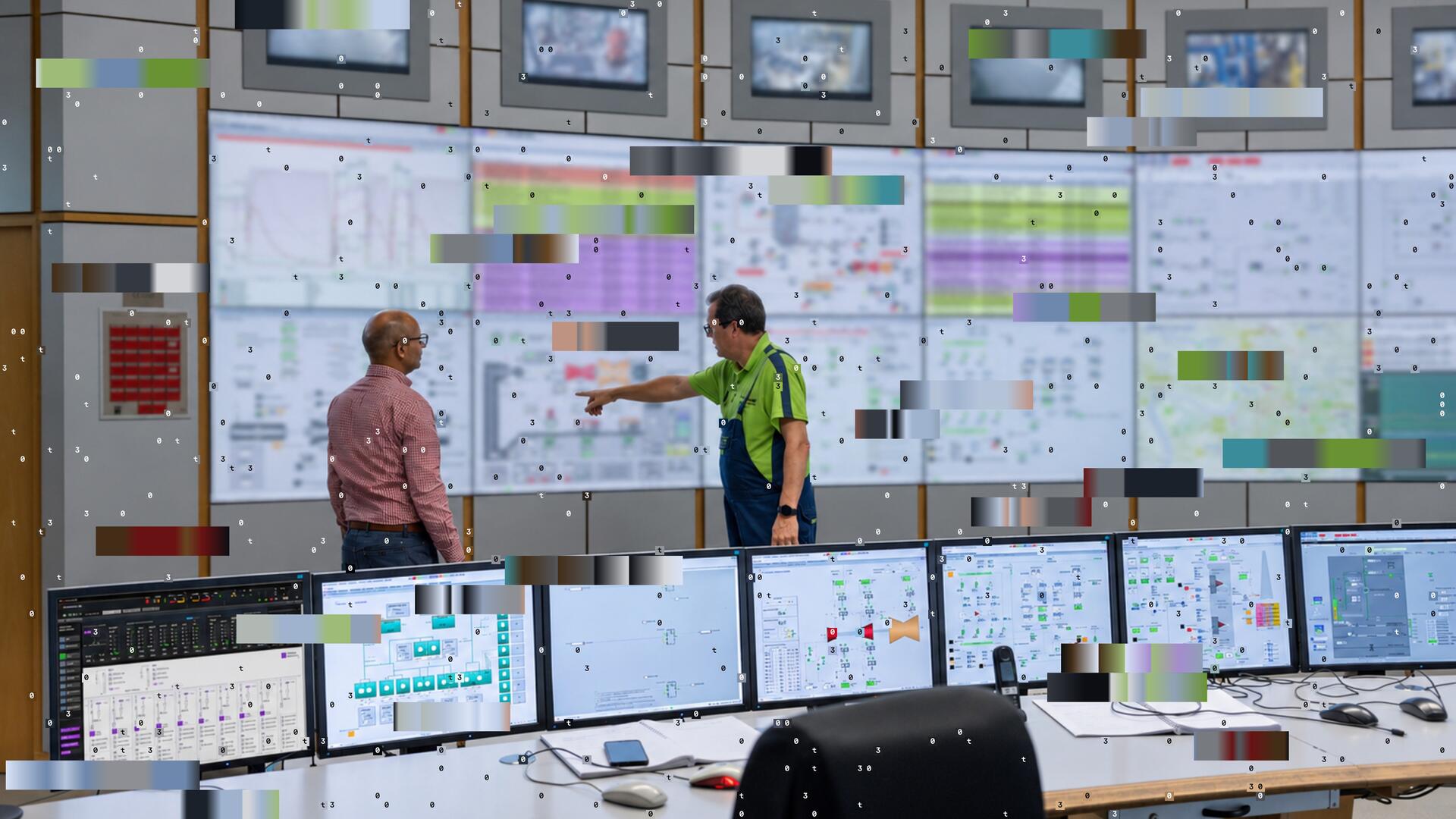
For co-located operations, Omnivise T3000 SCADA integrates multiple subsystems from different vendors into one control interface. Operators work from a single interface that covers the entire plant, reducing training effort and minimizing the risk of errors caused by switching between systems.
How Omnivise T3000 SCADA works
Omnivise T3000 SCADA is an integrated functionality of the Omnivise T3000 control system that enables centralized monitoring and control of distributed assets and systems. It adds supervisory control and data acquisition capabilities to an existing T3000 environment without requiring separate hardware infrastructure.
The system operates across two functional layers, with cybersecurity integrated into both.
Central operation layer
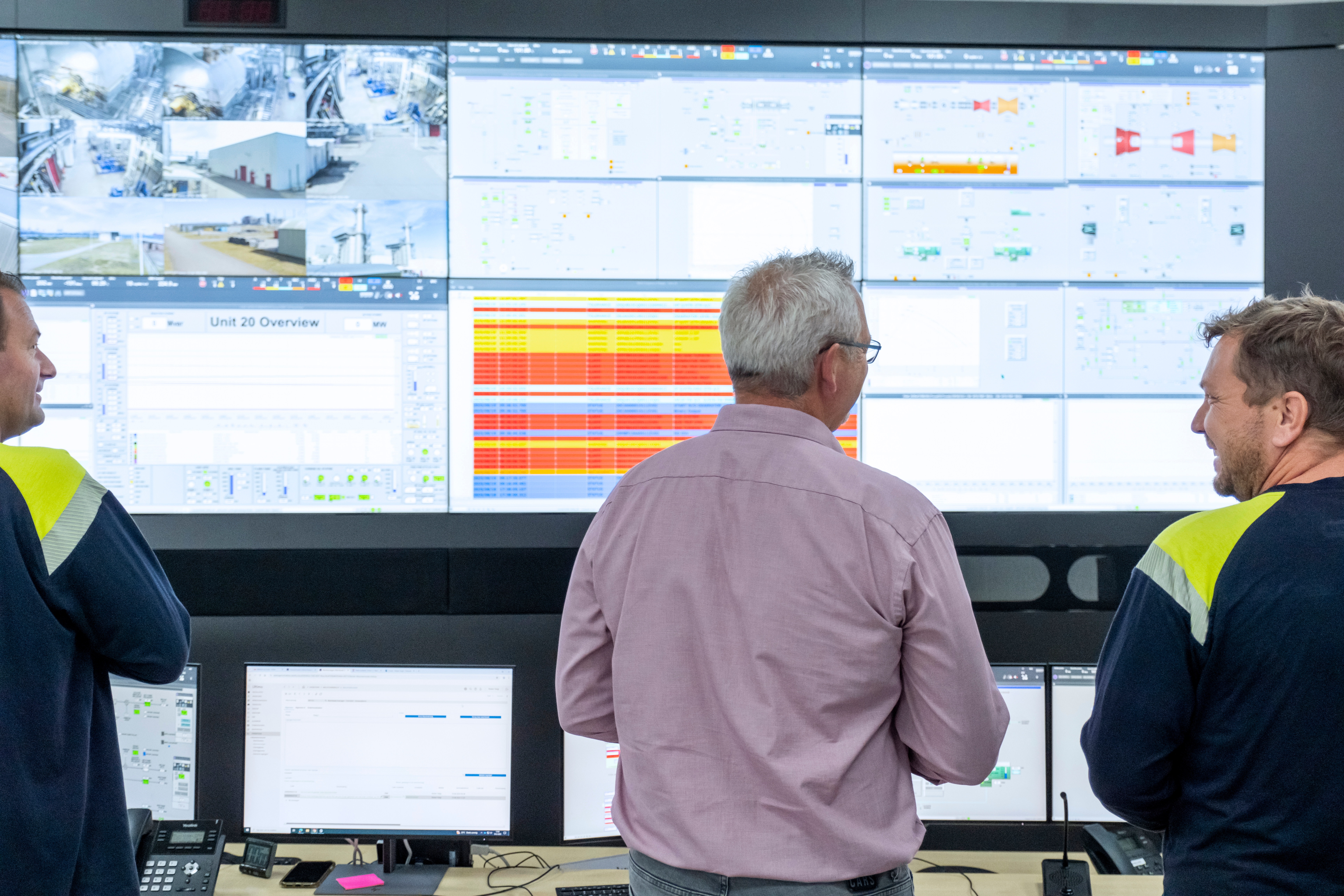
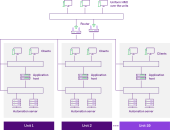
A central Application Host aggregates incoming data from all connected remote units, processes it, and delivers a unified view through a single human-machine interface (HMI). Engineers access one workbench for all connected sites – for monitoring, control, diagnostics, and engineering tasks. A dedicated security server provides role-based access control across the entire connected environment.
Remote unit integration layer
Remote units connect to the central control room through secure VPN tunnels over a customer-owned network. Omnivise T3000 units and third-party systems integrate via standardized protocols, including OPC UA, Modbus, IEC 60870-5-104, DNP 3.0, and IEC 61850. In the event of a connection interruption, data is stored locally at each remote unit and synchronized automatically upon reconnection. This ensures that no data is lost across the fleet.
Components of Omnivise T3000 SCADA
Omnivise T3000 SCADA consists of three integrated components that together enable centralized control of distributed power generation environments.
T3000 Application Host
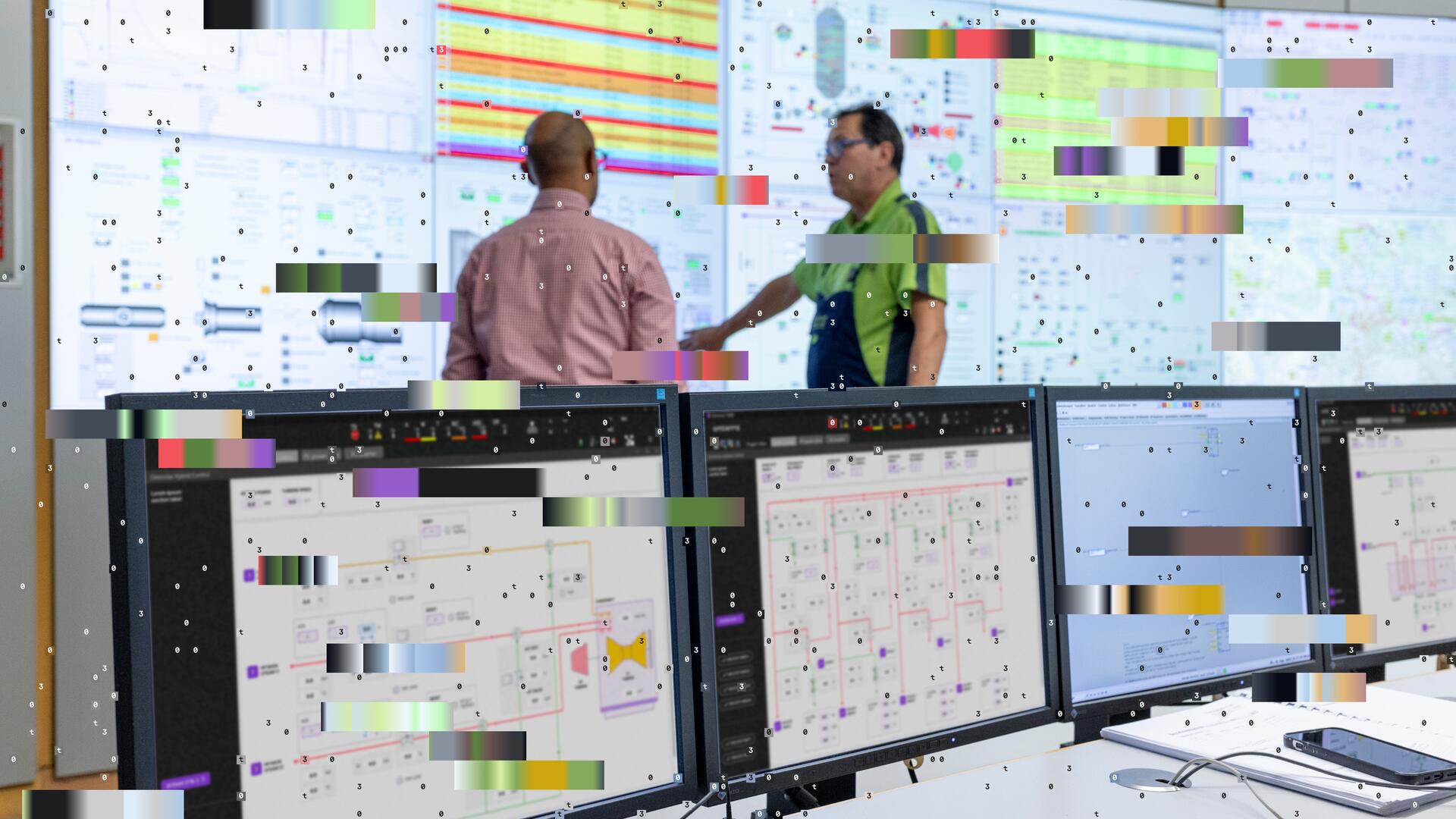
The central T3000 Application Host is the operational core of the system. It collects, aggregates, and processes data from all connected remote units and delivers it through a single HMI. Engineers monitor and control all connected assets from one workbench, regardless of asset type, vendor, or location.
Remote unit integration

Remote units – whether Omnivise T3000 installations or third-party systems – connect to the central T3000 Application Host via secure VPN tunnels. Communication uses standardized protocols: OPC UA, Modbus, IEC 60870-5-104, DNP 3.0, and IEC 61850.
Security server

A dedicated security server is integrated into the central architecture. It enforces role-based access control, manages end-to-end encrypted communication with certificate exchange, and protects the entire production environment: from central infrastructure to each remote unit. The cybersecurity architecture is designed to comply with IEC 62443-3-3 and IEC 62443-4-1.
Benefits of Omnivise T3000 SCADA
Cybersecurity by design
End-to-end encryption, role-based access control, and compliance with IEC 62443-3-3 and IEC 62443-4-1 protect every layer: from central infrastructure to each remote unit.
One platform, any asset
Omnivise T3000 and third-party systems connect via standardized protocols. New assets and sites integrate without bespoke engineering.
Continuous data availability
All connected assets stream data to the T3000 Application Host in real time. Local storage at each remote unit ensures full synchronization after any connection interruption.

Get answers: FAQs on Omnivise T3000 SCADA
Omnivise T3000 SCADA is a software-based extension of the Omnivise T3000 distributed control system. It adds supervisory control and data acquisition capabilities, enabling centralized monitoring and control of distributed and co-located power generation assets from a single user interface.
SCADA stands for Supervisory Control and Data Acquisition and is a set of software applications designed to collect data that originates in sensors and transmit these data to an agreed location.
Remote units connect to the T3000 Application Host via a customer-owned network. Operators monitor and control all sites from one workbench. Data is stored locally at each remote unit during connection interruptions and synchronized automatically upon reconnection.
Omnivise T3000 SCADA is designed for critical infrastructure and to comply with IEC 62443-3-3 and IEC 62443-4-1. It uses end-to-end encryption with certificate exchange, role-based access control, and a dedicated Security Server covering the entire production environment – from central infrastructure to remote units.