Managing power generation fleets as one integrated system
Omterra, formerly Siemens Energy, treats generation fleet management as an integrated system challenge, not a software overlay – combining power generation engineering with established control technology. The Omnivise portfolio provides the integration layer that connects all relevant assets and systems, so an entire fleet of renewable, conventional, and hybrid power plants can be operated as one coordinated unit.
One view, one HMI: the central control room
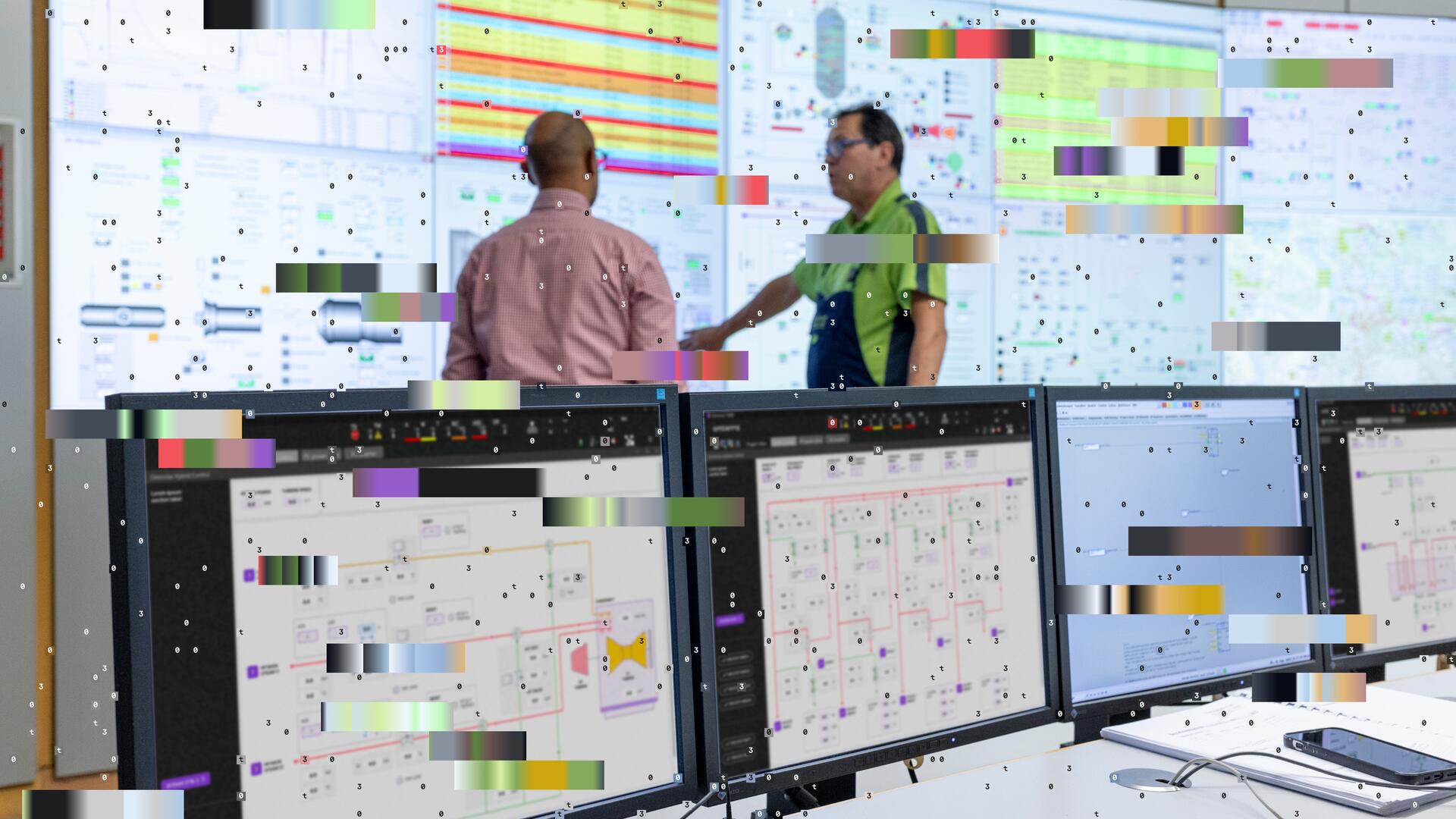
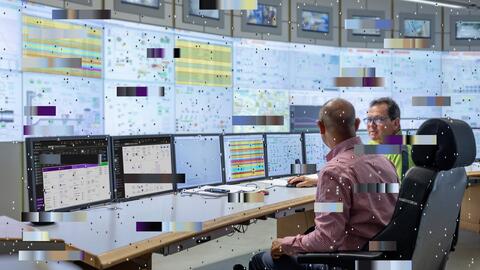
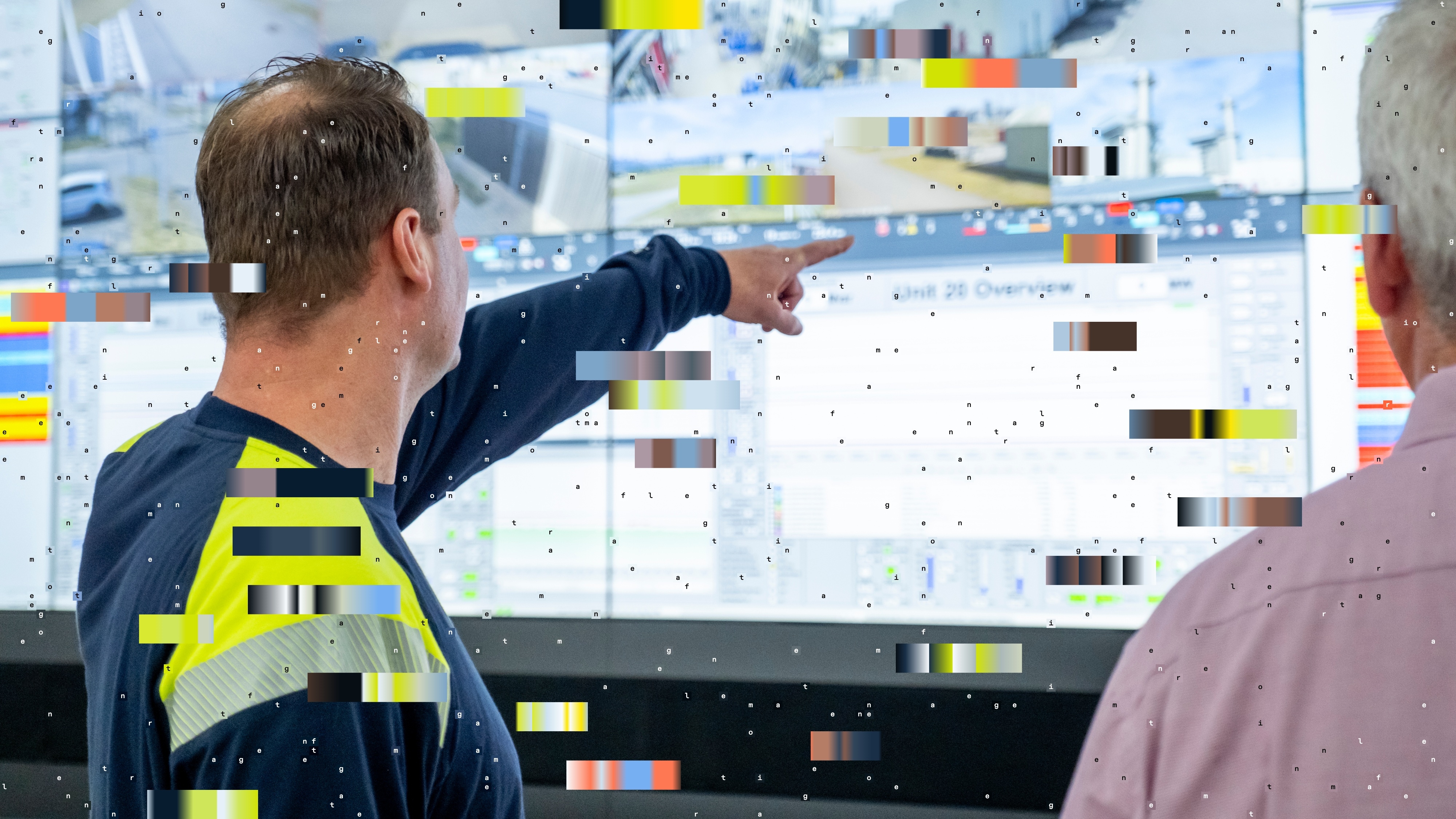
A central control room brings the data from every plant together in one place. Operators work from one human-machine interface (HMI) and one operating and alarm philosophy – no matter which systems run underneath, whether renewable, conventional, or hybrid. They gain transparency, management, and control of the entire fleet from one central location or remotely, even across long distances.
Omnivise T3000 and Omnivise T3000 SCADA make this possible. Omnivise T3000 SCADA is the central application for monitoring and controlling distributed energy systems at different locations. It offers comprehensive operation, visualization, and automation – centrally or decentrally – and it is compatible with Omnivise T3000 DCS as well as third-party technologies. The original control systems stay untouched, and existing communication infrastructure can be reused. This works across a wide range of assets, from wind and photovoltaic (PV) to battery storage and conventional units.
From consolidated data to fleet-wide optimization
Once fleet data is consolidated, operators can use it to optimize the whole fleet. Two applications build on this foundation:
The Omnivise Energy Management System (EMS) optimizes the generation mix and the scheduling and dispatch of resources. It takes market prices, capacity obligations, weather, and changes in power demand into account – to meet demand at the lowest possible cost.
Omnivise Asset Management (OAM) shifts maintenance from time-based routines to condition- and risk-driven strategies, with predictive maintenance and digital workflows across the fleet.
For operators of critical infrastructure, cybersecurity is a given in such projects – and a single, integrated system is easier to secure than many separate ones.
Results across the fleet
A consolidated fleet is not the end point – it is the foundation. Once operators see and steer every asset from one place, they can optimize the whole fleet and move step by step toward autonomous operation. Two projects show what this makes possible.
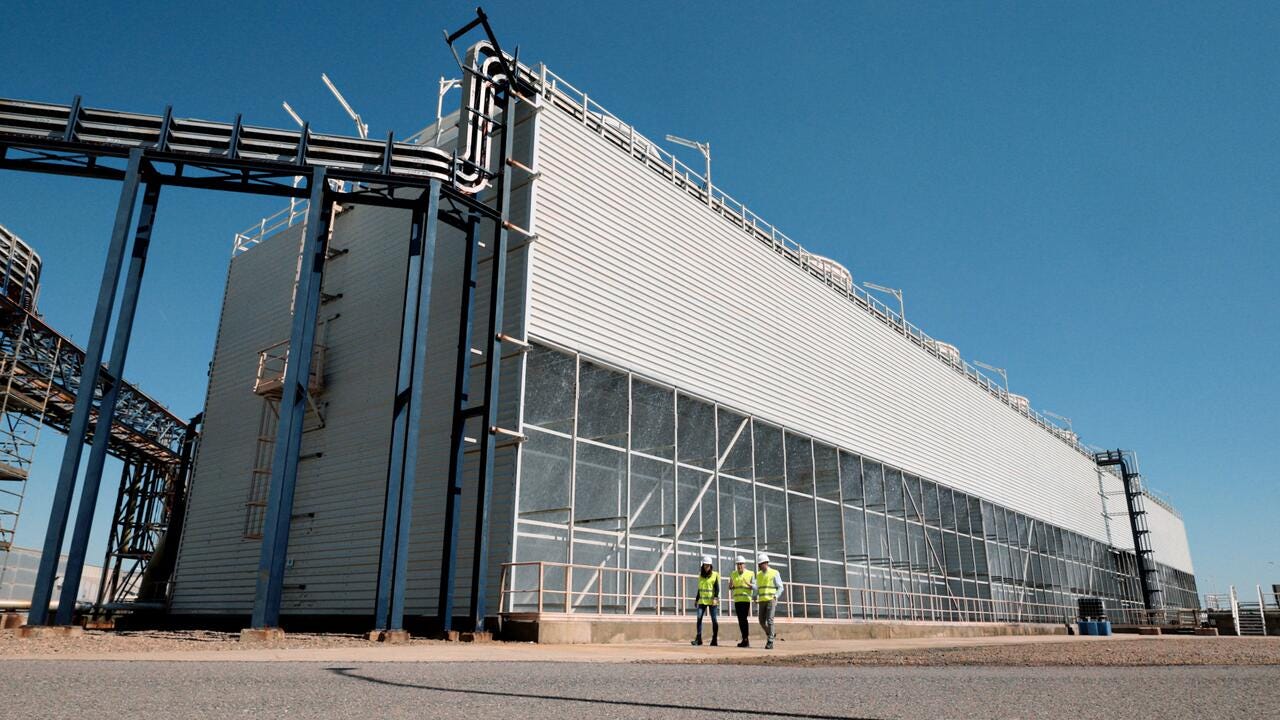
Naturgy: managing a growing renewables fleet from one access point
Naturgy runs 68 wind farms and six solar fields, and plans to scale its installed renewable capacity from around 4.6 gigawatts (GW) toward 14 GW. To manage this growth, Naturgy uses a scalable SCADA system from Omterra that integrates different underlying systems into one standardized platform. From its central control room, Naturgy operates all plants through a unified HMI – with complete transparency on production, automated generation control, and a robust backup center for reliability.
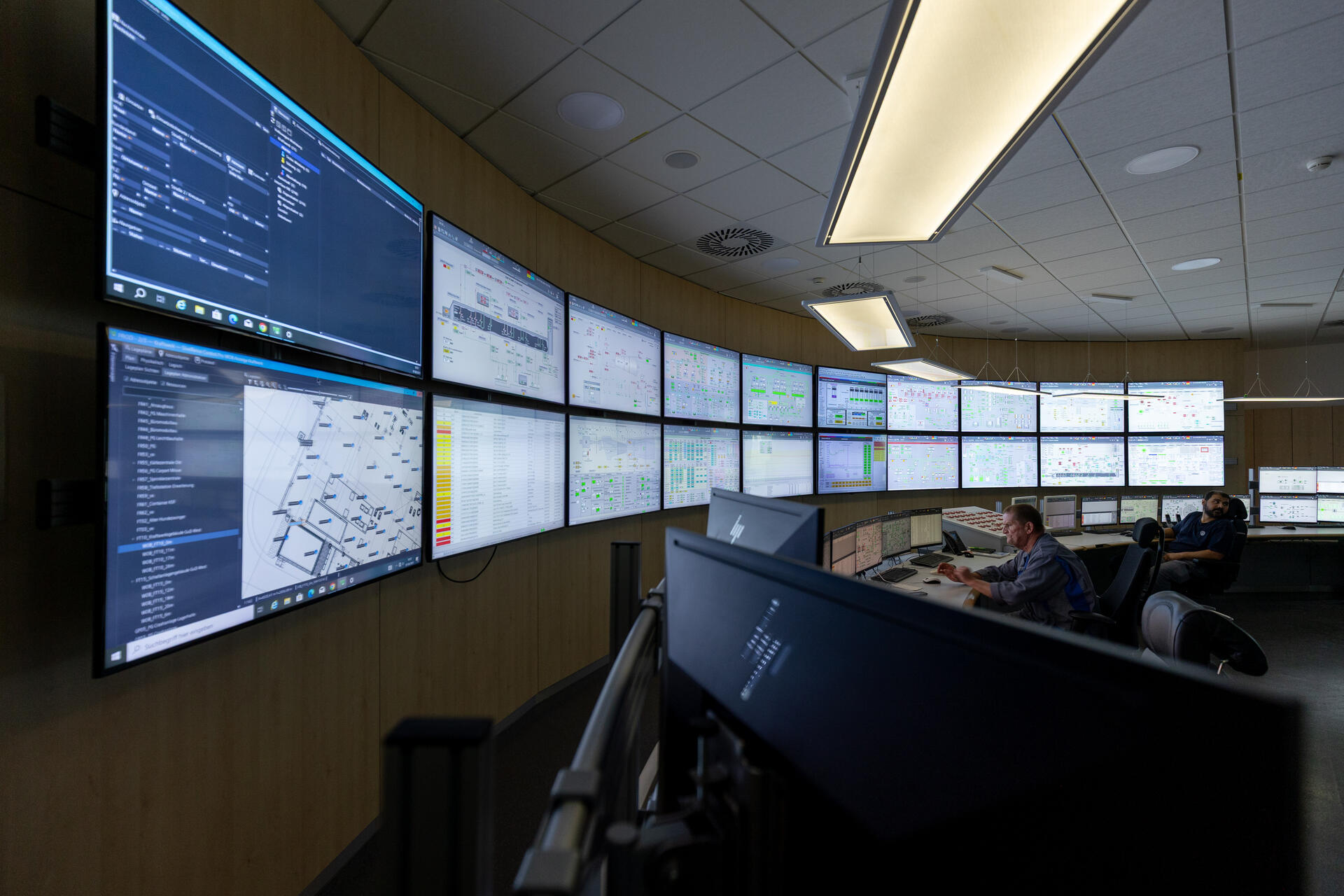
Volkswagen: a control foundation that enables autonomous operation
At its Wolfsburg Nord/Süd site, Volkswagen replaced a coal-fired plant with a gas and steam turbine facility built on two OGT-800 gas turbines and the Omnivise T3000 control system. The goal was demanding: 72 hours of operation without constant supervision. The plant now responds autonomously to remote load commands, monitors all key parameters, and performs controlled, safe shutdowns when safety criteria are met – while a rapid shutdown still protects the plant whenever a trip criterion is reached. The concept passed extensive hazard analyses conducted by a panel of experts from Volkswagen, Omterra, and the official inspection authority. It shows how a continuous control concept becomes the basis for autonomous plant operation.
Key benefits of generation fleet management
One consolidated view and one HMI across the entire fleet – independent of the underlying control systems
Fleet-wide optimization of the generation mix and dispatch with the Omnivise Energy Management System (EMS)
Condition- and risk-based maintenance across the fleet with Omnivise Asset Management (OAM)
A proven control foundation for autonomous plant operation
Scarce expert staff deployed where they add the most value, rather than tied to single sites