Omnivise T3000 substation automation for power generation
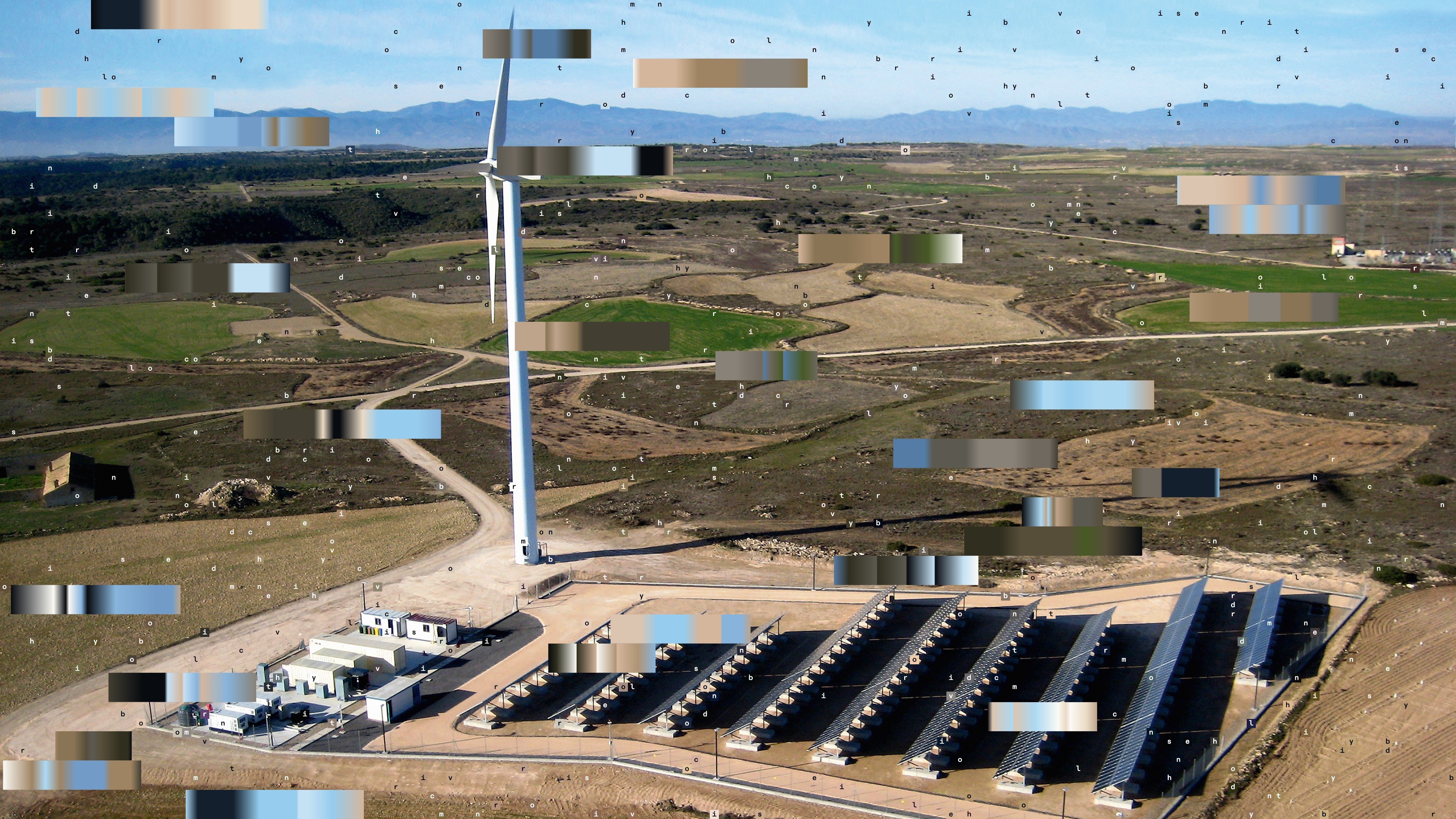
Power generation is getting more electrified and more diverse. Gas turbines run next to battery storage, offshore wind feeds onshore grids, and industrial sites balance their own generation mix. With every new asset, power flows grow more variable and harder to predict. Substations sit at the electrical boundary, where generation meets the grid. They have to react fast and stay reliable as conditions shift. That raises the demands on how operators monitor, protect, and control them.
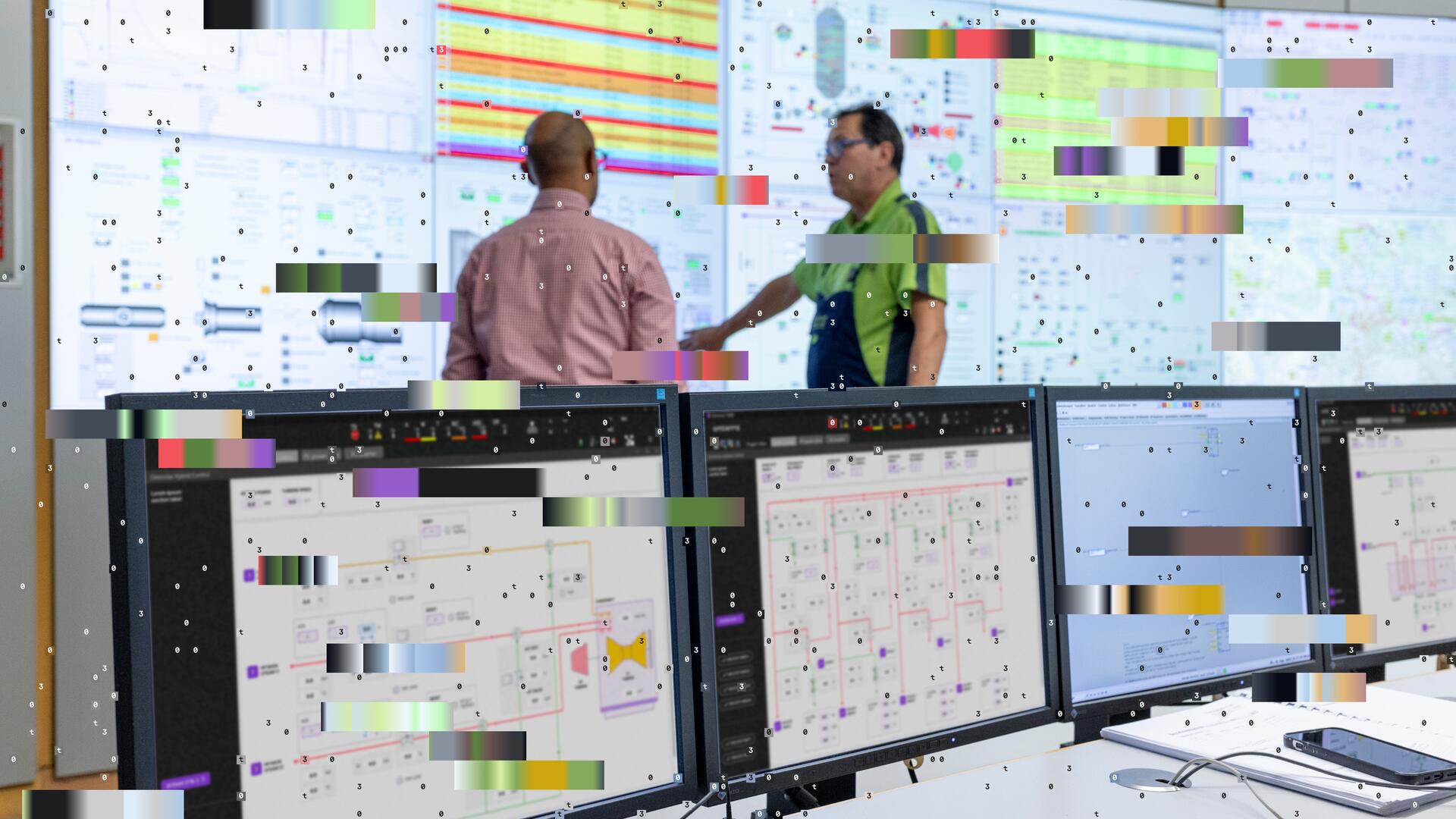
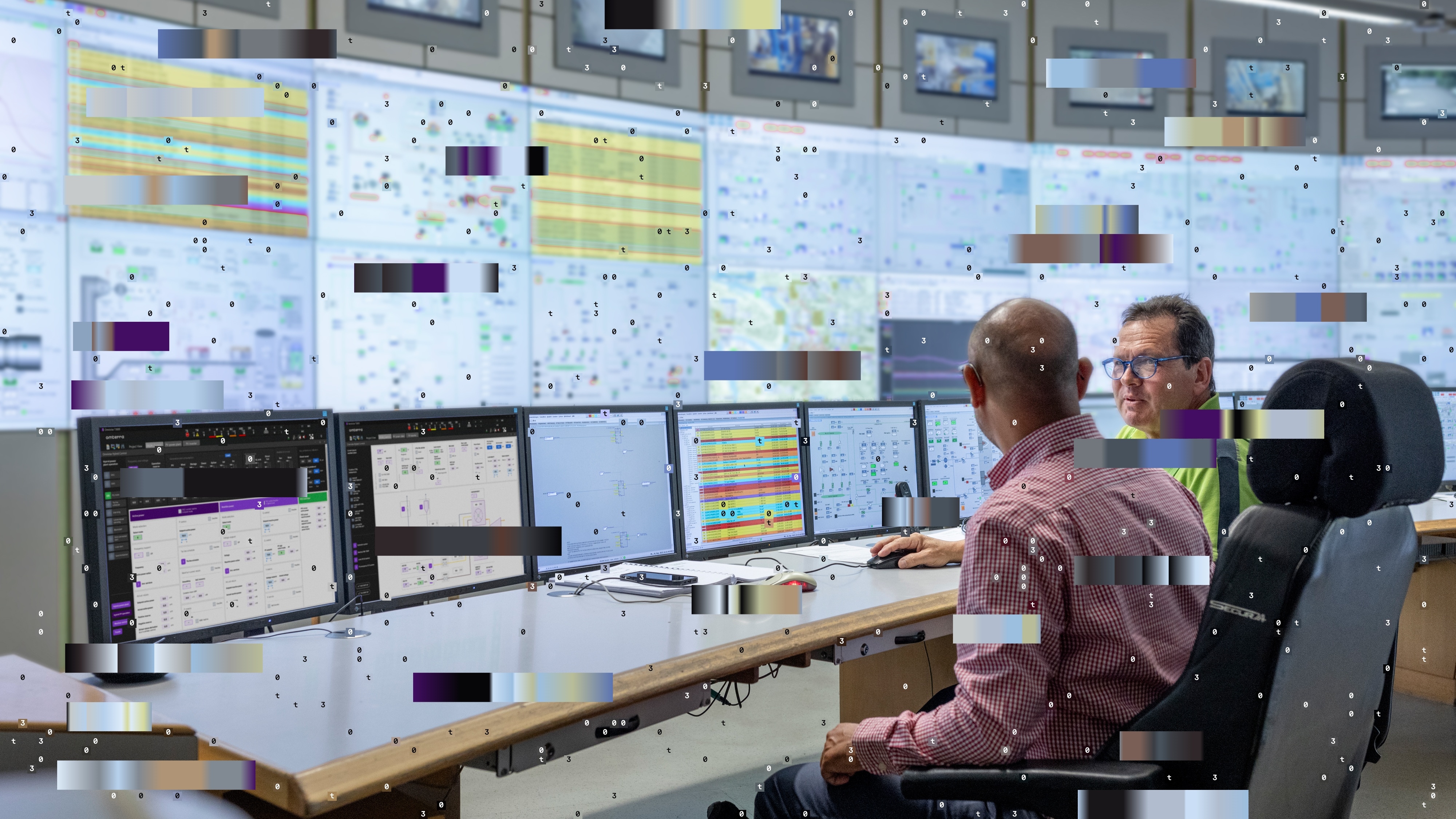
Substation automation is a built-in functionality of Omnivise T3000. Generation control and hand-over substation automation can run on one integrated Omnivise T3000 platform, share the same data model, and are operated from the same interface. Omterra delivers substation automation that monitors, protects, and controls electrical substations across power generation assets.
Substation automation: one system for a safe and reliable grid connection
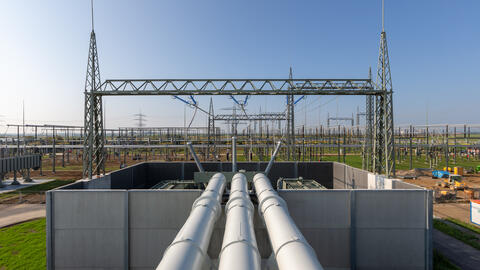
A substation automation system monitors, controls, and automates electrical substations to keep the grid connection reliable. It connects protection devices, bay control units, communication networks, and control systems – acquiring measurement data, running protection functions, and enabling remote control. Modern systems build on standardized protocols such as IEC 61850. They cover condition monitoring, event analysis, and cybersecurity, which together support grid stability and reduce downtime. Omnivise T3000 brings these functions into one system, where power generation meets the grid.
Key facts of Omnivise T3000 substation automation:
Remote control: Substations are operated remotely from one or more control centers, which reduces manual intervention.
Real-time monitoring and visualization: Live data from protection devices, bay control units, and measurement systems is visualized on a single-line diagram with flexible color coding.
Data management: Alarms, events, measurements, and fault records are collected, stored, and available for trend analysis and fault diagnosis.
Standardized protection device integration: Omnivise T3000 connects protection devices from different vendors through the IEC 61850 standard, avoiding vendor-specific interfaces.
Built for demanding environments: Omnivise T3000 supports IEC 61850-3 compliant hardware options designed for harsh substation and offshore environments.
Secure by design: Cybersecurity is built into the system architecture and follows a defense-in-depth concept for critical energy infrastructure.
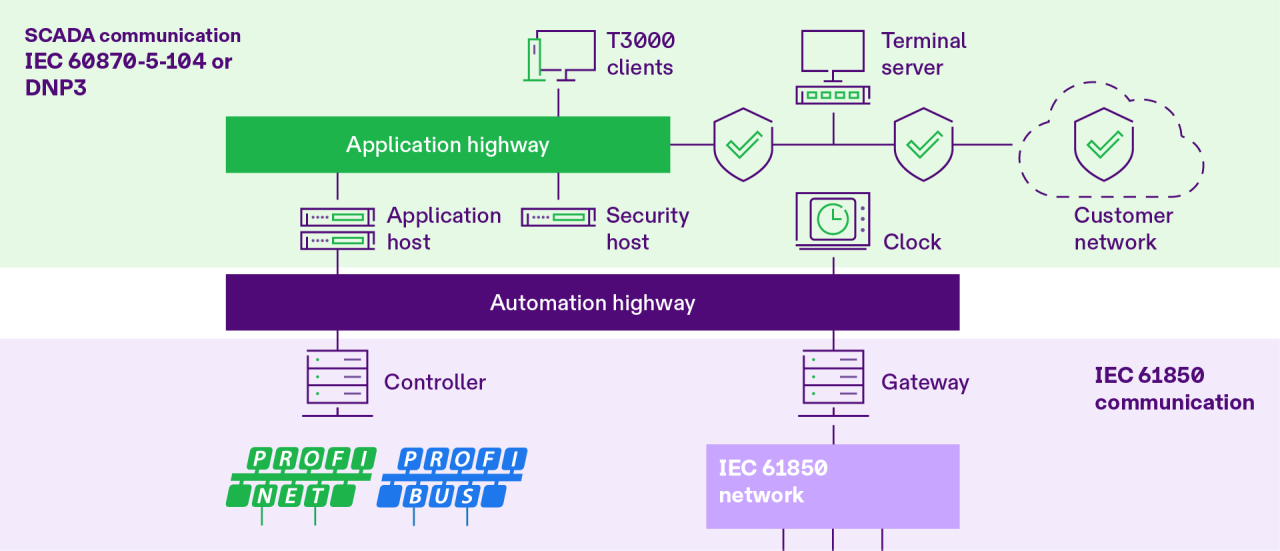
Omnivise T3000 substation automation: Integration of the substation into the Omnivise T3000 control environment through IEC 61850
Integrated controls for power generation
Traditionally, power plants use distributed control systems, while substations rely on separate substation automation systems. Each one needs its own engineering, interfaces, and operator training.
Integrating devices from different vendors – and older legacy systems – makes interoperability harder to achieve. Operators have to keep data consistent and clocks synchronized across both systems. Skilled staff for two separate control environments are limited. Rising regulatory and cybersecurity requirements add to the load. Every interface adds cost and risk.
Omnivise T3000 combines distributed control system and substation automation functionalities in one platform. The integrated approach reduces cost across four areas:
Engineering: One data model and one import process for IEC 61850 configuration files.
Investment: Fewer hardware components and simplified interfaces between generation control and substation control.
Operator training: One user interface across generation and substation operations.
Service: One service contract, one spare part strategy, and one remote expert team.
One vendor-agnostic platform also keeps data consistent, clocks synchronized, and cybersecurity managed across both domains.
Components of T3000 substation automation
Omnivise T3000 covers substation automation in three areas. Each one handles a defined role – from operator visualization to field protection and grid connection.
Station level
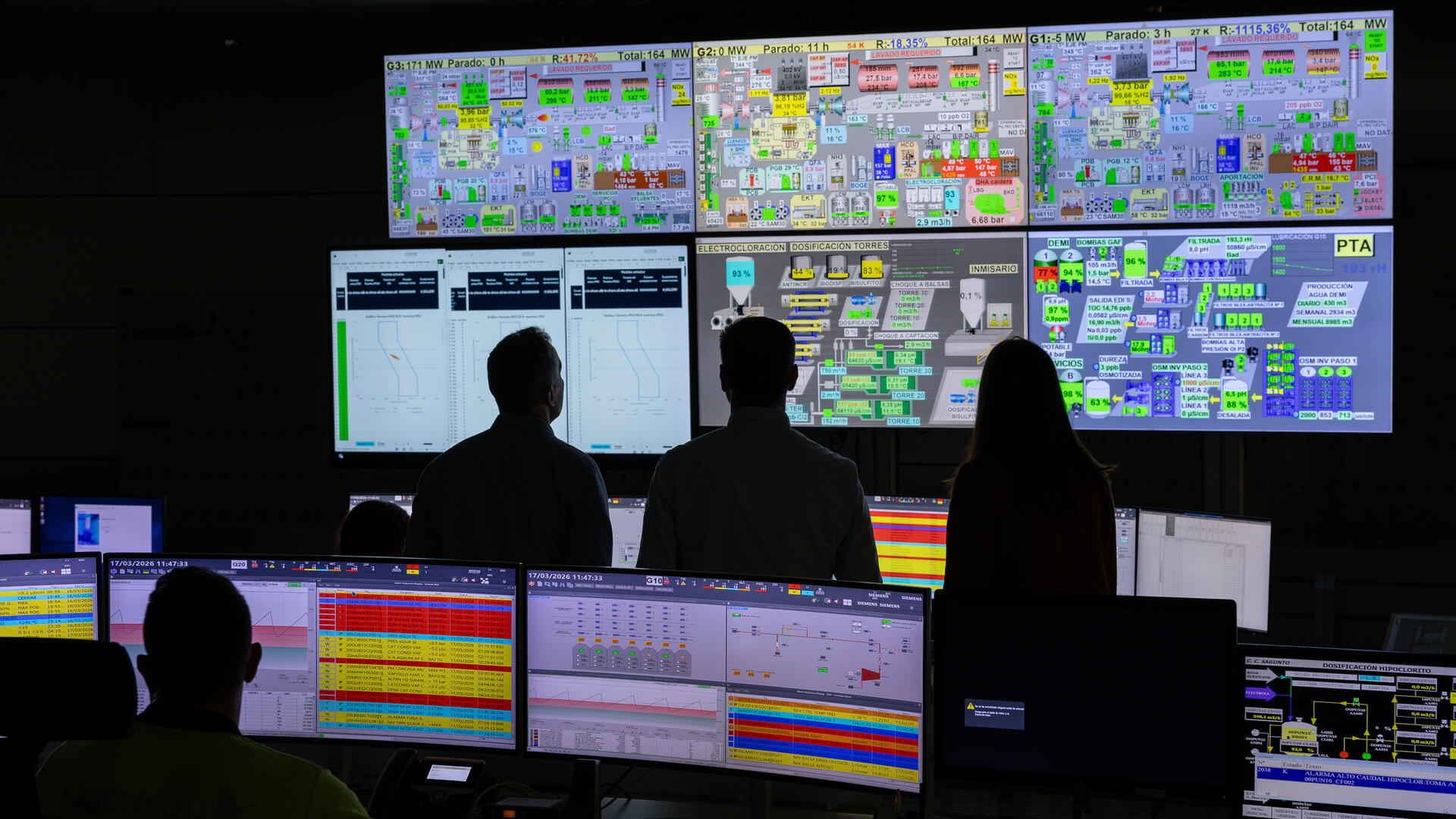
The station level is where operators see and run the substation. It visualizes the plant on a single-line diagram and keeps a record of what happens.
Switchgear monitoring on a single-line diagram, with flexible color coding for voltage, operating, and fault states
Real-time alarms, events, measurements, and status information on the human-machine interface
Archiving of fault and disturbance records for root-cause analysis
Protection layer
The protection layer covers the field devices that protect the substation and generate its data. They communicate through the IEC 61850 standard for vendor-agnostic integration.
IEC 61850 MMS for client-server communication between protection devices and the servers
IEC 61850 GOOSE for fast peer-to-peer communication between field devices, such as interlocks
Integration of fault recorders and power quality systems
Grid interfaces
The grid interfaces layer connects the substation to control centers and external networks. It supports remote operation across multiple sites and ensures time-synchronized data across the entire instrumentation and control system.
Higher control level communication via IEC 60870-5-104, DNP 3.0, Modbus TCP, and OPC UA
Remote operation from multiple control centers, including blackstart and congestion management
Time synchronization via Network Time Protocol from the central time server