High Performance Solar 2, Portugal: Increased efficiency and reduced costs with control system and electrical infrastructure
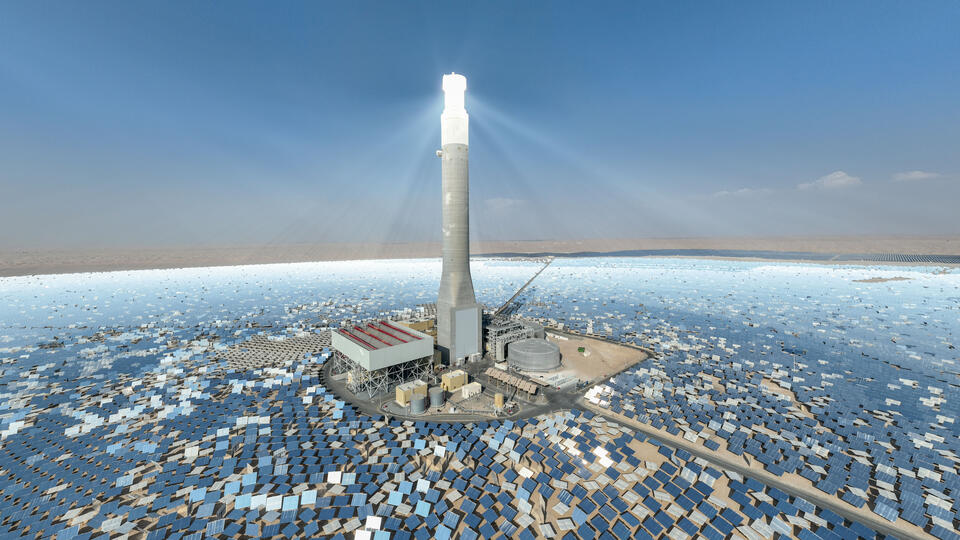
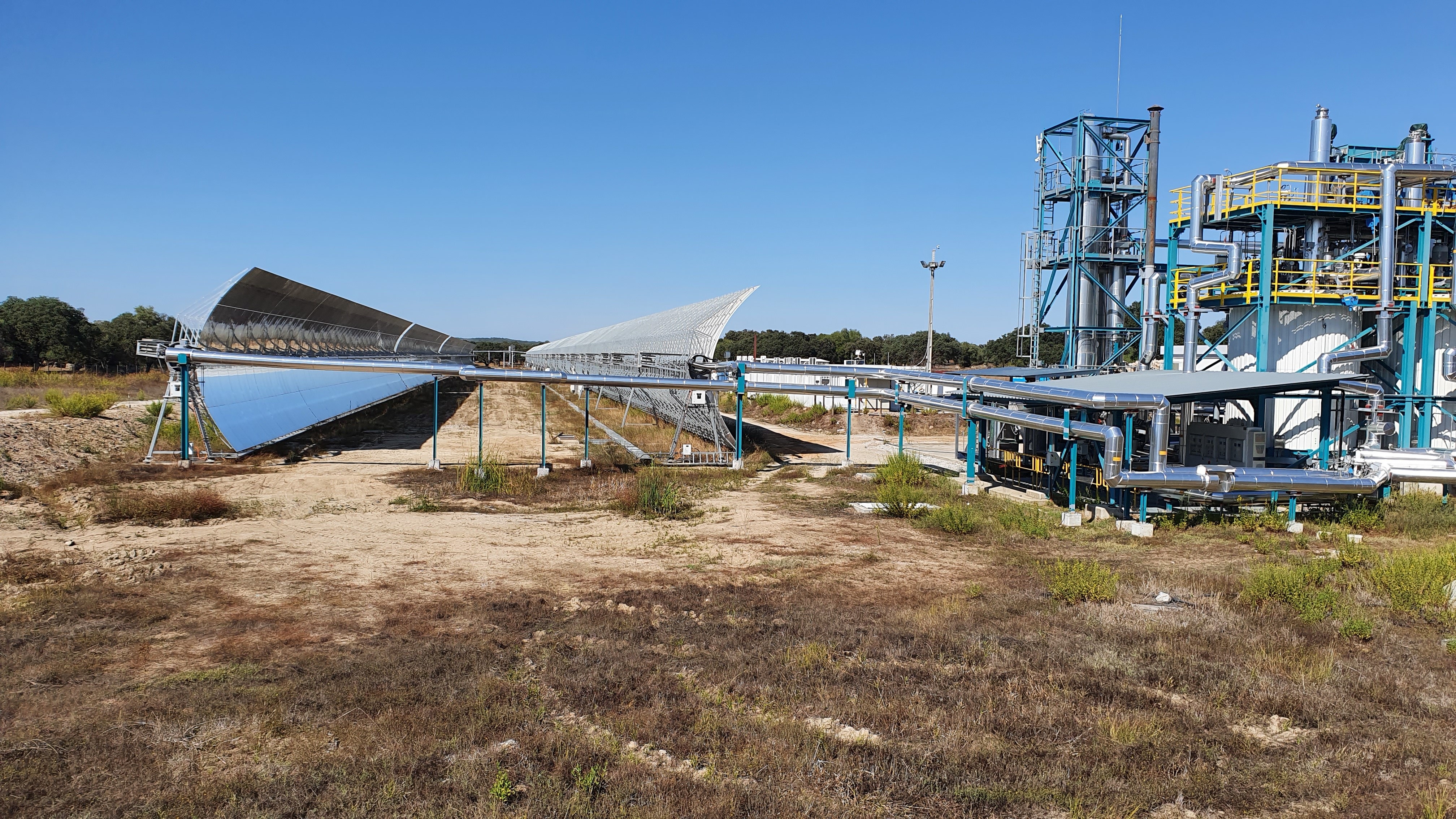
The DLR* Institute of Solar Research, together with the University of Évora and industry partners from Germany and Spain, have built a solar parabolic trough test facility using molten salt as its heat transfer medium. It is part of the High Performance Solar 2 (HPS2) research project located in Évora, Portugal, which is a Concentrating Solar Power (CSP) plant that uses the sun’s energy to generate electricity and heat.
With a total thermal output of up to 3.5 megawatts, it is equipped with a steam generator that provides steam at a pressure of up to 140 bar and generates a thermal output of 1.6 megawatts. The plant aims to develop and optimize the use of molten salt as a primary fluid, operating between 500°C and 600°C, increasing efficiency and lowering CAPEX and OPEX costs.
The participation of Omterra was vital to ensuring our success as they brought critical competences in the areas of engineering and construction to the project.
The challenge: Highly reliable electrical and DCS systems
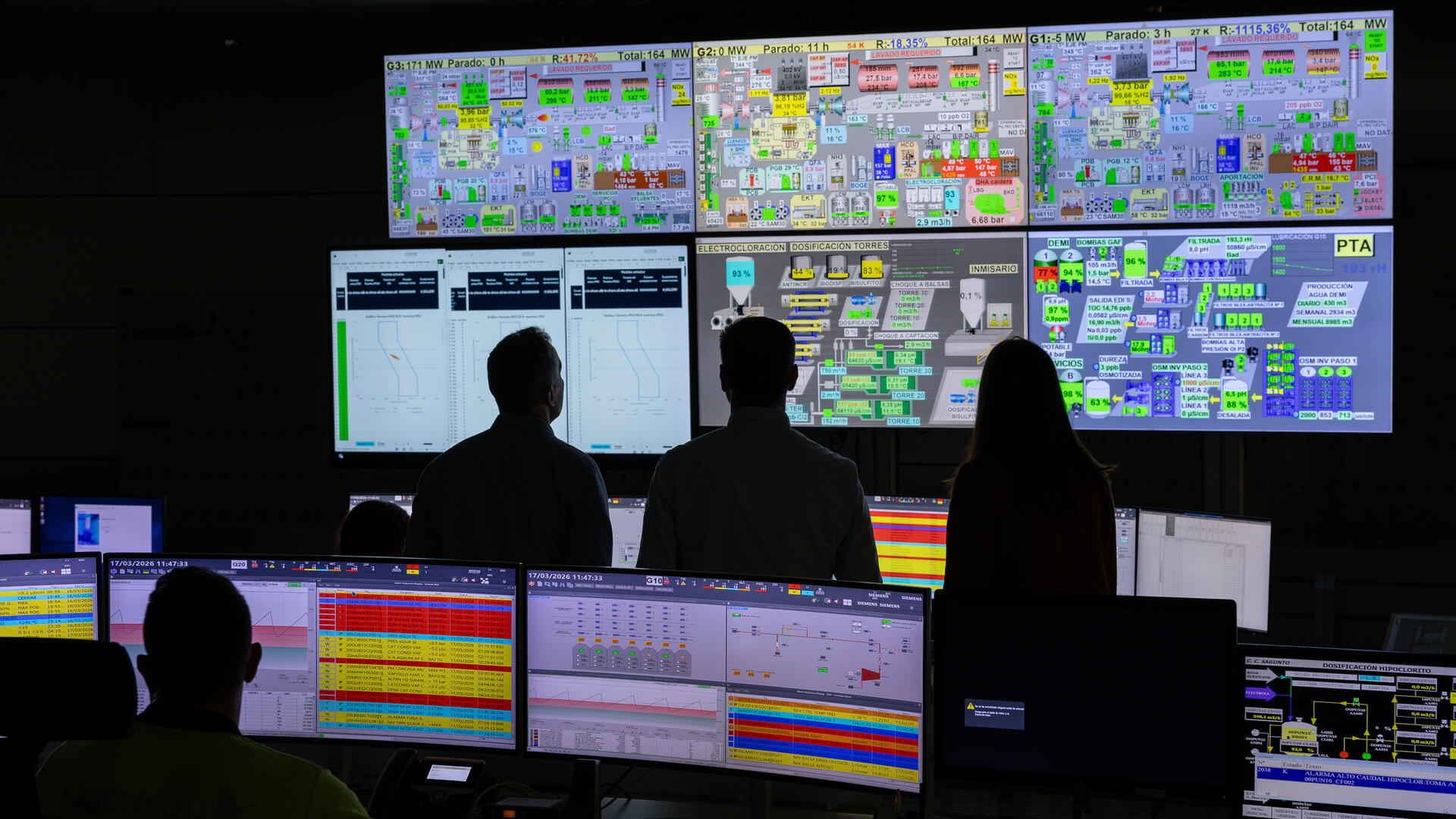
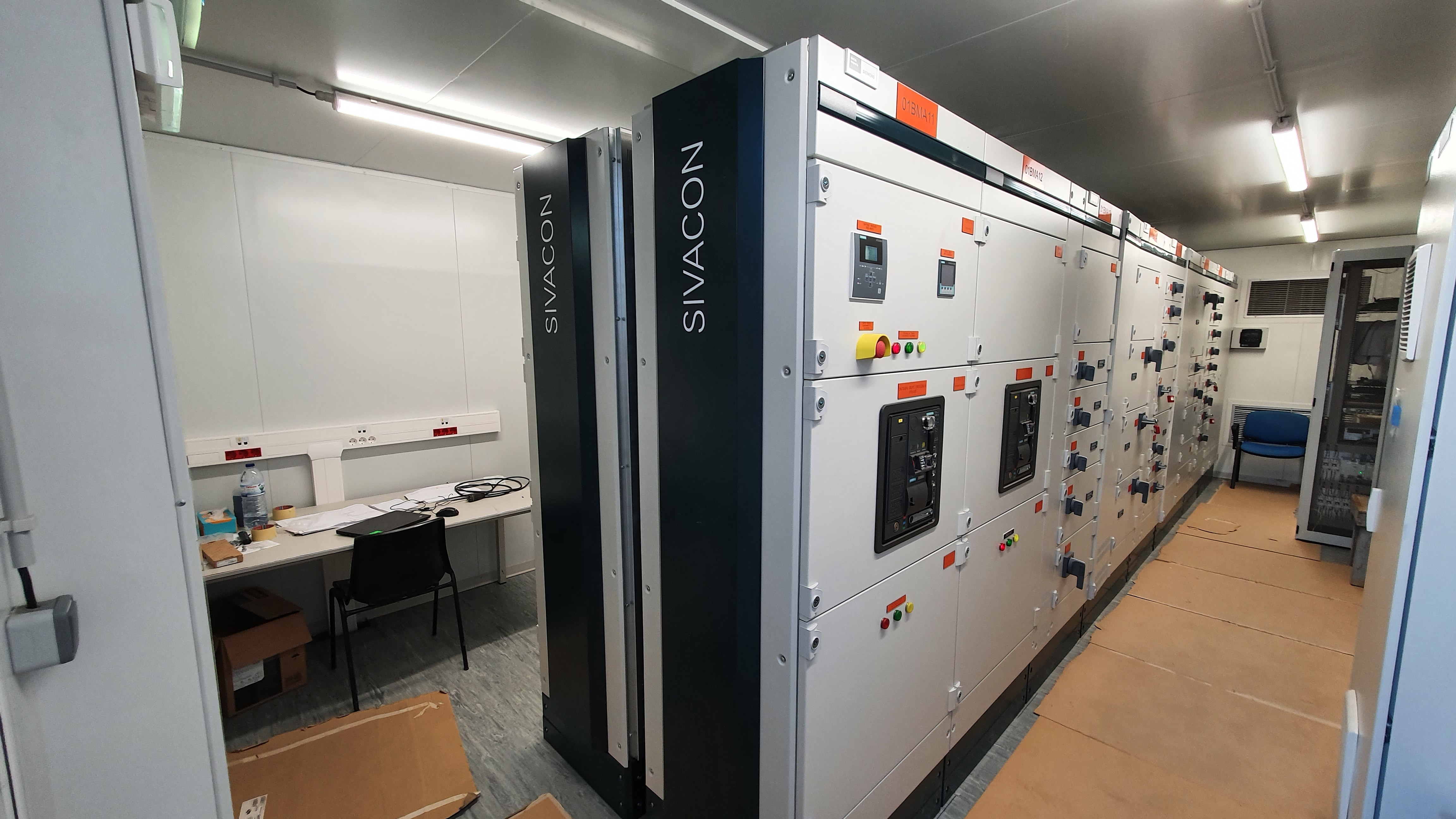
Omterra was responsible for the engineering and construction of all electrical infrastructures (E-BOP), supplying several systems installed by the consortium partners, plus the entire plant DCS, using our proven Omnivise T3000 control system, interconnected to two main black box systems (Solar Field Control and Trace Heating).
The system supplied makes use of redundant configuration, by using PLC S7-400H and FH CPU410-5H, with 1000 hardwire I/Os, although the plant only uses around 500. The system is ready for future plant upgrades and additional research projects that will take place soon.
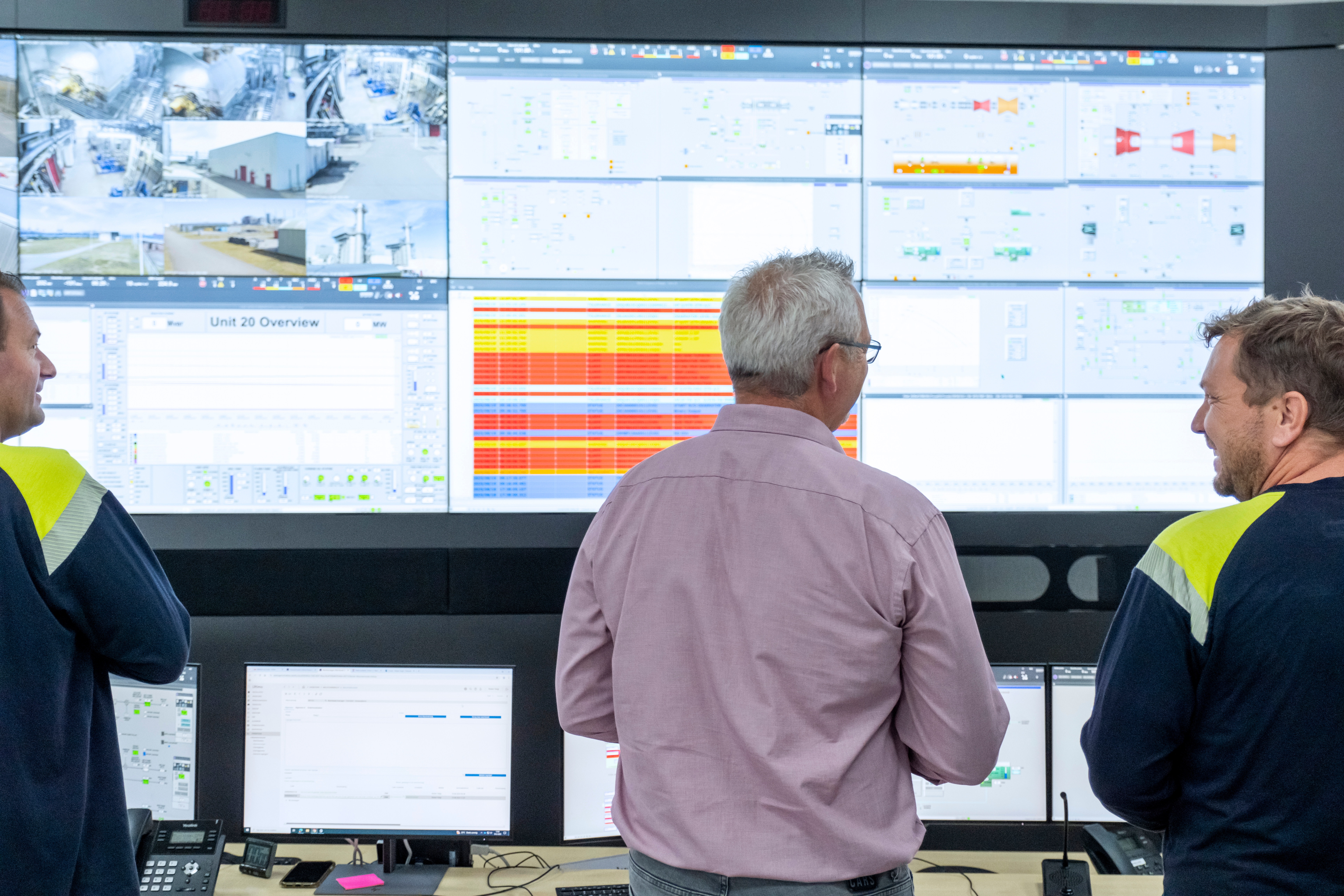
The solution: Effective support for the operators with Omnivise T3000
Using molten salt and heat as a storage medium, plants like HPS2 can operate even when the sun is not available, becoming a reliable dispatchable source of energy.
This solution facilitates the transition from fossil fuels to renewable energy without using conventional battery storage systems. CSP with thermal storage is currently in high demand by the industry, to generate process heat.
Simulation:
The digital twin of T3000 maps the real behavior of the system 1:1 without making any changes to the “real” system. Employees can be trained directly in Omnivise T3000 and new control concepts can be safely tested.
Virtualization:
By decoupling hardware and software, the control system is able to be run in a virtual environment. This allows the application software to be executed virtually without the need for dedicated hardware.
The benefits: Efficient workflows and future-proof electrical system
- Effective support for the operators with Omnivise T3000
- Integrated engineering, improved flexibility, scalability and reduced maintenance
- Efficient workflows in daily operations
- Thermal storage without batteries
- Plant automatization / stand-alone operation
- Highly reliable electrical and DCS systems
The collaboration between the DLR* Institute of Solar Research, the University of Évora, and Omterra reached a significant milestone with the development of HPS2. This achievement centered on reducing CAPEX and OPEX while providing renewable energy solutions that accelerate the energy transition. HPS2 is a leader in renewable innovation, improving efficiency and reducing costs with Omterra's advanced control solutions and cutting-edge electrical systems.
*DLR is the largest German research institution in this area. It plays a leading role in Europe, and in the world, in the development and testing of related technologies.