Morrow Repower Project, USA: Forward-thinking power generation
The challenge: North America's premier coal-to-gas transformation
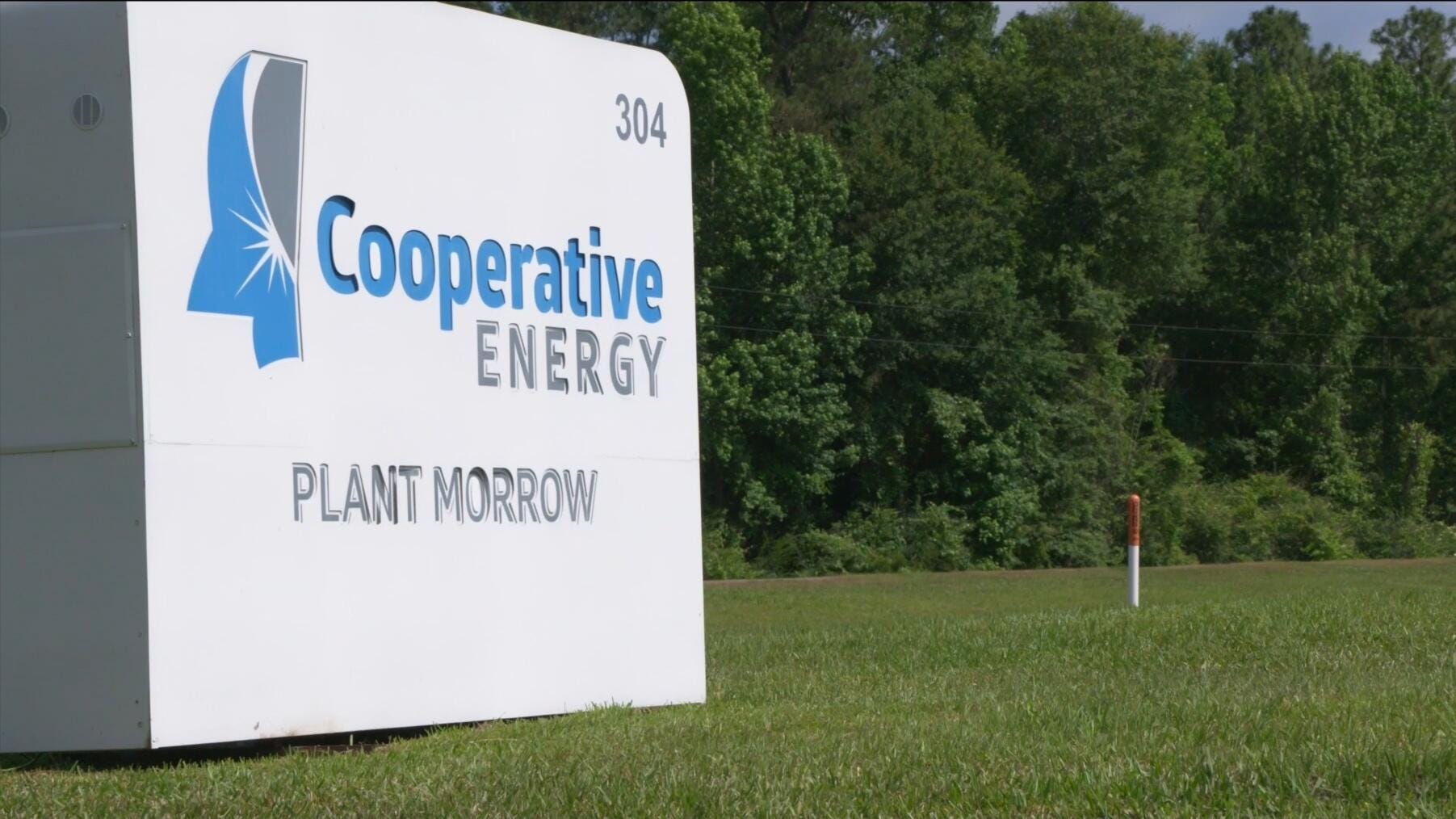
Cooperative Energy has completed an extensive project to convert its coal-fired R.D. Morrow, Sr. Generating Station, built in 1978, to natural gas, which involved numerous technical and logistical challenges. As a non-profit, member-owned utility, the company is ensuring that this conversion does not compromise its commitment to responsibility, reliability and affordability. The project will help to economically increase the production of cleaner power and provide the operational flexibility needed to complement the growth of renewable energy.
The solution: Morrow enters a new era with the HL-class
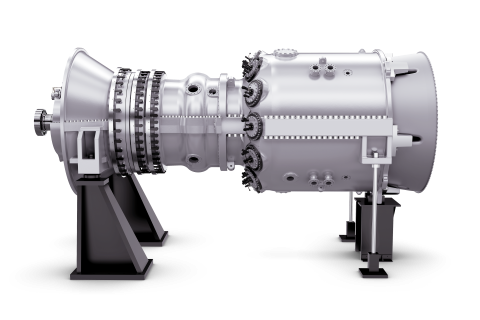
The project uses advanced HL gas turbine technology to repower an existing coal-fired generating unit. An OGT6-9000HL gas turbine was integrated with the plant’s existing steam turbine, enabling the plant to generate 550 MW of electricity.
By integrating thermal energy from the new gas turbine into the existing plant systems, the repowered facility achieves efficiency levels comparable to new combined-cycle power plants while reducing the plant’s previous carbon footprint by 50%.
A comprehensive long-term service agreement supports high operating efficiency and availability of the gas turbine and generator throughout the project lifecycle. The agreement covers parts, repairs, field services, program management, remote monitoring and diagnostics, and selected digital services.
The repowering project demonstrates how advanced gas turbine technology can support the transition from coal to lower-carbon power generation. For Mississippi, the solution provides efficient, reliable and cost-effective electricity while reducing the carbon footprint of existing power generation infrastructure.
The benefits: Enabling efficient, lower-carbon power generation
The transition from coal to natural gas marks a significant step toward lower-carbon power generation. Advanced HL-class gas turbine technology enables the plant to reduce CO₂ emissions by up to 2 million tonnes annually compared with coal-fired power generation.
Completed ahead of schedule and below budget, the new power plant combines high efficiency with fast and flexible power generation. Its operational flexibility helps balance variable renewable energy sources, supporting grid reliability and the broader energy transition.