Commissioning engineer Roland swapped his desk job for a career in the field
Shortly after graduating in Budapest, Roland started an office job as an engineer, a career path many of his university friends pursued as well. While it initially sounded like a good match, he quickly realized there was something missing. The beauty of engineering, in his eyes, was not only about simulations on a computer but also about working on machines with his hands, something that fascinated him from a young age. He was missing diversity in his job, stepping into different working environments and being on the move, surrounded by the sound of machinery.
Around that time, while Roland was rethinking his path, a close friend told him about his role as a commissioning engineer at Omterra - traveling the world from Peru to China with his job. It sparked Roland’s curiosity instantly; it sounded like the perfect combination of technical skills he gained at university and dynamic hands-on work he was missing – it didn’t take long before he clicked on ‘Apply’. On his birthday, he got a call from a recruiter with a job offer – what a celebratory start to a new year in his life. And this is how his journey as a gas turbine commissioning engineer began.
What a commissioning engineer does day to day
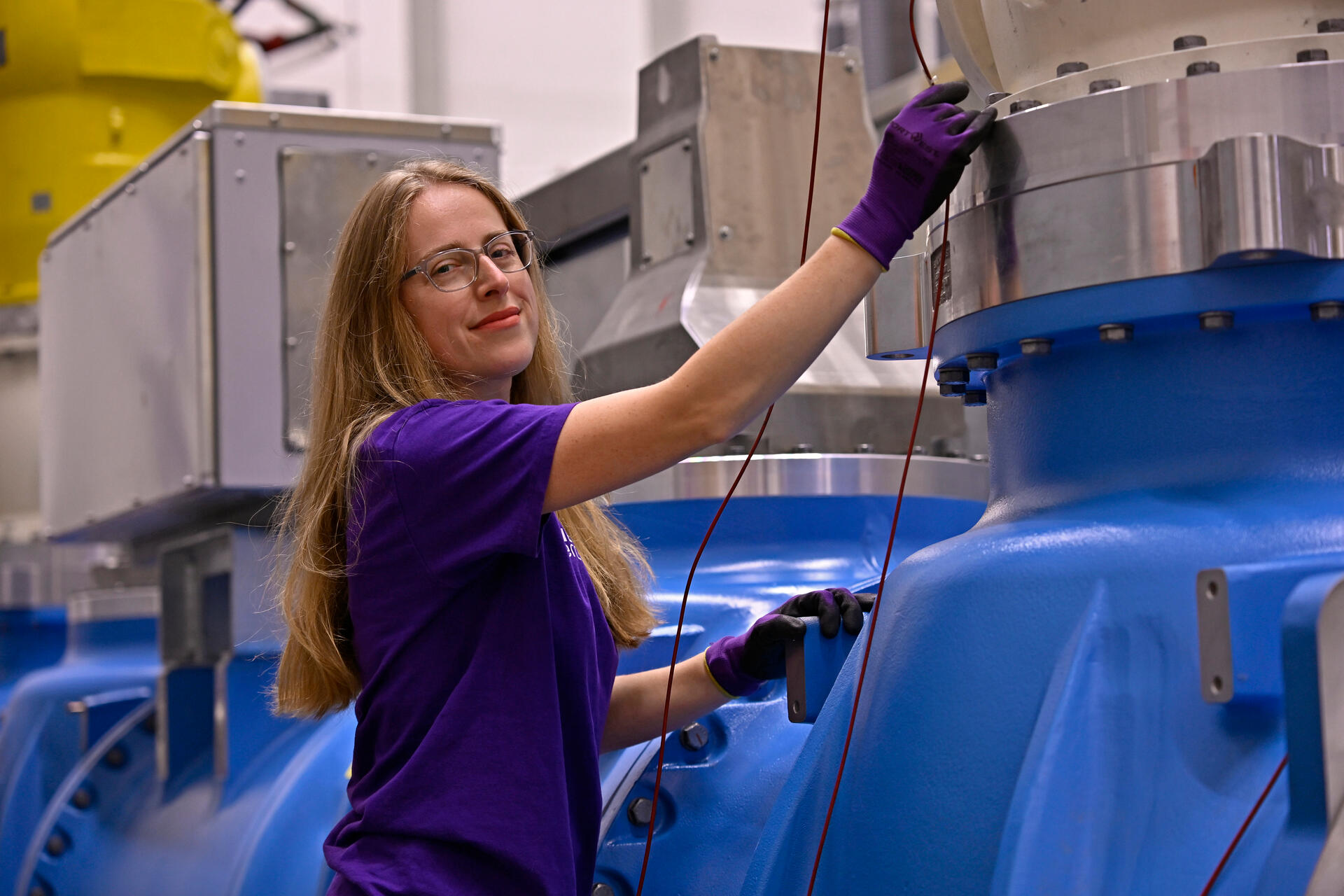
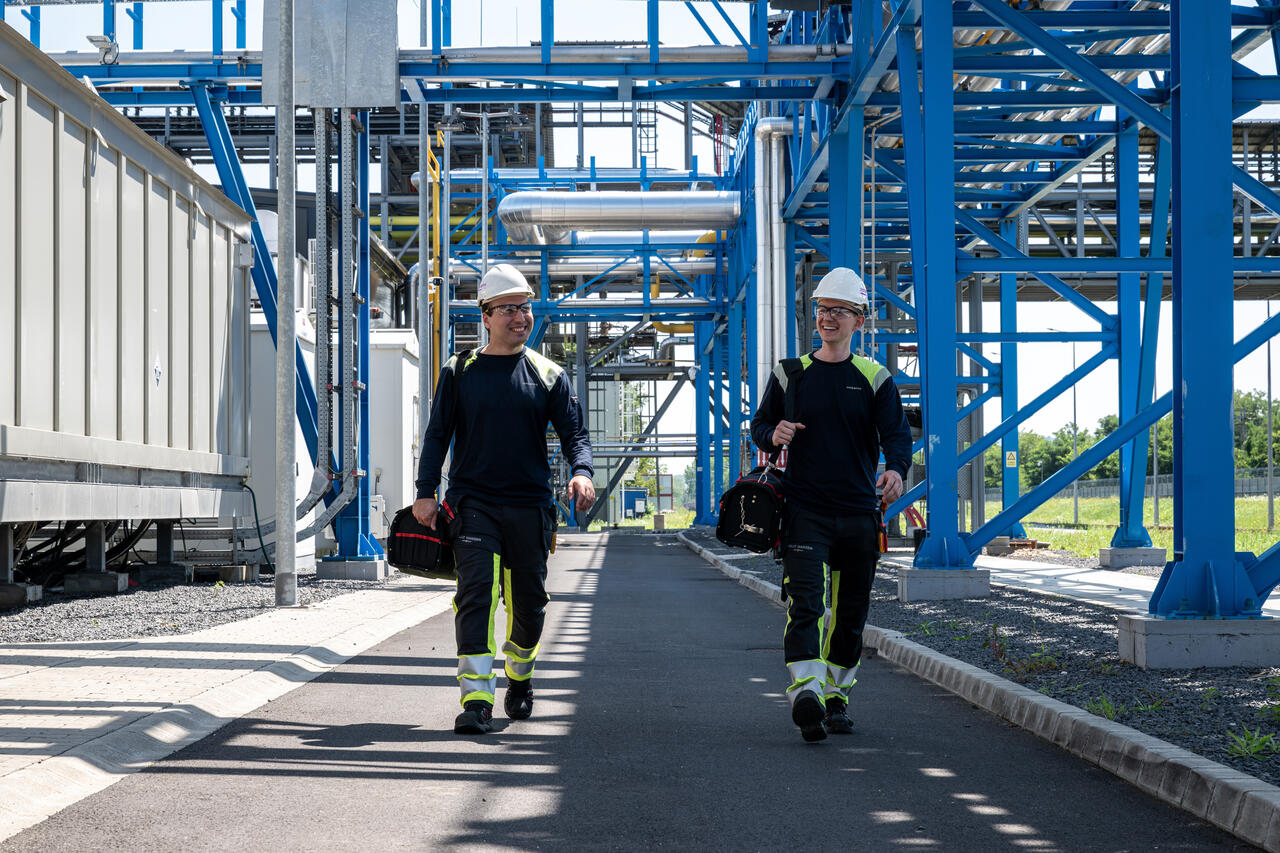
Today, he works on testing, troubleshooting, and fine-tuning gas turbines before they go into commercial operation. His days vary widely - one day he is crawling under a turbine, fixing leaks and miswirings; another day, he is troubleshooting the control system. Some days go exactly as planned, others turn into problem‑solving missions - but working through challenges with the team and handing over a turbine that the customer can rely on is what gives him a real sense of achievement. No matter how the day looks, one thing never changes: safety comes first. He and his team look out for one another and follow procedures carefully -in the field, that’s non‑negotiable.
Even though his technical background was essential to becoming a commissioning engineer, he was never expected to know everything from day one. For example, Roland did not have much experience in control systems, but he quickly found a mentor within the company who took him under his wing and shared his 20 years of experience. It made him feel safe to ask questions, learn, and grow. “Having a mentor can help accelerate your career,” Roland mentions. This culture of support is what helps new colleagues grow fast and gives them the confidence to bring their full selves to work.
He still remembers his first project as a special highlight in his career. “It felt like standing next to a plane,” he says, recalling the first time he watched a turbine running up close. “We’d been working on it for two months, and then it came alive.” In that moment, he knew he had chosen the right path. As energy demand rises around the world, engineering skills such as Roland’s are becoming an asset. Coming from Hungary, Roland has watched how energy systems in his region are changing. Many of the sites he visits are shifting away from older coal units and moving toward cleaner, more efficient solutions. The turbines he commissions today are not only more efficient but also built for the future. Many can already operate on sustainable alternative fuels and, with further upgrades, can be prepared for hydrogen. Contributing to the energy transition isn’t abstract to Roland - he is part of it.
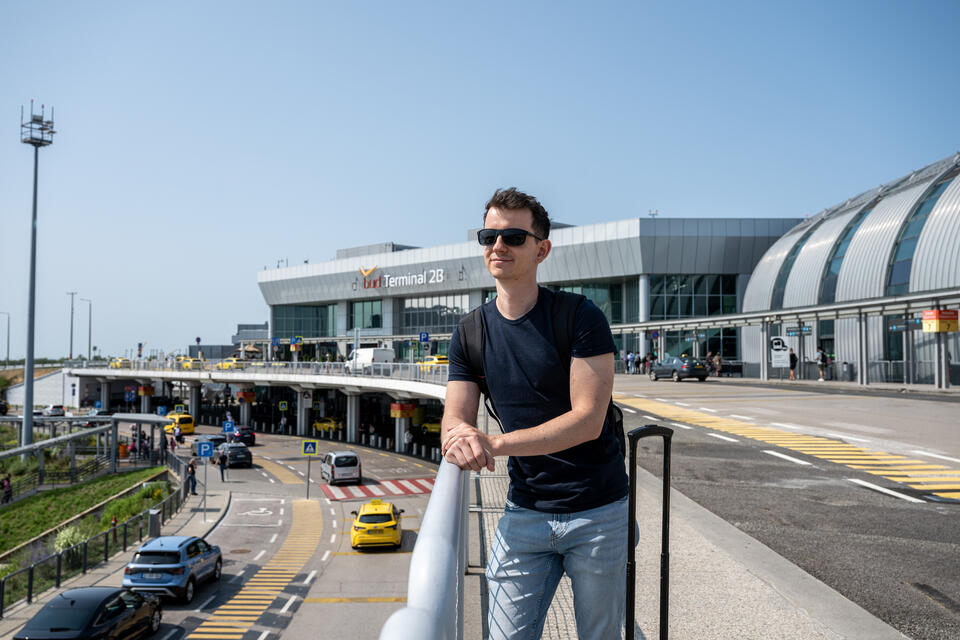
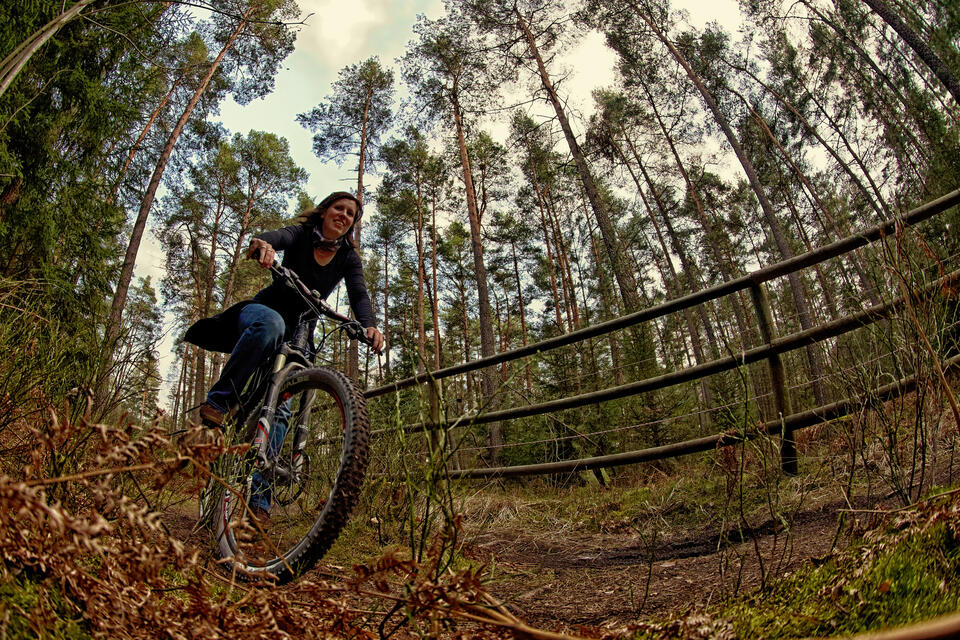
Almost three years on, Roland has traveled to more countries than most of his friends because of his job. “Meeting different people from all around the world is something that everyone should try out,” he says. While based in Hungary, his role typically takes him on the road every two to three months, and once a project starts, he’ll spend a further two to three months on site in each country. The team changes from project to project, so he has learned to lean in and adapt quickly. In his experience, the working atmosphere has consistently been supportive: abroad, the team supports its members, relying on one another in high pressure moments. Outside work, Roland brings the same focus to adventure sports; he is comfortable in high‑stakes situations, and his hobbies - from cliff diving to cycling and skydiving - reflect that.
Is commissioning engineering right for you?
The lifestyle of a commissioning engineer is not for everyone, and long stretches away from home can be challenging. Yet this career path gives him the opportunity to embed himself in local culture, pick up new habits, and build real friendships on site. “I’ve definitely grown - as a person and as an engineer,” Roland adds. That growth continues as he progresses in the company: “I really enjoy that I have multiple career paths to choose from - whether advanced engineering or leadership roles.” This freedom to shape his own development is what empowers him to thrive. For anyone considering commissioning, his advice is simple: a job like this can be deeply fulfilling; just make sure the people in your life are on board with the traveling. For Roland, solving complex energy challenges requires stepping out of his comfort zone, a risk he is willing to take.