Building trust through every step of change
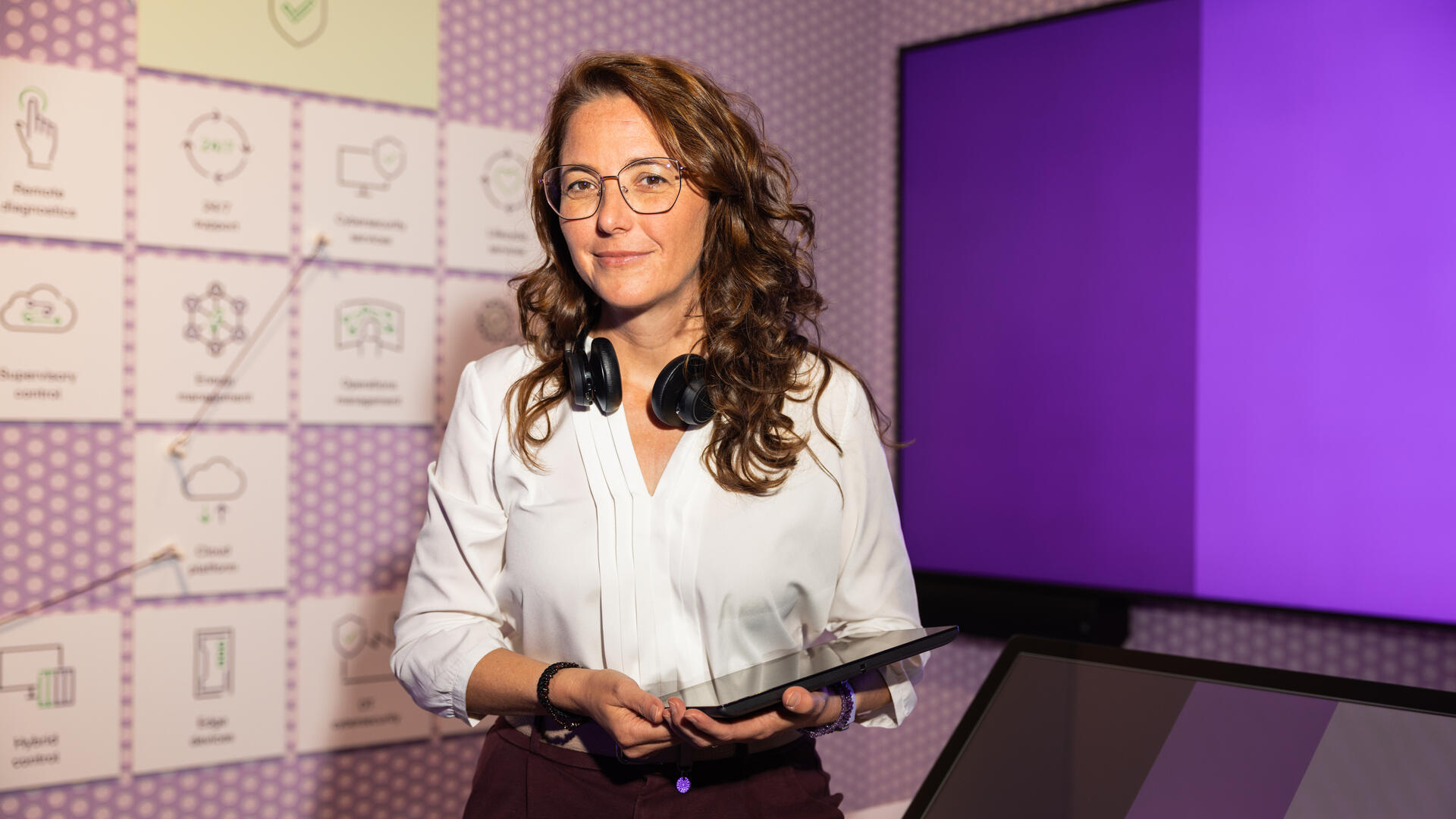
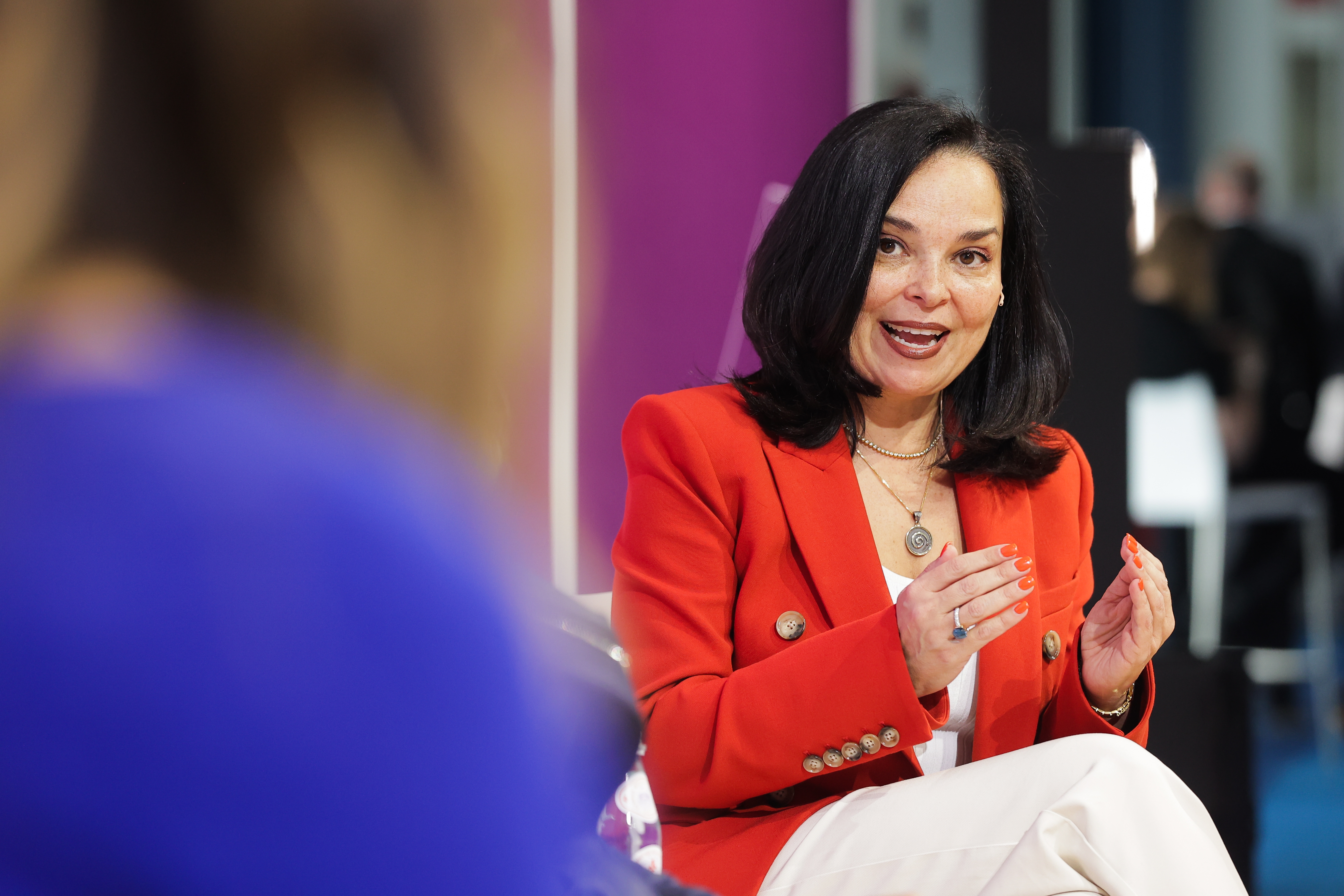
Sandra Guerra made a career decision in the middle of a crisis and she made it on purpose. When COVID brought aerospace to a near standstill, she chose energy: an industry she believed could outlast anything. Four years later, leading a team of 46 HR professionals across North America at Omterra, that bet has paid off. "I wanted to be in an industry that can stand the test of time", she said.
Leading HR through change
Based in Orlando, Sandra leads HR for North America at Omterra, a team of 46 professionals covering the full employee lifecycle. Strategic workforce planning, talent acquisition and retention, employee onboarding experience, policy, employee relations, and learning and development all fall within their remit. In a company growing as fast as Omterra, keeping that engine running without friction is itself a strategic function.
Sandra’s view of HR is unambiguous: it is not a support function, it is the connective tissue between business strategy and the people who execute it. Systems matter, but it is people who make change happen. Her job is to make sure the conditions exist for that to be true.
In practice, that means her team works alongside business leaders and Talent Acquisition to hit hiring targets and to make every step of the employee onboarding experience as smooth as possible. The goal is not to manage HR processes. It is to remove the friction that slows people down.
“We’re constantly evaluating our processes,” Sandra says.
Clearing the path for employees
The North America region is in a period of significant workforce growth, and Sandra’s team is built to move with it. Their mandate is not to centralize HR expertise, it is to make sure that expertise reaches people at the point where it actually matters.
Sometimes that means building a new program. Sometimes it is a policy revision or a process that has too many steps. The team reviews every touchpoint in the employee journey and asks the same question: does this help people move forward, or does it slow them down?
The scope of that work is broader than most people expect. As the business evolves new organizational structures, shifting priorities, sustainability targets organizational change management lands squarely in HR’s lap. When Omterra set new emissions reduction goals, that translated into training curricula, travel policy revisions, and procurement compliance updates, all coordinated through Sandra’s team.
“If we’re decreasing our carbon footprint, that can mean policy changes, training, and systems updates,” she says. “People are sometimes surprised what lands on HR’s desk.”
A team built on trust
Sandra leads with curiosity and honesty, two qualities she treats as non-negotiable in HR team management. She asks questions, pays attention to how people are doing, and creates space for direct conversation. Building trust in the workplace, she believes, starts with a leader being willing to hear what is actually happening, not just what sounds good in a status update.
That approach was tested during a period of rapid headcount growth, when her team was fielding more requests than they could comfortably absorb. Rather than triaging centrally, Sandra pushed ownership to the team. She sees her HR professionals as consultants, people who understand the business well enough to name the real problem, not just the presenting one. “I don’t need to own the agenda,” she says. “I need to make sure the problem is clear and the team has what it needs to move.”
The best moments for Sandra are when the team surfaces the right issue, aligns quickly, and moves. No escalation needed. No repeated meetings. Just clarity and momentum. “When we’re doing it well, it feels like a state of flow,” she says. That is what effective HR business partnership looks like in practice.
From the moment an offer is made to day one, we ask where we can learn, simplify, or improve.
What belonging looks like in practice
Workplace culture and belonging are not abstract values for Sandra, they show up in daily decisions. She believes people should be heard, not just informed. Included in the work, not just assigned to it. When someone on her team says they want to contribute to something beyond their immediate role, she finds a way to make that possible.
That approach shapes the employee’s experience across her team and reflects the culture she is working to build at Omterra, one where people can speak honestly, contribute meaningfully, and know that their ideas are taken seriously. For Sandra, the work is personal in the way energy itself is: fundamental, continuous, and easy to take for granted until it stops. Her job is to make sure it never does.