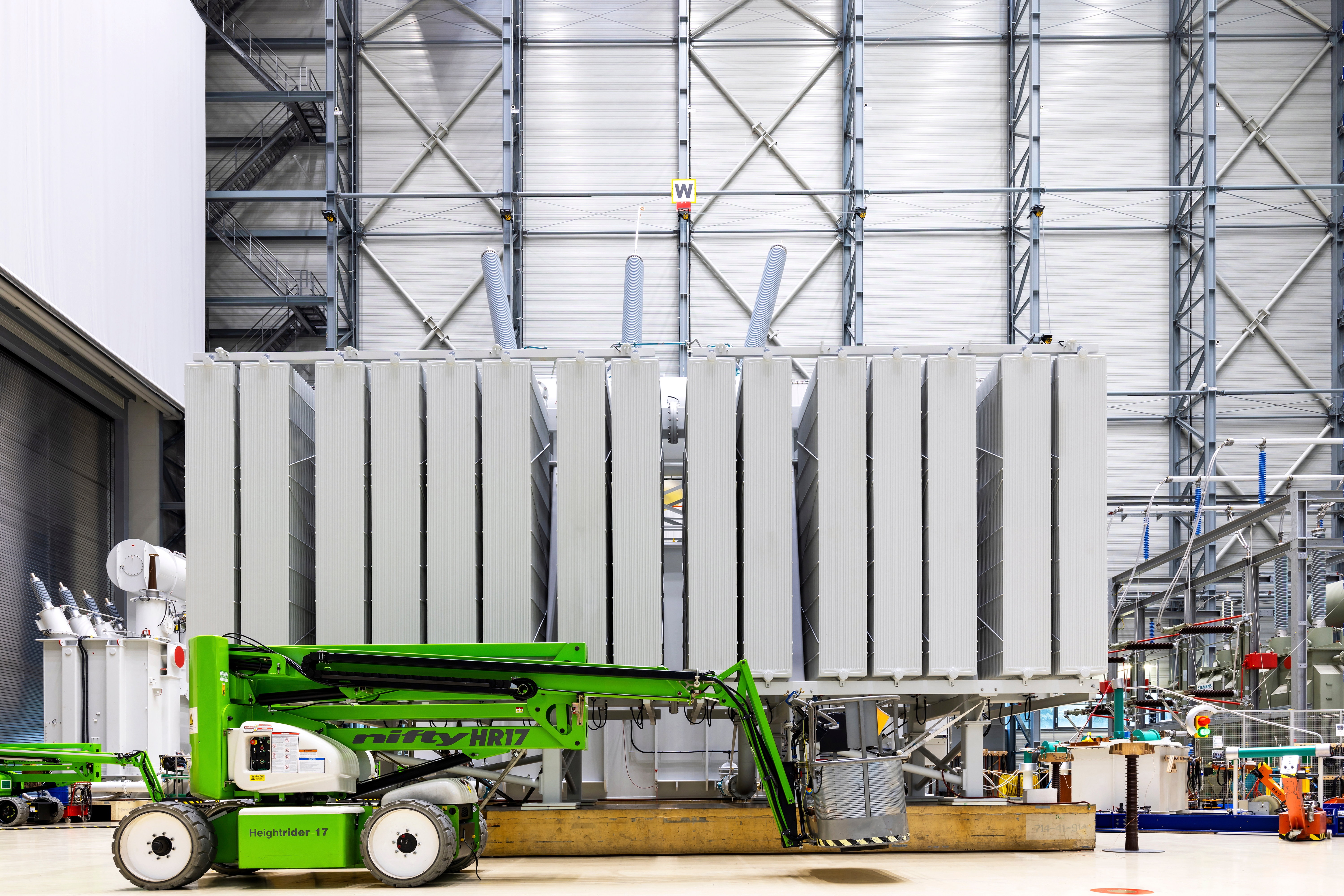
Shunt and series reactors
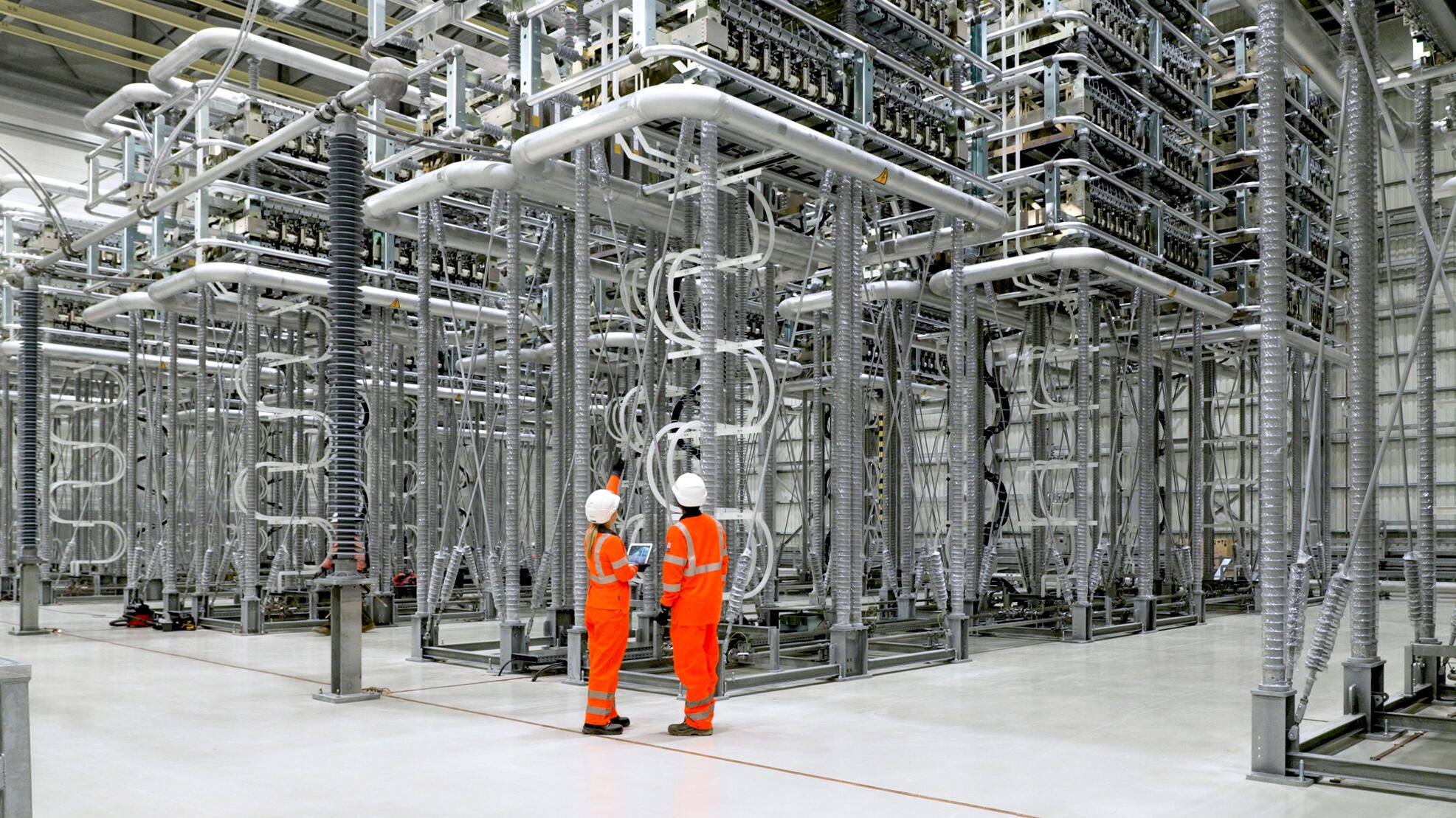
In modern AC grids, maintaining voltage stability is becoming increasingly challenging as power flows become more dynamic. Shunt and series reactors are essential components for stable and efficient grid operation. They are used to regulate reactive power and stabilize voltage, particularly under light-load conditions, while series reactors limit current and influence power flow by adding controlled impedance to transmission lines.
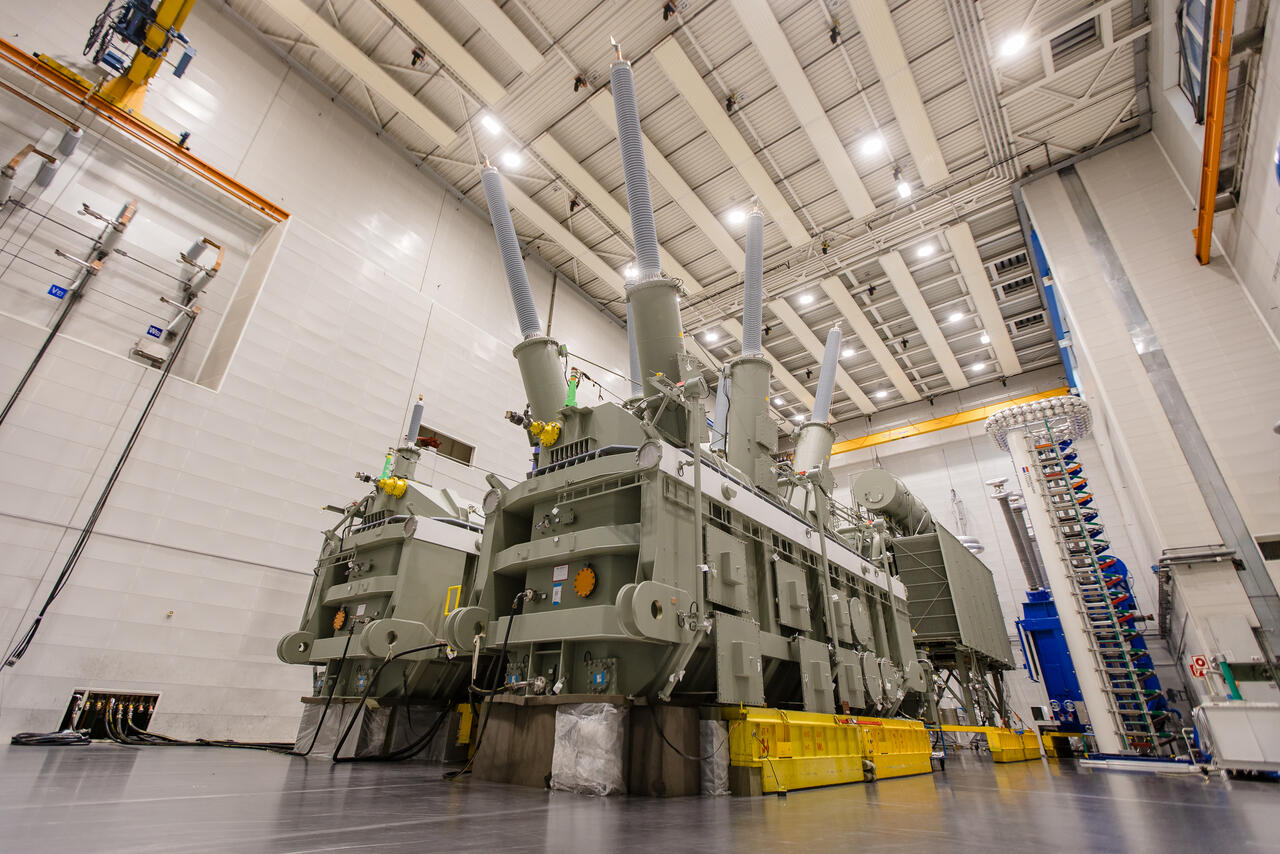
Omterra provides shunt and series reactors as proven solutions for reliable and efficient grid operation. The portfolio ranges from 10 MVAr up to 300 MVAr and covers voltage levels from 25 kV to 800 kV—supporting demanding utility and renewable applications. Depending on grid conditions, shunt reactors are available as fixed or variable solutions: fixed reactors support stable, predefined operation, while variable shunt reactors adapt dynamically to changing system requirements.
Shunt reactors in modern power systems
In high-voltage AC systems, shunt reactors are used to regulate reactive power and support voltage control across transmission networks. They play a key role in mitigating overvoltage effects, particularly in long-distance transmission corridors and cable-based infrastructure.
Typical installation locations include:
- At grid connection points along transmission corridors and cable links
- Within substations, where centralized reactive power compensation is required
- In high-voltage networks prone to voltage rise during light-load operation
Shunt reactors are particularly important under light-load or no-load conditions, where the capacitive behavior of transmission lines and cables can increase voltage levels and place additional stress on grid equipment.
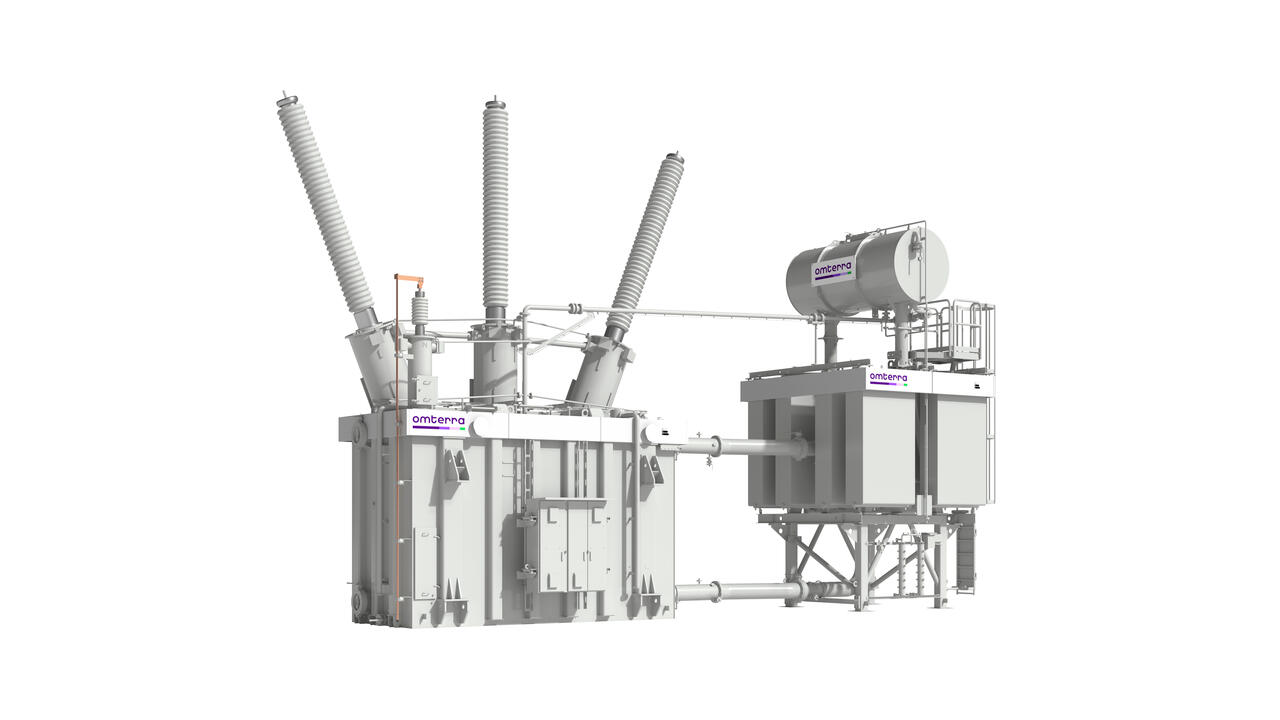
Shunt reactor market

Customer needs
Power system operators are increasingly challenged to maintain voltage stability in transmission networks with long-distance AC links, extensive cable deployment, and fluctuating renewable generation. These conditions require reliable and efficient reactive power compensation, particularly under varying load scenarios.

Market trends
The shunt reactor market is shaped by grid reinforcement and the rapid expansion of cable-based infrastructure, including offshore and underground links. Key trends include higher efficiency designs, compact solutions for space-constrained installations, and the growing integration of digital monitoring for condition-based maintenance.

Market expectations
As grids continue to evolve toward higher complexity and variability, demand for shunt reactors is expected to remain strong. Utilities, representing the largest share of the market, are increasingly focusing on solutions that combine low losses, operational flexibility, and long-term reliability in dynamic grid environments.
Omterra shunt reactor portfolio
Shunt reactors are essential for reactive power compensation and voltage control in high-voltage transmission networks. Depending on grid conditions, different reactor types provide the required level of stability, efficiency, and flexibility.
Omterra covers the full range of reactor solutions for high-voltage transmission applications, supporting diverse grid requirements and customized system designs.
| Criteria | Fixed Shunt Reactors (FSR) | Variable Shunt Reactors (VSR) |
|---|---|---|
Reactive power compensation | Constant compensation | Dynamic, adjustable compensation |
Best suited for | Stable, predefined grid conditions | Fluctuating and dynamic grid conditions |
Typical applications | Long overhead lines, stable transmission systems | Renewable integration, cable-dominated grids |
Grid behavior | Predictable, steady load profiles | Variable generation and load patterns |
Voltage control | Switching on/off | Stepwise, finely adjustable |
Efficiency | High efficiency | Optimum efficiency across varying conditions |
Losses | Fixed | Reduced losses at levels lower than max. rated reactive power |
Flexibility | Limited | High |
Technology | Fixed rating, simple design | Tap changer technology enables adjustment |
Investment | Lower initial cost | Moderate higher initial investment, higher operational value |
Operational value | Proven, robust solution | Reliable technology, future-ready solution for modern grids |
Shunt reactor configurations
Shunt reactors are available in different configurations to meet specific system, installation, and operational requirements.
Single-phase and three-phase shunt reactors
Shunt reactors are available in single-phase and three-phase configurations, depending on system design and operational requirements.
Single-phase shunt reactors are typically used in specific transmission configurations or customized applications >= 550 kV. Three-phase shunt reactors are the standard solution for utility-scale grids <= 550kV.
Their balanced operation enables efficient integration into high-voltage transmission systems and supports reliable grid performance.
Oil immersed shunt reactors
Oil-immersed shunt reactors are widely used in high-voltage networks due to their strong insulation performance and efficient thermal management.
The insulating oil enables reliable operation under demanding electrical conditions while supporting long service life and stable performance over time.
These reactors are often combined with transformer service solutions to enhance long-term asset reliability and optimized lifecycle management.
Series reactors portfolio
Series reactors are connected in series with transmission lines or feeders, where they introduce controlled impedance to influence current flow and overall system behavior.
By increasing system reactance, they limit short-circuit currents to manageable levels and support the protection of critical grid equipment during fault conditions. This contributes to improved system stability and ensures reliable operation of transmission and distribution networks.
In addition, series reactors can support power flow control and help balance load between parallel lines. As part of modern grid solutions, they play an important role in enhancing system resilience and enabling stable operation under changing network conditions.
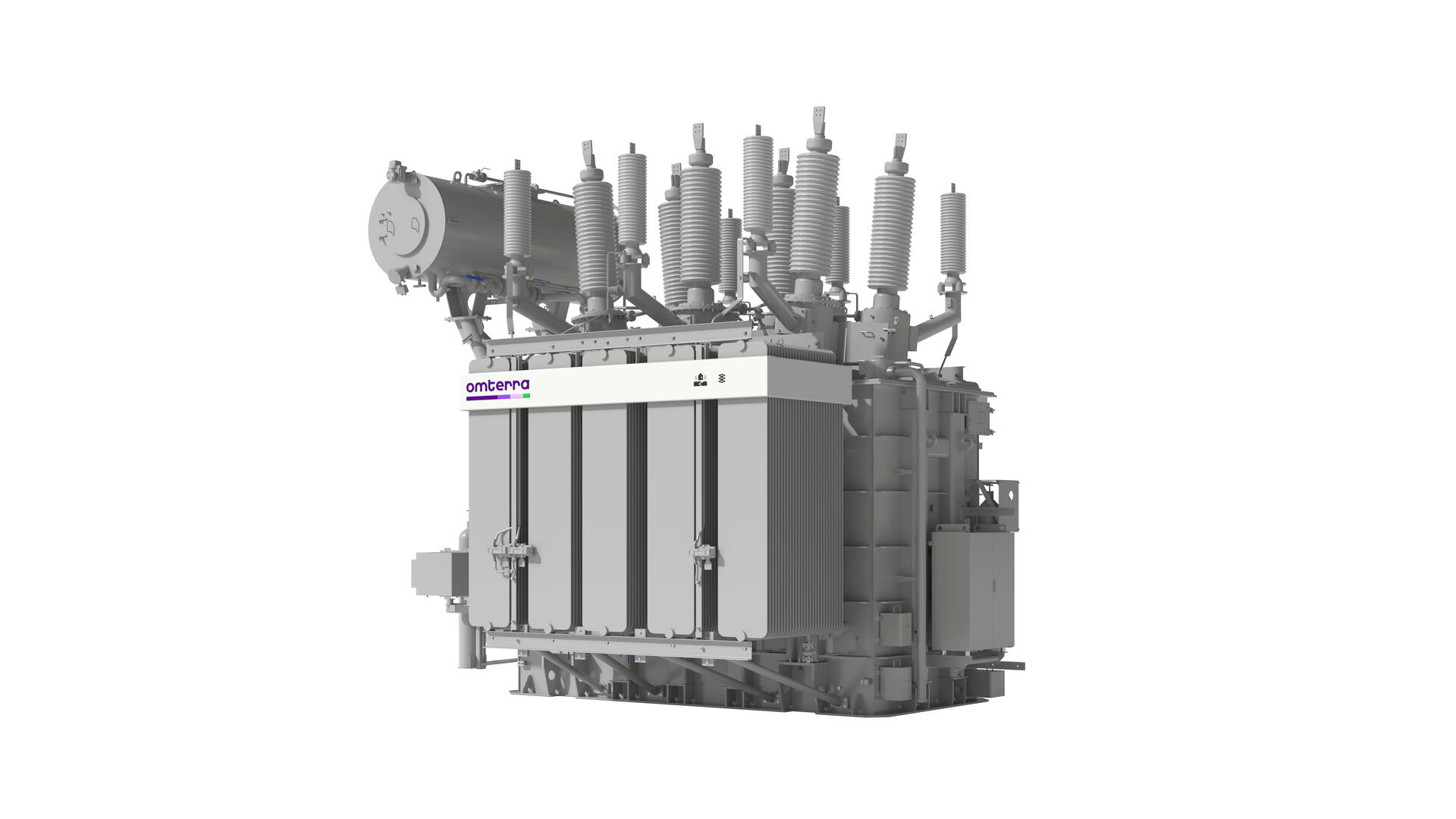
Shunt reactors applications and use cases
Shunt reactors are used across a wide range of applications, from substations to renewable energy systems, where stable voltage control is essential.
Shunt reactors in substations
In substations, shunt reactors stabilize voltage and manage reactive power, particularly in high-voltage transmission systems with varying load conditions.
Installed at busbars or line ends, they are used to regulate reactive power and voltage across the network, supporting reliable operation and efficient long-distance power transmission.
As substation designs evolve and system complexity increases, shunt reactors remain a key component for stable and reliable grid operation.
Utility-based shunt reactors
Utilities deploy shunt reactors as part of grid expansion, reinforcement, and modernization strategies. They support voltage control, reduce transmission losses, and improve overall system efficiency.
In large-scale transmission networks, shunt reactors help maintain power quality and ensure stable operation under varying load conditions. As grid infrastructures continue to evolve, they remain a key element in enabling reliable and efficient power delivery.
Renewable-based shunt reactors
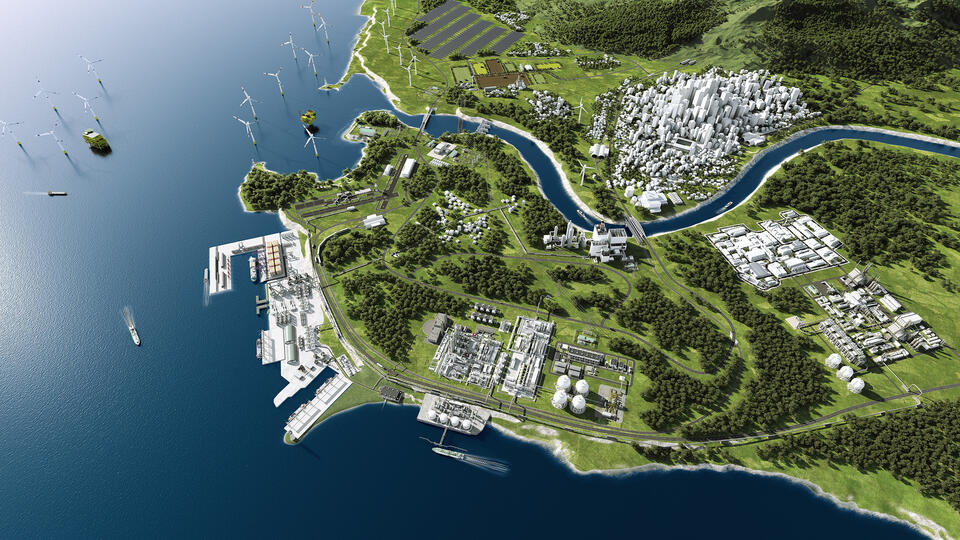
Shunt reactors play a critical role in integrating renewable energy sources into modern power systems. They help manage voltage fluctuations and stabilize networks affected by variable generation from wind and solar power.
They also support compliance with grid codes by ensuring voltage stability and reliable operation in systems with high variability.
Typical applications include offshore wind connections, long HVAC cable systems, and hybrid renewable projects. These environments often require integration with digital grid solutions to manage increasing system complexity and maintain stable performance.
Key technical features and performance
| Feature | Shunt reactors | Series reactors |
|---|---|---|
Primary function | Reactive power compensation and overvoltage control | Short-circuit current limitation and power flow control |
Connection type | Connected in parallel (lines, cables, busbars) | Connected in series with transmission lines or feeders |
Main applications | Long transmission lines and cables, substations, renewable energy integration | Short-circuit current limitation, load-flow control |
Typical customers | Transmission and distribution utilities, renewable energy developers | Transmission and distribution utilities, industrial users |
Key variants | Fixed and variable shunt reactors, single-phase and three-phase, oil-immersed designs | Line reactors, current-limiting reactors, smoothing reactors |
Typical benefits | Voltage stability, reduced transmission losses, improved grid efficiency | Improved system protection, controlled current levels, enhanced grid stability |
Typical installation locations | Transmission substations, cable terminations, wind and solar grid connections | Substations, feeders, and network interconnections |
In practice, shunt reactors are used to maintain voltage stability, particularly in long-distance transmission and cable-based systems. Series reactors, on the other hand, protect the grid by limiting fault currents and controlling load flow.
Together, both technologies contribute to a reliable, efficient, and resilient power system.
Benefits for customers
Omterra reactors combine decades of engineering expertise with advanced design capabilities to support reliable and efficient grid operation.
From grid consulting and system design to manufacturing, testing, and lifecycle services, Omterra supports customers across the entire project lifecycle.

Stable grid operation and power quality
Effective reactive power compensation ensures voltage stability, limits overvoltage, and supports compliance with grid requirements.

Flexibility for evolving grid conditions
Variable shunt reactors enable dynamic adaptation to fluctuating renewable generation, grid extensions, and changing load patterns.
Efficient integration of renewables and transmission systems
Supports reliable operation of offshore wind, solar, and long HVAC cable connections through effective voltage management.

Proven expertise and global engineering network
Over 80 years of experience, dedicated design tools, and a global team of reactor specialists ensure tailored solutions, consistent quality, and reliable performance across diverse grid environments.
Let’s discuss your next project
From initial studies to long-term service, Omterra supports utilities and grid operators with advanced shunt reactor solutions across the full project lifecycle. Our expertise enables effective voltage control, reliable reactive power compensation, and stable grid operation – even in increasingly complex, renewable-driven networks.
Get answers: FAQs on shunt and series reactors
A shunt reactor is an electrical device that absorbs excess reactive power to control voltage levels in AC transmission systems.
A series reactor is a device installed in series with a circuit to limit current and control power flow by adding impedance.
Fixed shunt reactors are used for constant reactive power compensation in stable grid conditions, such as long transmission lines.
Variable shunt reactors are used in dynamic grids with fluctuating load or renewable generation, where flexible compensation is required.
Shunt reactors stabilize voltage and manage fluctuations in renewable energy systems, especially in cable-based transmission networks.
Shunt reactors are typically installed at line ends, busbars, or within substations in high-voltage transmission systems.
Typical shunt reactors cover voltage levels from 33 kV to 800 kV and power ratings up to 300 MVAr.