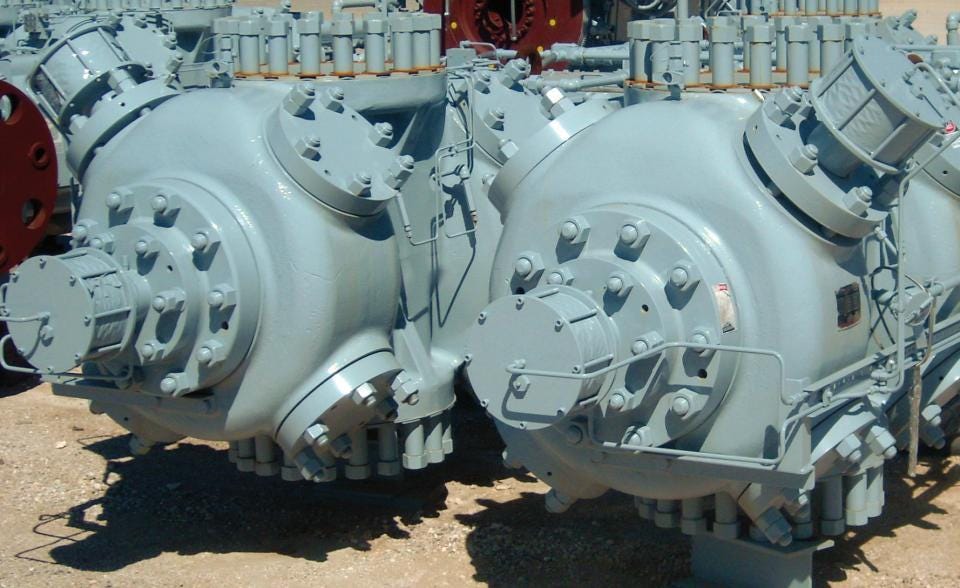
Reciprocating compressor valves and capacity control
Capacity control and compressor valve mechanisms are essential for optimizing the efficiency and functionality of reciprocating compressors. These mechanisms ensure that the compressor operates at the optimal level required by varying conditions, thereby conserving energy and reducing wear and tear.
Valve performance and reliability is key to compressor performance. By paying careful attention to reliability in every aspect of the design, Omterra has created a valve that in many applications can run more than 50 percent longer than other valves before needing service. The company has proven it in thousands of hours of tests, many at high speeds and high temperatures, with a wide range of gases. The engineers select the most appropriate valve based on their extensive experience as well as tools such as the Dynamic Valve Analysis (DVA) program.
Reciprocating compressor valves
MAGNUM Plus valve: flow, efficiency, and serviceability
Omterra are excited to unveil our MAGNUMTM Plus compressor valve, the latest product offering in the successful MAGNUMTM family of compressor valves. Designed to enhance flow and reduce pressure drop backflow, it delivers exceptional efficiency and reliability.
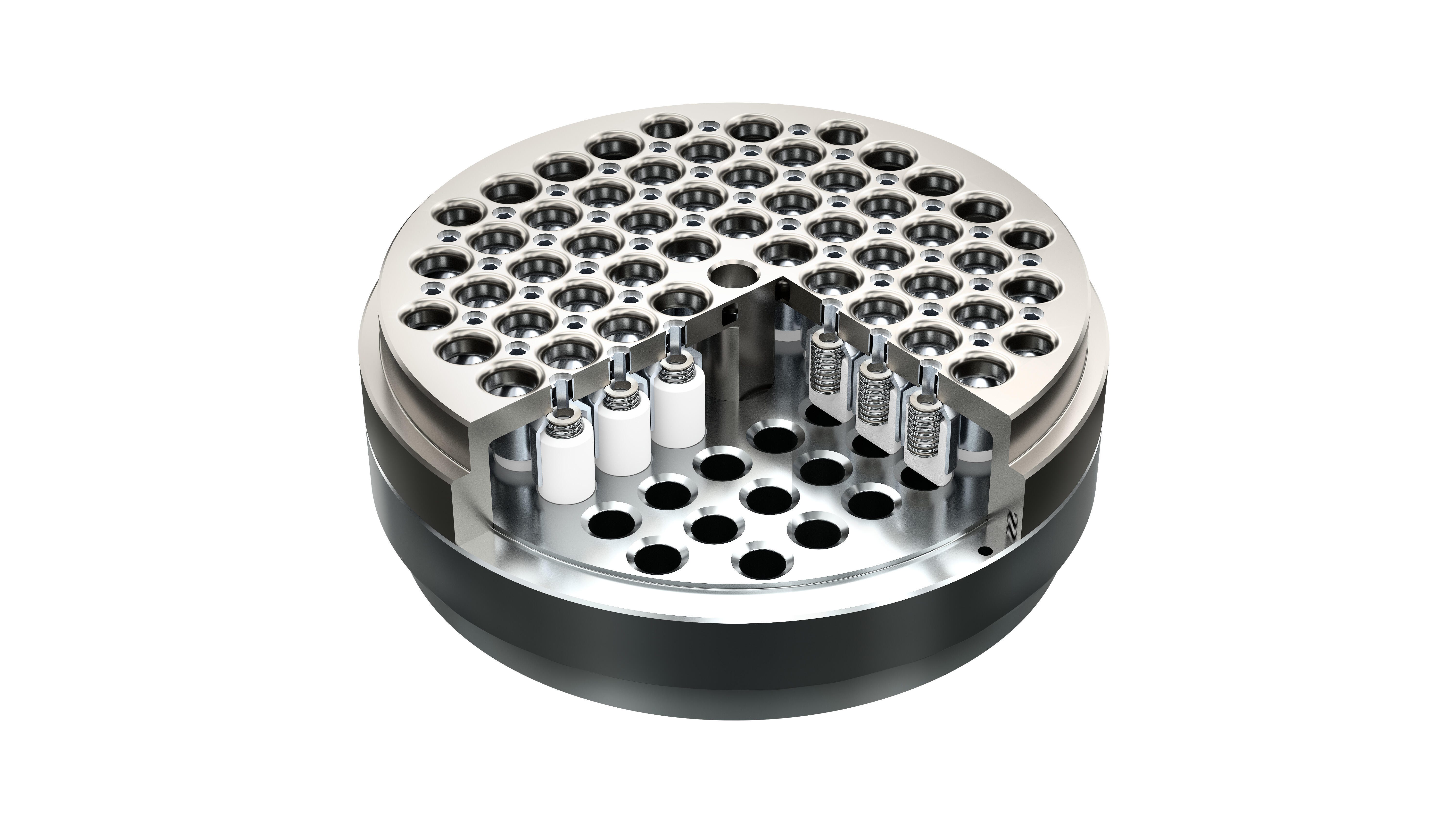
Key Features:
- Improved flow and reduced pressure drop backflow
- Increased compressor efficiency and reduced horsepower consumption
- High reliability
- Easy maintenance with common parts and replaceable element cup design
- Versatile installation and service, ideal for remote and challenging conditions
Suitable for:
- Lubed and non-lubed cylinder applications
- Sour-gas applications
- Compressors rotating speeds up to 1800 RPM
- Differential pressure up to 3000 psi / 207 bar
Variable capacity control systems
Most compressors produce more capacity than needed to allow for process control. The excess capacity is typically recycled to the inlet of the compressor to meet demand. The energy required to recycle the excess capacity is wasted.
Variable capacity control systems give operators the ability to adjust compressor capacity to demand, eliminating recycle. This reduces energy usage and operating costs.Variable capacity control devices are becoming more prevalent in the process market because of increased energy costs and the desire to save energy and related expenses whenever possible.



Get answers: FAQs on Reciprocating compressor valves and capacity control
A compressor valve controls the flow of gas into and out of the compression chamber, ensuring efficient operation and pressure regulation.
A well-designed valve can significantly improve compressor efficiency, reduce energy consumption, and extend equipment life.
Valves manage the intake and discharge of gas during each piston stroke, directly affecting performance and reliability.
Consider operating pressure, temperature, gas composition, flow rate, and maintenance requirements.
Common types include plate valves, poppet valves, and reed valves, each suited to specific operating conditions.
Material choice affects durability, resistance to corrosion and wear, and suitability for high-pressure or high-temperature environments.
Issues include wear, sticking, and leakage. Prevention involves regular maintenance, proper material selection, and operating within design limits.
Inspect regularly, clean components, replace worn parts, and monitor performance indicators to avoid unexpected failures.
Suction valves allow gas into the cylinder; discharge valves release compressed gas into the system.
Valve movement is driven by pressure differences during the piston’s cycle—suction opens on intake, discharge opens on compression.