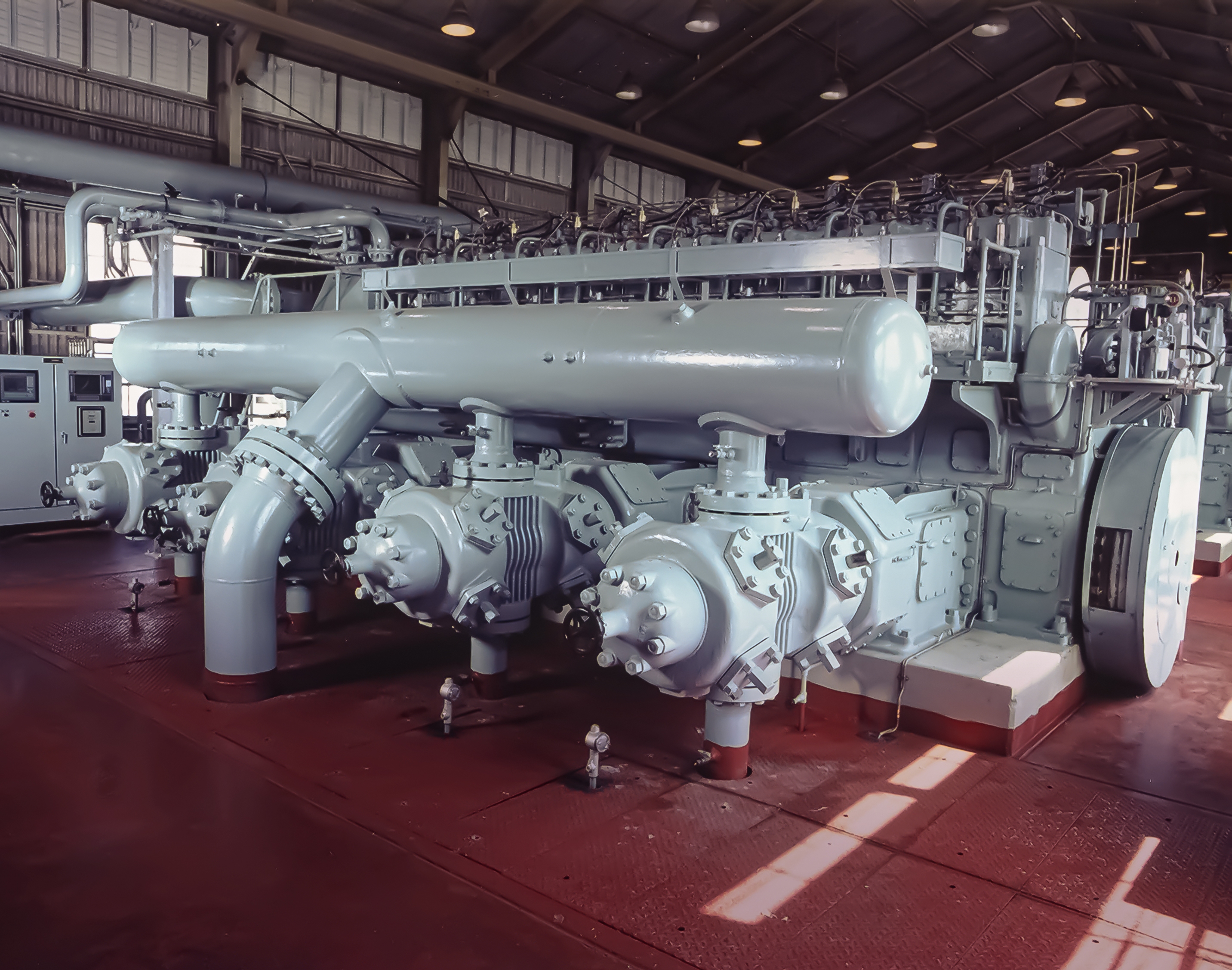
Gas engine solutions
Enhancing the performance of gas engines, regardless of its OEM, is not just a service, it's a commitment to excellence. With a focus on reliability, efficiency, turnkey solutions and responsiveness, Omterra take pride in being a trusted partner throughout the engine's entire lifecycle.
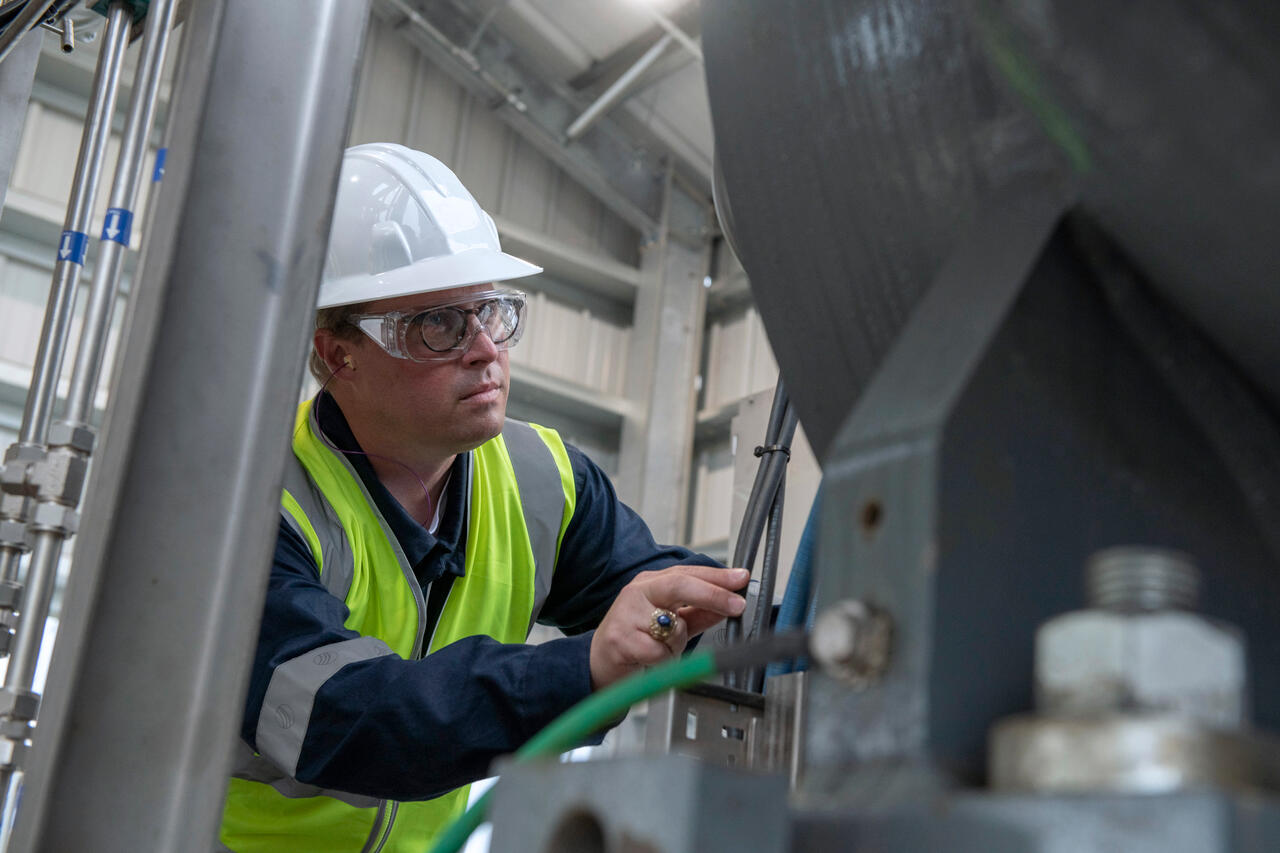
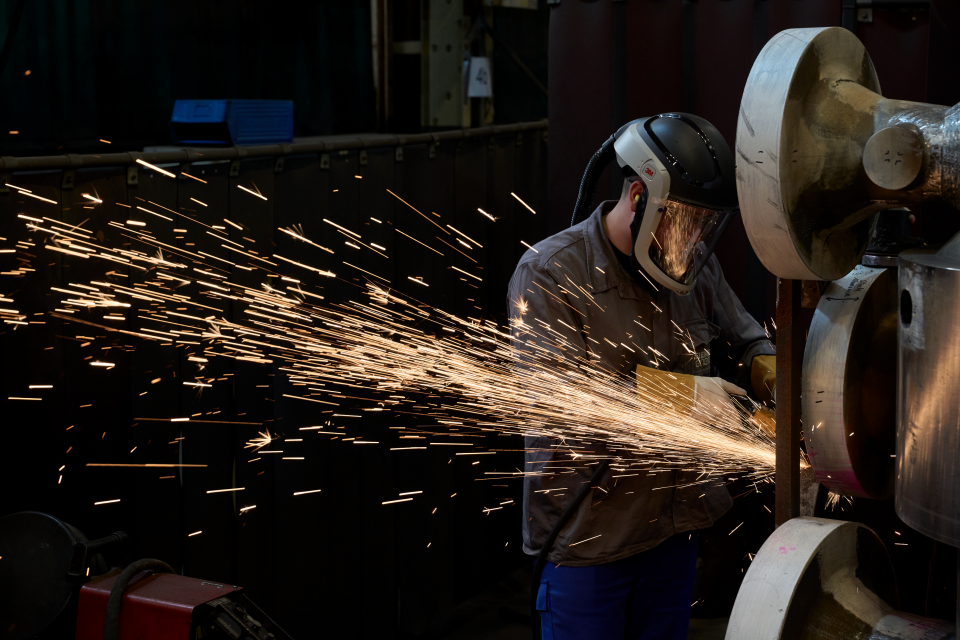
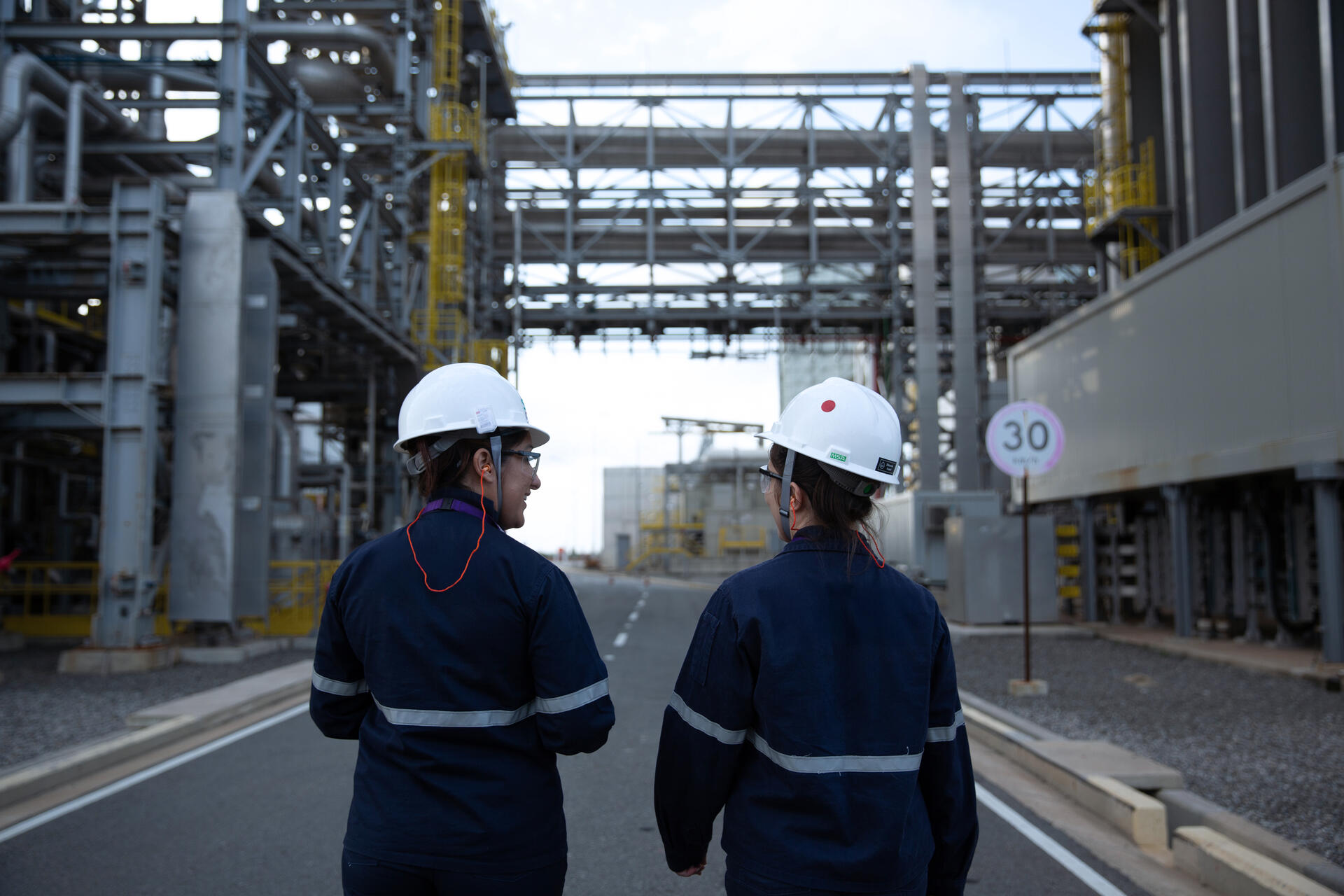
From modernizations and upgrades, scheduled overhauls, and repairs to spare parts, Omterra's global team of highly qualified specialists is dedicated to delivering dependable and on-going support.
Lowering emissions for a sustainable future with high efficiency gas engines
Omterra is committed to improving air quality and protecting the environment with every solution it provides. The team has the flexibility to provide manpower requirements that meet customer deadlines, and the purchasing power to manage the supply base and secure reduced lead‑times with competitive costs. Omterra’s selection of equipment upgrades is designed to lower engine emissions significantly and improve the performance of both engines and compressors.
Provides a cost-effective upgrade of fuel / gas control for direct-injected, natural gas-fired industrial engines.
Real-time, continuous engine monitoring system designed for large-bore, two and four-stroke natural gas reciprocating engines.
Converts unwanted components like CO, NOx, and hydrocarbons into CO2 and N2 as exhaust gas passes through the catalyst.
Provides exact control of the fuel gas to deliver an optimally mixed air/fuel charge that produces combustion performance and emissions characteristics equivalent to well-designed, state-of-the-art IC engines.
Mechanical check valve failures in gas compression engines leads to increased misfire rates, reduced engine life and the need for frequent replacement. Omterra's ePCi will increase the reliability and durability of the engine.
Features and benefits
- Reduces engine component due to reduced misfires or incomplete ignition
- Increased time between maintenance intervals from 3-6 months to 24 months
- Eliminates sticking PCC check valves
- Reduced hydrocarbon emissions
- Easier engine startups
- Precise fuel admission control
- Faster troubleshooting of engine issues
- Saves time of operators and engine analysts due to continuos monitoring of fueling
Technical description
- Environmental operating temperature: -4 to 302°F (-20 to 150°C)
- Gas supply pressure: 0 to 100 psig (0 to 689.4 kPa)
- Gas supply temperature: -4 to 185°F (-20 to 85°C)
- Gas quality: Pipeline quality natural gas (gas must contain negligible amounts of H2S
Applicability
The product is ideal for slow speed, two and four stroke integral gas compression engines. In addition, customers with medium speed gas compression engines can benefit from this product.
Support services and implementation
Typical manufacturing lead times vary for standard parts depending on the factory workload. ePCi can be bundled with larger scope emission reduction and reliabilty improvement projects.
Prevents combustion issues and cylinder peak firing pressure balancing complications due to differing pre-chamber volumes and head design.
Provides a single, engine-mounted module that can be used to control all aspects of the engine's operations.
Redesigned key features to increase overall turbocharger performance efficiency.
Power end upgrades for gas engines
Omterra’s cutting‑edge enhancements target the mechanical power‑producing components of the customer’s engine, elevating its potential to new heights. Upgrade offerings are meticulously planned and installed while considering the engine’s design, intended use, and potential impact on other components.
- Flywheel barring rigs
- LECM upgrade kit
- Oil pump upgrade
- Warehouse on Wheels (WOW)
- Vintage frame replacement
- In-Pulse II - obsolescence
- iBalance g1 / iFlow g1
- Methane slip reduction

Get answers: FAQs on Gas engine solutions
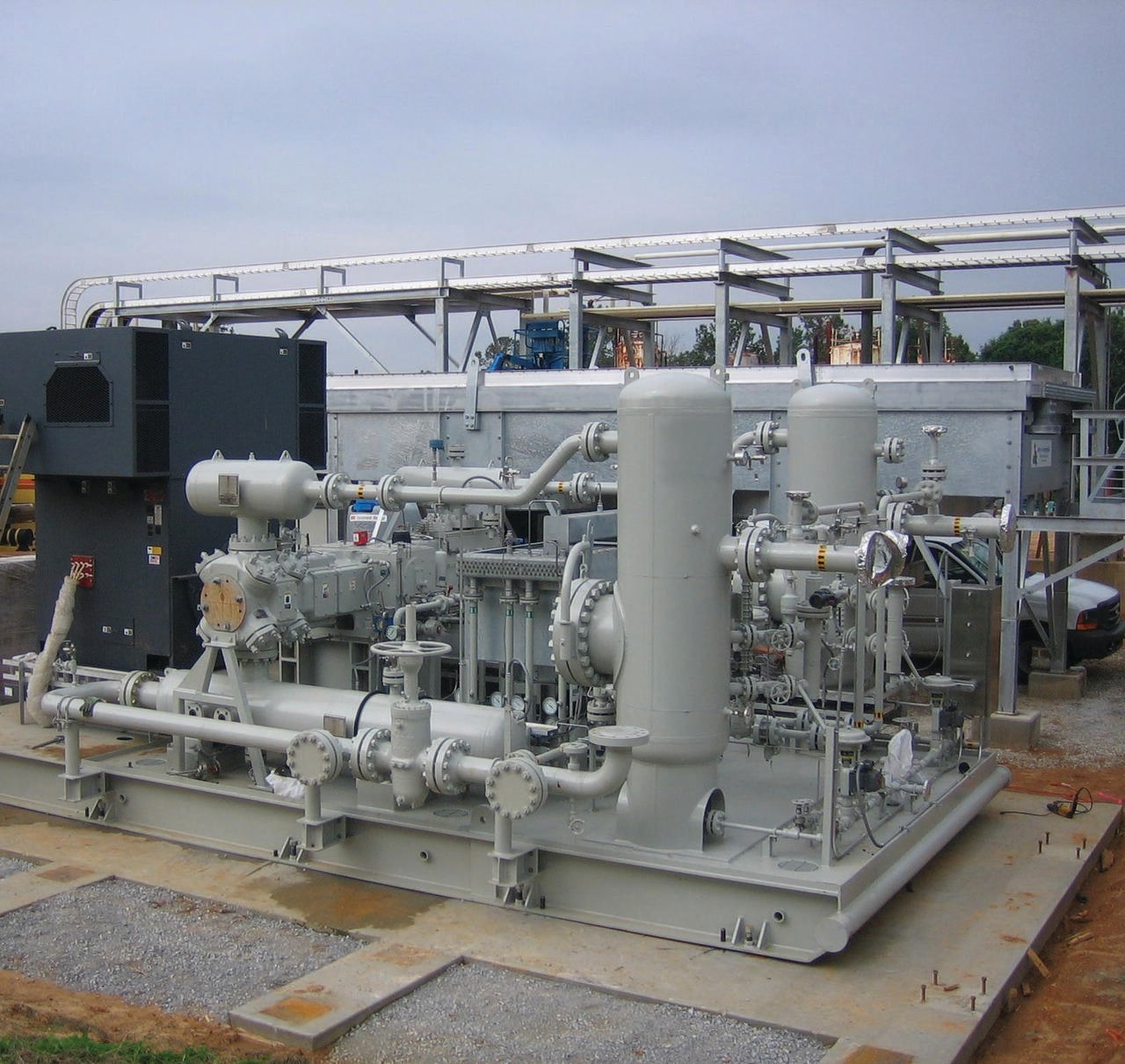
Natural gas compression is a critical component of the oil and gas industry, enabling the efficient transportation, processing, and storage of natural gas across upstream, midstream, and downstream sectors. Among the various types of compressors used, the natural gas-driven integral engine compressor stands out for its unique design and operational advantages. These systems, which combine the engine and compressor into a single unit sharing a common crankshaft, have been a mainstay in pipeline infrastructure since the mid-20th century.
Integral engine compressors are designed for mechanical simplicity and long life, which translates into high reliability and efficiency. Unlike separable packages—where the engine and compressor are distinct units connected via couplings—integral compressors feature a single frame and crankshaft, reducing the number of moving parts and potential failure points.
· Regular maintenance – assuring your engine is maintained according to OEM standards is critical.
· Turbocharger upgrade – An operator can improve performance and reliability by upgrading the turbocharger, more air equals better fuel consumption.
· Ignition system upgrade – better spark, better ignition, better combustion, better performance.
· Fuel injection upgrade – through higher pressure injection of natural gas both performance and emissions are improved.