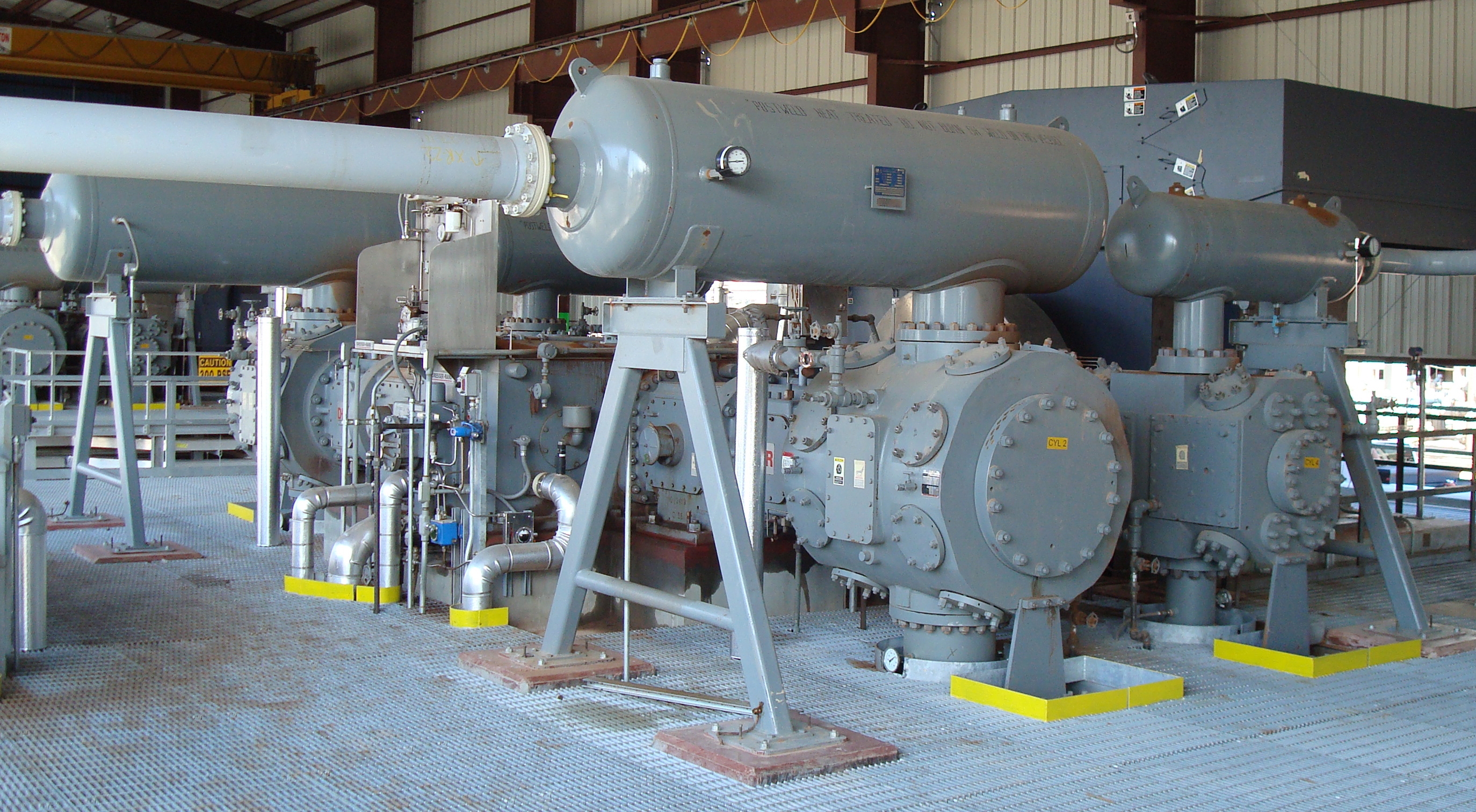
Hydrogen Compressors
Hydrogen, the lightest and most abundant element, can be used as a clean energy source with vast potential. Growing global hydrogen demand requires flexible, cost effective and efficient compressor solutions for storage, transportation, and use in different processes.
Compressing hydrogen with tailor made compression solutions offers numerous benefits, including increased energy density and enhanced energy efficiency. Hydrogen compressors also facilitate the integration of hydrogen into existing infrastructure and support the development of renewable energy solutions, driving us towards a more sustainable future.
Compressors for hydrogen applications
Compressors are essential to move, store or transform hydrogen. From the point at which hydrogen is produced to the point where it is consumed, our wide compression portfolio supports many applications across the hydrogen value chain. Applications for hydrogen compression include:
- Compression of hydrogen post electrolysis
- Compression of hydrogen produced by steam methane or autothermal reformers (SMRs/ATRs)
- Hydrogen booster stations in pipeline networks
- Compression for storage (cavern/vessel)
- Production of e-fuels (ammonia/methanol/eSAF)
- Industrial applications (e.g. green steel)
- Mobility
- Petrochemical/refining feedstock
- Compression for hydrogen liquefaction
Omterra is a global market leader in hydrogen compression applications, with more than 2,500 reciprocating and centrifugal compression units operating in hydrogen service, backed by over 100 years of compression experience. As a globally recognised hydrogen compressor manufacturer, Omterra delivers optimum equipment solutions with high lifetime value across a wide range of hydrogen compression applications. The portfolio offers a broad choice of technologies, enabling the optimum solution for project-specific requirements, considering:
- Volume flow
- Pressure ratio
- Gas composition
- CAPEX & OPEX
- Operating range required
- Footprint
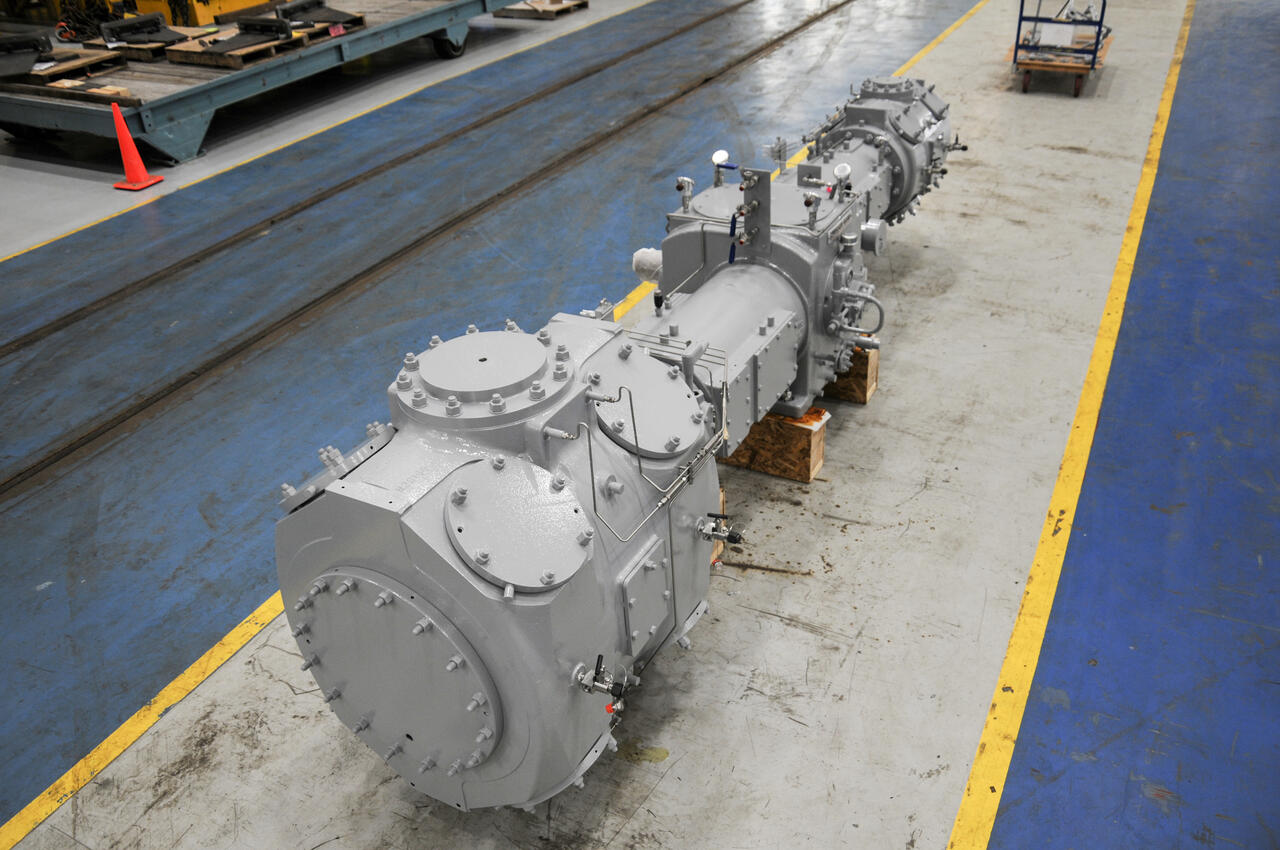
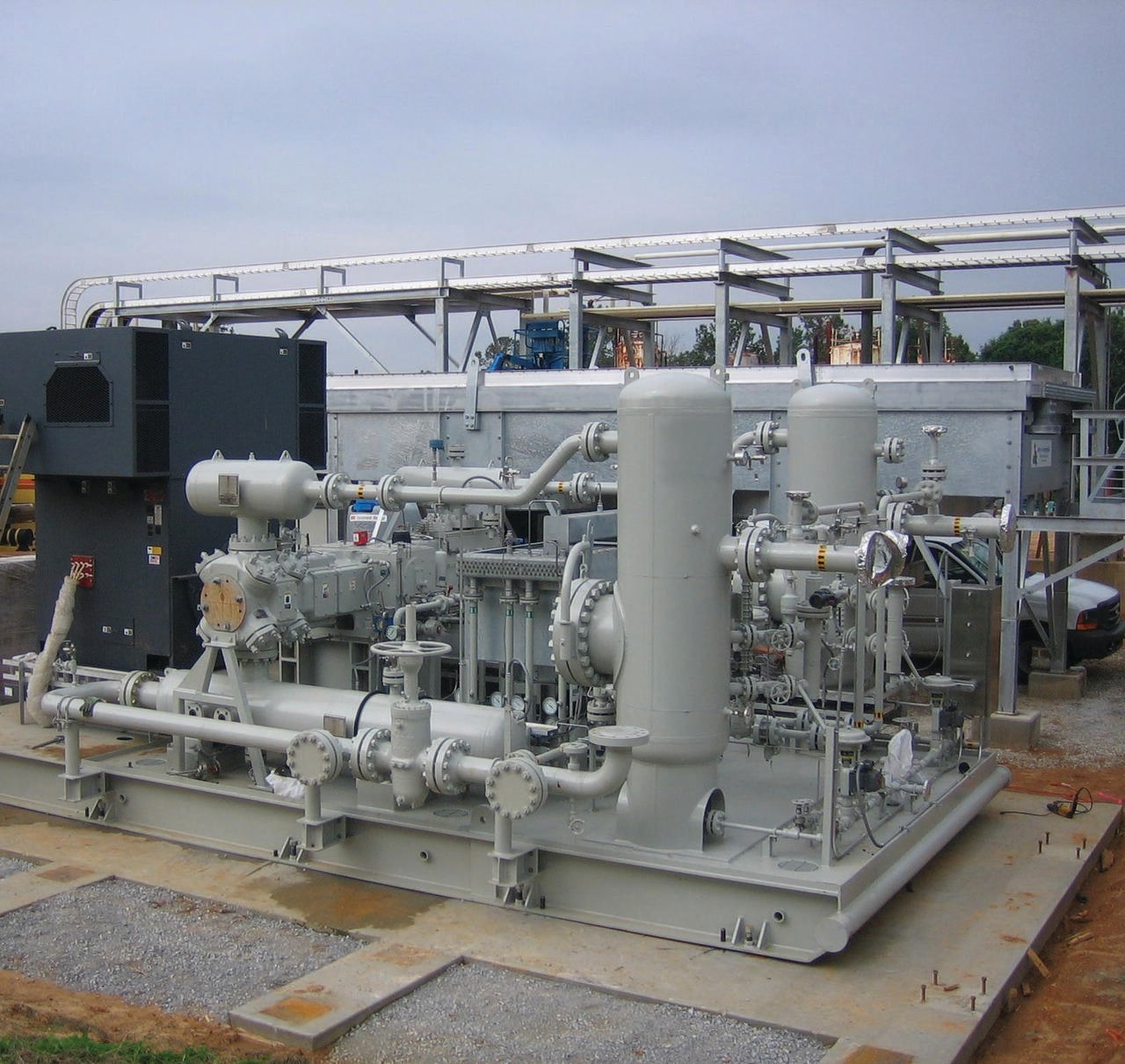
The Omterra Plug and Play reciprocating compressor package offers efficient and flexible solutions for hydrogen applications. The modular design reduces erection, installation, and commissioning times by up to 50% compared to standard compressor systems, helping accelerate project delivery. With 17 fully engineered modules - each weighing less than 25 tons and featuring a 20% smaller footprint - transport and site integration are straightforward and cost-effective. The solution is customizable to meet specific operational needs, and advanced safety features, including completed HAZOP analysis and detailed P&ID documentation, can provide reliable and secure performance from day one.
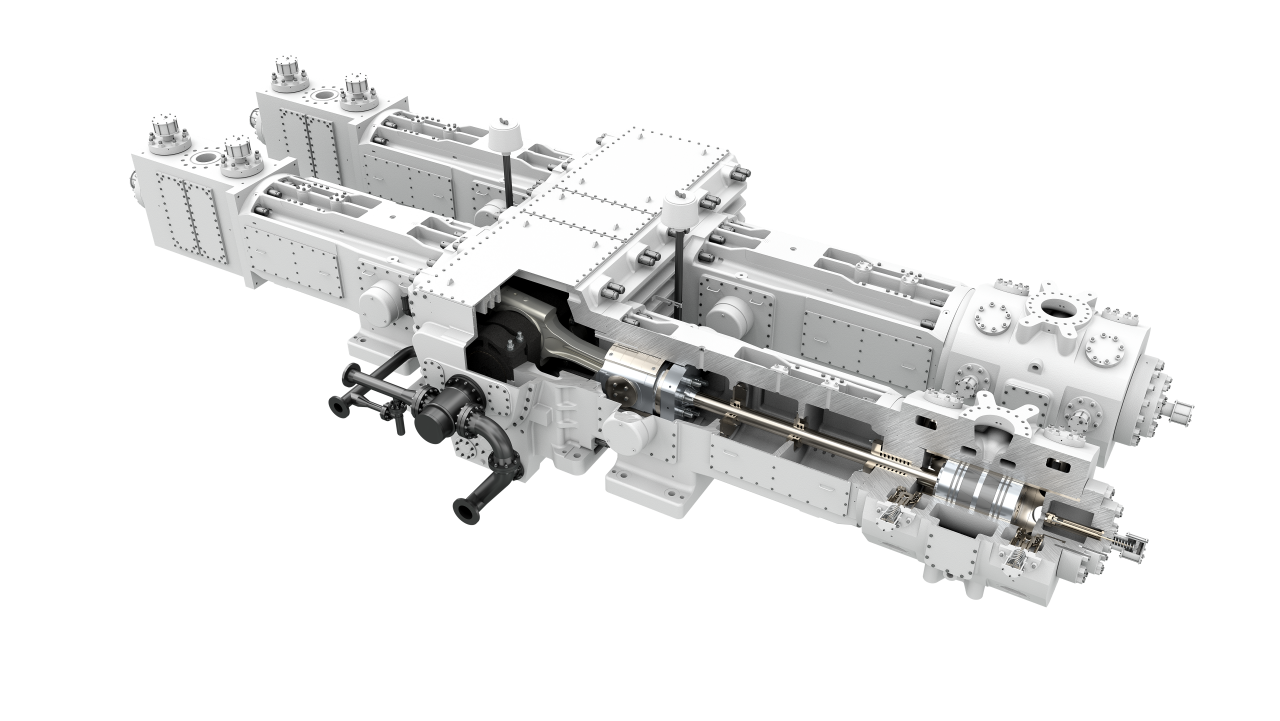
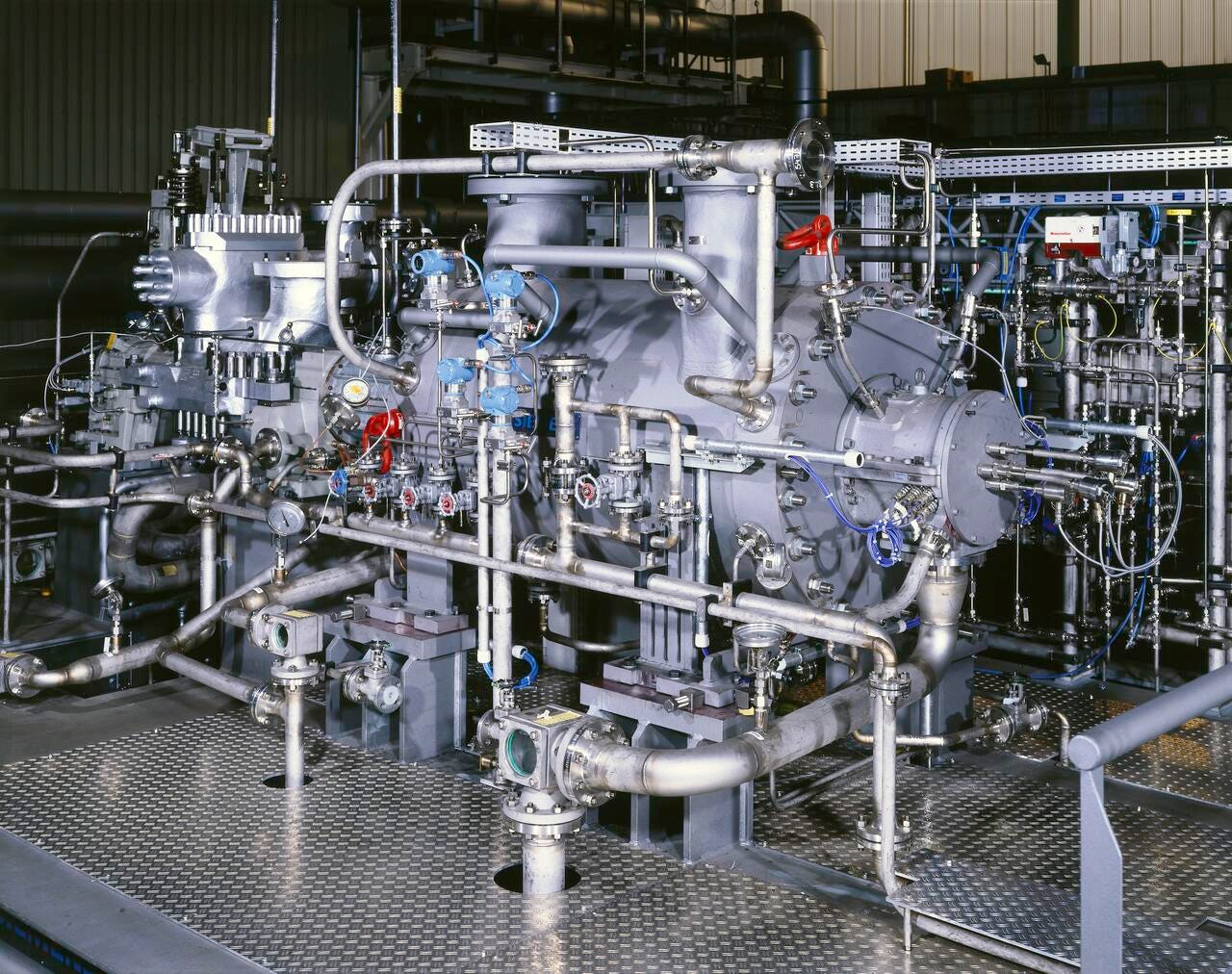
Welcome to the next generation of large-scale H2 compression
Omterra’s advanced hydrogen compressor represents a new generation of hydrogen compression technology, designed to meet the scale, variability, and pressure ratio demands of the emerging hydrogen economy. Based on proven centrifugal compression principles, the advanced rotor enables high-flow hydrogen compression in a single, highly reliable machine. Optimized specifically for low molecular weight duties, it supports a wide operating range, from low-pressure to high-pressure applications, and is suitable for pure hydrogen, hydrogen-rich and other low molecular weight gases (such as helium). With its scalable design, compact footprint, and enhanced reliability, the advanced hydrogen compressor provides a future‑proof solution for large-scale hydrogen infrastructure. Embrace the power of efficiency and sustainability at any scale with our advanced hydrogen compressor - a testament to our decades of experience and unwavering commitment to support our customers through the energy transition.
Embrace the power of efficiency and sustainability at any scale with our advanced hydrogen compressor - a testament to our decades of experience and unwavering commitment to support our customers through the energy transition.
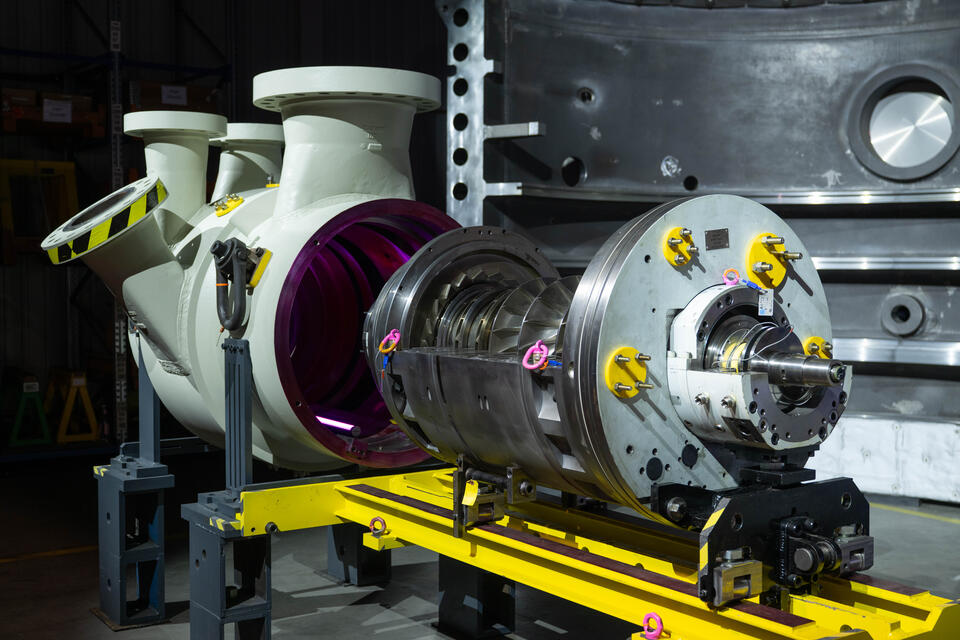
Compressor technology doesn’t “care” about the “color” of the hydrogen and how it is produced, it simply compresses according to the physics of a low mol-weight gas application. Both reciprocating and turbo compressors cover the complete map of low mol-weight applications. With each product having its strengths in overlapping areas, the choice of the product requires both technical as well as economic considerations.
For this reason, finding a solution for hydrogen compression is always project-specific and can even combine both products to find the optimal and most efficient solution for the client’s compression needs. In general, reciprocating compressors apply to applications which have small suction volume flows, high pressure ratios and/or high process flexibility requirements whilst centrifugal compressors apply to low compression ratio and medium to high volume flow applications.
What are the key considerations for hydrogen compression?
To support the development of accurate and optimized hydrogen compression solutions, several key considerations need to be clearly defined during the solution design phase:
- What is the gas composition and is there water in the gas?
- Is the flow provided the dry flow or the wet flow?
- At what pressure is the gas being provided to the compressor?
- At what temperature is the gas being provided to the compressor?
- What cooling mediums are available on site for process gas cooling requirements between compression stages?
- If there is no water on site, what is the site ambient temperature for finfan air coolers?
- What discharge pressure is required?
- What level of lubrication oil carryover is acceptable downstream of compressor?
- What is the operating philosophy and capacity control requirement?
References
Linde - Hydrogen pipeline storage, USA
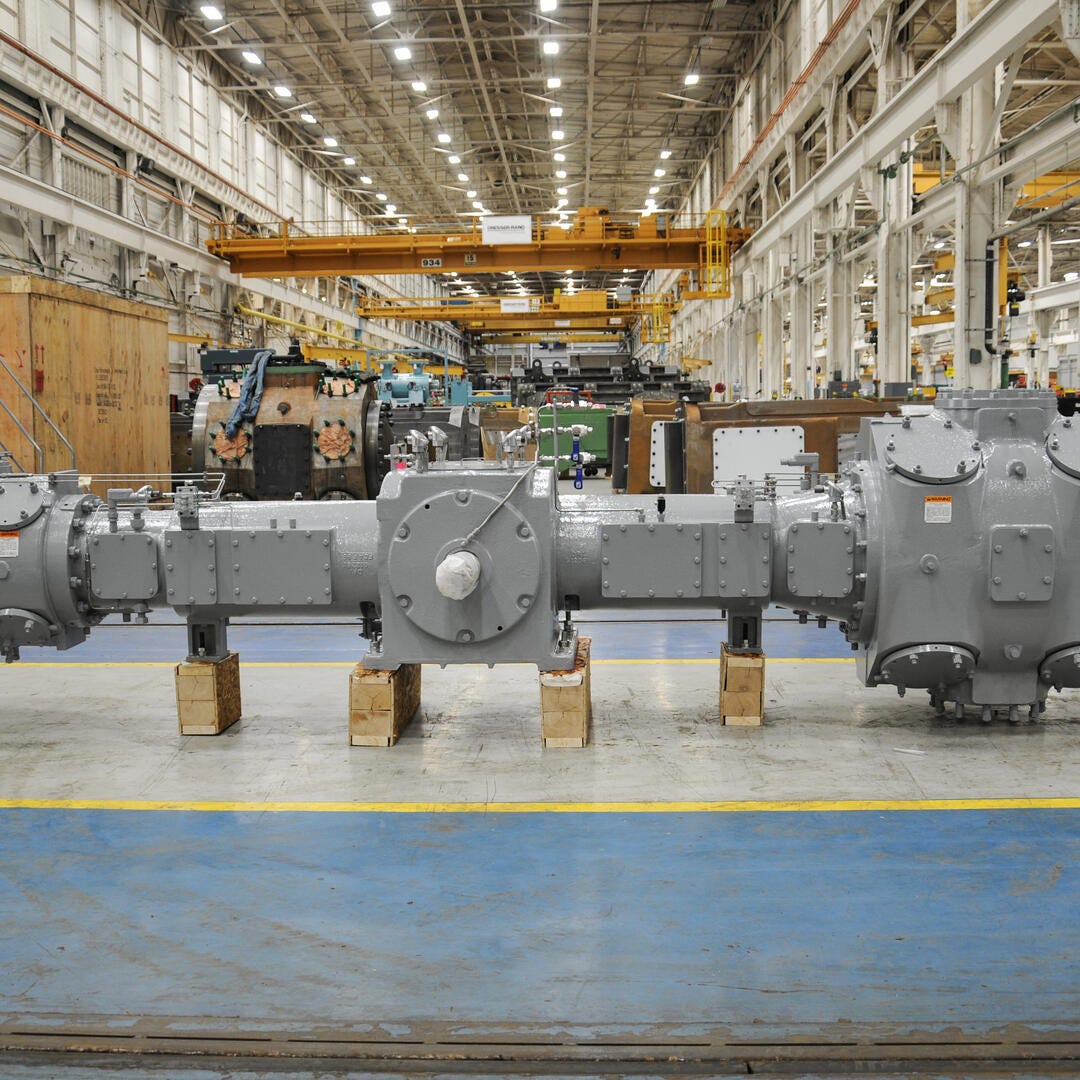
- 300 mile hydrogen pipeline and underground storage system providing hydrogen to US Gulf Coast end users
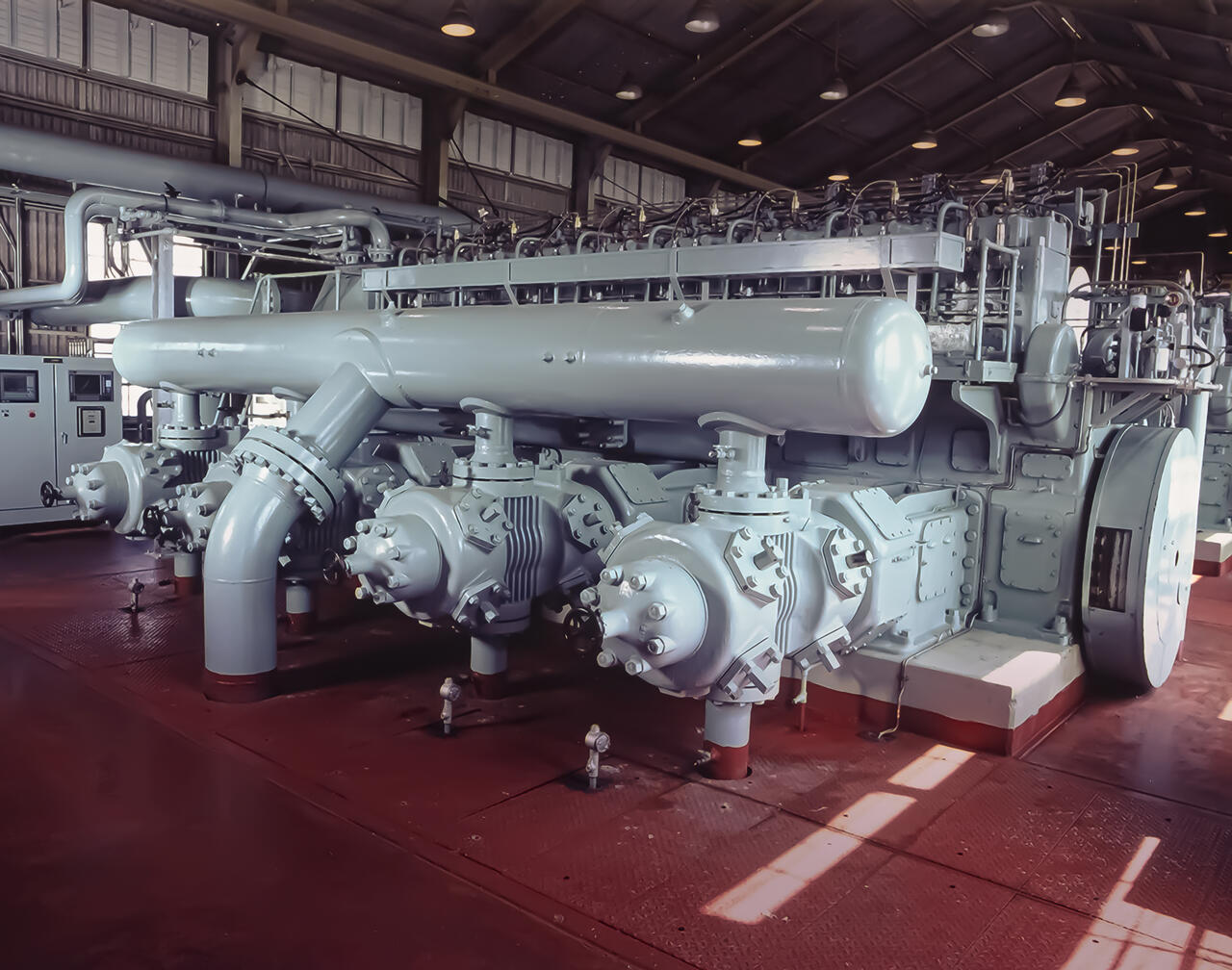
- 22 x electric driven non-lubricated hydrogen reciprocating pipeline compressors since 2001
- Enables Linde to meet customers' planned and unplanned peak demands and allows their system to respond instantaneously to changes in customer requirements.
Hydrogen application - Brazil refinery
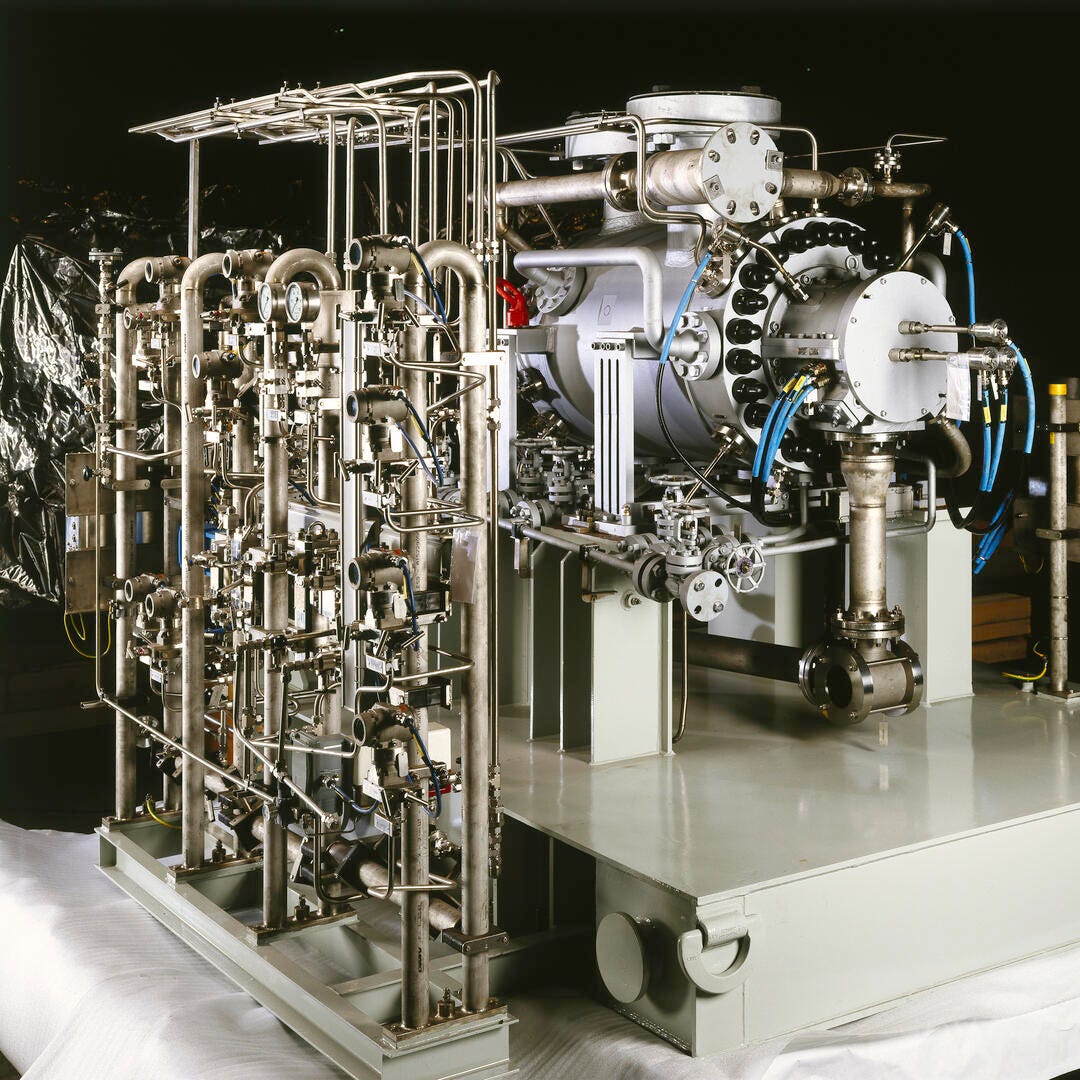
- Scope: 1 steam turbine driven Turbo Compressor
- Application: Hydrotreater
- H₂ rich synthesis gas compression for diesel desulfurization with hydrotreater, increased reliability and availability onsite using proven compression technology
Hydrogen application - Middle East refinery
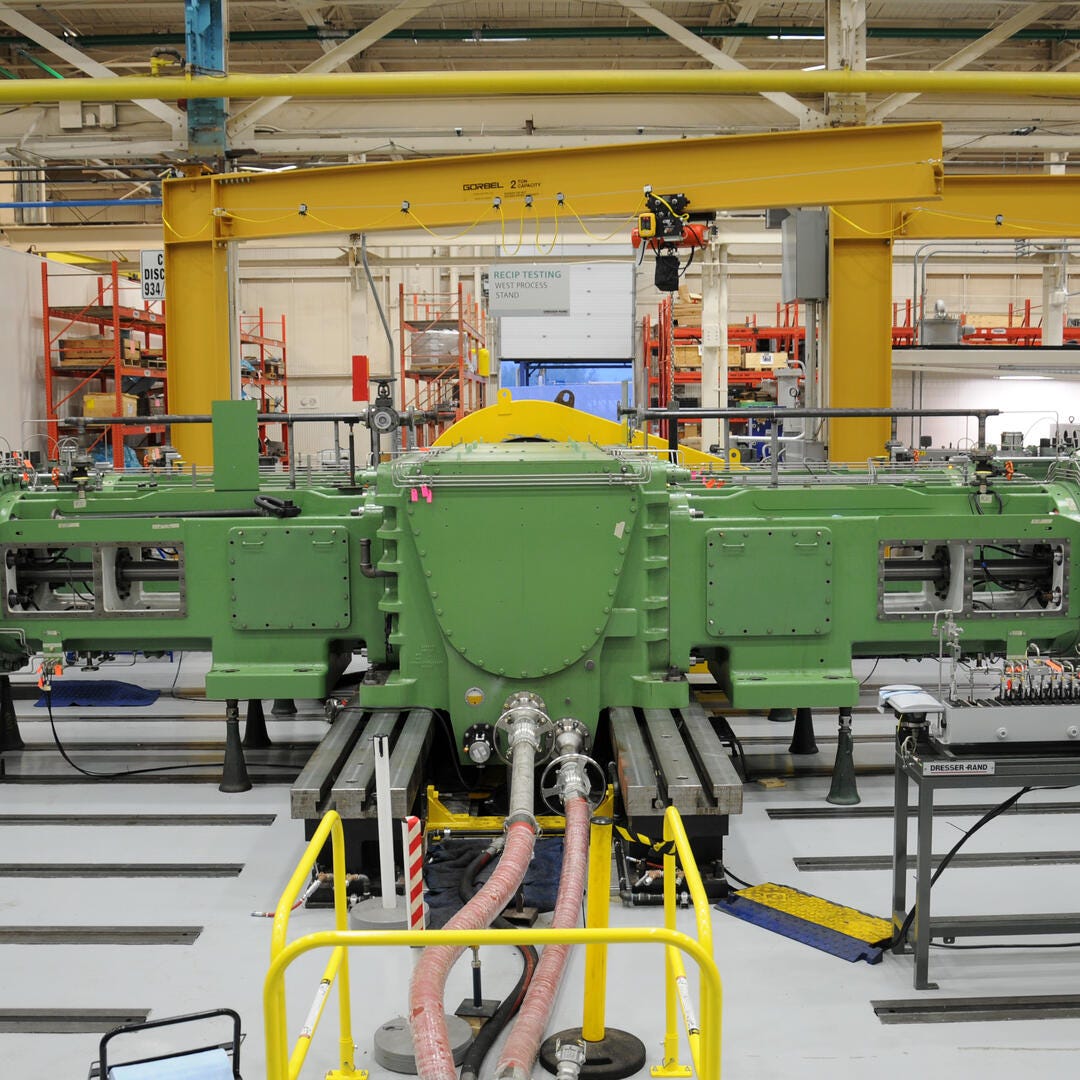
- Scope: 19 Process Reciprocating Compressors
- Application: Hydrogen Recycling, Hydrogen Makeup
- Advanced and highly efficient compressors increase the economic viability of refinery operations

Get answers: FAQs on Hydrogen compressors
A hydrogen compressor is a device used to increase the pressure of hydrogen gas by reducing its volume. This process is essential for various applications, such as storing hydrogen in high-pressure tanks, transporting it through pipelines, and utilizing it in fuel cells and other energy systems.
Compressing hydrogen poses several challenges due to its unique properties. One of the primary issues is hydrogen embrittlement, a phenomenon where hydrogen atoms diffuse into metals, leading to reduced ductility and potential cracking. This necessitates the use of materials released for hydrogen exposure under specific boundary conditions and designs to ensure the durability and safety of compressors.Hydrogen molecules are very light and require substantial energy to be compressed to high pressures. This impacts the overall efficiency of hydrogen storage and transportation systems.
The hydrogen compressor market is experiencing significant growth driven by the increasing demand for hydrogen as a clean energy source. As of recent reports, the market size was estimated to be valued at several billion dollars. This expansion is fueled by advancements in hydrogen production technologies, supportive government policies, and the growing adoption of hydrogen fuel cells in various sectors such as transportation, industrial processes, and power generation.
The best compressor for hydrogen depends on the specific application and the operating conditions. Generally, reciprocating compressors, diaphragm compressors, and centrifugal compressors are highly regarded in the industry for hydrogen compression.The optimal choice will depend on factors such as the required pressure, flow rate, purity level, and specific use case. Consulting with our hydrogen compression experts will provide tailored solutions to meet your needs effectively.
Omterra uses rigorous testing protocols, advanced turbomachinery design, and hydrogen-compatible materials. Compressors are engineered for long life, high efficiency, and minimal maintenance, even under demanding conditions. Facilities are ISO9001 certified with strict industry compliance.
Yes, compressors are designed for compatibility with existing hydrogen production, storage, and transport systems. Modular and scalable solutions support seamless integration into both new and retrofitted facilities. Omterra revamp existing units with either footprint replacement, or new unit installations.