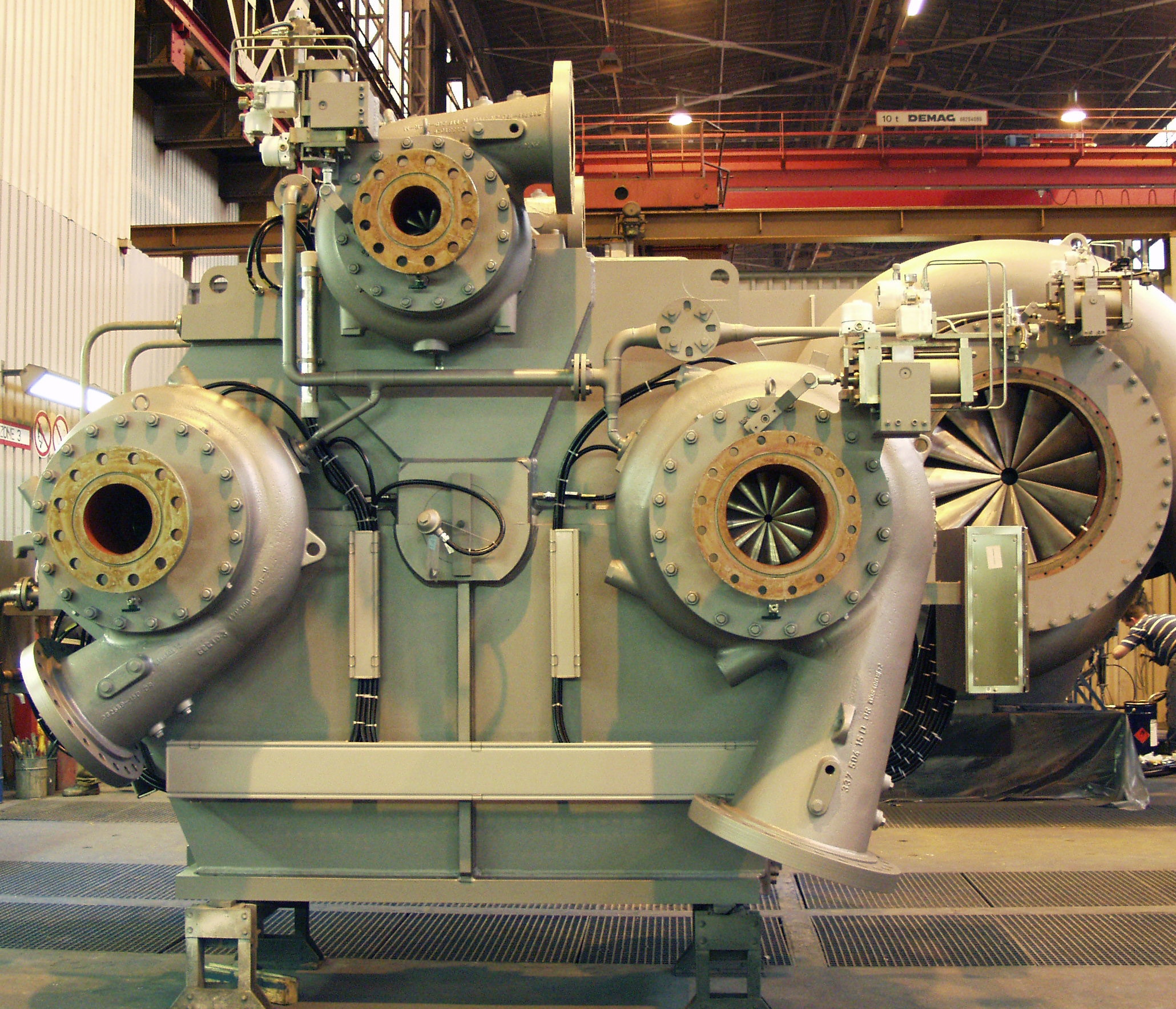
CO₂ compressors
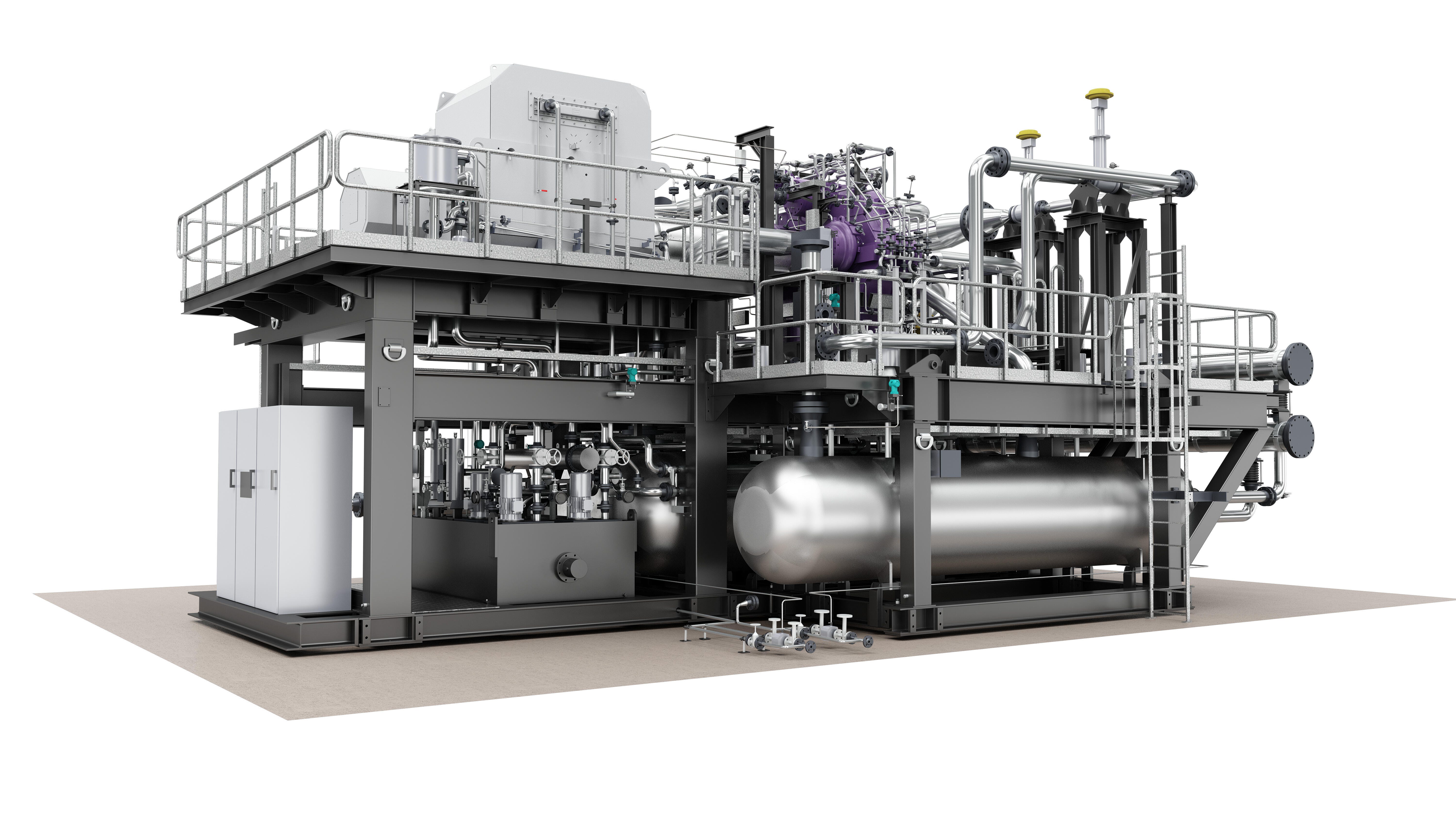
There is growing demand and new business opportunities in carbon management. With Omterra's proven, best in class compressor technologies, the company helps customers move towards decarbonizing their processes.
Omterra's wide CO₂ compressor portfolio provides the most cost-effective compression solutions across a range of applications like: Carbon Capture, Utilization and Storage (CCUS), CO₂ injection, or urea plants.
Power of choice
Omterra recognizes that its customers are investing significant amounts of capital in decarbonizing their facilities, where a CO2 compressor will be at the heart of the plant.
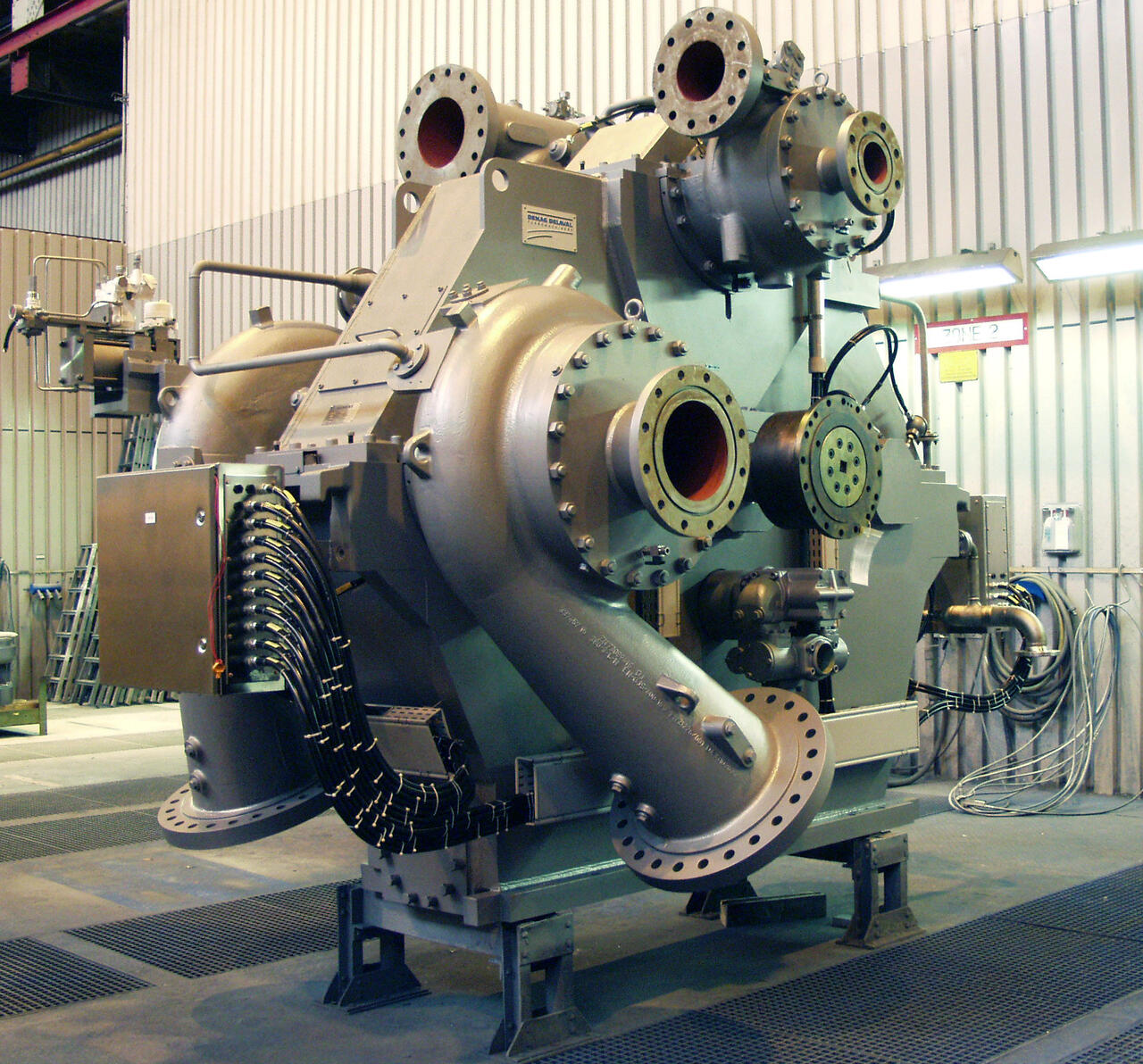
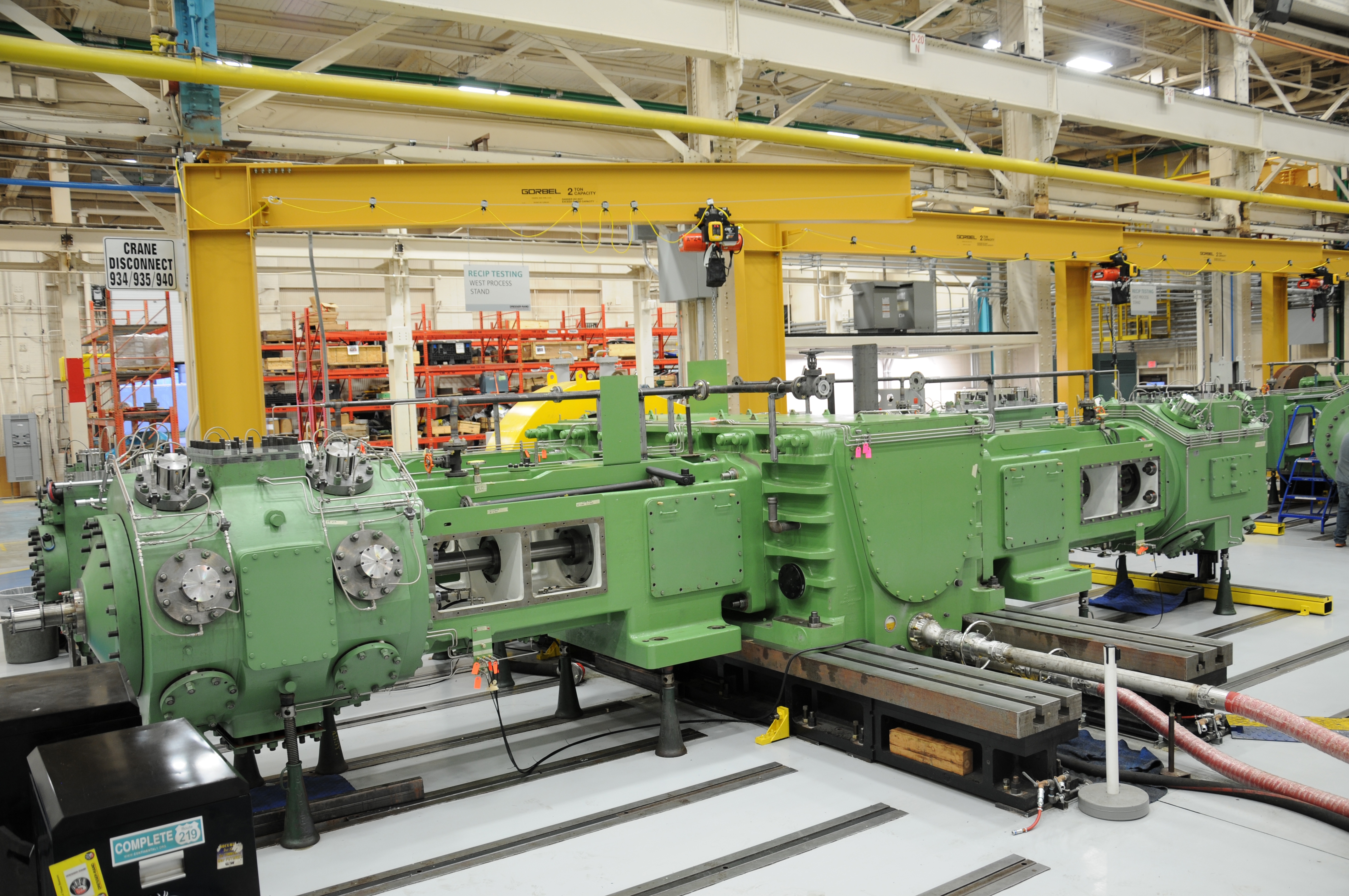
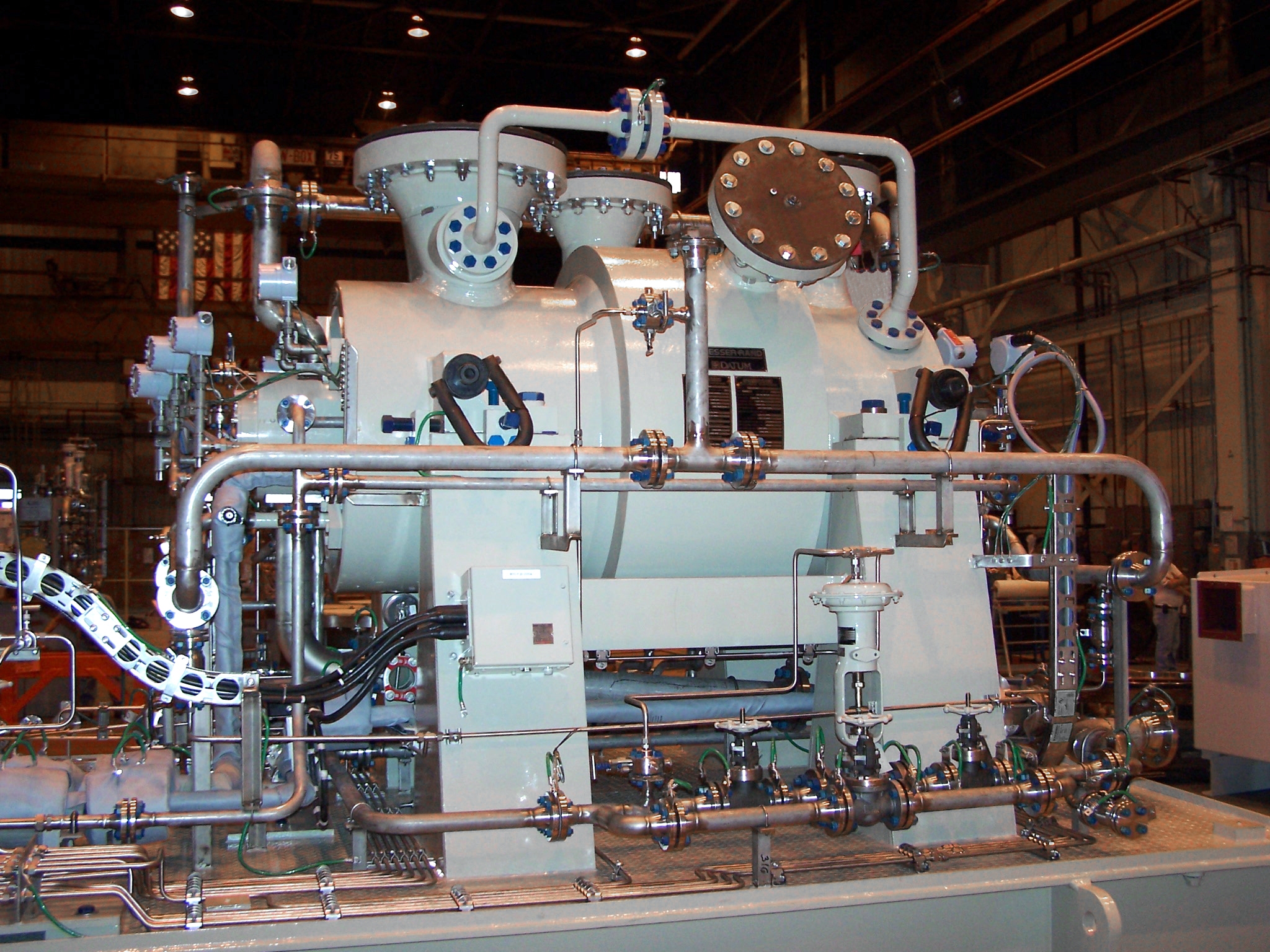
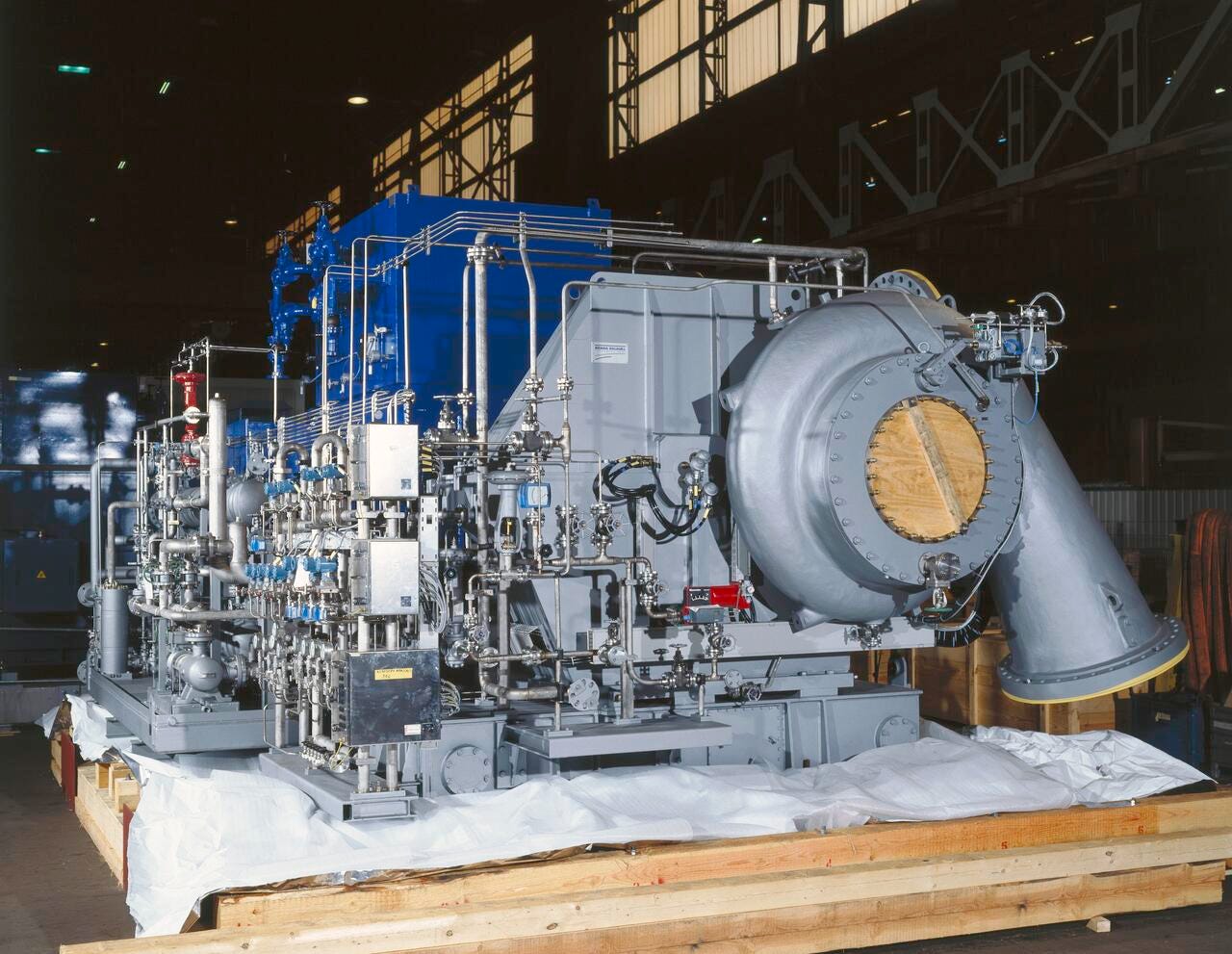
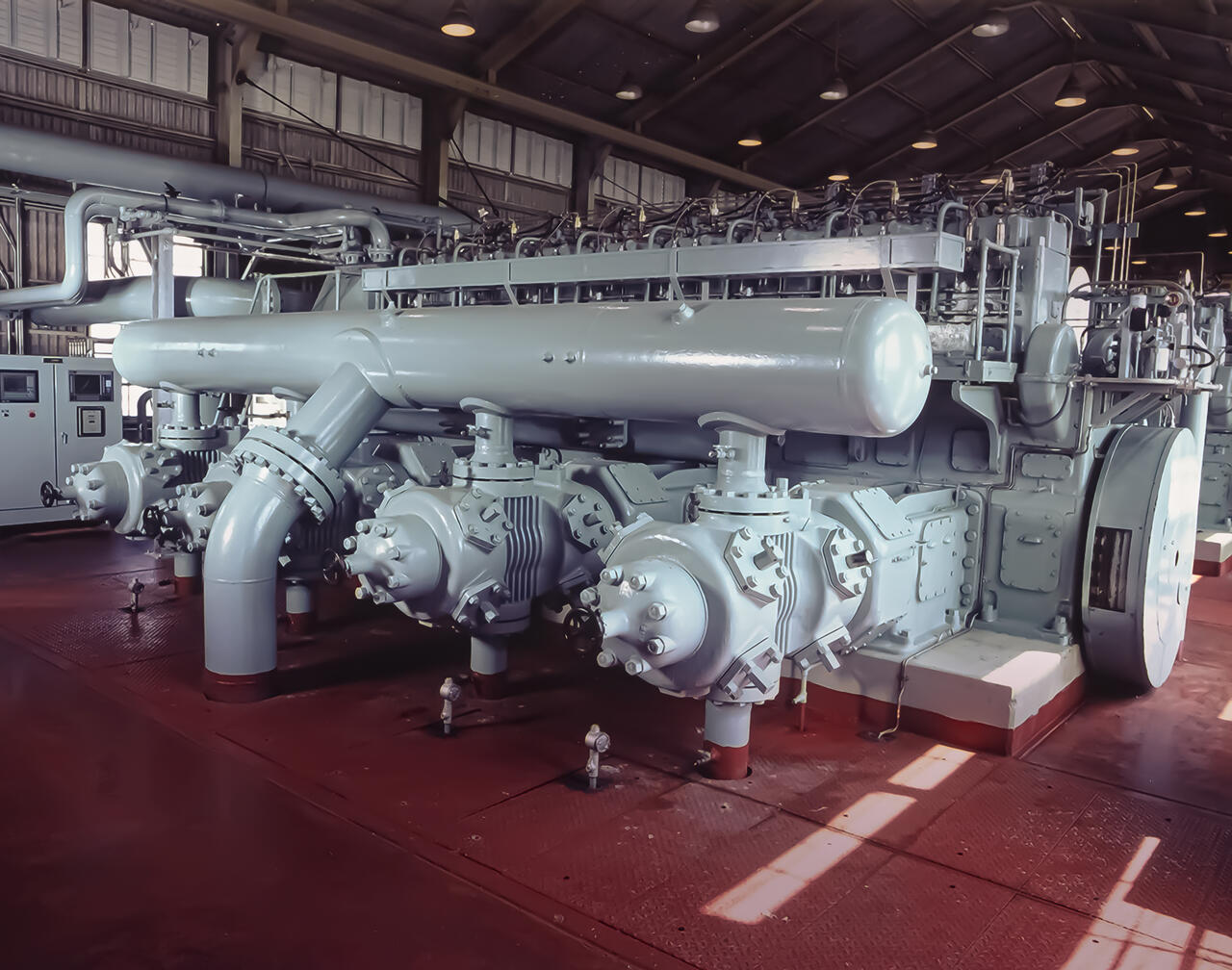
The company provides customers with the right solution for the application drawn from its reciprocating, single‑shaft and integrally geared compressor portfolios. With the broadest application range in the industry, Omterra provides flexible, tailored options to match every process.
Benefits
- Proven technology with hundreds of references
- Broad application range
- Reliable and efficient, reducing operating cost – highest availability and efficiency for the application
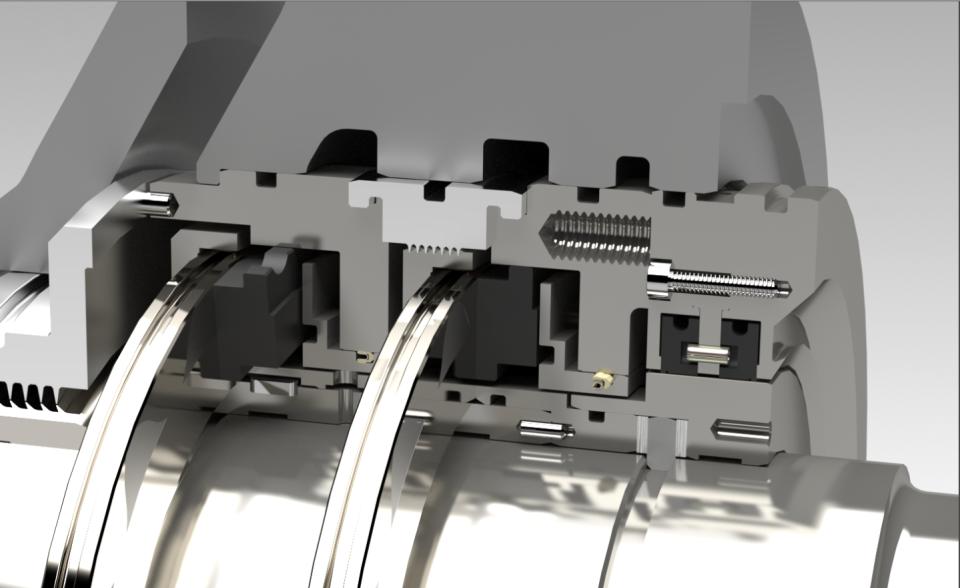
- Optimal solutions for harsh and high mol weight fluids – customized and flexible, optimized for the process
- Option for heat recovery to increase plant efficiency
References
World’s first large-scale direct air capture plant
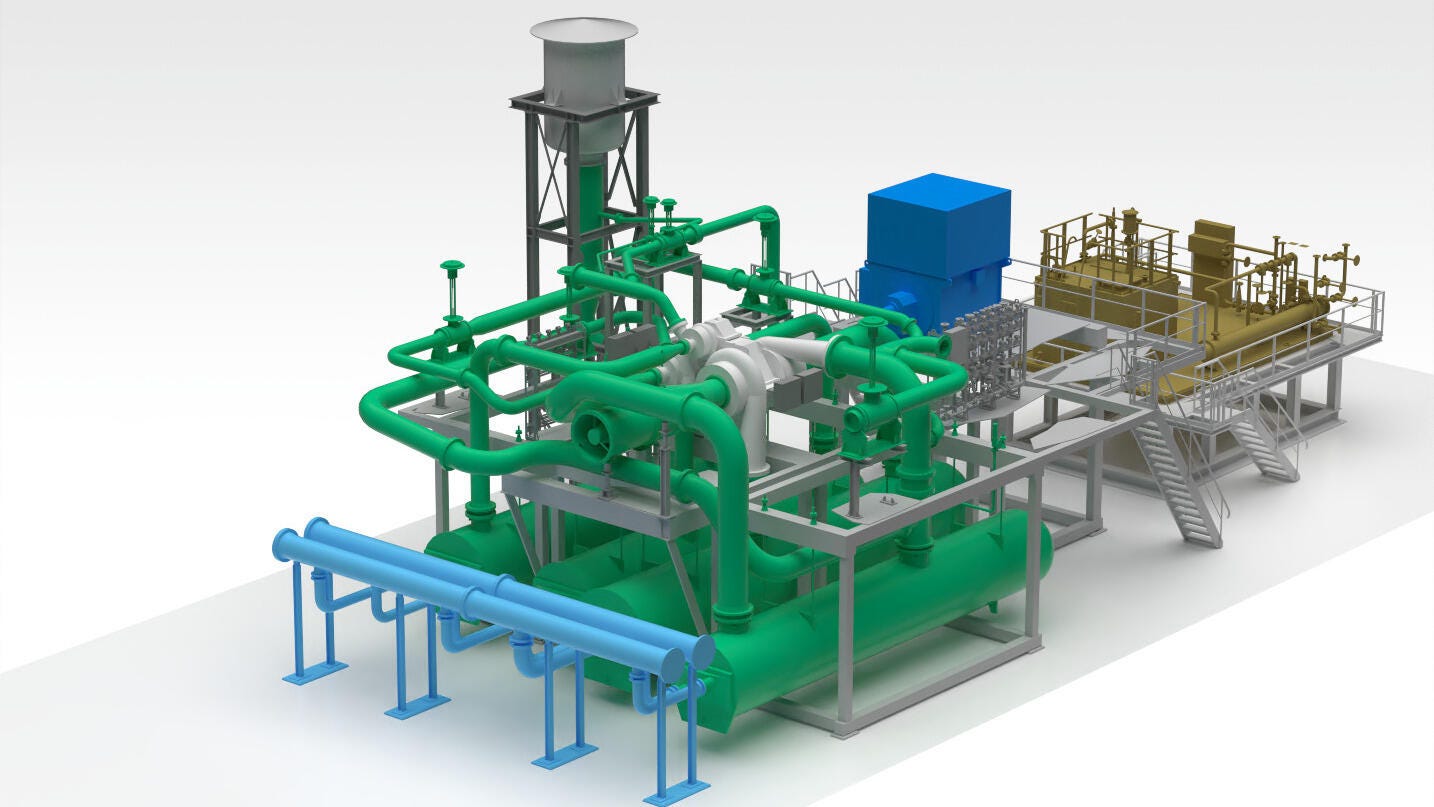
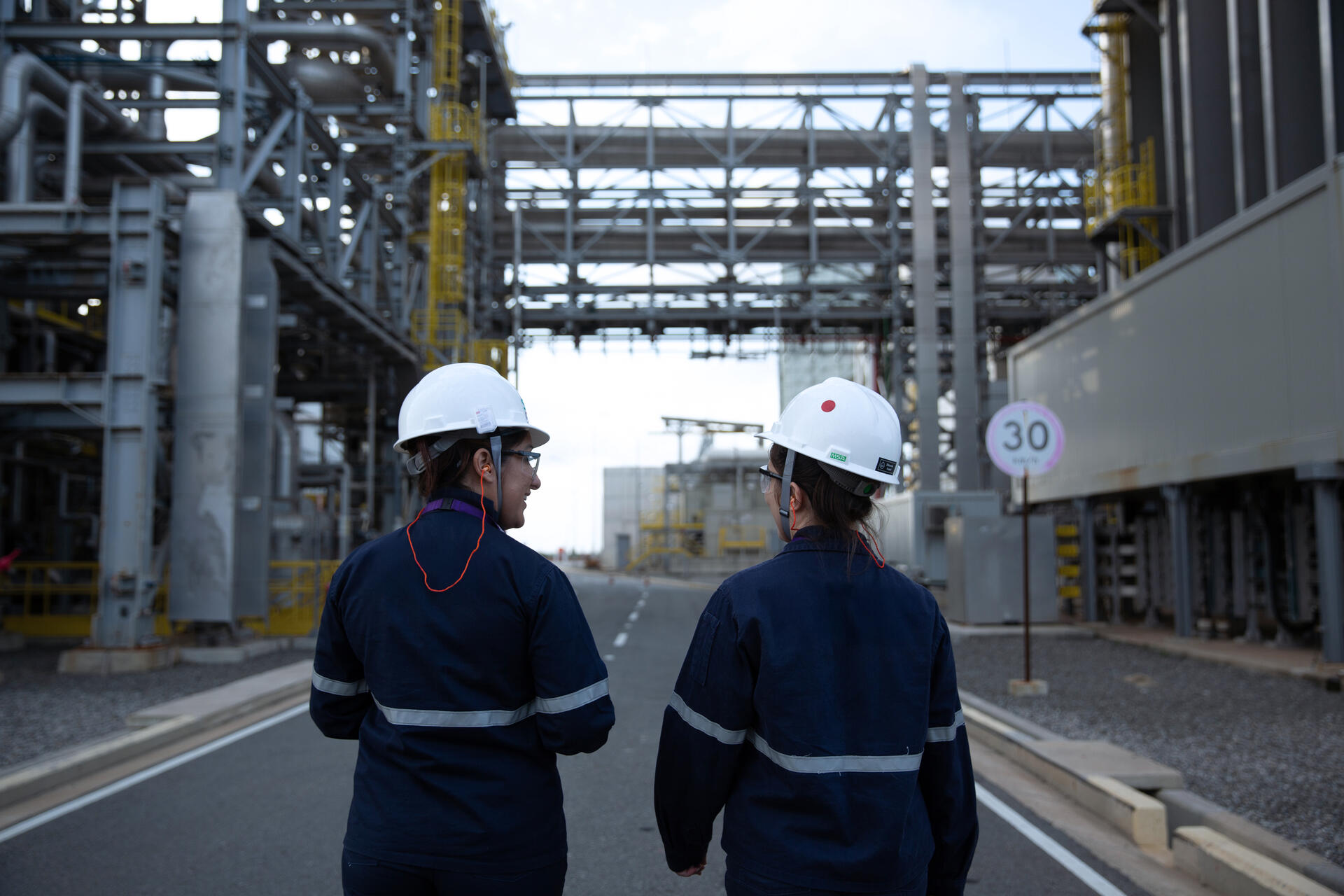
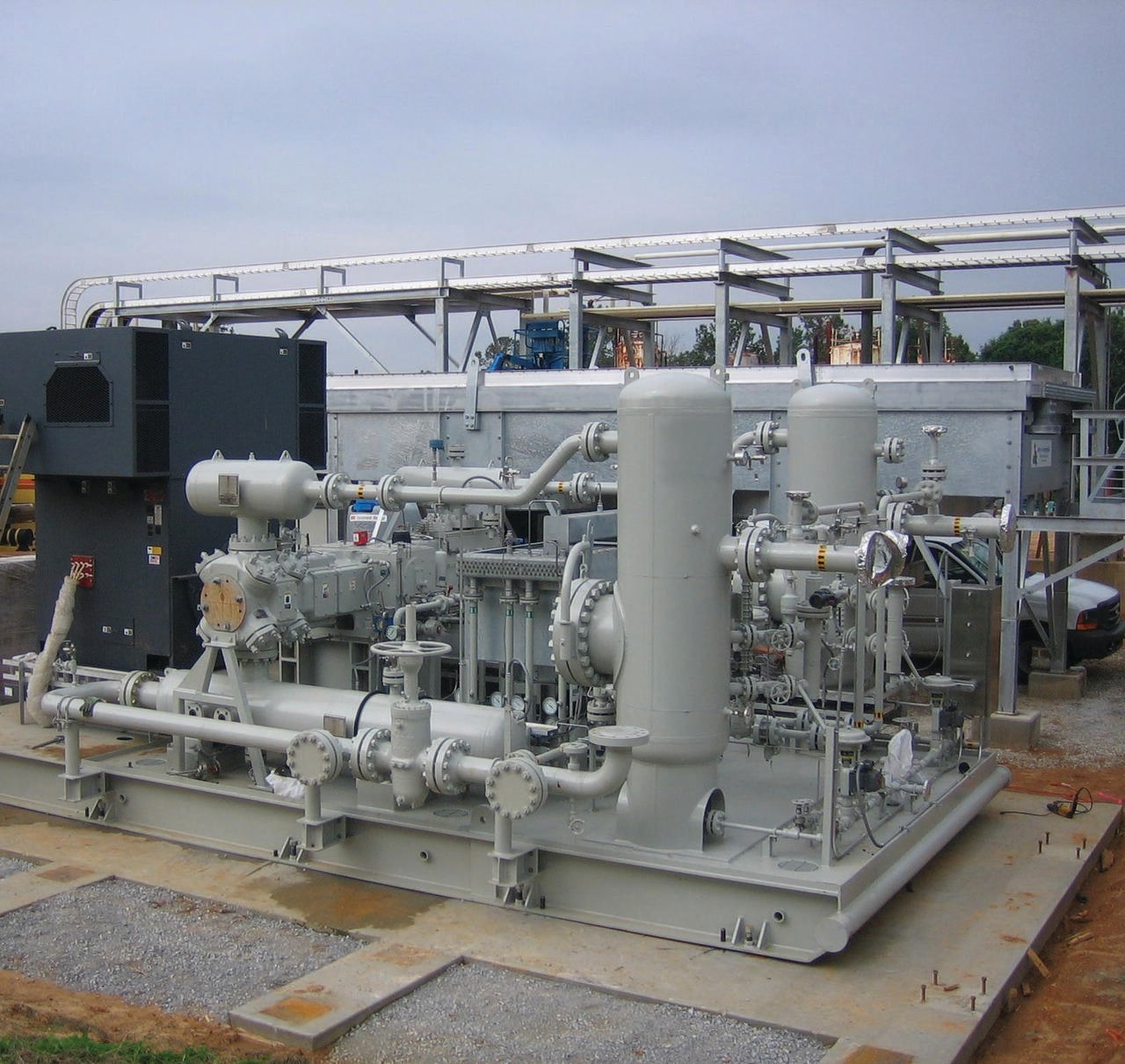
Omterra compressors will be used at Occidental's first large-scale Direct Air Capture (DAC) plant in Texas' Permian Basin developed by 1PointFive, a subsidiary of Occidental.

Get answers: FAQs on CO2 Compressors
A CO2 compressor is a device used to compress carbon dioxide gas to a higher pressure. It is commonly used in various industrial applications, including refrigeration, beverage carbonation, and chemical processing.
The main difference between a CO2 compressor and an air compressor lies in the type of gas they compress. A CO2 compressor is specifically designed to handle carbon dioxide gas, while an air compressor is used to compress atmospheric air. Additionally, CO2 compressors often require special materials and design considerations to handle the unique properties of carbon dioxide, such as its higher density and potential for forming dry ice at low temperatures.
The applications include precooling and main refrigerant compression, CO2 (wet, supercritical) compression, CO2 capture compression, flue gas compression, and expanders.
A CO₂ compressor increases the pressure of carbon dioxide gas to make it easier to transport or store. It works by reducing the volume of CO₂ using mechanical energy, typically through rotary or reciprocating motion.
Efficiency varies by design and operating conditions, typically ranging from 70% to 85%. Advanced systems may achieve higher efficiencies with energy recovery technologies.
- Pre-treatment (removal of impurities)
- Multi-stage compression
- Cooling between stages
- Dehydration
- Final pressurization for transport or storage
Impurities can corrode equipment, reduce compression efficiency, and compromise long-term storage integrity. Purification ensures safe and effective handling.
- Post-combustion capture (amine scrubbing)
- Pre-combustion capture (gasification)
- Oxy-fuel combustion
- Direct air capture (DAC)
Modern systems are increasingly efficient, especially when integrated with waste heat recovery and optimized multi-stage designs. Efficiency continues to improve with innovation.
- Power generation
- Cement and steel manufacturing
- Oil and gas
- Chemical production
- Direct air capture facilities
It is transported via pipelines, ships, or tankers, and stored in geological formations like depleted oil fields or saline aquifers, or used in enhanced oil recovery (EOR).