Why sustainability is becoming decisive in offshore wind
In popular culture, wind turbines often serve as a type of visual shorthand for the dream of a sustainable future. But in the real world, sustainability considerations have evolved into strategic drivers and enablers for our company and customers in Omterra, formerly Siemens Gamesa.
To find out how sustainability has evolved from being a nice-to-have to a need-to-have business requirement for our customers, we sat down with Wind Power's Head of Sustainability, Maximilian Schnippering. Maximilian earned his PhD from the University of Hamburg and leads the global sustainability team, which aims to improve environmental and social footprints all along the value chain.

For customers and financiers alike, sustainability has become a decisive criterion – influencing partner selection, long‑term project value and the bankability of projects.
In 2026 some people still consider reliable wind energy to be a virtuous illusion. Are they wrong?
Sustainability is often talked about in the abstract. But with wind energy, it’s tangible and real. The reasons for this are simple: wind turbine output is easily quantified. From the materials we use, to the energy we generate, to the communities we support, our industrial performance is backed by hard data, and has been for some time.
In other words, when they say “prove it”, we can. And the good news for us is that our impact can be measured where it matters most. Look, our customers are facing real-world regulatory requirements today in areas like traceability, circularity, recycled content, embodied carbon emissions, and supplier due diligence.
We see that sustainability criteria are now increasingly reflected in new auctions, like the latest Dutch tender for Ijmuiden Ver Beta, for example. Success in this crowded marketplace is based more and more on sustainability measures, not just on price or technology.
So, it’s getting existential for our customers.
Not only that, at the same time financial institutions are also tightening their expectations around sustainability! Supply chain due diligence is now considered essential to securing financing for projects. So, customer performance across environmental, social, and governance factors – called ESG for short – is directly linked to bankability. Without credible sustainability action, projects can and do get delayed, re-evaluated, or even rejected.
This demand pressure is reshaping the competitive landscape in a big way. And we are well positioned to lead within it. For example, we are partnering with the World Bank and the European Bank for Reconstruction and Development to define a bankable due diligence standard for our industry.
Define sustainability for me.
I tell people that the future we are building is one where performance, responsibility, and competitiveness are not contradictory, but mutually reinforcing.
What role does our supply chain play in all this?
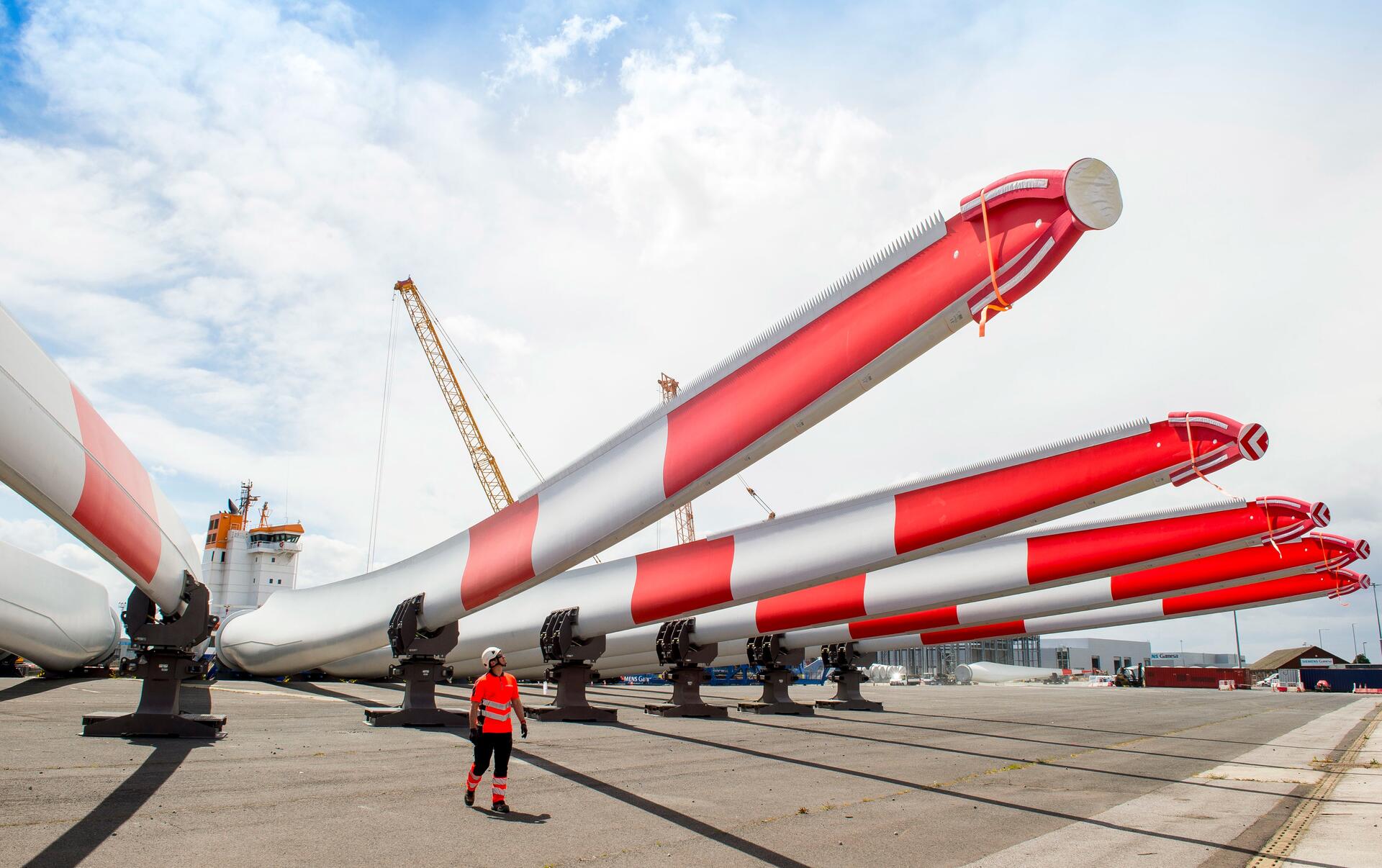
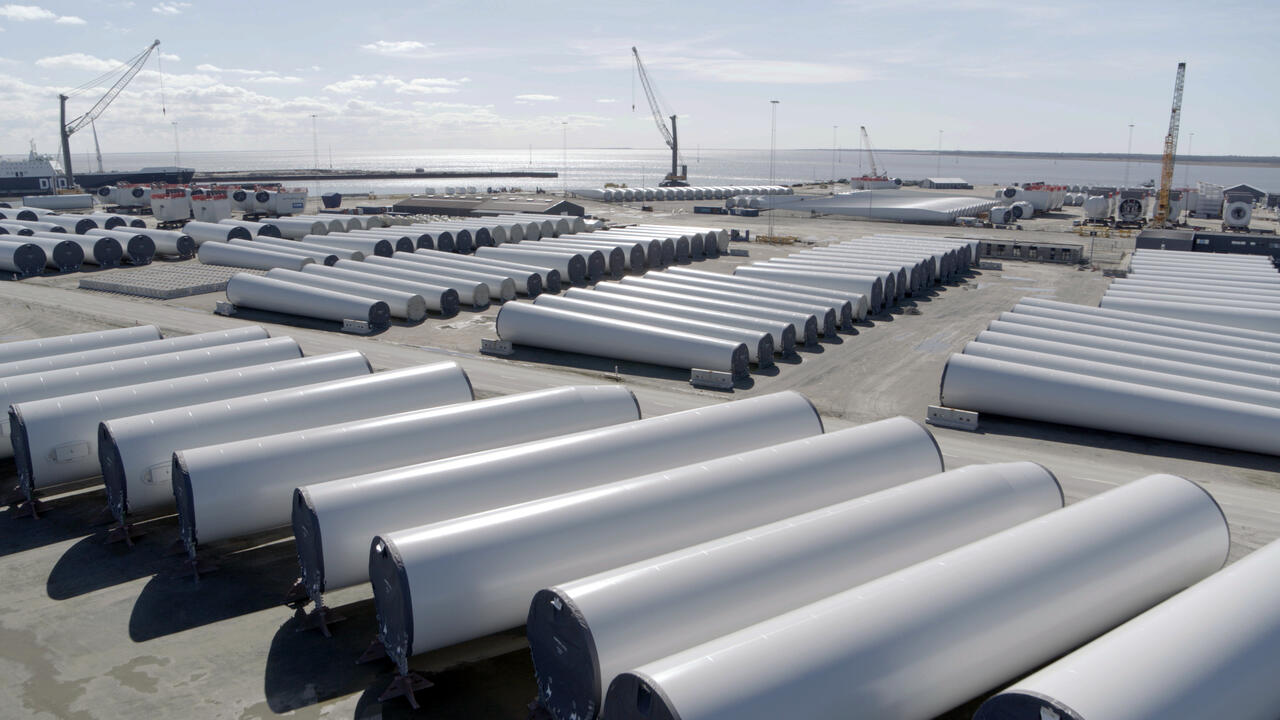
The supply chain is responsible for some 99% of the environmental and social impact associated with our turbines. Every single turbine that we produce depends on a global network of raw materials, components, logistics partners, and specialized suppliers, which together form an industrial ecosystem. This ecosystem’s sustainability, resilience, and transparency shape the footprint of our products.
To stay competitive, we have to meet the expectations of our stakeholders. By stakeholders, I specifically mean here our customers, the regulators, and financial institutions.
But supply chain sustainability is not merely an extension of procurement, as some people believe. It is a strategic function at the heart of how we build supply chains and how we maintain trust.
Ultimately, it’s about deciding who we work with and verifying how they operate. Supplier-level due diligence allows us to ensure that partners meet our expectations in areas like human rights, labor conditions, environmental performance, and business integrity.