Long-term service programs for power grids
Power grids are becoming increasingly complex. Aging assets, growing demand, and changing operating requirements are increasing the need for reliable lifecycle management.
Omterra, formerly known as Siemens Energy, offers long-term service programs covering services across transformers, switchgear and breakers, HVDC, FACTS, offshore grid access, and battery energy solutions, supporting an integrated approach to grid lifecycle management.
Long-term service programs focus on four key areas: predictive maintenance, optimized lifecycle costs, high asset availability, and coordinated service throughout the asset lifecycle.
Key benefits of long-term service programs
Predictive maintenance
Lifecycle cost control
Data-center ready
One partner
Why modern grids require long-term service programs
Grid operators face increasing demands for reliability, resilience, and asset performance. A structured, long-term service approach helps address these requirements throughout the asset lifecycle.
- Outage risks: unplanned outages can result in significant costs and operational disruption, particularly for critical infrastructure such as utilities and data centers.
- Asset aging: aging transformers and switchgear, combined with long replacement lead times, make effective lifecycle planning increasingly important.
- Regulatory pressure: decarbonization targets, reliability requirements, and safety standards increase the need for structured maintenance and lifecycle planning.
- Data center requirements: Data centers require high power availability, reliable grid connections, and rapid recovery in the event of a disruption.
These challenges require a long-term perspective. A structured, multi-year service program supports more predictable planning and proactive lifecycle management compared with an ad hoc approach.
Omterra's programs support the shift from reactive interventions to proactive lifecycle management, complementing traditional maintenance with a more structured approach.
What is a long-term service program for power grids?
A long-term service program for power grids is a multi-year service approach designed to support the maintenance, monitoring, and modernization of grid assets throughout their lifecycle. Rather than relying primarily on individual interventions, it combines defined service elements within a structured framework based on asset condition and operational requirements.
- Defined scope and service levels: A multi-year service program can establish scope, response times, service levels, and commercial terms to support more predictable planning.
- Integrated lifecycle services:
Combine services like spare parts, remote support, digital monitoring, and predictive maintenance, coordinated within one program. - Long-term modernization planning:
Plan modernization and upgrades based on asset condition, operational requirements, and long-term objectives. - Flexible scope:
Adapt scope and service levels over time as asset conditions and operational priorities evolve.
A structured, long-term approach brings services together to support proactive lifecycle management as grid requirements evolve.
How a long-term service program works
A long-term service program follows an ongoing service cycle rather than a one-time setup. Asset condition data supports maintenance planning, while service decisions and performance targets are regularly reviewed throughout the contract term.

- Condition-based and predictive maintenance: Use asset condition data and diagnostics to identify potential issues early and support maintenance based on actual asset conditions and needs.
- Planned spare parts supply: Plan and source critical spare parts based on asset requirements to help reduce lead times when components are needed.
- Digital monitoring and remote diagnostics: Use digital monitoring and remote diagnostic solutions to provide asset condition insights that support maintenance planning and service decisions.
- Modernization planning: Integrate modernization and upgrade planning into the long-term service approach based on asset condition, operational requirements, and lifecycle priorities.
- Performance KPIs and availability targets: Define relevant KPIs and availability targets and review performance throughout the contract term.
Together, these components create a structured approach to maintenance and lifecycle management, supporting greater transparency and more predictable service planning.


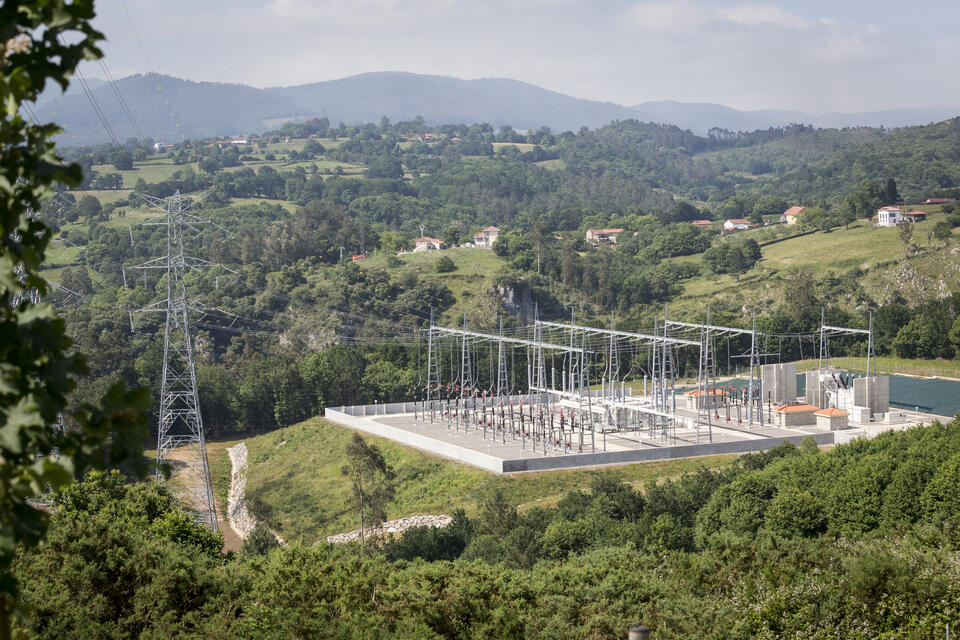


HVDC PLUS converter stations and cable connections are supported under availability-focused service levels, reflecting the strategic importance of long-distance and asynchronous grid links.
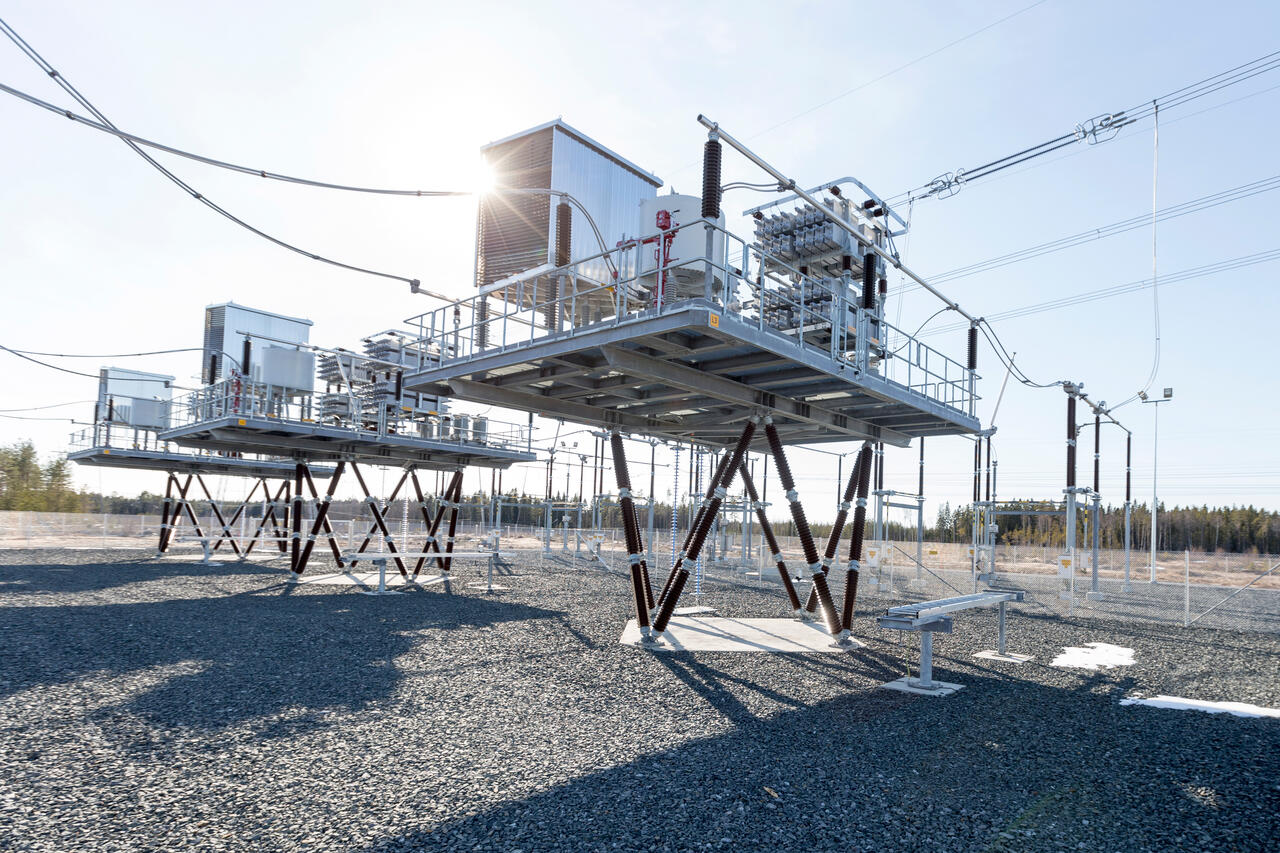
SVC PLUS, SVC PLUS FS, and Synchronous Condenser installations are maintained under programs that preserve precise reactive power and voltage control for grid stability.
Strategic outcomes beyond basic grid maintenance
A long-term service program can support grid operators in improving asset performance, planning maintenance more effectively, and managing assets throughout their lifecycle.
- Availability and reliability: Higher availability and reliability of critical grid assets, supported by condition-based maintenance and proactive service planning.
- OPEX and fleet risk: Lower OPEX and reduced fleet risk can be supported through planned maintenance and the early identification of potential issues.
- Multi-year maintenance budgets: Multi-year maintenance budgets support greater cost transparency and more predictable planning over the contract term.
- Fault diagnostics and response: Coordinated fault diagnostics and service response support critical grid infrastructure, including substations serving critical data-center loads.
- Extended lifetime: Lifecycle services and modernization planning can help extend the useful lifetime of transformers, switchgear, HVDC, and FACTS assets and support longer-term capital planning.
Over the life of the contract, condition data, service history, and coordinated planning provide an increasingly robust basis for lifecycle management and future investment decisions.


Why Omterra for grid asset lifecycle services
A long-term grid service partnership requires more than maintenance. Omterra combines deep asset expertise with digital capabilities and a global service network.
- OEM expertise across transformers, switchgear, substations, HVDC, and FACTS provides in-depth knowledge to support diagnostics, maintenance, and modernization throughout the asset lifecycle.
- Integrated digital monitoring and diagnostics provide asset condition insights to support maintenance planning and service decisions.
- Global footprint with local execution: Regional service capabilities and access to specialist expertise support coordinated service delivery close to customer operations.
- Track record across regions and technologies: Experience across different grid technologies, applications, and operating environments supports long-term asset lifecycle planning.
- Sustainability built into the program: Modernization planning can consider SF₆-free alternatives, efficiency improvements, and lifecycle CO₂ reduction alongside technical and operational requirements.
Get started with a grid service assessment
Asset assessment
Custom program design
Implementation

Get answers: FAQs on long-term service programs for power grids
A long-term service program is a multi-year agreement that combines maintenance, monitoring, planning, and modernization into one framework. It is designed to improve availability, reduce risk, and support lifecycle performance across critical grid assets.
A standard maintenance contract usually focuses on fixed inspections and corrective work. A long-term service program adds condition-based monitoring, predictive analytics, planned spare parts, and performance KPIs under one integrated framework.
Assets can include transformers, switchgear, substations, HVDC systems, and FACTS installations. The scope depends on the grid environment and the customer’s operational priorities
Omterra can support both OEM and third-party equipment. That allows mixed fleets to be managed under one service partner with a more unified approach.
Grid resilience improves through better monitoring, planned maintenance, modernization milestones, and faster response to emerging issues. The service model helps reduce downtime and support stable network operation.
The model is especially relevant for utilities, transmission system operators, industrial operators, data centers, and renewable energy customers with high availability needs.
The process begins with an asset assessment, followed by program design and implementation. Omterra then works with the customer to define scope, service levels, and operating routines