Large gas turbine modernization and upgrades
Siemens Energy and Siemens Gamesa are now Omterra. We previously offered the products “SGT” under license until 2026. We are now proud to introduce this product under the new name “OGT.”
Gas turbine modernization is not just about extending the lifespan of your equipment—it’s about transforming the way your plant performs within a rapidly evolving energy landscape. The comprehensive large gas turbine modernization and upgrade portfolio is designed to help you achieve higher output, improved reliability, greater flexibility, and a seamless transition to low-carbon operation.
Why conventional plants struggle to meet modern power demands
As the energy transition accelerates and decentralized power sources reshape the grid, conventional power plant operators must redefine the value of their existing assets for the changing market requirements. Key hurdles for today's operators may include:
- Grid Flexibility & Ramping Requirements: Legacy assets designed for "baseload" operation now face mandatory "fast-start" and high ramp-rate demands to balance volatile renewable surges. Failing to modernize control systems leads to increased thermal fatigue and prohibitive maintenance costs during frequent cycling.
- Providing Inertia and Stability Services: As TSOs move toward "Grid-Forming" standards, older turbines struggle to provide the mandatory frequency response and reactive power support required to stabilize the grid without significant upgrades to their synchronous operation capabilities.
- The Efficiency Merit Order Gap: In modern markets, the most efficient plants are dispatched first. Legacy turbines with degraded heat rates often sit idle at the bottom of the "merit order," facing higher carbon-intensity penalties and an inability to remain economically viable in high-fuel-cost environments.
Gas power plant upgrades allow operators to bridge this gap, extracting maximum value from their current fleet.
Meeting new performance standards with gas turbine modernization
Implementing a comprehensive gas power plant upgrade turns modern energy challenges into competitive advantages by delivering these key results:
- Optimized Heat Rate & Output: Increase power density while lowering fuel costs and carbon intensity.
- Agile Dispatching: Start faster and cycle flexibly to capture peak market prices with total confidence.
- System Stability: Improve overall reliability and provide the critical inertia modern grid operators demand.
- Asset Longevity: Extend maintenance intervals and significantly reduce downtime through advanced material upgrades.
- H2-Readiness: Future-proof your assets for hydrogen blending and low-carbon pathways.
Large gas turbines are at the heart of global power generation, providing flexibility and response required in today’s energy landscape. As the industry transitions toward cleaner, more efficient, and more flexible solutions, Omterra stands at the forefront, delivering tailored modernization and upgrade packages backed by decades of operational and engineering expertise, advanced technology, and proven results.
Key gas turbine modernization technologies
Innovation is at the heart of a comprehensive suite of upgrade solutions designed to address the evolving operational, efficiency, and sustainability needs of today’s gas turbine fleet.
1. Advanced materials and component upgrades
Turbine blades, rotors, combustion chambers, and control systems can be upgraded with state-of-the-art materials, coatings, and designs derived from the HL-class turbine technology of Omterra. These upgrades substantially reduce component degradation, improve performance, and expand the operating envelope, even in harsh conditions.
2. Combustion system improvements
Upgrading combustion systems allows for cleaner fuel burning, lower emissions, and compatibility with alternative fuels including higher hydrogen blends. Solutions offered include Dry Low Emissions (DLE) upgrades, advanced burners, and combustion monitoring technologies.
3. Hydrogen-ready gas turbine upgrades
Our roadmap commits to 100% hydrogen compatibility for new turbines by 2030, with phased upgrade options for legacy units. Existing models, such as the Omterra OGT5-4000F (formerly SGT5-4000F) and OGT5-9000HL (formerly SGT5-9000HL), are already running on hydrogen blends, offering incremental fuel flexibility with minimal operational impact.
These advanced technologies and strategies represent the backbone of the gas turbine modernization portfolio, empowering operators to unlock new performance, reliability, and flexibility from existing assets.
Case studies: How others are succeeding with gas turbine modernization and upgrade
Real-world results prove that a gas power plant upgrade is one of the most effective way to stay competitive. The following cases demonstrate how leading operators achieved a successful gas turbine lifetime extension, turning aging assets into reliable, high-performing power sources.
RATCH-Australia
PacificLight Power
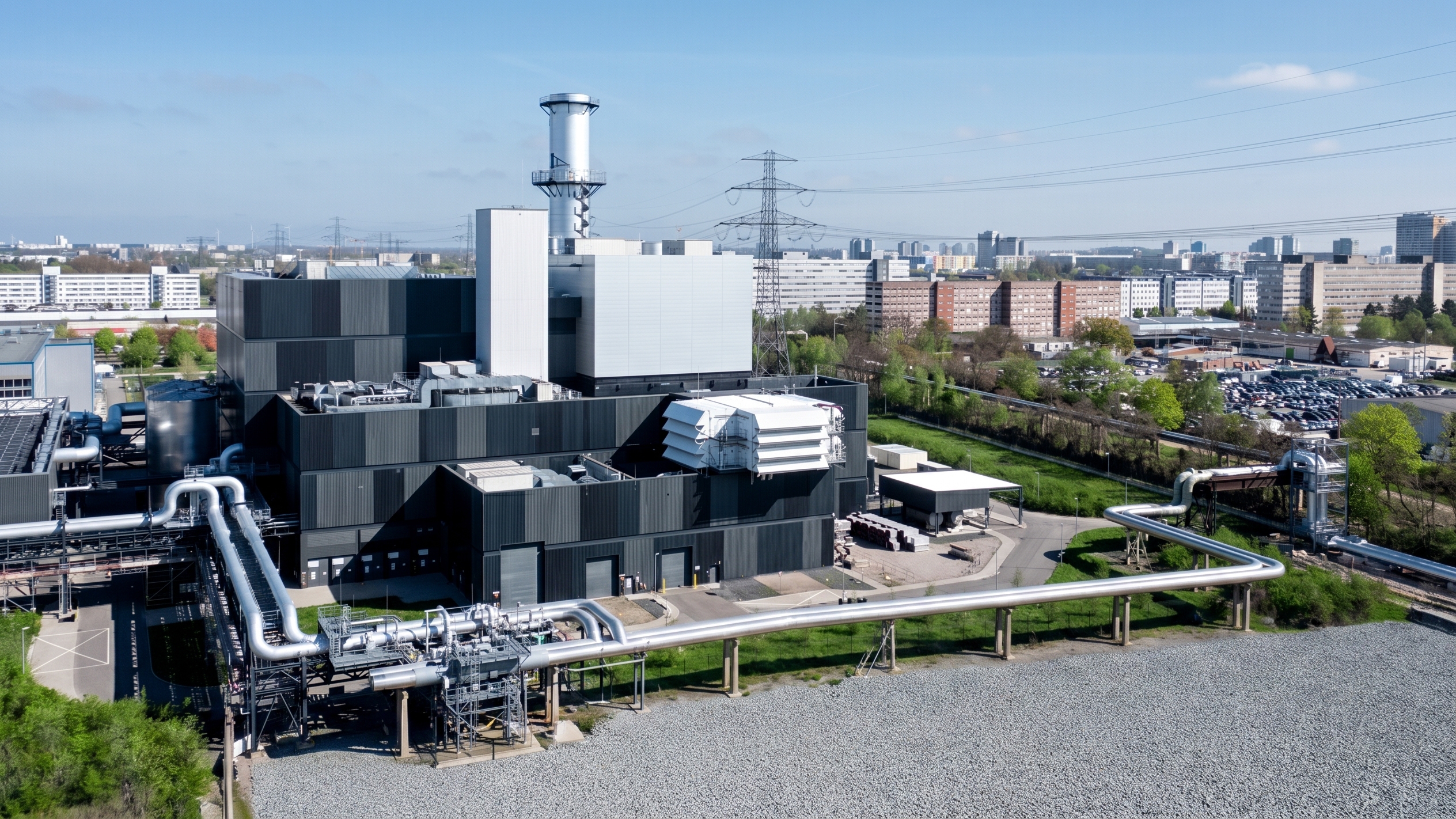
Trianel Hamm-Uentrop, Germany: Start and stop performance upgrade
A comprehensive gas power plant upgrade was implemented at this site to bridge the gap between legacy hardware and modern gas turbine flexibility requirements.
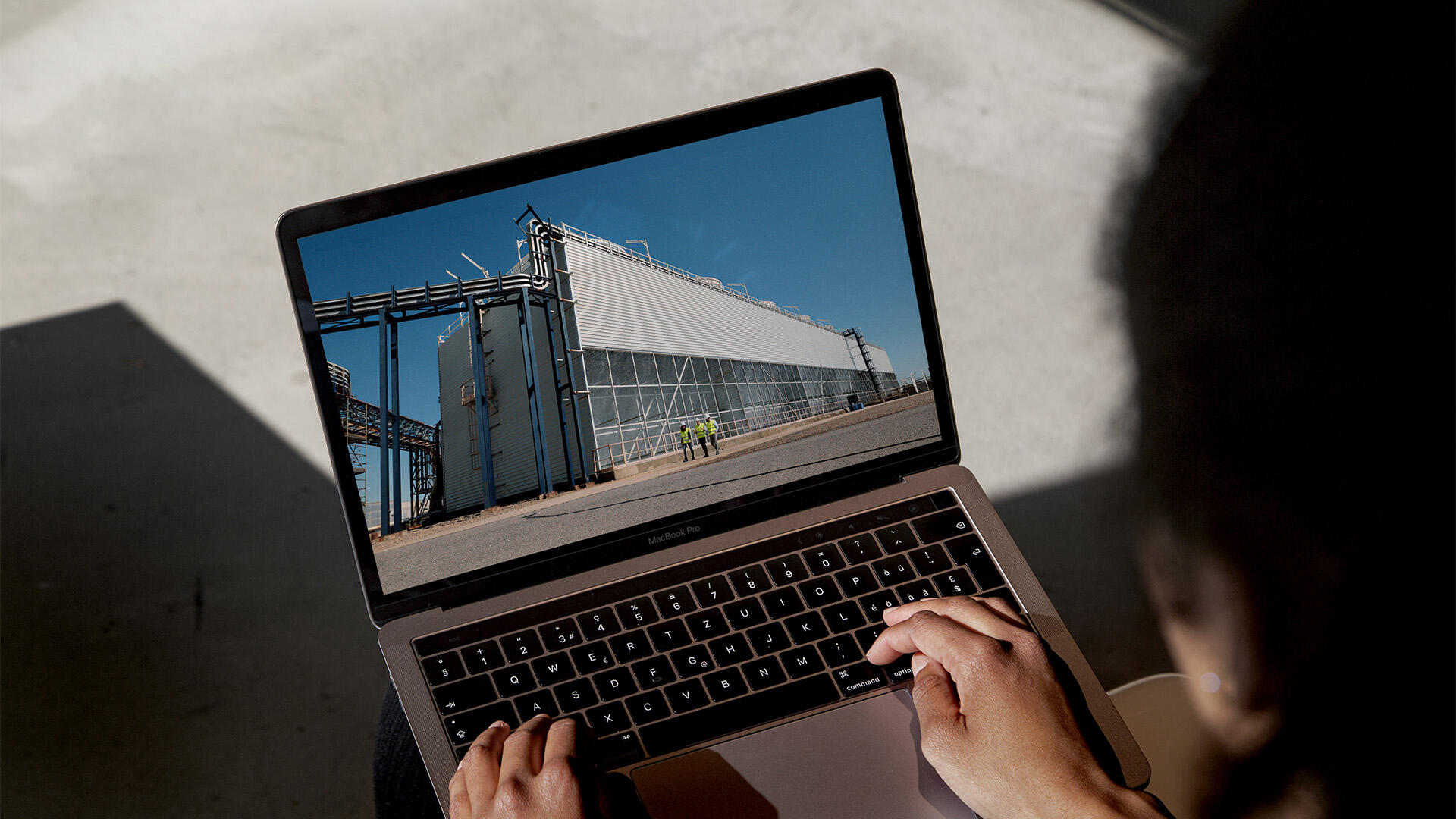
PacificLight Power, Singapore : Turbine efficiency performance upgrade
This project serves as a landmark for gas turbine modernization in Asia, proving that existing assets can be upgraded to exceed 60% efficiency for the first time in Singapore.
Challenge
Pacific Light aimed to reduce carbon emissions and improve efficiency at its combined cycle power plant on Jurong Island, ensuring optimized and reliable turbine operation.
Solution
Omterra implemented the Advanced Turbine Efficiency Package (ATEP) – the first ATEP project in Asia, an innovative upgrade solution that harnesses the latest blade technology from the HL-class gas turbine. This improved the turbine performance and efficiency, making it the first power plant in Singapore to exceed 60% efficiency.
Our carbon emission is cut by 60,000 tons per annum, and plant output raised by 30 megawatt. Our customers benefit as we can offer them more competitive electricity rates.
Townsville, Australia: Grid stability dual-mode conversion
This project demonstrates how a gas power plant upgrade can turn shifting market demands into new revenue streams by adding essential grid services.
Challenge
Shifting market dynamics driven by the government’s renewable energy push meant the plant at Townsville Power Station was being dispatched less frequently. This forced a change from operating in efficient combined cycle mode to the less efficient open cycle configuration.
Solution
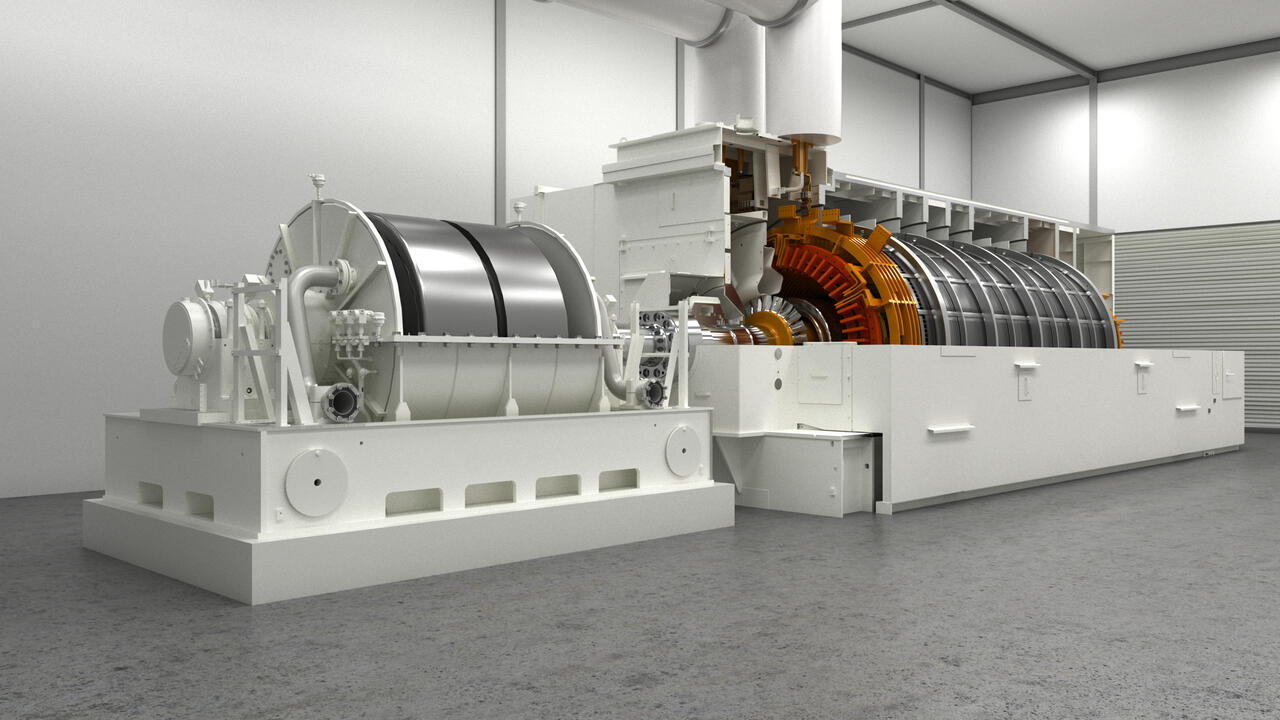
A Hybrid Rotating Grid Stabilizer (RGS) was implemented to enable the station to expand its role by providing grid system strength services. The project allows new revenue stream from providing grid services and the capability to switch flexibly between power generation and grid stabilization modes.
Why choose Omterra
Your gas turbine modernization journey deserves a trusted partner with proven experience and future-ready solutions to improve your gas turbine efficiency. Three reasons to partner with us:
Proven Experience: Decades of successful modernization projects across global gas turbine fleets.
Comprehensive Solutions: From performance upgrades to grid-stabilizing technologies that extend asset life.
Future-Ready Approach: Practical, low-carbon solutions that help plants stay flexible and reliable in a changing energy system.
Download Gas Turbine Modernization Brochures
SGT5-8000H Modernization Portfolio
SGT6-5000F Modernization Portfolio
Siemens Energy and Siemens Gamesa are now Omterra.
As the new brand is implemented progressively across our global operations, some existing company and product names, email addresses, and other identifiers may continue to appear during the transition.

Get answers: FAQs on large gas turbines modernization and upgrades
The amount of additional power output gain depends on turbine model and upgrade package, as well as ambient site conditions, fuel composition, and the mechanical limits of your Balance of Plant (BoP), but operators can typically expect an increase of 15 MW to 30 MW per unit.
Depending on the upgrade package, gas-fired power plant operators can increase revenue through higher megawatt output while simultaneously reducing operating costs via improved fuel efficiency and extended maintenance intervals.
Most legacy turbines can be retrofitted with multi-fuel or high-hydrogen burners. Depending on the model, these upgrades allow for blending hydrogen, significantly lowering the plant's carbon footprint.
Advanced solutions like Flex-Power Services™ can enable faster ramp rates of up to 60 MW/min and reduce start-up and shutdown times by as much as 50%. These upgrades can also allow for a lower minimum load (turndown) of 30%, ensuring the plant remains online and emissions-compliant even when renewable supply is high.
Modernizing hot gas path components can extend maintenance intervals, reducing long-term lifecycle costs and increasing asset availability.