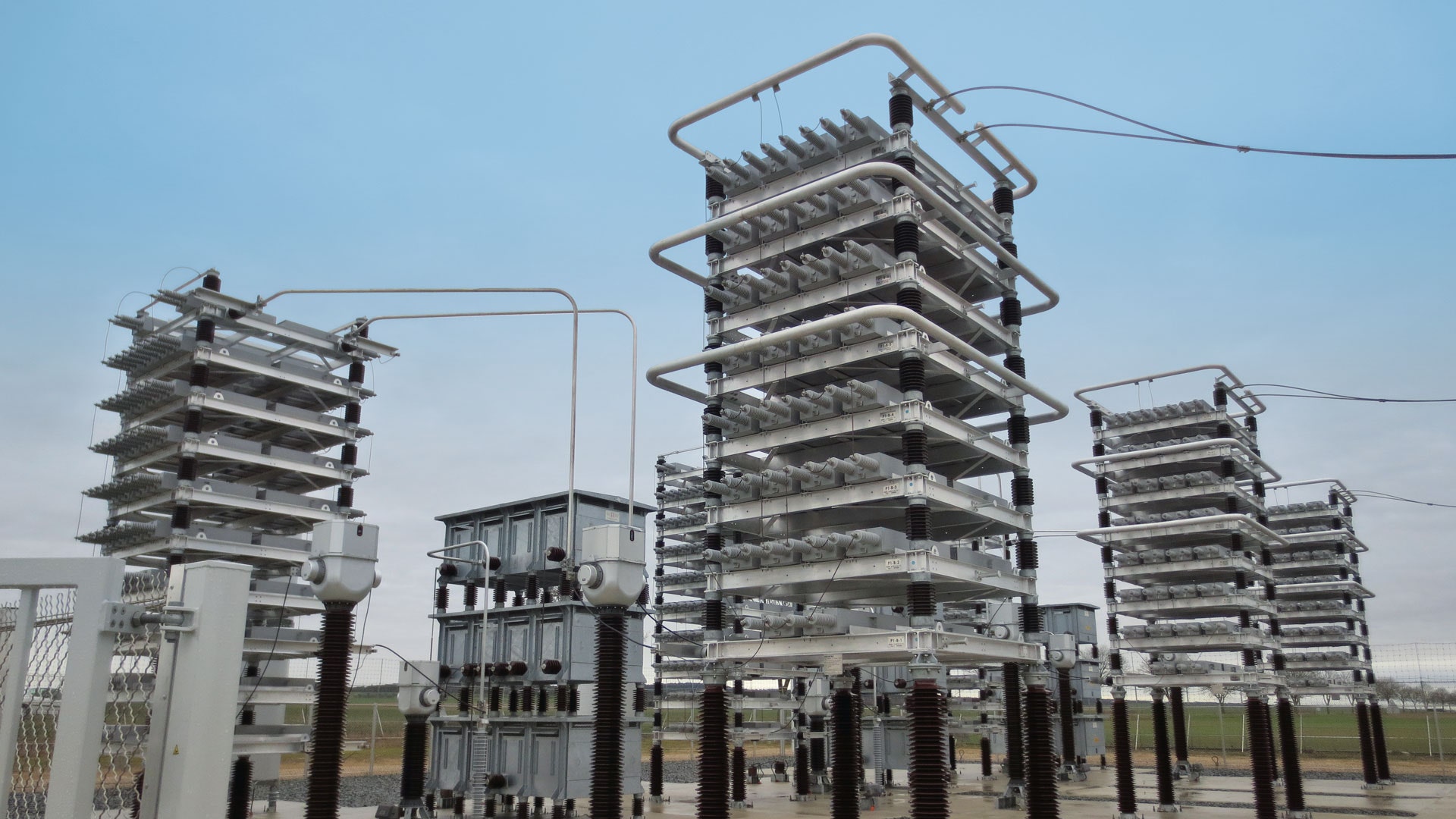
Mechanically switched capacitors (MSC and MSCDN)
In today’s rapidly evolving energy landscape, the stability and efficiency of electrical power grids are more critical than ever. As grids become more complex and the integration of renewable energy sources increases, the need for robust, reliable, and cost-effective reactive power compensation solutions is paramount. The challenge lies in managing these complexities while maintaining grid stability and efficiency.
Flexible AC transmission systems (FACTS) devices, such as mechanically switched capacitors (MSC) and mechanically switched capacitors with damping network (MSCDN), play a critical role in modern grid management. Omterra, with decades of experience in the design, manufacture, and installation of MSC and MSCDN systems worldwide, offers solutions that enhance grid stability and efficiency. These devices provide economical power compensation for constant or predictable voltage conditions, ensuring effective voltage control and grid stabilization. By integrating these solutions, the company supports the evolving needs of power transmission systems, ensuring they are equipped to handle the demands of modern energy networks.
Mechanically switched capacitors (MSC): simple, reliable, and cost-effective
Mechanically switched capacitors (MSC), along with mechanically switched reactors (MSR) and filter circuits (FC), are recognized for their simplicity and cost-effectiveness across various applications. These solutions are well-proven in enhancing grid performance without the need for complex infrastructure.
When speed is not the primary concern, MSCs offer a straightforward and low-speed solution for grid stabilization and voltage control under heavy load conditions. Conversely, MSRs provide essential stabilization during low load conditions, ensuring consistent grid reliability.
For more advanced needs, the mechanically switched capacitor with damping network (MSCDN) offers enhanced capabilities. This filter circuit delivers reactive power to the grid through a capacitive filter structure, effectively limiting the amplification of existing harmonics and boosting grid stability. In industrial settings, filter circuits play a crucial role in reducing harmonics and improving the power factor, while switched filters enable gradual power factor control, further optimizing energy efficiency.
What are mechanically switched capacitors (MSC)?
Mechanically switched capacitors (MSC) and mechanically switched capacitors with damping network (MSCDN) are essential technologies in high-voltage power transmission systems. They are primarily used for reactive power compensation, ensuring voltage stability, and mitigating harmonics. MSCs provide a simple and effective solution for maintaining voltage levels within required limits, adapting to varying load conditions to ensure a stable power supply.
MSCDNs take this functionality a step further by incorporating a damping network that limits harmonic amplification, enhancing grid stability and power quality. These technologies are crucial for optimizing the efficiency of power delivery, reducing losses, and supporting the integration of renewable energy sources. By addressing key challenges in modern energy networks, MSCs and MSCDNs play a pivotal role in advancing grid performance and reliability.
The role of mechanically switched capacitors
Mechanically switched capacitors (MSC) play a vital role in modern power systems, offering versatile solutions to enhance grid performance and reliability. These devices are essential for maintaining optimal power quality and ensuring efficient energy delivery across various applications. Key roles include:
Voltage control
MSCs help maintain voltage within required limits during varying load conditions, ensuring stable and reliable power supply.
Power factor correction
By improving the efficiency of power delivery, MSCs reduce losses and optimize energy consumption.
Grid stabilization
MSCs mitigate voltage sags, swells, and transients, contributing to a more resilient and stable grid.
Harmonic filtering
MSCs reduce the impact of non-linear loads and inverter-based generation, enhancing overall power quality and system performance.
Key benefits of mechanically switched capacitors
Mechanically switched capacitors (MSC) are integral to modern power systems, offering a range of benefits that enhance grid performance and reliability. Their compact design allows for efficient integration into spaces with limited room, optimizing voltage regulation without extensive infrastructure.
Compact design
The compact design of mechanically switched capacitors (MSC) is a key advantage, allowing for efficient integration into power systems with limited space. This simple and effective grid compensation method optimizes voltage regulation and reactive power management, enhancing overall grid performance without requiring extensive infrastructure. Ideal for environments where space is at a premium, MSCs provide a streamlined solution for modern power transmission challenges.
Cost-effective solution
Mechanically switched capacitors (MSC), mechanically switched reactors (MSR), and filter circuits (FC) offer cost-effective solutions for managing fairly constant or predictable voltage and reactive power profiles. These proven technologies enhance grid efficiency and stability, providing reliable performance without the need for costly infrastructure upgrades. Ideal for optimizing power transmission systems, MSCs, MSRs, and FCs ensure effective voltage regulation and reactive power compensation, making them indispensable in modern energy networks.
Transient and harmonic damping
The mechanically switched capacitor with damping network (MSCDN) is equipped with a capacitive filter structure that effectively mitigates existing harmonics and transients, such as those arising from switching events. This advanced damping capability enhances power quality and grid stability, ensuring smooth and reliable operation of power systems. By addressing these disturbances, MSCDNs play a crucial role in maintaining optimal performance and protecting sensitive equipment within modern energy networks.
Mechanical switching variations
In the realm of power transmission, mechanical switching variations offer versatile solutions to enhance grid performance and stability. By employing different configurations, these systems can effectively manage voltage levels and filter out harmful frequencies, ensuring optimal power quality. Key variations include:
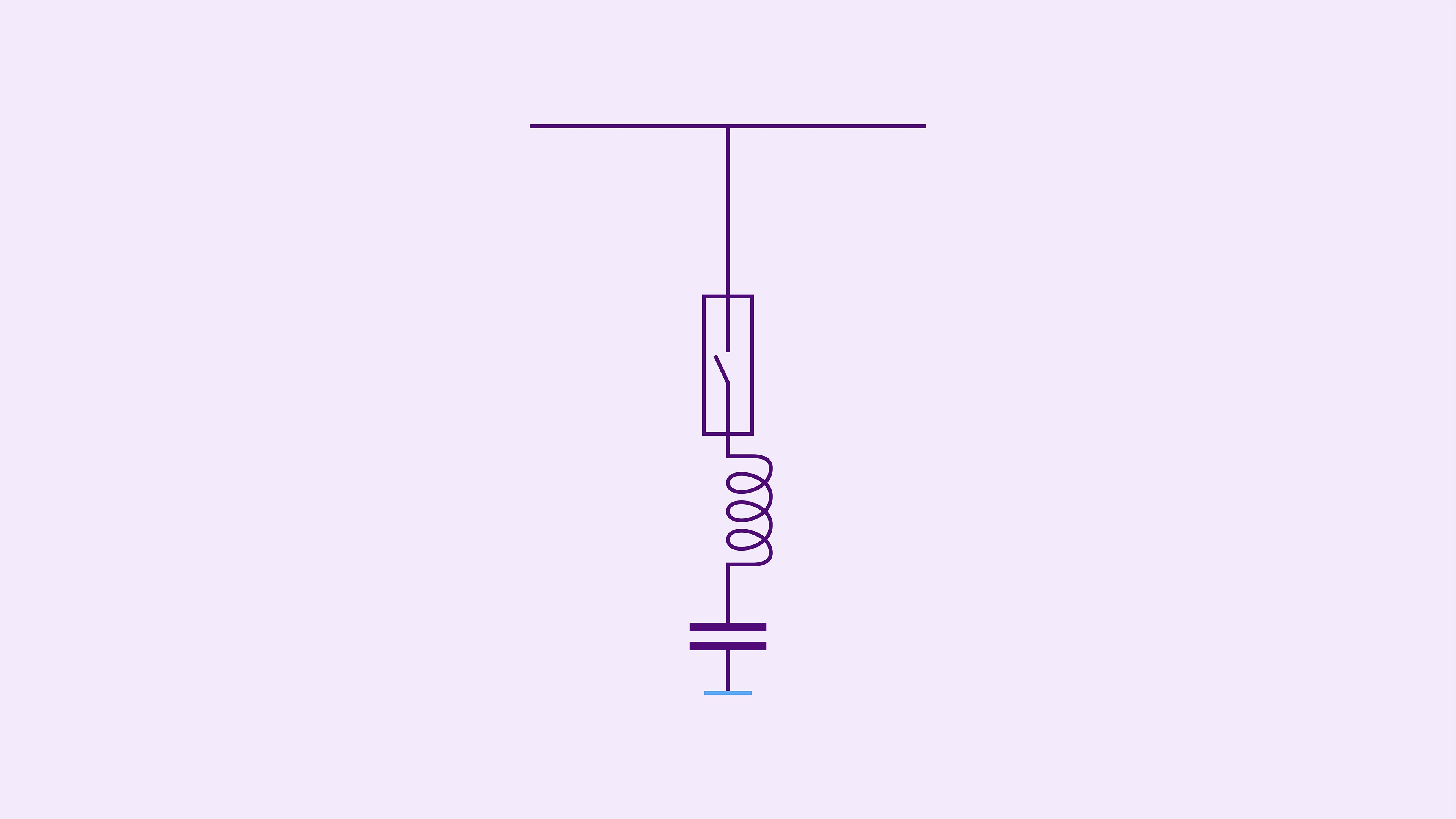
Increasing voltage with mechanically switched capacitors (MSC) or filter circuits (FC)
Mechanically switched capacitors (MSC) and filter circuits (FC) are essential for automatic voltage regulation in power systems. These devices enable the automatic switching of capacitor banks based on network requirements, with the flexibility for manual operation as needed. MSCs effectively increase voltage at the point of connection, enhancing power transmission efficiency.
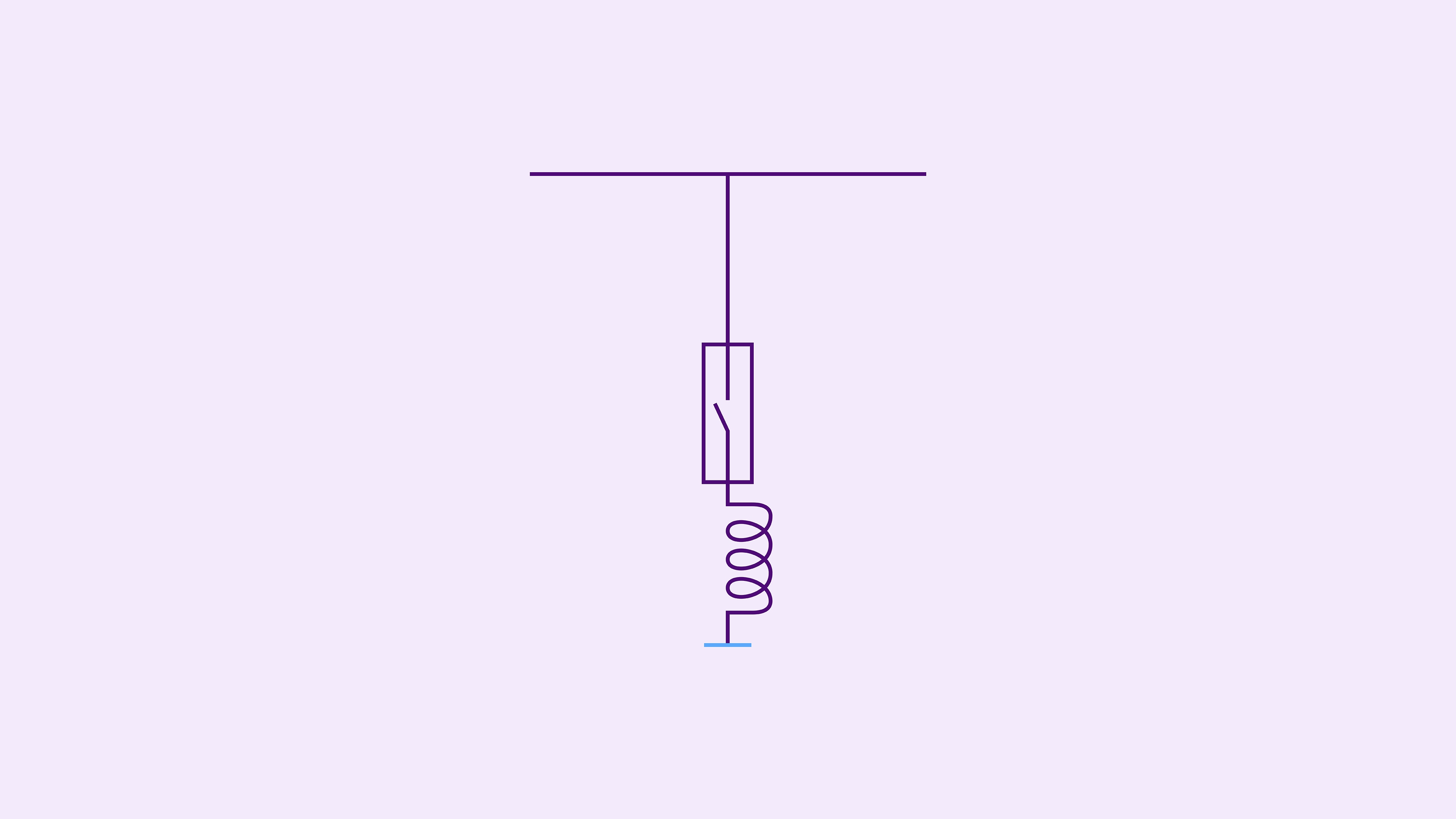
Decreasing voltage with mechanically switched reactor (MSR)
Mechanically switched reactors (MSR) serve as a counterbalance to MSCs, decreasing voltage at the point of connection. This functionality is crucial for maintaining voltage stability and preventing overvoltage conditions in high-voltage networks.
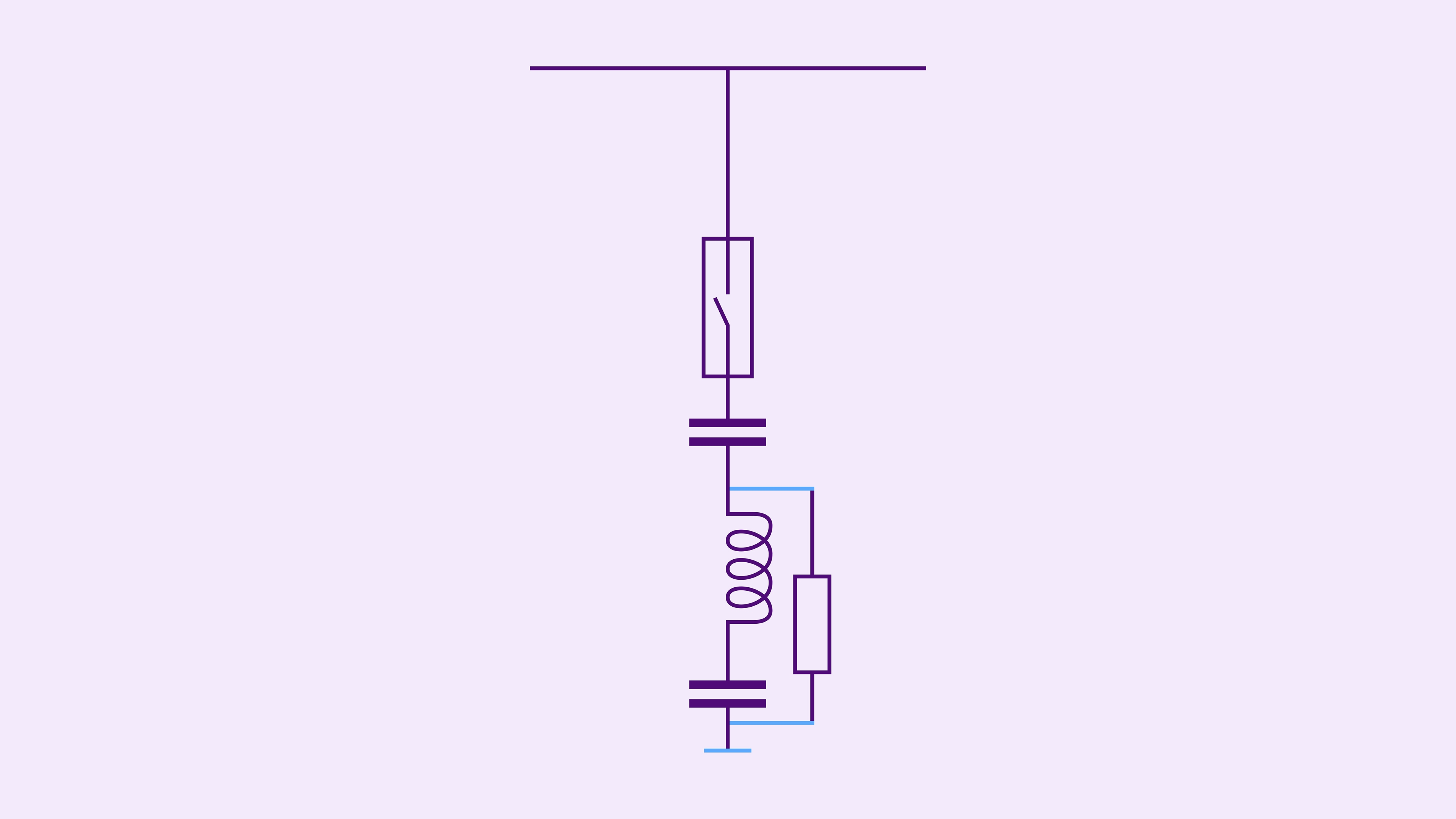
Filtering harmful frequencies with mechanically switched capacitors with damping network (MSCDN) or filter circuits (FC)
MSCDN and FC are designed to filter harmful frequencies and provide reactive power to the grid through a capacitive filter structure. Under normal power frequency conditions, they offer capacitive reactive power. When tuning frequencies are exceeded, MSCDNs exhibit inductive behavior, acting as damping resistors at high frequencies. Specifically designed filter circuits effectively dampen harmonics at their junction points, ensuring high-quality power transmission and grid stability.
Why is damping important?
In modern power systems, the prevalence of harmonics has become a significant concern due to the widespread use of power electronics, variable speed drives, and renewable energy inverters. These harmonics can lead to several issues, including:
- Overheating of equipment: excessive harmonics can cause equipment to overheat, leading to potential damage and reduced lifespan.
- Malfunction of protection devices: harmonics can interfere with the operation of protection devices, compromising system safety.
- Increased losses and reduced efficiency: the presence of harmonics increases energy losses, reducing overall system efficiency.
- Resonance conditions: harmonics can create resonance conditions that amplify voltage and current distortions, further destabilizing the grid.
Mechanically switched capacitors with damping network (MSCDNs) effectively address these challenges by:
Limiting harmonic amplification
The integrated damping network absorbs and dissipates harmonic energy, preventing resonance and maintaining system stability.
Enhancing power quality
By filtering out harmful frequencies, MSCDNs help maintain high power quality and protect sensitive equipment from damage.
Providing stable reactive power
Even in the presence of harmonics, MSCDNs deliver reliable reactive power compensation, ensuring consistent grid performance.
Omterra MSC and MSCDN engineering excellence
Omterra's engineering excellence in mechanically switched capacitors (MSC) and mechanically switched capacitors with damping network (MSCDN) solutions is renowned for enhancing grid stability and efficiency. These innovative solutions, including advanced filter circuits, have been successfully implemented worldwide, demonstrating their effectiveness in real-world applications. With a focus on reliability and performance, Omterra continues to lead the way in providing cutting-edge solutions for modern power transmission challenges.
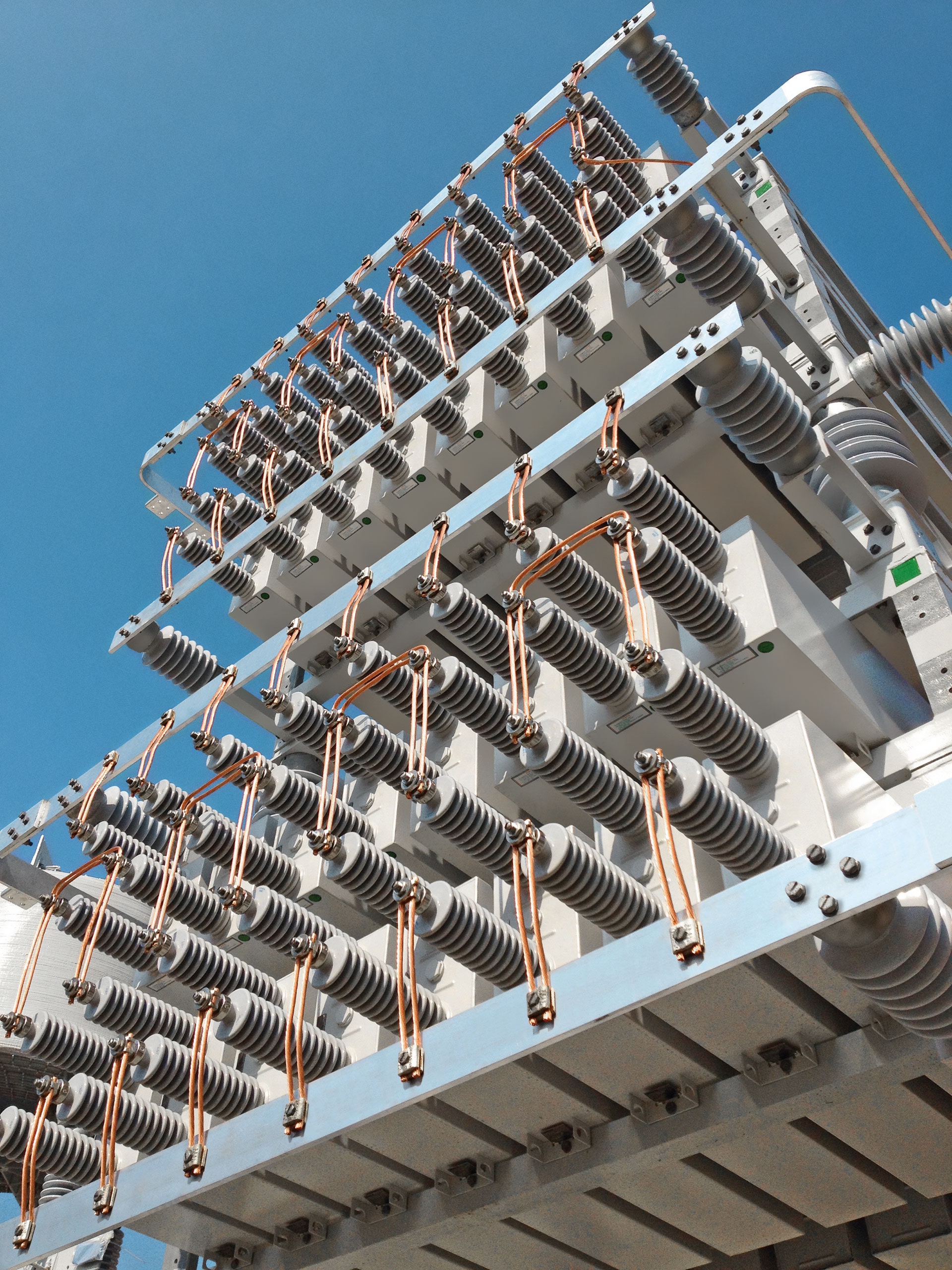
Why choose Omterra for mechanically switched capacitors solutions
Omterra stands out as a leader in mechanically switched capacitors solutions, backed by decades of global experience in power compensation and grid stability. Our commitment to continual development of advanced damping and filtering technologies ensures that we remain at the forefront of innovation, providing reliable and efficient solutions tailored to your needs. We are dedicated to building long-term partnerships with our clients, ensuring ongoing support and collaboration.
Reliability
Our solutions are engineered for 24/7 operation in demanding environments, ensuring consistent performance and durability.
Quality
All products are manufactured to the highest international standards, guaranteeing superior quality and dependability.
Customization
We offer tailored solutions to meet specific grid requirements and site conditions, ensuring optimal performance.
Compact design
Our space-saving layouts allow for easy integration into existing substations or industrial facilities, maximizing efficiency.
Scalability
Our modular solutions are designed for future expansion, allowing your grid to evolve as needs change.
Comprehensive support
From feasibility studies and engineering to commissioning and after-sales service, Omterra provides full-spectrum support to ensure the success of your projects.

Get answers: FAQs on mechanically switched capacitors (MSC and MSCDN)
A switched capacitor is a device used in power systems to manage reactive power and stabilize voltage levels. By switching capacitor banks on or off, these devices adjust reactive power in the grid, helping maintain voltage within desired limits during varying load conditions.
Fixed capacitors are permanently connected to the power system, providing constant reactive power compensation. Switched capacitors can be turned on or off as needed, offering dynamic adjustment of reactive power levels to maintain voltage stability and improve power factor.
A mechanically switched capacitor (MSC) is a device used for reactive power compensation and voltage control in power systems. MSCs are switched mechanically to adjust reactive power levels, ensuring voltage stability and improved power factor under varying load conditions.
MSCDN stands for mechanically switched capacitor with damping network. It is an advanced MSC that includes a damping network to limit harmonic amplification, providing reactive power compensation while enhancing grid stability and power quality.
MSC (mechanically switched capacitor) provides reactive power compensation and voltage control.
MSR (mechanically switched reactor) decreases voltage and stabilizes under low load conditions.
MSCDN (mechanically switched capacitor with damping network) offers reactive power compensation with harmonic damping capabilities.
MSC and MSCDN systems are designed for relatively low-speed switching, suitable for applications where rapid response is not critical. They provide effective voltage control and harmonic damping under steady-state conditions.
Yes, MSC and MSCDN can be used together to provide comprehensive reactive power compensation and harmonic mitigation, enhancing grid stability and power quality.
Mechanically switched capacitors require regular maintenance, including inspecting mechanical components, checking electrical connections, and monitoring system operation to ensure optimal performance and extend equipment lifespan.
The MSCDN helps with harmonics by using a capacitive filter structure to dampen existing harmonics and transients, reducing the impact of non-linear loads and inverter-based generation, and improving power quality.
MSC and MSCDN banks are switched using high-voltage circuit breakers, allowing for manual or automatic operation based on system requirements, enabling dynamic adjustment of reactive power levels.
Yes, MSC and MSCDN can be integrated with other grid solutions, complementing technologies like FACTS and advanced grid management systems to enhance overall system performance.
Determining the right solution involves assessing grid requirements, load conditions, and harmonic challenges. Consulting with Omterra experts can help identify the most suitable MSC or MSCDN configuration for optimal power system performance.