Industrial decarbonization strategies for the energy transition
Dominated by fossil fuels, industry accounts for more than 30 percent of all greenhouse gas emissions and 40 percent of all energy consumption, according to the International Energy Agency (IEA) – in large part due to processes that use high temperatures and chemical reactions producing emissions as a byproduct.
As the global economy and population grow, so too will demand for more cement, steel, plastics and other industrial goods. Left unchecked, the impact on our climate will only increase. Effective energy transition strategies to decarbonize industry are crucial for a sustainable future.
Technologies and strategies to cut industrial emissions
Major headway can be made with energy efficiency measures designed to optimize operations and energy use. Plus, electrification of industrial processes with today’s latest electric technologies can further slash emissions by shifting from fossil fuels to renewable energy.
But industrial decarbonization can’t be achieved through clean energy alone. Emissions from industrial processes as well as aviation and shipping (where liquid drop-in fuels are needed) remain a major hurdle and require a rapid scale-up of alternative fuels like green hydrogen.
Digitalization can take your sustainability efforts a step further, using data analytics to reduce resource consumption and boost energy efficiency to even greater levels. And Carbon Capture, Utilization and Storage (CCUS) can tackle industrial processes with unavoidable emissions. In fact, with the right measures in place, industry can reduce its yearly emissions by over five gigatons, according to the Intergovernmental Panel on Climate Change (IPCC), the equivalent of removing over a trillion cars from the road each year.
At the same time, these strategies offer a path to growth – opening the door to new markets, increasing resilience, and positioning industry to thrive in a low-carbon economy.
The pillars of industrial decarbonization
At Omterra, we’re committed to leading the charge in industrial decarbonization, through technological innovation and partnering with industries to create a sustainable future. And the advantages go beyond improving the environment; industrial decarbonization is also an opportunity for innovation, jobs and economic growth.
The five major pillars to effectively decarbonize industrial operations and future-proof industries include: energy efficiency, electrification, (clean) hydrogen, digitalization and CCUS.
1. Energy efficiency
Energy efficiency is the first step in reducing industrial emissions. According to the IEA, energy consumption in the industrial sector is projected to increase by 30 percent by 2040 if no action is taken. By optimizing processes and upgrading equipment, industries can lower their energy consumption and reduce emissions by up to 20 percent. It’s also one of the quickest and most effective measures.
Energy efficiency is also crucial in transitioning the industrial sector away from fossil fuels, such as coal, oil and natural gas, especially when done using technologies that act as a bridge to a near zero-emissions future – for example, using renewable electricity without relying on fossil fuels by harnessing production waste to power high-efficient steam turbine generator sets.
Improving energy efficiency doesn’t just reduce emissions – it can significantly lower fuel costs and operating expenses, helping businesses protect their margins. And with a rapid return on investment, efficiency becomes a strategic lever for both sustainability and long-term financial performance.
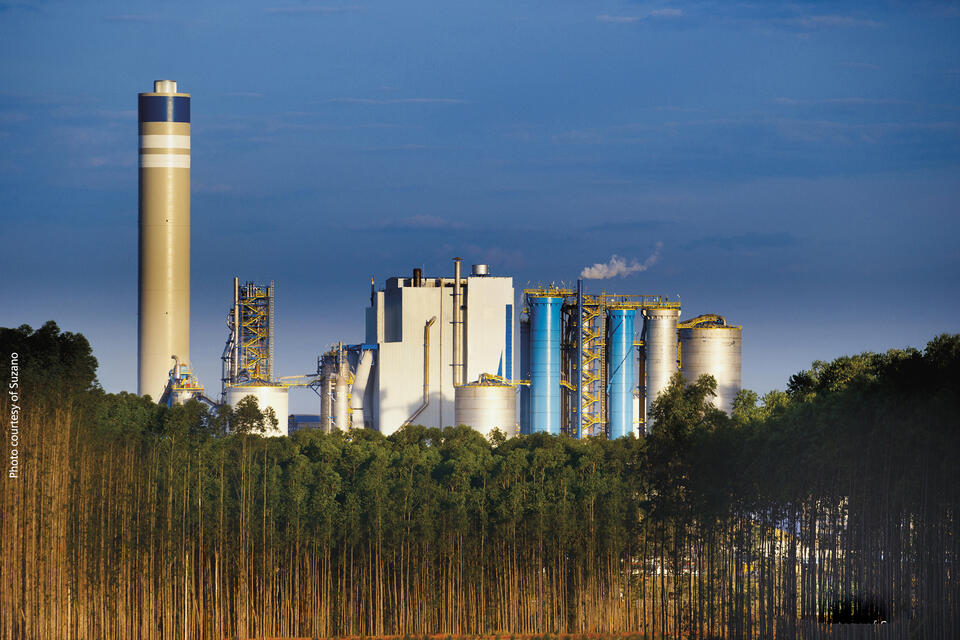
From pulp waste to renewable electricity: Suzano Cerrado, Brazil
Paper producer Suzano is setting a new model for sustainability in the industry. Their new Cerrado Pulp Plant will be the world’s largest single eucalyptus pulp production mill, producing hardwood pulp with the least environmental impact and the industry’s lowest cost. The plant’s fully renewable electrical power-generating capacity will be at 473 MW. Instead of any fossil fuels, production pulp waste will fuel three industrial SST-600 steam turbine packages – avoiding an estimated 336 kilotons of CO2 emissions per year compared to traditional operations. The plant’s design and efficiency will not only reduce energy consumption and emissions but also allow for selling surplus energy averaging 180 MW a year to Brazil’s grid.
2. Electrification
Electrification is another key step in decarbonizing industry. Converting industrial processes from fossil fuels to electricity, especially from renewable energy sources, can drastically cut greenhouse gas emissions. Electrification replaces technologies or processes that use fossil fuels with their electrical equivalents, such as electrically driven turbocompressors or turbo heaters and steam recompression systems. This includes the use of enhanced batteries to power shipping and transportation.
For example, in an ethylene plant for Shell in Moerdijk, Netherlands, Omterra is about to replace its older fossil-powered steam boiler and steam turbine with electric motors, reducing the plant’s carbon dioxide emissions by 230 kilotons per year and its overall energy consumption by 75 percent. What’s more, the electrical machines are quieter, reduce emissions of particulate matter and nitrogen, and decrease residual heat loss. Electrification is one of the most important strategies in cutting CO2 emissions in the IEA’s Net Zero by 2050 plan – which calls for electricity to make up to 27 percent of all final energy use by 2030.
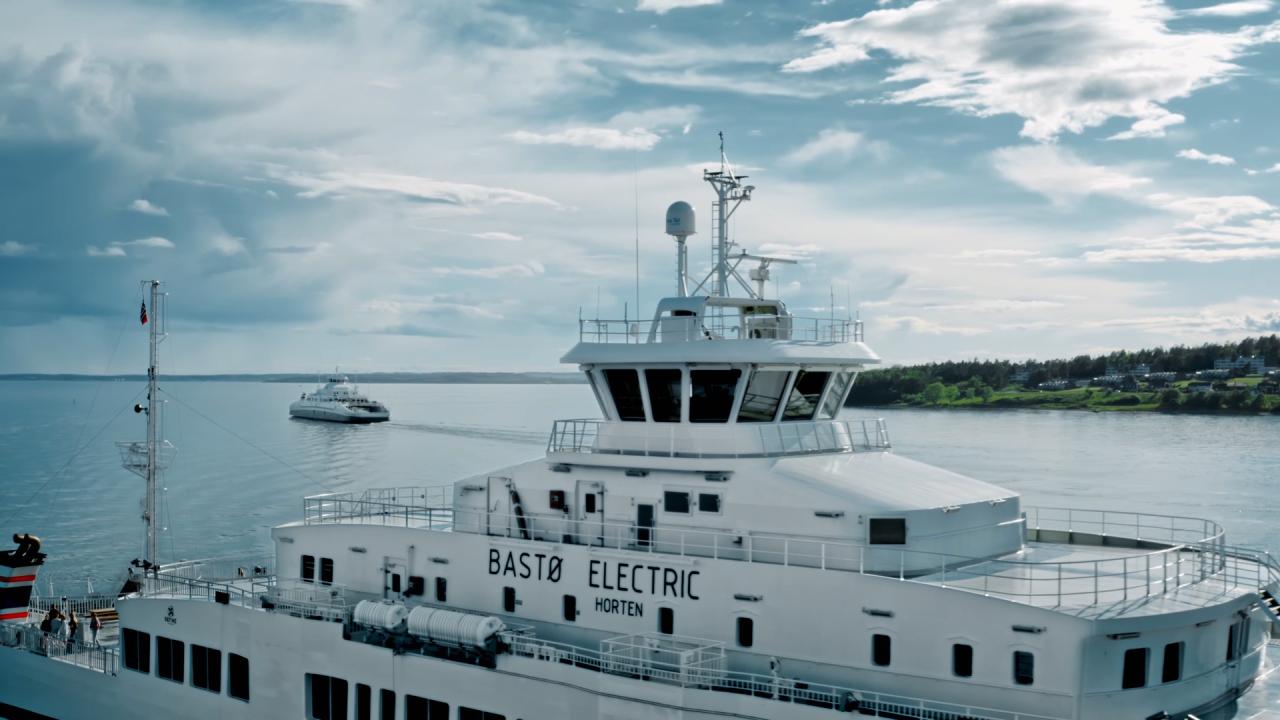
The largest battery-powered ferry: Bastø Fosen, Norway
Ferry company Bastø Fosen wanted to decarbonize their car and passenger route along the Oslo Fjord, Norway’s busiest ferry crossing, as part of the country’s green transformation of its shipping sector. The 143-meter-long Bastø Electric is the world’s largest all-electric car ferry, with large battery packs that can charge in roughly five minutes while cars move on and off. In addition to the new ferry, the company has also commissioned Omterra to convert two more ferries to electric operation. Just in 2022, Bastø Fosen’s investments in electrification of their fleet reduced their diesel consumption by six million liters per year and the CO2 emissions by 75 percent.
3. Hydrogen
Hydrogen is a game-changer in industrial decarbonization. Hydrogen can replace fossil fuels in various industrial applications, particularly in hard-to-decarbonize sectors like iron and steel production. And it can be used as the basis for low-carbon and carbon-free engine-ready fuels for shipping and aviation. But how hydrogen is produced matters. Today, hydrogen is primarily produced using coal and natural gas, resulting in significant emissions. However, when produced using renewable energy and water through a process called “electrolysis”, the resulting hydrogen is entirely carbon-free and categorized as “green hydrogen”. Green hydrogen has great potential to decarbonize sectors such as steelmaking, shipping, fertilizer production, and aviation – especially in processes that can’t be electrified.
At Omterra, our hydrogen solutions have already helped petrochemical manufacturer Braskem cut emissions by 40 percent and setup a co-firing hydrogen-rich cogeneration plant for Braskem’s production of thermoplastics in Brazil. What’s more, our Gigawatt Electrolyzer Factory in Berlin is helping to scale up the production of green hydrogen to industrial levels. Starting with one gigawatt of production capacity, the factory can provide as much as three gigawatts of electrolysis capacity. An installed electrolysis capacity of three gigawatts can produce enough hydrogen to reduce CO2 emissions equivalent to a city of a quarter of a million people.
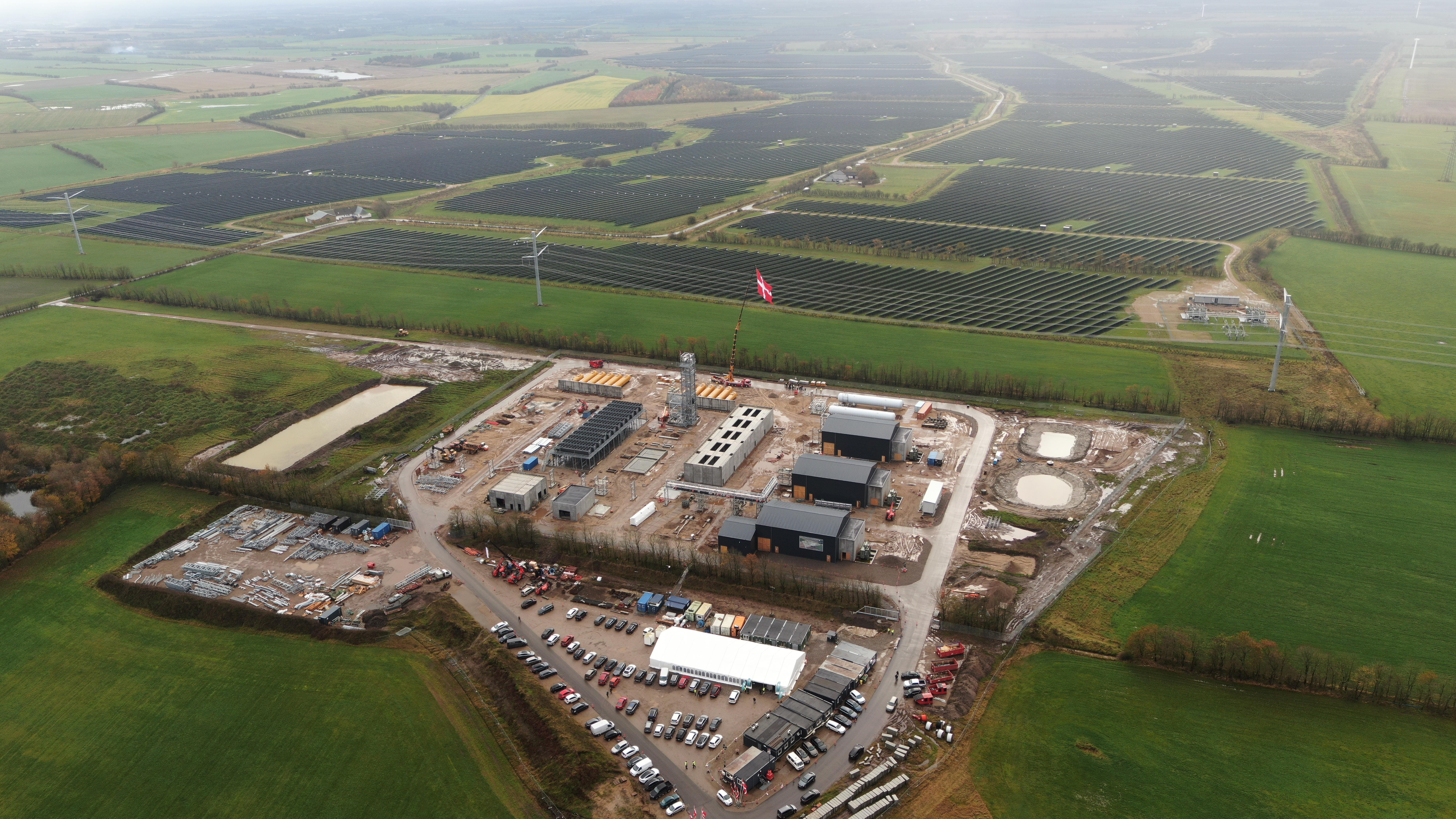
The world’s largest e-methanol plant: Kassø, Denmark
Committed to delivering sustainable fuels to the world, global renewable energy developer European Energy has set out to build the world’s first large-scale commercial e-Methanol plant, located in Southern Denmark. The project marks a major step in scaling up green fuel production and decarbonizing hard-to-abate sectors. Powered by European Energy’s own nearby 300 MW solar park, the plant’s three P-300 Proton Exchange Membrane (PEM) electrolyzers will produce green hydrogen for e-Methanol, supporting carbon-neutral shipping for Maersk and replacing fossil methanol in the production of selected products for LEGO and Novo Nordisk.
4. Digitalization and automation
Digitalization takes electrification a leap forward with the Internet of Things (IoT) and Big Data to increase margins, extend asset lifespans and reduce environmental impact. By leveraging data analytics and IoT technologies, companies can gain new insights into their energy consumption patterns and identify areas for improvement. Digitalization also paves the way for predictive maintenance to forecast when parts might fail, leading to more efficiency and fewer emissions.
Moreover, digitalization unlocks new opportunities to decarbonize with process automation, using artificial intelligence and robots to streamline systems. Process automation minimizes errors and improves quality in complex industrial tasks, saving costs and further improving energy use. According to the World Economic Forum, digital solutions can reduce emissions by up to 20 percent in hard-to-abate sectors.
5. Carbon Capture, Utilization and Storage (CCUS)
Carbon Capture, Utilization and Storage (CCUS) prevents CO2 emissions from entering the atmosphere by capturing them and either using them for other industrial purposes, such as feedstock in chemicals or building materials, or storing them permanently in the ground. CCUS can be retrofitted to existing power plants and industrial facilities that use either fossil fuels or biomass as a fuel. Retrofitting existing assets with CCUS helps companies avoid stranded assets as climate regulations tighten.
Particularly in hard-to-abate industries like cement, steel and chemical, CCUS can remove most emissions that are currently unavoidable due to technological limitations or because they are a key part of certain processes. The three main methods for capturing CO2 are post-combustion, pre-combustion and oxy-fuel combustion. In post-combustion, CO2 is captured in the flue gas after the fuel has been burned, making it easier to integrate into already existing facilities, and reduce emissions by 90 percent.
CCUS can also capture CO2 directly from the atmosphere by using Direct Air Capture (DAC), which passes air through chemicals that react with and trap emissions. Both the IEA and the IPCC have underscored the need for CCUS and DAC to play a pivotal role in reaching net zero.

Industrial decarbonization strategies by industry
Steel is the largest emitting manufacturer, accounting for around 7 percent all greenhouse gas emissions. Like other manufacturing industries, digitalization, electrification of equipment such as arc furnaces, and a shift to renewable energy as a source of power would greatly reduce emissions. Manufacturers can also use green hydrogen-based direct reduced iron (replacing natural gas), combined with CCUS to capture remaining emissions.
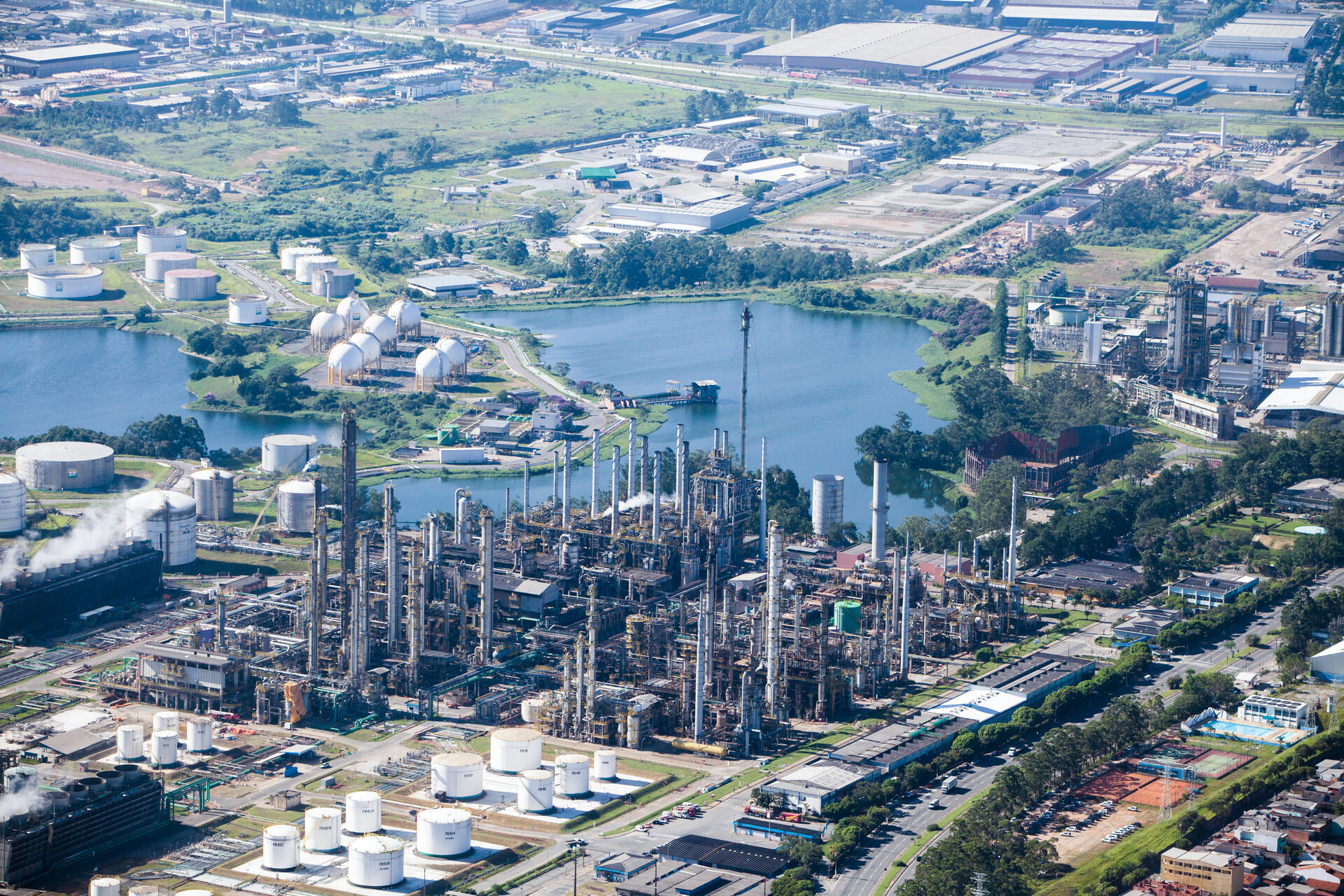
The production, transport and processing of oil and gas accounts for around 15 percent of all greenhouse gas emissions, according to the IEA. Methane accounts for most of the emissions, and tackling methane slip is a major priority. In refineries and gas processing, energy efficiency measures can go a long way in reducing emissions, while electrification paired with renewable electricity can significantly decarbonize offshore platforms. Enhanced digital technologies are even being used to improve and quicken the detection and repair of methane leaks.
One of the largest industries worldwide, the chemical sector accounts for around 2 percent of all greenhouse gas emissions. Unlike other energy-intensive industries, emissions in the chemical sector are also driven by chemical processes which use fossil fuels as a feedstock, making it hard-to-abate. The industry also requires large amounts of steam and high temperatures. Here, energy efficiency measures and steam generation with low-carbon fuels, such as green hydrogen, are critical levers in decarbonization. Waste heat can also be integrated back into the system process for more efficiency and fewer emissions.
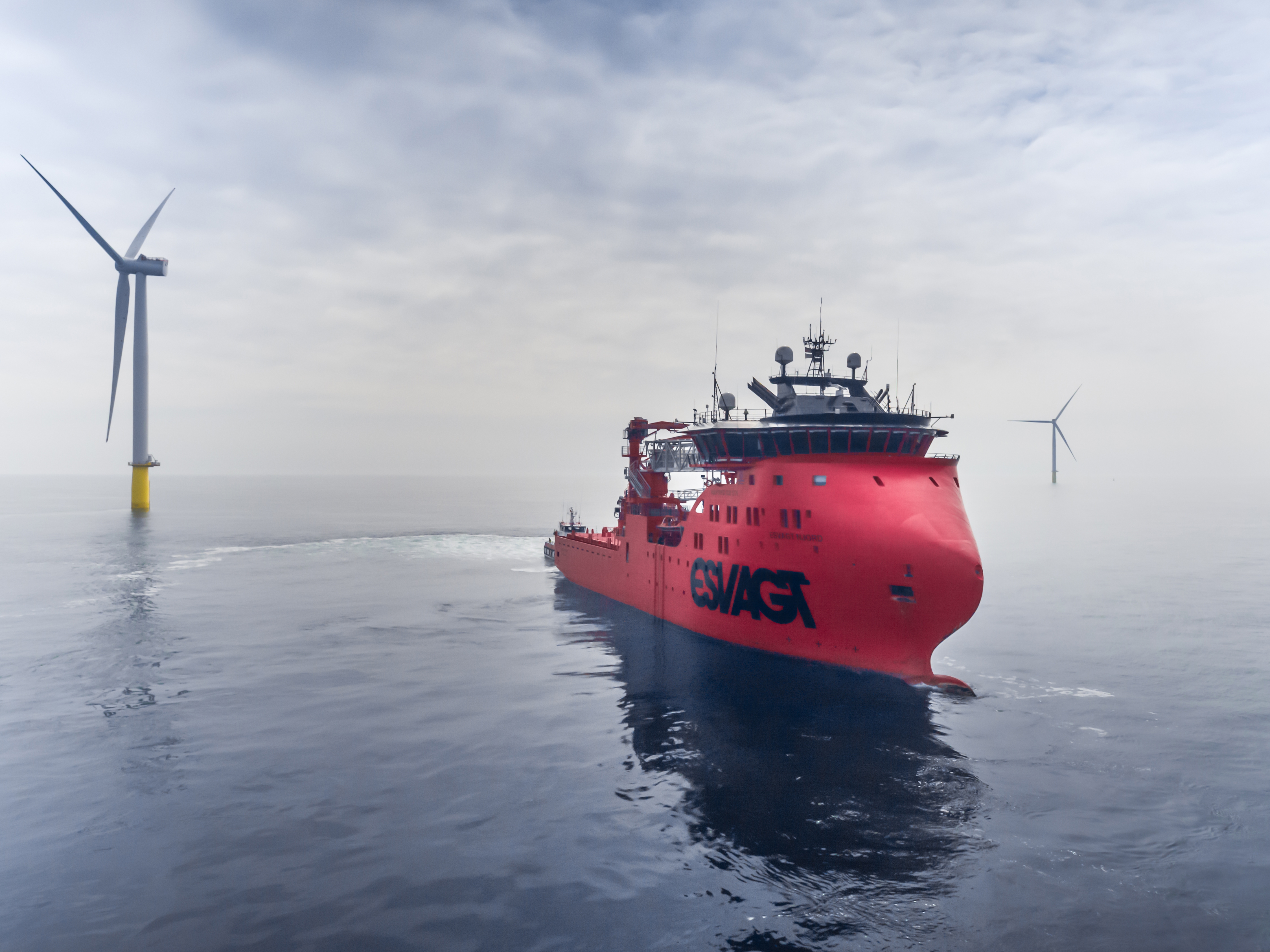
Maritime shipping accounts for three percent all greenhouse gas emissions. For smaller ships, conversion to electric or hybrid electric engines would save on fuel, maintenance costs and emissions. Digitalizing shipboard power management systems and increasing the energy efficiency of vessel machinery through design and waste heat recovery can further limit losses in converting fuel to energy and save emissions. But by and large the industry is looking to decarbonize container vessels and other large ships by replacing heavy fuel oil with more sustainable fuels based on green hydrogen, such as e-Methanol and e-Ammonia. According to the World Economic Forum (WEF), once scaled, fuels from green hydrogen could cut shipping’s emissions between 80 to 100 percent.
The cement industry accounts for around 8 percent of all greenhouse gas emissions. One third of these emissions come from energy consumption, and two-thirds from the chemical reactions needed to make cement. Although energy efficiency and digitalization can significantly lower emissions, as with steel, cement requires temperatures too high to be currently handled by electrical devices and will require the use of alternative fuels such as green hydrogen. For process emissions, until new cement chemistries are developed and deployed, carbon capture, utilization and storage (CCUS) solutions are emerging as the trend in decarbonizing the industry.
Industry’s decarbonization toolkit
Electrolyzer for green hydrogen production
Using Proton Exchange Membrane (PEM) electrolysis, our electrolyzer is ideally suited for harnessing volatile energy generated from wind and solar.
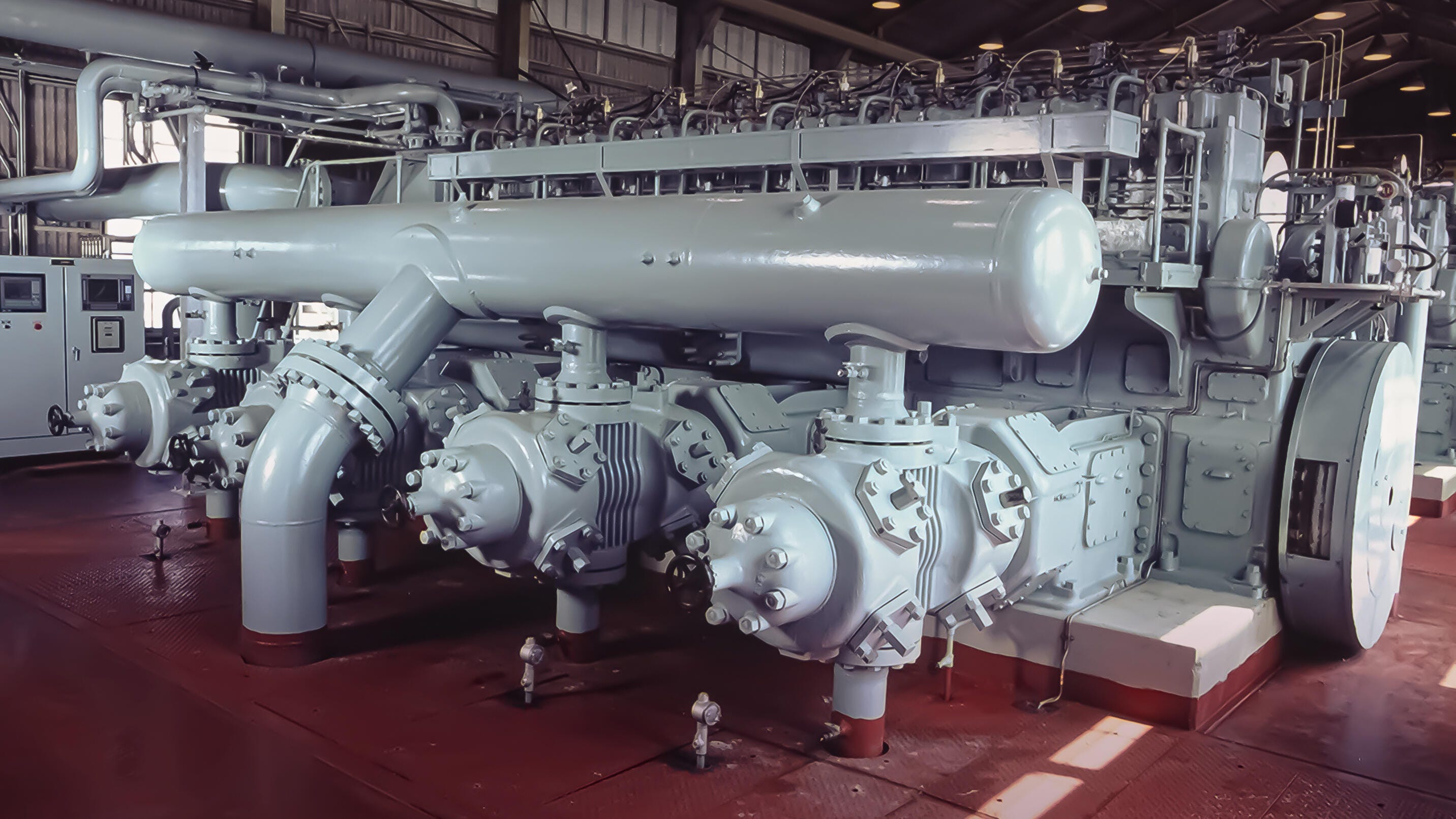
Compressor solutions and services
Our cutting-edge compressors can be standardized or tailored for a wide range of industries and applications.
Industrial steam turbines
Our industrial steam turbines form the heart of countless industrial applications – designed for fast startup and reliability.
Renewable energy storage
Energy storage is the key to providing industry with a steady flow of renewable electricity for smooth operation.
H2-ready gas turbines
Highly efficient with low energy costs, our hydrogen-ready gas turbines are ideal for industrial power generation.

The advantages go beyond improving the environment; industrial decarbonization is also an opportunity for innovation, jobs and economic growth.
Driving industrial decarbonization
Decarbonizing the industrial sector is essential to a sustainable future. By focusing on energy efficiency, electrification, hydrogen, digitalization and carbon capture utilization and storage, Omterra is driving the long-term vision for decarbonization. The company is increasing the production capacity for hydrogen technologies and are a leading partner in low-carbon solutions for industry, with highly efficient gas turbines and co-firing hydrogen upgrades, enhanced electrical components and applications that take advantage of analytics and intelligence for a digital industrial revolution.
Many of these solutions can also be retrofitted into existing infrastructure, helping businesses decarbonize without leaving assets stranded.
Get answers: FAQs on reducing GHG emissions and energy consumption
Decarbonization is the elimination of carbon dioxide (CO2) emissions from a process such as manufacturing or energy production to combat climate change. In particular, the burning of fossil fuels and its use as feedstock in a number of processes accounts for the majority of greenhouse gas emissions worldwide. Decarbonization minimizes emissions by transitioning energy production and feedstock to cleaner and renewable sources, improving efficiency and adopting sustainable technologies. The goal is to create a sustainable future and limit environmental impact.
Industrial decarbonization refers to the process of reducing greenhouse gas emissions from industrial activities like burning fossil fuels, the production of cement, steel and chemicals, and oil and gas extraction. Decarbonizing these industries involves implementing strategies and technologies that minimize CO2 emissions, transition to renewable sources of energy and increase energy efficiency. Industry currently accounts for some 30 percent of all greenhouse gas emissions.
The goal for industrial decarbonization is to achieve net-zero emissions by 2050 and limit the impact of climate change. This means reducing greenhouse gas emissions as quickly and as much as possible, and capturing remaining or unavoidable emissions through Carbon Capture, Utilization and Storage (CCUS) technology.
While each industry has its unique challenges in decarbonizing, we have identified five major pillars that are essential to reducing greenhouse gas emissions in industry:
1. Energy efficiency,
2. Electrification,
3. Green hydrogen,
4. Digitalization, and
5. Carbon Capture, Utilization and Storage (CCUS).
Improving energy efficiency includes upgrading to more effective equipment, streamlining processes and capturing and reusing waste heat. It goes hand in hand with electrification, which can shift equipment from running on fossil fuels to running on electricity produced by renewable energy sources. Green hydrogen provides a clean, versatile energy source that can replace fossil fuels in processes that are hard to electrify, such as steam generation and the use of high-heat temperatures. Because it is produced by splitting water with renewable electricity, green hydrogen is entirely carbon free. Digitalization, which takes advantage of the Internet of Things (IoT), Big Data, artificial intelligence (AI) and automation, can further optimize operations and increase energy efficiency to new levels. Remaining and unavoidable CO2 emissions can be captured using CCUS technology and then either stored back in the earth or used as a feedstock in industrial processes or in the production of carbon-neutral fuels such as e-Methanol.