GECOL, Libya: Restoring Sarir Power Station with BEX
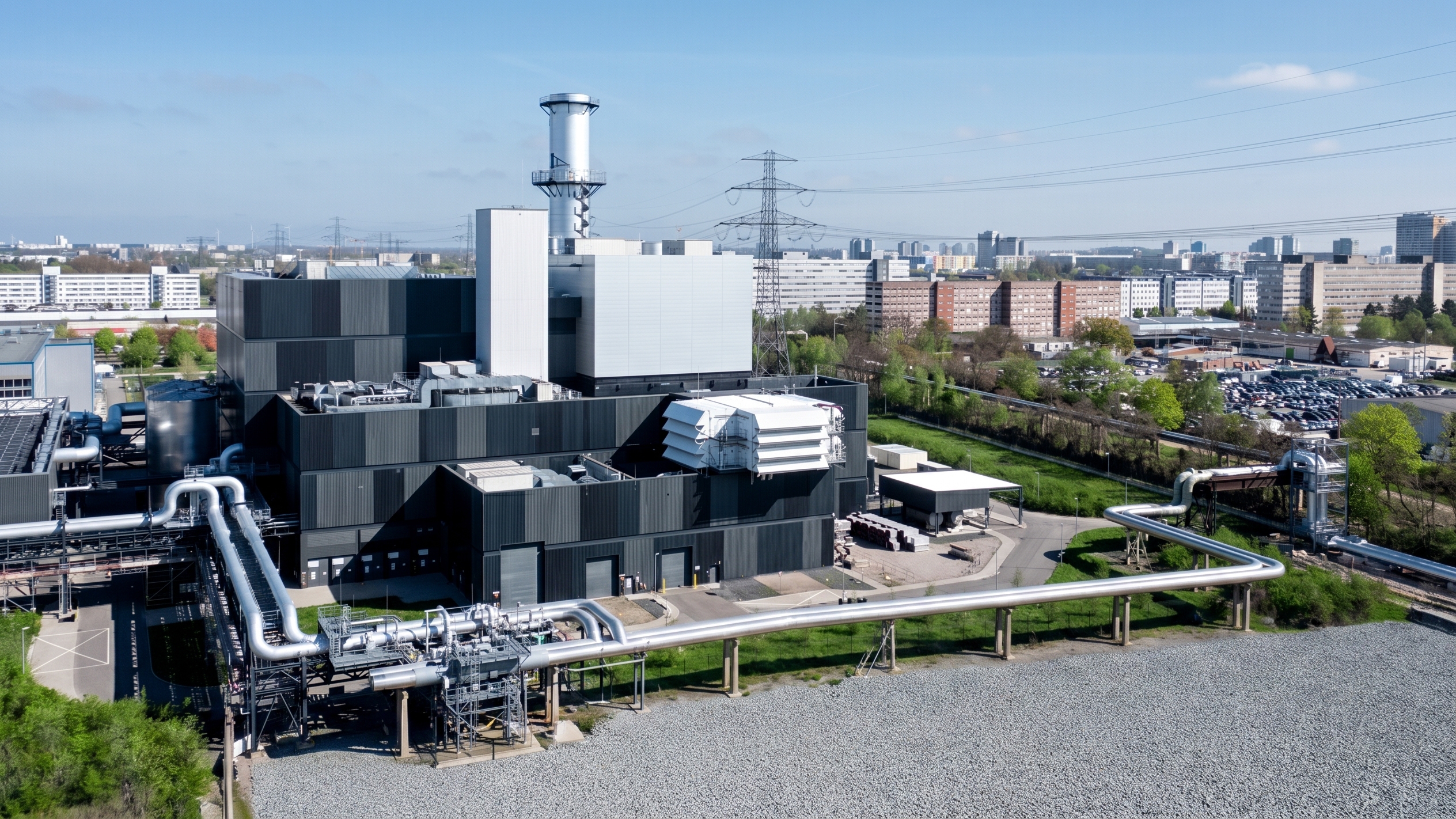
Omterra utilized its Brownfield Engine Exchange (BEX) concept and rehabilitated the Sarir Power Plant in Libya by replacing an aging gas turbine with a brand-new one. By integrating new units into existing infrastructure like foundations and generators, the project successfully stabilized the regional power supply while reducing the downtime and costs associated with new construction.
Rehabilitating Sarir Power station
Finally, this success and our cooperation will greatly contribute to the increase in generated energy production, which will promote the stability of the electricity network in Libya.
The challenge: Restore the power plant to its full capacity
Libya has faced significant challenges in ensuring a stable electricity supply. The Sarir power station, situated in a remote desert area, was intended to be a cornerstone of the country's energy infrastructure. After its commissioning in 2010, the power plant experienced multiple operational disruptions, which led to severe power shortages that affected both residential and industrial sectors. The urgency to restore the Sarir power station was paramount, as it not only serves the local population but also powers the Sarir oil field, the largest oil field in Libya, which is vital for the nation’s economy.
Furthermore, the Sarir power station’s remote location created specific logistical challenges. Limited access and the necessity of transporting equipment and maintenance parts from Tripoli’s seaport and airport to the Sahara made operations more complex.
The solution: Replaced an old gas turbine with Brownfield Engine Exchange (BEX)
To address these challenges, the General Electricity Company of Libya (GECOL) worked with Omterra hand in hand, building on a long-standing partnership that dates back to the 1950s. The solution involved the innovative Brownfield Engine Exchange (BEX) concept, which allows for the replacement of an old gas turbine with a new, more efficient model while maximizing the existing infrastructure.
Key steps in the project included:
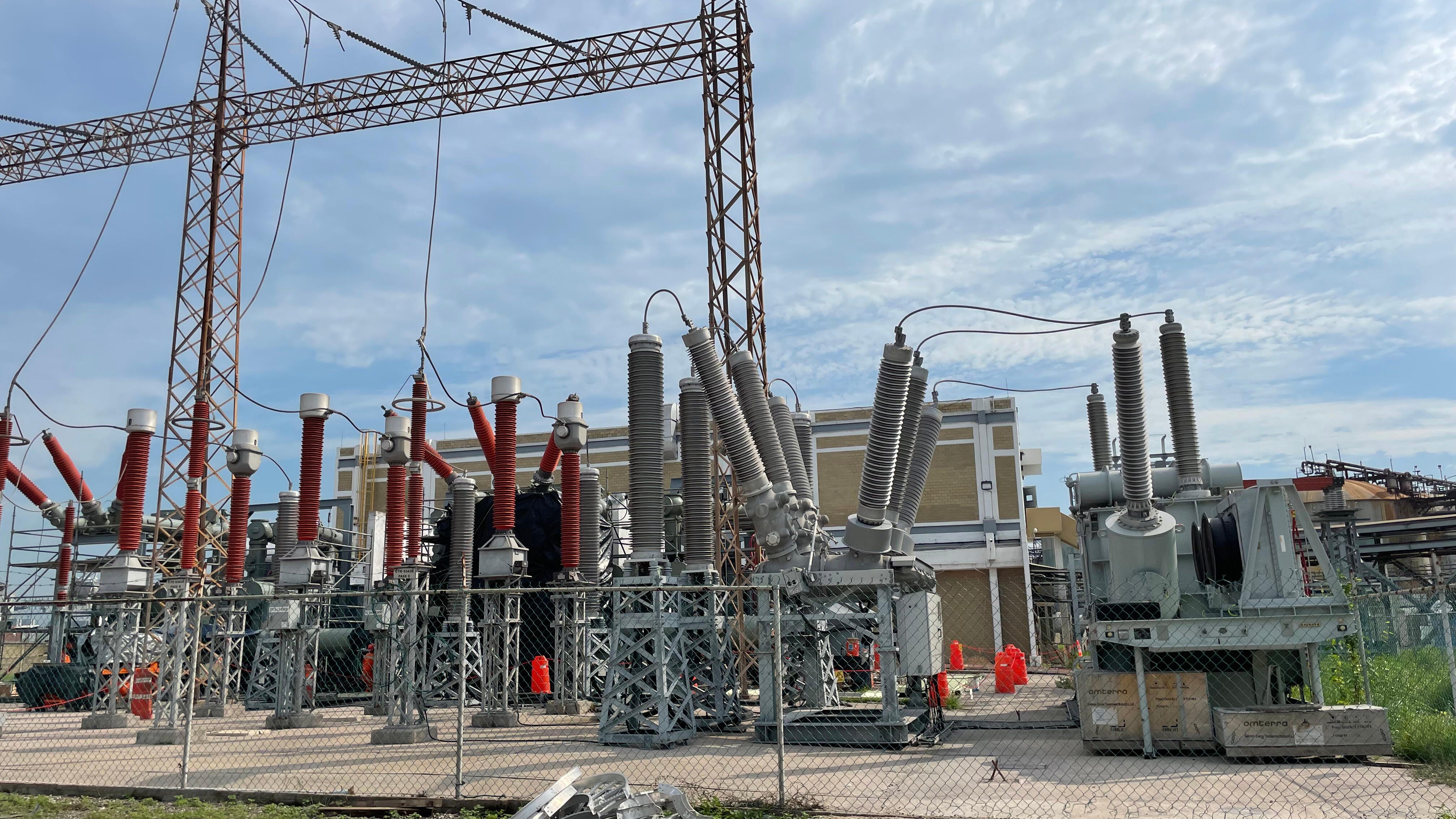
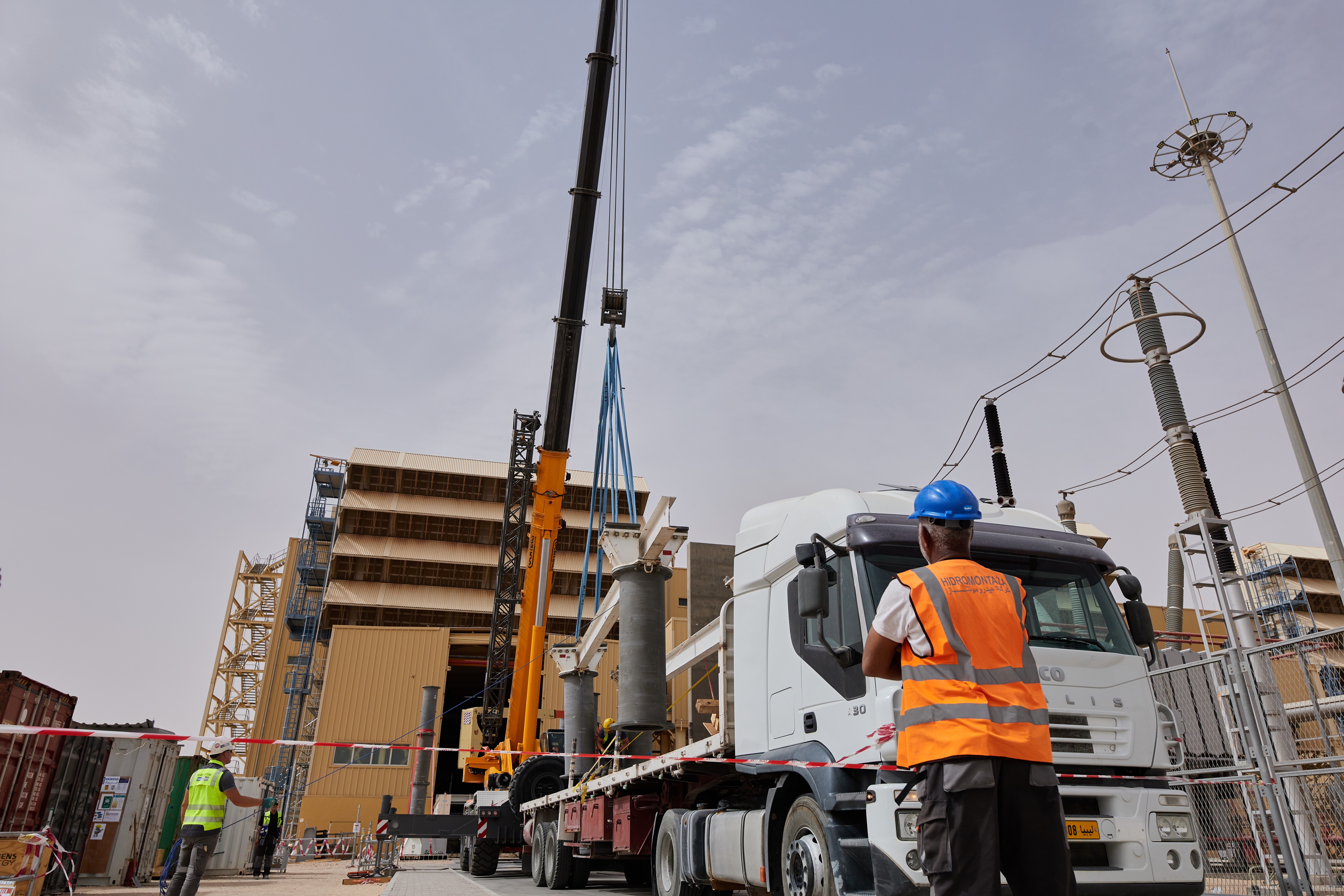
- Delivery and installation: The new gas turbine and generator were delivered directly to the site, accompanied by a specialized heavy-lifting system. This system was crucial for safely maneuvering the new equipment into the power plant and installing it on the existing foundation.
- Infrastructure readiness: A thorough inspection of the entire plant was conducted to ensure that all existing infrastructure was ready for the new turbine, mitigating potential issues during commissioning.
- EHS prioritization: Omterra prioritized Environment, Health, and Safety (EHS) throughout the project to ensure the well-being of all personnel and the surrounding environment. For example, the team established comprehensive safety protocols to address the specific risks associated with working in a remote location. This included rigorous training for all team members, ensuring they were well-prepared to handle the challenges of the environment.
The benefits: Restored 285MW generating capacity
The restoration of the Sarir power station is a significant milestone for Libya, with a generating capacity of 285 MW. This project directly addressed the national electricity deficit and provided essential power for industrial operations, particularly in the oil sector.
- Innovative approach: The BEX concept was applied for the first time in the Middle East, setting a benchmark for future projects in the region. This innovative approach not only reduces project timelines but also proves to be a cost-effective alternative to building a new power plant.
- Economic impact: By restoring the Sarir power station, Omterra contributed to the stability and growth of Libya's economy, ensuring a reliable energy supply for both residential and industrial needs.
- Collaboration and resilience: The successful coordination of this project highlighted the importance of flexibility and resilience in project management, especially in remote locations with complex political and security dynamics.
In conclusion, the partnership between Omterra and GECOL at the Sarir power station exemplified how innovative solutions and strong collaboration can restore vital energy infrastructure, ultimately contributing to the stability and growth of Libya's economy.