Marine electrical distribution systems for vessels
A marine electrical distribution system takes the power generated on board – or supplied from shore – and delivers it safely to propulsion, thrusters, automation, and hotel loads through switchboards, protection, and control. Omterra supplies AC, low-voltage DC, and medium-voltage DC distribution systems for every vessel type, as part of its marine energy solutions portfolio.
Operators face a familiar set of constraints: systems from several suppliers that must work as one, reliability and safety requirements that class societies audit, tightening efficiency and emissions rules – and very little space or weight to solve any of it with.
Omterra answers with fully integrated, compact, and lightweight distribution systems that work with both new and existing equipment on board – engineered to class requirements, and supported through the vessel’s life as regulations evolve.
Why ship electrical systems are changing
The electrical system used to be the quiet part of a ship. Four developments have made it the part that decides efficiency, safety, and compliance:
- Hybrid and electric power plants. Batteries, fuel cells, and variable-speed generators produce and consume DC – which is why DC distribution has moved from niche to mainstream on new builds.
- Dynamic positioning and closed-bus operation. DP2 and DP3 vessels that run a closed bus save fuel and engine hours, but only with protection and control fast enough to isolate a fault before it spreads.
- Regulation that prices energy. EEXI, CII, and regional rules turn every avoided engine hour into a reportable number.
- Electrification beyond the vessel. Offshore production installations are being powered from shore or from adjacent platforms, extending marine distribution engineering onto fixed assets.
The right answer differs by vessel and voltage class, which is why the portfolio below is organized as three architectures rather than one product.
Three distribution architectures: AC, LV DC, and MV DC
Each architecture serves a different voltage class and vessel profile. The cards below lead to the detailed sections on this page:
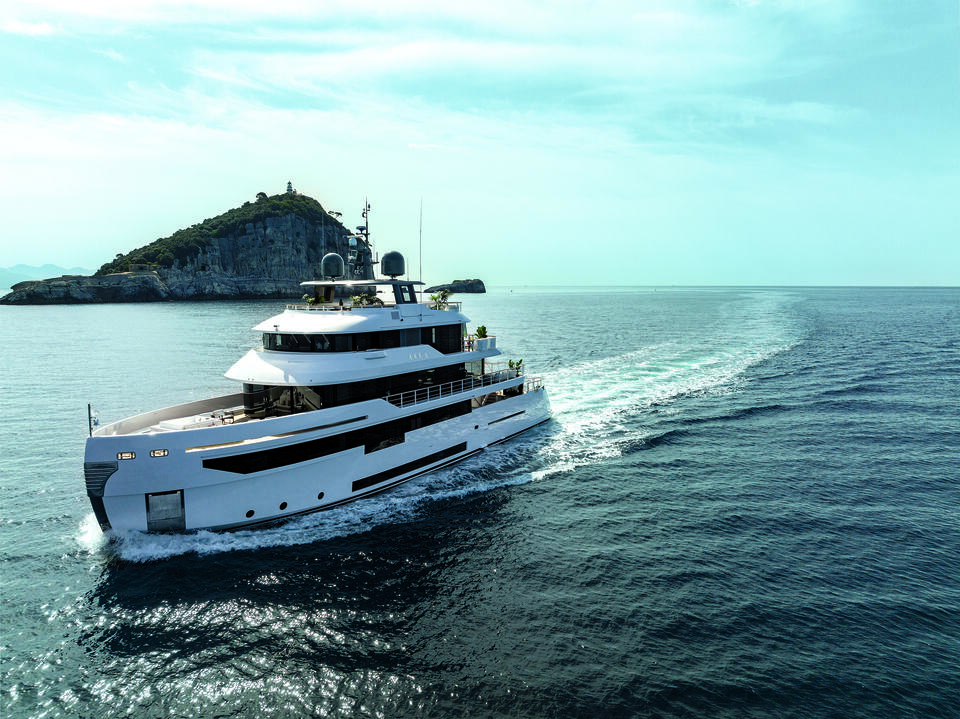
AC electrical distribution for ships and offshore installations
AC remains the backbone of most vessels. Omterra AC distribution systems are compact and energy-efficient for any vessel type, with integrated safety and digital readiness, and are approved for DP2 and DP3 closed-bus and closed-ring operation – the configuration that lets a dynamic positioning vessel run fewer engines without compromising redundancy. Energy storage integrates as required for further fuel and emission reductions.
From shore for offshore installations
Offshore production facilities can be fully electrified with high-voltage power supplied from shore or from an adjacent installation, replacing local gas turbine generation. Customer benefits:
- High and reliable production
- Minimized OPEX –reduced offshore manning
- Significant reduction of CO2 emissions
Protection and control for DP3 closed-ring systems
MV Power Premium is the most fault-tolerant protection and control solution for AC medium-voltage switchboards on board drilling vessels, ships, and fixed offshore installations – including DP3 closed-ring power systems, where a single fault must never reach the second half of the plant. Customer benefits:
- Cost-effective, fault tolerant, high and reliable operations
- Significant reduction of OPEX, minimized engine operating hours
- Reduced fuel consumption and CO2 emissions
Protection and control for DP2 closed-ring systems
MV Power Basic is the cost-effective protection and control solution for AC medium-voltage switchboards on board drilling vessels, ships, and fixed offshore installations, including DP2 closed-ring power systems. Customer benefits:
- Cost effective and reliable operations
- Significant reduction of OPEX, minimized engine operating hours
- Reduced fuel consumption and CO2 emissions
Both MV Power variants share one design principle: the closed ring stays closed under fault, so the operator keeps the fuel savings of running fewer engines and the class society keeps its redundancy case. Where the vessel’s power plant is itself DC – batteries, fuel cells, variable-speed gensets – the next architecture removes a conversion step altogether.
Low-voltage DC distribution with BlueDrive
A low-voltage DC distribution system – an onboard DC grid – lets generators run at variable speed and connects batteries and fuel cells without inverters at every step, cutting fuel consumption and footprint. Omterra LV DC systems suit ferries, yachts, offshore support vessels, and smaller commercial ships where space and energy efficiency decide the design.
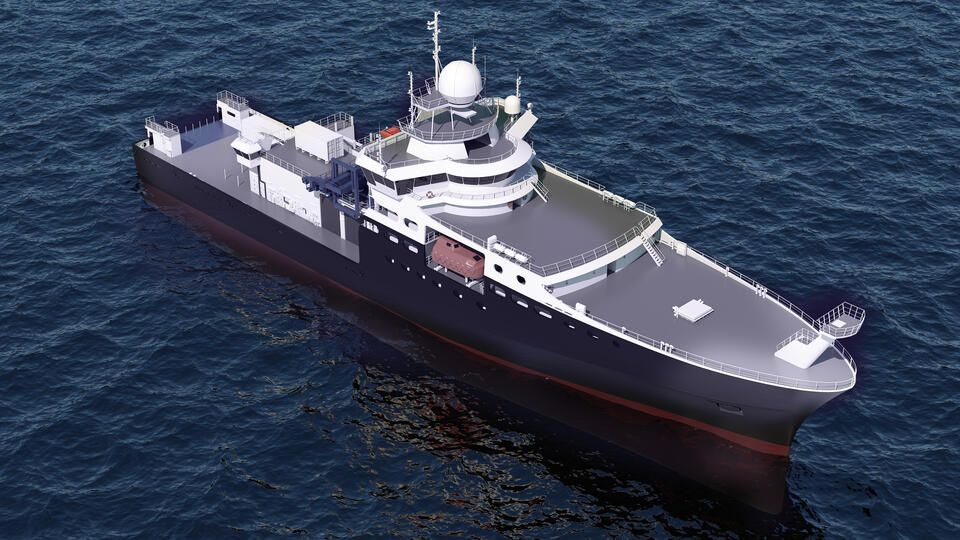
Integrated DC distribution with propulsion control
BlueDrive PlusC is the Omterra DC distribution platform that integrates power distribution, energy management, and propulsion control in one system – raising safety, reducing operating cost, and lowering emissions and lifecycle maintenance expense.
- The energy management system optimizes generator set performance for minimal fuel consumption and emissions by adjusting engine, propeller, and thruster speeds for optimal vessel operation.
- It easily connects to alternative energy sources like fuel cells, supercapacitors, and batteries, significantly reducing energy use and emissions.
- BlueDrive PlusC features fully integrated DC power distribution in a compact unit, with a main switchboard supplying clean power and controlling engine speed to optimize fuel efficiency and minimize load deviations.
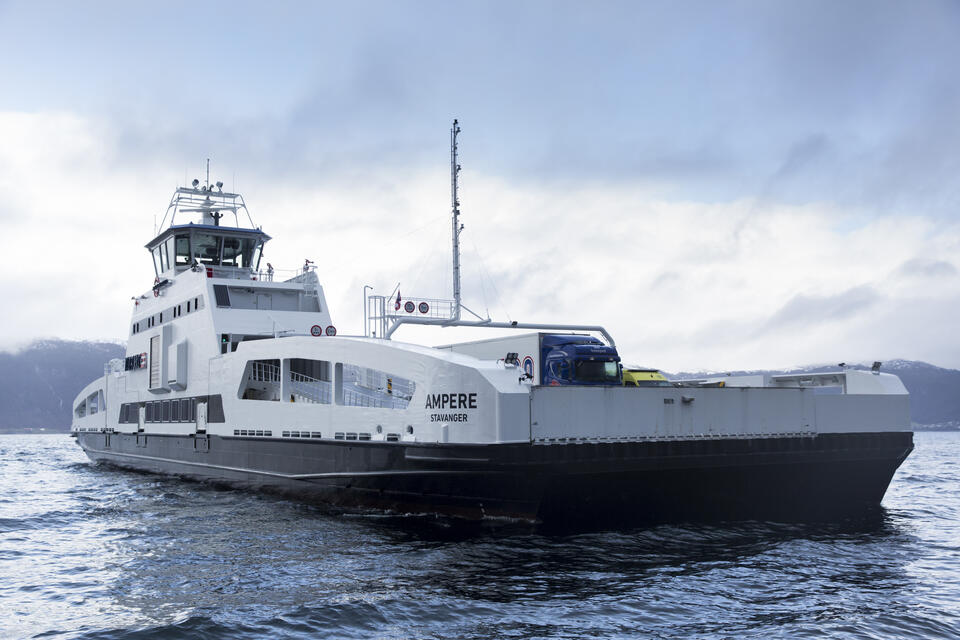
Compact DC system for space-constrained vessels
BlueDrive Eco is the compact member of the BlueDrive family: a DC distribution system that integrates electric propulsion with energy storage and power management for vessels where every cubic metre and tonne counts.
- Compact and Lightweight Design: Ideal for vessels with space and weight constraints.
- High Reliability and Performance: Functions effectively in demanding marine environments while ensuring compliance with stringent environmental regulations.
Both BlueDrive systems are the distribution side of the electric drive train described on the marine propulsion systems page, and the natural host for the BlueVault energy storage covered on the power generation and storage page. For the largest vessels, the same DC logic moves up a voltage class.
Medium-voltage DC distribution for large vessels
Medium-voltage DC (MV DC) distribution applies the onboard DC grid principle at the power levels of cruise liners, large cargo ships, and offshore platforms: fewer conversion stages, smaller switchgear, and a plant that accepts batteries, fuel cells, and variable-speed generation natively.
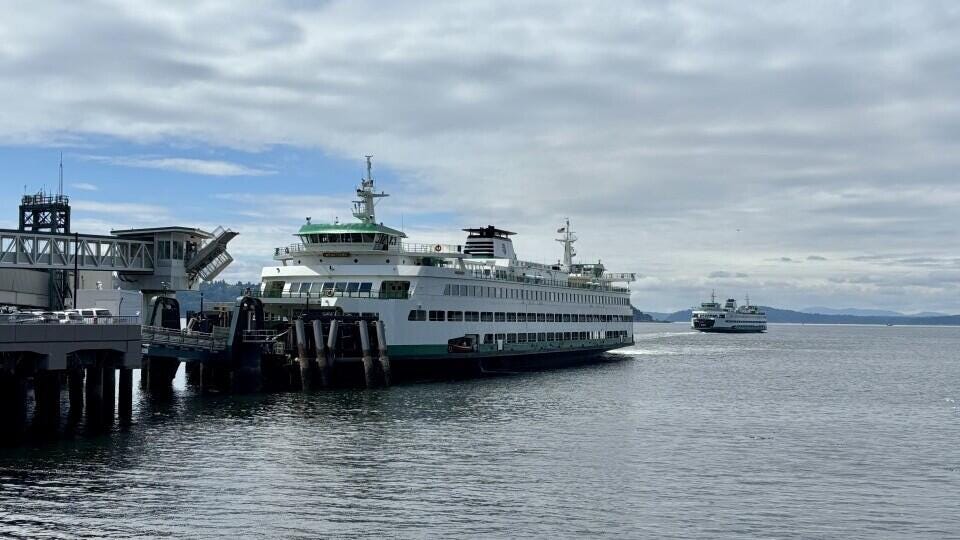
For operators the result is measurable: lower fuel consumption from generators running at optimal speed, more usable volume from compact switchgear, and a power plant that can add zero-emission sources later without redesign.
